- Overview Romanticism Art
- Romanticism Art Revolution Era
- Romanticism Art Sublime Nature
- Romanticism Art Passion Melancholy
Discover our exceptional collection of romanticism art, a refined selection that captures the essence of this revolutionary artistic movement of the nineteenth century. These monumental works instantly transform your space into a private gallery, offering complete immersion in the passionate universe of the romantic masters. Each high-definition reproduction reveals the subtle nuances and dramatic contrasts that defined this major artistic period, creating an atmosphere that is both contemplative and energizing in your interior.
Romanticism Art: The Art of Revolution and Freedom
The
romanticism art perfectly embodies the revolutionary spirit of an era undergoing profound change. This extraordinary artistic period, born in the last decades of the eighteenth century, has its roots in the political and social upheavals that shaped modern Europe. Romantic artists revolutionized the very conception of art by rejecting classical conventions to embrace a freer and more expressive vision of creation.
The French Revolution profoundly marked the romantic imagination, inspiring works of unparalleled dramatic power. These artistic representations capture the tumultuous energy of popular uprisings, the heroic grandeur of emblematic figures, and the complexity of human emotions in the face of major historical changes. A romanticism art piece from this period testifies to this unique creative effervescence, where each brushstroke carries the echo of major social transformations.
What are the revolutionary themes favored by romantic painters?
Romantic artists explored with remarkable intensity the themes linked to the political and social upheavals of their time. Freedom guiding the people becomes a central motif, symbolizing the collective aspiration toward emancipation and social justice. These monumental works depict with gripping expressive force the decisive moments of European history, transforming contemporary events into grand visual epics.
Romantic orientalism also reveals a fascination with distant cultures and exotic civilizations, reflecting colonial expansion and the geographical discoveries of the era. These colorful and sensuous representations offer an escape to imaginary lands, nourished by travelers' accounts and Napoleonic conquests. A romantic orientalist art piece transcends simple representation to become a window open onto the elsewhere and otherness.
Battle scenes occupy a preponderant place in romantic iconography, celebrating both individual heroism and great collective movements. These dynamic and theatrical compositions magnify military action while questioning the human costs of armed conflict. The influence of Napoleonic campaigns is particularly felt in these spectacular works that combine epic glorification and melancholic meditation on the human condition.
How does revolutionary aesthetics manifest itself in these works?
Technical innovation accompanies the thematic revolution in romantic art, creating an entirely renewed visual language. Artists experiment with bold color palettes, privileging dramatic contrasts between light and darkness to emphasize the emotional intensity of their subjects. This revolutionary technical approach breaks traditional academic conventions, opening the way to unprecedented pictorial expressiveness.
Pictorial gesture gains freedom and spontaneity, visually translating the unbridled creative energy of romantic artists. Generous impasto and visible brushstrokes become expressive elements in their own right, conferring on the works a particular physical presence and energetic vibration. This material approach to painting announces future artistic revolutions while firmly anchoring romantic art in its specific historical context.
The monumental formats favored by romantic painters amplify the visual and emotional impact of their creations. These imposing dimensions allow for the viewer's complete immersion in the represented universe, creating an aesthetic experience of rare intensity. A large-format romanticism art piece transforms the architectural space that houses it, establishing constant dialogue between the work and its environment.
Distinctive advantages of large-format reproductions:• Complete preservation of original technical details
• Visual impact comparable to museum works
• Possibility of appreciating subtle chromatic nuances
• Creation of a major architectural focal point
• Enhancement of prestigious reception spaces
The revolutionary heritage of romanticism continues to influence contemporary creation, testifying to the timeless relevance of these aesthetic innovations. These pioneering works opened expressive paths that subsequent generations have continuously explored and enriched, confirming their status as major milestones in the evolution of Western art. Discover our complete selection of
artistic movements to deepen your knowledge of these aesthetic revolutions.
Romanticism Art: Mystical Communion with Sublime Nature
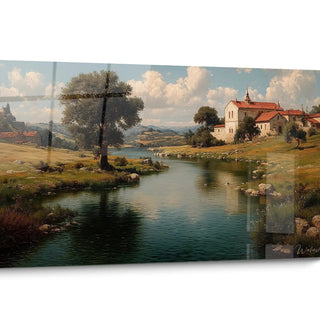
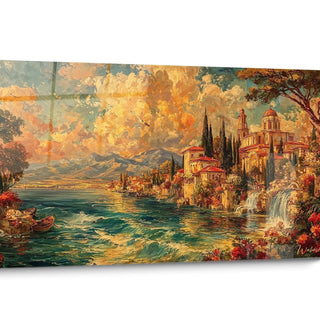
The profound relationship between humanity and nature constitutes one of the fundamental pillars of romantic aesthetics. The romanticism art reveals this unique spiritual connection through landscapes of exceptional emotional intensity, where nature becomes the mirror of the deepest human passions. This revolutionary approach transforms traditional landscape into a veritable theater of emotions, where each natural element participates in constructing a complex psychological atmosphere.
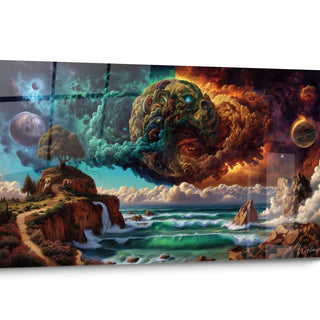
Romantic artists develop a sublime conception of nature, far exceeding simple descriptive representation to attain a gripping metaphysical dimension. Raging ocean storms, vertiginous mountain peaks, and mysterious forests become the protagonists of dramatic compositions where humanity often appears diminished before natural immensity. This sublime aesthetics reveals a new sensitivity to the primordial forces that govern the universe.
What are the specific manifestations of romantic sublime nature?
The unleashed ocean occupies a central place in romantic iconography, symbolizing uncontrollable passions and destructive forces of existence. These spectacular maritime representations capture the raw energy of natural elements, transforming the sea into a universal metaphor for the human condition. Shipwrecks and storms become powerful allegories of human fragility before destiny, creating compositions of rare dramatic intensity.
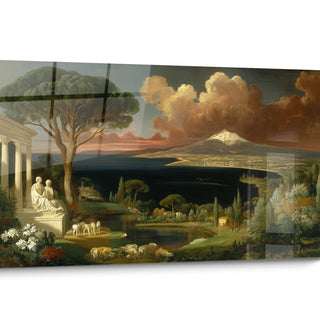
Romantic mountain landscapes reveal a fascination with verticality and spiritual elevation, where snow-capped peaks symbolize aspiration toward the absolute and the infinite. These vertiginous compositions explore themes of contemplative solitude and transcendent meditation, offering a pantheistic vision of creation. A romantic mountain art piece invites philosophical reflection while offering visual escape toward distant and mysterious horizons.
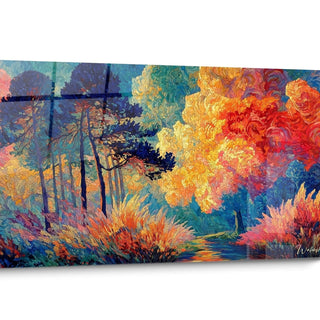
The romantic forest develops a particular aesthetics of shadow and mystery, where lush vegetation conceals as much as it reveals. These sylvan environments become sanctuaries of introspection and reverie, populated with invisible presences and symbolic resonances. The exploration of these wild spaces reflects the romantic quest for an authenticity lost in nascent urban civilization.
Exceptional meteorological phenomena fascinate romantic artists particularly, who draw from them an inexhaustible source of dramatic inspiration. Storms, fog, dawns, and sunsets become actors in their own right in compositions where atmosphere takes precedence over form. This particular attention to climatic variations testifies to a new sensitivity to natural rhythms and secret correspondences between microcosm and macrocosm.
How does romantic spirituality transform landscape perception?
The spiritual dimension of romanticism entirely renews the landscape approach, transforming nature into an open book on the mysteries of existence. This pantheistic vision considers each natural element a divine manifestation, conferring unprecedented metaphysical depth on landscape representations. A spiritual romanticism art piece invites contemplative meditation while celebrating the transcendent beauty of the natural world.
The influence of pietism and idealist philosophies is particularly felt in this mystical approach to nature, where landscape becomes a privileged means of access to the sacred. Romantic artists develop complex symbolic iconography, where each natural detail may contain profound spiritual significance. This landscape hermeneutics considerably enriches the reading of works, multiplying possible interpretation levels.
The notion of universal correspondences, inherited from esoteric traditions, profoundly influences romantic composition. Analogies between states of mind and natural phenomena structure works of exceptional visual poetry, where natural exteriority faithfully reflects psychological interiority. This aesthetics of correspondences creates works of extraordinary symbolic richness.
Characteristic elements of romantic landscape spirituality:
• Complex vegetative and mineral symbolism
• Light play with transcendent dimension
• Divine immanence in nature
• Solitary meditation before immensity
• Mystical communion with primordial elements
The spiritual heritage of romantic landscape continues to nourish contemporary sensitivity, testifying to the lasting relevance of this contemplative approach to nature. These pioneering works opened aesthetic exploration paths that modern art has continuously enriched, confirming their status as major references in the history of Western landscape representation.Romanticism Art: Passionate Expression of Melancholy and Intimate Feelings
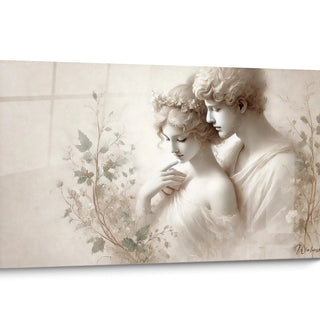
The sentimental revolution operated by romanticism radically transforms the artistic expression of human emotions. The romanticism art becomes the privileged vehicle of complex and tormented interiority, where the most intense passions coexist with the deepest melancholy. This aesthetics of feelings reveals a new sensitivity to psychological nuances, exploring the uncharted territories of the human soul with remarkable acuity.
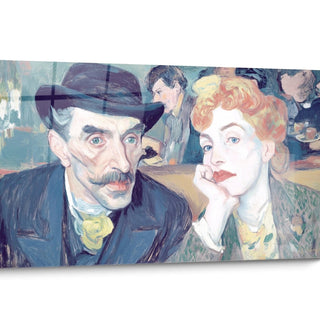
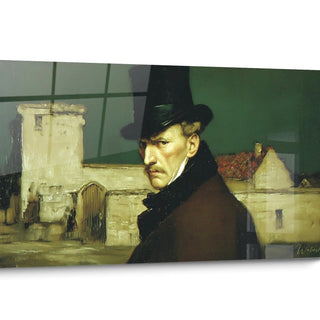
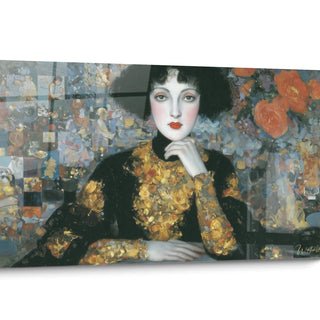
Romantic individualism places the sensitive subject at the center of artistic creation, revolutionizing the traditional hierarchy of pictorial genres. Psychological portraits gain introspective depth, revealing the inner conflicts and secret aspirations of represented characters. This innovative approach transforms painting into a veritable laboratory of psychological exploration, anticipating future discoveries of psychoanalysis.
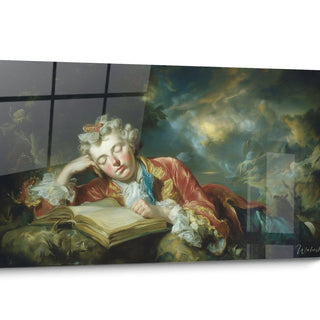
Romantic melancholy develops a particular aesthetics of nostalgia and spleen, where beauty paradoxically arises from suffering and loss. These works of rare emotional intensity explore universal themes of human finitude, impossible love, and inaccessible ideals. A melancholic romanticism art piece reveals the tragic beauty of existence while offering liberating aesthetic catharsis.
What are the pictorial manifestations of romantic passion?
Tragic love occupies a central position in romantic iconography, inspiring works of exceptional dramatic power. Thwarted love stories, heartbreaking separations, and impossible reunions fuel a passionate imagination of inexhaustible richness. These representations of absolute love transcend sentimental anecdote to attain universal mythological dimension.
The representation of jealousy and destructive passions reveals the dark face of romantic love, exploring the dangerous territories of obsession and possessive love. These psychologically complex works anticipate modern explorations of the unconscious, revealing hidden mechanisms of the human psyche. Romantic art dares address sentimental taboos with unprecedented frankness.
Scenes of farewell and separation develop a particular aesthetics of absence and lack, where emotion arises as much from what is shown as from what is suggested. These compositions of remarkable psychological subtlety explore infinite nuances of amorous suffering, creating works of exceptional visual poetry.
The mystical exaltation of courtly love is reborn in romantic art in renewed forms, blending spirituality and sensuality in original syntheses. This transcendent dimension of romantic love elevates human passion toward metaphysical horizons, conferring quasi-religious dignity on amorous representations.
How does romantic melancholy transform artistic expression?
Romantic melancholy develops a specific visual language, privileging subdued tones and twilight atmospheres to translate complex states of mind. This particular emotional palette creates works of rare psychological depth, where each chromatic nuance participates in constructing the sentimental atmosphere. A melancholic romanticism art piece gradually reveals its emotional richness, unveiling its secrets to the patient viewer.
The aesthetics of ruins occupies a privileged place in romantic melancholic expression, symbolizing the fragility of human works before time's destructive force. These meditations on earthly vanity develop a particular poetics of the ephemeral and nostalgia, transforming architectural decomposition into universal allegory of the human condition.
Contemplative solitude becomes a major theme of romantic sensibility, exploring the unsuspected riches of introspection and solitary meditation. These representations of voluntary isolation reveal hidden treasures of inner life, transforming social withdrawal into enriching spiritual quest.
Distinctive characteristics of romantic melancholy:
• Exploration of subtle psychological nuances
• Aesthetics of the unfinished and fragmentary
• Nostalgia for lost paradises
• Celebration of heightened sensitivity
• Transformation of suffering into beauty
Why choose a romanticism art piece for your interior?
A romanticism art piece brings exceptional emotional and cultural dimension to your living space, creating a refined and contemplative atmosphere.
How do romantic works influence the ambiance of a room?
Romantic compositions instantly transform the atmosphere of a space, conferring on it poetic depth and timeless elegance that foster reflection and emotion.
What spaces suit best the display of romanticism art?
Reception rooms, private libraries, and bedrooms constitute ideal settings for these works laden with emotion and symbolism.
Does romanticism art adapt to contemporary decoration?
The timelessness of romantic themes allows harmonious integration into modern interiors, creating enriching aesthetic contrasts and stimulating visual dialogues.
The emotional heritage of romanticism continues to nourish contemporary sensitivity, proving the lasting relevance of this exploration of human depths. These pioneering works opened expressive territories that modern art continues to explore, confirming their status as major milestones in the evolution of Western art.


 Fjord Solitary Navigation Wall Art - Romanticism edition233,90 €
 Ancient Temple Distant Sea Painting - Romanticism Edition233,90 €
 Couple Silent Complicity Painting - Romanticism Edition233,90 €
 Ancient Temple with Moonlight Wall Art - Romanticism Edition233,90 €
 Suspended Dream Castle Painting - Romanticism edition233,90 €
 Mystical Crescent Landscape Painting - Romanticism edition233,90 €
 Couple Alpine Idyll Wall Art - Romanticism Collection233,90 €
 Mountain Silent Communion Painting - Romanticism Edition233,90 €
 Woman Peace Spiritual Awakening Painting - Romanticism Edition233,90 €
 Reader Painting Spiritual Elevation - Romanticism edition233,90 €
 Maritime landscape painting distant lighthouse hope - Romanticism edition233,90 €
 Couple Balcony Secret Edition - Romanticism233,90 €
 Wall Art Couple Shared Solitude – Romanticism edition233,90 €
 Ancient Temple Painting Sacred Mist - Romanticism Edition233,90 €
 Nature Painting Suspended Time - Romanticism Edition233,90 €
 Temple Solitary Contemplation Painting - Romanticism Edition213,90 €
 Sailboat Imposing Rocks Painting - Romanticism Edition213,90 €