


Collage Wall Art
Discover the art of collage wall art, where mixed media technique expresses itself with creativity and boldness. Our collection features unique artistic compositions that assemble materials, colors, and textures to create visually captivating works. Each creation tells a story through the layering of varied elements, offering a tactile and emotional dimension to your space. Perfect for bringing originality and character to your interior, these pieces appeal to contemporary art enthusiasts seeking distinctive and expressive artworks.
 Multicolor Abstract Wall Art - Neural Fragments - Collage Edition273,90 €
 Colorful Abstract Painting - Neural Mosaic - Collage Edition273,90 €
 Abstract Geometric Wall Art - Neural Fusion - Collage Edition273,90 €
 Colored Fragments Wall Art - Abstract Mosaic - Collage Edition273,90 €
 Geological Strata Canvas - Mineral Memory - Collage Edition273,90 €
 Microscopic Organic Structures Canvas - Synaptic Network - Collage Edition273,90 €
 Multicolor Abstract Canvas - Urban Fragments - Collage Edition273,90 €
 Colorful Abstract Fragments Canvas - Synaptic Explosion - Collage Edition242,90 €
 Multicolor Abstract Wall Art - Fragments of Consciousness - Collage Edition242,90 €
 Abstract Torn Urban Wall Art - Memory Fragments - Collage Edition273,90 €
 Colorful Abstract Fragments - Neural Mosaic - Collage Edition228,90 €
 Torn Fabric Wall Art - Golden Fragments - Collage Edition273,90 €
 Colorful Abstract Fragments Wall Art - Brain Connections - Collage Edition228,90 €
 Multicolor Abstract Collage Canvas - Urban Fragments - Collage Edition228,90 €
Explore further
In Collage Wall Art


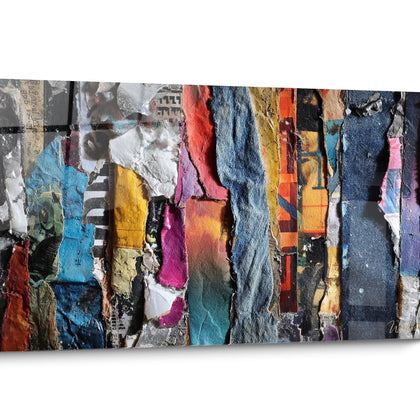

In the same family
Also explore the theme Artistic Movements
-
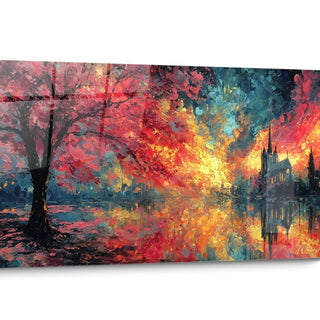 View all793
artworks
View all793
artworks
-
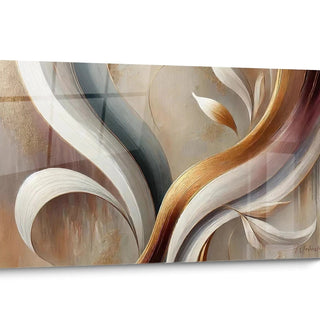 Acrylic (style)10
artworks
Acrylic (style)10
artworks
-
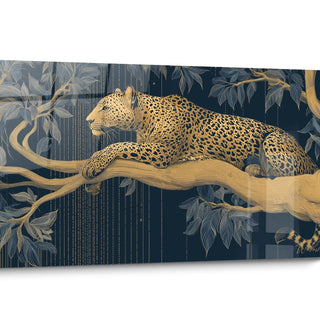 Art Deco164
artworks
Art Deco164
artworks
-
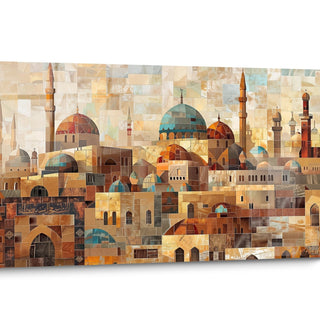 Islamic Art9
artworks
Islamic Art9
artworks
-
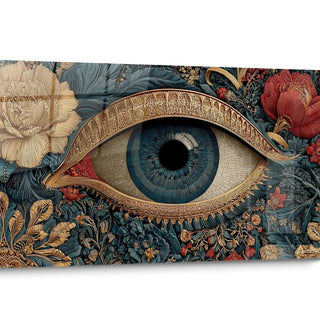 Art Nouveau39
artworks
Art Nouveau39
artworks
-
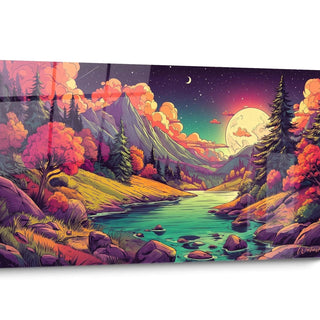 Comic Strip16
artworks
Comic Strip16
artworks
-
 Baroque22
artworks
Baroque22
artworks
-
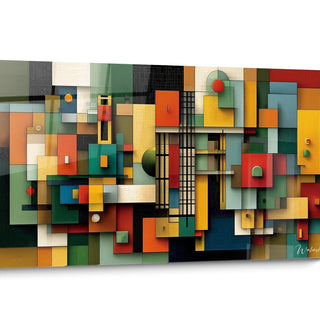 Bauhaus31
artworks
Bauhaus31
artworks
-
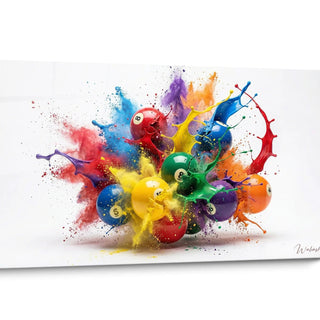 Billiards19
artworks
Billiards19
artworks
-
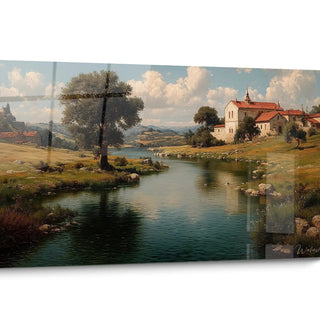 Classicism16
artworks
Classicism16
artworks
-
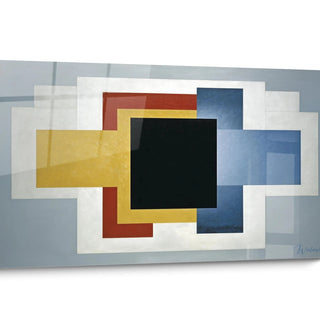 Constructivism31
artworks
Constructivism31
artworks
-
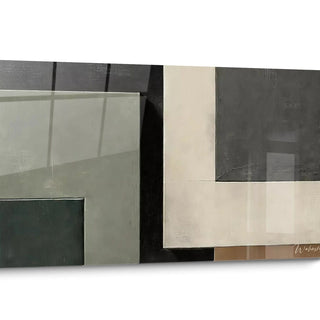 Cubism91
artworks
Cubism91
artworks
-
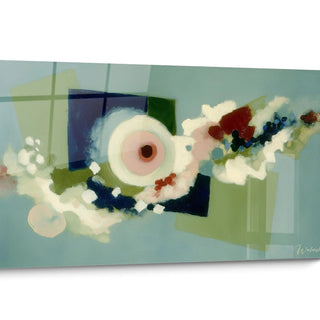 Dadaism33
artworks
Dadaism33
artworks
-
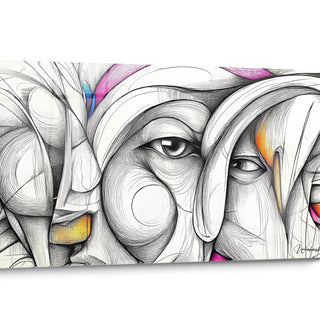 Drawing20
artworks
Drawing20
artworks
-
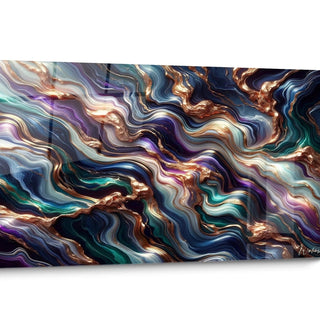 Expressionist95
artworks
Expressionist95
artworks
-
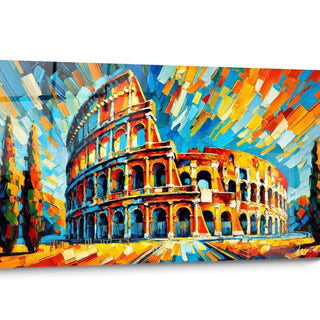 Abstract Fauvism10
artworks
Abstract Fauvism10
artworks
-
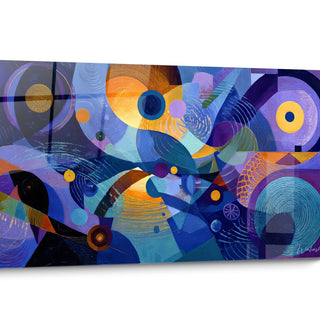 Abstract Futurism25
artworks
Abstract Futurism25
artworks
-
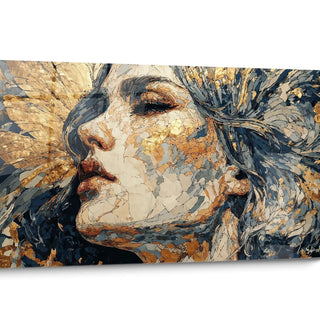 Gothic29
artworks
Gothic29
artworks
-
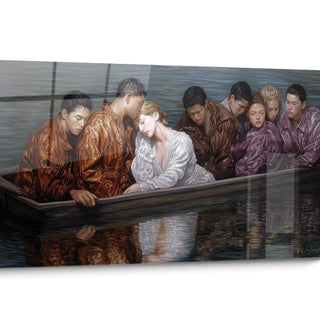 Hyperrealism28
artworks
Hyperrealism28
artworks
-
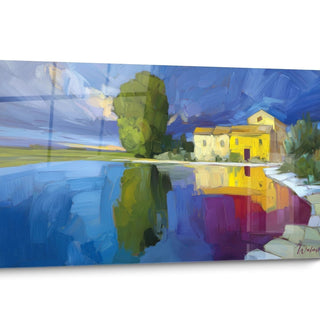 Impressionism23
artworks
Impressionism23
artworks
-
 Japandi13
artworks
Japandi13
artworks
-
 Light painting3
artworks
Light painting3
artworks
-
 Minimalist35
artworks
Minimalist35
artworks
-
 Neo-classical15
artworks
Neo-classical15
artworks
-
 Op Art20
artworks
Op Art20
artworks
-
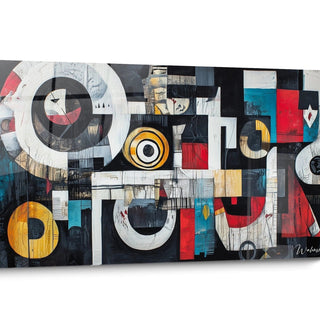 Abstract Contemporary Painting48
artworks
Abstract Contemporary Painting48
artworks
-
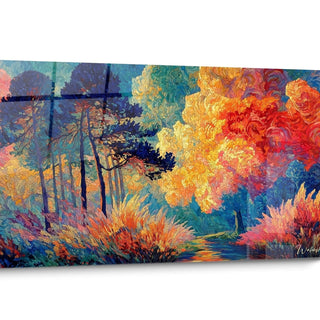 Pointillism59
artworks
Pointillism59
artworks
-
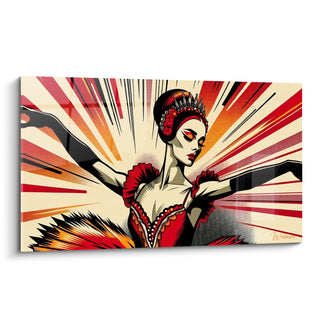 Abstract Pop Art18
artworks
Abstract Pop Art18
artworks
-
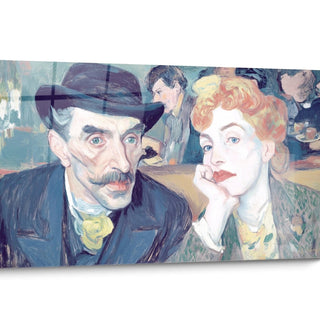 Post-Impressionism15
artworks
Post-Impressionism15
artworks
-
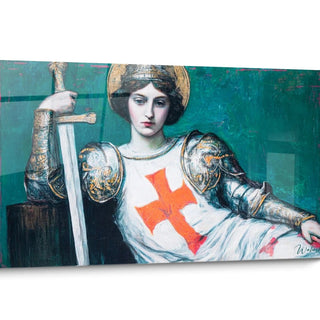 Pre-Raphaelitism11
artworks
Pre-Raphaelitism11
artworks
-
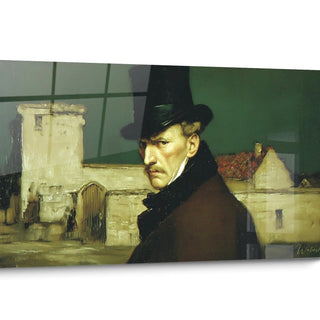 Realism10
artworks
Realism10
artworks
-
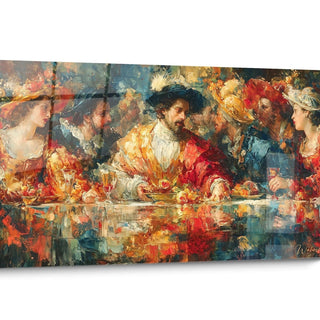 Renaissance13
artworks
Renaissance13
artworks
-
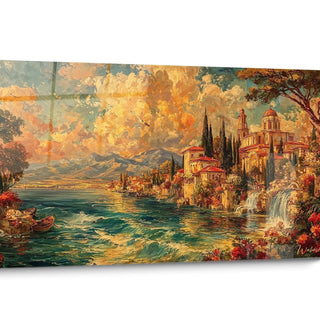 Italian Renaissance12
artworks
Italian Renaissance12
artworks
-
 Rococo5
artworks
Rococo5
artworks
-
 Romantic12
artworks
Romantic12
artworks
-
 Romanticism17
artworks
Romanticism17
artworks
-
 Abstract Surrealism34
artworks
Abstract Surrealism34
artworks
-
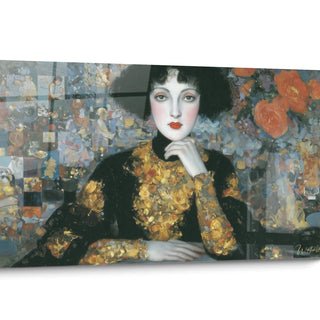 Symbolist26
artworks
Symbolist26
artworks
-
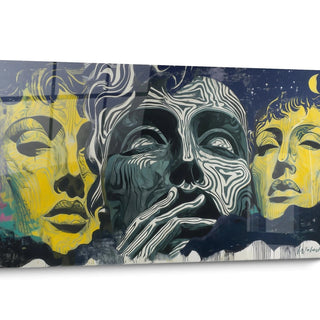 Vanity21
artworks
Vanity21
artworks
All about Collage Wall Art
- Collage Wall Art Overview
- Collage Wall Art: Multi-Scene Narrative Construction
- Collage Wall Art: Visual Orchestration of Contrasts
- Collage Wall Art: Spatial Impact of Visual Density
Collage wall art represents a contemporary artistic approach where multiple visuals coexist on the same large-scale mural support. This assembly technique creates an immersive decorative experience that radically transforms space perception. Unlike single representations, these fragmented compositions generate constant visual dialogue between different scenes, textures and atmospheres. Acquiring an assembled mural artwork allows you to simultaneously introduce multiple worlds into the same space, offering narrative richness impossible to achieve with an isolated image. These large-scale mural creations meet the expectations of wall art enthusiasts seeking a decorative solution with strong visual personality, capable of architecturally structuring a large wall while telling a complex and layered story.
The Narrative Art of Collage Wall Art: When Multiple Stories Meet
Collage wall art offers a narrative dimension that traditional mural works cannot match. This visual assembly technique allows you to construct complex narratives where each fragment contributes to an overall story while maintaining its own identity. Acquiring a large-scale assembled format instantly transforms a wall into a true open image book, where the gaze travels freely between different interconnected scenes.
How do collage wall artworks create unique visual storytelling?
The narrative power of assembled compositions lies in their ability to juxtapose distinct moments on the same mural plane. Unlike linear representations, these original mural creations enable non-sequential reading where the observer constructs their own interpretive journey. Each visual fragment dialogues with its neighbors, creating unexpected associations that enrich the overall understanding of the artwork. This visual polyphony proves particularly effective for living spaces requiring constant visual engagement.
Visual Cartography of a Thematic Universe
Large-scale collage wall art functions as thematic cartographies that visually document a concept or ambiance. The assembly of multiple visuals allows exploration of different facets of the same subject without falling into monotonous repetition. A mural collage exploring the urban universe can juxtapose monumental architectures, street details, nocturnal scenes and industrial atmospheres, creating a total representation impossible with a single image.
This encyclopedic approach transforms the wall into a living documentary space. Large-scale fragmented compositions allow simultaneous integration of overview and intimate details, offering multiple reading levels depending on observation distance. Close viewing reveals the specifics of each fragment, while distance unveils the overall compositional harmony.
Suspended Temporality Through Image Coexistence
One of the most fascinating aspects of collage wall art concerns its particular management of time. By assembling visuals captured at different moments or representing various temporalities, these mural works create unique temporal suspension. A collage can make dawn and dusk coexist, opposing seasons or different eras, generating a perceptual experience impossible in the physical world.
This temporal manipulation proves particularly relevant for contemplative spaces like personal offices or libraries. The simultaneity of fragmented moments stimulates imagination and encourages non-linear thinking, fostering creativity and innovation. Imposing mural formats amplify this effect by creating total immersion in this alternative temporal reality.
Which spaces benefit most from a narrative collage wall art?
Cultural spaces, reception halls and passage areas considerably gain from hosting narrative assembled compositions. These environments, characterized by constant gaze circulation, benefit from the visual richness offered by multiple fragments. Each observation reveals new details, connections or interpretations, maintaining interest even after hundreds of viewings.
Stratification of Perspectives in Mural Space
Large-scale collage wall art excels in creating multiple perceptual depths. The assembly of visuals presenting different viewpoints – high angle, low angle, frontal view – generates three-dimensional visual architecture on a two-dimensional surface. This complex stratification agreeably complicates the reading of the mural work.
The incorporation of contradictory perspectives creates visual dynamism absent from single-viewpoint representations. The brain, confronted with these simultaneous multiple angles, activates its spatial reconstruction processes, engaging the observer in active rather than passive contemplative participation. This cognitive activation transforms the decorative experience into genuine intellectual stimulation.
Static Cinematographic Editing on Large Scale
Assembled mural compositions borrow cinematographic language and its editing techniques. The juxtaposition of visual fragments creates cut, fade or superimposition effects, transforming the wall into a frozen narrative screen. This static cinematographic approach generates visual rhythm that naturally guides the gaze's path.
Large-scale mural artworks allow full exploitation of this cinematographic vocabulary. Available space enables complex visual sequences where close-ups border on wide shots, creating compositional breathing similar to well-edited film. This visual rhythm transforms observation into a true temporal narrative experience despite the support's immobility.
Construction of Collective Visual Memories
Collage wall art functions as condensed visual archives, assembling memorial fragments into synthetic representation. This ability to crystallize multiple visual memories into a single mural work responds to contemporary needs for documentation and memorial preservation. Thematic assembly creates accessible collective memory at a single glance.
This memorial dimension proves particularly relevant for family or professional spaces wishing to visually document their history. Large-scale mural formats offer sufficient space to integrate decades of evolution or multiple facets of an identity, transforming the wall into living visual chronicle. Fragment coexistence creates temporal bridges between past and present.
What advantages do collage wall artworks offer for large spaces?
Large-scale assembled compositions effectively resolve the scale challenge in imposing architectural spaces. Their intrinsic visual density avoids the dilution effect affecting single images stretched across large surfaces. The multiplicity of fragments maintains constant perceptual richness regardless of observation distance, ensuring visual presence even in substantial volumes. Walls spanning multiple meters thus find decoration to their measure, capable of dialoguing with architectural scale without disappearing into immensity.
Mastering Contrasts: The Subtle Balance of Assembled Compositions
The orchestration of collage wall art rests on sophisticated interplay between thematic coherence and stimulating contrasts. This visual dialectic creates creative tension that maintains interest while preserving overall harmony. Assembled mural compositions allow simultaneous introduction of unity and diversity, offering perceptual richness impossible with single representation.
Dialogue Between Multiple Scales and Proportions
Large-scale collage wall art masterfully exploits scale variations to create depth and dynamism. The assembly of visuals presenting radically different subject sizes – from microscopic detail to monumental panorama – generates complex visual hierarchy that naturally guides the gaze's path. This proportional variation avoids monotony while creating multiple anchoring points.
The incorporation of contrast-scale fragments also allows playing with perceptual proximity and distance effects. An enlarged detail adjoining an overview creates stimulating cognitive dissonance that activates attention. This technique proves particularly effective for large walls where observation distance varies considerably depending on observer position.
Visual Rhythm Through Controlled Accumulation
Assembled mural compositions create visual rhythms through calculated alternation of densities, colors and textures. Unlike uniform works, these fragmented creations allow composing true visual scores where rapid tempo and contemplative pauses succeed each other. This rhythmic orchestration transforms observation into dynamic rather than static experience.
Mastering this rhythm proves crucial for everyday living spaces. Excessive intensity risks visually saturating the environment, while too much dispersion dilutes impact. Quality collage wall art achieves optimal balance between density and breathing space, creating affirmed presence without visual aggression. This fine calibration largely determines appreciation durability over time.
How to choose the right visual associations for a collage wall art?
Visual association selection in an assembled composition obeys creative tension principles rather than conventional harmony. The most successful juxtapositions create unexpected dialogues between apparently disparate fragments, generating emergent meanings absent from each isolated element. This visual alchemy requires favoring productive contrasts that enrich rather than sterile oppositions that scatter.
Creative Tension Between Coherence and Contrast
Mural collage wall art constantly navigates between two pitfalls: boring uniformity and visual chaos. The most accomplished compositions maintain overall thematic or chromatic coherence while introducing sufficient variation to stimulate attention. This productive tension creates unstable balance that keeps the gaze alert, continuously discovering new fragment connections.
Introduction of calculated contrasts – chromatic temperature, saturation, granularity – allows structuring mural space into zones of variable intensity. These variations create natural visual paths that organize viewing without constraining it. Imposing mural formats benefit particularly from this internal structuring that avoids undifferentiated mass effect.
Orchestrated Visual Polyphony at Large Scale
Large-scale assembled compositions function as polyphonic orchestrations where multiple visual voices coexist without neutralizing each other. Each fragment maintains its own identity while contributing to overall harmony. This polyphony creates perceptual richness rewarding prolonged and repeated observation.
Successful orchestration requires thinking assembly as musical composition where each element occupies its place in the overall spectrum. Dominant fragments structure the whole like main melody, while secondary elements enrich like harmonics. This loose hierarchy avoids cacophony while preserving vitality.
What types of contrasts work best in collage wall art?
The most effective contrasts in assembled mural compositions concern atmospheres and temporalities more than raw chromatic oppositions. The juxtaposition of serene and energetic ambiances, open and confined spaces, smooth and rough textures creates sophisticated perceptual tensions that maintain interest without aggressing. These subtle contrasts generate durable visual complexity rather than ephemeral superficial impact.
Concentrated Information Density and Attention Management
Collage wall art concentrates considerable visual information quantity on limited surface. This information density requires careful management to avoid cognitive overload. Successful compositions create clear hierarchies allowing the gaze to navigate effectively between different reading levels without losing itself in multiplicity.
High density presents the advantage of maintaining interest over long periods. Unlike simple images quickly exhausted, fragmented compositions continuously reveal new details and connections. This perceptual depth transforms the mural work into durable visual companion rather than passing decoration. Large formats fully exploit this richness by offering necessary space for extensive visual exploration.
Fragmented Visual Architecture and Space Structuring
Assembled mural compositions function as visual architectures that structure and organize mural space. Fragment disposition creates axes, zones and rhythms that influence overall environment perception. This structuring capacity proves particularly precious for large walls requiring strong visual organization.
Fragmented architecture also allows creating correspondences with space's physical architecture. Composition's directional lines can dialogue with existing architectural elements – beams, windows, openings – creating harmonious integration between mural decoration and built structure. This architectural resonance considerably strengthens overall environment's perceptual coherence.
The Spatial Impact of Collage Wall Art: Transforming Space Perception
Large-scale collage wall art exercises considerable influence on spatial perception of environments they occupy. Their visual density and compositional complexity create spatial effects impossible to obtain with conventional mural works. This transformative capacity makes assembled compositions genuine architectural tools.
Narrative Depth Through Scene Superimposition
The visual superimposition characteristic of collage wall art generates perceptual depth that visually pushes physical wall limits. This depth illusion transforms flat surface into suggested three-dimensional space, perceptually enlarging room volume. Large-scale fragmented compositions amplify this effect by creating true virtual windows toward multiple spaces.
Layering visual strata also creates transparency and opacity effects that complicate spatial reading. The gaze oscillates between different depth planes, unsure which layer to favor. This productive ambiguity maintains perceptual tension that continuously activates visual attention. Imposing walls benefit particularly from this dynamic that compensates physical massiveness with perceptual lightness.
How do collage wall artworks modify perception of a large wall?
Assembled compositions radically transform large mural surface perception by visually fragmenting their continuity. Instead of potentially oppressive uniform expanse, the wall becomes composite space animated by fragment multiplicity. This perceptual fragmentation humanizes architectural scale by returning it to absorbable visual units. Informational density also compensates perceptual dilution affecting single images stretched across large surfaces.
Thematic Juxtaposition of Visual Universes
Collage wall art allows multiple visual universes coexistence in the same mural space, creating thematic richness impossible with single representation. This universe coexistence transforms the wall into portal toward multiple simultaneous realities. Resulting spatial effect evokes more a condensed gallery than simple decoration.
Thematic juxtaposition also offers perceptual flexibility depending on mood or moment. The observer can choose to concentrate on particular fragments according to their momentary emotional or aesthetic needs. This perceptual adaptability transforms the mural work into modular visual companion rather than frozen imposed presence. Large-scale mural formats offer sufficient space for this diversity without confusion.
Dialogue Between Photographic and Graphic Elements
Alternation between photographic and graphic elements in assembled compositions creates register transitions that considerably dynamize spatial perception. These visual nature changes – from photographic realism to graphic abstraction – generate perceptual ruptures that keep attention awake. This heterogeneity enriches visual experience beyond what homogeneous works permit.
Dialogue between different visual registers also allows exploring the same subject through multiple representation modes. A theme can simultaneously be approached documentarily and interpretively, creating cognitive complementarity that deepens understanding. This approach multiplicity transforms observation into true multi-dimensional discovery process.
Which spaces require collage wall art's visual density?
High-traffic environments like entry halls, main corridors or coworking spaces considerably gain from hosting assembled compositions. These places, characterized by repeated but brief visual exposure times, require informational richness capable of maintaining interest despite fragmented observations. Collage wall art density ensures that each passage reveals new details without quickly exhausting visual potential.
Multi-Image Narrative Composition on Single Support
Concentration of multiple visual narratives on unique mural support creates narrative density that transforms the wall into true visual library. This informational condensation responds to contemporary optimization space needs while preserving experience richness. A single large-scale assembled format can advantageously replace several dispersed works, simplifying spatial organization while increasing visual impact.
Unification of multiple images on unique support also creates perceptual coherence avoiding dispersion associated with multiple hangings. The common frame unifies fragments while preserving their individuality, generating optimal balance between unity and diversity. This solution proves particularly adapted to contemporary spaces favoring clarity and organizational efficiency.
Impact on Substantial Architectural Volumes
Very large-scale collage wall art effectively dialogues with imposing architectural volumes like double heights or converted industrial spaces. Their intrinsic visual density allows them to maintain affirmed presence even in spaces of several dozen square meters. This scale-holding capacity makes monumental assembled compositions privileged solutions for generous contemporary architectures.
Intensive visual occupation generated by these mural compositions also compensates emptiness effect that large volumes can create. Rather than appearing lost in immensity, multiple fragments create constant animation that vivifies space. This visual vitality transforms potential architectural deserts into stimulating inhabited environments. Space arrangement professionals increasingly favor these solutions to humanize grand-scale architectures.
What dimensions should be prioritized to maximize spatial impact?
Assembled compositions fully reveal their potential starting from formats exceeding two meters in their largest dimension. This scale allows integrating sufficient fragments to create true visual complexity while maintaining each element's readability. Monumental three-to-four-meter formats impose themselves for exceptional architectural spaces, creating mural installations capable of dialoguing as equals with architecture itself.
Where to ideally place a large-scale collage wall art in a living space?
Monumental collage wall artworks find their ideal place on main walls facing entries or structuring open spaces. This privileged position maximizes visual impact while allowing observations from variable distances. Walls free of long corridors also offer excellent opportunities for deploying extended assembled compositions that accompany movement.
Are collage wall artworks suitable for demanding professional spaces?
Professional-quality assembled compositions integrate perfectly into contemporary corporate environments seeking character without eccentricity. Their ability to concentrate visual richness and compositional sophistication meets expectations of reception spaces, boardrooms or executive offices requiring affirmed presence and refinement. Thematic multiplicity also allows evoking organizational diversity and innovation.
How to maintain a large-scale collage wall art?
Contemporary large-scale assembled compositions generally benefit from surface protections facilitating regular maintenance. Delicate dusting with dry microfiber cloth usually suffices to preserve visual brilliance. Monumental formats require particular attention to environmental conditions – avoid prolonged direct sun exposure and maintain stable relative humidity – to guarantee optimal color and material conservation over time.
Can collage wall artworks integrate into minimalist interiors?
Contrary to common assumptions, assembled compositions integrate remarkably into minimalist environments by assuming the role of unique affirmed focal point. Their intrinsic visual density eliminates the need to multiply decorative elements, thus respecting minimalism principles while providing necessary perceptual richness. A single large-scale assembled format advantageously replaces decorative dispersion, creating maximum impact with minimal intervention – evolved minimalism's fundamental philosophy.


