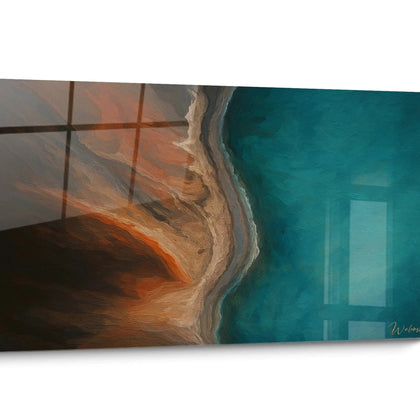
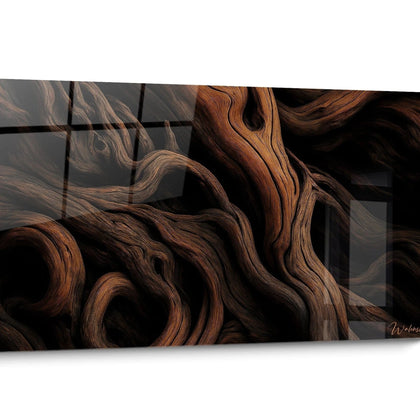
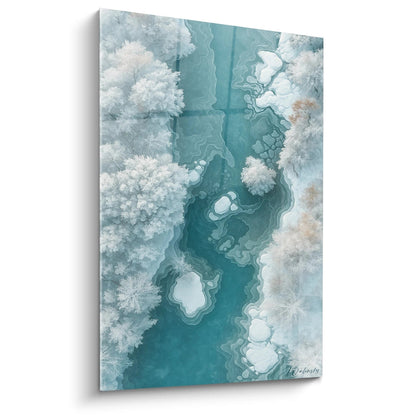
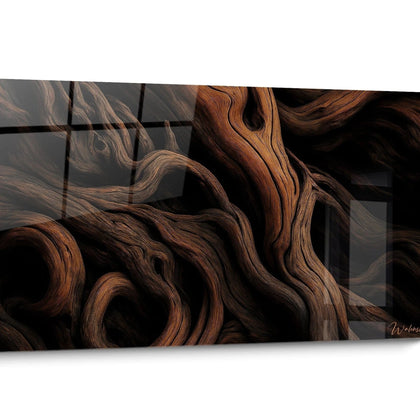
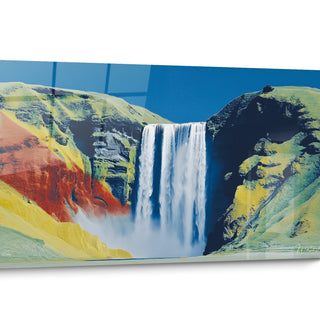
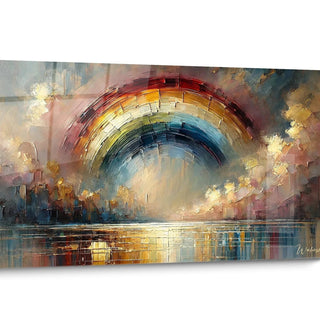
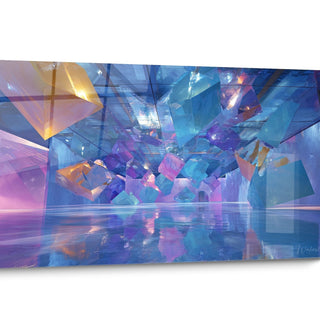
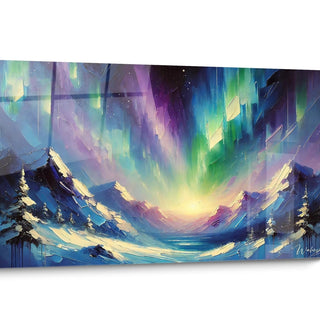
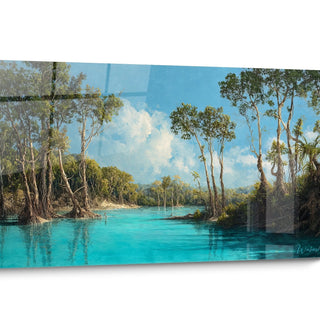
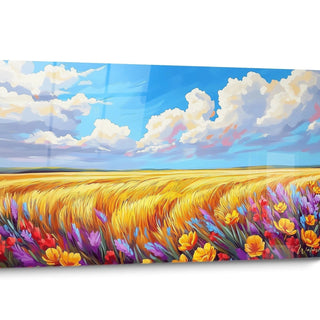
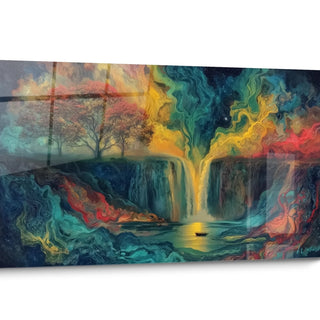
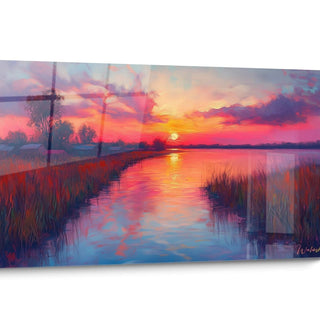
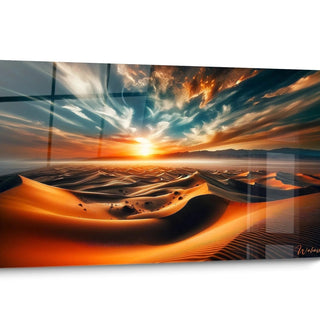
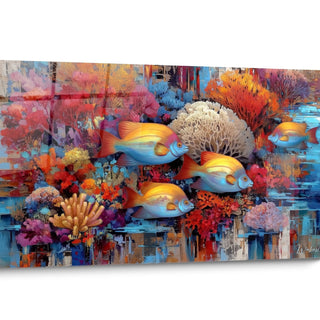
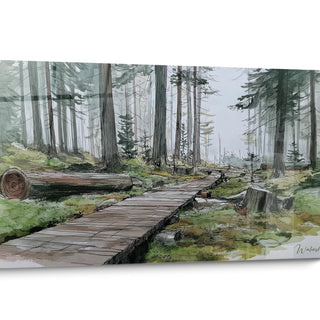
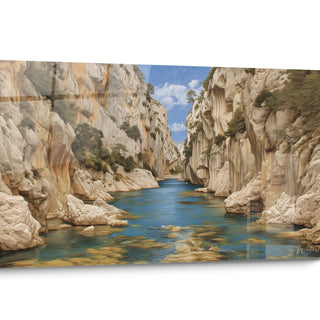
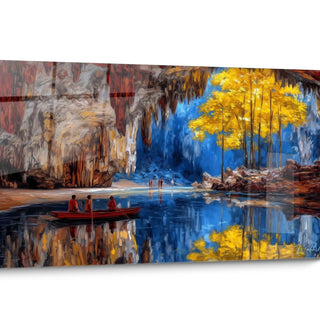
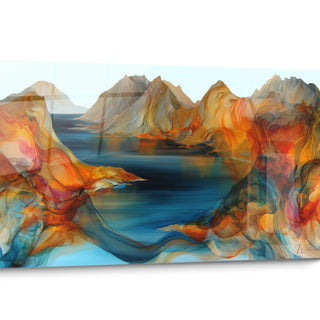
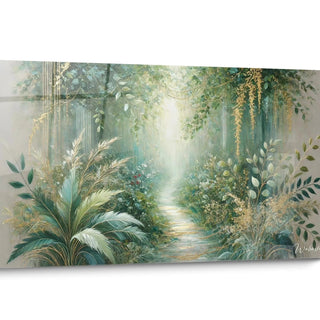
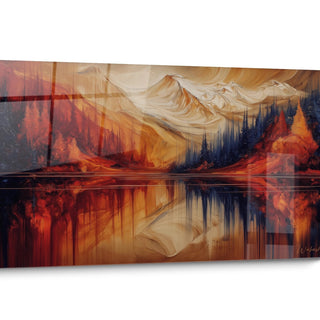
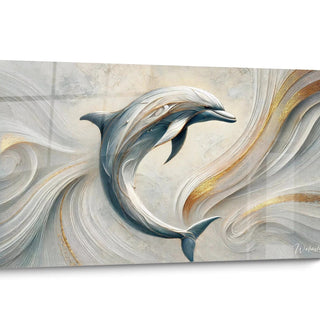
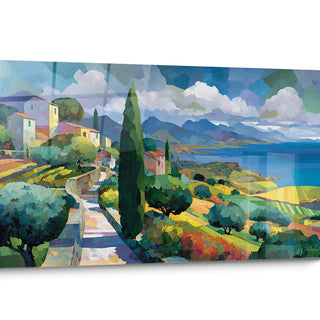
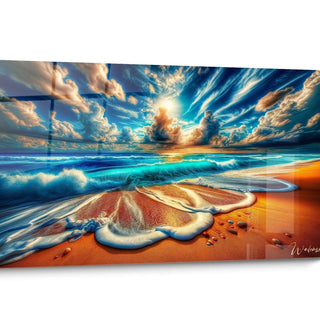
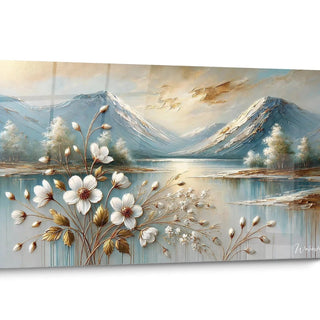
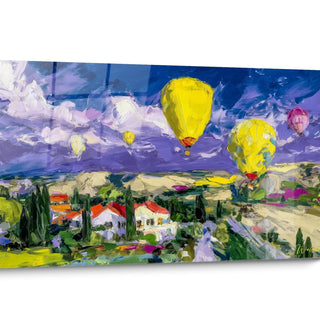
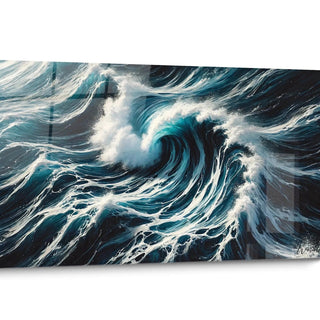
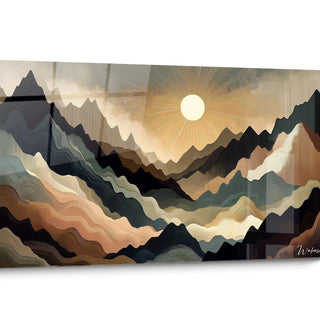
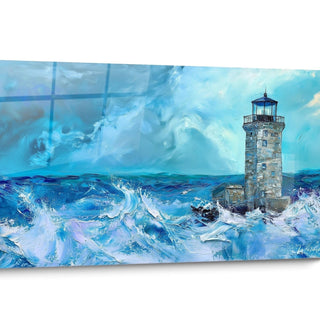
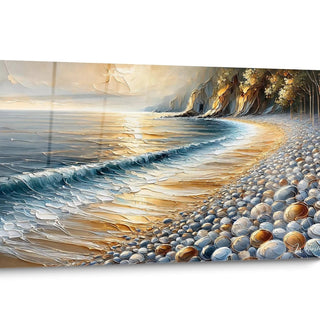
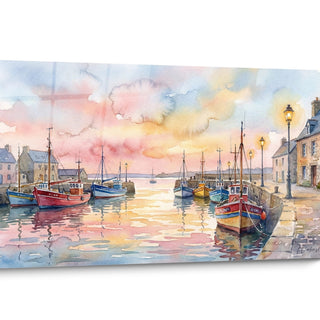
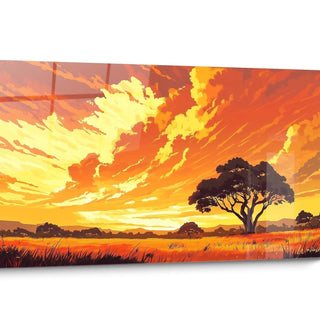
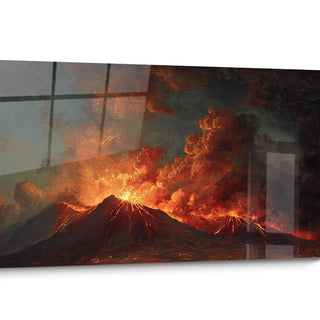
The aerial view painting represents a distinctive artistic category where the artist captures landscapes, urban environments, or natural scenes from an elevated perspective. This vision of the world offers a unique and immersive visual experience, transforming your space with an unexpected dimension.
Unlike traditional artistic representations, the aerial view painting proposes a viewing angle rarely encountered in our daily lives, thus creating an effect of surprise and wonder. These large-format works enhance both professional and residential spaces by bringing depth and originality.
The aerial perspective allows us to rediscover familiar landscapes in an entirely new light. Whether it's archipelagos with crystalline waters, striking geological formations, or urban zones with fascinating geometric patterns, these representations transcend mere decoration to become true windows onto a world seen from above.
Explore our collection to discover how a large-scale aerial view painting can transform your space and offer an extraordinary focal point to your interior decoration.
The Art of Perspective: Why Choose an Aerial View Painting
The fascination exercised by
landscape paintings takes on an entirely special dimension when captured from the heavens. An aerial view painting transcends simple artistic representation to offer a revolutionary visual experience, inviting the spectator to adopt the gaze of a bird soaring above the world.
What makes aerial perspective so captivating in wall art?
The magic of an aerial view painting resides in its ability to reveal patterns invisible from ground level. The sinuous meanders of a river delta, the geometric textures of agricultural fields, or the organic organization of a coral reef unveil natural compositions of striking beauty when observed from above. This privileged perspective transforms ordinary landscapes into fascinating abstract works, where scales blur and nature becomes the artist.
A unique characteristic of these works is their ability to create an illusion of infinite space. Unlike a traditional horizontal panorama that extends from left to right, the aerial view painting offers zenith depth, as if the wall opened onto a world observed from the clouds. This vertiginous sensation of spatial opening can literally transform how we perceive a room, particularly in spaces with low ceilings that instantly benefit from an impression of elevation and expansion.
How does the aerial view revolutionize our perception of familiar landscapes?
Aerial view paintings possess the unique power to metamorphose our understanding of environments we believe we know. A paradise beach, contemplated from above, reveals itself to be an abstract work where gradients of ocean blues meet golden sand, creating patterns of unexpected complexity. This rediscovery of the familiar generates a lasting fascination that does not diminish with time unlike conventional representations.
The psychological impact of an aerial perspective deserves to be highlighted. These wall works promote a sensation of contemplative detachment, inviting the observer to step back from their daily reality. In our hyper-connected world often fraught with anxiety, an aerial view painting offers visual escapism, an invitation to meditation and reflection. Neuroscience confirms that observing landscapes from an elevated perspective activates brain regions associated with serenity and contemplation.
- Aerial view paintings reveal natural patterns invisible from ground level
- They create a unique zenith depth illusion in wall decoration
- Their perspective transforms ordinary landscapes into fascinating abstract compositions
For discerning collectors and art lovers, the aerial view painting represents a distinctive acquisition that stands out from conventional decorative choices. These large-format works immediately capture visitors' attention, becoming an instant focal point of a room while sparking conversation and reflection. Their singularity resides precisely in this ability to transcend their decorative function to become true windows onto a perspective rarely accessible in our daily experience.
Creators specializing in aerial views often develop specific techniques to capture the essence of this unique perspective. Play of shadows, representation of reliefs, and mastery of scales require particular expertise that distinguishes these artists. Some contemporary aerial view paintings even incorporate mixed techniques combining high-altitude photography, painting, and digital printing, creating hybrid works that push the boundaries of traditional wall art.
Why do interior architects favor aerial view paintings for large spaces?
Interior design professionals recognize the exceptional value of aerial view paintings in transforming ambitious spaces. These large-format works possess the unique ability to visually unify extended areas while creating a powerful aesthetic anchor point. In spacious entrance halls, reception rooms, or open-plan living spaces, a monumental aerial view painting structures the space while giving it a memorable visual identity.
The interaction between contemporary architecture and these aerial representations creates fascinating visual dialogues. The clean lines of modern interiors resonate harmoniously with the geometric patterns often present in aerial views of urban or agricultural landscapes. This aesthetic synergy explains why interior architects frequently recommend these works to complete high-end projects where the desired visual impact must be both subtle and striking.
For contemporary residential spaces characterized by generous ceiling heights and large wall surfaces, the large-format aerial view painting constitutes an ideal decorative solution. These works fully exploit available vertical dimensions while bringing visual depth that energizes the space. Minimalist interiors particularly benefit from the visual richness that an aerial view of natural landscape brings, introducing texture and complexity without compromising the refined aesthetic.
Transition zones such as staircase landings or spacious corridors also represent privileged locations for these works. An aerial view painting strategically placed transforms these often-neglected spaces into contemplative opportunities, encouraging slowness and observation rather than mere passage. This ability to metamorphose daily spatial experience constitutes one of the significant added values offered by this type of artistic representation in contemporary living.
Transforming Your Space With an Aerial View Painting
Integrating an aerial view painting into your interior goes far beyond a simple decorative choice. This singular form of artistic expression offers genuine spatial transformation by introducing a vertical dimension usually inaccessible in our daily environments. Let's explore how these striking works can revolutionize your relationship with space.
Which spatial configurations are ideal for showcasing an aerial view painting?
The architectural characteristics of a room can be remarkably enhanced by the strategic positioning of an aerial view painting. Spaces featuring mezzanines or interior balconies benefit from particular visual resonance with these works, creating a fascinating dialogue between real architecture and the aerial perspective represented. This mise en abyme where the spectator physically observes the painting from an elevated position while contemplating a perspective itself elevated generates an exceptional immersive experience.
Double-height zones constitute the ideal setting for these large-format representations. A monumental aerial view painting placed on a wall rising over two levels creates a spectacular focal point visible from different angles and floors. This configuration allows appreciation of the work both in its entirety and in its details, depending on the observer's position in the space. Open staircases also offer unique opportunities for progressive and changing observation as one ascends.
For spaces with particularly high ceilings, installing an aerial view painting can resolve the frequent challenge of visual balance. These works, by their very nature, invite the gaze upward, thus harmoniously exploiting available verticality while creating visual connection between floor and ceiling. This ability to visually unify vertical space distinguishes these paintings from other artistic styles that can sometimes seem disconnected in generous volumes.
- Mezzanines and interior balconies offer multiple perspectives on these works
- Double-height spaces maximize the visual impact of an aerial view painting
- Strategic installation balances spaces with very high ceilings
How does the aerial view painting transform our perception of a room's dimensions?
The laws of visual perception explain why an aerial view painting can literally transform our experience of a space. Unlike traditional frontal representations that extend space horizontally, aerial perspective creates a zenith depth illusion – as if the wall opened toward the sky. This unique characteristic makes these works remarkably effective solutions for spaces with particular dimensional constraints.
In narrow but high rooms, typical of contemporary urban apartments, a large aerial view painting placed on the back wall can considerably diminish the sensation of confinement. The plunging perspective visually opens the space, creating visual escapism that counterbalances the room's physical limitations. Environmental psychologists confirm that this spatial opening illusion significantly contributes to occupants' well-being in restricted spaces.
Conversely, in vast spaces with unbalanced proportions such as some converted industrial lofts, these works can create necessary visual anchoring. An imposing aerial view painting structures the space by becoming a reference point that visually organizes available volume. This ability to "recalibrate" our spatial perception explains why interior architects frequently recommend these works for complex design projects.
The incidence of natural light on an aerial view painting also merits particular attention during positioning. These works often contain subtle color and texture variations that animate differently according to lighting. Strategic positioning allowing changing daylight to progressively reveal different nuances of the work transforms the painting into a dynamic visual experience that evolves with hours and seasons.
In which interior styles does the aerial view painting integrate optimally?
The aesthetic versatility of the aerial view painting constitutes one of its major assets in interior decoration. In minimalist contemporary environments, these works bring visual complexity and depth without contradicting the space's refined philosophy. Aerial views of geological formations or coastal zones, with their organic lines and natural color palettes, harmoniously complement interiors with raw materials like concrete, steel, or untreated wood.
For industrial-inspired interiors, aerial view paintings representing urban zones or architectural complexes create a fascinating dialogue between inhabited space and the work itself. This mise en abyme where observed architecture echoes the surrounding architecture generates particular conceptual coherence appreciated in lofts and converted spaces. The geometry often present in these representations resonates with exposed structures and generous volumes characteristic of these arrangements.
Paradoxically, classic interiors can also benefit from introducing an aerial view painting as a controlled contrasting element. In an environment with traditional moldings and noble materials, a contemporary aerial representation creates sophisticated visual tension that energizes the whole without compromising its elegance. This dialogue between classicism and modernity perfectly illustrates how these works can transcend conventional style categorizations.
High-end professional spaces also constitute a particularly adapted setting for these works. Company reception halls, architecture firms, or executive offices benefit from the intellectual sophistication that an aerial view painting evokes. The elevated perspective implicitly symbolizes strategic vision and ability to gain perspective – visual metaphors particularly appropriate in these corporate contexts where projected image holds crucial importance.
The Psychological and Emotional Impact of Aerial View Paintings
Beyond its undeniable aesthetic qualities, an aerial view painting exerts profound influence on our psychology and emotions. The unique perspective it offers - that of a world observed from above - activates specific cognitive and emotional mechanisms that explain the lasting fascination these works inspire.
How does aerial perspective influence our daily mental state?
Neuroscientists have identified that observing panoramas from an elevated position activates brain regions associated with contemplation and perspective-taking. An aerial view painting artificially reproduces this cognitive experience, allowing the spectator to access this particular mental state daily. In our contemporary environment saturated with frontal and horizontal stimulation (screens, urban signage, face-to-face interactions), introducing vertical perspective represents a refreshing cognitive break.
This alteration of our usual viewpoint promotes what psychologists call "cognitive decentering" - the ability to consider situations from new angles. People living or working in the presence of an aerial view painting frequently report improved mental flexibility and creativity. This subtle yet constant cognitive stimulation explains why these works are particularly prized in spaces dedicated to reflection, creation, or strategic decision-making.
The impact on our time perception also deserves highlighting. Contemplating a landscape viewed from above places us in an expanded temporal perspective, where immediate concerns yield to a more global vision. An aerial view painting representing millennia-old geological formations or complex ecosystems constantly reminds us of our place within vast spatiotemporal immensity, thus fostering philosophical serenity regarding daily urgencies.
- Aerial perspective activates brain regions linked to contemplation and perspective-taking
- These works promote cognitive decentering and mental flexibility
- Contemplating an aerial view painting modifies our time perception
Why does aerial view generate such particular fascination?
The unique appeal exercised by aerial view paintings is partly explained by the historical inaccessibility of this perspective. For millennia, humanity dreamed of flying before actually experiencing the world's vision from the heavens. This ancestral aspiration remains inscribed in our collective imagination, conferring on the aerial perspective a particular aura that neuropsychologists qualify as "archetypal resonance" - a connection with fundamental and universal human desires.
The exceptional information richness contained in an aerial view painting constitutes another fascination factor. Our brain, programmed to detect patterns and structures, finds in these representations particularly stimulating terrain for exploration. The visual density of a detailed aerial view allows prolonged and renewed observation, with each glance revealing new details and connections. This inexhaustible complexity guarantees the work retains its captive power over years, unlike more literal representations that can quickly become visually "transparent" through habituation.
Aerial perspective also generates what psychologists call "geographical sublime" - that particular emotion mixing wonder and slight unease before immensity. Large aerial view paintings often trigger this complex emotional reaction transcending simple aesthetic appreciation to attain quasi-spiritual dimension. This depth of impact explains why these works exceed their decorative status to become genuine catalysts for contemplative experiences.
Environmental psychology research further demonstrates that our brain processes visual information differently depending on perception angle. Aerial view activates neural circuits distinct from those solicited by conventional frontal perspectives, thus creating an enriching cognitive experience through its complementarity with our daily vision. This alternative neurological stimulation explains the refreshing and revitalizing effect reported by people regularly exposed to these works.
How to select an aerial view painting based on desired emotional impact?
Choice of a specific aerial view painting can be guided by the psychological effect you wish to prioritize in your space. Representations of coastlines and coastal zones, with their blues gradation and fluid organic forms, generally induce a state of particular contemplative calm beneficial in relaxation or sleep spaces. Color psychology confirms the soothing effect of aquatic hues, effect amplified by aerial perspective which accentuates their expanse.
Conversely, aerial view paintings of dynamic urban zones or communication hubs stimulate intellectual activity and energy. Their complex geometric structures, directional lines, and chromatic contrasts activate brain regions associated with analysis and problem-solving. These works suit creative work spaces, offices, or zones dedicated to strategic reflection perfectly where this cognitive stimulation is desired.
Aerial representations of landscape transitions - zones where different ecosystems or environments meet - possess particularly interesting psychological qualities. These works, illustrating for example the meeting between land and sea or between forest and prairie, symbolize visually transitions and diversity. Their presence in passage or transformation spaces (entrances, vestibules, professional reconversion zones) creates subtle symbolic resonance enriching spatial experience.
The season and luminosity captured in an aerial view painting profoundly influence its emotional impact. Winter scenes with cool tones and marked contrasts induce a sensation of mental clarity and precision, while summer landscapes with warm and vibrant hues generate sensation of abundance and vitality. This seasonal dimension can be strategically exploited to counterbalance your location's climatic characteristics or to reinforce certain activity cycles in a professional space.
FAQ on aerial view paintings
What is the ideal size for an aerial view painting in a large living room?
For a spacious living room, favor a large-scale aerial view painting, ideally between 120 and 180 cm in width. This size allows appreciation of aerial perspective details while creating visual impact proportional to the space. To maximize immersion effect, the painting should occupy at least 60% of the wall height where it is installed.
How to properly maintain a large-format aerial view painting?
Maintaining an aerial view painting requires specific precautions. Avoid direct exposure to solar rays which could alter colors over time. For cleaning, use only soft dusting brush or dry microfiber cloth, avoiding any liquid product. Annual inspection by a professional is recommended for high-value works to preserve their quality and longevity.
Can an aerial view painting fit into all interior decoration styles?
The aerial view painting possesses remarkable style adaptability. In contemporary or minimalist interiors, it brings complex visual dimension without overloading the space. For more classic decorations, choose aerial views with tones harmonized with your existing palette. Framing also plays a crucial role in integration: opt for refined frames in modern spaces and more elaborate framing in traditional environments.


 Salty Veins Canvas - Aerial View Abstract Edition233,90 €
 Earth Veins Canvas - Aerial View Abstract Edition233,90 €
 Salt and Blood Wall Art - Aerial Abstract Edition233,90 €
 Meeting of Elements Wall Art - Aerial View Abstract Edition233,90 €
 Roots of Oblivion Wall Art - Aerial View Abstract Edition233,90 €
 Winter Veins Painting - Aerial Abstract View Edition233,90 €
 Meeting Line Artwork - Aerial View Abstract Edition233,90 €
 The World's Veins Artwork - Aerial View Abstract Edition233,90 €
 The Blue Sentinels Wall Art - Aerial View Abstract Edition233,90 €
 Painting The Song of Canyons - Aerial Abstract Edition233,90 €
 Wall Art The Echo of Ice - Aerial View Abstract Edition233,90 €
 Wall Art Dawn and Abyss - Aerial View Abstract Edition233,90 €
 Between the Worlds Painting - Aerial View Abstract Edition233,90 €
 Azure Bark Painting - Aerial View Abstract Edition233,90 €
 Dance of Relief Wall Art - Aerial View Abstract Edition233,90 €
 Silence Waterfall - Aerial View Abstract Edition Wall Art233,90 €
 Archives of Silence Wall Art - Aerial View Abstract Edition233,90 €