


Italian Renaissance Painting
The Italian Renaissance reveals its creative genius in our exceptional collection. Each work testifies to the technical mastery of the great Florentine and Venetian masters, revolutionizing Western art. Perfect perspective, precise anatomy, triumphant humanism: these creations mark the advent of modern art. The heritage of the peninsula continues to inspire through its constant pursuit of ideal beauty and artistic innovation.
 Violin Baroque Breath Painting - Italian Renaissance Edition242,90 €
 Couple Perfect Model Painting - Italian Renaissance Edition273,90 €
 Venice Pearl of Adriatic Painting - Italian Renaissance Edition273,90 €
 Mediterranean Landscape Eternal Cypress Painting - Italian Renaissance Edition273,90 €
 Woman Ochre Vermillion Painting - Italian Renaissance Edition273,90 €
 Saint Jerome Feather Inspired Painting - Italian Renaissance Edition273,90 €
 Thoughtful Nostalgic Woman Painting - Italian Renaissance Edition273,90 €
 Cavalier Furia Divina Painting - Italian Renaissance Edition228,90 €
 Tuscan Goddess Woman Painting - Italian Renaissance Edition228,90 €
 Sacred Figures Devotion Painting - Italian Renaissance Edition228,90 €
 Noble Venetian Woman Painting - Italian Renaissance Edition228,90 €
 Courtesan Grace Contemplative Painting - Italian Renaissance Edition228,90 €
Explore further
In Italian Renaissance Painting


In the same family
Also explore the theme Artistic Movements
-
 View all793
artworks
View all793
artworks
-
 Acrylic (style)10
artworks
Acrylic (style)10
artworks
-
 Art Deco164
artworks
Art Deco164
artworks
-
 Islamic Art9
artworks
Islamic Art9
artworks
-
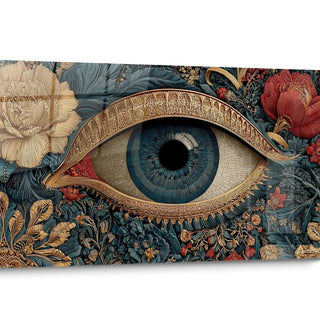 Art Nouveau39
artworks
Art Nouveau39
artworks
-
 Comic Strip16
artworks
Comic Strip16
artworks
-
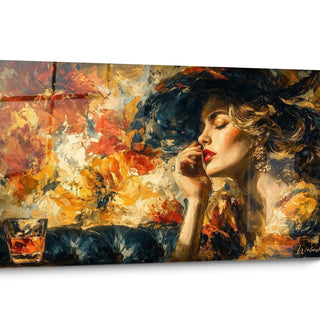 Baroque22
artworks
Baroque22
artworks
-
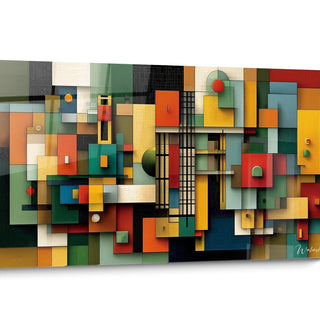 Bauhaus31
artworks
Bauhaus31
artworks
-
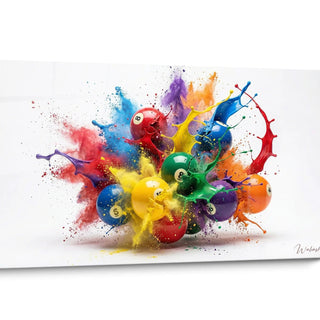 Billiards19
artworks
Billiards19
artworks
-
 Classicism16
artworks
Classicism16
artworks
-
 Collage14
artworks
Collage14
artworks
-
 Constructivism31
artworks
Constructivism31
artworks
-
 Cubism91
artworks
Cubism91
artworks
-
 Dadaism33
artworks
Dadaism33
artworks
-
 Drawing20
artworks
Drawing20
artworks
-
 Expressionist95
artworks
Expressionist95
artworks
-
 Abstract Fauvism10
artworks
Abstract Fauvism10
artworks
-
 Abstract Futurism25
artworks
Abstract Futurism25
artworks
-
 Gothic29
artworks
Gothic29
artworks
-
 Hyperrealism28
artworks
Hyperrealism28
artworks
-
 Impressionism23
artworks
Impressionism23
artworks
-
 Japandi13
artworks
Japandi13
artworks
-
 Light painting3
artworks
Light painting3
artworks
-
 Minimalist35
artworks
Minimalist35
artworks
-
 Neo-classical15
artworks
Neo-classical15
artworks
-
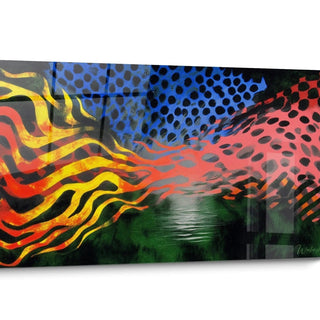 Op Art20
artworks
Op Art20
artworks
-
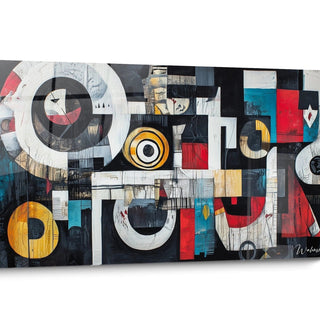 Abstract Contemporary Painting48
artworks
Abstract Contemporary Painting48
artworks
-
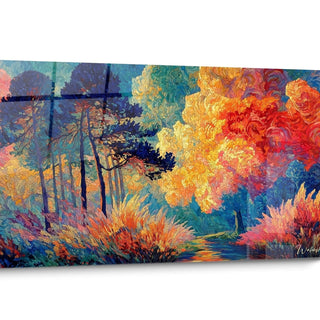 Pointillism59
artworks
Pointillism59
artworks
-
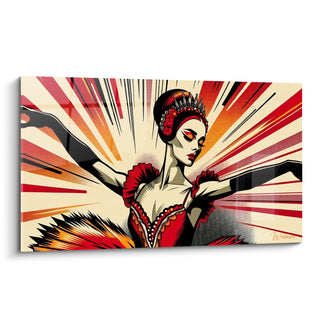 Abstract Pop Art18
artworks
Abstract Pop Art18
artworks
-
 Post-Impressionism15
artworks
Post-Impressionism15
artworks
-
 Pre-Raphaelitism11
artworks
Pre-Raphaelitism11
artworks
-
 Realism10
artworks
Realism10
artworks
-
 Renaissance13
artworks
Renaissance13
artworks
-
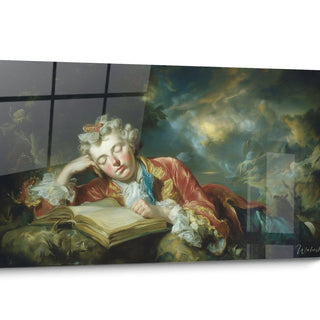 Rococo5
artworks
Rococo5
artworks
-
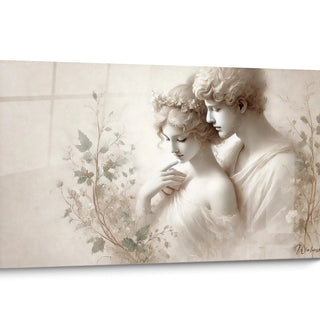 Romantic12
artworks
Romantic12
artworks
-
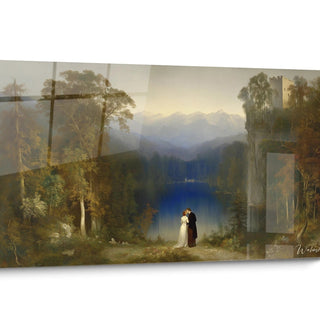 Romanticism17
artworks
Romanticism17
artworks
-
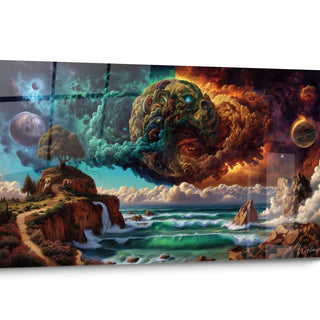 Abstract Surrealism34
artworks
Abstract Surrealism34
artworks
-
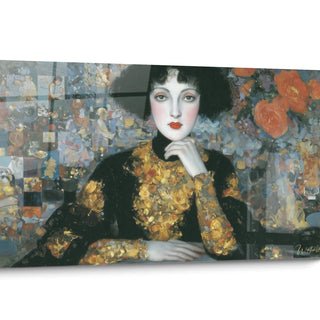 Symbolist26
artworks
Symbolist26
artworks
-
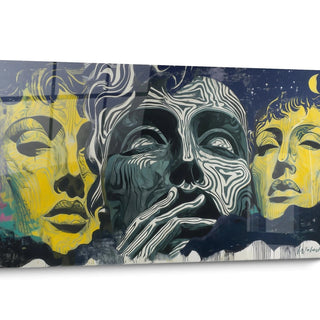 Vanity21
artworks
Vanity21
artworks
All about Italian Renaissance Painting
- Presentation Renaissance Painting Italian
- Painting Italian Renaissance - Masters and Techniques
- Italian Renaissance Painting - Palatial Decoration
- Italian Renaissance Painting - Symbolism and Collection
An Italian Renaissance painting represents the very essence of Western art, capturing the artistic revolution that transformed Europe between the 15th and 16th centuries. These large-scale reproductions offer total immersion in the universe of Florentine, Venetian and Roman masters who redefined the aesthetic codes of their era. Discover how these wall artworks transform your interior into a genuine historical art gallery, combining cultural prestige and decorative refinement.
Italian Renaissance Masters: Exceptional Pictorial Techniques
The reproductions of Italian Renaissance paintings reveal the revolutionary technical innovations developed by the masters of this golden age. The sfumato technique, perfected by Leonardo da Vinci, creates these subtle transitions between tones that bring portraits to life like the Mona Lisa or the Lady with an Ermine. This unique pictorial method transforms each reproduction into wall art of striking depth.
How to identify the specific techniques of Italian schools?
The Florentine school privileges drawing perfection and anatomical precision, visible in the works of Michelangelo and Botticelli. The Birth of Venus perfectly illustrates this linear approach where each contour is meticulously defined. The Venetian school, led by Titian and Veronese, develops a revolutionary colorist approach, using superimposed glazes to create unprecedented light effects. These technical specificities are faithfully reproduced in contemporary wall versions.Linear perspective, mathematically codified by Brunelleschi and theorized by Alberti, constitutes the major innovation of the Italian Renaissance. Unlike medieval techniques, this scientific approach to space creates a perfect illusion of depth. Large-format reproductions amplify this perspective effect, transforming a wall into a window open onto Florentine palaces or Tuscan landscapes.
What are the particularities of Italian chiaroscuro?
Italian chiaroscuro, distinct from the Flemish technique, uses dramatic contrasts to sculpt volumes. Caravaggio revolutionizes this approach by creating theatrical lighting that isolates characters in dark backgrounds. This technique, reproduced in large wall format, generates striking visual impact that transforms a room's ambiance.Venetian glazes represent another major technical specificity. Titian superimposes translucent layers to obtain complexions of troubling realism and fabrics with silky reflections. These material effects, faithfully reproduced, bring unique tactile richness to large-scale wall reproductions.
The chromatic innovations of the Venetian school exploit rare pigments imported from the East. True ultramarine, obtained from lapis lazuli, creates those deep blues characteristic of the Virgin's mantles. Vermillion and purple generate those sumptuous reds of aristocratic clothing. These color specificities, faithfully reproduced, retain all their intensity in contemporary wall versions.
**Exclusive technical characteristics:** • Leonardesque sfumato for atmospheric transitions • Brunelleschian mathematical perspective • Venetian colorito with superimposed glazes • Michelangelesque anatomy inspired by antiquity • Caravagesque chiaroscuro with dramatic contrasts
Palatial Decoration: Integrating Renaissance Art into Contemporary Architecture
Integrating an Italian Renaissance painting into a contemporary interior requires a specific approach inspired by Florentine and Venetian palaces of the era. These aristocratic residences, designed by Brunelleschi, Palladio and their successors, created a harmonious dialogue between architecture, furniture and wall decoration. Large-scale reproductions allow recreation of this palatial atmosphere in modern spaces.
How to reproduce the ambiance of Renaissance palaces?
The Medici and Strozzi palaces in Florence define Renaissance living, where each room tells a story through its wall decorations. The frescoes of Ghirlandaio in the Sassetti Chapel or those of Benozzo Gozzoli in the Medici-Riccardi palace create complete narrative cycles. A wall reproduction of The Procession of the Magi instantly transforms a living room into a Renaissance camera picta.Natural lighting plays a crucial role in showcasing Renaissance artworks. Italian architects designed specific openings to reveal subtle color nuances. An Italian Renaissance painting requires indirect light that avoids reflections while revealing the richness of details. Northeast exposure reproduces the lighting conditions of Florentine workshops.
Renaissance architectural proportions follow the golden ratio and ancient harmonic relationships. A reproduction of Leonardo's Last Supper requires a minimum ceiling height of 3 meters to respect the original scale. Sistine Chapel frescoes reproduced impose specific wall dimensions that dialogue with the surrounding architecture.
Which furniture traditionally accompanies these artworks?
Italian Renaissance furniture, characterized by Florentine marquetry and Venetian sculptures, creates an appropriate setting for pictorial works. Florentine cassoni, marriage chests decorated with mythological scenes, naturally dialogue with Botticelli reproductions. Venetian credenzas, with mother-of-pearl inlays and exotic woods, harmonize with the colorito of Titian and Veronese.Renaissance textile furnishings privilege Luccan silks, Genoese velvets and Venetian brocades. These precious fabrics, with patterns inspired by Byzantine and Islamic art, create chromatic continuity with wall reproductions. A painting depicting the Venus of Urbino finds its extension in damask silk cushions in ochre and vermillion tones.
Polychrome marble floors, specialty of Florentine marble workers, constitute the ideal setting for Renaissance reproductions. Geometric patterns inspired by Roman opus sectile create floor perspective that extends that of wall artworks. This comprehensive decorative approach transforms the space into a genuine Renaissance studiolo.
**Complementary decorative elements:** • Furniture featuring Raphaelesque grotesque motifs • Textiles with coats of arms of Italian princely families • Lighting inspired by Venetian Murano glass chandeliers • Art objects with Neoplatonic mythological references • Persian carpets with patterns echoed in pictorial backgrounds
Renaissance Symbolism and Art Collecting
Collecting an Italian Renaissance painting is part of a centuries-old tradition of artistic patronage initiated by great Italian families. The Medici, Gonzaga, Este and Sforza defined the codes of modern collecting, transforming their residences into cultural jewels where each artwork participates in complex symbolic discourse. This curatorial approach finds its continuation today in the art of presenting large-scale wall reproductions.
What is the meaning of Renaissance iconographic programs?
Renaissance iconography blends Christian, mythological and allegorical references in sophisticated humanist syncretism. Botticelli's Primavera encodes the Neoplatonic theories of Marsilio Ficino through precise symbolic language. Venus represents sacred Love, the Three Graces symbolize Beauty, Chastity and Love, while Mercury evokes spiritual elevation. This semantic richness transforms each reproduction into a support for philosophical meditation.Renaissance portraits codify social status through a rigorous system of attributes. The Portrait of a Humanist by Sebastiano del Piombo reveals the model's erudition through the presence of Greek manuscripts, nobility through black velvet clothing, piety through hand gestures. These social codes, perfectly legible to contemporaries, require today an approach of cultural initiation.
Mythological cycles develop complex narratives inspired by Ovid's Metamorphoses and hermetic texts. The Chamber of the Spouses by Mantegna in the ducal palace of Mantua intertwines contemporary history and ancient references. This narrative approach transforms domestic space into a cultural theater where each artwork dialogues with the others.
How to constitute a coherent Renaissance art collection?
Constituting a Renaissance collection requires a thematic approach that respects original iconographic programs. A cycle devoted to the Cardinal Virtues could associate Raphael's Justice, Piero della Francesca's Temperance and Andrea del Castagno's Strength. This thematic coherence creates decorative unity while preserving semantic richness.The geographic approach allows grasping the specificities of different Italian schools. A Florentine collection will favor Botticelli, Ghirlandaio and Fra Angelico for their linear approach and technical perfection. A Venetian selection will orient towards Bellini, Giorgione and Titian for their revolutionary colorist approach. This geographic specialization guarantees stylistic homogeneity.
Chronological progression reveals the artistic evolution of the Italian Renaissance. The transition from the late Gothic style of Gentile da Fabriano to the Mannerism of Parmigianino illustrates three centuries of aesthetic innovations. This pedagogical approach transforms the collection into a genuine cultural journey through the history of Western art.
**Selection criteria for collectors:** • Historical authenticity of iconographic programs • Quality of reproduction of original pictorial techniques • Dimensions compatible with contemporary domestic architecture • Thematic or geographic coherence of the ensemble • Rarity and cultural prestige of selected artworks


