


Epoxy Art ( Style )
Explore our innovative collection of epoxy-style wall art. Whether you want to add a modern and glossy touch to your living room or energize your office with bold artwork, you'll find unique and captivating pieces here. Each artwork in our collection is carefully selected for its quality and originality, ensuring that every piece is a true work of art. Dive into our collection and let yourself be amazed by the brilliance and depth of epoxy art.
 Sparkling Shores Canvas - Epoxy Style Edition273,90 €
 Shimmering Waves Wall Art - Epoxy Style Edition273,90 €
 Dew Sparkle Wall Art - Epoxy Style Edition273,90 €
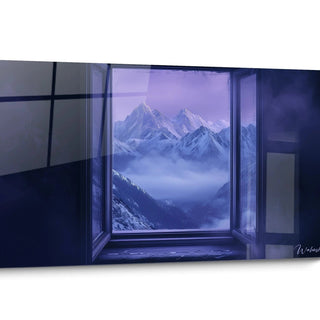
 Alpine Echoes Painting - Epoxy Style Edition273,90 €
 Emerald Scales Wall Art - Epoxy Style Edition273,90 €
 Pastel Waves Wall Art - Epoxy Style Edition273,90 €
 Flamingo Dance Wall Art - Epoxy Style Edition273,90 €
 Ethereal Curves Canvas - Epoxy Style Edition273,90 €
 Rubellite Heat Canvas - Epoxy Style Edition273,90 €
 Emerald Mist Wall Art - Epoxy Style Edition273,90 €
 Sapphire Waves Wall Art - Epoxy Style Edition273,90 €
 Waves of Fire Painting - Epoxy Style Edition273,90 €
 Autumn Breath Wall Art - Epoxy Style Edition273,90 €
 Blooming Dream Canvas - Epoxy Style Edition273,90 €
 Coral Dream Canvas - Epoxy Style Edition273,90 €
 Abyssal Resonance Wall Art - Epoxy Style Edition273,90 €
 Networks of Brilliance Wall Art - Epoxy Style Edition273,90 €
 Dark Pulsations Wall Art - Epoxy Style Edition273,90 €
 Midnight Wave Wall Art - Epoxy Style Edition273,90 €
 Wave Copper Artwork - Epoxy Style Edition273,90 €
 Celestial Ocean Wall Art - Epoxy Style Edition273,90 €
 Copper Mosaic Wall Art - Epoxy Style Edition273,90 €
 Copper Sea Wall Art - Epoxy Style Edition273,90 €
 Golden Tide Wall Art - Epoxy Style Edition273,90 €
Explore further
In Epoxy Art ( Style )
-
 Epoxy Art Panel ( Style ) Turquoise18
artworks
-
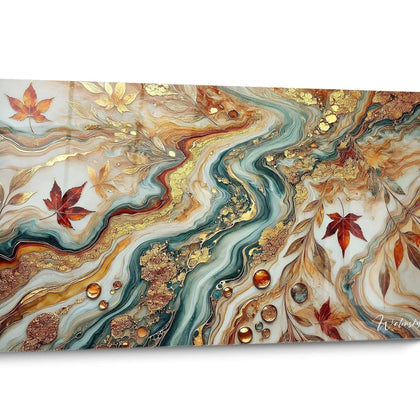 Epoxy Resin Wall Art ( Style ) Gold18
artworks
-
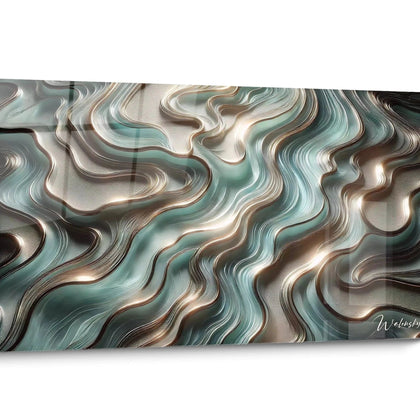 Epoxy Abstract Style Canvas24
artworks
-
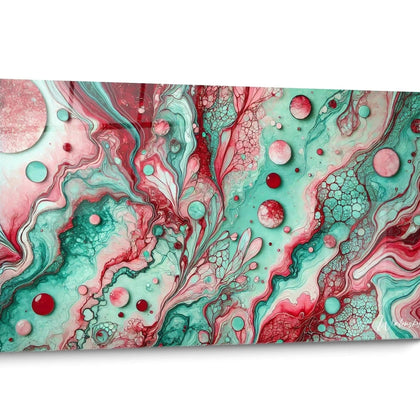 Epoxy Fluid Art Canvas19
artworks
-
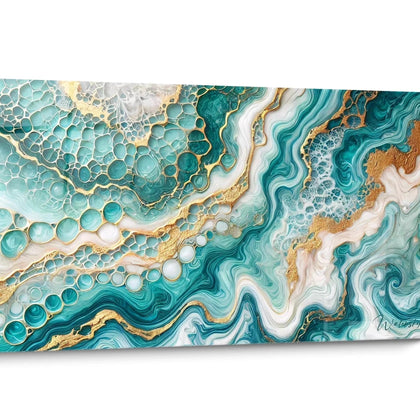 Epoxy Ocean ( Style ) Wall Art12
artworks
-
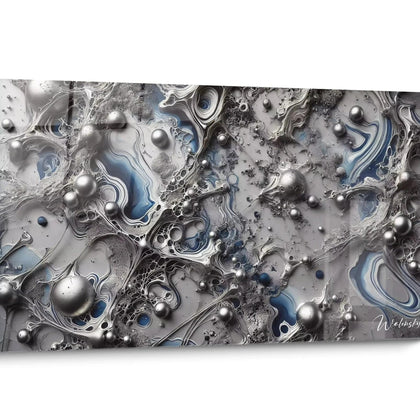 Epoxy Geometric Wall Art ( Style )4
artworks
-
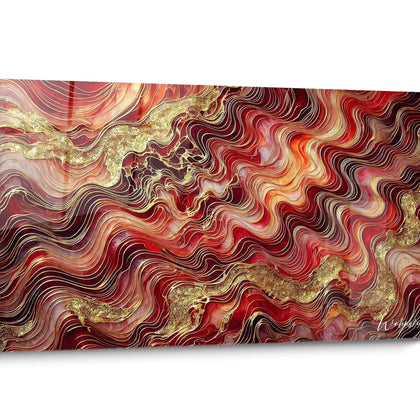 Epoxy Resin Art Red ( Style )11
artworks
-
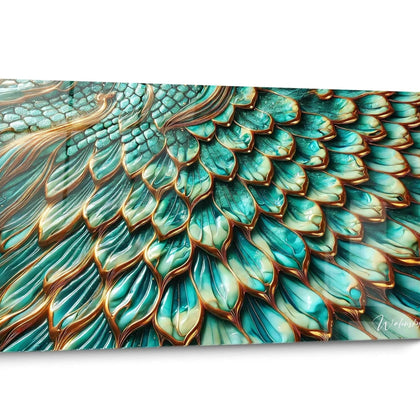 Epoxy Resin Wall Art ( Style ) Green9
artworks
-
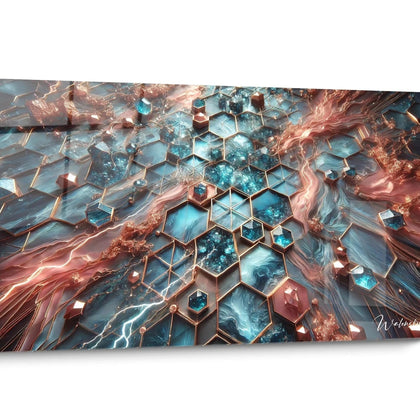 Epoxy Resin Wall Art (Style) Blue12
artworks

In the same family
Also explore the theme 🔥 The Originals 🔥
-
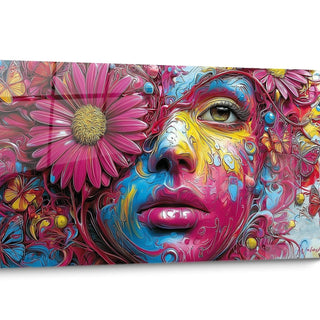 View all573
artworks
-
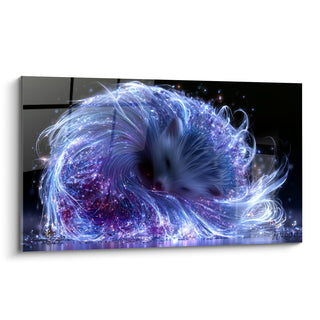 Spectral Animals33
artworks
-
 Colors Gone Wild31
artworks
-
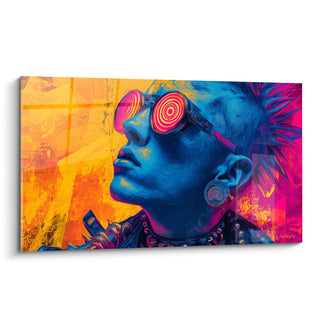 Cyberpunk111
artworks
-
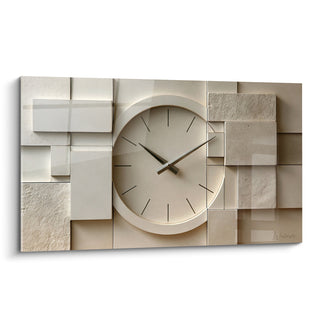 Clock21
artworks
-
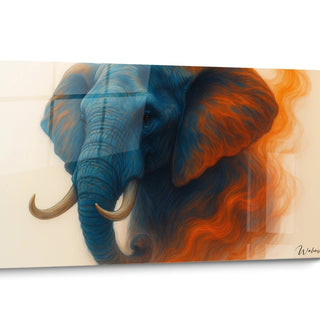 Fluid Mythoscene10
artworks
-
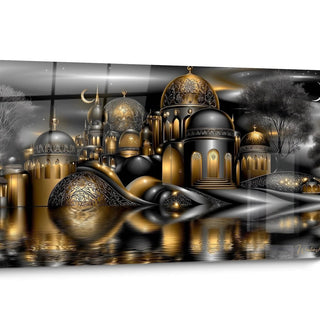 Originals Black Gold14
artworks
-
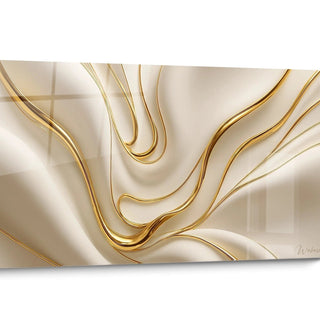 Abstract Relief10
artworks
-
 Statue169
artworks
-
 Crochet Style25
artworks
-
 Porcelain Style8
artworks
-
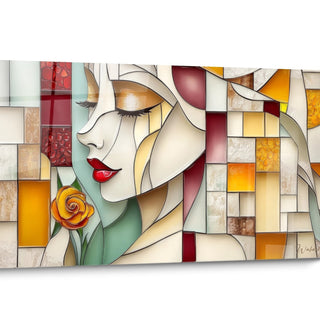 Stained Glass Style31
artworks
-
 Trompe-l'oeil8
artworks


All about Epoxy Art ( Style )
- Painting Presentation Epoxy Style
- Epoxy Style Painting - Technical Aspects
- Epoxy Style Painting - Decorative Applications
- Epoxy Style Painting - Buying Guide
Discover the fascinating world of epoxy style paintings, contemporary artworks that transform any space into a modern gallery. Combining extraordinary visual depth and an ultra-glossy finish, these artistic creations are distinguished by their unique three-dimensional aspect and captivating visual effects impossible to reproduce with other techniques.
Epoxy style paintings are characterized by the use of transparent epoxy resin that creates a sense of depth and frozen movement in time. Unlike traditional artworks, these paintings capture the light and reflect it, generating visual effects that evolve according to the viewing angle and ambient lighting.
Explored from different angles in the following sections, you will discover exceptional technical aspects, innovative decorative applications, and a comprehensive buying guide to select the epoxy style painting perfectly suited to your interior.
The Unique Technical Aspects of Epoxy Style Paintings
Epoxy style paintings fundamentally differ from other wall creations due to their exceptional physico-chemical composition. The epoxy resin used creates a mirror-effect surface with unparalleled visual depth, offering an additional dimension to traditional artistic creations.
The extraordinary UV resistance of epoxy style paintings
Contrary to popular belief, modern epoxy style paintings incorporate specific UV stabilizers that allow them to retain their crystalline transparency and shine for over 10 years, even when exposed to direct sunlight. This exceptional resistance to ultraviolet rays distinguishes them radically from laminated or varnished artworks that yellow quickly.
The high-quality artistic epoxy resins used in these paintings contain photodegradation inhibitors that form a molecular shield against harmful light spectrum. This exclusive technical innovation to epoxy compositions guarantees unparalleled visual longevity.
The three-dimensional multi-layered structure
A fundamentally unique characteristic of epoxy style paintings lies in their construction through successive layers, creating a true artistic topography trapped in a crystalline medium. Each painting can contain between 5 and 12 distinct layers, separated by controlled polymerization phases.
This layered manufacturing process allows artists to create a sense of real depth reaching up to 3 cm visible thickness, an optical phenomenon impossible to reproduce with other decorative techniques. Elements literally seem to float in space, creating an interactive visual dynamic with the viewer.
How do metallic pigments specifically interact with epoxy resin?
The interaction between metallic pigments and epoxy resin in these paintings generates an exclusive optical phenomenon called "suspended chromatic refraction". The metallic particles, mainly composed of aluminum, titanium or mica oxides, retain their microscopic mobility during the polymerization phase.
This unique behavior creates dynamic patterns impossible to reproduce, even between two epoxy style paintings made with the same techniques. The metallic microparticles organize according to the electrostatic fields generated during the exothermic reaction of the resin, creating absolutely unique configurations.
The specific heat regulation capacity
An often overlooked but particularly interesting aspect of large-format epoxy paintings concerns their thermodynamic properties. The significant specific gravity of polymer resin (approximately 1.15g/cm³) gives these artworks a significant thermal inertia.
Specifically, these paintings can absorb up to 2.3 kJ/kg.K, passively contributing to the thermal stability of the spaces in which they are installed. This characteristic becomes particularly relevant for large-format paintings exceeding 120 cm, which can subtly influence the thermal comfort of living rooms.
Exceptional acoustic performance
Large-size epoxy paintings exhibit surprising acoustic properties that few professional decorators exploit. The dense polymer structure of these artworks gives them a sound absorption coefficient of 0.35 to 0.45 in the mid frequencies (500-2000 Hz).
This technical characteristic makes them excellent acoustic modulators for spaces with reflective surfaces such as contemporary interiors with concrete walls, large windows, or stone floors. An epoxy painting of 150 x 100 cm can significantly improve the reverberation time of a room, enriching the sound experience while offering an exceptional visual experience.
Innovative Decorative Applications of Epoxy Paintings
Epoxy paintings revolutionize wall art with their exceptional versatility and unique visual characteristics. Their integration into different environments creates decorative experiences impossible to reproduce with other artistic mediums.
The exclusive three-dimensional aquatic effect
Among the most remarkable characteristics of epoxy paintings, the exclusive three-dimensional aquatic effect radically transforms the spatial perception of a room. These artworks create a veritable illusory window into another world, as if a fragment of ocean or river were frozen in time and embedded in your wall.
This unique ability to simulate the depth and movement of water is explained by the progressive viscosity of the resin during polymerization, naturally creating waves and undulations that perfectly mimic aquatic currents. This effect is particularly striking in large formats exceeding 120 cm in width, where the illusion of depth can reach its visual peak.
What is the unique interaction between indirect lighting and epoxy paintings?
An exclusive decorative phenomenon to epoxy paintings concerns their spectacular interaction with indirect lighting. Unlike traditional artworks that simply reflect light on the surface, epoxy paintings become true three-dimensional prisms that capture, transform, and redistribute light in the space.
The strategic installation of indirect LED light sources with variable color temperature (3000K-6500K) near an epoxy painting creates a "light cascade" phenomenon where the different layers of resin sequentially activate different pigments according to their depth in the structure. This dynamic play of light transforms the artwork throughout the day, offering a unique evolving visual experience.
Revolutionary application in high-humidity environments
A particularly innovative application of epoxy paintings concerns their integration into high-humidity environments, typically hostile to traditional artworks. Their completely waterproof and airtight structure allows for risk-free installation in luxurious bathrooms, wellness spaces , or near indoor swimming pools.
The epoxy resin used in these wall art pieces features a moisture absorption rate of less than 0.1%, even after prolonged exposure to saturated environments (relative humidity >85%). This exceptional resistance allows for the introduction of sophisticated artistic elements into areas previously limited to functional and basic decorations.
Integration with advanced home automation systems
Contemporary epoxy style paintings can now be integrated into smart home ecosystems, creating a symbiosis between visual art and technology. Some high-end models discreetly integrate programmable microLEDs into their layered structure, allowing subtle changes to the appearance of the artwork via a mobile application.
This visual adaptability allows the artwork to harmonize with the overall ambiance of the room, for example, synchronizing the dominant hues of the painting with the ambient lighting during different scenarios (evening, relaxation, work). This fusion of traditional art and technology represents a significant evolution in dynamic interior decoration.
Biophilic potential of natural epoxy compositions
An emerging trend in epoxy style paintings involves the integration of preserved natural elements into the resin, creating true natural time capsules with a powerful biophilic impact on the occupants of the space. These paintings incorporating stabilized moss, dried foliage, or raw minerals create a visual and emotional connection with nature.
Biophilic design studies demonstrate that these three-dimensional natural representations under resin generate measurable positive psychophysiological responses (reduction of cortisol, increase in parasympathetic activity) superior to classic two-dimensional representations of nature. This therapeutic dimension adds a unique functional value to the aesthetic qualities of epoxy paintings.
Complete Buying Guide for Epoxy Style Paintings
Selecting the epoxy style painting ideal requires a thorough understanding of the technical, aesthetic, and practical characteristics specific to this unique artistic medium. This detailed guide will allow you to identify the essential criteria for an artistic investment perfectly suited to your space.
How to evaluate the technical quality of an epoxy style painting?
Evaluating the quality of an epoxy style painting relies on several technical criteria specific to this art form. Unlike traditional paintings, require an examination under different light sources to detect any defects invisible under standard lighting:
- Verify the complete absence of air bubbles trapped in the resin (tolerable only if they are an intentional part of the design)
- Examine the edges of the painting to confirm a perfectly uniform distribution of resin to the ends
- Check the flatness of the surface, which must present a mirror-like appearance without involuntary undulations
- Test the reactivity to changes in viewing angle - metallic pigments should create a dynamic effect as you move
High-quality epoxy paintings exhibit absolute crystalline transparency of the resin, without perceptible yellowing even on white areas. The visual depth should be immediately perceptible, creating that characteristic sensation of "looking through" rather than simply "looking at".
Exclusive compatibility with large contemporary spaces
Large-format epoxy paintings (over 100 x 80 cm) fully express their visual potential in spaces with specific architectural characteristics. Their highly reflective surface interacts uniquely with volumes and lighting:
- Prioritize these artworks for spaces with a ceiling height of more than 2.70m to fully appreciate the play of reflections
- Rooms with significant indirect natural lighting enhance the characteristic sense of depth
- Interiors with clean lines and smooth surfaces create a coherent architectural dialogue with the glossy finish
- Open spaces allowing for a minimum of 3 meters of distance optimize the dynamic visual experience of these artworks
For large formats exceeding 150 cm in width, also consider the significant weight of these artworks (15-20 kg/m²) which requires reinforced wall mounting. Specific suspension systems for heavy loads with optimal weight distribution are essential to ensure safety and stability.
Long-term artistic investment considerations
The epoxy paintings represent a particular artistic investment category with specific financial characteristics. Unlike traditional artworks, several factors influence their valuation:
- The technical complexity of the multi-layered creation process directly impacts the valuation (number of layers, production time)
- The rarity of special pigments (such as high-concentration alcohol inks or interference pigments) significantly increases the value
- Mixed media techniques combining metallic elements, inclusion of precious elements or gilding represent a higher level of investment
- Creations limited to fewer than 10 certified copies generally retain their value better on the secondary market
Contrary to popular belief, high-quality epoxy style wall art pieces demonstrate excellent value retention, with an average annual appreciation of 8-12% for established artists in this specific technique, often surpassing traditional mediums within the same price range.
Environmental adaptation and practical considerations
The optimal integration of a large-format epoxy painting requires a prior analysis of the specific environment where it will be displayed. Several environmental factors unique to this medium must be considered:
- Exposure to direct sunlight: even with UV protection, prioritize a location without prolonged daily solar exposure
- Thermal stability: avoid areas subject to extreme temperature variations (>15°C in 24h) which can stress the molecular structure
- Spatial acoustics: consider the sound-reflecting effect of large resin surfaces in already reverberant rooms
- Heating systems: maintain a minimum distance of 1 meter from radiators or direct heat sources to avoid any deformation
For daily maintenance, epoxy style wall art pieces have the unique advantage of being completely waterproof and resistant to mild household cleaning products. A simple microfiber cloth lightly dampened is all that is needed to maintain their exceptional shine without risk of deterioration.
FAQ on epoxy paintings
What is the average lifespan of a high-quality epoxy painting?
An epoxy painting of professional quality, made with UV stabilized resins and kept in optimal conditions (without prolonged direct sunlight exposure), can retain its aesthetic appearance for 20 to 25 years without yellowing or visible alteration. This exceptional longevity far surpasses that of works on paper or some traditional acrylic paintings.
Do epoxy paintings require specific insurance?
For large-scale epoxy paintings or those created by renowned artists, a specific "artwork" extended warranty is recommended. Their value and particular fragility during transport require explicit coverage mentioning the "epoxy resin" technique, which differs from traditional mediums in terms of risk assessment and potential restoration.
How do epoxy paintings react to moving and transportation?
Epoxy paintings are particularly sensitive to lateral impacts despite their durable surface. During a move, they require specific packaging with reinforced peripheral protection and constant vertical support. It is strongly recommended to use art-specialized carriers for pieces exceeding 100 cm, as structural damage to the resin is usually irreparable.
Co-working space Medical office Waiting room Conference room Modern library Villa Gourmet restaurant Hotel reception Airbnb Real estate agency Stairwell Yoga room Hallway Reading corner
Further reading
Our articles on this topic
- Panoramic epoxy painting for professional offices: which choice for your space
- Epoxy-style painting for a modern living room: which one to choose for your interior
- Black and gold fluid epoxy abstract painting: the centerpiece of a luxury living room
- Large-format epoxy fluid art painting: the wall décor trend transforming a living room
- Emerald green epoxy painting: why this wall decor is becoming the trend of the moment
- Turquoise Epoxy Wall Decor: The Contemporary Trend That Elevates Your Walls
L'art qui suscite l'envie
Maison belge d'art mural grand format
14 jourspour changer d'avis*
Protection Walenskyincluse
Fabriquéen Italie
FormatXXL
Kit de fixationtoujours fourni
* Hors tableaux personnalisés et tailles personnalisées


