


Chimpanzee Wall Art
Our Chimpanzee Wall Art collection celebrates the majesty and intelligence of these fascinating primates through contemporary artistic works. Each creation captures the unique expressiveness and emotional depth of the chimpanzee, offering sophisticated animal wall decoration for your interior. Perfect for lovers of modern animal art, these compositions combine aestheticism and character, transforming your space into a personal gallery and creating an atmosphere that is both elegant and captivating.
 Chimpanzee with Dark Sunglasses Pop Art Painting Multicolor - Mischievous Gaze - Chimpanzee Edition273,90 €
 Chimpanzee Running with Colorful Glitch Effects - Digital Energy - Chimpanzee Edition273,90 €
 Trio of Chimpanzees in Multicolour Graffiti on Brick Wall - Urban Escape - Chimpanzee Edition273,90 €
 Chimpanzee Multicolor Explosion Chromatic Wall Art Artistic Energy Edition273,90 €
 Double Exposure Chimpanzee Artwork with Botanical and Gold-Green Tones - Wild Symbiosis - Walensky Edition273,90 €
 Stylized Chimpanzees Painting with Green and Gold Tones - Modern Complicity - Chimpanzee Edition273,90 €
 Family Duo Painting with Impressionist Brushstrokes in the Lush Jungle - Wild Complicity - Chimpanzee Edition273,90 €
 Black and White Chimpanzee Portrait Wall Art Intense Gaze - Raw Emotion - Chimpanzee Edition273,90 €
 Hanging Chimpanzee in Twilight Orange and Turquoise Landscape - Wild Escape - Chimpanzee Edition273,90 €
 Mosaic Portrait Canvas Golden and Green Expressive Gaze - Golden Contemplation - Chimpanzee Edition273,90 €
 Chimpanzee Mutual Grooming Painting with Vibrant Colors - Primordial Tenderness - Chimpanzee Edition273,90 €
 Chimpanzee Duo Wall Art in Tender Exchange with Gold and Blue Tones - Wild Tenderness - Chimpanzee Edition228,90 €
In the same family
Also explore the theme Animals
-
 View all10974
artworks
View all10974
artworks
-
 Bee54
artworks
Bee54
artworks
-
 Eagle18
artworks
Eagle18
artworks
-
 Alpaga111
artworks
Alpaga111
artworks
-
 Donkey15
artworks
Donkey15
artworks
-
 Savannah Wildlife94
artworks
Savannah Wildlife94
artworks
-
 Antelope5
artworks
Antelope5
artworks
-
 Spider8
artworks
Spider8
artworks
-
 Other Animals24
artworks
Other Animals24
artworks
-
 Ostrich75
artworks
Ostrich75
artworks
-
 Axolotl47
artworks
Axolotl47
artworks
-
 Whale89
artworks
Whale89
artworks
-
 Barracuda61
artworks
Barracuda61
artworks
-
 Bécasse32
artworks
Bécasse32
artworks
-
 Ram315
artworks
Ram315
artworks
-
 Beluga169
artworks
Beluga169
artworks
-
 Hermit-Crab12
artworks
Hermit-Crab12
artworks
-
 Doe10
artworks
Doe10
artworks
-
 Bison8
artworks
Bison8
artworks
-
 Blaireau59
artworks
Blaireau59
artworks
-
 Bouquetin32
artworks
Bouquetin32
artworks
-
 Buffalo91
artworks
Buffalo91
artworks
-
 Sperm Whale8
artworks
Sperm Whale8
artworks
-
 Giant Squid6
artworks
Giant Squid6
artworks
-
 Chameleon20
artworks
Chameleon20
artworks
-
 Duck352
artworks
Duck352
artworks
-
 Capybara3
artworks
Capybara3
artworks
-
 Caracal15
artworks
Caracal15
artworks
-
 Caribou4
artworks
Caribou4
artworks
-
 Koi Carp130
artworks
Koi Carp130
artworks
-
 Beaver9
artworks
Beaver9
artworks
-
 Deer26
artworks
Deer26
artworks
-
 Camel3
artworks
Camel3
artworks
-
 Cat1218
artworks
Cat1218
artworks
-
 Bat10
artworks
Bat10
artworks
-
 Horse73
artworks
Horse73
artworks
-
 Mountain Goat3
artworks
Mountain Goat3
artworks
-
 Dog3055
artworks
Dog3055
artworks
-
 Owl19
artworks
Owl19
artworks
-
 Stork16
artworks
Stork16
artworks
-
 Ladybug7
artworks
Ladybug7
artworks
-
 Pig8
artworks
Pig8
artworks
-
 Guinea Pig13
artworks
Guinea Pig13
artworks
-
 Hummingbird23
artworks
Hummingbird23
artworks
-
 Colombe90
artworks
Colombe90
artworks
-
 Rooster9
artworks
Rooster9
artworks
-
 Seashell6
artworks
Seashell6
artworks
-
 Raven9
artworks
Raven9
artworks
-
 Crab5
artworks
Crab5
artworks
-
 Toad8
artworks
Toad8
artworks
-
 Shrimp5
artworks
Shrimp5
artworks
-
 Crocodile4
artworks
Crocodile4
artworks
-
 Swan189
artworks
Swan189
artworks
-
 Dolphin11
artworks
Dolphin11
artworks
-
 Dromedary4
artworks
Dromedary4
artworks
-
 Squirrel15
artworks
Squirrel15
artworks
-
 Elan13
artworks
Elan13
artworks
-
 Elephant80
artworks
Elephant80
artworks
-
 Snail11
artworks
Snail11
artworks
-
 Swordfish4
artworks
Swordfish4
artworks
-
 Wild Essence25
artworks
Wild Essence25
artworks
-
 Starfish19
artworks
Starfish19
artworks
-
 Falcon16
artworks
Falcon16
artworks
-
 Fennec256
artworks
Fennec256
artworks
-
 Pink Flamingo30
artworks
Pink Flamingo30
artworks
-
 Ant19
artworks
Ant19
artworks
-
 Ferret17
artworks
Ferret17
artworks
-
 Gazelle4
artworks
Gazelle4
artworks
-
 Giraffe183
artworks
Giraffe183
artworks
-
 Wildebeest3
artworks
Wildebeest3
artworks
-
 Gorilla15
artworks
Gorilla15
artworks
-
 Frog65
artworks
Frog65
artworks
-
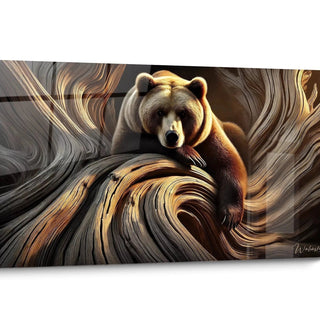 Grizzly3
artworks
Grizzly3
artworks
-
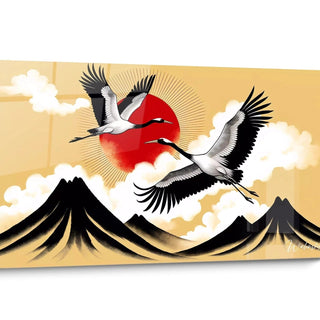 Crane10
artworks
Crane10
artworks
-
 Cheetah147
artworks
Cheetah147
artworks
-
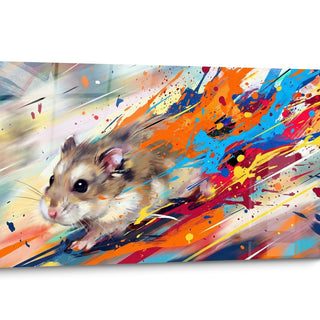 Hamster17
artworks
Hamster17
artworks
-
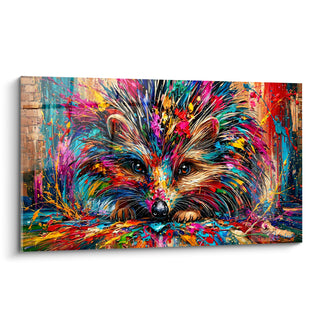 Hedgehog64
artworks
Hedgehog64
artworks
-
 Heron37
artworks
Heron37
artworks
-
 Owl42
artworks
Owl42
artworks
-
 Seahorse34
artworks
Seahorse34
artworks
-
 Hippopotamus4
artworks
Hippopotamus4
artworks
-
 Lobster8
artworks
Lobster8
artworks
-
 Hyena14
artworks
Hyena14
artworks
-
 Iguana6
artworks
Iguana6
artworks
-
 Animal Eye6
artworks
Animal Eye6
artworks
-
 Insect5
artworks
Insect5
artworks
-
 Jaguar6
artworks
Jaguar6
artworks
-
 Kangaroo100
artworks
Kangaroo100
artworks
-
 Koala18
artworks
Koala18
artworks
-
 Llama107
artworks
Llama107
artworks
-
 Rabbit15
artworks
Rabbit15
artworks
-
 Lemur3
artworks
Lemur3
artworks
-
 Dragonfly4
artworks
Dragonfly4
artworks
-
 Unicorn62
artworks
Unicorn62
artworks
-
 Lion193
artworks
Lion193
artworks
-
 Lion Cub4
artworks
Lion Cub4
artworks
-
 Lioness6
artworks
Lioness6
artworks
-
 Wolf13
artworks
Wolf13
artworks
-
 Otter6
artworks
Otter6
artworks
-
 Lynx7
artworks
Lynx7
artworks
-
 Puffin2
artworks
Puffin2
artworks
-
 Penguin10
artworks
Penguin10
artworks
-
 Jellyfish17
artworks
Jellyfish17
artworks
-
 Morse3
artworks
Morse3
artworks
-
 Seagull4
artworks
Seagull4
artworks
-
 Mold14
artworks
Mold14
artworks
-
 Sheep6
artworks
Sheep6
artworks
-
 Narwhal66
artworks
Narwhal66
artworks
-
 Ocelot3
artworks
Ocelot3
artworks
-
 Birds15
artworks
Birds15
artworks
-
 Orangutan10
artworks
Orangutan10
artworks
-
 Orca28
artworks
Orca28
artworks
-
 Brown Bear334
artworks
Brown Bear334
artworks
-
 Polar Bear289
artworks
Polar Bear289
artworks
-
 Sea Urchin9
artworks
Sea Urchin9
artworks
-
 Giant Panda69
artworks
Giant Panda69
artworks
-
 Red Panda11
artworks
Red Panda11
artworks
-
 Panther19
artworks
Panther19
artworks
-
 Snow Leopard8
artworks
Snow Leopard8
artworks
-
 Black Panther10
artworks
Black Panther10
artworks
-
 Peacock128
artworks
Peacock128
artworks
-
 Butterfly14
artworks
Butterfly14
artworks
-
 Lazy Sloth3
artworks
Lazy Sloth3
artworks
-
 Pelican3
artworks
Pelican3
artworks
-
 Parrot211
artworks
Parrot211
artworks
-
 Parakeet5
artworks
Parakeet5
artworks
-
 Seal5
artworks
Seal5
artworks
-
 Pigeon10
artworks
Pigeon10
artworks
-
 Penguin274
artworks
Penguin274
artworks
-
 Feather60
artworks
Feather60
artworks
-
 Fish18
artworks
Fish18
artworks
-
 Betta Fish12
artworks
Betta Fish12
artworks
-
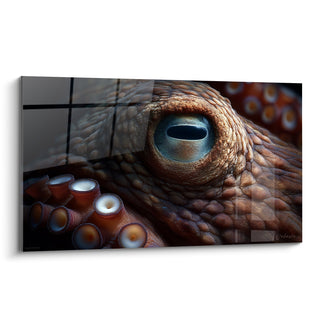 Octopus59
artworks
Octopus59
artworks
-
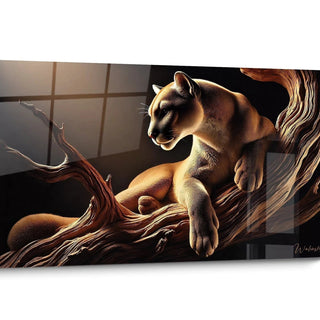 Puma3
artworks
Puma3
artworks
-
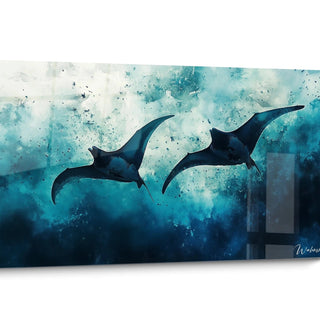 Manta Ray67
artworks
Manta Ray67
artworks
-
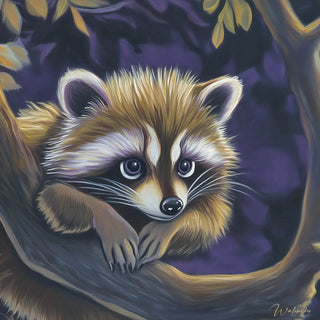 Raccoon2
artworks
Raccoon2
artworks
-
 Fox141
artworks
Fox141
artworks
-
 Shark126
artworks
Shark126
artworks
-
 Rhinoceros21
artworks
Rhinoceros21
artworks
-
 Salamander14
artworks
Salamander14
artworks
-
 Wild Boar15
artworks
Wild Boar15
artworks
-
 Scarab73
artworks
Scarab73
artworks
-
 Scorpion9
artworks
Scorpion9
artworks
-
 Serpent102
artworks
Serpent102
artworks
-
 Monkey14
artworks
Monkey14
artworks
-
 Meerkat1
artwork
Meerkat1
artwork
-
 Tapir52
artworks
Tapir52
artworks
-
 Armadillo3
artworks
Armadillo3
artworks
-
 Bull281
artworks
Bull281
artworks
-
 Tiger316
artworks
Tiger316
artworks
-
 Sea Turtle18
artworks
Sea Turtle18
artworks
-
 Terrestrial Turtle14
artworks
Terrestrial Turtle14
artworks
-
 Toucan7
artworks
Toucan7
artworks
-
 Cow9
artworks
Cow9
artworks
-
 Vulture5
artworks
Vulture5
artworks
-
 Zebra49
artworks
Zebra49
artworks


All about Chimpanzee Wall Art
- Chimpanzee Wall Art Presentation
- Primatology Decoration
- Symbolism and Intelligence
- Large Format Space Integration
The chimpanzee wall art establishes itself as a masterpiece for enthusiasts of contemporary zoological decoration. Representing one of the most fascinating primates on the planet, this large-format mural creation captures the intensity of gaze and emotional complexity of our closest relatives in the animal kingdom. Each artwork reveals the singular expressions of the chimpanzee, ranging from profound reflection to the characteristic cunning of this species. The impressive formats available make it possible to transform any space into a personal gallery dedicated to wildlife. Our animal wall art collection offers authentic representations that appeal equally to primatology enthusiasts and decorators seeking originality. Acquiring a chimpanzee wall art piece constitutes a decorative investment that transcends ephemeral trends to anchor your interior in a timeless and engaged aesthetic.
The Visual Impact of Chimpanzees in Professional and Scientific Spaces
Environments dedicated to behavioral research, specialized veterinary practices, and environmental education centers find in the chimpanzee wall art a visual support of incomparable richness. The faithful representation of the primate's complex facial features offers an immediate educational tool for raising awareness about the conservation challenges facing great apes.
Why choose a chimpanzee representation for an executive office?
The image of the chimpanzee conveys values of natural leadership and strategic intelligence particularly appreciated in corporate environments. Its penetrating gaze and often contemplative posture create an atmosphere conducive to reflection and decision-making. The monumental formats available allow for occupying entire walls in conference rooms or reception areas, transforming these spaces into impressive galleries.
The ethical dimension in acquiring a chimpanzee wall art piece
Buyers of this type of decoration generally demonstrate heightened sensitivity to issues surrounding threatened species protection. The chimpanzee wall art thus becomes a strong identity marker, signaling the organization's commitment to biodiversity. In veterinary clinics specialized in primatology or environmental NGOs, this artwork strengthens the institutional mission visually.
The emotional expression captured in large formats
The chimpanzee's ability to express an emotional range close to that of humans gives large-format representations exceptional evocative power. Anatomical details – expressive wrinkles around the eyes, the particular texture of black fur, articulated hands – gain impact when enlarged. This visual proximity creates a silent dialogue between the artwork and the observer, particularly effective in waiting areas where the visitor has time to contemplate.
Academic institutions specialized in evolutionary anthropology frequently use these visual representations to illustrate concepts of animal cognition and phylogenetic continuity. The chimpanzee wall art thus transcends its decorative function to become a permanent didactic tool, stimulating reflection on our place in the living world.
The Chimpanzee as a Symbol of Intelligence and Creativity
How does the chimpanzee wall art influence the creative atmosphere of a studio?
Spaces dedicated to artistic creation – designer studios, production studios, communication agencies – widely adopt primate representations for their powerful symbolic charge. The chimpanzee, recognized for its innovation and tool-use abilities, perfectly embodies the spirit of experimentation sought in these environments. Its image unconsciously stimulates creative processes by recalling the biological origins of human ingenuity.
Neuroscientists have demonstrated that observing primate faces activates brain regions involved in empathy and social recognition. In a collaborative workspace, this activation promotes team cohesion and facilitates interpersonal exchanges. The imposing format of the chimpanzee wall art amplifies this effect by creating a quasi-physical presence in the room.
The expressive gestures of the chimpanzee as decorative inspiration
Unlike static representations of other species, the chimpanzee wall art often captures moments of characteristic gesticulation – hand to chin, pointed index finger, raised arms. These dynamic postures infuse a particular energy into interiors, avoiding visual monotony. Photographers and specialized artists specifically seek these fleeting moments where the subject's personality shines through the image.
What is the symbolic significance of the chimpanzee's gaze in contemporary decoration?
The intensity of the primate's gaze constitutes the central element that radically differentiates the chimpanzee wall art from other animal decorations. This gaze, charged with near-human depth, questions the observer and creates an immediate emotional connection. In meditation spaces, psychotherapy offices, or private libraries, this contemplative presence fosters introspection.
Discerning collectors particularly seek artworks capturing the vulnerability or apparent wisdom of the aged chimpanzee, whose marked features tell a visual story. These representations bring a rare narrative dimension to mural decoration, transforming the wall into a support for philosophical reflection on time, experience, and maturity. Panoramic formats allow for fully exploiting this narrative dimension by framing the subject within its suggested natural environment.
Optimizing Mural Integration for Monumental Primate Formats
Architectural constraints specific to monumental chimpanzee representations
Installing a large-format chimpanzee wall art requires precise space planning. Load-bearing walls in industrial lofts, thick partitions in historic buildings, or continuous surfaces in contemporary constructions offer ideal supports for these imposing artworks. The minimum recommended ceiling height for a monumental format is around 2.80 meters to preserve visual proportions and avoid a crushing effect.
Exposed metal structures or exposed brick create a striking contrast with the organic texture of the depicted chimpanzee's fur. This material opposition reinforces the artwork's visual impact while fitting into the industrial urban aesthetic favored by contemporary decorators. Double-height spaces constitute privileged locations allowing for fully exploiting the verticality of a full-length chimpanzee portrait.
Which decorative adjacencies enhance a chimpanzee wall art piece?
Associating the chimpanzee wall art with living plant elements – living walls, large tropical plants such as Monstera or Ficus lyrata – visually recreates the primate's natural habitat and amplifies thematic coherence. This biophilic staging transforms the space into an immersive decorative ecosystem particularly appreciated in ecological showrooms or coworking spaces oriented toward sustainable development.
Furniture in raw natural materials – untreated solid wood, woven rattan, plant fibers – harmoniously complement the chimpanzee representation by reinforcing the connection to nature. Conversely, integration into an ultra-modern environment with sleek lines and lacquered surfaces creates a deliberate aesthetic shock that highlights the wild and organic dimension of the subject.
Managing circulation zones around a large-format primate artwork
Unlike landscape representations that support peripheral vision, the chimpanzee wall art requires sufficient distance for appreciating the facial expression in its entirety. Interior architects recommend a minimum observation distance equivalent to 1.5 times the artwork's diagonal. In circulation corridors or narrow entrance halls, favoring perpendicular placement to the traffic flow allows for this critical distance.
Where should you position a chimpanzee wall art piece in a spacious living room?
The wall facing the main entrance constitutes the optimal strategic location, creating an immediate focal point that structures the space visually. This arrangement transforms the artwork into a welcoming element that marks the identity of the place upon threshold entry.
Is a chimpanzee wall art piece suitable for a specialized medical office?
Practitioners in neurology, evolutionary psychology, or behavioral medicine find in this representation a perfect alignment with their field of expertise. The artwork serves as a visual support facilitating discussions about innate behaviors and cognitive mechanisms shared between species.
How do you maintain a large-format chimpanzee wall art piece daily?
Monumental formats require regular dusting with a dry microfiber cloth to preserve image sharpness. Avoid direct exposure to sunlight which could alter the subtle nuances of the depicted fur, particularly important in the shadow and light areas of the expressive face.


