


Otter Wall Art
Discover our Otter Wall Art collection, a unique series of artistic wall panels showcasing the grace and agility of this magnificent animal. Each piece captures the natural beauty of otters in their aquatic habitat, blending realism with poetic nuances. Perfect for wildlife and nature enthusiasts, this collection brings a soothing and organic touch to your interior. Let yourself be captivated by the elegance of details and harmony of colors, ideal for creating a serene and refined atmosphere in your space.
 Graceful Swimmer Painting - Otter Animals Edition273,90 €
 Otter Sea Wall Art - Otter Animals Edition273,90 €
 Otter Duo Wall Art - Otter Edition228,90 €
 Otter Harmony Painting - Otter Animals Edition273,90 €
 Otter Aquatic Tenderness Wall Art - Otter Edition228,90 €
 Whirlwind of Life Wall Art - Otter Animals Edition273,90 €

In the same family
Also explore the theme Animals
-
 View all10974
artworks
View all10974
artworks
-
 Bee54
artworks
Bee54
artworks
-
 Eagle18
artworks
Eagle18
artworks
-
 Alpaca111
artworks
Alpaca111
artworks
-
 Donkey15
artworks
Donkey15
artworks
-
 Savannah Wildlife94
artworks
Savannah Wildlife94
artworks
-
 Antelope5
artworks
Antelope5
artworks
-
 Spider8
artworks
Spider8
artworks
-
 Other Animals24
artworks
Other Animals24
artworks
-
 Ostrich75
artworks
Ostrich75
artworks
-
 Axolotl47
artworks
Axolotl47
artworks
-
 Whale89
artworks
Whale89
artworks
-
 Barracuda61
artworks
Barracuda61
artworks
-
 Snipe32
artworks
Snipe32
artworks
-
 Ram315
artworks
Ram315
artworks
-
 Beluga169
artworks
Beluga169
artworks
-
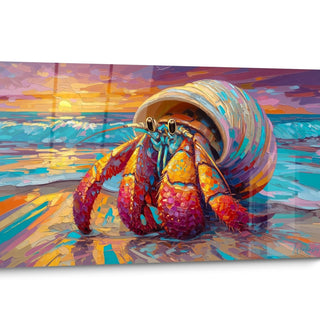 Hermit-Crab12
artworks
Hermit-Crab12
artworks
-
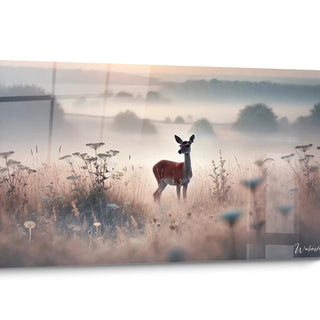 Doe10
artworks
Doe10
artworks
-
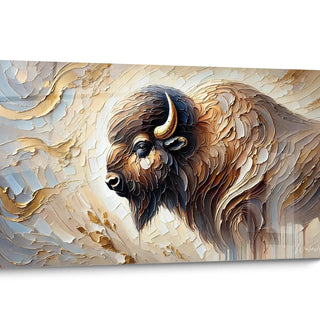 Bison8
artworks
Bison8
artworks
-
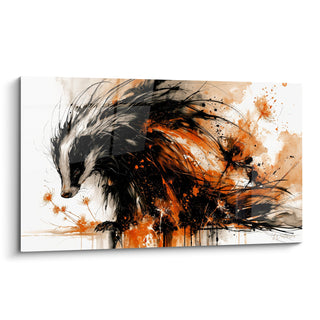 Badger59
artworks
Badger59
artworks
-
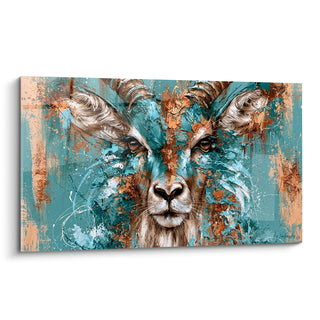 Chamois32
artworks
Chamois32
artworks
-
 Buffalo91
artworks
Buffalo91
artworks
-
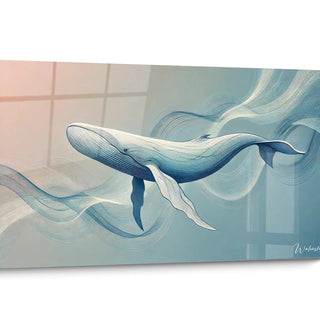 Sperm Whale8
artworks
Sperm Whale8
artworks
-
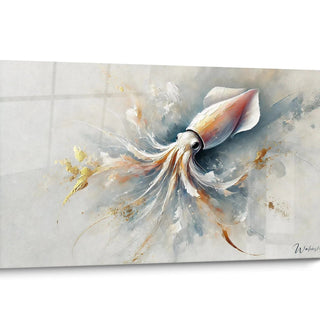 Giant Squid6
artworks
Giant Squid6
artworks
-
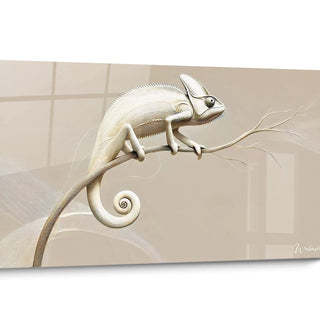 Chameleon20
artworks
Chameleon20
artworks
-
 Duck352
artworks
Duck352
artworks
-
 Capybara3
artworks
Capybara3
artworks
-
 Caracal15
artworks
Caracal15
artworks
-
 Caribou4
artworks
Caribou4
artworks
-
 Koi Carp130
artworks
Koi Carp130
artworks
-
 Beaver9
artworks
Beaver9
artworks
-
 Deer26
artworks
Deer26
artworks
-
 Camel3
artworks
Camel3
artworks
-
 Cat1218
artworks
Cat1218
artworks
-
 Bat10
artworks
Bat10
artworks
-
 Horse73
artworks
Horse73
artworks
-
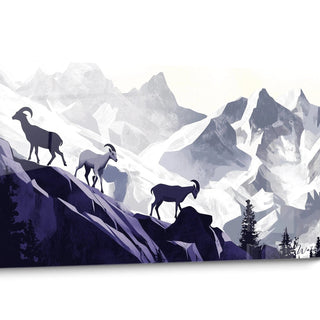 Mountain Goat3
artworks
Mountain Goat3
artworks
-
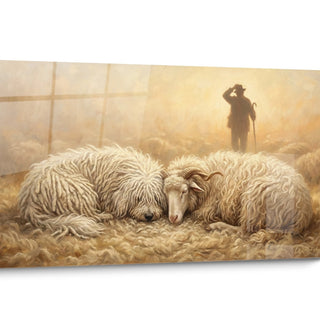 Dog3055
artworks
Dog3055
artworks
-
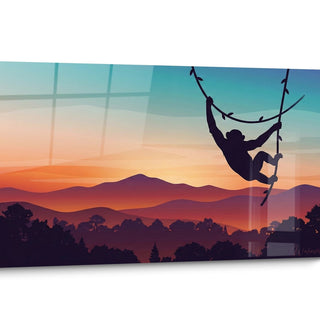 Chimpanzee12
artworks
Chimpanzee12
artworks
-
 Owl19
artworks
Owl19
artworks
-
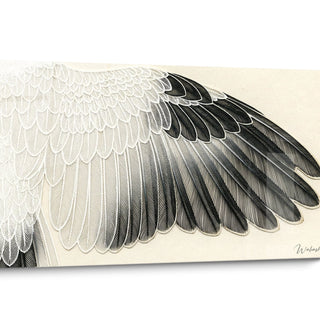 Stork16
artworks
Stork16
artworks
-
 Ladybug7
artworks
Ladybug7
artworks
-
 Pig8
artworks
Pig8
artworks
-
 Guinea Pig13
artworks
Guinea Pig13
artworks
-
 Hummingbird23
artworks
Hummingbird23
artworks
-
 Dove90
artworks
Dove90
artworks
-
 Rooster9
artworks
Rooster9
artworks
-
 Seashell6
artworks
Seashell6
artworks
-
 Raven9
artworks
Raven9
artworks
-
 Crab5
artworks
Crab5
artworks
-
 Toad8
artworks
Toad8
artworks
-
 Shrimp5
artworks
Shrimp5
artworks
-
 Crocodile4
artworks
Crocodile4
artworks
-
 Swan189
artworks
Swan189
artworks
-
 Dolphin11
artworks
Dolphin11
artworks
-
 Dromedary4
artworks
Dromedary4
artworks
-
 Squirrel15
artworks
Squirrel15
artworks
-
 Elan13
artworks
Elan13
artworks
-
 Elephant80
artworks
Elephant80
artworks
-
 Snail11
artworks
Snail11
artworks
-
 Swordfish4
artworks
Swordfish4
artworks
-
 Wild Essence25
artworks
Wild Essence25
artworks
-
 Starfish19
artworks
Starfish19
artworks
-
 Falcon16
artworks
Falcon16
artworks
-
 Fennec256
artworks
Fennec256
artworks
-
 Pink Flamingo30
artworks
Pink Flamingo30
artworks
-
 Ant19
artworks
Ant19
artworks
-
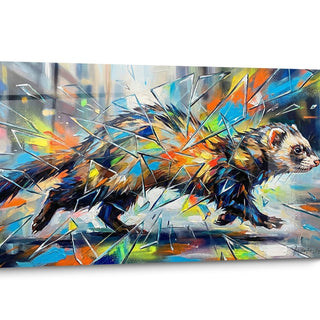 Ferret17
artworks
Ferret17
artworks
-
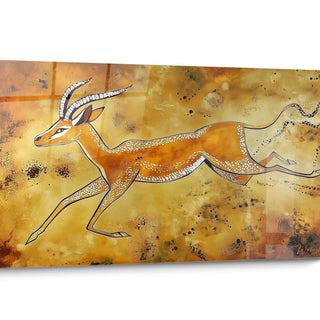 Gazelle4
artworks
Gazelle4
artworks
-
 Giraffe183
artworks
Giraffe183
artworks
-
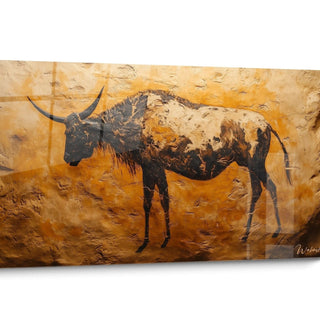 Wildebeest3
artworks
Wildebeest3
artworks
-
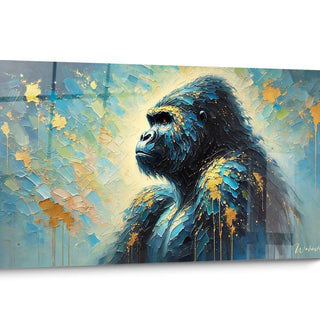 Gorilla15
artworks
Gorilla15
artworks
-
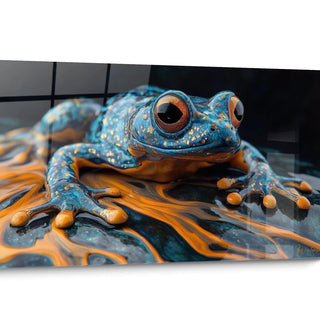 Frog65
artworks
Frog65
artworks
-
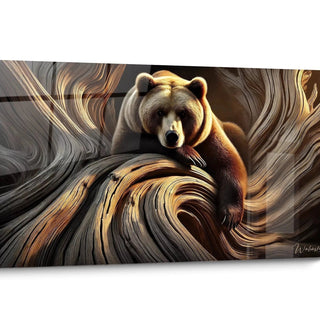 Grizzly3
artworks
Grizzly3
artworks
-
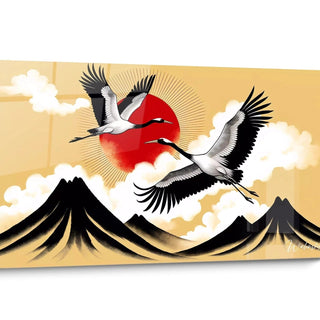 Crane10
artworks
Crane10
artworks
-
 Cheetah147
artworks
Cheetah147
artworks
-
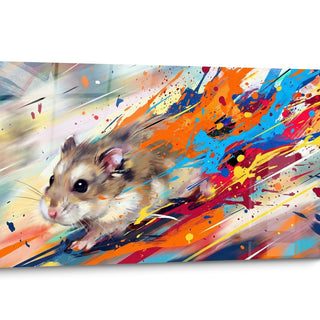 Hamster17
artworks
Hamster17
artworks
-
 Hedgehog64
artworks
Hedgehog64
artworks
-
 Heron37
artworks
Heron37
artworks
-
 Owl42
artworks
Owl42
artworks
-
 Seahorse34
artworks
Seahorse34
artworks
-
 Hippopotamus4
artworks
Hippopotamus4
artworks
-
 Lobster8
artworks
Lobster8
artworks
-
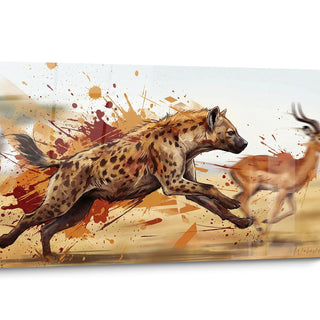 Hyena14
artworks
Hyena14
artworks
-
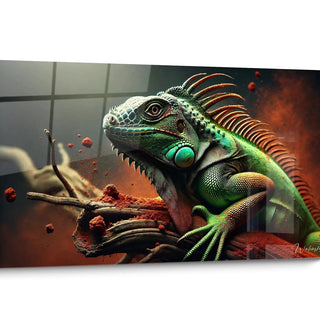 Iguana6
artworks
Iguana6
artworks
-
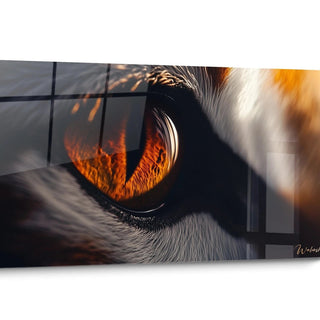 Animal Eye6
artworks
Animal Eye6
artworks
-
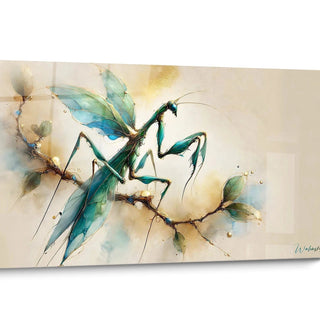 Insect5
artworks
Insect5
artworks
-
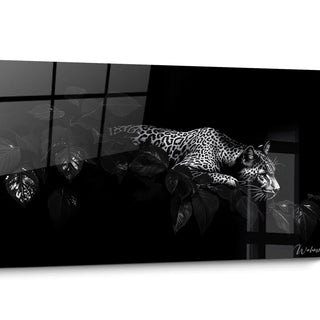 Jaguar6
artworks
Jaguar6
artworks
-
 Kangaroo100
artworks
Kangaroo100
artworks
-
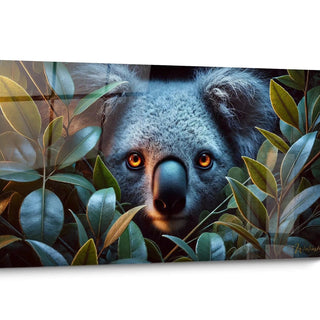 Koala18
artworks
Koala18
artworks
-
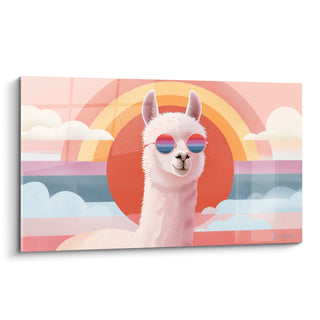 Llama107
artworks
Llama107
artworks
-
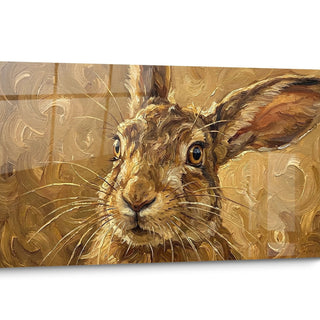 Rabbit15
artworks
Rabbit15
artworks
-
 Lemur3
artworks
Lemur3
artworks
-
 Dragonfly4
artworks
Dragonfly4
artworks
-
 Unicorn62
artworks
Unicorn62
artworks
-
 Lion193
artworks
Lion193
artworks
-
 Lion Cub4
artworks
Lion Cub4
artworks
-
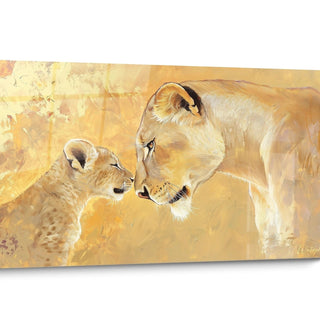 Lioness6
artworks
Lioness6
artworks
-
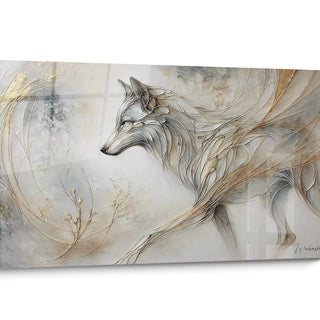 Wolf13
artworks
Wolf13
artworks
-
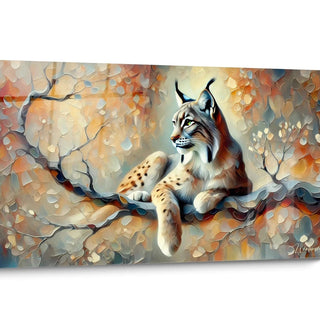 Lynx7
artworks
Lynx7
artworks
-
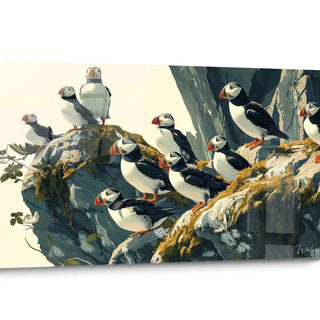 Puffin2
artworks
Puffin2
artworks
-
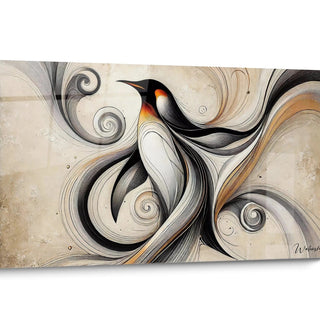 Penguin10
artworks
Penguin10
artworks
-
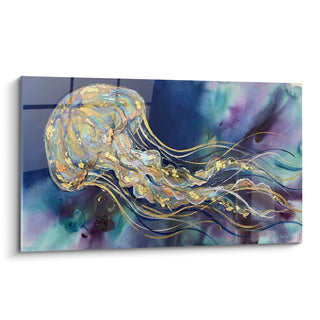 Jellyfish17
artworks
Jellyfish17
artworks
-
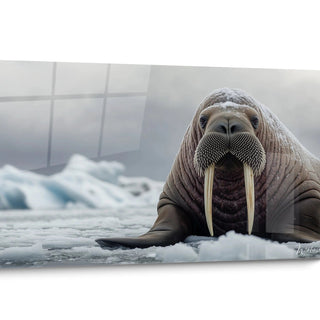 Morse3
artworks
Morse3
artworks
-
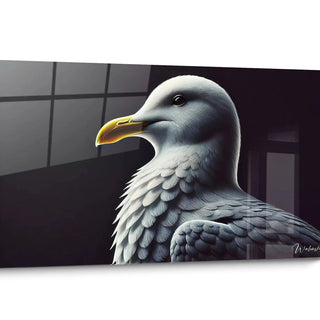 Seagull4
artworks
Seagull4
artworks
-
 Mold14
artworks
Mold14
artworks
-
 Sheep6
artworks
Sheep6
artworks
-
 Narwhal66
artworks
Narwhal66
artworks
-
 Ocelot3
artworks
Ocelot3
artworks
-
 Birds15
artworks
Birds15
artworks
-
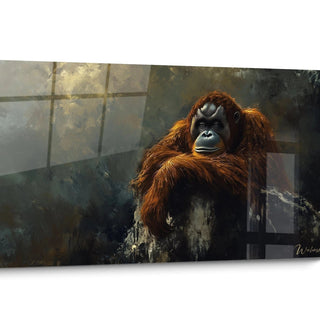 Orangutan10
artworks
Orangutan10
artworks
-
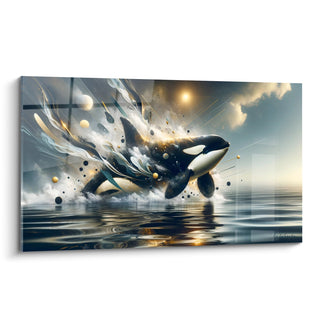 Orca28
artworks
Orca28
artworks
-
 Brown Bear334
artworks
Brown Bear334
artworks
-
 Polar Bear289
artworks
Polar Bear289
artworks
-
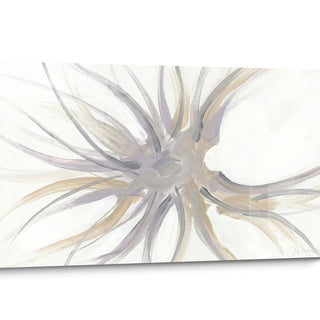 Sea Urchin9
artworks
Sea Urchin9
artworks
-
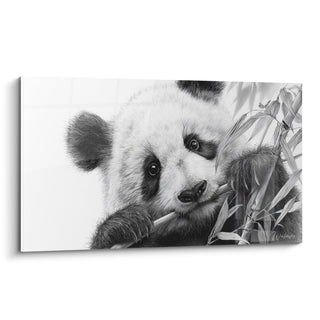 Giant Panda69
artworks
Giant Panda69
artworks
-
 Red Panda11
artworks
Red Panda11
artworks
-
 Panther19
artworks
Panther19
artworks
-
 Snow Leopard8
artworks
Snow Leopard8
artworks
-
 Black Panther10
artworks
Black Panther10
artworks
-
 Peacock128
artworks
Peacock128
artworks
-
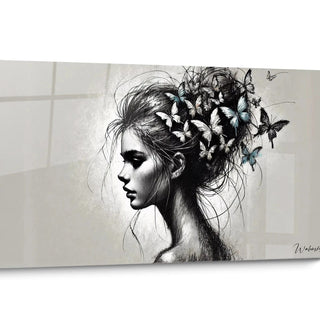 Butterfly14
artworks
Butterfly14
artworks
-
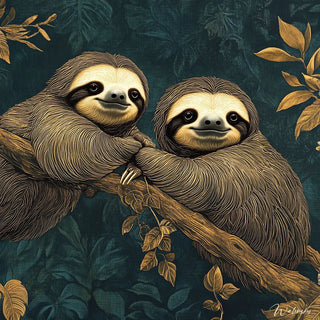 Lazy Sloth3
artworks
Lazy Sloth3
artworks
-
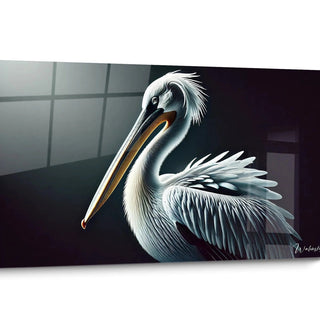 Pelican3
artworks
Pelican3
artworks
-
 Parrot211
artworks
Parrot211
artworks
-
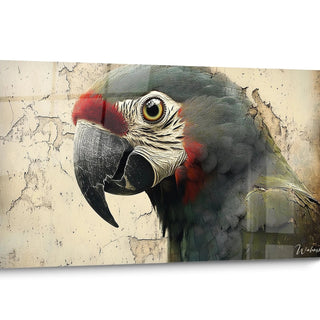 Parakeet5
artworks
Parakeet5
artworks
-
 Seal5
artworks
Seal5
artworks
-
 Pigeon10
artworks
Pigeon10
artworks
-
 Penguin274
artworks
Penguin274
artworks
-
 Feather60
artworks
Feather60
artworks
-
 Fish18
artworks
Fish18
artworks
-
 Betta Fish12
artworks
Betta Fish12
artworks
-
 Octopus59
artworks
Octopus59
artworks
-
 Puma3
artworks
Puma3
artworks
-
 Manta Ray67
artworks
Manta Ray67
artworks
-
 Raccoon2
artworks
Raccoon2
artworks
-
 Fox141
artworks
Fox141
artworks
-
 Shark126
artworks
Shark126
artworks
-
 Rhinoceros21
artworks
Rhinoceros21
artworks
-
 Salamander14
artworks
Salamander14
artworks
-
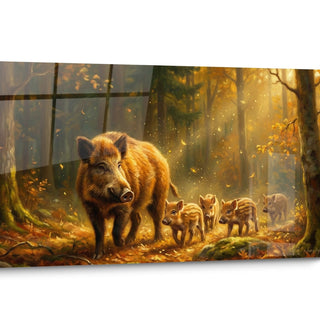 Wild Boar15
artworks
Wild Boar15
artworks
-
 Scarab73
artworks
Scarab73
artworks
-
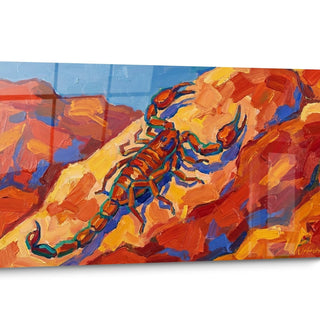 Scorpion9
artworks
Scorpion9
artworks
-
 Serpent102
artworks
Serpent102
artworks
-
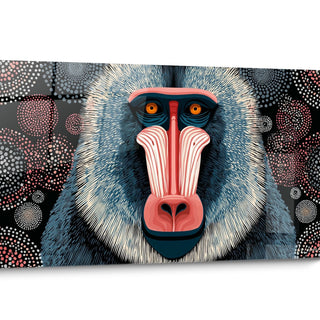 Monkey14
artworks
Monkey14
artworks
-
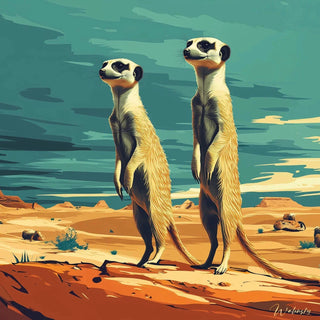 Meerkat1
artwork
Meerkat1
artwork
-
 Tapir52
artworks
Tapir52
artworks
-
 Armadillo3
artworks
Armadillo3
artworks
-
 Bull281
artworks
Bull281
artworks
-
 Tiger316
artworks
Tiger316
artworks
-
 Sea Turtle18
artworks
Sea Turtle18
artworks
-
 Terrestrial Turtle14
artworks
Terrestrial Turtle14
artworks
-
 Toucan7
artworks
Toucan7
artworks
-
 Cow9
artworks
Cow9
artworks
-
 Vulture5
artworks
Vulture5
artworks
-
 Zebra49
artworks
Zebra49
artworks


All about Otter Wall Art
- Presentation Otter Paintings
- Otter Paintings Nature Decoration
- Otter Paintings Aquatic Ambiance
- Otter Paintings Wild Aesthetic
Otter paintings represent a unique decorative trend that brings a touch of wild nature and playfulness to your interior. These semi-aquatic mammals, recognized for their charisma and playful behavior, are a captivating artistic subject that transcends simple wall decoration.
These works of art highlight the distinctive physique of otters, with their dense, waterproof fur, their elongated silhouette, and their almost human facial expressions. Unlike animal paintings, otter depictions capture a particular dynamic between aquatic grace and overflowing energy.
Otter paintings are distinguished by their decorative versatility. They blend perfectly into interiors inspired by nature, contemporary spaces, or even children's rooms, bringing an atmosphere that is both soothing and invigorating. Their characteristic color palette, a blend of browns, ambers, and aquatic tones, creates a visual harmony that complements many decorative styles.
Ideal for wildlife lovers or advocates for endangered species, these paintings tell a story about biodiversity and the beauty of our aquatic ecosystems. Each work thus becomes a conversation starter, combining aesthetic value and environmental awareness.
Discover through our different sections how to integrate these magnificent representations of otters into your interior decoration, the specificities that make their unique charm, and the many ways they can transform the atmosphere of your living spaces.
Otter Paintings: Merging Animal Art and Nature Decoration
Otter paintings constitute a distinctive category in the world of wall decoration, offering a visual immersion into riparian and lacustrine habitats. Unlike conventional animal representations, these works capture the essence of a semi-aquatic mammal with fascinating behavior, creating a bridge between your interior space and natural ecosystems.
How do otter paintings transform the atmosphere of a room?
The visual impact of an otter painting goes far beyond that of a simple animal illustration. The unique physique of these creatures – with their streamlined body, their lively gaze, and their often playful posture – generates an incomparable visual dynamic. The fluid movements characteristic of otters evolving in their aquatic element create visual compositions that breathe life and movement into your interior decoration.
These artistic representations produce a soothing effect thanks to the dominant natural tones – the rich browns of the fur harmoniously blending with the blues and greens of the aquatic environments. This specific color palette for otter scenes favors the creation of a serene and natural atmosphere, particularly suitable for relaxation spaces such as living rooms or bedrooms.
Integrating otter paintings into different decorative styles
Contrary to popular belief, otter paintings transcend the "cabin in the woods" decorative style and remarkably adapt to various aesthetic universes:
- In a Scandinavian interior, they bring an organic touch that perfectly complements the clean lines and natural materials
- Within a contemporary decoration, they constitute an unexpected focal point, creating a striking contrast with the minimalist elements
- For a bohemian style, they reinforce the connection with nature and the organic elements prized in this aesthetic }
- In an industrial space, they soften the raw lines thanks to their natural and dynamic appearance
This versatility makes otter paintings a relevant decorative option for those who want to infuse character and originality into their interior without compromising the overall harmony of their decor.
Otter paintings and biophilic design: a natural alliance
Biophilic design, a major decorative trend, aims to reconnect inhabitants with natural elements through interior design. Otter paintings fit perfectly within this philosophy by offering a visual window onto aquatic ecosystems. These works of art respond to the fundamental human need for contact with nature, even in urban environments.
A study published in the Journal of Environmental Psychology demonstrates that artistic representations of natural environments and wildlife significantly contribute to reducing stress and improving mental well-being. Otter paintings, with their dynamic aquatic scenes and expressive subjects, maximize this beneficial effect.
What size should you choose for an otter painting depending on your space?
Large-format otter paintings (80×120 cm and larger) reveal the richness of the details of these fascinating mammals – the precise texture of their waterproof fur, the subtleties of their facial expressions, and the complexity of their riparian habitat. These imposing formats are perfect for open wall spaces such as those overlooking a sofa or in a spacious entrance hall.
For interiors with more restricted wall spaces, medium-format otter representations (50×70 cm) offer an excellent compromise, preserving the characteristic visual impact of these works while adapting to more limited configurations. Ideal for hallways, offices, or transition spaces, these dimensions allow you to appreciate the essential details without visually overwhelming the room.
People particularly attached to otters often opt for triptych or polyptych compositions, allowing them to deploy narrative scenes showing different facets of the behavior of these mammals – from active fishing to characteristic playful moments, to touching interactions between mother and cubs.
Otter Paintings: Create a Revitalizing Aquatic Atmosphere
Otter paintings fundamentally distinguish themselves from other animal representations by their unique ability to create a sensory aquatic immersion. These works not only capture the animal, but also the fascinating interaction between the otter and its aquatic environment, generating a dynamic visual experience that radically transforms the atmosphere of a room.
The evocative power of aquatic scenes with otters
The semi-aquatic nature of otters allows artists to create unique visual compositions playing on the duality between the terrestrial and aquatic worlds. The most striking representations often show these mammals at the interface between these two environments – head emerging from the water, body partially submerged – creating a visual tension impossible to reproduce with other animal subjects.
This particularity gives otter paintings a almost meditative dimension. Water, the central element of these compositions, brings its intrinsic soothing qualities: light reflections, transparency, fluidity. When you add the liveliness and expressiveness characteristic of otters, you get a rare visual balance between calm and dynamism.
- Aquatic reflections create light games that bring the painting to life even under different lighting
- The undulations of the water around the animal suggest perpetual movement, adding a kinetic dimension to the decor
- The air bubbles often depicted around diving otters add a distinctive visual texture
- The representation of droplets on the animal's waterproof fur offers points of light that energize the composition
How Otter Paintings Influence Spatial Perception?
A remarkable phenomenon of large-format otter paintings lies in their ability to alter the spatial perception of a room. Expansive aquatic scenes create a sense of depth that visually expands the space, comparable to installing a virtual window onto a natural environment. This characteristic proves particularly valuable in restricted urban spaces or rooms without natural outdoor views.
In contemporary interiors dominated by neutral tones (whites, grays, beiges), the introduction of an otter painting brings a specific natural color palette – the deep blues of the waters, the rich browns of the fur, the greens of the riparian vegetation – establishing a chromatic focal point that structures the visual space of the entire room.
The Influence of Seasons on Choosing an otter painting
Otter paintings offer a variety of seasonal compositions that differently influence the ambiance of an interior. Winter representations, showing these mammals evolving in snowy or partially frozen environments, bring a visual freshness particularly appreciated in warm regions or during summer months. The contrast between the apparent warmth of the dense fur and the icy environment creates a striking visual tension.
Conversely, summer scenes depicting otters in verdant streams or bodies of water bathed in golden light infuse a welcome visual warmth during cold months. These works, dominated by warmer and more vibrant tones, psychologically activate the sensations of vitality and energy associated with beautiful days.
Astute collectors sometimes create a seasonal selection of otter paintings that they alternate throughout the year, thus using wall art as an adaptable element reflecting external natural changes and responding to variable psychological needs according to the seasons.
The Unique Visual Acoustics of Otter Paintings
A rarely mentioned but fundamental aspect of otter paintings concerns what interior designers call "visual acoustics" – the ability of a work to suggest sounds sensorially. Representations of otters in action – diving into the water, emerging briskly, playing with pebbles – immediately evoke for the viewer the splashes, ripples, and aquatic sounds associated.
This subtle but powerful synesthetic dimension explains why these paintings are particularly prized in spaces dedicated to relaxation, such as meditation rooms, therapy offices, or relaxation areas in stressful professional environments. The brain unconsciously associates these images with the soothing sounds of water, reinforcing the overall relaxing effect.
Sound designers confirm that regular exposure to visual representations of natural environments accompanied by their implicit sound associations contributes to reducing the perception of ambient noise in urban spaces, creating a cognitively beneficial masking effect for well-being.
Otter Paintings: Capturing Wild Aesthetics in Your Interior
Otter paintings stand out as a unique artistic category thanks to the intrinsic duality of their subject – both wild and strangely familiar. This fundamental aesthetic tension explains their unique emotional impact and their ability to profoundly transform the atmosphere of an interior space.
Why do the facial expressions of otters create a distinctive emotional connection?
The particular facial morphology of otters confers on them an almost human expressiveness that transcends simple animal representation. Their slightly prominent eyes, their short muzzle, and their easily movable features produce expressions that our brain instinctively interprets as reflecting curiosity, joy, or surprise. This instinctive emotional recognition establishes an immediate affective connection with the observer.
Artists specializing in otter paintings intentionally exploit this unique characteristic by capturing moments when the animal's expressiveness is at its maximum – an otter surprised by a fish, contemplating a floating object with curiosity, or interacting joyfully with its peers. This approach transforms these works into true emotional catalysts in the space where they are displayed.
- The facial expressions of adult otters often evoke wisdom and intelligence, ideal for spaces of reflection
- Representations of otter pups convey joy and innocence, perfect for children's rooms or family spaces
- Scenes showing interactions between adult and young otters particularly resonate with families
- Close-up portraits of otters create an emotional intensity suited to intimate spaces
The balance between wild and domestic in otter compositions
A fundamental aspect of otter paintings lies in their unique ability to simultaneously embody the wild world and a form of imagined domesticity. Unlike depictions of predators (wolves, lions) that evoke an untamable nature or conventional pets that symbolize complete domestication, otters occupy a fascinating intermediate position.
This position of balance is visually manifested in the most successful works by the juxtaposition of raw natural elements (rugged rocks, turbulent streams) with behaviors that almost suggest playful domesticity (manipulation of objects, playful interactions between individuals). This visual paradox creates an aesthetic tension that maintains the viewer's interest and prevents the work from sinking into banal decorative banality.
For contemporary spaces with minimalist or industrial aesthetics, this duality offers a perfect counterpoint, introducing a reference to the wild nature without creating excessive visual disruption. The animal evokes freedom while remaining visually accessible, unlike some more intimidating depictions of wildlife.
How the unique visual texture of otter fur influences artistic perception?
Otter paintings present a distinctive textural richness thanks to the representation of the characteristic fur of these animals – dense, waterproof and presenting a subtle gradation of nuances. This visual characteristic creates a tactile focal point that effectively contrasts with the smooth and uniform surfaces dominant in contemporary interiors.
The juxtaposition between the textured fur and the smooth water surfaces generates a textural duality that adds an additional sensory dimension to the work. Artists specializing in this field exploit this particularity by using specific pictorial techniques to render the subtleties of this interface – thick, superimposed touches for the fur contrasting with fluid glazes for the water surfaces.
This textural richness explains why otter paintings retain their visual impact even in environments viewed at varying distances, unlike some works that lose their visual interest when not observed at the optimal distance. This perceptual adaptability makes them particularly suitable for large spaces where the viewing distance varies constantly.
The impact of otter paintings on domestic chronobiology
Research in biophilic design demonstrates that artistic representations of natural environments subtly influence our internal biological rhythms. Otter paintings, particularly those depicting these animals in their typical twilight activities, can play a regulatory role in domestic chronobiology.
Scenes of otters at dawn, with their bluish tones and soft luminosity, placed in wake-up spaces such as bedrooms or kitchens, facilitate the wake-up-activity transition by gently stimulating non-visual receptors sensitive to blue light. Conversely, depictions of otters at sunset, with their orange and amber hues, promote evening relaxation in relaxation areas.
This underestimated chronobiological feature of otter paintings partially explains their growing popularity in spaces without direct access to natural light or in Nordic regions with extreme seasonal light variations, where they help maintain a visual reference to natural cycles.
FAQ about Otter Paintings
What is the symbolic meaning of otter paintings in interior decoration?
Otter paintings convey symbols of resilience and adaptability, as these animals are known for their ability to thrive in changing environments. They also represent the balance between joy of living and natural wildness, bringing a rewarding symbolic dimension to your decoration. In contemporary Feng Shui, they are considered to promote emotional fluidity and adaptation to change.
How to properly care for a large otter painting?
Large otter paintings require specific care to preserve their visual qualities. Avoid direct exposure to UV rays that could alter the subtle nuances of the aquatic environments depicted. Regular dusting with a soft brush is recommended. For paintings with textured finishes reproducing the fur, avoid contact with liquid substances that could seep into the reliefs.
Are otter paintings suitable for professional environments?
Otter paintings blend remarkably well in specific professional contexts. They are particularly appreciated in liberal professions seeking to create an atmosphere that is both distinguished and accessible. Medical waiting rooms benefit from their natural soothing effect. In corporate environments, they bring a touch of controlled vitality, symbolizing adaptability and intelligence - values sought after in the contemporary professional world.


