


Deer Wall Art
Discover our collection Deer Wall Art in Acrylic Glass, a series of captivating works that celebrate the majesty of the deer through vibrant colors and meticulous details. Each acrylic glass wall art offers a striking impression, bringing a touch of elegance and wild nature to your space. With their glossy finish and visual depth, these artworks are perfect for lovers of modern décor. Immerse yourself in this universe where the power of the deer is sublimated by the quality of acrylic glass.
 Black Stag Painting with Blue and Gold Reflections - Nocturnal Radiance - Stag Edition273,90 €
 Blue and Pink Deer Painting with Blazing Stripes - Electric Creature - Deer Edition273,90 €
 Turquoise and Violet Stag Painting with Golden Rays - Electric Dawn - Stag Edition273,90 €
 Blue and Pink Deer Painting with Psychedelic Tones - Fluorescent Vision - Deer Edition273,90 €
 Brown and Black Deer with Backlit Antlers - Cross Window - Deer Edition273,90 €
 White and Black Deer Painting with Blue Eyes - Window in the Background - Deer Edition273,90 €
 Chromatic Stag Profile in Blue and Gold - Iridiscent Night Vision - Stag Edition273,90 €
 Blue Stag with Multicolored Streaks Painting - Rainbow Breath - Stag Edition273,90 €
 Turquoise and Violet Stag Painting with Fluid Lines - Chromatic Breath - Stag Edition273,90 €
 Holographic Deer Artwork with Purple and Gold Reflections - Nocturnal Appearance - Deer Edition273,90 €
 Multicolored Deer Painting with Turquoise Woods - Chromatic Awakening - Deer Edition273,90 €
 Iridescent Stag Artwork with Blue and Gold Reflections - Electric Vision - Stag Edition228,90 €
 Holographic Deer Artwork with Violet and Turquoise Reflections - Mirage Nocturne - Deer Edition228,90 €
 Turquoise and Pink Deer Painting in Majestic Woods - Colorful Awakening - Deer Edition228,90 €
 Black Stag with Golden Woods - Silent Majesty - Stag Edition228,90 €
 Gray and Black Deer Painting with Majestic Antlers - Night Watch - Deer Edition228,90 €
 Majestic Deer Painting - Noble Portrait - Black and White Animals Edition273,90 €
 Color Vortex Cervin Wall Art - Animal Edition273,90 €
 Shadow King Wall Art - Animals Edition273,90 €
 Colorful Deer Renaissance Artwork - Animals Edition273,90 €
 The Monarch Stag Wall Art - Animals Edition273,90 €
 The Elegance of the Deer Wall Art - Animals Edition273,90 €
 Deer Glory Wall Art - Animals Edition273,90 €
 Royal Guard Wall Art - Animals Edition273,90 €
In the same family
Also explore the theme Animals
-
 View all10974
artworks
View all10974
artworks
-
 Bee54
artworks
Bee54
artworks
-
 Eagle18
artworks
Eagle18
artworks
-
 Alpaga111
artworks
Alpaga111
artworks
-
 Donkey15
artworks
Donkey15
artworks
-
 Savannah Wildlife94
artworks
Savannah Wildlife94
artworks
-
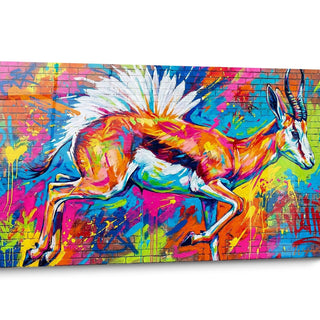 Antelope5
artworks
Antelope5
artworks
-
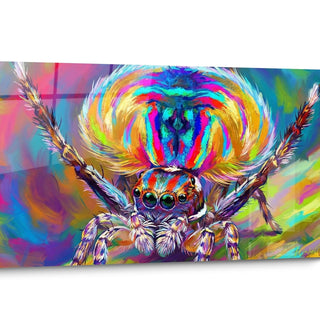 Spider8
artworks
Spider8
artworks
-
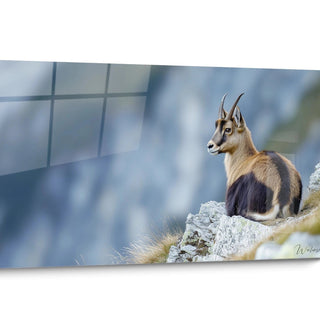 Other Animals24
artworks
Other Animals24
artworks
-
 Ostrich75
artworks
Ostrich75
artworks
-
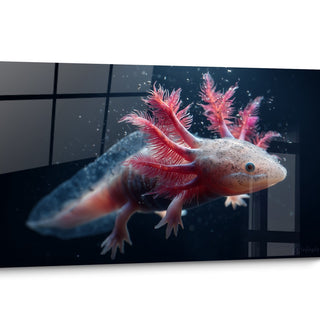 Axolotl47
artworks
Axolotl47
artworks
-
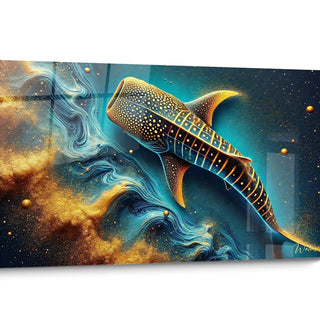 Whale89
artworks
Whale89
artworks
-
 Barracuda61
artworks
Barracuda61
artworks
-
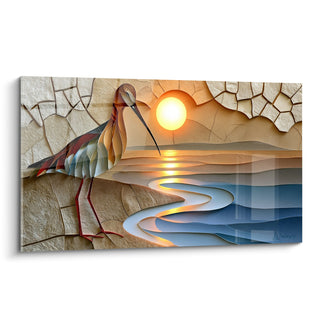 Bécasse32
artworks
Bécasse32
artworks
-
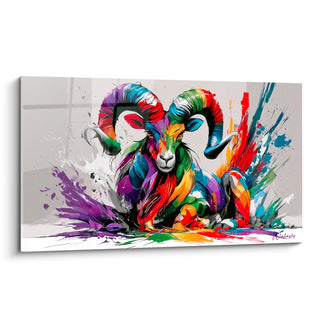 Ram315
artworks
Ram315
artworks
-
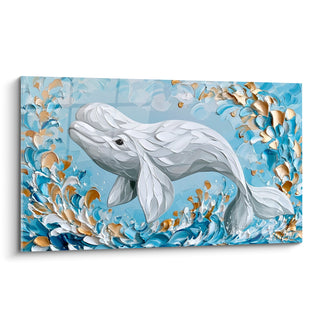 Beluga169
artworks
Beluga169
artworks
-
 Hermit-Crab12
artworks
Hermit-Crab12
artworks
-
 Doe10
artworks
Doe10
artworks
-
 Bison8
artworks
Bison8
artworks
-
 Blaireau59
artworks
Blaireau59
artworks
-
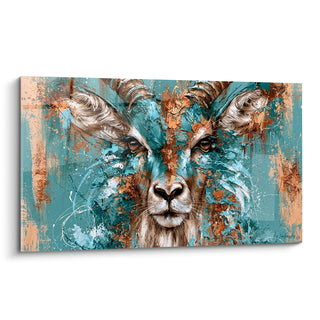 Bouquetin32
artworks
Bouquetin32
artworks
-
 Buffalo91
artworks
Buffalo91
artworks
-
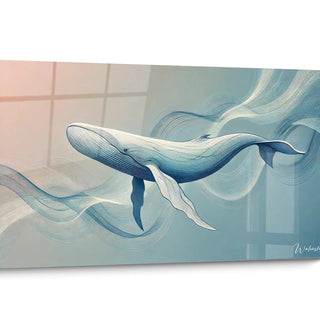 Sperm Whale8
artworks
Sperm Whale8
artworks
-
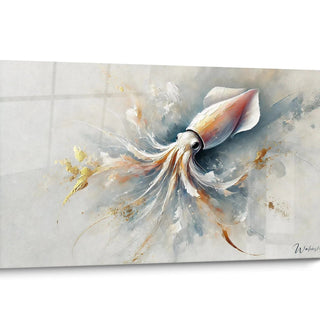 Giant Squid6
artworks
Giant Squid6
artworks
-
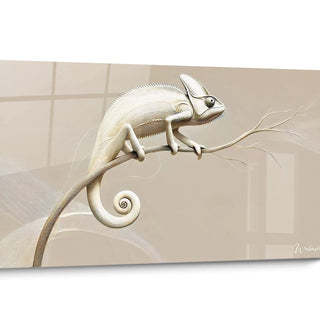 Chameleon20
artworks
Chameleon20
artworks
-
 Duck352
artworks
Duck352
artworks
-
 Capybara3
artworks
Capybara3
artworks
-
 Caracal15
artworks
Caracal15
artworks
-
 Caribou4
artworks
Caribou4
artworks
-
 Koi Carp130
artworks
Koi Carp130
artworks
-
 Beaver9
artworks
Beaver9
artworks
-
 Camel3
artworks
Camel3
artworks
-
 Cat1218
artworks
Cat1218
artworks
-
 Bat10
artworks
Bat10
artworks
-
 Horse73
artworks
Horse73
artworks
-
 Mountain Goat3
artworks
Mountain Goat3
artworks
-
 Dog3055
artworks
Dog3055
artworks
-
 Chimpanzee12
artworks
Chimpanzee12
artworks
-
 Owl19
artworks
Owl19
artworks
-
 Stork16
artworks
Stork16
artworks
-
 Ladybug7
artworks
Ladybug7
artworks
-
 Pig8
artworks
Pig8
artworks
-
 Guinea Pig13
artworks
Guinea Pig13
artworks
-
 Hummingbird23
artworks
Hummingbird23
artworks
-
 Colombe90
artworks
Colombe90
artworks
-
 Rooster9
artworks
Rooster9
artworks
-
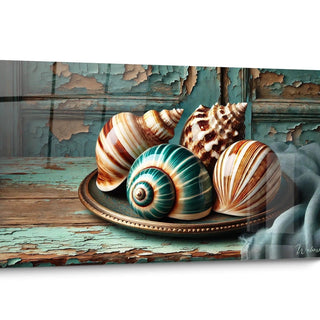 Seashell6
artworks
Seashell6
artworks
-
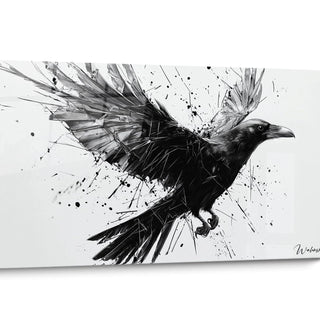 Raven9
artworks
Raven9
artworks
-
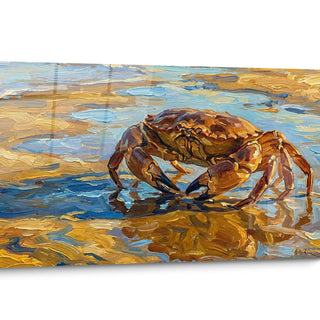 Crab5
artworks
Crab5
artworks
-
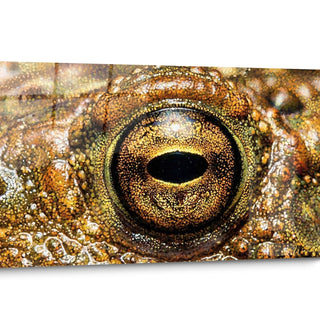 Toad8
artworks
Toad8
artworks
-
 Shrimp5
artworks
Shrimp5
artworks
-
 Crocodile4
artworks
Crocodile4
artworks
-
 Swan189
artworks
Swan189
artworks
-
 Dolphin11
artworks
Dolphin11
artworks
-
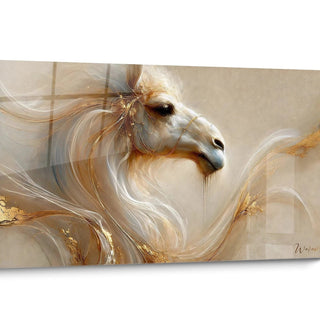 Dromedary4
artworks
Dromedary4
artworks
-
 Squirrel15
artworks
Squirrel15
artworks
-
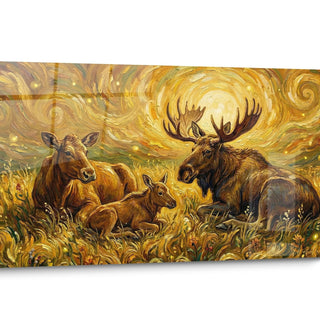 Elan13
artworks
Elan13
artworks
-
 Elephant80
artworks
Elephant80
artworks
-
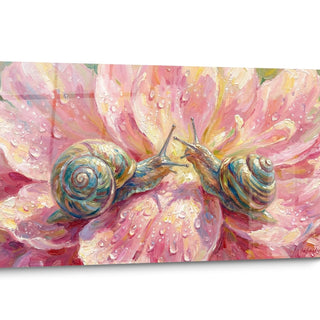 Snail11
artworks
Snail11
artworks
-
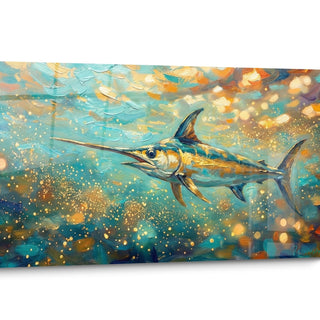 Swordfish4
artworks
Swordfish4
artworks
-
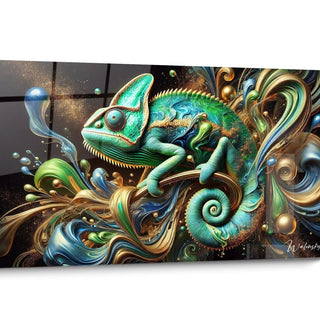 Wild Essence25
artworks
Wild Essence25
artworks
-
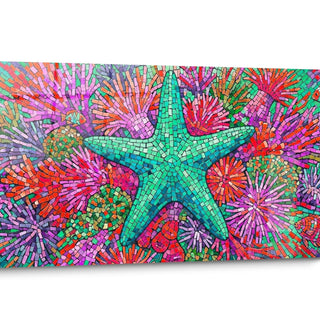 Starfish19
artworks
Starfish19
artworks
-
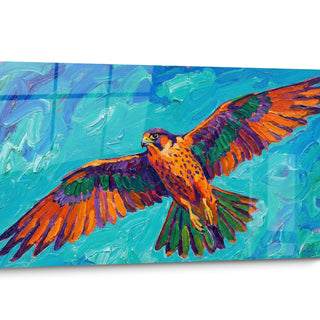 Falcon16
artworks
Falcon16
artworks
-
 Fennec256
artworks
Fennec256
artworks
-
 Pink Flamingo30
artworks
Pink Flamingo30
artworks
-
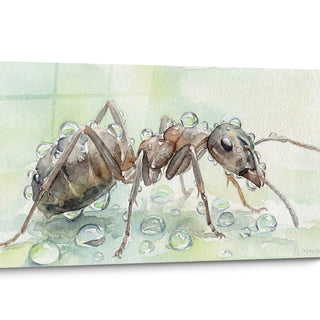 Ant19
artworks
Ant19
artworks
-
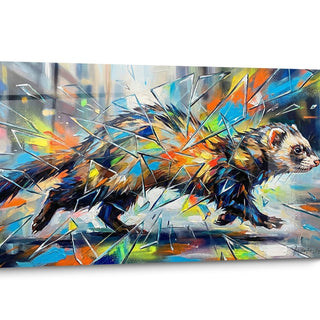 Ferret17
artworks
Ferret17
artworks
-
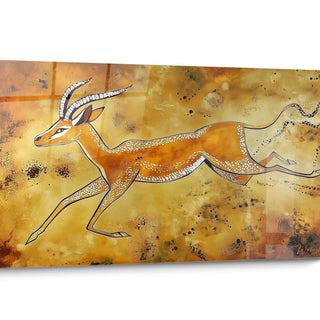 Gazelle4
artworks
Gazelle4
artworks
-
 Giraffe183
artworks
Giraffe183
artworks
-
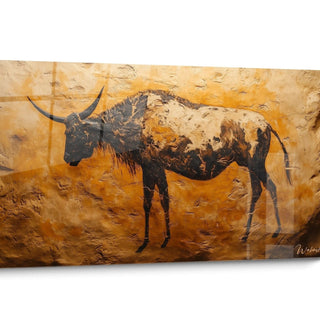 Wildebeest3
artworks
Wildebeest3
artworks
-
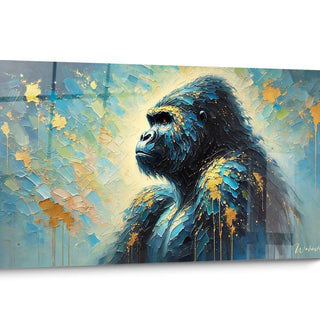 Gorilla15
artworks
Gorilla15
artworks
-
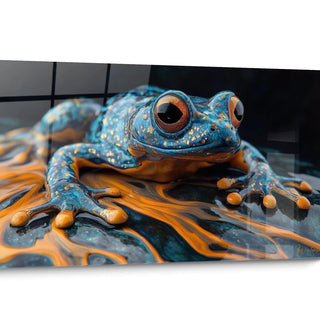 Frog65
artworks
Frog65
artworks
-
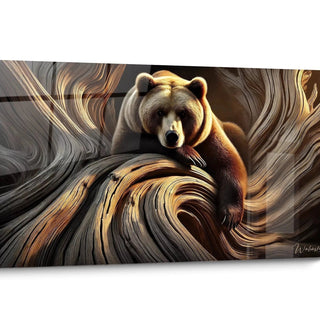 Grizzly3
artworks
Grizzly3
artworks
-
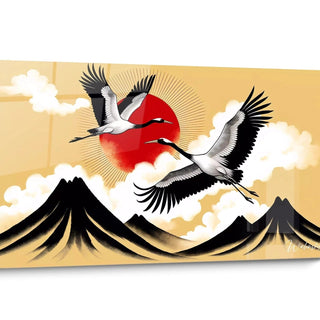 Crane10
artworks
Crane10
artworks
-
 Cheetah147
artworks
Cheetah147
artworks
-
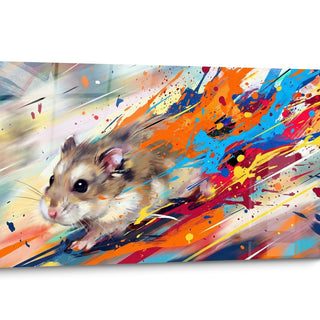 Hamster17
artworks
Hamster17
artworks
-
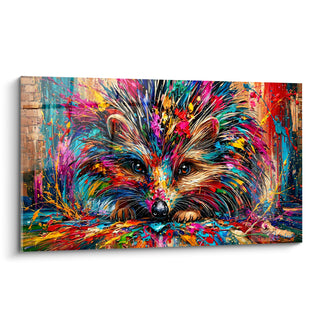 Hedgehog64
artworks
Hedgehog64
artworks
-
 Heron37
artworks
Heron37
artworks
-
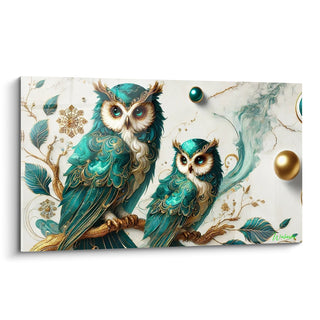 Owl42
artworks
Owl42
artworks
-
 Seahorse34
artworks
Seahorse34
artworks
-
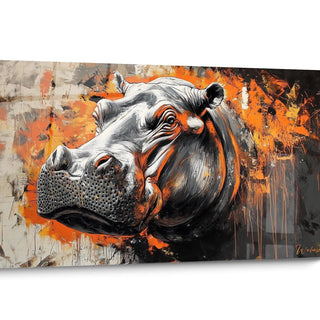 Hippopotamus4
artworks
Hippopotamus4
artworks
-
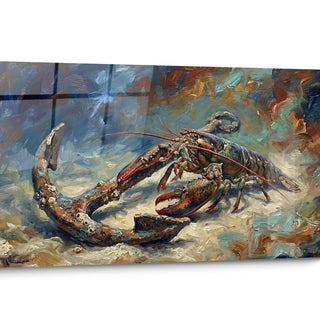 Lobster8
artworks
Lobster8
artworks
-
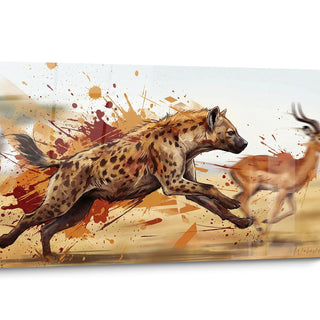 Hyena14
artworks
Hyena14
artworks
-
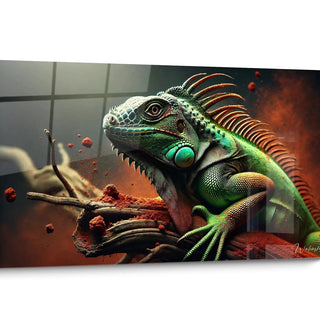 Iguana6
artworks
Iguana6
artworks
-
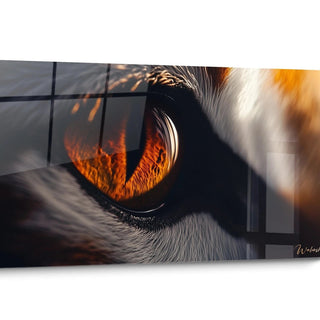 Animal Eye6
artworks
Animal Eye6
artworks
-
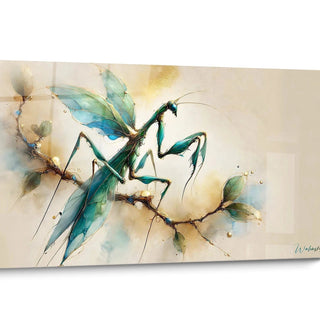 Insect5
artworks
Insect5
artworks
-
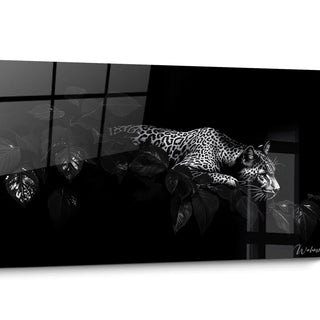 Jaguar6
artworks
Jaguar6
artworks
-
 Kangaroo100
artworks
Kangaroo100
artworks
-
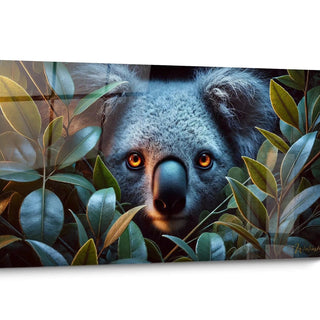 Koala18
artworks
Koala18
artworks
-
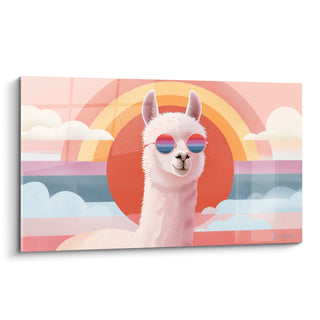 Llama107
artworks
Llama107
artworks
-
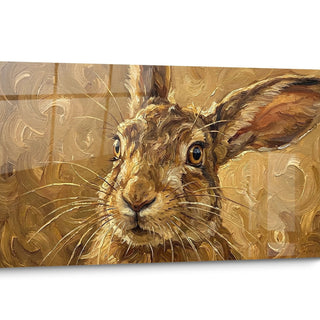 Rabbit15
artworks
Rabbit15
artworks
-
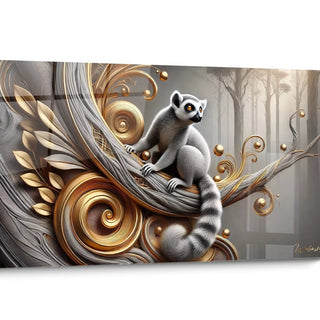 Lemur3
artworks
Lemur3
artworks
-
 Dragonfly4
artworks
Dragonfly4
artworks
-
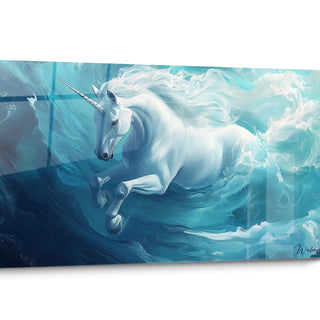 Unicorn62
artworks
Unicorn62
artworks
-
 Lion193
artworks
Lion193
artworks
-
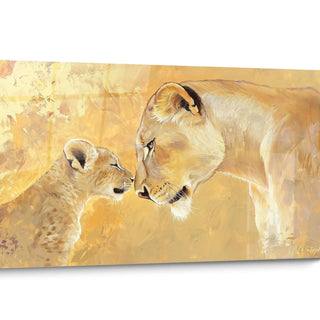 Lion Cub4
artworks
Lion Cub4
artworks
-
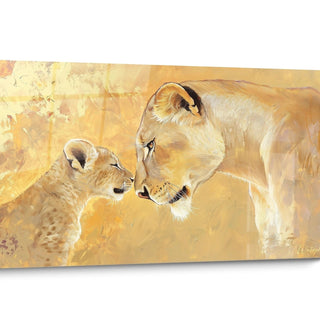 Lioness6
artworks
Lioness6
artworks
-
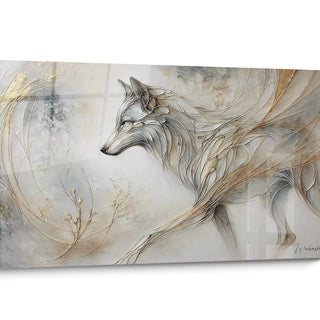 Wolf13
artworks
Wolf13
artworks
-
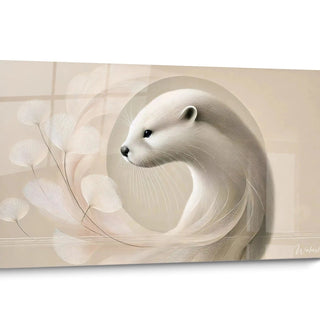 Otter6
artworks
Otter6
artworks
-
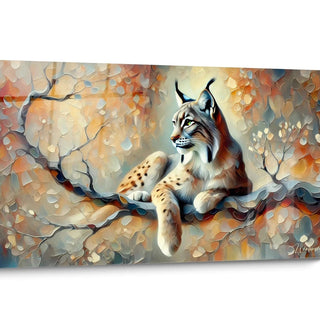 Lynx7
artworks
Lynx7
artworks
-
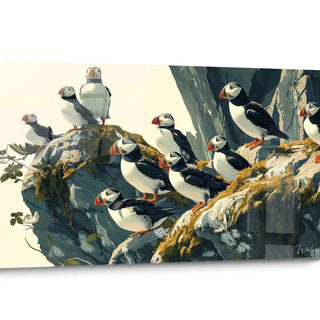 Puffin2
artworks
Puffin2
artworks
-
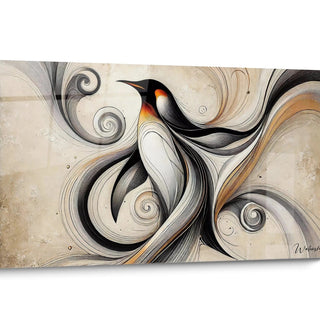 Penguin10
artworks
Penguin10
artworks
-
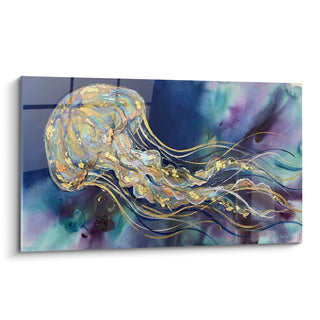 Jellyfish17
artworks
Jellyfish17
artworks
-
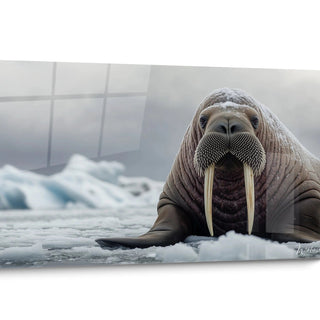 Morse3
artworks
Morse3
artworks
-
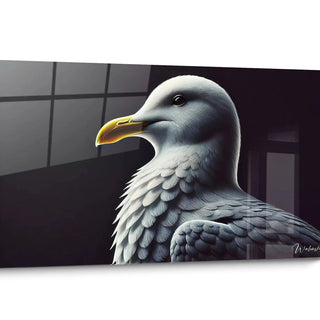 Seagull4
artworks
Seagull4
artworks
-
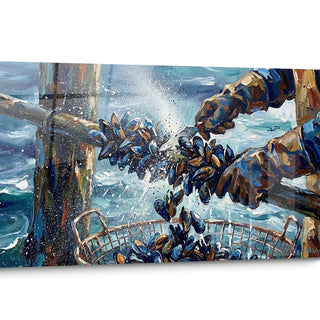 Mold14
artworks
Mold14
artworks
-
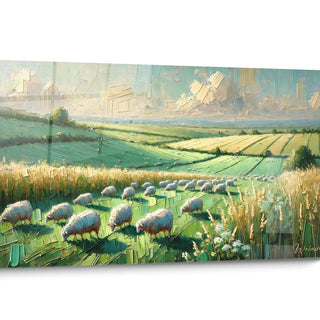 Sheep6
artworks
Sheep6
artworks
-
 Narwhal66
artworks
Narwhal66
artworks
-
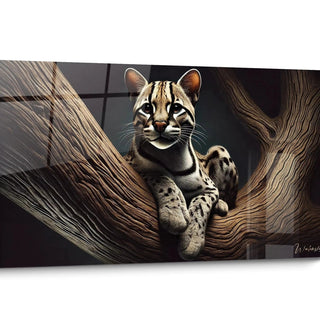 Ocelot3
artworks
Ocelot3
artworks
-
 Birds15
artworks
Birds15
artworks
-
 Orangutan10
artworks
Orangutan10
artworks
-
 Orca28
artworks
Orca28
artworks
-
 Brown Bear334
artworks
Brown Bear334
artworks
-
 Polar Bear289
artworks
Polar Bear289
artworks
-
 Sea Urchin9
artworks
Sea Urchin9
artworks
-
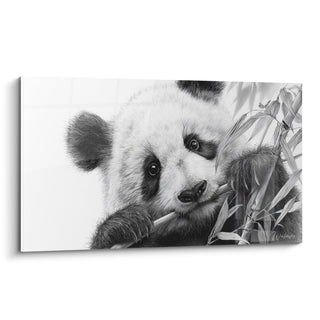 Giant Panda69
artworks
Giant Panda69
artworks
-
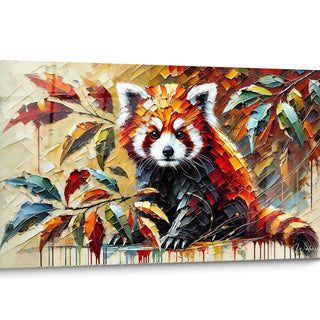 Red Panda11
artworks
Red Panda11
artworks
-
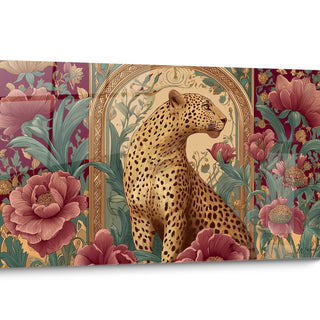 Panther19
artworks
Panther19
artworks
-
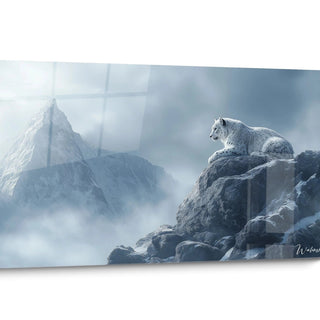 Snow Leopard8
artworks
Snow Leopard8
artworks
-
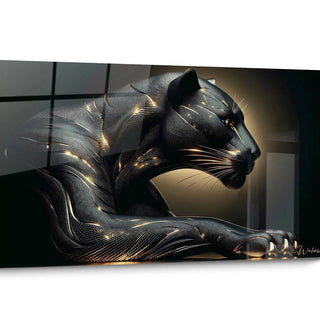 Black Panther10
artworks
Black Panther10
artworks
-
 Peacock128
artworks
Peacock128
artworks
-
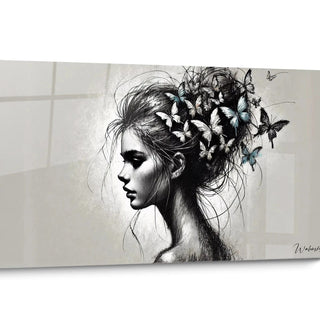 Butterfly14
artworks
Butterfly14
artworks
-
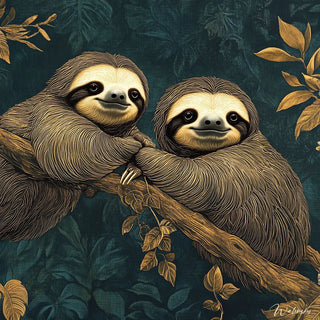 Lazy Sloth3
artworks
Lazy Sloth3
artworks
-
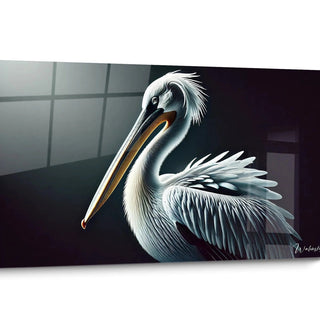 Pelican3
artworks
Pelican3
artworks
-
 Parrot211
artworks
Parrot211
artworks
-
 Parakeet5
artworks
Parakeet5
artworks
-
 Seal5
artworks
Seal5
artworks
-
 Pigeon10
artworks
Pigeon10
artworks
-
 Penguin274
artworks
Penguin274
artworks
-
 Feather60
artworks
Feather60
artworks
-
 Fish18
artworks
Fish18
artworks
-
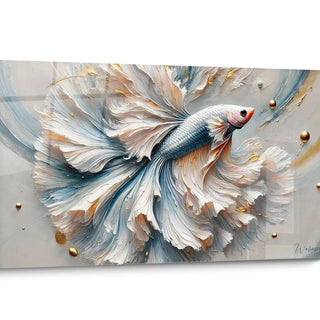 Betta Fish12
artworks
Betta Fish12
artworks
-
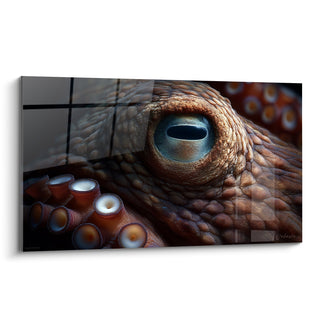 Octopus59
artworks
Octopus59
artworks
-
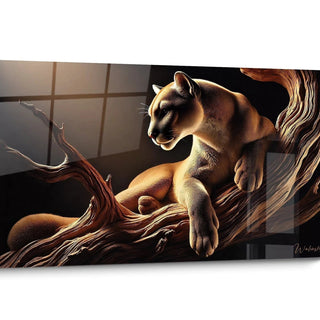 Puma3
artworks
Puma3
artworks
-
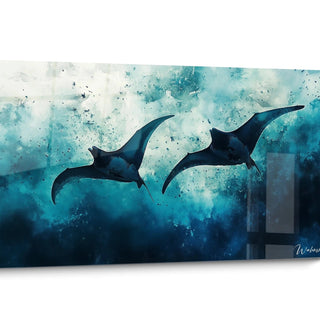 Manta Ray67
artworks
Manta Ray67
artworks
-
 Raccoon2
artworks
Raccoon2
artworks
-
 Fox141
artworks
Fox141
artworks
-
 Shark126
artworks
Shark126
artworks
-
 Rhinoceros21
artworks
Rhinoceros21
artworks
-
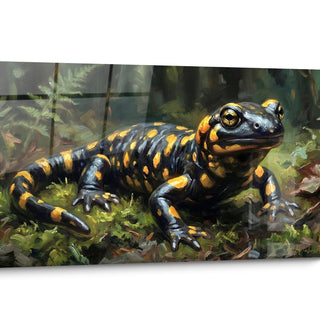 Salamander14
artworks
Salamander14
artworks
-
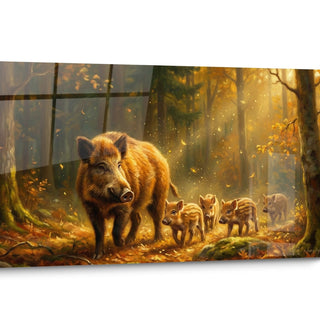 Wild Boar15
artworks
Wild Boar15
artworks
-
 Scarab73
artworks
Scarab73
artworks
-
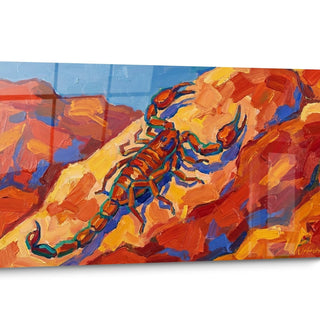 Scorpion9
artworks
Scorpion9
artworks
-
 Serpent102
artworks
Serpent102
artworks
-
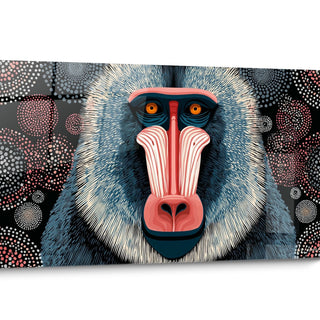 Monkey14
artworks
Monkey14
artworks
-
 Meerkat1
artwork
Meerkat1
artwork
-
 Tapir52
artworks
Tapir52
artworks
-
 Armadillo3
artworks
Armadillo3
artworks
-
 Bull281
artworks
Bull281
artworks
-
 Tiger316
artworks
Tiger316
artworks
-
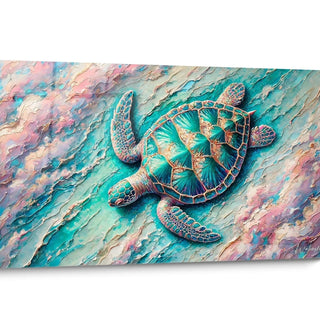 Sea Turtle18
artworks
Sea Turtle18
artworks
-
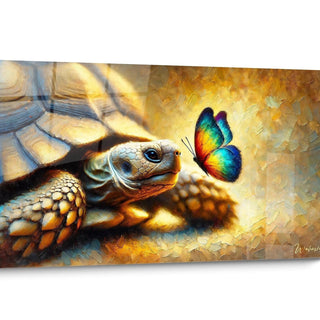 Terrestrial Turtle14
artworks
Terrestrial Turtle14
artworks
-
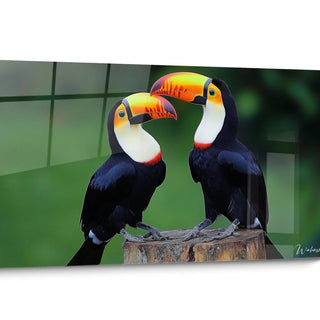 Toucan7
artworks
Toucan7
artworks
-
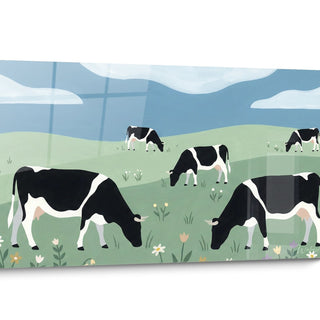 Cow9
artworks
Cow9
artworks
-
 Vulture5
artworks
Vulture5
artworks
-
 Zebra49
artworks
Zebra49
artworks


All about Deer Wall Art
- Deer Wall Art Presentation
- Deer Wall Art Forest Atmosphere
- Deer Wall Art Noble Symbolism
- Deer Wall Art Contemporary Design
Transform your interior with our majestic deer wall art, genuine works of art that evoke the nobility and serenity of wild nature. These striking representations of the forest king bring an elegantly authentic touch to your décor. Our large-format deer wall art captures the very essence of this emblematic animal, between power and grace, to create an impressive focal point in your living space. Discover how to integrate these animal wall art masterpieces into your interior and let yourself be seduced by their charismatic presence that will radically transform the atmosphere of your rooms.
Deer Wall Art: Creating Authentic Forest Immersion at Home
Deer wall art is much more than simple wall decoration – they are genuine portals into the mysterious depths of forests. In your quest for a powerful natural atmosphere, these majestic representations of the forest king instantly transform the ambiance of your living space. A high-quality deer wall art captures the very essence of this noble animal, transporting the observer to the heart of a wild and preserved universe.
How do deer wall art pieces change the spatial perception of a room?
Large-format deer wall art possesses this unique ability to completely recalibrate the perception of a space. Unlike floral or abstract representations, an imposing deer wall art deeply modifies spatial dynamics by creating an exceptional depth effect. The majestic animal, often depicted in its natural habitat, literally opens a window to another world, transforming a flat wall into an additional dimension.
In contemporary spaces with clean lines, the introduction of deer wall art creates a striking contrast between architectural minimalism and the organic richness of animal representation. This juxtaposition amplifies the sensation of space and paradoxically anchors the location in a deep connection with nature. Panoramic-format deer wall art is particularly effective for visually enlarging narrow rooms.
The seasonal impact of deer wall art on your decoration
A fascinating and often overlooked aspect of deer wall art lies in their ability to evolve visually throughout the seasons. Unlike other wall decorations that maintain a static appearance, deer wall art subtly interacts with seasonal light, transforming their visual presence. In autumn and winter, when natural light becomes softer and more golden, deer wall art with warm and amber tones takes on a particularly warm dimension.
Representations of deer in snow-covered landscapes create perfect resonance with winter atmosphere, while scenes of deer in spring clearings bring freshness and renewal as days grow longer. This seasonal adaptability makes deer wall art an exceptionally versatile decorative investment, evolving naturally with your interior throughout the year.
Deer wall art and interior acoustics: an overlooked synergy
Beyond their visual impact, large-dimension deer wall art significantly contributes to improving a room's acoustics. In modern spaces with hard, reflective surfaces, installing an imposing deer wall art piece allows you to mitigate sound reverberations and partially absorb acoustic waves. This practical function, often overlooked, perfectly complements their aesthetic role.
Deer wall art depicting dense forest scenes, with undergrowth and foliage, are particularly effective at creating a more muffled acoustic sensation, unconsciously recalling the muted ambiance of deep forests. This additional sensory dimension contributes to the overall forest immersion that these works provide in your interior.
Which color associations should you prioritize around deer wall art?
Successful integration of deer wall art into your décor largely depends on the color associations you develop around the work. Deer wall art typically displays a rich natural palette featuring browns, moss greens, ochres and touches of white or black. To maximize their impact, favor complementary tones in your furniture and decorative accessories.
Earthy shades like terracotta, olive green or bronze harmonize perfectly with deer wall art and amplify their connection to nature. For elegant contrast, deep blues and stone grays create a sophisticated setting that highlights the majestic presence of the deer. Avoid overly artificial or fluorescent colors that would break the authenticity of the forest atmosphere you seek.
Deer wall art and the biophilia phenomenon in contemporary homes
The growing appeal of deer wall art is part of the larger biophilia movement – this deep trend that drives humans to seek connection with nature in their daily environment. Neuroscience has demonstrated that regular observation of natural elements, even represented in art, significantly reduces stress and improves overall well-being.
Deer wall art, through their powerful evocation of wildlife, trigger positive responses in our brains similar to those we would experience during an actual forest encounter. This biophilic stimulation makes deer wall art far more than simple decorative elements – they become subtle therapeutic tools, daily improving our psychological balance in our increasingly urbanized interiors.
Deer Wall Art: Embodying Noble Symbolism in Your Interior
Deer wall art carries with them a millennia-old symbolic richness that few other animal representations can equal. Since time immemorial, the deer embodies nobility, regeneration and spiritual connection with wild realms. Integrating an imposing deer wall art piece into your living space means consciously inviting these powerful symbolic resonances to subtly influence the atmosphere and energy of your home.
The psychology of spaces dominated by deer wall art
Rooms centered around a majestic deer wall art develop unique psychological dynamics. Unlike spaces adorned with abstract or geometric art, interiors dominated by imposing deer wall art induce in occupants and visitors a particular mental state – a subtle blend of alert calm and active contemplation. This psychological reaction is partly explained by our evolutionary relationship with these majestic forest creatures.
Studies in environmental psychology reveal that deer wall art, particularly those depicting the animal in a vigilant or observant posture, activate our own attention system. This gentle cognitive stimulation improves our capacity for concentration while maintaining a relaxation state – a rare and precious balance in our contemporary interiors often overloaded with discordant stimuli.
Deer wall art and life transitions: why choose this symbolism at certain key moments?
There is a fascinating correlation between periods of personal transformation and the appeal of deer wall art. The deer, with its cycle of losing and regenerating antlers, has always represented renewal and rebirth. This is why deer wall art is particularly sought after during pivotal life moments – relocations, professional promotions, new beginnings or personal reconstructions.
A large-format deer wall art piece, strategically installed in a living space, acts as a constant visual reminder of our own capacity to renew ourselves and traverse transformation cycles. This deep symbolic resonance explains why so many people feel an instant and inexplicable connection with these representations, particularly during periods when they seek to manifest change and personal evolution.
The hierarchical impact of deer wall art in spatial organization
The presence of deer wall art significantly influences the visual hierarchy and spatial organization of an interior. As a dominant animal in its natural ecosystem, the deer representation, especially if it features imposing antlers, naturally establishes a dominant focal point in the room. This visual dominance unconsciously structures the entire space around it, creating an orbital organization where other decorative and functional elements seem to gravitate around this central presence.
To fully exploit this dynamic, optimal positioning of deer wall art must account for the architectural forces at play in the room. In spaces with high ceilings, a vertical deer wall art accentuates elevation and reinforces the majesty of the space. In more horizontal configurations, a panoramic-format deer wall art creates a visual horizon that widens spatial perception while maintaining the symbolic power of the animal.
Deer wall art as mediators between modernity and tradition
A remarkable quality of deer wall art lies in their unique ability to transcend stylistic divides between contemporary furniture and more traditional elements. In eclectic interiors where different influences coexist, deer wall art acts as a unifying element, a visual bridge between eras and styles. This stylistic versatility is particularly valuable when decorating transitional spaces like entryways, landings or large multi-functional living areas.
Deer wall art, through their timeless subject treated with varied artistic techniques, can simultaneously dialogue with an ultra-contemporary design sofa and an inherited antique dresser. This aesthetic flexibility makes them valuable elements for creating visual coherence in interiors that are progressively evolving or seeking to reconcile different decorative sensitivities within the same home.
How do deer wall art pieces influence the lighting ambiance of a room?
Deer wall art exerts a subtle but measurable influence on the perception and diffusion of light in a space. Their generally natural tones – combining brown, moss green and golden touches – interact uniquely with different light sources. In morning natural light, deer wall art with warm tones seem to illuminate from within, while in the evening, under thoughtful artificial lighting, they develop mysterious depth that transforms the overall atmosphere.
To maximize this effect, installing dedicated lighting – such as a directional spot with warm color temperature (2700-3000K) – will reveal all the nuances and details of your deer wall art even when natural light diminishes. This luminous enhancement creates a captivating visual focal point that remains present even in the evening, maintaining the powerful symbolic influence of the representation at all hours.
Deer Wall Art: Integration into Contemporary Interior Design
Wall art depicting deer has experienced a remarkable renaissance in contemporary interior design. Far from traditional trophies or rustic representations, modern deer wall art establishes itself as a sophisticated decorative element that transcends trends with constant relevance. Their majestic presence brings a powerful natural dimension while integrating perfectly into the most current aesthetics, from Scandinavian minimalist interiors to raw industrial spaces.
Deer wall art facing changing decorative trends – why do they resist time?
Unlike many decorative elements that suffer from rapid trend fluctuations, deer wall art demonstrates remarkable aesthetic longevity. This permanence is explained by their connection to visual archetypes deeply rooted in our collective unconscious. The deer, a timeless figure present in art since prehistoric cave paintings, transcends passing fads to establish itself as a constant visual reference.
Contemporary deer wall art reinterprets this millennia-old iconography through current graphic and chromatic treatments, creating a bridge between symbolic heritage and modern expression. This dual temporality grants them exceptional stylistic resilience, allowing them to traverse decorative cycles without ever appearing dated or obsolete, unlike purely trendy motifs that often experience rapid visual obsolescence.
Frame choice for your deer wall art: impact on overall perception
The framing of deer wall art represents much more than simple finishing – it constitutes a crucial decorative decision that will profoundly influence the integration and perception of the work in your interior. For deer wall art with bold compositions or intense colors, a minimalist frame in matte black metal or untreated light wood will favor visual concentration on the subject while harmonizing with contemporary interiors.
Conversely, deer wall art with softer tones or vintage aesthetics will benefit from more substantial framing – a weathered oak or dark walnut frame will enrich the work with greater presence and establish a visual dialogue with your furniture pieces. The complete absence of framing, with printing on rigid support with clean edges, creates resolutely modern aesthetics that amplifies the direct impact of deer wall art in minimalist interiors.
XXL deer wall art as architectural solutions: concealing wall imperfections
Beyond their primary aesthetic function, very large-format deer wall art offer remarkable practical solutions for addressing certain architectural challenges. In older interiors presenting wall irregularities, stabilized cracks or repair areas, a monumental deer wall art piece constitutes an intelligent decorative strategy to mask these imperfections while bringing major artistic presence.
Panoramic deer wall art, extending over 120 cm in width, also allow visual rebalancing of spaces with difficult proportions – corridors too narrow, disproportionate walls or transitional zones lacking identity. Their visual power instantly recalibrates spatial perception, transforming an architectural constraint into a striking decorative opportunity.
How to integrate deer wall art into limited space interiors?
Contrary to common misconceptions, deer wall art can integrate elegantly even in restricted spaces, provided you apply specific arrangement principles. In a studio or small apartment, prioritize a vertical deer wall art that exploits height rather than width, thus creating a sensation of elevation that visually compensates for the confined space.
Strategic installation of deer wall art facing a natural light source or mirror amplifies its presence while avoiding visual clutter effects. For particularly constrained spaces, diptych or triptych compositions allow fractioning the visual impact while maintaining thematic coherence, offering more flexibility in arrangement according to location configuration.
FAQ: Everything you need to know about deer wall art
What is the best height for hanging deer wall art in a living room?
For optimal impact, the center of your deer wall art should be at eye level in a seated position, approximately 140-150 cm from the floor. This height allows comfortable contemplation while ensuring that animal details are perfectly visible from the main seating areas.
Can deer wall art suit all interior decoration styles?
Thanks to their multiple stylistic interpretations, from realism to contemporary graphic design, deer wall art adapt remarkably well to most decorative styles. Their presence is particularly successful in contemporary, Scandinavian, industrial and even bohemian interiors.
How to effectively maintain deer wall art to preserve its quality?
To maintain the brilliance and durability of your deer wall art, avoid direct exposure to sunlight which could alter colors over time. Regular dusting with a soft feather duster or dry microfiber cloth generally suffices for daily maintenance. For more resistant surfaces, a light pass with a barely dampened cloth can be considered, ensuring you never use aggressive chemical products.
Can you integrate multiple deer wall art pieces in the same interior without creating redundancy?
Absolutely, provided you vary artistic approaches, formats and depicted scenes. A successful combination could associate a close-up deer portrait in a main room with a larger forest scene including a deer at distance in another area. The important thing is maintaining color coherence while diversifying artistic perspectives.


