


Whippet Greyhound Wall Art
Our Whippet Greyhound Wall Art collection celebrates the slender silhouette and natural elegance of this exceptional greyhound. Each creation captures the grace and nobility of the whippet, between athletic fineness and the softness of its gaze. Perfect for enthusiasts of elegant canine decoration, this artistic series highlights the timeless beauty of this mythic breed. Discover refined compositions that embody the speed, delicacy and charm of the whippet in wall art. Ideal for enhancing your interior with distinction.
 White Greyhound with Golden Halo on Dark Blue Background Painting - Sacred Grace - Whippet Greyhound Edition273,90 €
 Red Pop Art Greyhound Portrait Painting - Intense Gaze - Whippet Greyhound Edition273,90 €
 Whippet Portrait White with Golden Halo in a Lily Garden - Sacred Grace - Whippet Edition273,90 €
 Greyhound Portrait Painting with Purple and Turquoise Hues - Intense Gaze - Whippet Greyhound Edition273,90 €
 Greyhound with Amber Eyes on Geometric Background - Contemporary Portrait - Whippet Greyhound Edition273,90 €
 Two Greyhounds in Full Sprint - Canine Dynamism - Whippet Greyhound Edition273,90 €
 Greyhound Portrait Painting in Ochre and Gray Tones - Expressive Gaze - Whippet Greyhound Edition273,90 €
 Greyhound Painting Stretched on Turquoise Sofa - Colorful Elegance - Whippet Greyhound Edition273,90 €
 Whippet Portrait Wall Art with Amber Eyes - Contemplative Gaze - Whippet Greyhound Edition273,90 €
 Elegant Black Greyhound Painting on Textured Grey Background - Majestic Silhouette - Whippet Greyhound Edition273,90 €
 Reclining Greyhound Wall Art in Turquoise and Orange Tones - Modern Elegance - Whippet Greyhound Edition273,90 €
 Greyhound Resting on Turquoise Cushion - Canine Serenity - Whippet Greyhound Edition273,90 €
 Black and White Greyhound Portrait Painting in Profile - Canine Elegance - Whippet Greyhound Edition273,90 €
 Greyhound Portrait Painting with Amber Eyes - Deep Gaze - Whippet Greyhound Edition273,90 €
 Whippet Artistic Wall Art with Violet and Turquoise Tones - Contemplative Portrait - Whippet Edition273,90 €
 Greyhound Portrait Artwork with Golden Eyes - Contemplative Gaze - Whippet Greyhound Edition273,90 €
 Whippet Looking Towards the Sky with Orange Sun - Solar Elevation - Whippet Edition273,90 €
 Whippet Greyhound Portrait Painting in Turquoise Blue Tones - Striking Gaze - Whippet Greyhound Edition273,90 €
 Black Greyhound Wall Art Sunset Background - Elegant Silhouette - Whippet Greyhound Edition273,90 €
 Black and White Greyhound Wall Art Sitting Profile - Elegant Portrait - Whippet Greyhound Edition273,90 €
 Whippet Greyhound Watercolor Ochre and Black Wall Art - Artistic Portrait - Whippet Greyhound Edition273,90 €
 Sleeping Whippet Greyhound on Green Armchair - Interior Serenity - Whippet Greyhound Edition273,90 €
 Whippet Greyhound Wall Art in Purple and Turquoise Tones - Colorful Artistic Portrait - Whippet Greyhound Edition273,90 €
 White Greyhound Head Raised on Ochre Background - Canine Elegance - Whippet Greyhound Edition273,90 €
Explore further
In Whippet Greyhound Wall Art
-
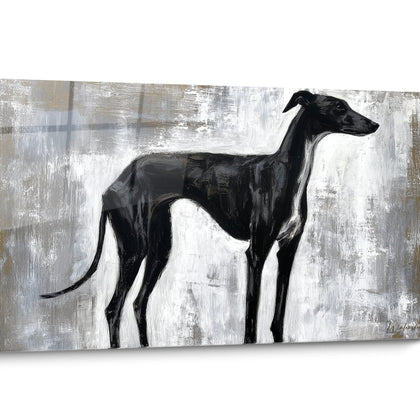 Black and White Whippet Greyhound Wall Art5
artworks
Black and White Whippet Greyhound Wall Art5
artworks
-
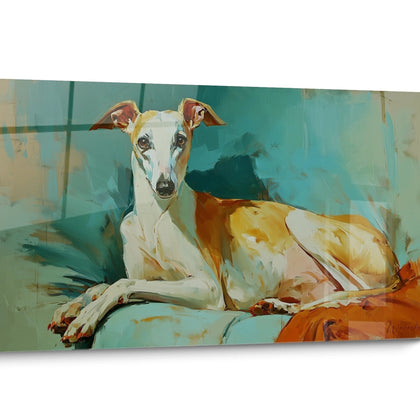 Turquoise Whippet Greyhound Wall Art8
artworks
Turquoise Whippet Greyhound Wall Art8
artworks
-
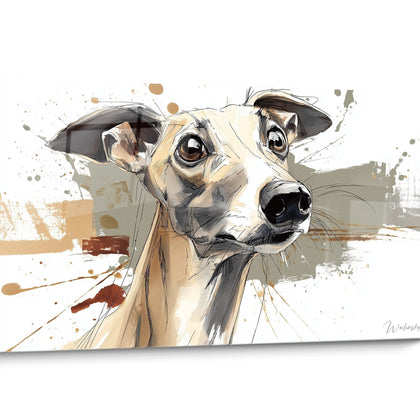 Whippet Greyhound Portrait Wall Art18
artworks
Whippet Greyhound Portrait Wall Art18
artworks
-
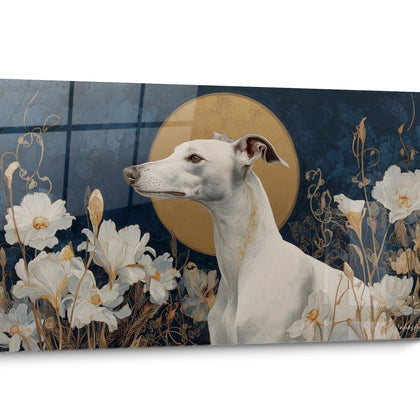 Golden Whippet Greyhound Canvas7
artworks
Golden Whippet Greyhound Canvas7
artworks
-
 Golden Retriever Dog Painting31
artworks
Golden Retriever Dog Painting31
artworks
-
 Australian Shepherd Wall Art35
artworks
Australian Shepherd Wall Art35
artworks
-
 English Cocker Spaniel Dog Canvas32
artworks
English Cocker Spaniel Dog Canvas32
artworks
-
 Poodle Canvas53
artworks
Poodle Canvas53
artworks
-
 Pomeranian Spitz Dog Canvas Art33
artworks
Pomeranian Spitz Dog Canvas Art33
artworks
-
 Siberian Husky Dog Wall Art36
artworks
Siberian Husky Dog Wall Art36
artworks
-
 Staffordshire Bull Terrier Dog Wall Art33
artworks
Staffordshire Bull Terrier Dog Wall Art33
artworks
-
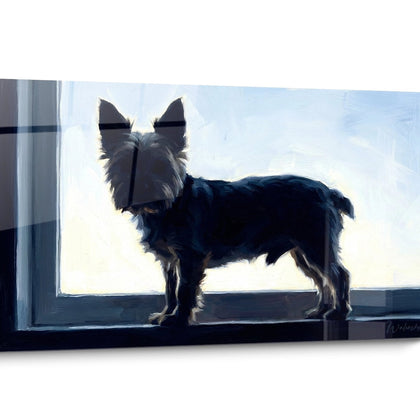 Yorkshire Terrier Dog Wall Art31
artworks
Yorkshire Terrier Dog Wall Art31
artworks
-
 Dachshund Wall Art24
artworks
Dachshund Wall Art24
artworks
-
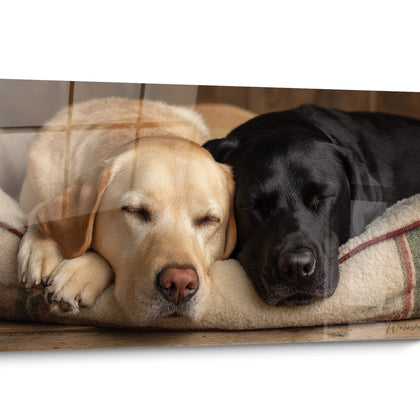 Labrador Retriever Wall Art25
artworks
Labrador Retriever Wall Art25
artworks
-
 Chow Chow Dog Wall Art25
artworks
Chow Chow Dog Wall Art25
artworks
-
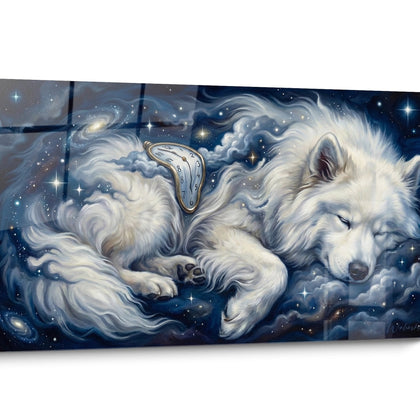 Samoyed Dog Wall Art37
artworks
Samoyed Dog Wall Art37
artworks
-
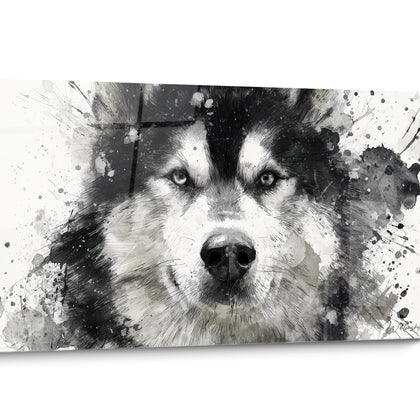 Alaskan Malamute Dog Wall Art30
artworks
Alaskan Malamute Dog Wall Art30
artworks
-
 Newfoundland Dog Canvas31
artworks
Newfoundland Dog Canvas31
artworks
-
 Saint Bernard Dog Painting25
artworks
Saint Bernard Dog Painting25
artworks
-
 Great Dane Wall Art17
artworks
Great Dane Wall Art17
artworks
-
 English Mastiff Dog Wall Art17
artworks
English Mastiff Dog Wall Art17
artworks
-
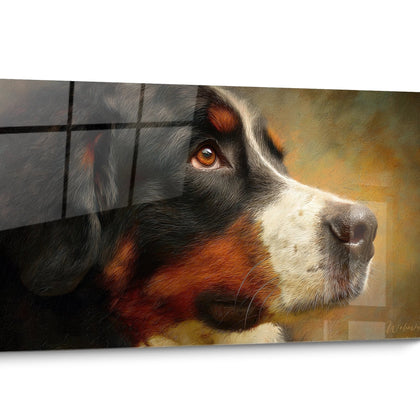 Bernese Mountain Dog Wall Art26
artworks
Bernese Mountain Dog Wall Art26
artworks
-
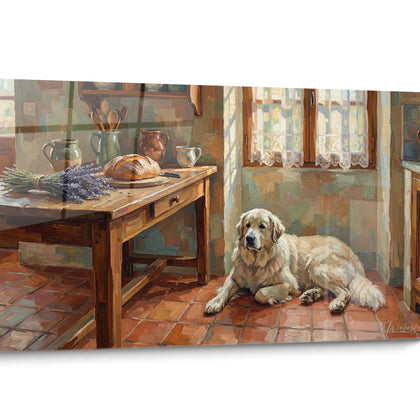 Pyrenean Mountain Dog Wall Art36
artworks
Pyrenean Mountain Dog Wall Art36
artworks
-
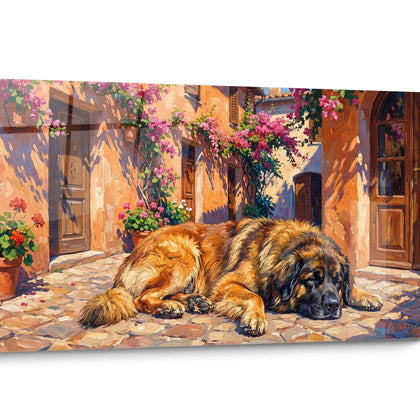 Leonberg Dog Canvas31
artworks
Leonberg Dog Canvas31
artworks
-
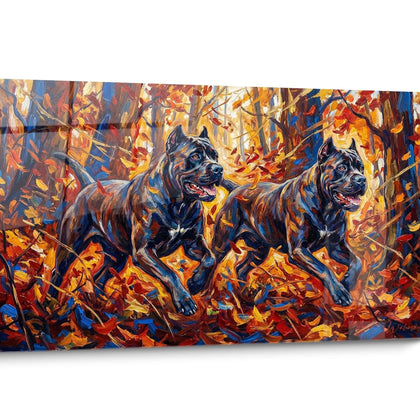 Cane Corso Dog Wall Art21
artworks
Cane Corso Dog Wall Art21
artworks
-
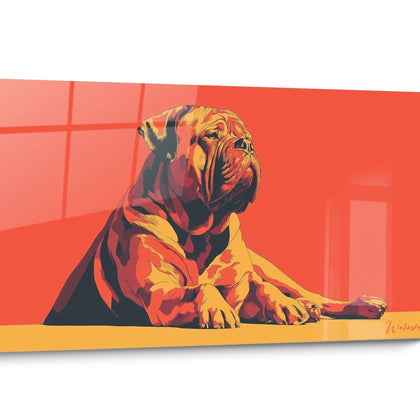 Bordeaux Mastiff Wall Art27
artworks
Bordeaux Mastiff Wall Art27
artworks
-
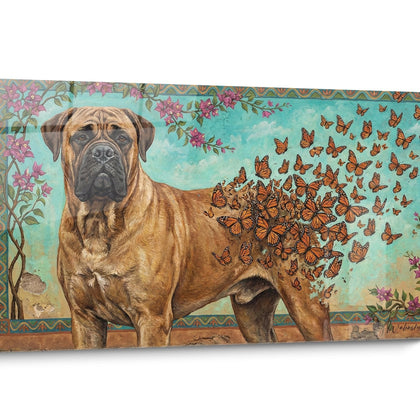 Bullmastiff Dog Canvas41
artworks
Bullmastiff Dog Canvas41
artworks
-
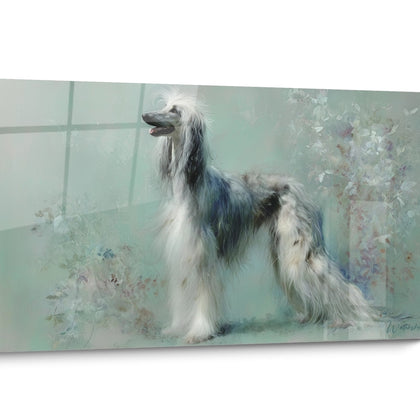 Afghan Hound Dog Canvas38
artworks
Afghan Hound Dog Canvas38
artworks
-
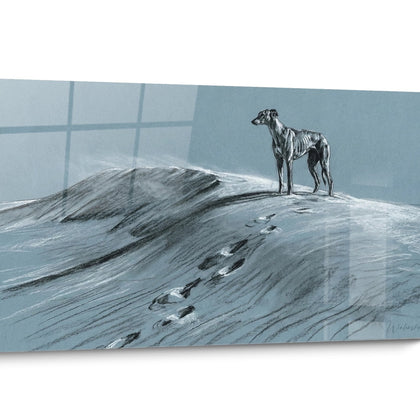 Greyhound Dog Wall Art37
artworks
Greyhound Dog Wall Art37
artworks
-
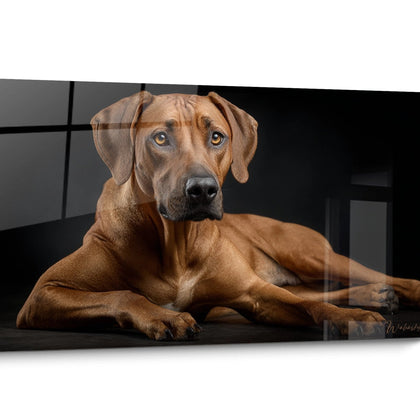 Rhodesian Ridgeback Dog Wall Art23
artworks
Rhodesian Ridgeback Dog Wall Art23
artworks
-
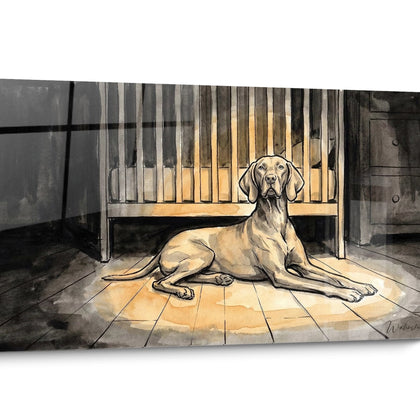 Vizsla Dog Canvas Art36
artworks
Vizsla Dog Canvas Art36
artworks
-
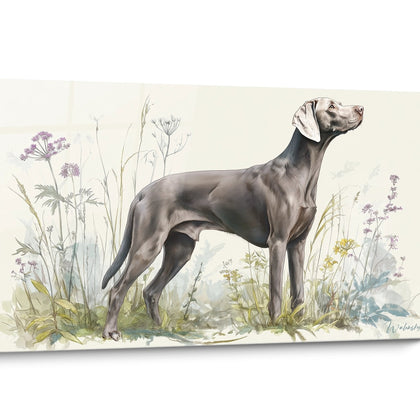 Weimaraner Dog Canvas27
artworks
Weimaraner Dog Canvas27
artworks
-
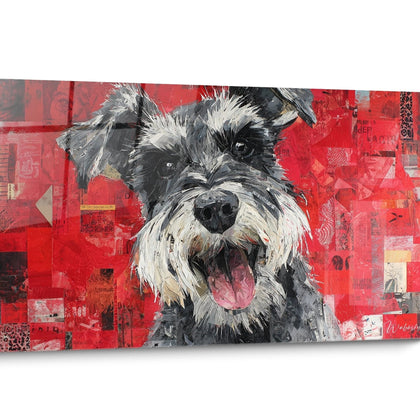 Schnauzer Dog Canvas Art35
artworks
Schnauzer Dog Canvas Art35
artworks
-
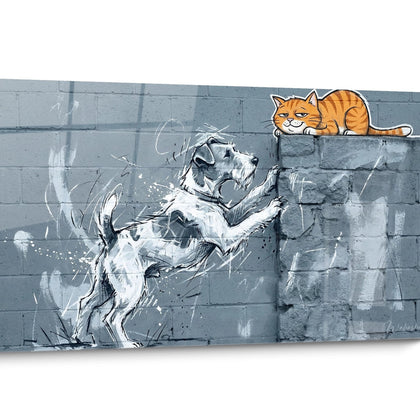 Fox Terrier Dog Wall Art36
artworks
Fox Terrier Dog Wall Art36
artworks
-
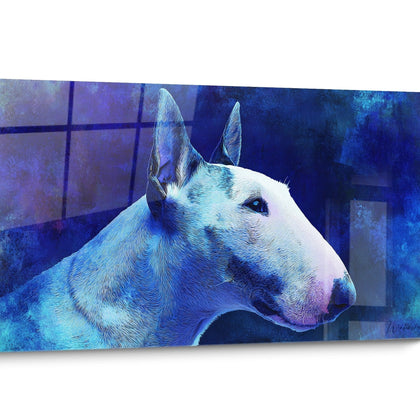 Bull Terrier Dog Wall Art22
artworks
Bull Terrier Dog Wall Art22
artworks
-
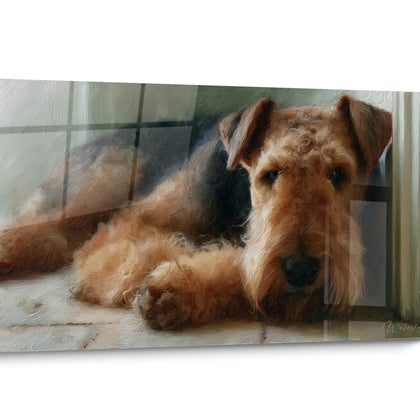 Airedale Terrier Dog Wall Art22
artworks
Airedale Terrier Dog Wall Art22
artworks
-
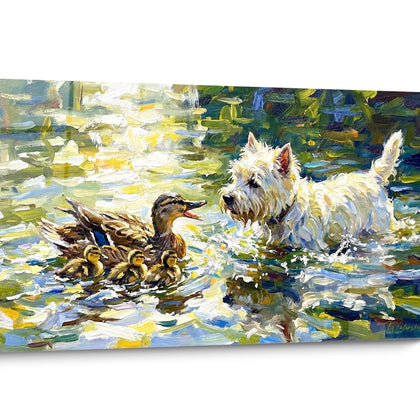 West Highland White Terrier Dog Canvas29
artworks
West Highland White Terrier Dog Canvas29
artworks
-
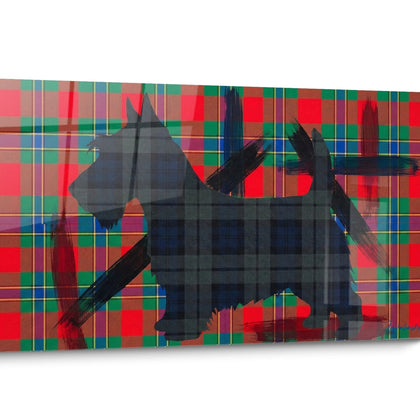 Scottish Terrier Dog Wall Art30
artworks
Scottish Terrier Dog Wall Art30
artworks
-
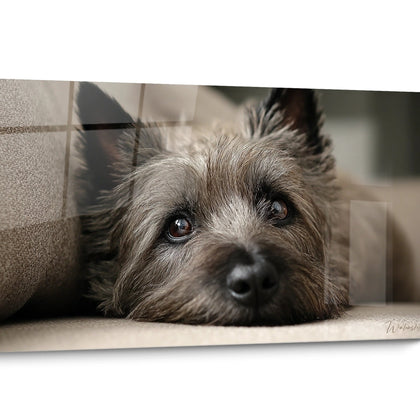 Cairn Terrier Dog Wall Art36
artworks
Cairn Terrier Dog Wall Art36
artworks
-
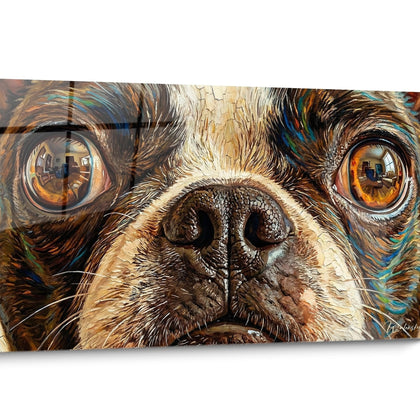 Boston Terrier Dog Wall Art30
artworks
Boston Terrier Dog Wall Art30
artworks
-
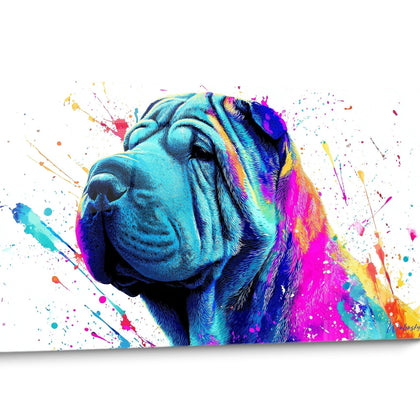 Shar Pei Dog Wall Art34
artworks
Shar Pei Dog Wall Art34
artworks
-
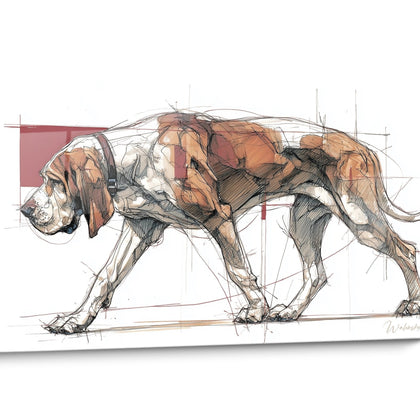 Bloodhound Dog Canvas28
artworks
Bloodhound Dog Canvas28
artworks
-
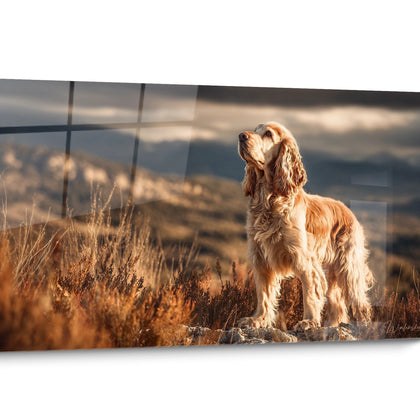 American Cocker Spaniel Wall Art36
artworks
American Cocker Spaniel Wall Art36
artworks
-
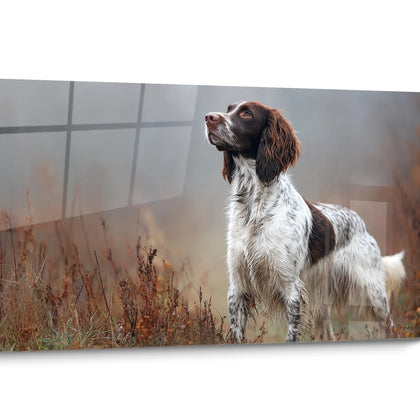 English Springer Spaniel Dog Painting32
artworks
English Springer Spaniel Dog Painting32
artworks
-
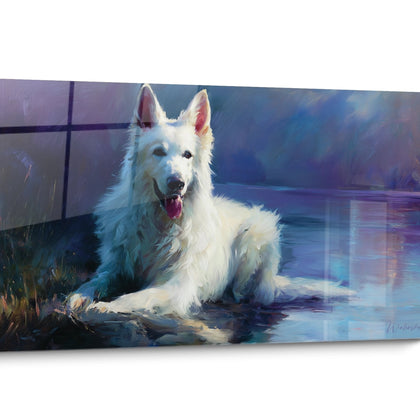 White Swiss Shepherd Dog Wall Art29
artworks
White Swiss Shepherd Dog Wall Art29
artworks
-
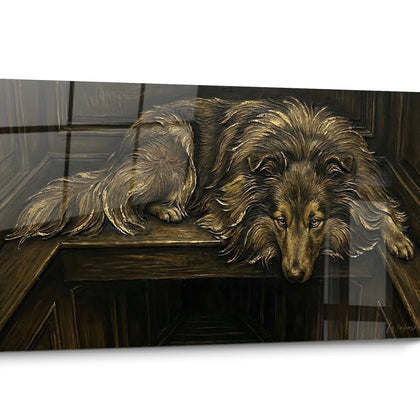 Shetland Sheepdog Wall Art32
artworks
Shetland Sheepdog Wall Art32
artworks
-
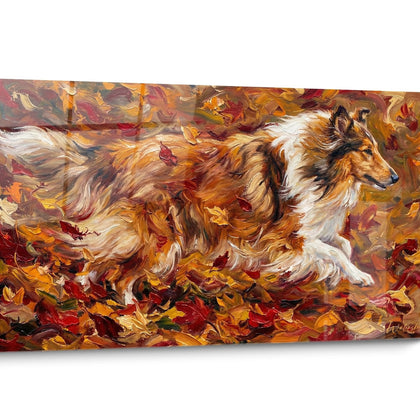 Collie Wall Art33
artworks
Collie Wall Art33
artworks
-
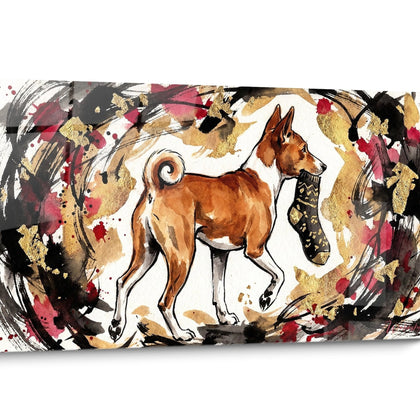 Basenji Dog Wall Art50
artworks
Basenji Dog Wall Art50
artworks
-
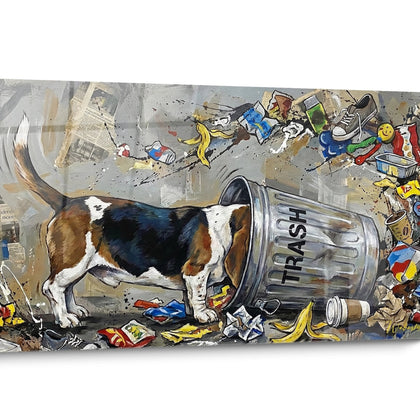 Basset Hound Dog Canvas Art35
artworks
Basset Hound Dog Canvas Art35
artworks
-
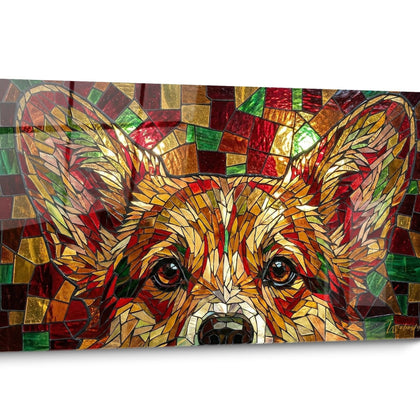 Corgi Pembroke Dog Canvas51
artworks
Corgi Pembroke Dog Canvas51
artworks


All about Whippet Greyhound Wall Art
- Whippet Wall Art Presentation Whippet Greyhound
- Whippet Morphology and Elegance
- Decorative Atmospheres for Greyhounds
- Choosing Your Artistic Rendering
The whippet wall art celebrates one of the most graceful and athletic dog breeds in the canine world. This small English greyhound, recognized for its elongated silhouette and refined posture, inspires large-format wall creations that capture its aristocratic essence. Artistic representations of the whippet particularly emphasize its fine muzzle, delicate rose-pink ears, and lean musculature that testifies to its heritage as a swift coursing hound. Unlike generalist dog wall art, these whippet-dedicated works highlight the unique morphological characteristics of this breed with its gentle temperament and noble appearance, appealing to greyhound enthusiasts and purebred dog lovers seeking refined home décor.
The Distinctive Anatomy of the Whippet in Wall Representation
The streamlined silhouette of the small greyhound
The whippet wall art remarkably showcases the exceptional physical constitution of this breed developed for racing. The characteristic deep chest, the tucked belly forming the wasp-like waist typical of greyhounds, and the fine yet muscular legs constitute powerful visual elements in a large-format composition. Artists specialized in canine representations capture this unique body architecture where each curve evokes speed and agility, making these wall pieces particularly dynamic even in a static context.
Large-format wall creations also enhance the whippet's aerodynamic profile with its elongated, flat skull, expressive oval eyes, and gentle gaze that contrasts with its physical power. This duality between facial delicacy and athletic body offers visual richness that contemporary compositions exploit by playing with contrasts between detailed areas and minimalist spaces.
Whippet coat varieties and their artistic rendering
The color diversity of the whippet represents a major asset for wall artworks, with a natural palette ranging from pristine white to deep black, including fawn, brindle, blue-gray, and bicolor or tricolor combinations. A large-format whippet wall art piece can exploit these coat variations to create striking visual effects, particularly when the silky appearance of short hair is suggested through specific pictorial techniques.
Coat variations also allow wall décor to adapt to existing color dominants in an interior. A white or cream whippet brings luminosity and visual purity, while a brindle or black subject introduces sophistication and depth. Large-dimension works magnify these subtle coat nuances that could go unnoticed in smaller formats.
How does morphology influence artistic framing?
The whippet's slender conformation naturally dictates emphasized horizontal or vertical compositions. Panoramic formats are particularly suited to representations in motion, capturing the characteristic suspended gallop of the breed during the double suspension phase, while vertical orientations highlight the dignified posture of the whippet at rest, muscles tensed and gaze alert. These compositional choices transform a simple animal portrait into a genuine decorative morphological study.
The whippet's unique proportions, with its shoulder height of 44 to 51 centimeters and its weight contained between 10 and 15 kilograms, create visual lines that naturally guide the viewer's eye through the composition, making these works particularly effective in circulation areas such as corridors or entryways.
Integration of Whippet Wall Art in Living Spaces
Contemporary living rooms and minimalist aesthetics
The whippet wall art fits perfectly into refined interiors thanks to the pure lines and natural elegance of the breed. Minimalist compositions that isolate the whippet's silhouette against a neutral background create sophisticated focal points without visual clutter. In a contemporary living room with neutral tones, a large-format representation of a whippet in a static position brings an organic touch of life while preserving the minimalist harmony sought.
Open loft-style industrial spaces particularly benefit from these large-dimension artworks that visually compensate for significant volumes. The whippet's delicacy advantageously contrasts with raw materials such as concrete or steel, creating an aesthetic tension between animal softness and architectural rigor.
Libraries and spaces dedicated to canine enthusiasts
For whippet collectors and breeders, a large-format whippet wall art piece constitutes a central element in a space dedicated to canine documentation. Placed above a bookcase containing specialized works and canine magazines, it affirms the passion for this specific breed while creating thematic coherence. Detailed representations highlighting breed standards find particular relevance in these expert contexts.
Kennel clubs and greyhound associations frequently use these wall representations in their facilities to visually celebrate the breed's qualities and create a welcoming atmosphere for members. Imposing dimensions reinforce the sense of belonging to a passionate community.
What atmosphere should surround the wall art?
The visual environment accompanying whippet wall art considerably influences its decorative impact. Accessories evoking the British canine universe - where the whippet was developed in the nineteenth century - strengthen thematic coherence: tartan-patterned textiles, tweed elements, hunter green accents. This contextual staging transforms simple décor into a genuine cultural tribute.
Alternatively, a more contemporary approach associates the artwork with Scandinavian or mid-century modern design elements, creating a dialogue between canine tradition and decorative modernity. The whippet's streamlined lines resonate harmoniously with furniture featuring the organic forms characteristic of these aesthetic movements.
Artistic Styles and Whippet Representation Techniques
Realistic rendering versus artistic interpretation
Hyperrealistic approaches to whippet wall art particularly appeal to purists seeking photographic fidelity that captures every anatomical detail: texture of short coat, brilliance of the gaze, muscle tension visible beneath thin skin. These large-format documentary representations serve almost as morphological references, useful to breeders and kennel judges while constituting impressive decorative pieces.
Conversely, stylized interpretations exploit the recognizable whippet silhouette to create more abstract or graphic works. Techniques using color flats, simplified outlines, or geometric compositions transform characteristic anatomy into a decorative motif while preserving breed identity. These artistic versions suit contemporary interiors seeking originality rather than conventional representation.
Whippet in motion or at rest?
The representation of the whippet at full sprint captures the very essence of this breed developed for speed, capable of reaching 60 km/h in a sprint. Dynamic compositions showing the characteristic gallop with its complete suspension phases create powerful visual energy, particularly suited to active living spaces or offices requiring stimulation. Elongated horizontal formats accentuate this impression of lateral movement.
Conversely, the whippet at rest, often depicted curled in a ball or sphinx position, evokes the breed's gentle temperament and inner calm. These more contemplative compositions suit bedrooms or relaxation spaces where serenity is sought. The whippet's relaxed posture, with its remarkable ability to curl into improbable positions, offers visually soothing curved compositions.
Which techniques best highlight whippet particularities?
Mixed techniques combining several mediums allow simultaneously rendering the fine short coat and the pronounced muscle definition of the whippet. Combining smooth renderings for short-hair areas and more textured work to suggest muscle tension creates particular visual depth in large formats. Raking light effects highlighting the natural sculpture of the greyhound's body constitute a recurrent technical element in quality representations.
Monochrome or sepia approaches remarkably enhance whippet morphology by eliminating chromatic distractions, focusing attention on lines, volumes, and proportions. These graphic treatments suit industrial interiors or black and white décor particularly well.
Is whippet wall art suitable for small spaces?
Although large-format dimensions are preferred for their visual impact, whippet wall art can adapt to reduced spaces by choosing a vertical composition over horizontal and opting for minimalist backgrounds that don't visually overburden the space. The breed's natural elegance allows creating an impression of sophistication even in limited spatial contexts.
How to choose among multiple whippet representations?
Selection of whippet wall art depends primarily on your relationship with the breed: owners often favor representations recalling their companion's coat, while aesthetic enthusiasts select according to decorative criteria. Also consider the desired atmosphere - dynamic or calming - and coherence with your existing furniture for harmonious integration.
Can multiple artworks of different greyhounds be combined?
Associating whippet wall art with representations of other greyhounds (greyhound, Italian greyhound, Saluki) creates a thematic gallery celebrating the sighthound family. For visual coherence, favor similar artistic styles or identical formats, ensuring balanced compositions to avoid monotony while preserving the aesthetic unity of the whole.
Further reading
Our articles on this topic
- Minimalist black and white whippet painting: the silhouette as a work of art
- Whippet painting in neutral beige and taupe tones for a cozy bedroom
- Whippet painting: which format to choose based on the greyhound's pose for a narrow hallway
- Whippet Greyhound Painting in Japandi Living Rooms: How to Create Harmony
- How to Decorate a Hallway with a Whippet Greyhound Painting
- Whippet greyhound painting for a calming adult bedroom: the keys to a zen atmosphere
L'art qui suscite l'envie
Maison belge d'art mural grand format
14 jourspour changer d'avis*
Protection Walenskyincluse
Fabriquéen Italie
FormatXXL
Kit de fixationtoujours fourni
* Hors tableaux personnalisés et tailles personnalisées


