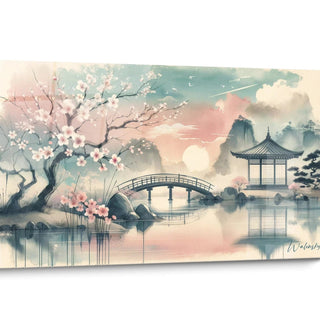
Discover our exclusive collection of large-format calligraphy wall art, genuine mural masterpieces that transcend simple decoration. Each monumental piece captures the millennial essence of artistic writing to radically transform your living or professional spaces. Our XXL format creations allow you to integrate the cultural depth of Asian ideograms, the elegance of arabesques, or the visual power of philosophical messages into a modern architectural dimension.
The Energetic Impact of Calligraphic Characters in Your Large Spaces
Monumental-format calligraphy wall art exerts a unique energetic influence on interior atmosphere, far beyond its decorative function. Unlike classical figurative representations, each selected Japanese ideogram or Chinese character carries ancestral significance that literally permeates the surrounding space. In a 40m² executive office, a shou (longevity) character standing 2 meters tall does more than adorn the wall: it establishes a meditative presence that unconsciously influences the decisions and mindset of occupants.
How to choose the meaning suited to your professional space?
Acquiring calligraphic wall decoration for corporate environments requires precise understanding of the conveyed message. The Japanese character wa (harmony) generates ideal collaborative dynamics for meeting rooms, while the kanji ryu (flow) suits creative brainstorming spaces. For prestigious entrance halls, prioritize multilayered calligraphic compositions where multiple ideograms interact visually: prosperity-balance-innovation create a sophisticated narrative impossible to achieve with other mural art forms.
Monumental Arabic calligraphy offers a fascinating alternative with its organic curves that generate horizontal or circular visual flow. In contemporary residential spaces with high ceilings, a stylized surah in a vertical 3-meter format naturally captures the gaze upward, creating spiritual elevation of the space. The geometric interlacing characteristic of kufic script produces ornamental density that powerfully contrasts with modern architectural minimalism, without ever appearing visually overwhelming thanks to the monochromatic nature of traditional ink.
Strategic positioning according to stroke energy
The orientation of ink strokes in the mural composition determines a room's energetic flow. Works in Chinese cursive script (caoshu) with their ascending gestures suit staircases and transition spaces, accompanying natural circulation movement. Conversely, characters in sigillary style (zhuanshu) with their square, stable structure visually anchor rest areas such as master bedrooms or libraries.
For industrial lofts with exposed metal beams, Japanese calligraphic wall art in regular style (kaisho) establishes a fascinating organic counterpoint. Thick and thin strokes rendered with a wide brush contrast with architectural rigidity without creating aesthetic conflict. This contemporary-ancestral juxtaposition particularly works in spaces of 60m² and larger, where format monumentality allows ink nuances (from deep black to vaporous grays) to create atmospheric depth comparable to traditional wash paintings.
Interaction between character meaning and space function
Decorative intelligence lies in perfect alignment between calligraphed message and spatial purpose. A large-dimension zen ideogram (meditation) in a yoga room or wellness space functionally reinforces the location's intention, creating psychological coherence rarely achieved with other art formats. For spaces dedicated to commercial negotiation, the trust character in contemporary calligraphy subtly affirms professional values.
Calligraphic compositions including complete philosophical quotations in cursive script deploy visual narrative that progressively reveals itself. In a private gallery corridor or main office circulation, this type of scriptural wall decoration invites rereading, transforming a simple passage into daily contemplative experience. Large size allows playing with scale variations between principal characters (60-80cm height) and traditional marginal annotations (5-10cm), creating sophisticated visual hierarchy.
- Prosperity ideograms: entry halls, client reception areas
- Serenity characters: bedrooms, relaxation lounges
- Courage messages: individual offices, private sports rooms
- Love calligraphy: master suites, intimate spaces
- Philosophical quotations: libraries, reading rooms
What impact on dimensional perception of your volumes?
The pronounced verticality of traditional Asian scripts radically modifies spatial perception of standard-ceiling rooms (2.50m). A 2.20m-height calligraphic wall scroll generates elevation illusion impossible to achieve with horizontal compositions. For Haussmann-style apartments with moldings, this vertical dimension dialogues with classical architecture while introducing unexpected Oriental modernity.
In open-plan spaces or unpartitioned lofts, monumental calligraphy wall art functions as immaterial visual separators. Strategically positioned, they delimit functional zones (dining area vs living room) without blocking light circulation, exploiting the structuring power of characters without their physical mass. This architectural use of mural calligraphy represents particularly pertinent decorative innovation for living surfaces exceeding 80m² requiring fluid spatial organization.
Architectural Integration of Vertical Scripts in Contemporary Housing
Inserting large-format calligraphic wall decoration into modern residential architecture raises unique spatial composition challenges specific to this art type. Unlike landscapes or geometric abstractions that adapt to standard Western horizontality, calligraphy wall art imposes vertical reading inherited from millennial Asian traditions. This naturally ascending orientation enters direct dialogue with architectural lines: in a loft with double height (4-5m), a calligraphic composition exploiting all available verticality creates a structuring visual axis impossible to reproduce with other mural art forms.
How to manage cohabitation with mural openings?
Optimal positioning of monumental calligraphic artwork requires analysis of visual flows created by doors, windows, and passages. In spaces with floor-to-ceiling bay windows (post-2015 architectural trend), scriptural art in vertical format finds its ideal place on lateral solid wall panels. The contrast between luminous transparency and ink graphic density generates sophisticated aesthetic tension, particularly at day's end when raking light accentuates gray nuances in brush strokes.
For configurations with standard windows placed mid-height, Japanese calligraphy in a traditional suspended scroll (kakemono) of 2m intelligently exploits the space between ceiling and upper lintel. This zone often neglected in Western decoration becomes theater for monumental script. Apartments with high French ceilings (3.20m and above) allow installing vertical calligraphic diptychs framing a central window, creating Oriental symmetry that completely restructures window perception.
What balance between architectural void and graphic density?
The Japanese concept of ma (interval, active void) applies directly to positioning calligraphy wall art in minimalist domestic space. A composition of 1.50m × 2.50m ideograms requires minimum 2m² of completely empty wall on each side to breathe visually. This spatial requirement contrasts with Western decorative codes of element juxtaposition: here, void forms an integral part of the artwork, amplifying its presence rather than diluting it.
In contemporary open-plan kitchens with central islands, a calligraphic panel on the back wall (3-4m visual distance) creates a focal point structuring the culinary experience. The repetition of preparation gestures enters unconscious resonance with the calligrapher's frozen gesture in ink strokes. This connection between daily movement and ancestral artistic movement functions only with monumental script, impossible to reproduce with other media.
- Spaces with exposed beams: positioning between two beams creating natural frame
- Raw concrete walls: contrast between mineral texture and organic ink fluidity
- Glass partitions studio-type: visibility from adjacent rooms creating spatial depth
- Architectural alcoves: theatrical staging of unique character
Adaptation to constraints of atypical spaces
Volumes under pitched roofs with pronounced slopes find in vertical calligraphy an ingenious decorative solution. A 1.80m scriptural scroll positioned on the residual vertical wall panel (often 1.20m height available) exploits this difficult surface by creating composition that seems to defy architectural constraint. The character rises visually toward the inclined ceiling, giving elevation impression despite spatial compression.
For duplexes with spiral staircases, a series of three calligraphy wall art pieces in ascending progression (60cm, 80cm, then 1m characters) accompanies upward movement. This narrative use of monumental script transforms functional stairwell into vertical gallery, each landing offering new reading of calligraphed message. Installation requires millimeter precision in vertical alignment to preserve visual fluidity despite level changes.
Which architectural materials dialogue with traditional ink?
Natural wood (light oak, walnut) creates obvious material affinity with calligraphic compositions, recalling traditional paulownia supports of Asian scrolls. In a salon with solid flooring and partial wainscoting, a 2m × 1.20m Arabic calligraphy in monumental thuluth style establishes fascinating textural dialogue: linear wood grain responds to ink thick and thin strokes without visual redundancy.
Paradoxically, ultramodern surfaces (glossy resin, tinted tempered glass, brushed metal) magnify ancestral scriptural art through temporal contrast effect. An industrial loft with exposed IPN beams majestically accommodates a 2.50m zen calligraphic work: metallic coldness is humanized by the organic trace of brush gesture. This anachronistic juxtaposition functions in spaces of 50m² minimum where both elements have sufficient visual distance to dialogue without neutralizing each other.
Natural stone or exposed brick walls present specific decorative challenge. Irregular texture competes with graphic density of calligraphy. Solution: prioritize very large characters (1.20m minimum) whose legibility remains at distance (3-4m), and choose sparse compositions (maximum 3 ideograms) rather than complete quotations. The contrast between raw mineral matter and cultural refinement of script then creates assumed aesthetic tension, particularly effective in renovated Provençal estates or converted barns.
Spiritual and Philosophical Dimension of Monumental Calligraphy Messages
Acquiring large-format calligraphy wall art transcends the decorative act to become a commitment to philosophical positioning in one's own habitat. Unlike still lifes or landscapes offering passive visual escape, each calligraphed character carries active semantic charge that questions the inhabitant daily. A Japanese mu (emptiness, fundamental Buddhist concept) ideogram 1.80m in a master bedroom is not mere aesthetic composition: it functions as permanent meditative reminder, conceptual anchor in contemporary tumult.
How do traditional teachings incarnate in your living space?
Buddhist sutras or Taoist verses transcribed in monumental-format Chinese cursive calligraphy (2m × 1m) transform a wall into support for daily contemplative practice. In spaces dedicated to yoga or personal meditation, this scriptural presence advantageously replaces ephemeral digital instructors. Material permanence of calligraphed teaching creates philosophical stability, each practice session benefiting from the same textual visual anchor.
Japanese zen concepts (wabi-sabi, mono no aware, yugen) find perfect mural expression in minimalist calligraphic compositions. A single sabi (beauty of imperfection) character realized in semi-cursive style (gyosho) reveals in its ink irregularities, controlled splatters, and brush pressure variations the very essence of the represented concept. This philosophical mise-en-abyme—message and form merged—exists only in monumental scriptural art, impossible to reproduce in engraving or standardized typography.
Which philosophical messages for which life moments?
Personal evolution finds echo in evolutionary choice of calligraphic quotations. For an entrepreneur in creation phase, a Chinese chuang (create, innovate) character in energetic 1.50m style in the private office acts as daily visual manifesto. During transition toward consolidation, this same space would welcome a shou (longevity, permanence) character in calmer regular style, reflecting strategic priority shift.
- Period of personal transformation: Japanese hen (change, metamorphosis) character
- Search for family balance: harmony-love-respect composition in vertical triptych
- Phase of spiritual refocus: Quranic surah on patience in monumental kufic
- Creative development: Basho quotation in free cursive calligraphy
Calligraphy wall art bearing mantras (Om Mani Padme Hum, etc.) transcribe XXL format (up to 3m horizontal development) sound formulas into visual signs. In a sound practice space (singing, instrument), this monumental visualization of sound creates unique sensory synergy: the eye traverses Sanskrit characters while the voice reproduces their phonetic vibrations. This multisensory use of large-dimension scriptural wall art remains exclusive to spiritual calligraphy.
What role in intergenerational transmission of values?
Installing patrimonial calligraphic artwork in shared family spaces (dining room, main salon) physically inscribes philosophical heritage in domestic architecture. A Confucian proverb in Chinese regular calligraphy becomes shared reference, invoked during important family decisions. This mural materialization of collective values far exceeds transient decorative object function, creating passive yet constant educational permanence for younger generations.
In multigenerational residences (growing demographic trend), a 2m-height composition on filial respect (xiao in Chinese) in the main entrance establishes at the threshold the common philosophical foundation. Its very monumentality signifies cardinal importance of the principle, while calligraphic execution beauty honors this principle through artistic excellence invested in its representation. This content-form coherence remains inaccessible to modern typographed slogans.
Scriptural art as meditative practice through observation
Daily contemplation of Japanese grass-style (sosho) extremely cursive calligraphy initiates specific visual meditation form. The eye attempts following the brush's path, mentally reconstructing original creative gesture. In a professional office, these 2-3 minute contemplative pauses facing a 1.20m character reset attention more effectively than standardized breathing techniques, as they simultaneously engage visual perception and interpretive intellect.
Multilayered compositions where multiple ink passages overlap (Japanese kasane-gaki technique) offer near-infinite observation depth. According to variable natural lighting throughout the day, different writing levels emerge or recede, creating living artwork whose appearance mutates without physical alteration. This temporal quality of monumental calligraphy wall art establishes connection with light-darkness natural cycles, anchoring interior space in cosmic rhythms despite disconnected urban environment.
FAQ: Frequently asked questions about calligraphy wall art
Is calligraphy wall art suitable for demanding professional spaces?
Absolutely. Monumental calligraphic compositions bring cultural sophistication prized in corporate headquarters, law offices, and high-end medical spaces, signaling distinctive intellectual positioning while maintaining decorative neutrality necessary for diverse professional environments.
How to maintain a large-format calligraphy wall art piece in daily use?
Calligraphy on modern support requires only occasional dusting with a dry microfiber cloth. Avoid direct UV exposure which could alter ink nuances over time, particularly for compositions including traditional organic inks rather than stabilized synthetic pigments.
Can multiple calligraphy wall art pieces be combined in the same open space?
Juxtaposing multiple calligraphic works requires strict stylistic coherence: same scriptural tradition (Japanese OR Chinese OR Arabic), similar character scale, and ideally same calligraphic hand to preserve gestural unity. In large spaces of 80m² and more, maximum two major compositions avoid semantic saturation. To deepen your exploration, we invite you to explore all our wall art collections which offers complementary perspective on this artistic universe.
Do calligraphy wall art pieces truly modify a room's atmosphere?
Neuroesthetic studies confirm that observing handwritten script, particularly large-format, activates brain areas linked to motor empathy (observer mentally simulates the gesture). This activation creates implicit human presence in space, explaining why interiors with monumental calligraphy appear less cold than those with geometric abstract art of equivalent dimensions.


 Calligraphic gesture painting - Spiritual surge - calligraphy edition233,90 €
 Abstract composition painting - Dance of ink - calligraphy edition233,90 €
 Abstract Calligraphy Painting - Black Ink Splattered - Calligraphy Edition233,90 €
 Golden Calligraphy Painting - Abstract Elegance - Calligraphy Edition233,90 €
 Abstract Calligraphy Painting - Fluid Energy - Calligraphy Edition232,90 €
 Abstract Composition Painting - Explosive Golden Fusion - Calligraphy Edition233,90 €
 Abstract Calligraphy Painting - Oriental Symphony - Calligraphy Edition232,90 €
 Modern Arabic Calligraphy Painting - Golden and Blue Symphony - Calligraphy Edition233,90 €
 Abstract Calligraphy Painting - Black Movement - Calligraphy Edition232,90 €
 Gestural Movement Painting - Red and Black Dynamism - Calligraphy Edition233,90 €
 Abstract Composition Painting - Aquatic Symphony - Calligraphy Edition232,90 €
 Arabic Calligraphy Painting - Urban Fusion - Calligraphy Edition232,90 €
 Modern Arabic Calligraphy Painting - East Fusion - Calligraphy Edition233,90 €
 Abstract Golden Circle Painting - Celestial Journey - Calligraphy Edition233,90 €
 Abstract Red and Black Wall Art - Gestural Emotion - Calligraphy Edition232,90 €
 Fluid Blue Ribbons Wall Art - Aquatic Dance - Calligraphy Edition232,90 €
 Expressive Abstract Wall Art - Red and Black Emotion - Calligraphy Edition233,90 €
 Dynamic Abstract Painting - Movement Bursts - Calligraphy Edition213,90 €
 Abstract Blue and Gold Wall Art - Oceanic Symphony - Calligraphy Edition233,90 €
 Arabic Calligraphy Wall Art - Creative Explosion - Calligraphy Edition232,90 €
 Abstract Calligraphy Painting - Golden Movement - Calligraphy Edition213,90 €