


Mussel Wall Art
Our Mussel Wall Art collection celebrates the beauty of seashells through refined artistic creations. Each decorative mussel wall art captures the essence of the ocean with a contemporary and elegant approach. These works evoke wild shorelines and the poetry of maritime treasures. Perfect for bringing a sophisticated nautical touch to your interior, our mussel marine art pieces transform your spaces into true coastal galleries full of charm and authenticity.
 Black Mussel and Seagull in Iridescent Grey Waves Painting - Marine Feast - Mussel Edition233,90 €
 Blue Mussels Clinging to Marine Rocks Painting - Treasure of the Deep - Mussel Edition233,90 €
 Marine Mussels on Multicolor Pointillist Background - Treasure of the Depths - Mussel Edition233,90 €
 Samurai Warrior on Mussel Fishing Boat with Blue and Gold Ukiyo-e Style - Naval Combat - Mussel Edition233,90 €
 Blue Mussels on Marine Rocks with Green Algae and Sea Spray - Oceanic Symphony - Mussel Edition233,90 €
 Marine Mussels on Rocks with Water Splashes - Oceanic Splendor - Mussel Edition233,90 €
 Mussel Cooking in Steaming Pot with Golden Tones - Marine Flavors - Mussel Edition233,90 €
 Golden Mussel Painting with Blue Reflections on Marine Rocks - Treasure of the Depths - Mussel Edition233,90 €
 Blue and Black Mussels Watercolor Painting on Turquoise Background - Marine Symphony - Mussel Edition233,90 €
 Mussel Pot with Lemons Blue and Yellow Painting - Mediterranean Flavors - Mussel Edition233,90 €
 Mussel Painting Foaming Waves Among Gray Rocks - Tumultuous Ocean Symphony - Mussel Edition233,90 €
 Vibrant Marine Universe Blue Mussels and Pink Anemones - Underwater Explosion - Mussel Edition233,90 €
 Fisherman at Sunset in His Boat Laden With Shells - Golden Marine Light - Mussel Edition233,90 €
 Blue Mussels and Orange Starfish on Multicolored Aquatic Background - Marine Symphony - Mussel Edition213,90 €
In the same family
Also explore the theme Animals
-
 View all9925
artworks
View all9925
artworks
-
 Bee54
artworks
Bee54
artworks
-
 Eagle18
artworks
Eagle18
artworks
-
 Donkey15
artworks
Donkey15
artworks
-
 Savannah Wildlife94
artworks
Savannah Wildlife94
artworks
-
 Antelope5
artworks
Antelope5
artworks
-
 Spider8
artworks
Spider8
artworks
-
 Other Animals24
artworks
Other Animals24
artworks
-
 Ostrich75
artworks
Ostrich75
artworks
-
 Axolotl47
artworks
Axolotl47
artworks
-
 Whale89
artworks
Whale89
artworks
-
 Ram315
artworks
Ram315
artworks
-
 Beluga169
artworks
Beluga169
artworks
-
 Hermit-Crab12
artworks
Hermit-Crab12
artworks
-
 Doe10
artworks
Doe10
artworks
-
 Bison8
artworks
Bison8
artworks
-
 Buffalo12
artworks
Buffalo12
artworks
-
 Sperm Whale8
artworks
Sperm Whale8
artworks
-
 Giant Squid6
artworks
Giant Squid6
artworks
-
 Chameleon20
artworks
Chameleon20
artworks
-
 Duck340
artworks
Duck340
artworks
-
 Capybara3
artworks
Capybara3
artworks
-
 Caracal15
artworks
Caracal15
artworks
-
 Caribou4
artworks
Caribou4
artworks
-
 Koi Carp130
artworks
Koi Carp130
artworks
-
 Beaver9
artworks
Beaver9
artworks
-
 Deer26
artworks
Deer26
artworks
-
 Camel3
artworks
Camel3
artworks
-
 Cat1218
artworks
Cat1218
artworks
-
 Bat10
artworks
Bat10
artworks
-
 Horse46
artworks
Horse46
artworks
-
 Mountain Goat3
artworks
Mountain Goat3
artworks
-
 Dog3055
artworks
Dog3055
artworks
-
 Chimpanzee12
artworks
Chimpanzee12
artworks
-
 Owl19
artworks
Owl19
artworks
-
 Stork16
artworks
Stork16
artworks
-
 Ladybug7
artworks
Ladybug7
artworks
-
 Pig8
artworks
Pig8
artworks
-
 Guinea Pig13
artworks
Guinea Pig13
artworks
-
 Hummingbird23
artworks
Hummingbird23
artworks
-
 Rooster9
artworks
Rooster9
artworks
-
 Seashell6
artworks
Seashell6
artworks
-
 Raven9
artworks
Raven9
artworks
-
 Crab5
artworks
Crab5
artworks
-
 Toad8
artworks
Toad8
artworks
-
 Shrimp5
artworks
Shrimp5
artworks
-
 Crocodile4
artworks
Crocodile4
artworks
-
 Swan189
artworks
Swan189
artworks
-
 Dolphin11
artworks
Dolphin11
artworks
-
 Dromedary4
artworks
Dromedary4
artworks
-
 Squirrel15
artworks
Squirrel15
artworks
-
 Elan13
artworks
Elan13
artworks
-
 Elephant80
artworks
Elephant80
artworks
-
 Snail11
artworks
Snail11
artworks
-
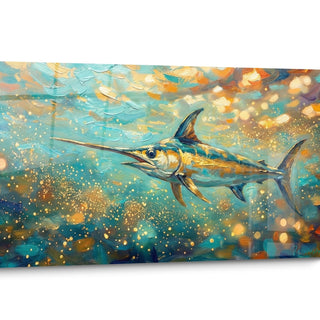 Swordfish4
artworks
Swordfish4
artworks
-
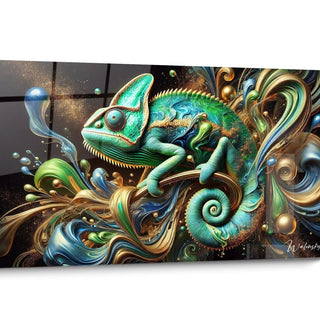 Wild Essence25
artworks
Wild Essence25
artworks
-
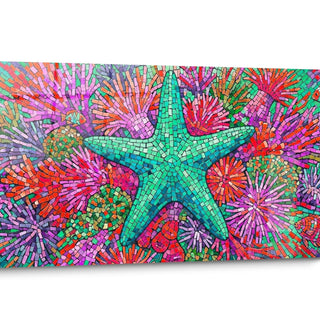 Starfish19
artworks
Starfish19
artworks
-
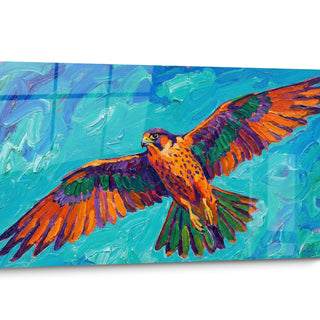 Falcon16
artworks
Falcon16
artworks
-
 Fennec256
artworks
Fennec256
artworks
-
 Pink Flamingo30
artworks
Pink Flamingo30
artworks
-
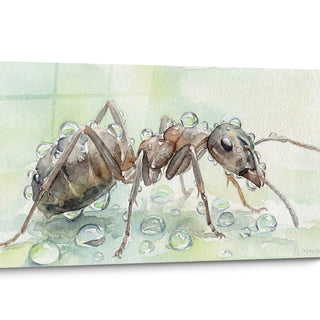 Ant19
artworks
Ant19
artworks
-
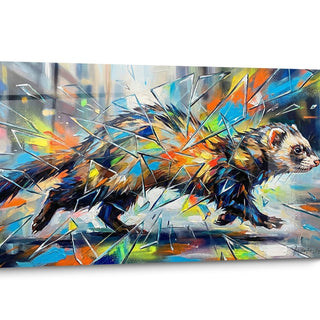 Ferret17
artworks
Ferret17
artworks
-
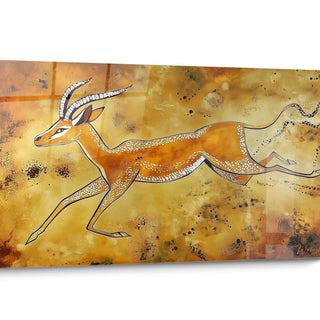 Gazelle4
artworks
Gazelle4
artworks
-
 Giraffe183
artworks
Giraffe183
artworks
-
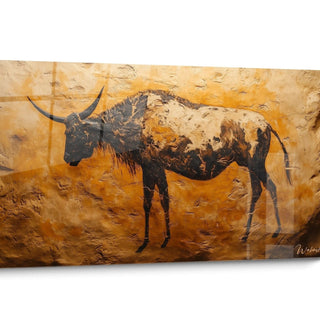 Wildebeest3
artworks
Wildebeest3
artworks
-
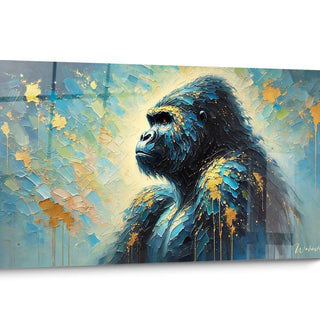 Gorilla15
artworks
Gorilla15
artworks
-
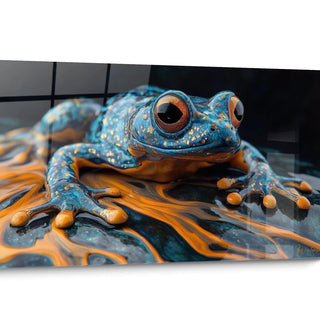 Frog65
artworks
Frog65
artworks
-
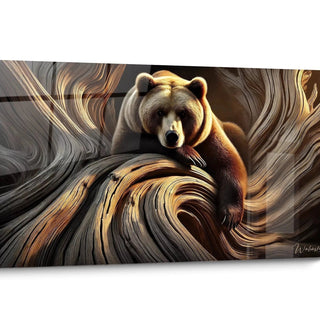 Grizzly3
artworks
Grizzly3
artworks
-
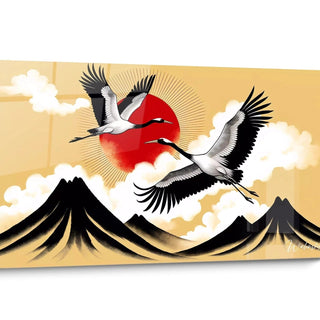 Crane10
artworks
Crane10
artworks
-
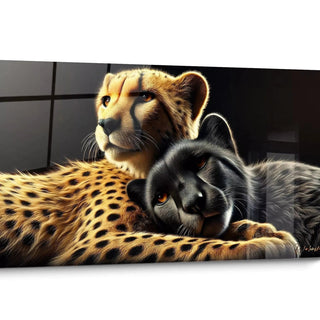 Cheetah7
artworks
Cheetah7
artworks
-
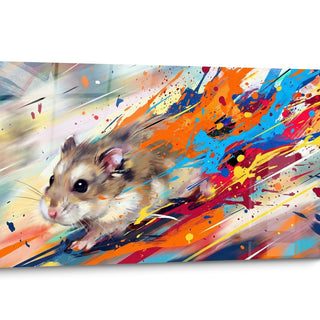 Hamster17
artworks
Hamster17
artworks
-
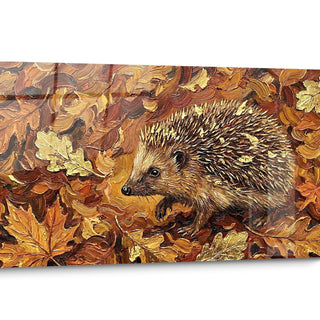 Hedgehog8
artworks
Hedgehog8
artworks
-
 Heron37
artworks
Heron37
artworks
-
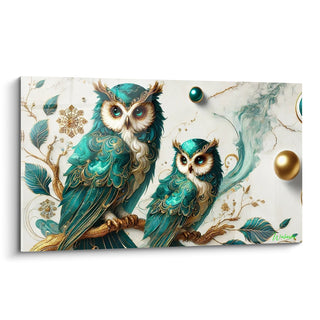 Owl42
artworks
Owl42
artworks
-
 Seahorse34
artworks
Seahorse34
artworks
-
 Hippopotamus4
artworks
Hippopotamus4
artworks
-
 Lobster8
artworks
Lobster8
artworks
-
 Hyena14
artworks
Hyena14
artworks
-
 Iguana6
artworks
Iguana6
artworks
-
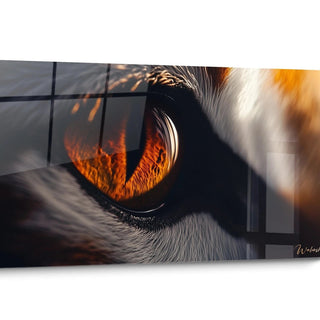 Animal Eye6
artworks
Animal Eye6
artworks
-
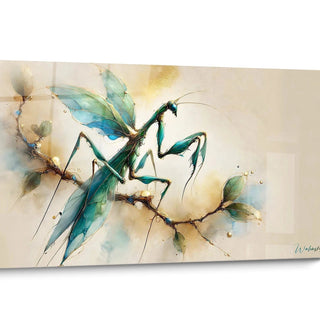 Insect5
artworks
Insect5
artworks
-
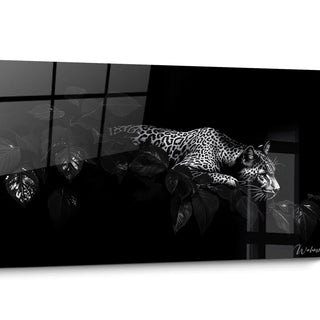 Jaguar6
artworks
Jaguar6
artworks
-
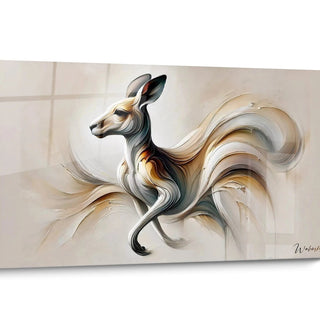 Kangaroo9
artworks
Kangaroo9
artworks
-
 Koala18
artworks
Koala18
artworks
-
 Llama107
artworks
Llama107
artworks
-
 Rabbit15
artworks
Rabbit15
artworks
-
 Lemur3
artworks
Lemur3
artworks
-
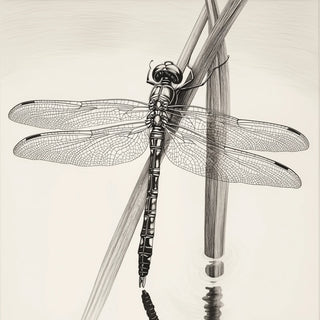 Dragonfly4
artworks
Dragonfly4
artworks
-
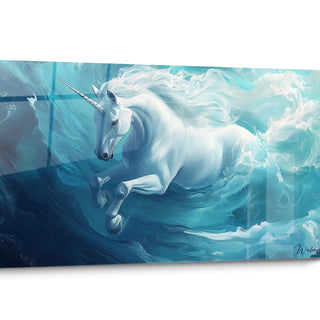 Unicorn3
artworks
Unicorn3
artworks
-
 Lion170
artworks
Lion170
artworks
-
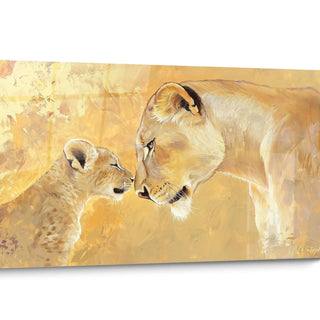 Lion Cub4
artworks
Lion Cub4
artworks
-
 Lioness6
artworks
Lioness6
artworks
-
 Wolf13
artworks
Wolf13
artworks
-
 Otter6
artworks
Otter6
artworks
-
 Lynx7
artworks
Lynx7
artworks
-
 Puffin2
artworks
Puffin2
artworks
-
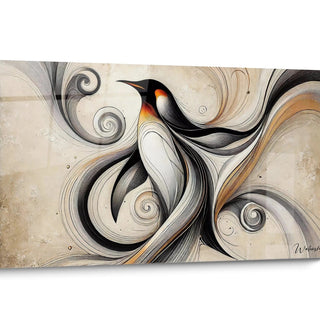 Penguin10
artworks
Penguin10
artworks
-
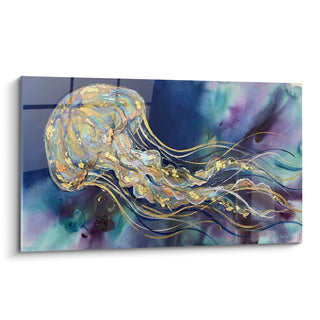 Jellyfish17
artworks
Jellyfish17
artworks
-
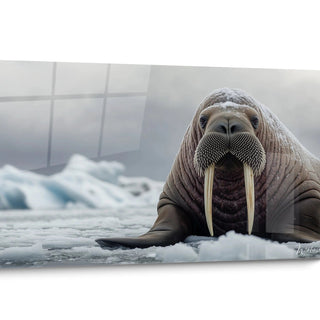 Morse3
artworks
Morse3
artworks
-
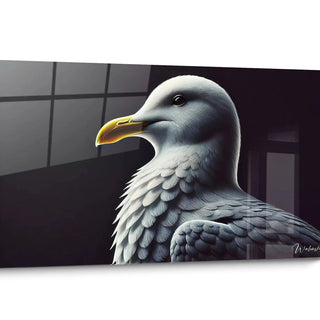 Seagull4
artworks
Seagull4
artworks
-
 Sheep6
artworks
Sheep6
artworks
-
 Narwhal66
artworks
Narwhal66
artworks
-
 Ocelot3
artworks
Ocelot3
artworks
-
 Birds15
artworks
Birds15
artworks
-
 Orangutan10
artworks
Orangutan10
artworks
-
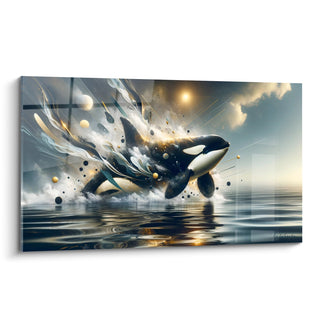 Orca28
artworks
Orca28
artworks
-
 Brown Bear334
artworks
Brown Bear334
artworks
-
 Polar Bear289
artworks
Polar Bear289
artworks
-
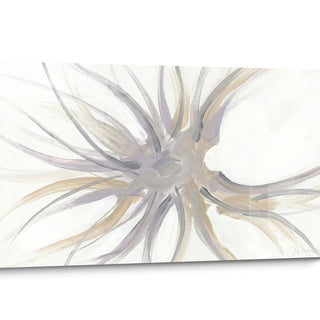 Sea Urchin9
artworks
Sea Urchin9
artworks
-
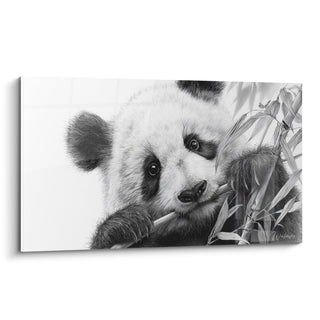 Giant Panda69
artworks
Giant Panda69
artworks
-
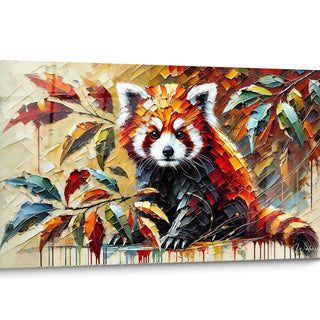 Red Panda11
artworks
Red Panda11
artworks
-
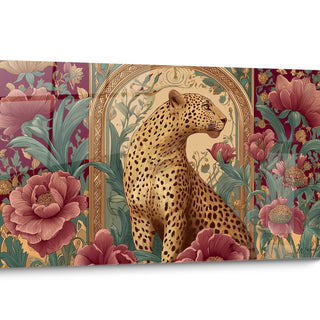 Panther19
artworks
Panther19
artworks
-
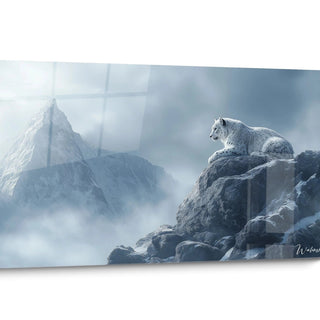 Snow Leopard8
artworks
Snow Leopard8
artworks
-
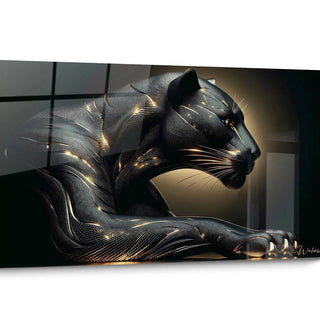 Black Panther10
artworks
Black Panther10
artworks
-
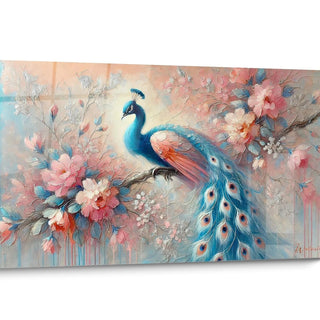 Peacock25
artworks
Peacock25
artworks
-
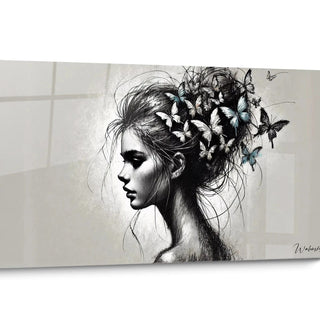 Butterfly14
artworks
Butterfly14
artworks
-
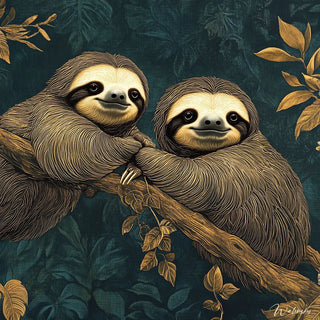 Lazy Sloth3
artworks
Lazy Sloth3
artworks
-
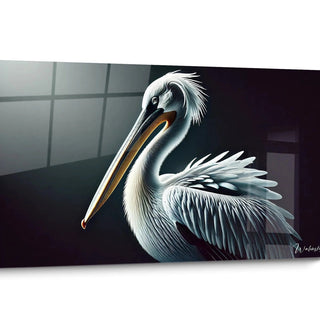 Pelican3
artworks
Pelican3
artworks
-
 Parrot211
artworks
Parrot211
artworks
-
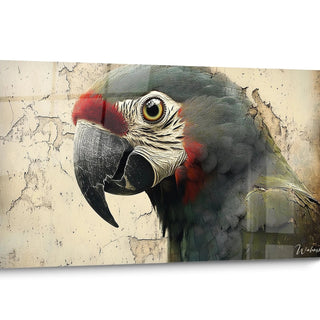 Parakeet5
artworks
Parakeet5
artworks
-
 Seal5
artworks
Seal5
artworks
-
 Pigeon10
artworks
Pigeon10
artworks
-
 Penguin274
artworks
Penguin274
artworks
-
 Feather60
artworks
Feather60
artworks
-
 Fish18
artworks
Fish18
artworks
-
 Betta Fish12
artworks
Betta Fish12
artworks
-
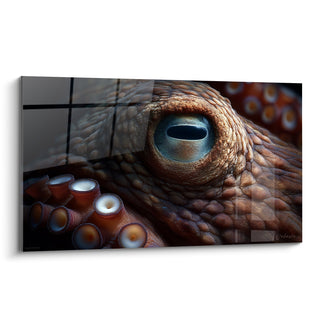 Octopus59
artworks
Octopus59
artworks
-
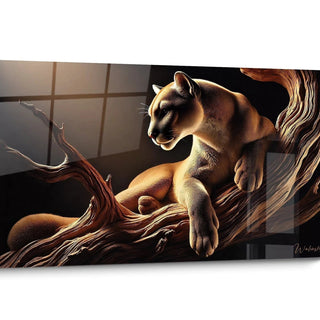 Puma3
artworks
Puma3
artworks
-
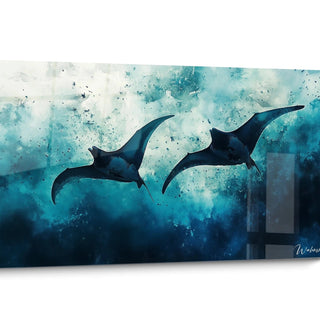 Manta Ray4
artworks
Manta Ray4
artworks
-
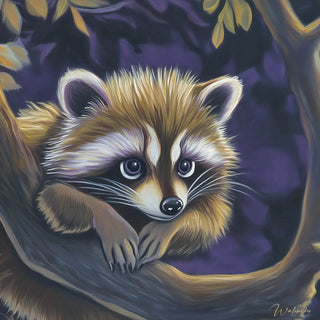 Raccoon2
artworks
Raccoon2
artworks
-
 Fox141
artworks
Fox141
artworks
-
 Shark126
artworks
Shark126
artworks
-
 Rhinoceros21
artworks
Rhinoceros21
artworks
-
 Salamander14
artworks
Salamander14
artworks
-
 Wild Boar15
artworks
Wild Boar15
artworks
-
 Scarab3
artworks
Scarab3
artworks
-
 Scorpion9
artworks
Scorpion9
artworks
-
 Serpent102
artworks
Serpent102
artworks
-
 Monkey14
artworks
Monkey14
artworks
-
 Meerkat1
artwork
Meerkat1
artwork
-
 Tapir52
artworks
Tapir52
artworks
-
 Armadillo3
artworks
Armadillo3
artworks
-
 Bull281
artworks
Bull281
artworks
-
 Tiger316
artworks
Tiger316
artworks
-
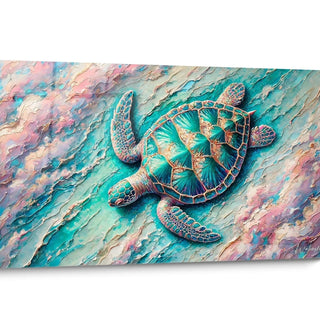 Sea Turtle18
artworks
Sea Turtle18
artworks
-
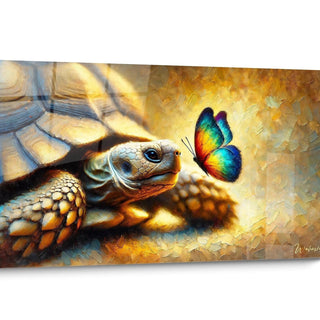 Terrestrial Turtle14
artworks
Terrestrial Turtle14
artworks
-
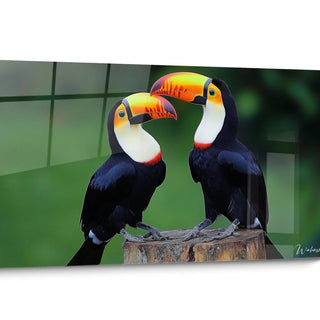 Toucan7
artworks
Toucan7
artworks
-
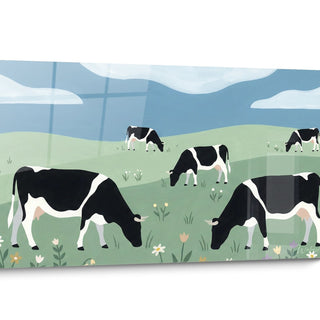 Cow9
artworks
Cow9
artworks
-
 Vulture5
artworks
Vulture5
artworks
-
 Zebra49
artworks
Zebra49
artworks


All about Mussel Wall Art
- Mussel Wall Art Presentation
- Contemporary Marine Décor
- Gastronomic Atmospheres
- Symbolism and Design
The mussel wall art transforms the representation of this emblematic shellfish into a genuine artistic wall statement. This large-scale artwork celebrates the natural aesthetics of bivalve mollusks with remarkable visual intensity, capturing the nacreous texture, iridescent reflections, and organic geometry distinctive of these marine creatures. Perfectly suited to contemporary spaces seeking an authentic connection with the maritime and gastronomic world, this wall artwork brings a unique sensorial dimension that simultaneously evokes refined coastal cuisine and the raw beauty of the ocean floor.
Maritime Aesthetics in Modern Living Spaces
A large-scale mussel wall art piece constitutes the ideal visual anchor for interiors seeking to evoke the atmosphere of coastal regions without falling into nautical clichés. Unlike conventional maritime representations, this motif offers a sculptural and organic approach that dialogues with contemporary architecture. Natural tones ranging from deep blue-black to violet nuances create a sophisticated color palette perfectly adapted to minimalist or industrial spaces.
Which spaces benefit most from a mussel wall art representation?
Open kitchens and dining areas particularly benefit from this culinary iconography that establishes a direct link with maritime gastronomy. In seafood-specialized restaurants, a wall artwork featuring mussels in close-up reinforces the establishment's visual identity while creating an immersive atmosphere for clientele. Urban wine bars and bistros also adopt this visual for its refined yet accessible character, evoking European culinary traditions.
The chromatic impact of shell tones
The natural chromatic complexity of mussel shells offers exceptional visual richness in large format. Nacreous reflections capture light dynamically, creating subtle variations according to time of day and ambient lighting. This characteristic transforms the mussel wall art into a living decorative element that evolves throughout the day. Interior designers exploit this quality to add depth to monochrome spaces, where gray-blue nuances and iridescent touches bring sophisticated visual texture.
Creating an authentic seaside atmosphere without stereotypes
The authenticity of an artwork representing mussels lies in its ability to evoke maritime culture without resorting to overused symbols. This approach particularly appeals to owners of seaside second homes who wish to celebrate their environment in a subtle and elegant manner. For a complete decorative collection celebrating fauna, you can explore our range of animal wall art offering other natural representations in large format. Coastal hospitality professionals likewise favor this type of visual to anchor their spaces in their geographic context while maintaining contemporary and refined aesthetics.
Enhancing Gastronomic and Culinary Spaces
How does a mussel artwork reinforce a gastronomic establishment's identity?
In restaurants and establishments dedicated to seafood, a monumental mussel wall art piece functions as an instant visual signature. This culinary iconography immediately communicates the establishment's specialization and creates narrative coherence between the visual environment and gastronomic offering. Restaurateurs observe that this decorative strategy reinforces their brand's memorability and facilitates marketing positioning, particularly on visual platforms and social media where distinctive visual identity becomes a major commercial asset.
Sensory evocation in tasting spaces
Macrophotographic representation of mussels in large format activates customers' gustatory memory before they even consult the menu. This visual stimulation psychologically prepares for the culinary experience and increases meal anticipation. Wine shops and oyster bars particularly exploit this preparatory sensorial dimension, knowing that the visual environment directly influences flavor perception and overall appreciation of the gastronomic experience. A monumental mussel wall artwork creates thematic immersion that transforms simple consumption into genuine ritual.
What does a mussel representation bring to a high-end residential kitchen?
Contemporary residential kitchens become central living spaces where wall décor reflects the occupants' culinary passions. A large-scale mussel wall art in this environment signals appreciation for refined gastronomy and authentic products. This visual presence also inspires culinary creativity and reminds of memorable gastronomic experiences, thus creating an emotional connection between the domestic space and memories of exceptional meals in maritime regions renowned for their mussel-farming culture.
Strategic positioning in markets and fishmongers
Specialized seafood retailers use these imposing visual representations to structure their sales spaces and naturally guide customer circulation. The monumental dimension of a wall artwork representing mussels creates focal points that visually organize commercial space while reinforcing the establishment's perceived credibility and expertise. This decorative strategy transforms a simple retail point into a destination where the visual experience complements the purchasing act.
Symbolic Dimensions and Artistic Composition
The organic geometry of mussel colonies
The natural organization of mussels in dense clusters offers a fascinating visual composition that reveals quasi-geometric patterns within apparent chaos. A mussel wall art piece capturing this collective structure presents particular aesthetic interest for natural art enthusiasts and biomimicry admirers. Contemporary designers particularly appreciate this duality between order and organic disorder, which resonates with current architectural principles valuing nature-inspired forms. In large format, these compositions become meditative, inviting prolonged observation of details and individual variations within the whole.
Mussel-farming representations and coastal cultural heritage
Mussel-farming regions such as Mont-Saint-Michel Bay or Charente-Maritime possess strong cultural identity tied to mussel cultivation. An artwork representing these shellfish then becomes a marker of territorial belonging and regional pride. Owners originating from or having family connections to these coastal areas choose these visuals as identity anchors in their urban living spaces. This heritage dimension adds narrative depth beyond simple aesthetic value, transforming the work into a conversation starter and support for personal stories.
Why does shell texture fascinate in macro photography?
Mussel shell surfaces present extraordinary textural richness revealed by large-format macro photography. Growth striations, subtle color variations, and micro-relief create a fascinating topography that captivates the eye. This photographic approach transforms a familiar culinary subject into quasi-mineral abstraction, offering new perspective on an ordinary object. Naturalistic art photography collectors particularly appreciate this capacity to reveal hidden beauty in everyday elements, establishing a bridge between the accessible and the extraordinary.
Integration into wellness-dedicated spaces
Thalassotherapy centers and marine spas adopt mussel representation for its direct association with marine benefits and trace elements. This iconography reinforces the thematic positioning of these establishments while creating visual coherence with their care protocols based on marine resources. A monumental mussel wall art piece in relaxation spaces contributes to the soothing atmosphere by evoking the ocean floor and natural regeneration, establishing a subconscious connection between the visual environment and expected treatment benefits.
Is mussel wall art suitable for non-gastronomic professional spaces?
Absolutely. Offices of companies related to the maritime, environmental, or food sectors find in this visual a representation perfectly aligned with their field of activity. Architectural firms specializing in coastal construction or territorial development agencies of maritime regions also use these representations to visually anchor their sectoral and geographic identity.
What is the impact difference between a close-up view and a group composition?
A macrophotograph of an individual mussel creates an intimate and sculptural approach, revealing textural details with dramatic intensity. Conversely, a composition showing a dense group of mussels evokes abundance, collective vitality, and inscribes more within a documentary or ethnographic approach linked to mussel-farming practices. The choice depends on the desired atmosphere: contemplative and minimalist for the individual approach, dynamic and narrative for group representation.
How does mussel wall art integrate into an eco-responsible approach?
Since mussels are natural filter-feeders contributing to marine ecosystem quality, their artistic representation can serve as educational support regarding ecosystem services and marine resource sustainability. Environmental organizations and nature interpretation centers use these visuals to raise awareness about the importance of coastal habitat preservation and sustainable mussel farming as a low-impact aquaculture model.
Further reading
Our articles on this topic
- Coastal wall art: the call of the sea in a premium edition
- Do Pearl and Mother-of-Pearl Paintings Evoke Precious Marine Treasures?
- Do Seagull and Seabird Paintings Extend the Coastal Universe?
- Marine scenes paintings: ocean breeze and soothing horizon
- Do Fishing Boat Paintings Evoke Authenticity and Maritime Life?


