


Marine Paintings
Discover our "Marine Painting" collection, a series of artworks that capture the majesty and depth of oceanic landscapes. Each Marine Painting transports your interior to a world of serenity, where the sea, boats, and endless horizons come to life through rich textures and soothing colors. Ideal for creating a relaxing and evocative atmosphere, this collection will appeal to lovers of coastal decor. Let yourself be charmed by these unique Maritime Paintings and transform your space into a true refuge inspired by the marine world.
 At the Barre Wall Art - Marine Landscape Edition273,90 €
 Heart of the Breeze Canvas - Abstract Boat Edition273,90 €
 Dawn Over the Bay Wall Art - Abstract Boat Edition273,90 €
 Azure Mist Wall Art - Abstract Seascape Edition273,90 €
 Ethereal Mist Painting - Abstract Boat Edition273,90 €
 Sailing Toward the Horizon Canvas - Ocean Landscape Edition273,90 €
 Golden Reflections City Wall Art - Abstract Edition273,90 €
 Breton coast painting with stone houses - Impressionist coastal landscape - seaside edition273,90 €
 Mediterranean Coast Painting - Panoramic View of Turquoise Sea - Seaside Edition242,90 €
 Breton Rocky Coast Painting - Impressionist Marine Storm - Seaside Edition228,90 €
 Twilight of Elements Wall Art - Abstract Edition273,90 €
 Golden Twilight Wall Art - Abstract Seaside Edition273,90 €
 Mediterranean Cove Painting - Turquoise Waters Between Golden Rocks - Seaside Edition273,90 €
 Sweetness of Twilight Wall Art - Abstract Seaside Edition273,90 €
 Amber Softness Wall Art - Abstract Seascape Edition273,90 €
 Coastal Dunes Painting - Path to the Ocean - Seaside Edition273,90 €
 Echoes of the Open Sea - Abstract Boat Painting Edition273,90 €
 Stars and Shells Wall Art - Seashell Nature Edition273,90 €
 Coastal cliffs painting - Impressionist seascape - seaside edition273,90 €
 Strength and Direction Wall Art - Marine Landscape Edition273,90 €
 Coast Guard Painting - Marine Landscape Edition273,90 €
 Jewels of the Sands Wall Art - Seashell Nature Edition273,90 €
 The Call of the Horizon - Abstract Boat Wall Art Edition273,90 €
 The Call of the Sea - Ocean Landscape Edition273,90 €
Explore further
In Marine Paintings
In the same family
Also explore the theme Landscapes
-
 View all1531
artworks
View all1531
artworks
-
 Rainbow74
artworks
Rainbow74
artworks
-
 Architecture30
artworks
Architecture30
artworks
-
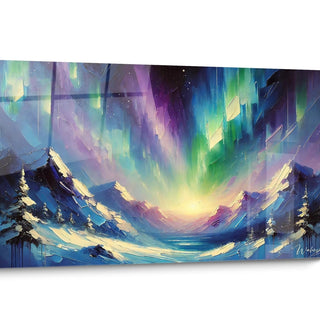 Northern Lights32
artworks
Northern Lights32
artworks
-
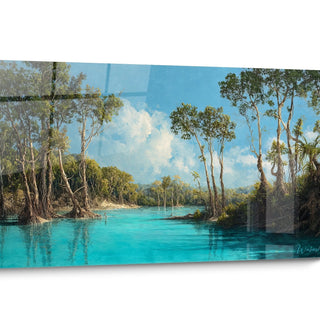 Other Landscapes117
artworks
Other Landscapes117
artworks
-
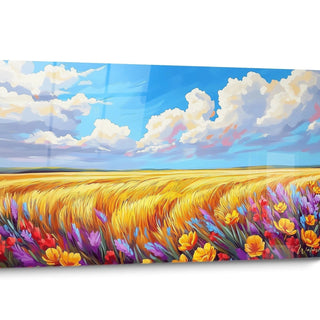 Campaign51
artworks
Campaign51
artworks
-
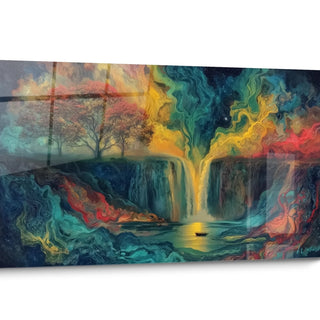 Cascade104
artworks
Cascade104
artworks
-
 Waterfalls12
artworks
Waterfalls12
artworks
-
 Lavender Fields7
artworks
Lavender Fields7
artworks
-
 Sky14
artworks
Sky14
artworks
-
 Starry Sky8
artworks
Starry Sky8
artworks
-
 Sunset37
artworks
Sunset37
artworks
-
 Desert82
artworks
Desert82
artworks
-
 Underwater Depths38
artworks
Underwater Depths38
artworks
-
 Forest148
artworks
Forest148
artworks
-
 Gorges and Canyons41
artworks
Gorges and Canyons41
artworks
-
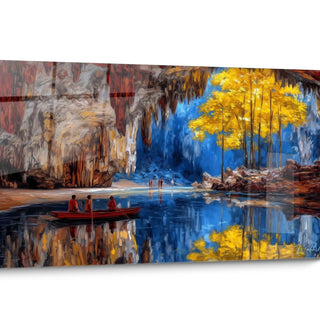 Natural Caves565
artworks
Natural Caves565
artworks
-
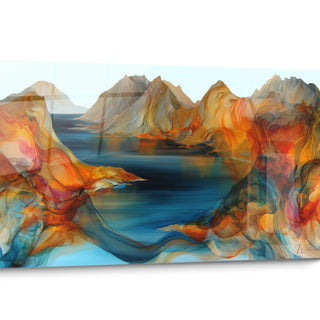 Islands and Archipelagos55
artworks
Islands and Archipelagos55
artworks
-
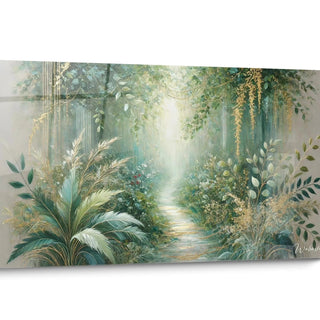 Jungle9
artworks
Jungle9
artworks
-
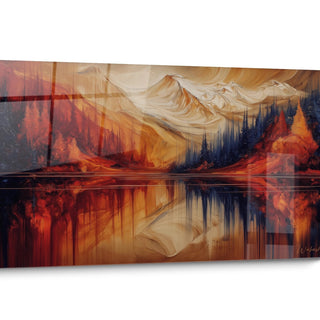 Lakes77
artworks
Lakes77
artworks
-
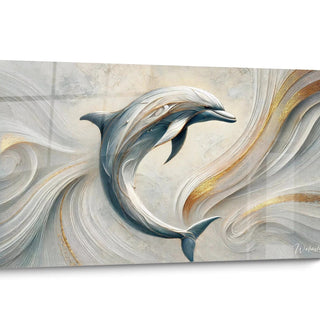 The World of the Sea189
artworks
The World of the Sea189
artworks
-
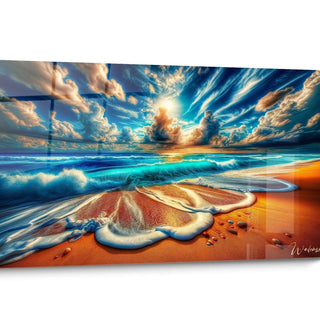 Sea77
artworks
Sea77
artworks
-
 Mountain304
artworks
Mountain304
artworks
-
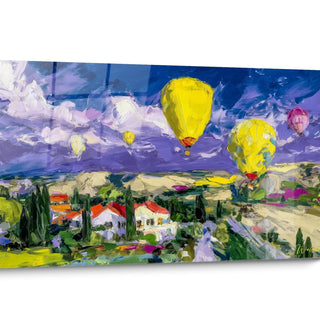 Hot Air Balloon5
artworks
Hot Air Balloon5
artworks
-
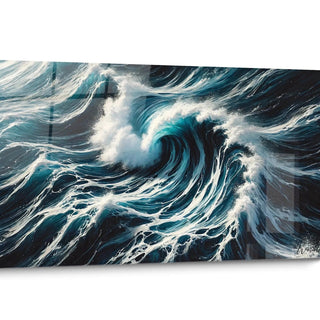 Ocean16
artworks
Ocean16
artworks
-
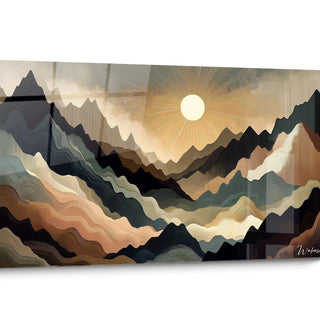 Abstract Landscape25
artworks
Abstract Landscape25
artworks
-
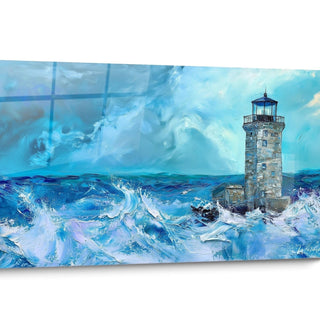 Lighthouses34
artworks
Lighthouses34
artworks
-
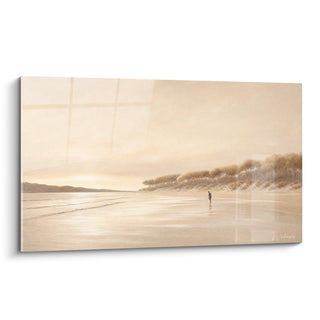 Beach113
artworks
Beach113
artworks
-
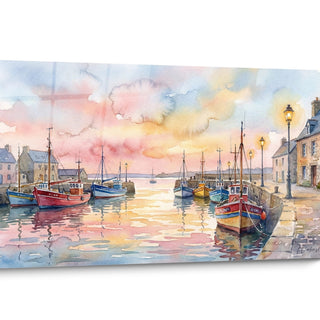 Ports19
artworks
Ports19
artworks
-
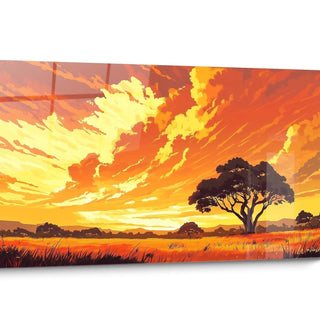 Savanna5
artworks
Savanna5
artworks
-
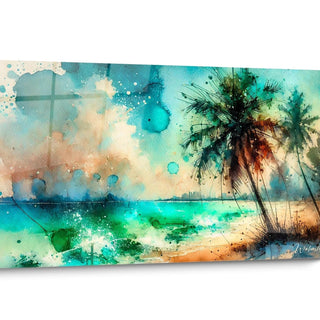 Tropics9
artworks
Tropics9
artworks
-
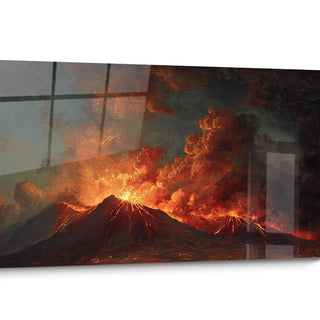 Volcanoes57
artworks
Volcanoes57
artworks
-
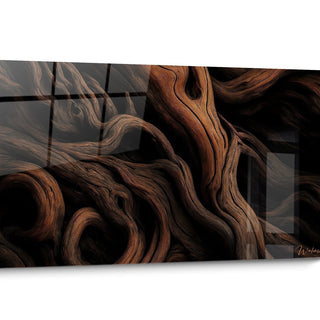 Aerial View17
artworks
Aerial View17
artworks


All about Marine Paintings
- Overview Seascape Painting
- Seascape painting Mediterranean atmosphere
- Seascape painting decorative influence
- Seascape painting coastal ambiance
Discover our exclusive collection of seascape paintings, specially curated to transform your interior into a haven of peace inspired by the majesty of the oceans. These large-format artworks capture the very essence of the maritime world, between majestic waves and endless horizons.
Our seascape paintings distinguish themselves through their unique ability to create a soothing atmosphere while bringing exceptional artistic dimension to your living space. Each piece is meticulously selected for its evocative power and its ability to instantly transport you into the maritime universe.
Whether you're seeking an artwork with deep blue tones for your living room, a subtle shoreline representation for your bedroom, or a dynamic ocean composition for your workspace, our collection will meet your most demanding expectations.
Explore our different categories to discover the unique visual and emotional impact that a seascape can bring to your interior.
Seascape Painting: Mediterranean Influence In Your Interior
The Mediterranean seascape painting instantly transforms your space into an invitation to travel, capturing the very essence of the sun-drenched shores of Southern Europe. Unlike classic oceanic representations, these artworks distinguish themselves through their characteristic tones ranging from azure blue to crystal turquoise, immediately evoking the unique clarity of Mediterranean waters.
Why choose a Mediterranean-inspired seascape painting?
The specificity of a Mediterranean seascape painting lies in its exceptional luminosity. Artists capture this particular quality of light that bathes the coasts of Greece, Italy, or Southern France, creating a visual effect impossible to reproduce in other types of seascapes. This natural luminosity has the unique capacity to visually brighten a room, even in spaces with limited sun exposure.
The Mediterranean color palette also stands out for its richness and diversity: from the brilliant whites of coastal villages to the deep blues of the sea, passing through the golden ochres of cliffs. This combination of colors creates a warm and welcoming atmosphere, perfectly suited to contemporary interiors seeking to avoid the coldness often associated with minimalist décor.
- Visual enlargement effect: Mediterranean horizons create a depth that visually pushes walls outward
- Positive impact on mood: characteristic blue tones stimulate serotonin production
- Decorative versatility: integrates equally well into bohemian or refined interiors
How do Mediterranean seascapes differ from other seascape paintings?
A Mediterranean-inspired seascape painting fundamentally differs from representations of other seas through the presence of specific visual markers. Secret coves, steep calanques, or traditional small fishing ports constitute distinctive elements that tell a particular story, impossible to find in North Sea or Atlantic Ocean scenes.
The very texture of the water represented in these works possesses a unique quality - less tumultuous than northern seas, with more brilliant reflections and characteristic transparency sometimes allowing glimpses of the seabed. This specific representation of water creates a sensation of calm and serenity unmatched in other types of maritime paintings.
Mediterranean seascape paintings often incorporate typical architectural elements such as white-facade houses, colorful fishing boats, or historic lighthouses. These cultural details anchor the artwork in a precise geographic context and give it a narrative depth that simple representations of marine expanses do not possess.
Ideal placement for your Mediterranean seascape painting
The evocative power of a Mediterranean seascape painting finds its optimal expression in the transition spaces of your home. In a hallway or staircase landing, these artworks create an effect of passage toward a sun-drenched elsewhere, transforming these often neglected zones into genuine visual experiences.
To maximize the luminous impact inherent to Mediterranean scenes, favor positioning facing a natural light source. This configuration allows the blue and turquoise pigments to reveal all their nuances throughout the day, creating a living painting that evolves with the hours and seasons. This dynamic effect is particularly remarkable with large formats that capture more light variations.
In a dining room, a large-scale Mediterranean seascape painting creates an atmosphere conducive to conviviality and extended meals, recalling the art of living in southern countries. The visual presence of the sea unconsciously encourages slower meal pacing and promotes more relaxed conversations, reproducing the atmosphere of Mediterranean coastal restaurants.
The influence of seasons on the perception of your maritime painting
A fascinating and often overlooked aspect of Mediterranean seascape paintings concerns their interaction with the seasons. In winter, these artworks function as genuine psychological windows toward milder climates, counterbalancing the sometimes oppressive atmosphere of grey days. This ability to momentarily transform a room's ambiance represents a genuine therapeutic asset for people sensitive to seasonal affective disorder.
During summer months, these same paintings resonate with the external environment, amplifying the sensation of freshness and creating visual continuity between interior and exterior. This seasonal harmony generates a feeling of balance and coherence in your living space, impossible to obtain with other thematic artwork more static in nature.
The Mediterranean seascape painting also possesses this rare quality of being able to adapt over the years to the evolution of your decorative tastes. Its timeless natural palette allows it to transcend trends and maintain aesthetic relevance, making this artistic investment a particularly judicious choice in the long term for maritime art enthusiasts.
Seascape Painting: Impact On Atmosphere And Interior Decoration
The seascape painting exerts an exceptional influence on a room's acoustics, a phenomenon rarely discussed but scientifically observed. Representations of marine expanses, particularly those of large format, create an illusion of space that subtly modifies our acoustic perception of the environment. This characteristic unique to maritime scenes is explained by a psychoacoustic effect: our brain unconsciously associates large visual spaces with different sound propagation.
In contemporary interiors with hard, reflective surfaces, introducing a large seascape painting contributes to softening the impression of echo and excessive reverberation. The dominant blue tones and distant horizons typical of these artworks create a sensation of openness that effectively counterbalances the oppressive effect sometimes felt in modern minimalist spaces.
The biophilic effect of maritime paintings on well-being
Biophilic design, this approach that integrates natural elements into our living spaces, finds its most accomplished expression in the seascape painting. Unlike plant representations that certainly bring a touch of nature but within a limited framework, maritime scenes offer visual depth and a sense of immensity particularly beneficial for our psychological balance.
Studies in environmental psychology have demonstrated that daily exposure to representations of marine horizons positively influences stress markers. Regular contemplation of a seascape painting in a work or living space results in a measurable decrease in salivary cortisol, an hormone directly linked to chronic stress. This physiological reaction is explained by our deep evolutionary connection with aquatic environments, historic sources of resources and security.
- Measurable reduction in heart rate after 5 minutes of observation
- Improved concentration in spaces with maritime views
- Decreased sensation of confinement in small urban spaces
How does a seascape painting influence social interactions?
A fascinating and poorly documented phenomenon concerns the impact of seascape paintings on conversational dynamics in a shared space. Behavioral observations reveal that discussions held facing representations of marine expanses tend to become more contemplative and less superficial. The visual presence of the marine horizon seems to naturally encourage deeper and more thoughtful exchanges.
In professional spaces, strategic installation of a large seascape painting in a meeting room subtly modifies the atmosphere of professional meetings. Negotiations conducted in an environment decorated with maritime elements show an increased tendency toward compromise and the search for consensus solutions, compared to the same discussions held in neutral or urban settings.
For residential interiors, particularly in reception areas like the living room or dining room, a seascape painting creates what decorators call a "conversational anchor point" - a visual element striking enough to naturally initiate exchanges between guests who may not necessarily know each other, thus facilitating social interactions during gatherings.
The unique chromatic evolution of maritime paintings
The seascape painting possesses a distinctive characteristic rarely mentioned: its ability to evolve visually with variations in ambient lighting. Unlike still lifes or portraits whose tones remain relatively stable, the dominant blue and green pigments in maritime representations react with particular sensitivity to changes in lighting, creating an almost kinetic effect throughout the day.
This subtle but perceptible metamorphosis transforms the seascape painting into a truly living artwork that offers different readings depending on the hour and season. Marine reflections, in particular, seem to animate differently under morning light, overhead illumination, or the orange tones of sunset, thus multiplying visual experiences from a single artwork.
To maximize this unique phenomenon, ideal positioning of a large seascape painting will favor interplay of shadow and natural light. Placement facing a bay window or in a corridor with changing lateral lighting will allow full appreciation of this characteristic unique to maritime representations, offering a dynamic artistic experience impossible to reproduce with other more static themes.
Specific spatial harmonization for maritime paintings
Integrating a seascape painting into a contemporary interior requires a specific approach that differs considerably from other types of artworks. The inherent depth of marine horizons creates a visual vanishing point that subtly modifies the spatial perception of a room. In spaces with low ceilings, this characteristic can be strategically used to create an illusion of height and counteract the impression of oppression sometimes felt.
Professional decorators recommend accompanying a large seascape painting with textured elements evoking the coastal universe - not in an obvious thematic approach, but through subtle references such as raw materials, natural fibers, or mineral elements. This sensory coherence reinforces the emotional impact of the artwork without falling into maritime decorative cliché.
For multifunctional spaces, increasingly common in modern housing, the seascape painting offers an elegant solution for visual transitions between different zones. Judiciously placed at the junction between a work area and a relaxation zone, it creates a soft but effective psychological demarcation, unconsciously helping to delimit functions without resorting to physical separations that would weigh down the overall effect.
Seascape Painting: Creating Authentic Coastal Ambiance
The seascape painting distinguishes itself fundamentally from other artistic representations through its unique ability to recreate the complete sensory phenomenon of the coastal experience. Beyond simple visual reproduction, these large-scale artworks activate in our brain the same neural zones stimulated during genuine immersion by the seaside. This specific neurological reaction, documented by brain imaging studies, explains the deeply soothing effect these paintings exert even in densely populated urban environments.
The psychological impact of an imposing seascape painting differs considerably depending on the time it is observed. Morning perception favors cognitive stimulation linked to dominant blue tones, while evening observation, particularly under well-thought-out artificial lighting, triggers a more emotional and introspective response. This dual experience from the same artwork constitutes a unique advantage over other more static artistic themes in their reception.
What elements distinguish a quality seascape painting?
The value of a seascape painting resides not solely in its representational fidelity but in its ability to convey what maritime art experts call "the respiration of the ocean." This almost tactile quality manifests itself through particular treatment of transitions between water and sky, creating an impression of perpetual movement that distinguishes exceptional works from simple generic reproductions.
Discerning collectors search in an authentic seascape painting for the subtle presence of correctly represented hydrodynamic elements - such as specific wave formations according to marine depth, reflections differentiated according to light angle, or chromatic variations corresponding to underwater depths. These technical details, invisible at first glance but perceptible over time, guarantee a visual experience that does not exhaust itself with time.
- Presence of micro-details revealing underwater currents specific to the represented region
- Characteristic treatment of foam and shoreline fringes according to coastal types
- Precise representation of atmospheric nuances specific to maritime environments
How to integrate a seascape painting into different interior styles?
The extraordinary versatility of the seascape painting makes it a decorative element adaptable to varied stylistic contexts, well beyond interiors traditionally associated with maritime themes. In an industrial setting characterized by raw materials and clean lines, a minimalist marine representation with deep tones creates a striking organic counterpoint that softens structural austerity without compromising the aesthetic coherence of the whole.
For Scandinavian-inspired interiors, favor seascape paintings with Nordic horizons, characterized by grazing light and misty atmospheres. These specific artworks perfectly complement the minimal palettes and light materials typical of this style, creating particularly coherent visual harmony while introducing the emotional depth inherent to maritime representations.
In contemporary spaces with Japanese minimalist influences, opt for abstract or semi-abstract seascape paintings that evoke the essence of the sea without excessive literality. This approach reflects the concept of "ma" - this meaningful interval between elements - central to Japanese aesthetics, and transforms maritime representation into a visual meditation particularly suited to environments dedicated to concentration and serenity.
Climatic influence on your maritime painting selection
A rarely considered but determining aspect in choosing a seascape painting concerns the interaction between the artwork and the climatic environment of your region. In areas marked by high ambient humidity, representations of rough seas or storm scenes can create uncomfortable sensory dissonance, unconsciously amplifying the sensation of humidity perceived in the interior space.
Conversely, in regions characterized by dry and arid climate, a seascape painting with calm, crystalline waters generates a compensatory psychological effect. Studies in bioclimatic design have demonstrated that daily visual exposure to water representations in these environments increases the subjective perception of hygrometric comfort, without actual modification of ambient conditions.
For habitats located in dense urban areas, where noise pollution constitutes a constant concern, favor seascape paintings representing distant ocean expanses rather than animated shoreline scenes. This visual orientation toward the unlimited marine horizon creates a mental escape effect particularly effective in counterbalancing the sensory oppression characteristic of sound-saturated urban environments.
FAQ - Seascape Paintings
What is the ideal size for a seascape painting in a modern living room?
For a contemporary living room, favor a large-scale seascape painting - ideally at least 120cm in width - to create genuine visual impact. In spaces with high ceilings, a vertical artwork of 150cm minimum will maximize the immersive effect characteristic of maritime scenes. The generous scale allows perception of subtle details in waves and atmospheric variations that constitute the entire value of a quality marine representation.
How to sustainably maintain a seascape painting?
Seascape paintings require particular attention due to the sensitivity of blue and green pigments to direct light. Absolutely avoid prolonged exposure to sunlight that accelerates degradation of oceanic tones. Regular dusting with a soft brush is recommended, avoiding any chemical products. To preserve the intensity of characteristic marine reflections, favor indirect lighting that will enhance nuances without damaging the pigments.
Are seascape paintings suitable for professional spaces?
The seascape painting constitutes a particularly judicious choice for demanding professional environments. Research in workplace psychology demonstrates that large-scale maritime representations in meeting spaces promote collaborative problem-solving and reduce interpersonal tensions. In waiting or reception areas, these artworks create a positive and memorable first impression, while significantly reducing visitors' subjective perception of waiting time.


