


Camel Wall Art
Discover our Camel Wall Art collection, a unique selection of wall art prints inspired by the majesty and grace of the camel in its natural habitat. Each artwork captures the power and serenity of this emblematic animal, offering soothing and authentic scenes, ideal for adding a touch of exoticism to your interior. Let yourself be transported by the beauty of the desert and the nobility of the camel, symbolizing strength and endurance. Explore this collection and bring the spirit of travel into your living space.
 Camel Canvas Soul of the Sand - camel edition242,90 €
 Heir of the Dunes Wall Art - Camel Animals Edition273,90 €
 Oasis of Elegance Wall Art - Camel Animals Edition273,90 €
 Sahara Wind Painting - Dromedary Animals Edition273,90 €
In the same family
Also explore the theme Animals
-
 View all10974
artworks
View all10974
artworks
-
 Bee54
artworks
Bee54
artworks
-
 Eagle18
artworks
Eagle18
artworks
-
 Alpaca111
artworks
Alpaca111
artworks
-
 Donkey15
artworks
Donkey15
artworks
-
 Savannah Wildlife94
artworks
Savannah Wildlife94
artworks
-
 Antelope5
artworks
Antelope5
artworks
-
 Spider8
artworks
Spider8
artworks
-
 Other Animals24
artworks
Other Animals24
artworks
-
 Ostrich75
artworks
Ostrich75
artworks
-
 Axolotl47
artworks
Axolotl47
artworks
-
 Whale89
artworks
Whale89
artworks
-
 Barracuda61
artworks
Barracuda61
artworks
-
 Snipe32
artworks
Snipe32
artworks
-
 Ram315
artworks
Ram315
artworks
-
 Beluga169
artworks
Beluga169
artworks
-
 Hermit-Crab12
artworks
Hermit-Crab12
artworks
-
 Doe10
artworks
Doe10
artworks
-
 Bison8
artworks
Bison8
artworks
-
 Badger59
artworks
Badger59
artworks
-
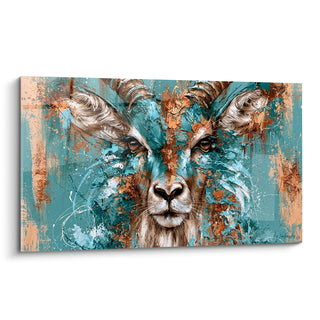 Chamois32
artworks
Chamois32
artworks
-
 Buffalo91
artworks
Buffalo91
artworks
-
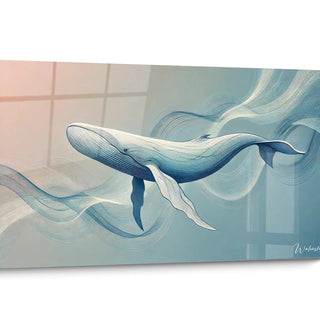 Sperm Whale8
artworks
Sperm Whale8
artworks
-
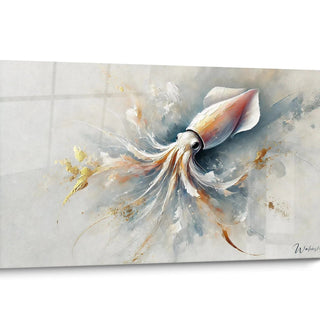 Giant Squid6
artworks
Giant Squid6
artworks
-
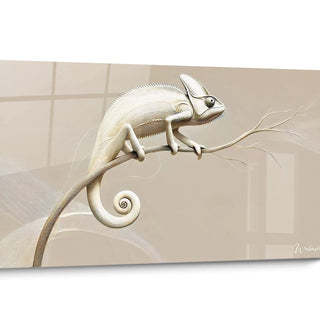 Chameleon20
artworks
Chameleon20
artworks
-
 Duck352
artworks
Duck352
artworks
-
 Capybara3
artworks
Capybara3
artworks
-
 Caracal15
artworks
Caracal15
artworks
-
 Caribou4
artworks
Caribou4
artworks
-
 Koi Carp130
artworks
Koi Carp130
artworks
-
 Beaver9
artworks
Beaver9
artworks
-
 Deer26
artworks
Deer26
artworks
-
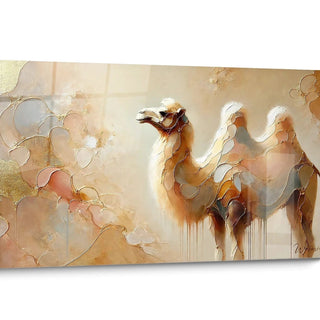 Camel3
artworks
Camel3
artworks
-
 Cat1218
artworks
Cat1218
artworks
-
 Bat10
artworks
Bat10
artworks
-
 Horse73
artworks
Horse73
artworks
-
 Mountain Goat3
artworks
Mountain Goat3
artworks
-
 Dog3055
artworks
Dog3055
artworks
-
 Chimpanzee12
artworks
Chimpanzee12
artworks
-
 Owl19
artworks
Owl19
artworks
-
 Stork16
artworks
Stork16
artworks
-
 Ladybug7
artworks
Ladybug7
artworks
-
 Pig8
artworks
Pig8
artworks
-
 Guinea Pig13
artworks
Guinea Pig13
artworks
-
 Hummingbird23
artworks
Hummingbird23
artworks
-
 Dove90
artworks
Dove90
artworks
-
 Rooster9
artworks
Rooster9
artworks
-
 Seashell6
artworks
Seashell6
artworks
-
 Raven9
artworks
Raven9
artworks
-
 Crab5
artworks
Crab5
artworks
-
 Toad8
artworks
Toad8
artworks
-
 Shrimp5
artworks
Shrimp5
artworks
-
 Crocodile4
artworks
Crocodile4
artworks
-
 Swan189
artworks
Swan189
artworks
-
 Dolphin11
artworks
Dolphin11
artworks
-
 Squirrel15
artworks
Squirrel15
artworks
-
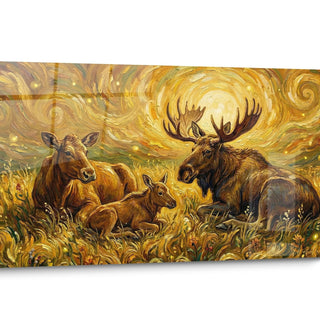 Elan13
artworks
Elan13
artworks
-
 Elephant80
artworks
Elephant80
artworks
-
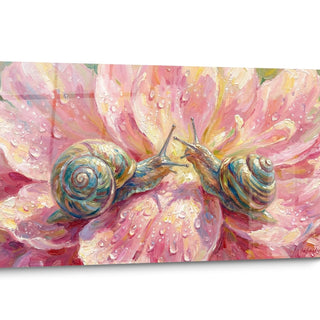 Snail11
artworks
Snail11
artworks
-
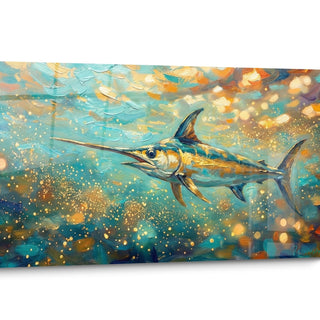 Swordfish4
artworks
Swordfish4
artworks
-
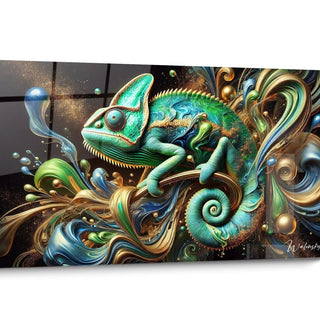 Wild Essence25
artworks
Wild Essence25
artworks
-
 Starfish19
artworks
Starfish19
artworks
-
 Falcon16
artworks
Falcon16
artworks
-
 Fennec256
artworks
Fennec256
artworks
-
 Pink Flamingo30
artworks
Pink Flamingo30
artworks
-
 Ant19
artworks
Ant19
artworks
-
 Ferret17
artworks
Ferret17
artworks
-
 Gazelle4
artworks
Gazelle4
artworks
-
 Giraffe183
artworks
Giraffe183
artworks
-
 Wildebeest3
artworks
Wildebeest3
artworks
-
 Gorilla15
artworks
Gorilla15
artworks
-
 Frog65
artworks
Frog65
artworks
-
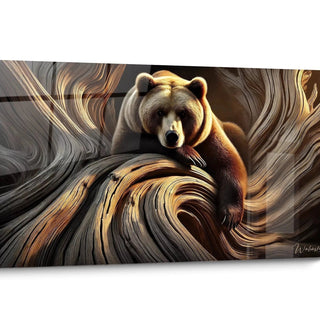 Grizzly3
artworks
Grizzly3
artworks
-
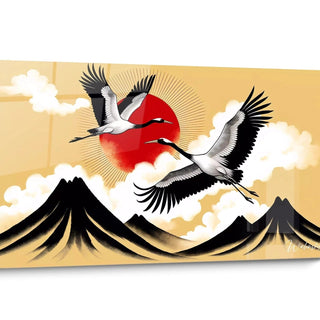 Crane10
artworks
Crane10
artworks
-
 Cheetah147
artworks
Cheetah147
artworks
-
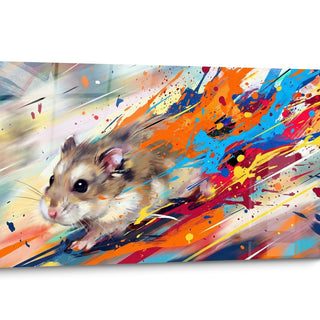 Hamster17
artworks
Hamster17
artworks
-
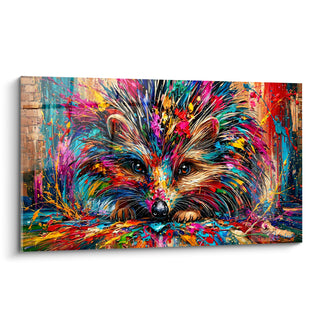 Hedgehog64
artworks
Hedgehog64
artworks
-
 Heron37
artworks
Heron37
artworks
-
 Owl42
artworks
Owl42
artworks
-
 Seahorse34
artworks
Seahorse34
artworks
-
 Hippopotamus4
artworks
Hippopotamus4
artworks
-
 Lobster8
artworks
Lobster8
artworks
-
 Hyena14
artworks
Hyena14
artworks
-
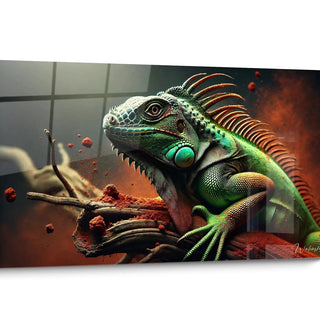 Iguana6
artworks
Iguana6
artworks
-
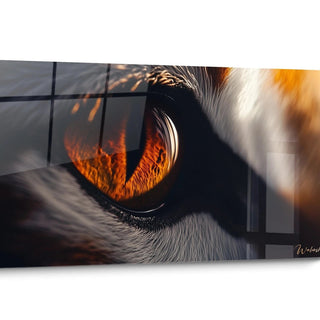 Animal Eye6
artworks
Animal Eye6
artworks
-
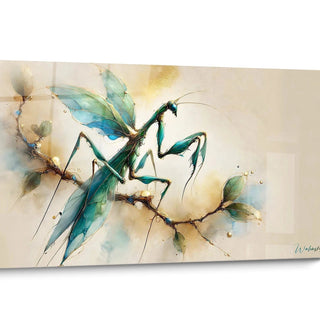 Insect5
artworks
Insect5
artworks
-
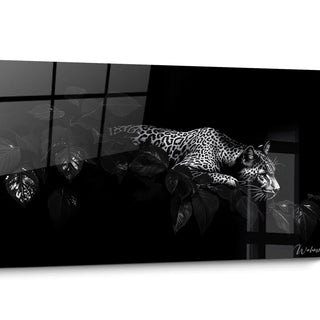 Jaguar6
artworks
Jaguar6
artworks
-
 Kangaroo100
artworks
Kangaroo100
artworks
-
 Koala18
artworks
Koala18
artworks
-
 Llama107
artworks
Llama107
artworks
-
 Rabbit15
artworks
Rabbit15
artworks
-
 Lemur3
artworks
Lemur3
artworks
-
 Dragonfly4
artworks
Dragonfly4
artworks
-
 Unicorn62
artworks
Unicorn62
artworks
-
 Lion193
artworks
Lion193
artworks
-
 Lion Cub4
artworks
Lion Cub4
artworks
-
 Lioness6
artworks
Lioness6
artworks
-
 Wolf13
artworks
Wolf13
artworks
-
 Otter6
artworks
Otter6
artworks
-
 Lynx7
artworks
Lynx7
artworks
-
 Puffin2
artworks
Puffin2
artworks
-
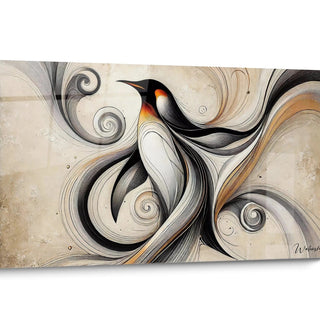 Penguin10
artworks
Penguin10
artworks
-
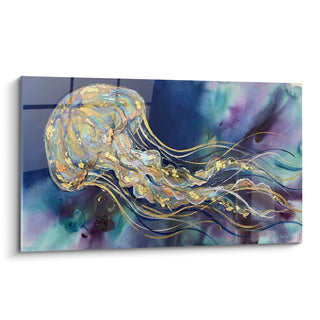 Jellyfish17
artworks
Jellyfish17
artworks
-
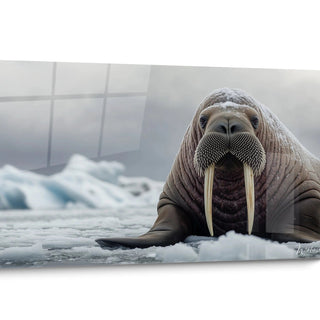 Morse3
artworks
Morse3
artworks
-
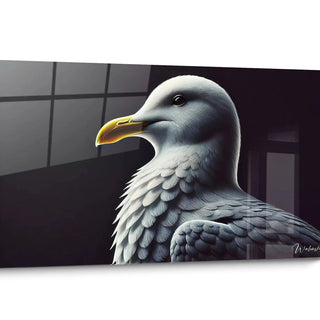 Seagull4
artworks
Seagull4
artworks
-
 Mold14
artworks
Mold14
artworks
-
 Sheep6
artworks
Sheep6
artworks
-
 Narwhal66
artworks
Narwhal66
artworks
-
 Ocelot3
artworks
Ocelot3
artworks
-
 Birds15
artworks
Birds15
artworks
-
 Orangutan10
artworks
Orangutan10
artworks
-
 Orca28
artworks
Orca28
artworks
-
 Brown Bear334
artworks
Brown Bear334
artworks
-
 Polar Bear289
artworks
Polar Bear289
artworks
-
 Sea Urchin9
artworks
Sea Urchin9
artworks
-
 Giant Panda69
artworks
Giant Panda69
artworks
-
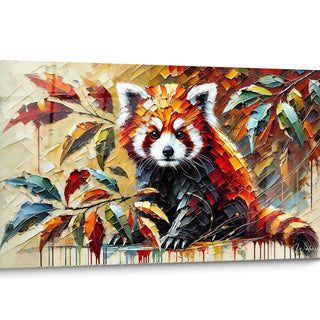 Red Panda11
artworks
Red Panda11
artworks
-
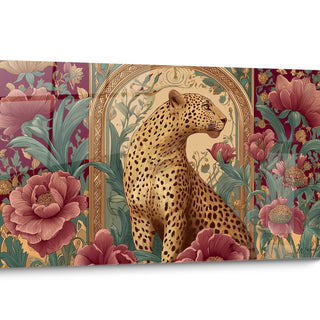 Panther19
artworks
Panther19
artworks
-
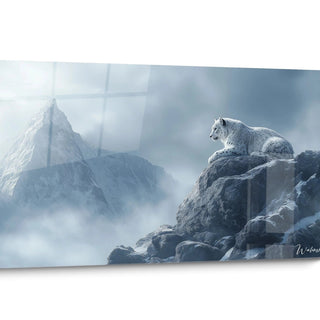 Snow Leopard8
artworks
Snow Leopard8
artworks
-
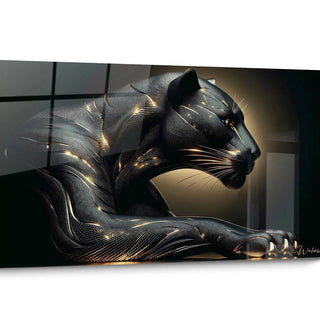 Black Panther10
artworks
Black Panther10
artworks
-
 Peacock128
artworks
Peacock128
artworks
-
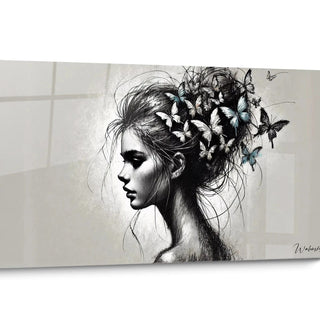 Butterfly14
artworks
Butterfly14
artworks
-
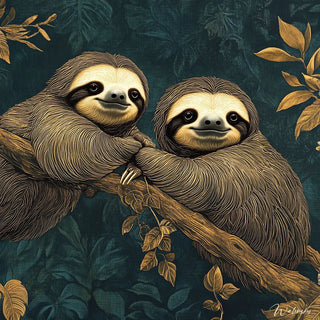 Lazy Sloth3
artworks
Lazy Sloth3
artworks
-
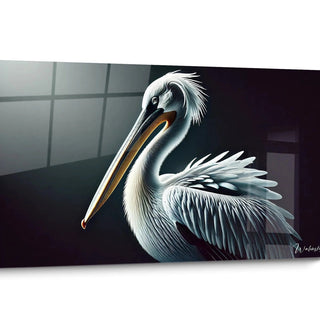 Pelican3
artworks
Pelican3
artworks
-
 Parrot211
artworks
Parrot211
artworks
-
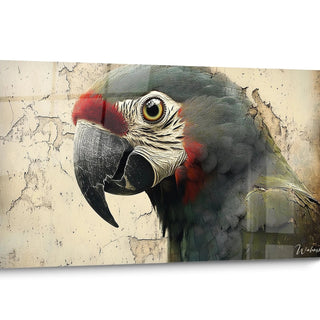 Parakeet5
artworks
Parakeet5
artworks
-
 Seal5
artworks
Seal5
artworks
-
 Pigeon10
artworks
Pigeon10
artworks
-
 Penguin274
artworks
Penguin274
artworks
-
 Feather60
artworks
Feather60
artworks
-
 Fish18
artworks
Fish18
artworks
-
 Betta Fish12
artworks
Betta Fish12
artworks
-
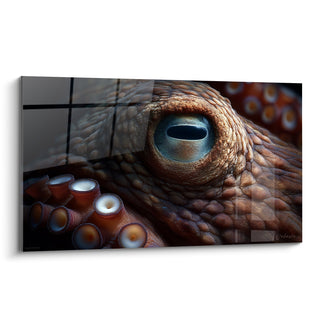 Octopus59
artworks
Octopus59
artworks
-
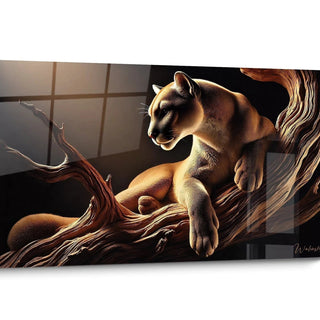 Puma3
artworks
Puma3
artworks
-
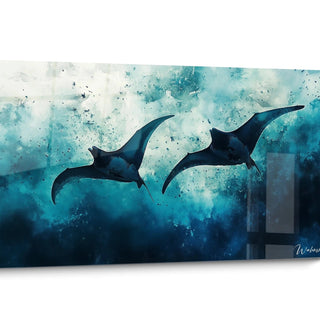 Manta Ray67
artworks
Manta Ray67
artworks
-
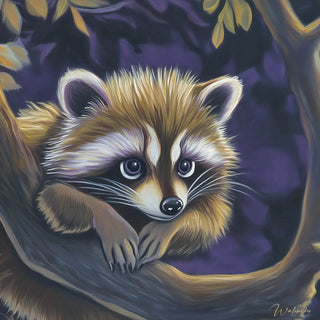 Raccoon2
artworks
Raccoon2
artworks
-
 Fox141
artworks
Fox141
artworks
-
 Shark126
artworks
Shark126
artworks
-
 Rhinoceros21
artworks
Rhinoceros21
artworks
-
 Salamander14
artworks
Salamander14
artworks
-
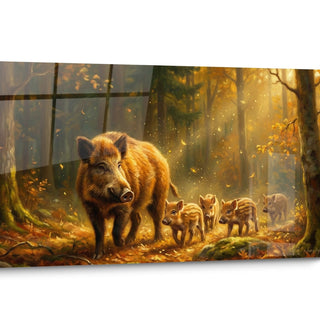 Wild Boar15
artworks
Wild Boar15
artworks
-
 Scarab73
artworks
Scarab73
artworks
-
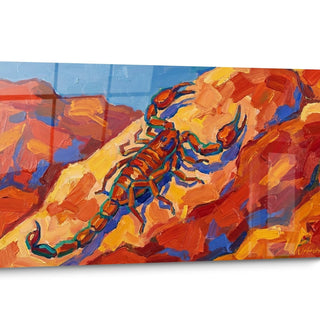 Scorpion9
artworks
Scorpion9
artworks
-
 Serpent102
artworks
Serpent102
artworks
-
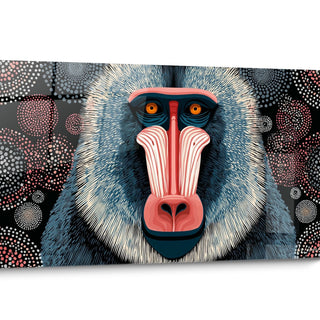 Monkey14
artworks
Monkey14
artworks
-
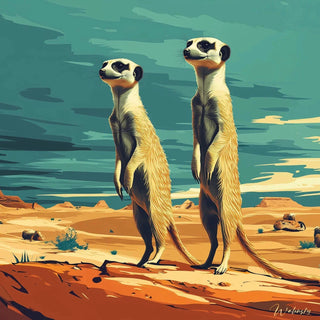 Meerkat1
artwork
Meerkat1
artwork
-
 Tapir52
artworks
Tapir52
artworks
-
 Armadillo3
artworks
Armadillo3
artworks
-
 Bull281
artworks
Bull281
artworks
-
 Tiger316
artworks
Tiger316
artworks
-
 Sea Turtle18
artworks
Sea Turtle18
artworks
-
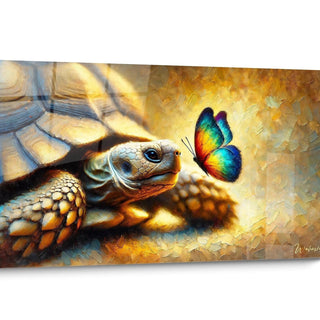 Terrestrial Turtle14
artworks
Terrestrial Turtle14
artworks
-
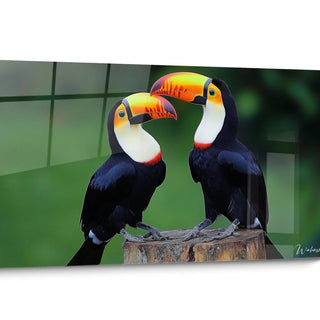 Toucan7
artworks
Toucan7
artworks
-
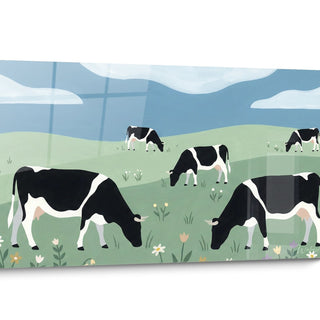 Cow9
artworks
Cow9
artworks
-
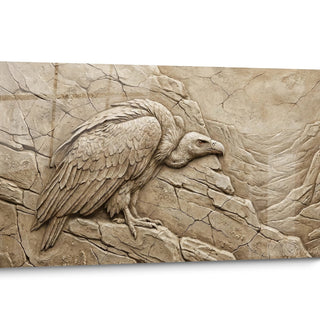 Vulture5
artworks
Vulture5
artworks
-
 Zebra49
artworks
Zebra49
artworks


All about Camel Wall Art
- Camel Wall Art Presentation
- Camel Paintings Oriental Decor
- Camel Art Desert Symbolism
- Camel Paintings Exotic Trends
Camel wall paintings represent an exceptional decorative choice for those seeking to bring exotic flair and Oriental elegance to their interior spaces. These large-format mural artworks capture the majestic essence of the "ship of the desert" and instantly transform any space into a captivating visual oasis. Whether you're an ethnic art enthusiast, passionate about desert wildlife, or simply searching for a statement piece for your living room, our camel paintings combine striking aesthetics with rich symbolism. Discover how these large-scale camel artworks can elevate your interior décor, bring a warm ambiance inspired by distant lands, and create a compelling focal point in your living space. Explore our collection of animal paintings to find the perfect piece that matches your decorative vision.
Camel Wall Art: Nomadic Art for Authentic Oriental Décor
Camel paintings represent far more than simple wall decoration - they embody the very essence of travel, adventure, and millennia-old Eastern traditions. These large-format artistic works capture the soul of the desert and the nobility of this emblematic animal, instantly transforming your interior into a space infused with refined exoticism.
Why are camel paintings perfect for an Oriental ambiance?
The authenticity of a camel wall painting lies in its ability to visually transport you to the infinite expanses of golden dunes. Unlike other animal artworks, camel paintings immediately evoke a specific geographical and cultural context. These majestic representations harmonize perfectly with Moroccan, Egyptian, or Middle Eastern-inspired décor, creating visual cohesion impossible to achieve with other artworks.
Camel painting enthusiasts seek this immersion into the nomadic universe, where each silhouette of a caravan traversing the horizon tells an ancestral story. The decorative impact of a large camel painting far exceeds that of other wall artworks thanks to the imposing yet elegant stature of this animal, whose harmonious curves naturally create visually balanced compositions.
Integrating camel paintings into an Oriental living room
In an Oriental-inspired living room, camel paintings establish themselves as the ideal centerpiece around which to organize the entire décor. These large-format works require an appropriate viewing space, typically across from the main sofa or positioned at the room's entrance axis. Camel paintings distinguish themselves through their unique color palette - ochres, terracotta, amber, and gold - that naturally harmonizes with the warm tones favored in Oriental décor.
To maximize the visual impact of your camel painting, choose a location where natural light enhances the contrasts between the desert sky and the animal's majestic silhouette. Unlike conventional paintings, camel paintings beautifully withstand direct light exposure, with desert hues gaining depth under intense illumination, echoing the natural conditions of the depicted landscapes.
Camel paintings as symbols of travel and escape
Beyond their decorative dimension, camel paintings convey powerful symbolism linked to inner journey and resilience. As an animal adapted to the most extreme conditions, the camel represents perseverance and the capacity to overcome obstacles - inspiring values to contemplate daily in your living space.
Ethnic décor enthusiasts often choose camel paintings as the focal point of an accent wall. These large-format artworks allow you to visually anchor a meditation or reading space, creating an atmosphere conducive to introspection and mental travel. The imposing yet serene presence of the camel in these works brings a unique contemplative dimension, impossible to replicate with other animal representations.
Ideal decorative combinations with camel paintings
Camel paintings pair particularly well with specific decorative elements that enhance their visual impact. Berber rugs with geometric patterns, worked leather poufs, perforated metal lighting fixtures, or hand-hammered copper objects create perfect stylistic cohesion with these artworks. For a harmonious arrangement, favor natural materials like rattan, bamboo, or woven fibers that echo the authenticity of camel paintings.
An emerging trend involves creating a thematic gallery wall around a large central camel painting, complemented by smaller desert landscape photographs. This composition, exclusive to camel paintings, allows you to tell a complete visual story, impossible to achieve with other animal themes.
Adapting camel paintings to contemporary interiors
Contrary to popular belief, camel paintings integrate remarkably well into minimalist contemporary spaces. Their streamlined silhouette and organic lines bring warmth and soul to sometimes overly clinical spaces. In an interior with neutral tones, a large-format camel painting instantly becomes the focal point, introducing just the right amount of exoticism without overwhelming the overall aesthetic.
For modern spaces, prioritize camel paintings with streamlined compositions, where the animal stands out against a minimalist background. This contemporary graphic approach preserves the essence of the subject while adapting it to current aesthetic codes. Monochromatic camel paintings also represent an elegant alternative for design interiors wishing to maintain a controlled color palette.
Camel Wall Art: Desert Symbolism in Your Interior
Camel paintings embody far more than simple animal representation - they convey an entire symbolic universe linked to nomadic traditions and desert wisdom. Choosing a camel painting to adorn your interior means claiming a fragment of this ancestral mythology and inviting into your home the values of resilience and adaptation that this majestic animal represents.
The unique symbolism of camel paintings in wall art
Unlike other animal artworks, camel paintings possess particularly rich symbolic charge. The camel, often called the "ship of the desert," represents the capacity to traverse difficult periods while preserving one's inner resources - a powerful metaphor for modern life. In Eastern tradition, the camel also symbolizes patience and perseverance, highly valued qualities.
Camel paintings distinguish themselves through their unique ability to simultaneously evoke the freedom of vast spaces and anchoring in millennia-old traditions. This duality exists in no other type of animal artwork, making works representing camels particularly meaningful choices for those wishing to infuse significance into their interior décor.
How do camel paintings influence a room's atmosphere?
The presence of a large-format camel painting in a living space subtly transforms the overall ambiance. These artworks bring a sensation of space and horizon that visually enlarges the room. The nomadic character of the depicted subject invites mental travel and escape, creating a psychologically soothing effect particularly welcome in our often-confined urban environments.
Camel paintings distinguish themselves through their specific color palette inspired by desert landscapes - ochres, Sienna earth, golds, and the deep blues of the Saharan sky. These color harmonies, unique to camel paintings, influence the luminous ambiance of the entire room, naturally warming the atmosphere even in poorly lit or north-facing spaces.
Style variations exclusive to camel paintings
The camel iconography offers a richness of representations impossible to find in other animal artworks. Several characteristic styles are distinguished: Bedouin-inspired camel paintings that stage caravans crossing desert vastness; more graphic and streamlined representations that isolate the animal's emblematic silhouette; or ethnic compositions incorporating geometric patterns and traditional Berber or Tuareg symbols.
For contemporary art enthusiasts, certain camel paintings offer modern reinterpretations where the animal becomes almost abstract, reduced to a few essential lines while retaining its evocative power. This stylistic versatility constitutes a major asset of camel paintings, allowing their integration into highly varied decorative universes, from the most traditional to the most avant-garde.
Optimal placement of camel paintings according to space geometry
Camel paintings, typically featuring horizontal and panoramic formats, suit large walls perfectly, such as those behind a sofa or in a dining room. The horizon line present in most camel paintings creates a spatial extension effect that balances rooms with difficult proportions.
In spaces with high ceilings, choose a vertical camel painting that accentuates the room's natural elevation. For corridors or transition spaces, narrower-format camel paintings staging a moving caravan naturally reinforce passage dynamics and guide the eye toward the next room - an effect impossible to achieve with more static subjects.
Seasonal influence on camel painting perception
A fascinating aspect of camel paintings lies in their interaction with seasonal lighting variations. In winter, their warm tones naturally compensate for reduced luminosity and bring a welcome sensation of warmth. In summer, these same camel paintings establish a visual connection with the sunny exterior, creating harmonious continuity between indoors and outdoors.
This seasonal adaptability, unique to camel paintings, makes them particularly durable and lasting decorative investments. Unlike other themes that might appear out of sync depending on the time of year, camel paintings maintain their visual relevance and emotional impact regardless of season.
Camel Wall Art: New Exotic Trends in Contemporary Décor
Camel paintings are currently experiencing spectacular renewal in the high-end interior décor world. This renaissance is explained by the growing quest for authenticity and visual escape in our contemporary interiors. Camel paintings, with their unique evocative power, perfectly answer this aspiration by instantly transporting to distant horizons and ancestral traditions.
The emergence of neo-Orientalism and camel paintings
The neo-Orientalist movement currently influencing major decorative trends has propelled camel paintings to the forefront of interior architects' decorative choices. Unlike traditional representations, contemporary camel paintings play with striking contrasts, unexpected framings, or innovative graphic treatments that reinvent this classic subject to adapt it to current aesthetic sensibilities.
Camel paintings stand out in this trend through their unique ability to combine exoticism with a certain graphic restraint. Where other Oriental motifs can quickly appear overloaded, the camel's elegant and streamlined silhouette offers this touch of elsewhere while maintaining a sobriety that integrates perfectly into contemporary minimalist interiors.
XXL formats specific to camel paintings
A striking trend concerns the spectacular formats adopted by current camel paintings. Extra-wide panoramic dimensions, sometimes exceeding two meters, allow capturing the vastness of desert landscapes and these animals' majesty. These XXL camel paintings establish themselves as true artistic installations that radically transform a space.
This monumental approach particularly suits camel paintings, as the animal itself and its natural environment evoke grandeur and space. Contemporary interiors with large bare wall surfaces provide the ideal setting for these spectacular artworks that instantly create an impressive focal point and striking visual depth.
What new artistic techniques are applied to camel paintings?
Technical innovation has considerably enriched the range of available camel paintings today. High-definition digital printing processes now allow capturing photographic detail of unequaled precision, such as coat texture or particular reflections of desert light on the animal's silhouette - subtleties impossible to reproduce with traditional techniques.
Concurrently, certain contemporary artists explore mixed approaches for their camel paintings, combining photography, digital painting, and textured material inlays that recall sand or nomadic textiles. These multi-technique camel paintings offer an immersive visual and tactile experience that transforms simple wall decoration into a true experiential art piece.
Specific lighting recommended for camel paintings
Optimal display of a camel painting requires particular attention to lighting. Unlike other wall artworks, camel paintings benefit from directional lighting that accentuates relief and creates shadow play recalling natural desert light. Adjustable spotlights with warm color temperature (2700-3000K) ideally reproduce the lighting conditions of depicted scenes.
An emerging trend involves installing variable-intensity lighting systems specifically for camel paintings, allowing you to modify ambiance according to times of day. This light modulation brings the painting to life differently, evoking either desert dawn or flamboyant sunset - an immersive experience impossible with other artwork types.
FAQ about Camel Paintings
What is the best height to hang a camel painting in a modern living room?
For a large-format camel painting, the artwork's center should ideally be positioned at eye level, approximately 160-165 cm from the floor. However, in spaces with particularly high ceilings, camel paintings can be placed slightly higher to create visual balance with the architecture. The essential point is that the represented horizon in the camel painting should not be too far from your natural eye-level horizon.
Are camel paintings suitable for streamlined Scandinavian interiors?
Surprisingly, camel paintings integrate perfectly into Scandinavian interiors through the harmonious contrast they create. Their warm palette naturally warms the coldness sometimes felt in very streamlined Nordic décor. For successful integration, prioritize camel paintings with minimalist graphic lines and slightly desaturated tones that will harmonize with Scandinavian aesthetics while bringing this sought-after touch of elsewhere.
How to properly maintain a large-format camel painting?
Large-format camel paintings require specific maintenance to preserve their visual qualities. Regular dusting using a soft-fiber duster is recommended, avoiding any direct surface contact. For camel paintings displayed in bright rooms, anti-UV treatment can be applied every two years to prevent alteration of the ochre and sand tones particularly sensitive to ultraviolet rays.
L'art qui suscite l'envie
Maison belge d'art mural grand format
14 jourspour changer d'avis*
Protection Walenskyincluse
Fabriquéen Italie
FormatXXL
Kit de fixationtoujours fourni
* Hors tableaux personnalisés et tailles personnalisées


