


Figurative Abstract Paintings
Our figurative abstract paintings blend the power of figuration with the mystery of abstraction. These artworks evoke visual narratives while leaving room for imagination. With subtle forms and blurred contours, each painting invites personal interpretation, transforming your space into both an artistic and intriguing environment. Explore the boundary between realism and modern abstraction.
 The Blooming Muses Painting - Abstract Figurative Edition273,90 €
 Abstract Female Face Painting - Orange Violet Fusion - Figurative Abstract Edition273,90 €
 Female Oceanic Face Painting - Mystic Undine - Figurative Abstract Edition273,90 €
 Feminine Face Canvas - Colorful Explosion - Abstract Figurative Edition273,90 €
 Woman Portrait Canvas Colorful - Expressive Vibrations - Abstract Figurative Edition273,90 €
 Woman Profile Elegant Canvas - Golden Symphony - Abstract Figurative Edition273,90 €
 Feminine Face Canvas - Modern Gaze - Abstract Figurative Edition273,90 €
 Woman Portrait Abstract Canvas - Colorful Expression - Abstract Figurative Edition273,90 €
 Fragmented Face Canvas - Pixelated Metamorphosis - Abstract Figurative Edition273,90 €
 Abstract Couple Painting - Harmony of Souls - Figurative Abstract Edition273,90 €
 Female Face Painting - Fragmented Mosaic - Figurative Abstract Edition273,90 €
 Woman Graffiti Painting - Colorful Urban Expression - Figurative Abstract Edition273,90 €
 Masked Eyes Painting - Mysterious Gaze - Figurative Abstract Edition242,90 €
 Cosmic Female Face Painting - Celestial Contemplation - Figurative Abstract Edition242,90 €
 Woman with Turquoise Hair Painting - Aquatic Elegance - Figurative Abstract Edition228,90 €
 Female face painting - Modern duality - abstract figurative edition228,90 €
 Mystical face third eye painting - Golden Oracle - abstract figurative edition228,90 €
 Woman silhouette colorful tree painting - Autumn contemplation - abstract figurative edition228,90 €
 Contemplative silhouette painting at sunset - Colorful reflection - abstract figurative edition228,90 €
 Golden Mechanical Artwork - Abstract Figurative Edition273,90 €
 The Art in Transition Painting - Abstract Figurative Edition273,90 €
 Intertwined Essences Wall Art - Figurative Abstract Edition273,90 €
 Between Two Worlds Wall Art - Figurative Abstract Edition273,90 €
In the same family
Also explore the theme Abstract
-
 View all4182
artworks
View all4182
artworks
-
 Abstract123
artworks
Abstract123
artworks
-
 Colorful Abstract153
artworks
Colorful Abstract153
artworks
-
 Blue marble abstract7
artworks
Blue marble abstract7
artworks
-
 Black and Gold Abstract10
artworks
Black and Gold Abstract10
artworks
-
 Abstract Scraped Style9
artworks
Abstract Scraped Style9
artworks
-
 Abstract Architecture517
artworks
Abstract Architecture517
artworks
-
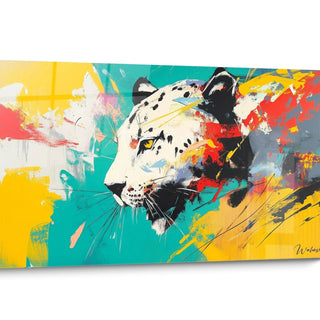 Abstract Artistic319
artworks
Abstract Artistic319
artworks
-
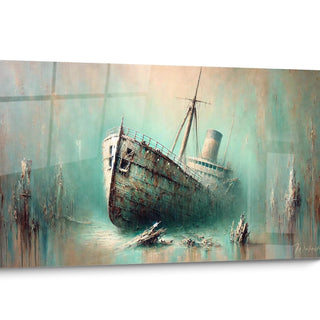 Abstract Boat228
artworks
Abstract Boat228
artworks
-
 Abstract Seaside39
artworks
Abstract Seaside39
artworks
-
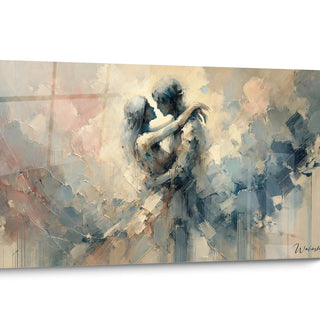 Abstract Body73
artworks
Abstract Body73
artworks
-
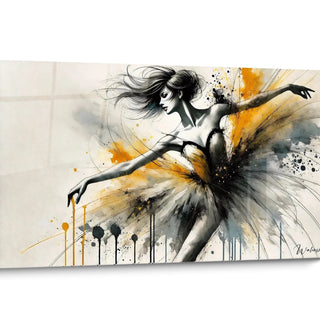 Abstract Dancer305
artworks
Abstract Dancer305
artworks
-
 Abstract Flower90
artworks
Abstract Flower90
artworks
-
 Geometric392
artworks
Geometric392
artworks
-
 Abstract Marble169
artworks
Abstract Marble169
artworks
-
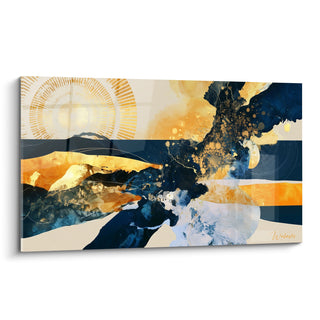 Modern Abstract106
artworks
Modern Abstract106
artworks
-
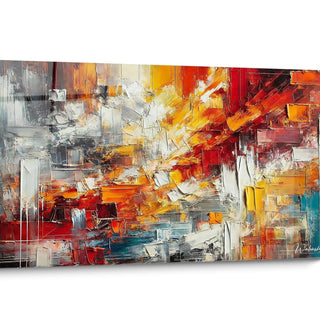 Contemporary Multicolour36
artworks
Contemporary Multicolour36
artworks
-
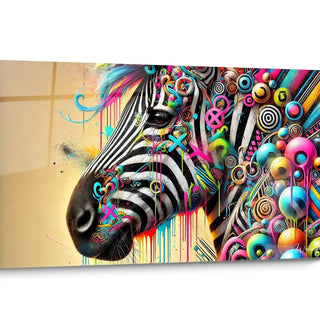 Multicolor Abstract224
artworks
Multicolor Abstract224
artworks
-
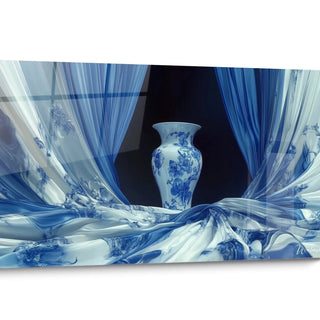 Abstract Still Life9
artworks
Abstract Still Life9
artworks
-
 Painting (style)638
artworks
Painting (style)638
artworks
-
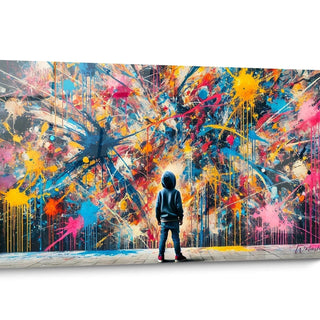 Abstract Pop Art5
artworks
Abstract Pop Art5
artworks
-
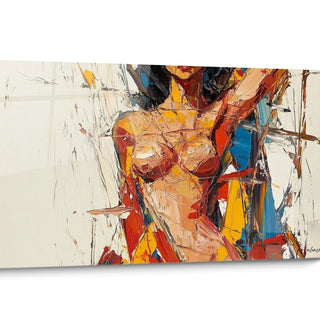 Sensual Abstract16
artworks
Sensual Abstract16
artworks
-
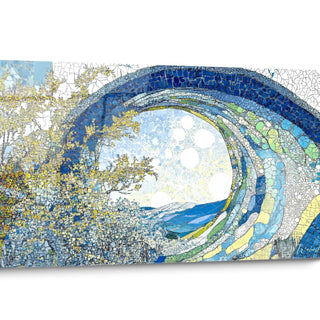 Abstract Spirals141
artworks
Abstract Spirals141
artworks
-
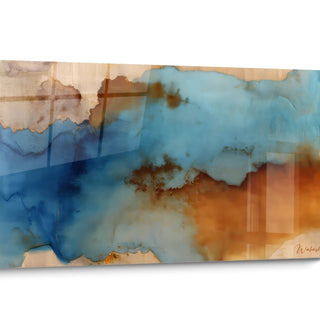 Textured Abstract39
artworks
Textured Abstract39
artworks
-
 Abstract Face508
artworks
Abstract Face508
artworks


All about Figurative Abstract Paintings
- Overview Figurative Abstract Wall Art
- Figurative Abstract Artistic Fusion
- Figurative Abstract Emotional Expression
- Figurative Abstract Contemporary Decor
Discover the fascinating world of figurative abstract wall art, a unique form of artistic expression that blends recognizable figurative elements with the creative freedom of abstraction. These singular artworks transform your interior space by creating a visual dialogue between reality and imagination.
Figurative abstract paintings distinguish themselves through their ability to merge two seemingly opposing artistic worlds. At the boundary between representation and interpretation, these creations offer incomparable visual depth that stimulates imagination while maintaining a connection to the tangible world. Their hybrid nature makes them particularly versatile pieces in modern interior design.
More than simple wall decoration, an abstract painting with figurative elements becomes a focal point that energizes your interior atmosphere. Its ability to provoke multiple interpretations creates a renewed visual experience day after day, offering lasting artistic value that transcends fleeting trends.
In the following sections, we will explore the distinctive characteristics of these artworks, their unique emotional impact, and their integration into contemporary spaces. Whether you are a passionate collector or simply seeking a striking piece to transform your interior, you will discover why figurative abstract paintings represent an incomparable choice for modern living spaces.
The Artistic Fusion of Figurative Abstract Wall Art
Figurative abstract paintings represent an exceptional artistic convergence where recognizable elements blend into unconventional compositions. This creative duality enables viewers to establish an immediate personal connection while exploring unprecedented visual territories, a characteristic exclusive to this form of expression.
How to recognize an authentic figurative painting abstrait?
The visual signature of a figurative abstract painting rests on its ability to maintain a delicate balance between recognition and mystery. Unlike purely figurative or abstract artworks, these creations present identifiable silhouettes or forms that emerge from unconventional backgrounds, creating a distinctive visual tension between the concrete and the imaginary.
These artworks stand out through their subtle transitions between recognizable elements and zones of free expression. A face may dissolve into splashes of color, or a human silhouette may emerge from controlled chromatic chaos. This fluidity between representation and abstraction creates a dynamic visual experience impossible to reproduce in other artistic styles.
The semi-figurative technique: between precision and freedom
Artists of figurative abstract paintings master a hybrid technical approach that combines the rigor of figurative drawing with the spontaneity of abstract expression. This unique method requires a deep understanding of both artistic disciplines:
- Intentional deconstruction of recognizable forms
- Juxtaposition of methodical and gestural techniques
- Use of chromatic contrasts to distinguish figurative and abstract zones
- Application of translucent layers creating narrative depth
This dual approach requires exceptional technical mastery, demanding that the artist constantly navigate between control and creative abandonment. The result is a layered artwork where each figurative element serves as an anchor point in a broader visual exploration.
What is the influence of artistic movements on contemporary figurative abstract paintings?
Today's figurative abstract paintings draw inspiration from several major artistic movements while creating their own contemporary visual language. Francis Bacon's figurative expressionism, Picasso's cubist deconstruction, and Kandinsky's lyrical abstraction converge in these modern artworks to create a rich intergenerational dialogue.
Contemporary artists develop this hybrid style by also integrating digital and photographic influences, thus creating a visual tension between traditional methods and modern sensibilities. This temporal fusion gives figurative abstract paintings unique cultural relevance in the current artistic landscape.
The multidimensional perception of semi-figurative works
The visual impact of a figurative abstract painting evolves with viewing distance, offering a transformative visual experience unique to this style. Up close, technical details and expressive brushstrokes dominate, while from a distance, figurative elements emerge more clearly, revealing the overall composition.
This characteristic creates an artwork that constantly renews itself based on the observer's position and lighting conditions. A large-format figurative abstract painting thus offers an immersive experience that changes with time and perspective, unlike purely figurative or abstract works that maintain a more constant visual identity.
The inherent duality of figurative abstract paintings also stimulates different brain regions simultaneously – those responsible for shape recognition and those linked to abstract aesthetic appreciation – creating an enriched neurological experience that few other art forms can reproduce.
Investing in contemporary hybrid art
The market for figurative abstract paintings experiences consistent appreciation, these artworks representing a judicious artistic investment for several reasons. Their hybrid nature grants them superior aesthetic longevity compared to more specific trends, while their visual complexity assures lasting interest transcending fleeting fashions.
For collectors, these artworks offer the unique advantage of integrating into diverse collections, dialoguing equally well with figurative pieces and abstract works. This curatorial versatility increases their long-term value and desirability in the secondary market.
Large-format figurative abstract paintings constitute particularly strategic investments, their architectural presence radically transforming residential and commercial spaces. This ability to become indispensable focal points ensures their growing value in contemporary interiors.
The Unique Emotional Expression of Figurative Abstract Wall Art
Figurative abstract paintings possess a distinctive emotional language that transcends the expressive limitations of purely figurative or abstract styles. This artistic hybridization generates a profound and multidimensional psychological impact, creating an emotional resonance impossible to reproduce in other forms of visual expression.
Emotional duality as artistic signature
The truly revolutionary aspect of figurative abstract paintings resides in their ability to simultaneously provoke contradictory emotional reactions. The figurative element establishes an immediate and recognizable connection that activates our emotional memory, while the abstract component stimulates more instinctive and primal feelings.
This juxtaposition creates a productive psychological tension where the familiar and the unknown coexist, generating a richly layered contemplative experience. Unlike purely figurative artworks that direct emotion toward a specific interpretation, or abstract creations that leave emotion entirely open, the figurative abstract painting subtly guides while preserving interpretive autonomy.
Why do figurative abstract paintings create a deeper emotional connection?
Modern neuroscience reveals that figurative abstract paintings simultaneously stimulate multiple brain regions, creating an enriched neurological experience. This multiple activation generates a more complex and personalized emotional response than that provoked by stylistically homogeneous artworks:
- Engagement of brain regions linked to facial and body recognition
- Simultaneous activation of abstract processing centers and aesthetic appreciation
- Stimulation of personal memories associated with figurative elements
- Creation of new neural connections through integration of disparate elements
This enriched neurological dialogue explains why many people report an immediate yet evolving emotional connection with figurative abstract paintings, these artworks offering an experience that renews with each observation.
The expressive spectrum of hybrid representations
Figurative abstract paintings possess an extraordinarily vast expressive range thanks to their dual nature. A human silhouette partially dissolved in a torrent of colors can simultaneously evoke the fragility of identity and the transformative power of emotions – a narrative complexity impossible to achieve in a purely figurative or abstract work.
This expressive versatility enables large-format figurative abstract paintings to radically transform the emotional atmosphere of a space. Their architectural presence creates an emotional field that subtly influences social interactions and individual states of mind in residential or professional environments.
Evolving interpretation as distinctive feature
Unlike figurative artworks whose emotional message remains relatively constant, figurative abstract paintings reveal different expressive dimensions depending on the observer's emotional state. This reflective quality transforms these paintings into complex emotional mirrors that actively dialogue with the viewer's psyche.
This characteristic makes figurative abstract paintings particularly judicious choices for evolving spaces such as family residences or creative work environments. Their ability to emotionally accompany life transitions grants them lasting relevance that few other artistic styles can match.
Non-linear narration in semi-figurative art
Figurative abstract paintings introduce a unique form of non-linear visual narration in the contemporary artistic landscape. Rather than a sequential story, these artworks present interconnected narrative fragments that invite the observer to construct their own narrative interpretation.
This interactive quality transforms passive observation into active exploration, establishing a dynamic relationship between the artwork and its audience. For contemporary spaces privileging intellectual and emotional engagement, this participatory dimension makes figurative abstract paintings particularly valuable additions.
In sophisticated residential interiors, large-format figurative abstract paintings thus become catalysts for conversation and personal reflection, enriching daily experience far beyond their simple decorative value.
Integration of Figurative Abstract Paintings in Contemporary Decor
Figurative abstract paintings occupy a privileged position in contemporary interior architecture thanks to their exceptional decorative versatility. Their hybrid nature enables them to transcend the stylistic constraints that often limit other forms of wall art, creating unique integration possibilities in modern spaces.
Chromatic adaptability as exclusive advantage
The intrinsic duality of figurative abstract paintings grants them remarkable chromatic flexibility that purely figurative or abstract artworks do not possess. Their complex composition typically integrates an extended palette that establishes subtle visual dialogues with different surrounding decorative elements.
This characteristic enables large figurative abstract paintings to serve as chromatic pivots in interior design, harmonizing disparate elements into a coherent whole. Unlike mono-stylistic artworks that often impose a decorative direction, these hybrid creations integrate naturally while bringing distinctive visual depth.
How to position a figurative abstract painting in different architectural spaces?
Optimal integration of a figurative abstract painting varies depending on architectural configuration and space function. In contemporary minimalist environments, these artworks fully deploy their visual complexity by serving as dynamic counterpoints to streamlined surfaces:
- In open spaces, large formats create visually rich transitional zones
- On monochromatic walls, they introduce narrative depth without disturbing spatial serenity
- In angular architectural configurations, their organic forms soften strict geometry
- Facing large windows, they establish a dialogue between interior and exterior landscapes
Unlike traditional figurative artworks that often require conventional positioning, figurative abstract paintings can be installed at varying heights or even in non-standard configurations, offering exceptional curatorial freedom.
The architectural dimension of large-format paintings
Large-format figurative abstract paintings transcend their status as decorative objects to become true architectural elements that redefine spatial perception. Their imposing presence creates focal points that subtly influence circulation and sensory experience in the surrounding space.
In contemporary interiors with high ceilings, these large-format works exploit verticality to create a sense of elevation and amplitude. This transformative quality makes figurative abstract paintings particularly relevant investments for residential and commercial spaces seeking to create a memorable impression.
The distinctive light interaction of semi-figurative works
The textural complexity inherent to figurative abstract paintings generates sophisticated light interactions impossible to reproduce with other artistic styles. Figurative and abstract elements react differently to natural and artificial light, creating an artwork that evolves visually throughout the day.
This transformative quality energizes interior spaces by introducing subtle yet constant variation in the visual environment. For contemporary residences privileging enriched sensory experiences, this interactive dimension represents a major decorative asset.
What are the ideal spatial configurations to showcase a figurative abstract painting?
The visual impact of a figurative abstract painting reaches its peak in spatial configurations allowing observation from different distances. Transitional spaces such as spacious entryways, staircase landings, or circulation zones between open rooms offer the multiplicity of perspectives necessary for complete appreciation of these complex artworks.
In these configurations, the observer naturally discovers different dimensions of the artwork during daily movements, transforming habitual experience into renewed artistic exploration. This evolving quality grants figurative abstract paintings particularly precious aesthetic durability in contemporary interiors.
FAQ on Figurative Abstract Paintings
What is the essential difference between a figurative abstract painting and a purely abstract artwork?
A figurative abstract painting maintains recognizable elements (figures, objects, landscapes) but integrates them into a composition that also utilizes the expressive freedoms of abstraction. Conversely, a purely abstract artwork abandons any direct reference to the visible world to concentrate solely on form, color, and texture as means of expression.
How to properly maintain a large-format figurative abstract painting?
Large-format figurative abstract paintings require specific maintenance including regular dusting with non-abrasive tools, positioning avoiding prolonged direct UV exposure, and maintaining stable humidity levels in the environment. For textured artworks, it is recommended to consult a professional conservator for thorough cleaning every 3-5 years.
Do figurative abstract paintings suit all interior decorative styles?
Thanks to their hybrid nature, figurative abstract paintings integrate harmoniously into a variety of decorative styles ranging from minimalist contemporary to eclectic maximalist. Their exceptional versatility enables them to establish visual dialogues with very different design elements, though they find optimal expression in environments that value contrast and visual depth.
Further reading
Our articles on this topic
- Abstract or Figurative Artwork: Which One to Choose for Your Interior?
- Large-format figurative abstract painting above the bed: the complete guide
- Figurative Art Prints: The Art of Representing the World Accurately
- Are Abstract Paintings Easier to Integrate Than a Specific Figurative Style?
- Figurative art revisited: the return of stylized faces and silhouettes
- Abstract Art and the Unconscious: The Secret Language of Non-Figurative Paintings
L'art qui suscite l'envie
Maison belge d'art mural grand format
14 jourspour changer d'avis*
Protection Walenskyincluse
Fabriquéen Italie
FormatXXL
Kit de fixationtoujours fourni
* Hors tableaux personnalisés et tailles personnalisées


