


Cycling Painting
The Cycling Paintings collection brings together canvases where the bicycle tells its story in all its forms: silhouette launched into the mist of the hills, vintage frame patinated against a stone wall, or city bike loaded with flowers for a dream getaway. Between country nostalgia and suspended speed, these cycling paintings capture both the effort of the athlete and the sweetness of a forgotten object. A collection for those who love movement, the road and the breath of fresh air.
 Tableau Vélo bleu pastel sur route de campagne - Échappée matinale - Edition Cyclisme242,90 €
 Tableau Cycliste solitaire sur route orangée et verte - Échappée automnale - Edition Cyclisme273,90 €
 Tableau Cycliste rose et bleu aux collines lointaines - Éclaboussure de peinture - Edition Cyclisme273,90 €
 Tableau Vélo bleu pastel aux sacoches fleuries - Escapade fleurie - Edition Cyclisme273,90 €
 Tableau Cycliste ocre aux traînées anthracite - Élan fulgurant - Edition Cyclisme273,90 €
 Tableau Cycliste argenté sur fond noir profond - Vitesse fulgurante - Edition Cyclisme273,90 €
 Tableau Vélo lumineux noir et blanc filaments - Vitesse suspendue - Edition Cyclisme273,90 €
 Tableau Vélo noir aux éclaboussures orangées - Élan urbain - Edition Cyclisme273,90 €
 Tableau Vélo noir et orange aux éclaboussures d'encre - Selle blanche détaillée - Edition Cyclisme273,90 €
 Tableau Vélo bleu pastel aux selles cognac - Pause matinale - Edition Cyclisme273,90 €
 Tableau Cycliste bleu aux éclats violets et oranges - Sprint en fleurs - Edition Cyclisme273,90 €
 Tableau Vélo noir et blanc à touches grises - Course figée - Edition Cyclisme273,90 €
 Tableau Vélo blanc et jaune contre végétation sauvage - Herbes sèches dorées - Edition Cyclisme273,90 €
 Tableau Cycliste silhouette noire collines brumeuses - Élan matinal - Edition Cyclisme273,90 €
 Tableau Cycliste rose et bleu en pleine accélération - Sprint final - Edition Cyclisme228,90 €
 Tableau Vélo blanc et jaune contre un mur - Souvenir oublié - Edition Cyclisme228,90 €
In the same family
Also explore the theme Sports & Leisure
-
 View all2470
artworks
View all2470
artworks
-
 Athletics27
artworks
Athletics27
artworks
-
 Rowing18
artworks
Rowing18
artworks
-
 Foosball12
artworks
Foosball12
artworks
-
 Baseball29
artworks
Baseball29
artworks
-
 Basketball23
artworks
Basketball23
artworks
-
 Billiards19
artworks
Billiards19
artworks
-
 Bowling16
artworks
Bowling16
artworks
-
 Boxing36
artworks
Boxing36
artworks
-
 Breakdance101
artworks
Breakdance101
artworks
-
 Campervan and Van Life43
artworks
Campervan and Van Life43
artworks
-
 Hunt28
artworks
Hunt28
artworks
-
 Cheerleading85
artworks
Cheerleading85
artworks
-
 Circus25
artworks
Circus25
artworks
-
 Jump Rope23
artworks
Jump Rope23
artworks
-
 Running28
artworks
Running28
artworks
-
 Cricket87
artworks
Cricket87
artworks
-
 Crossfit34
artworks
Crossfit34
artworks
-
 Dance26
artworks
Dance26
artworks
-
 Acrobatic Dance18
artworks
Acrobatic Dance18
artworks
-
 Chess97
artworks
Chess97
artworks
-
 Equestrian39
artworks
Equestrian39
artworks
-
 Climbing18
artworks
Climbing18
artworks
-
 Fencing36
artworks
Fencing36
artworks
-
 Football27
artworks
Football27
artworks
-
 Formula 115
artworks
Formula 115
artworks
-
 Golf37
artworks
Golf37
artworks
-
 Gymnastics22
artworks
Gymnastics22
artworks
-
 Jetski23
artworks
Jetski23
artworks
-
 Karate34
artworks
Karate34
artworks
-
 Karting20
artworks
Karting20
artworks
-
 Kayak27
artworks
Kayak27
artworks
-
 Kite surf127
artworks
Kite surf127
artworks
-
 MMA17
artworks
MMA17
artworks
-
 Motorcycle2
artworks
Motorcycle2
artworks
-
 Motocross78
artworks
Motocross78
artworks
-
 Bodybuilding21
artworks
Bodybuilding21
artworks
-
 Swimming22
artworks
Swimming22
artworks
-
 Paddle10
artworks
Paddle10
artworks
-
 Parachute5
artworks
Parachute5
artworks
-
 Paralympic20
artworks
Paralympic20
artworks
-
 Paragliding10
artworks
Paragliding10
artworks
-
 Ice Skating62
artworks
Ice Skating62
artworks
-
 River Fishing6
artworks
River Fishing6
artworks
-
 Ping Pong15
artworks
Ping Pong15
artworks
-
 Poker27
artworks
Poker27
artworks
-
 Underwater Diving44
artworks
Underwater Diving44
artworks
-
 Polo17
artworks
Polo17
artworks
-
 Quad110
artworks
Quad110
artworks
-
 Whitewater Rafting28
artworks
Whitewater Rafting28
artworks
-
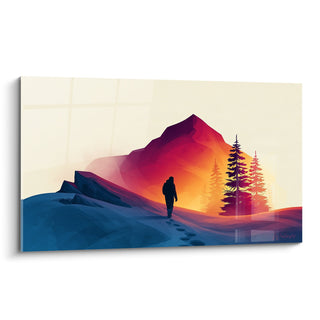 Hiking85
artworks
Hiking85
artworks
-
 Rugby104
artworks
Rugby104
artworks
-
 Skateboard131
artworks
Skateboard131
artworks
-
 Skiing32
artworks
Skiing32
artworks
-
 Water Skiing15
artworks
Water Skiing15
artworks
-
 Snowboard220
artworks
Snowboard220
artworks
-
 Surf40
artworks
Surf40
artworks
-
 Tennis26
artworks
Tennis26
artworks
-
 Shot13
artworks
Shot13
artworks
-
 Archery18
artworks
Archery18
artworks
-
 Mountain Bike50
artworks
Mountain Bike50
artworks
-
 Wingsuit4
artworks
Wingsuit4
artworks
-
 Yoga31
artworks
Yoga31
artworks


All about Cycling Painting
- Presentation Cycling Paintings
- Mist and Distance
- Memory and Patina
- Speed and Light
The Cycling Paintings collection brings together works that view the bicycle from very different angles: sometimes an everyday object weathered by the seasons, sometimes a machine of speed dissolved in mist or light. This is not a collection about sport alone, but about everything the bicycle embodies, from a leisurely ride to the effort of a cyclist launched on a ridge road.
What unites these paintings is a constant interplay between rest and movement. Some canvases show a frame motionless against a wall or a flowering hedge, while others capture a body leaning over the handlebars, absorbed by the passing landscape. This alternation gives the collection its own rhythm, between contemplation and momentum.
The palettes also vary, from pastel blues to ochre and sepia tones, to deep blacks traversed by filaments of light. This chromatic diversity allows the collection to suit both a country interior and a more graphic and contemporary living room.
It is intended for those who cherish a childhood memory linked to cycling, cycling enthusiasts sensitive to the aesthetics of effort, or simply those seeking an image that evokes freedom and an open road.
How Mist Shapes the View of These Cycling Paintings
Why do the hills disappear behind the cyclist?
In several of these cycling paintings, the mountains in the background lose their contours and blend into shades of gray. This is not a decorative choice: it reproduces the actual effect of morning fog that drowns distant reliefs in the hilly regions where road cycling developed, particularly in the European mid-mountains. This progressive dissolution of the landscape creates a depth that draws the eye to the foreground, where all the clarity of the composition is concentrated.
What does this white, diffuse light tell us?
The almost milky light that bathes these scenes evokes the cool hours of the morning, a privileged moment for cycling outings before the heat of the day. This clarity without marked shadows comes from a cloudy sky or a sun still low, typical of cycling paintings that seek to capture a suspended moment rather than a brutal action. Hung on the wall, this diffuse light brings a soft clarity to the room, without ever imposing an aggressive contrast.
Can a blurred background become the true subject?
The blur of the background in these canvases is not a technical defect but a pictorial intention inherited from landscape photography with long exposure. By letting the scenery dissolve, the artist reinforces the feeling of speed or isolation of the cyclist, depending on the scenes. This process brings these works closer to a contemplative aesthetic rather than a documentary one, where movement or stillness count more than the precise location represented.
What Rust and Faded Colors Say About These Cycling Paintings
Why so many old bikes rather than recent models?
The cycling paintings in this collection often favor bicycles with flaking frames, eaten away by a golden rust, rather than modern racing bikes. This refers to an era when the bicycle remained a family object passed down from generation to generation, parked against a farm wall or a shed, much more than a sports equipment. This visible wear transforms the object into a silent witness of the passage of time, anchoring the scene in a collective memory rather than in the actuality of contemporary cycling.
Where does this yellow and ochre dominant come from that runs through several canvases?
The mustard yellow of wildflowers and the ochre of the weathered wall recall the palette of late summer fields, when grasses dry and the grazing light gilds the facades. This warm hue, far from bright and saturated colors, establishes a nostalgic atmosphere typical of several cycling paintings in the collection. In an interior, this color range warms the space without ever falling into excess, like an old photograph found in a drawer.
Does a stationary bicycle still have something to tell us?
Unlike scenes of speed, a bicycle simply leaning against a wall captures a moment of waiting rather than action. This stillness reinforces the emotional weight of the image, as it suggests a human presence absent from the frame but guessed at through the object left behind. This type of composition, common in these cycling paintings, invites you to imagine a story rather than observe a sporting feat, which profoundly changes the way the work dialogues with the viewer's gaze.
How these cycling paintings transform movement into luminous matter
Why do some bicycles seem to be made of pure light?
Some of these cycling paintings completely abandon the natural setting to represent the bicycle as a structure of white filaments against a black background. This approach is inspired by long exposure photography techniques at night, where only the luminous trajectory remains visible while the darkness erases everything else. The result brings the bicycle closer to an almost scientific tracing, between a technical diagram and a hallucinatory vision, far from any countryside or landscape scene.
What does the deep black change in the perception of movement?
By removing any recognizable background, these compositions concentrate attention on the line of gesture and structure. The extreme contrast between absolute black and silvery white creates an immediate visual tension, very different from the hazy softness observed elsewhere in the collection. This type of cycling painting is suitable for a space where you are looking for a strong, almost graphic anchor point, rather than a soothing atmosphere.
Can speed be captured without ever moving?
The paradox of these images lies in their ability to freeze a movement that, by nature, lasts only an instant. The translucent curves of the wheels, resembling swirling petals, suggest a perpetual rotation even as the image remains perfectly static. This tension between fixity and speed recalls the futurist research of the early twentieth century on the pictorial representation of movement, here transposed to an everyday object that has become almost abstract.
FAQ about cycling paintings
Why do some of the bicycles in the collection seem old and worn rather than new and gleaming?
This aesthetic choice privileges memory over performance. A weathered frame, a worn leather saddle, or chipped paint tell the story of an object that has lived, transmitted, or forgotten, rather than a recent piece of sporting equipment. This visible wear gives these canvases an emotional charge and a narrative depth absent from a perfectly smooth and storyless bicycle.
Are these paintings suitable for someone who is not a passionate cyclist?
Yes, because several scenes are primarily aimed at nostalgia or the desire for escape rather than the sport itself. A flowered bicycle against an old wall or a lost silhouette in the mist speak as much to those who love old objects or quiet landscapes as they do to a racing or road cycling enthusiast.
What is the difference between the misty scenes and the luminous images on a black background?
The misty scenes create a soft and contemplative atmosphere, conducive to the calm of a bedroom or a peaceful living room. The luminous compositions on a dark background, on the other hand, create a strong and graphic anchor point, more suited to a space where you want a marked, almost sculptural presence, rather than a relaxing atmosphere.
L'art qui suscite l'envie
Maison belge d'art mural grand format
14 jourspour changer d'avis*
Protection Walenskyincluse
Fabriquéen Italie
FormatXXL
Kit de fixationtoujours fourni
* Hors tableaux personnalisés et tailles personnalisées


