


Cactus Wall Art
Discover our cactus wall art collection, a series of captivating mural works celebrating the raw and unique beauty of the desert. Each cactus wall art features refined forms and natural textures that evoke the resilience and elegance of this iconic plant. Ideal for bringing a touch of minimalist nature and freshness to your interior, this collection transforms your space into a modern haven inspired by arid landscapes. Perfect for lovers of botanical decor, this cactus wall art is a centerpiece for any contemporary and soothing interior.
 Abstract Vertical Stripes Wall Art Green Orange Turquoise - Forest of Colors - Cactus Edition273,90 €
 Resilient Beauty Painting - Cactus Nature Edition273,90 €
 Flowering Cacti Painting on Turquoise Background with Pink and White Blooms - Desert Garden - Cactus Edition242,90 €
 Abstract Multicolor Cacti Wall Painting - Creative Oasis - Cactus Edition273,90 €
 Cactus Painting with Steel Blue Spines and Red Flower on Patina Colored Wall - Desert Beauty - Cactus Edition273,90 €
 Red Spines Cactus on Yellow and Blue Trunks - Spiny Garden - Cactus Edition242,90 €
 Cactus with Turquoise-Blue Leaves on Cracked Ochre Wall - Desert Escape - Cactus Edition228,90 €
 Cactus with Multicolor Flowers on Bright Orange Background - Desert Blooming - Cactus Edition273,90 €
 Cactus Painting with Orange Flowers in Patinated Yellow Pot Before Turquoise Blue Shutters - Desert Radiance - Cactus Edition273,90 €
 Cactus Painting with Violet Flowers on Vibrant Orange Background - Desert Radiance - Cactus Edition273,90 €
 Cactus Painting with Fuchsia Pink Fruits on Weathered Turquoise Background - Desert Garden - Cactus Edition273,90 €
 Cactus Painting with Red Fruits and Green Pads on Bright Orange Background - Desert Brilliance - Cactus Edition273,90 €
 Red Fruit Cactus Painting on Vibrant Orange Background - Tropical Desert - Cactus Edition273,90 €
 Red Fruit Cactus Painting on Bright Orange Background - Tropical Brilliance - Cactus Edition273,90 €
 Cactus Painting with Orange and Green Tones - Desert Garden - Cactus Edition228,90 €
 Blue-Green Cactus Painting on Bright Orange Background - Modern Desert Art - Cactus Edition273,90 €
 Blue-Green Cactus Painting on Patinated Rust and Turquoise Background - Bohemian Spines - Cactus Edition273,90 €
 Blue-Green Column Cactus and Golden Succulents on Textured White Background - Desert Garden - Cactus Edition273,90 €
 Green Columnar Cactus with Red Spines - Desert Forest - Cactus Edition242,90 €
 Colorful Cactus in Bloom on Coral and Turquoise Background - Floral Explosion - Cactus Edition242,90 €
 Flowering Cactus Painting Pink Fuchsia Flowers on Vibrant Orange Background - Desert Splendor - Cactus Edition273,90 €
 Cactus Painting with Pink and Yellow Flowers on Vibrant Orange Background - Desert Radiance - Cactus Edition228,90 €
 Cactus in Bloom on Crackled Turquoise Background - Desert Flowering - Cactus Edition242,90 €
 Cactus with Purple Flowers on Orange and Turquoise Background - Vibrant Oasis - Cactus Edition228,90 €
In the same family
Also explore the theme Nature
-
 View all5000
artworks
View all5000
artworks
-
 Aloe vera94
artworks
Aloe vera94
artworks
-
 Tree64
artworks
Tree64
artworks
-
 Tree of Life50
artworks
Tree of Life50
artworks
-
 Azalea106
artworks
Azalea106
artworks
-
 Bamboo241
artworks
Bamboo241
artworks
-
 Nature's Beauties372
artworks
Nature's Beauties372
artworks
-
 Cornflower133
artworks
Cornflower133
artworks
-
 Camellia197
artworks
Camellia197
artworks
-
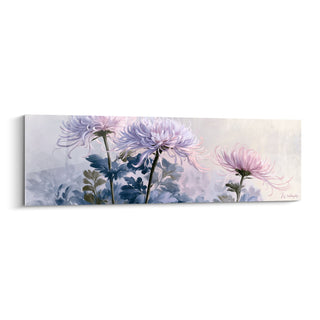 Chrysanthemum225
artworks
Chrysanthemum225
artworks
-
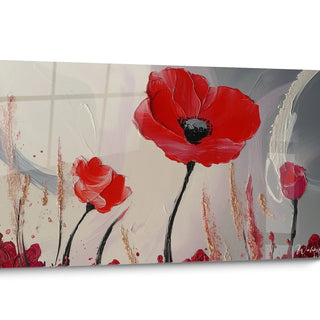 Poppy341
artworks
Poppy341
artworks
-
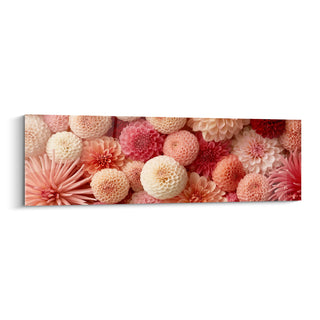 Dahlia161
artworks
Dahlia161
artworks
-
 Eucalyptus119
artworks
Eucalyptus119
artworks
-
 Banana Leaf72
artworks
Banana Leaf72
artworks
-
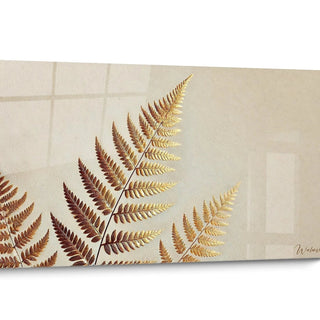 Golden Leaf2
artworks
Golden Leaf2
artworks
-
 Flower276
artworks
Flower276
artworks
-
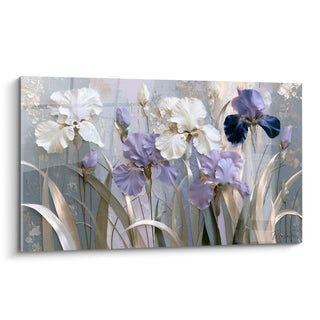 Iris Flower179
artworks
Iris Flower179
artworks
-
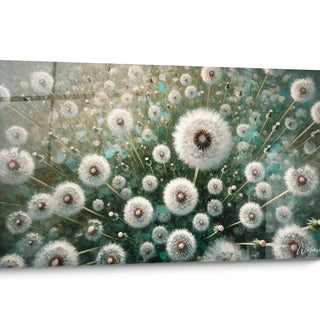 Wildflowers5
artworks
Wildflowers5
artworks
-
 Pebbles9
artworks
Pebbles9
artworks
-
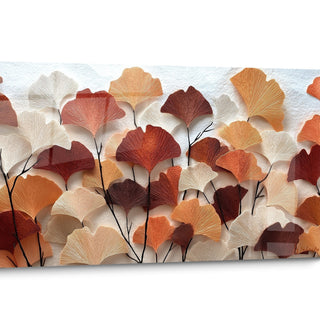 Ginkgo71
artworks
Ginkgo71
artworks
-
 Glycine217
artworks
Glycine217
artworks
-
 Hydrangea140
artworks
Hydrangea140
artworks
-
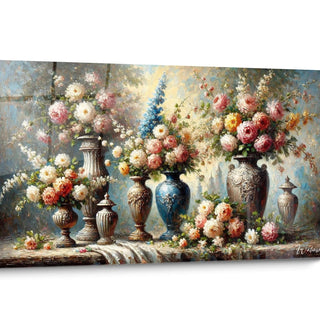 Garden18
artworks
Garden18
artworks
-
 Daffodil163
artworks
Daffodil163
artworks
-
 Lavender135
artworks
Lavender135
artworks
-
 Lily135
artworks
Lily135
artworks
-
 Daisy156
artworks
Daisy156
artworks
-
 Monstera8
artworks
Monstera8
artworks
-
 Other Nature80
artworks
Other Nature80
artworks
-
 Water Lily105
artworks
Water Lily105
artworks
-
 Olivier321
artworks
Olivier321
artworks
-
 Orchid87
artworks
Orchid87
artworks
-
 Palm Tree375
artworks
Palm Tree375
artworks
-
 Peony168
artworks
Peony168
artworks
-
 Roses14
artworks
Roses14
artworks
-
 Terracotta436
artworks
Terracotta436
artworks
-
 Sunflower152
artworks
Sunflower152
artworks
-
 Tulip542
artworks
Tulip542
artworks


All about Cactus Wall Art
- Cactus Wall Art Overview
- Cactus Wall Art Desert Ambiance
- Cactus Wall Art Minimalist Décor
- Cactus Wall Art Visual Benefits
Discover how a cactus wall art instantly transforms your interior space into an oasis of serenity. Unlike other mural representations, cactus wall art brings symbolic resilience and unique minimalist aesthetics to your décor. Both trendy and timeless, this decorative element stands out for its ability to create a soothing focal point in any room. Whether you're a fan of desert-inspired interior design or simply looking for a touch of greenery without maintenance, our selection of nature wall art specializing in cactus representations will meet your expectations. Explore our different perspectives to discover how to perfectly integrate this distinctive piece into your interior.
Cactus Wall Art: Creating an Authentic Desert Ambiance
The cactus wall art represents far more than simple wall décor – it's a true immersion into the fascinating universe of desert landscapes. Unlike classic representations of lush landscapes or urban scenes, wall art featuring cacti captures the very essence of resilience and austere beauty inherent to arid environments.
How does cactus wall art transform the atmosphere of a room?
Introducing wall art depicting cacti into your living space instantly creates a desert ambiance that transports the viewer to the arid expanses of the American Southwest or Mexican deserts. The terracotta, ochre, and sage green hues that typically characterize these works naturally warm the space while adding a unique contemplative dimension. Unlike traditional floral paintings that can seem fleeting, cactus representations evoke permanence and adaptation – qualities particularly appreciated in our contemporary interiors seeking grounding.
The visual impact of a large-scale cactus wall art piece is particularly striking in minimalist spaces with white or neutral walls. Its presence alone is enough to define a room's identity without visually overwhelming the space. The graphic and architectural silhouettes of cacti offer clean lines that harmonize perfectly with modern interiors while adding an essential organic touch.
The best color combinations to enhance your cactus wall art
To maximize the impact of your cactus wall art, consider the color environment in which it will be displayed. Sand-colored walls, light terracotta, or off-white create an ideal backdrop for these desert representations. These neutral but warm tones amplify the deep greens and dramatic forms of the depicted cacti.
• Pale blue-gray tones create a striking contrast reminiscent of desert skies
• Clay and terra cotta hues reinforce the authenticity of the arid ambiance
• Golden yellow accents evoke the particular light of desert sunsets
Lighting also plays a crucial role in enhancing cactus wall art. Soft directional light, similar to the raking rays of desert sun, will accentuate the textures and reliefs represented in the work. Avoid overly cool lighting that would distort the warm and natural hues characteristic of these paintings.
Which spaces particularly benefit from cactus wall art?
Transition zones like entryways and hallways gain exceptional value from the presence of large-scale cactus wall art. These often-neglected spaces transform into personal art galleries offering a visual prelude to your interior's decorative style. The natural verticality of depicted cactus species creates an illusion of height particularly welcome in these sometimes narrow areas.
Work spaces also constitute a privileged location for cactus wall art. The symbolism of resilience and adaptation embodied by these plants inspires perseverance and creativity. Moreover, unlike more dynamic representations that can distract, the serene immobility of the cactus promotes concentration while offering a soothing visual escape during moments of reflection.
Minimalist bedrooms harmoniously welcome cactus wall art in soft and muted tones. The desert atmosphere naturally evokes the calm and serenity conducive to rest. In this case, opt for representations with attenuated colors rather than stark contrasts that could disturb the relaxing ambiance necessary for this space.
The art of integrating your cactus wall art into authentic Southwestern décor
To create a true immersion into American Southwest aesthetics, surround your cactus wall art with complementary decorative elements without falling into pastiche. A few carefully selected accessories will suffice to reinforce this theme:
• Textiles with geometric patterns inspired by Navajo traditions
• Ceramics with matte finishes reminiscent of traditional pottery
• Aged leather elements evoking desert craftsmanship
The key lies in restraint: let your cactus wall art occupy the role of masterpiece and subtly articulate the rest of your décor around this central work. This approach avoids an overly emphatic "themed" effect while creating sophisticated visual coherence.
Contemporary décor enthusiasts will particularly appreciate the dialogue established between cactus wall art with graphic lines and furniture with refined design. This juxtaposition of the natural and manufactured creates a refined visual tension that energizes the space while preserving its overall harmony.
Cactus Wall Art: The Essence of Decorative Minimalism
In the universe of mural art, cactus wall art stands out as the perfect incarnation of contemporary minimalism. This refined representation transcends simple décor to become a true aesthetic manifesto. While other pictorial subjects can quickly visually overwhelm a space, the cactus motif offers remarkable balance between visual presence and decorative restraint.
Why is cactus wall art the emblem of minimalist design?
The distinctive silhouettes of cacti, with their natural geometric forms and clean lines, perfectly match the fundamental principles of minimalist design: simplification of forms, reduction to the essential, and elimination of the superfluous. Wall art depicting these desert plants brings an organic dimension to the sometimes austere aesthetics of minimalism, thus creating a perfect visual balance point.
In contemporary interiors where every decorative element must justify its presence, cactus wall art simultaneously fulfills multiple functions. It introduces verticality that structures the space, adds a touch of greenery without the exuberance of other botanical motifs, and infuses measured character into sometimes overly neutral environments. This functional versatility makes it a particularly wise choice for advocates of the "less is more" philosophy.
The colors typically associated with cactus representations – deep greens, blue-grays, subtle ochres – naturally integrate into color palettes favored by minimalist aesthetics. These discreet yet rich tones bring depth and character without disrupting the overall visual harmony of a carefully orchestrated space.
How to integrate cactus wall art into a Scandinavian interior?
Scandinavian aesthetics, with their preference for bright spaces, natural materials, and clean lines, constitute an ideal setting to showcase cactus wall art. The encounter between the warmth of Nordic style and the symbolic aridity of the cactus creates a subtle contrast that visually enriches the space.
In a typical Scandinavian interior dominated by white and light wood, a large-scale cactus wall art piece brings a welcome visual anchor. Placed above a straight-lined sofa or in the open space of a main wall, it instantly becomes the room's focal point without disrupting overall balance. The formal simplicity of the subject harmonizes naturally with the characteristic austerity of this decorative style.
• Prioritize cactus wall art with desaturated tones for perfect integration
• Opt for fine framing in light wood that echoes surrounding materials
• Position the work at eye level to maximize its visual impact
To strengthen this aesthetic synergy, surround your cactus wall art with decorative elements featuring contrasting textures but harmonized colors. A chunky knit throw, a few natural linen pillows, or artisanal ceramics will establish an enriching material dialogue with the two-dimensional representation of the cactus.
Cactus wall art as the anchor point of a monochromatic green palette
In a minimalist interior, controlled color introduction constitutes a major challenge. Cactus wall art offers an elegant solution to this problem by proposing a natural exploration of green nuances. This sophisticated monochromacy brings depth and visual interest without compromising overall aesthetic coherence.
To fully exploit this characteristic, create a subtle monochromatic scheme by having your cactus wall art dialogue with a few carefully selected decorative elements in complementary shades. Several particularly successful association examples:
• A sage green ceramic vase positioned near the wall art
• A forest green velvet cushion on an adjacent armchair
• A rug with abstract patterns incorporating touches of olive green
This color strategy transforms your cactus wall art into the cornerstone of a coherent and sophisticated visual experience. Far from being monotonous, this exploration of the nuances of a single color creates perceptual depth that considerably enriches the space.
The impact of oversized cactus wall art in a minimalist space
In the minimalist approach to interior décor, the interplay of proportions is of paramount importance. A large-scale cactus wall art piece, covering a significant wall surface, produces a spectacular effect while preserving the restraint characteristic of this aesthetic. This apparent contradiction is precisely the strength of this decorative choice.
The imposing scale of oversized cactus wall art transforms the very perception of space. By generously occupying the wall surface, it eliminates the need to add other decorative elements that risk visually overwhelming the room. This economy of intervention, perfectly aligned with minimalist principles, paradoxically allows maximizing overall aesthetic impact.
Spaces particularly suited to installing large-format cactus wall art include:
• Accent walls in open-plan living areas
• Circulation spaces like staircase landings or wide hallways
• Professional reception zones where immediate visual impact is sought
In these configurations, cactus wall art transcends its status as a decorative object to become a true architectural element that structures and defines the space. Its powerful yet refined graphic presence perfectly embodies the subtle balance between expression and restraint that characterizes contemporary minimalism at its best.
Cactus Wall Art: Unexplored Psychological and Visual Benefits
Beyond its purely decorative dimension, cactus wall art exercises a profound and often unrecognized influence on our psychological balance and visual perception. This artistic representation of desert plants possesses unique properties that fundamentally distinguish it from other pictorial subjects and explain its growing impact in contemporary spaces.
How does cactus wall art influence our psychological state?
Unlike classical floral representations that evoke fragility and ephemerality, cactus wall art symbolizes resilience and adaptation – qualities particularly resonant in our modern society. This iconography of perseverance in the face of adversity exerts a subliminally motivating effect, particularly beneficial in spaces dedicated to work or reflection.
Recent studies in environmental psychology suggest that regular exposure to representations of plants adapted to extreme conditions stimulates our own cognitive resilience. Cactus wall art, through its simple presence in our daily visual field, constantly reminds us of our capacity to thrive despite challenges – a subconscious message particularly valuable during periods of uncertainty.
Contemplation of cactus wall art also activates brain areas associated with calm and concentration. The natural geometric forms and clean lines characteristic of these plants engage our attention without overloading it, thus creating a mental state conducive to mindfulness and sustained concentration. This quality makes it a particularly judicious choice for environments dedicated to meditation or demanding intellectual work.
What are the effects of cactus wall art on our spatial perception?
The introduction of large-scale cactus wall art into a space subtly yet significantly modifies our perception of environmental proportions. The pronounced verticality of many depicted cactus species visually accentuates ceiling height, creating an impression of additional airy space particularly welcome in contemporary apartments sometimes constrained in dimensions.
Simultaneously, the characteristic tones of desert representations – ochres, terracotta, grayed greens – possess optical properties that visually widen horizontal space. This dual expansive action on our spatial perception explains why introducing cactus wall art into a relatively small room can paradoxically make it appear more spacious.
Artistic compositions staging cacti often create natural vanishing points that guide the gaze and structure our apprehension of space. This directional quality inherent to the subject enriches the perceptual experience of the environment while creating visual pathways that subtly energize our interaction with inhabited space.
Cactus wall art as an emotional regulator in living spaces
In our contemporary interiors often overwhelmed with technological stimuli, cactus wall art plays a precious role as a natural counterpoint and emotional anchor. Its presence introduces an essential biophilic element – this instinctive connection to natural forms whose scientific research confirms the importance for our psychological balance.
Unlike a living plant requiring care and attention, cactus wall art offers the psychological benefits of plant presence without generating additional concern. This quality makes it a particularly suitable choice for professional environments or spaces inhabited by people with busy schedules who benefit from the soothing effects of greenery without being able to commit to its maintenance.
The soothing influence of cactus wall art operates particularly in:
• Zones dedicated to decompression after an intense workday
• Transition spaces between different daily activities
• Professional environments subject to recurring stress peaks
In these contexts, even brief contemplation of this desert representation can facilitate beneficial attentional reset, allowing smoother transition between different mental states or different activities.
The unique chromatic effect of cactus wall art on perceived luminosity
An often underestimated characteristic of cactus wall art resides in its ability to subtly modulate our perception of ambient light. The specific green tones of cacti – ranging from blue-green to gray-green through olive nuances – interact with natural light in a way particularly favorable to our visual comfort.
In north-facing spaces, naturally cooler in terms of color temperature, cactus wall art with warm tones effectively counterbalances this luminous coolness. Conversely, in rooms bathed in midday sunlight, the gray-greens characteristic of these representations temper excessive heat from direct rays. This chromatic adaptability explains the exceptional versatility of this decorative choice in varied lighting environments.
The particular visual texture of depicted cacti – alternating smooth surfaces and spiny areas – also creates micro-variations in light reflection that subtly animate the space. This subtle yet perceptible dynamic enriches our daily visual experience without creating distraction, contributing to a visually stimulating yet perfectly balanced environment.
FAQ Cactus Wall Art
What is the ideal size for cactus wall art in a spacious living room?
For optimal impact in a spacious living room, prioritize large-scale cactus wall art, ideally between 100x150 cm and 120x180 cm. These generous proportions allow full appreciation of the representation details while creating an imposing focal point that structurally organizes the space. In particularly vast rooms, don't hesitate to opt for an even more spectacular format to maintain visual balance with the surrounding volume.
How to pair cactus wall art with existing lighting?
The ideal pairing between cactus wall art and lighting relies on using soft directional light, ideally at intermediate color temperature (3000-4000K). An adjustable spotlight allows you to enhance the reliefs and textures represented while creating subtle shadows that energize the composition. Avoid overly diffuse lighting that would flatten the work, as well as overly intense spots that would create unwanted reflections.
Is cactus wall art suitable for professional spaces?
Cactus wall art constitutes a particularly relevant choice for contemporary professional environments. Its symbolism of resilience and adaptation resonates perfectly with entrepreneurial values, while its refined aesthetics harmonizes naturally within corporate interior designs. Particularly adapted for reception areas, conference rooms, and executive offices, it adds a distinctive natural touch without the excess familiarity that other botanical representations might suggest.


