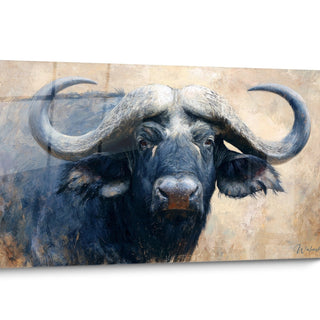
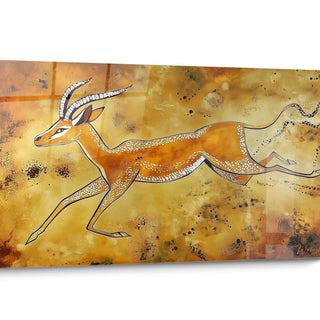
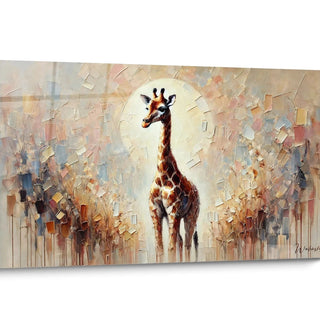
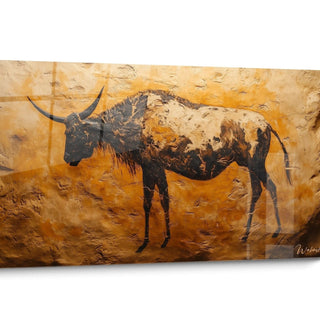
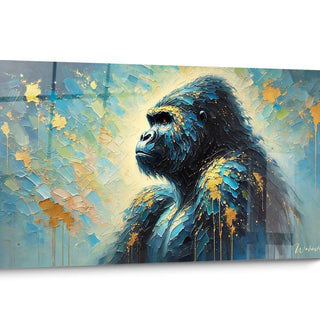
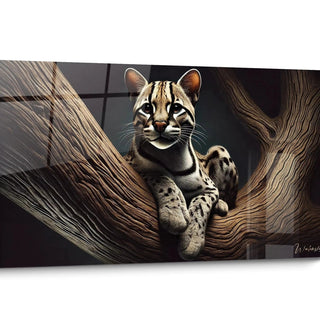
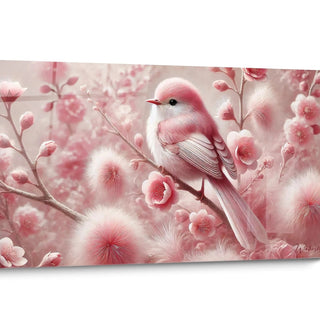
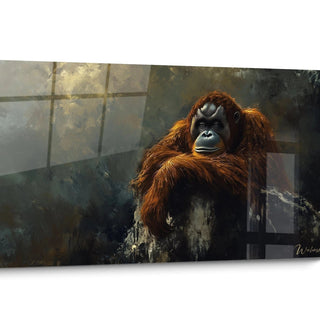
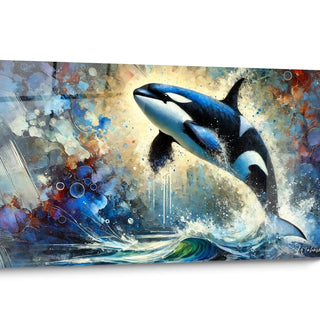
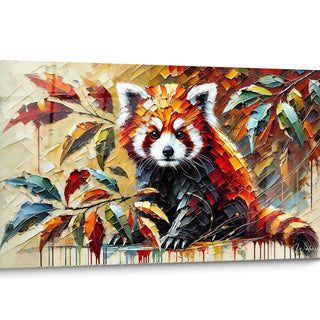
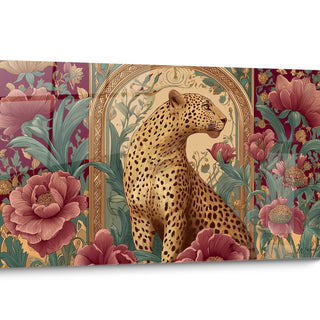
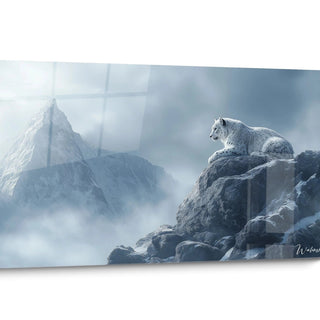
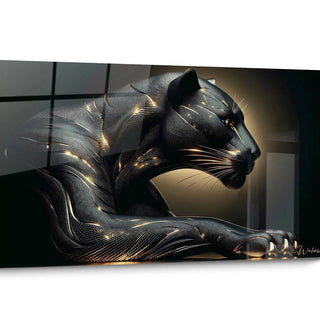
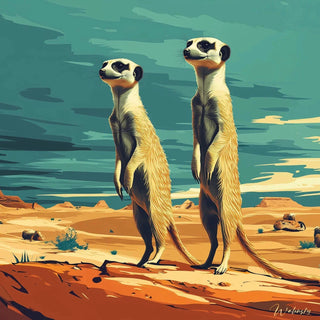
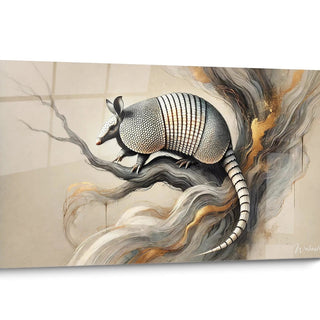
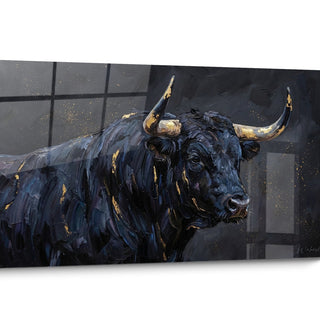
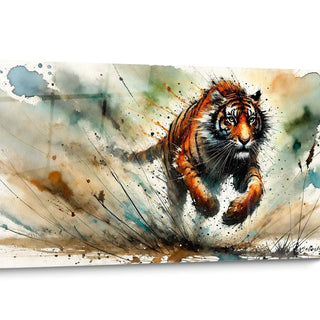
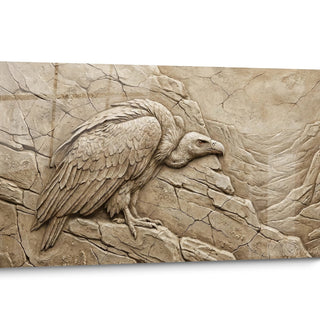
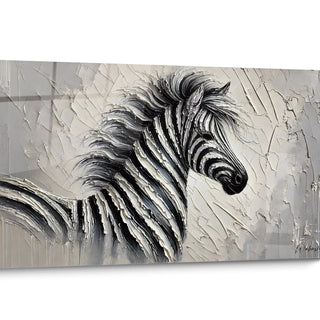
- Rhinoceros Wall Art Presentation
- Rhinoceros wall art savanna inspiration
- Rhinoceros wall art power symbolism
- Rhinoceros wall art artistic conservation
Discover our exclusive collection of rhinoceros wall art that will bring majestic presence to your interior. These striking artworks capture the strength, mystery and grace of one of the most impressive animals on our planet. Each piece is meticulously created to highlight the unique characteristics of these threatened giants, transforming your space into a sanctuary of wild beauty and ecological awareness.
Our animal wall art featuring rhinoceroses stands out for its ability to combine visual impact with a message of preservation. Whether realistic representations showing the fascinating details of their textured skin or artistic interpretations highlighting their iconic silhouette, each work becomes a focal point that sparks conversation and reflection.
Rhinoceros wall art represents a bold decorative choice that transcends fleeting trends. Their timeless presence brings a dimension of natural grandeur to your interior, while testifying to your sensitivity to biodiversity issues. Explore our different collections to find the work that will resonate perfectly with your space and artistic sensibility.
Rhinoceros Wall Art: Wild Inspiration for Contemporary Interiors
Rhinoceros wall art represents far more than simple wall decoration – they embody a majestic presence capable of radically transforming a room's atmosphere. These large-format artworks capture the primordial strength and very essence of these impressive creatures, bringing a wild and sophisticated dimension to modern interiors.
Why do rhinoceros wall art pieces dominate large architectural spaces?
The imposing silhouette of the rhinoceros, with its massive structure and distinctive lines, creates a natural focal point in spaces with generous proportions. Spacious entrance halls, high-ceilinged living rooms or executive offices particularly benefit from this visual presence that balances architectural volumes. Unlike more delicate representations, rhinoceros wall art brings a gravity and substance that visually anchors overly airy spaces.
The distinctive texture of rhinoceros skin, when skillfully reproduced on these wall artworks, creates a visual and almost tactile experience. The cracks, wrinkles and unique patterns of their epidermis offer visual complexity that continues to reveal new details with each viewing, unlike smooth surfaces of other animal subjects.
How to integrate the earthy tones of rhinoceros wall art into contemporary décor?
The natural color palette associated with rhinoceroses – shades of gray, earthy browns, subtle ochres – presents considerable decorative advantage. These neutral yet rich tones harmonize remarkably well with contemporary interiors, creating a chromatic base that complements both minimalist spaces and more expressive décor.
To maximize the impact of a rhinoceros wall art in a contemporary space, prioritize placing it facing the main entrance of a room. This strategic position fully exploits the subject's imposing presence, creating an immediate and memorable impression for anyone entering the space. This positioning technique, particularly effective in entryways and reception areas, transforms your wall decoration into a true decorative statement.
- Integrate decorative elements with rough textures that echo the characteristic skin of the rhinoceros
- Balance the subject's massiveness with furniture featuring clean, light lines
- Create a chromatic dialogue by incorporating the artwork's earthy tones in textiles and accessories
Collectors and interior designers recognize the value of rhinoceros wall art as investment pieces. Their appeal transcends passing trends, offering aesthetic longevity that justifies their privileged place in carefully designed interiors. Unlike more conventional subjects, the representation of these pachyderms brings a dimension of rarity and originality that immediately distinguishes a space.
Can rhinoceros wall art influence a room's acoustics?
An often overlooked aspect of large rhinoceros wall artworks concerns their impact on a space's acoustics. Their substantial surface, particularly in panoramic formats, helps reduce echo in rooms with hard, reflective surfaces. This functional characteristic adds a practical dimension to their aesthetic value, particularly appreciated in contemporary interiors where glass, concrete and smooth surfaces predominate.
The symbolism of the rhinoceros – quiet strength, resilience and imposing presence – particularly resonates in ambitious professional spaces. Law offices, corporate headquarters and executive offices deliberately choose these representations for the image of solidity and determination they project, transforming simple wall decoration into an affirmation of corporate values.
For enthusiasts of African wildlife-inspired décor, rhinoceros wall art offers the distinctive advantage of integrating harmoniously into various styling approaches. Whether neo-ethnic interior, organic minimalism or contemporary luxury, these works pivot elegantly between different decorative expressions without ever appearing out of place.
Rhinoceros Wall Art: Power Symbolism and Emotional Impact
Rhinoceros wall art exerts a unique fascination on the observer, triggering an immediate emotional response that few other animal representations can match. This visceral reaction is explained by the duality inherent in the subject – imposing massiveness juxtaposed with growing vulnerability in our modern world. This narrative tension transforms these works into true catalysts for thought and emotion.
How does rhinoceros wall art influence the emotional atmosphere of a space?
The psychological impact of rhinoceros wall art stems directly from the majestic presence of these creatures. Their distinctive silhouette, characterized by powerful body architecture and their emblematic horn, creates a visual imprint that naturally dominates surrounding space. This visual presence generates a sense of grounding and stability particularly sought after in stressful environments such as high-pressure workspaces or reception areas.
The juxtaposition between the raw strength evoked by these pachyderms and their status as a threatened species creates complex emotional resonance in the observer. This duality transforms a simple decorative element into an emotional connection point, prompting contemplation and conversation – a valuable quality for socialization spaces such as dining rooms or reception areas.
- Black and white representations accentuate the distinctive texture and dramatic presence of the subject
- Artworks incorporating touches of red or ochre intensify emotional impact and symbolic force
- Paintings showing rhinoceroses as families evoke a protective dimension that resonates in family spaces
Which spaces particularly benefit from the symbolism of rhinoceros wall art?
Negotiation and decision-making spaces gain considerable symbolic advantage from the presence of a rhinoceros wall art. The animal naturally evokes attributes of determination, resilience and quiet strength – valuable qualities in demanding professional contexts. This subliminal symbolism subtly influences the atmosphere of these spaces, fostering assured posture and direct communication.
For residential interiors, particularly in transition zones such as spacious hallways or stairwell landings, rhinoceros wall art creates a visual anchor point that naturally guides the eye and movement. Their substantial presence structures these often-overlooked spaces, transforming passages into memorable visual experiences.
The contrast between the visual robustness of the rhinoceros and the delicacy of other decorative elements creates a particularly effective balance dynamic in contemporary spaces. This visual tension between strength and refinement generates aesthetic depth that immediately distinguishes a carefully composed interior from more conventional décor.
Artistic representations of rhinoceroses in motion – particularly those capturing the surprising agility of these massive creatures – introduce an element of unexpected dynamism in static spaces. This juxtaposition between mass and movement creates visual energy that animates minimalist or monochromatic interiors without compromising their aesthetic coherence.
The gaze direction of the rhinoceros in the artwork subtly influences the energetic circulation of a room. An artwork where the animal looks inward into the space creates a sense of intimacy and introspection, while a representation where the gaze is directed toward an entrance or exit establishes dialogue with adjacent zones, visually unifying distinct spaces.
Discerning collectors particularly seek rhinoceros wall art created with mixed techniques that accentuate the distinctive texture of their skin. These artworks with worked surfaces create a fascinating play with natural light, revealing different nuances and details depending on time of day and seasonal variations in lighting – transforming a static decoration into an evolving visual experience.
Rhinoceros Wall Art: Artistic Conservation and Engaged Décor
Rhinoceros wall art transcends its decorative function to become a true conservation ambassador through art. In a context where these majestic pachyderms face critical threats in their natural habitat, their artistic representation takes on a dimension of environmental advocacy that resonates deeply with an increasingly aware audience of ecological issues.
How does rhinoceros wall art participate in environmental awareness?
Each rhinoceros wall artwork installed in a living or professional space becomes a starting point for essential conversations about threatened species conservation. This ability to naturally trigger meaningful discussions transforms these works into passive awareness tools, subtly educating visitors and residents about the urgency of protecting biodiversity, without ever appearing didactic or intrusive.
The stylistic evolution of rhinoceros representations in contemporary art directly reflects their changing conservation status. From detailed realistic portraits documenting every wrinkle of their characteristic skin to more conceptual interpretations evoking their growing fragility, these artworks visually document our evolving relationship with these emblematic creatures and the environmental concerns they symbolize.
- Works incorporating cartographic elements of conservation zones create direct connection with preservation efforts
- Paintings juxtaposing rhinoceroses and urban elements highlight the conflict between human development and natural habitat
- Representations showing different generations of rhinoceroses powerfully evoke species continuity issues
The large formats typically associated with rhinoceros wall art symbolically reinforce the importance of these animals in the ecosystem. This correspondence between ecological importance and visual presence transforms these works into three-dimensional metaphors of the crucial place these creatures occupy in natural balances – a resonance that considerably enriches their decorative impact.
Why is rhinoceros wall art particularly valued in socially engaged professional spaces?
Companies aligned with sustainable development and environmental responsibility values strategically choose rhinoceros wall art for their representation spaces. These artworks subtly communicate a commitment to preservation and sustainability, becoming visual extensions of organizational identity and values, far beyond simple decorative elements.
The growing rarity of rhinoceroses in their natural habitat confers a dimension of testimony to artworks representing them. Each piece becomes a potential visual document of a threatened reality, transforming the decorative act into a gesture of collective memory – a contextual depth rarely achieved by other artistic subjects, even within the animal kingdom.
The optimal placement for a rhinoceros wall art with conservation message is found in contemplation and reflection zones of a residence or professional space. Libraries, meditation spaces or relaxation areas particularly benefit from this presence that naturally invites reflection on our relationship with the natural world and our responsibility toward its preservation.
Discerning collectors specifically seek rhinoceros wall art where a portion of benefits directly supports conservation initiatives. This philanthropic dimension transforms acquisition into concrete participation in preservation efforts, adding a layer of personal meaning that far transcends the simple decorative or even artistic value of the work.
What are the frequently asked questions about rhinoceros wall art?
Rhinoceros wall art raises many questions, both regarding its aesthetic dimension and deeper significance. Here are answers to the most frequently asked questions by animal art enthusiasts and interior decorators.
How to maintain rhinoceros wall art in a high-light environment?
Rhinoceros wall art placed in spaces bathed in natural light requires particular attention to preserve color integrity. Prioritize artworks treated with UV-resistant pigments or consider applying anti-UV glazing for the most exposed spaces. Seasonal repositioning, accounting for variations in sun angle, will considerably extend the aesthetic lifespan of your work.
Is rhinoceros wall art suitable for spaces frequented by young children?
Contrary to popular belief, rhinoceros wall art exercises particular fascination on young children. Their distinctive and immediately recognizable silhouette stimulates imagination and often becomes an appreciated reference point in family spaces. For children's bedrooms and play areas, prioritize representations featuring juvenile rhinoceroses or families, which foster positive emotional connection.
How to create visual harmony around large-format rhinoceros wall art?
Harmonious integration of large-format rhinoceros wall art relies on balancing surrounding visual masses. Avoid overcrowding adjacent walls and prioritize low furniture in immediate proximity to accentuate the artwork's verticality. Decorative elements in natural materials such as stone, raw wood or untreated fibers create thematic continuity that amplifies these representations' impact without creating visual competition.


 Nature's Armor Wall Art - Rhinoceros Animals Edition233,90 €
 Rhino Cybernetic Charge Wall Art - Limited Edition 🥇233,90 €
 Wild Fantasy Wall Art - Rhinoceros Animals Edition233,90 €
 Fury of the Earth Wall Art - Rhinoceros Animals Edition233,90 €
 Cryogenic Guardian in Armor Wall Art - Animals Edition233,90 €
 Guardian of the Earth Painting - Rhinoceros Animals Edition233,90 €
 Giant Frozen Twilight Wall Art - Signature Edition233,90 €
 The Last Colossus Wall Art - Rhinoceros Animals Edition233,90 €
 Power at Dawn Wall Art - Rhinoceros Animals Edition233,90 €
 Rhinoceros Granite Soul Wall Art - rhinoceros edition213,90 €
 Rhinoceros Wall Art Armored Clan - Rhinoceros Edition232,90 €
 Rhinoceros Heart of Savanna Wall Art - rhinoceros edition213,90 €
 Rhinoceros Colossus Quiet - Rhinoceros Edition Wall Art232,90 €
 Rhinoceros Savanna Echoes Wall Art - Rhinoceros Edition233,90 €
 Rhinoceros Momentum Wall Art - rhinoceros edition233,90 €
 Rhinoceros Spirit of the Bush Wall Art - Rhinoceros Edition233,90 €
 Rhinoceros Painting Primitive Force - Rhinoceros Edition213,90 €
 Rhinoceros Bronze Legend - Rhinoceros Edition Wall Art233,90 €
 Rhinoceros Master of the Plains Wall Art - Rhinoceros Edition213,90 €
 Rhinoceros Fragile Titan Wall Art - rhinoceros edition213,90 €
 Desert Survivor Wall Art - Rhinoceros Animals Edition233,90 €