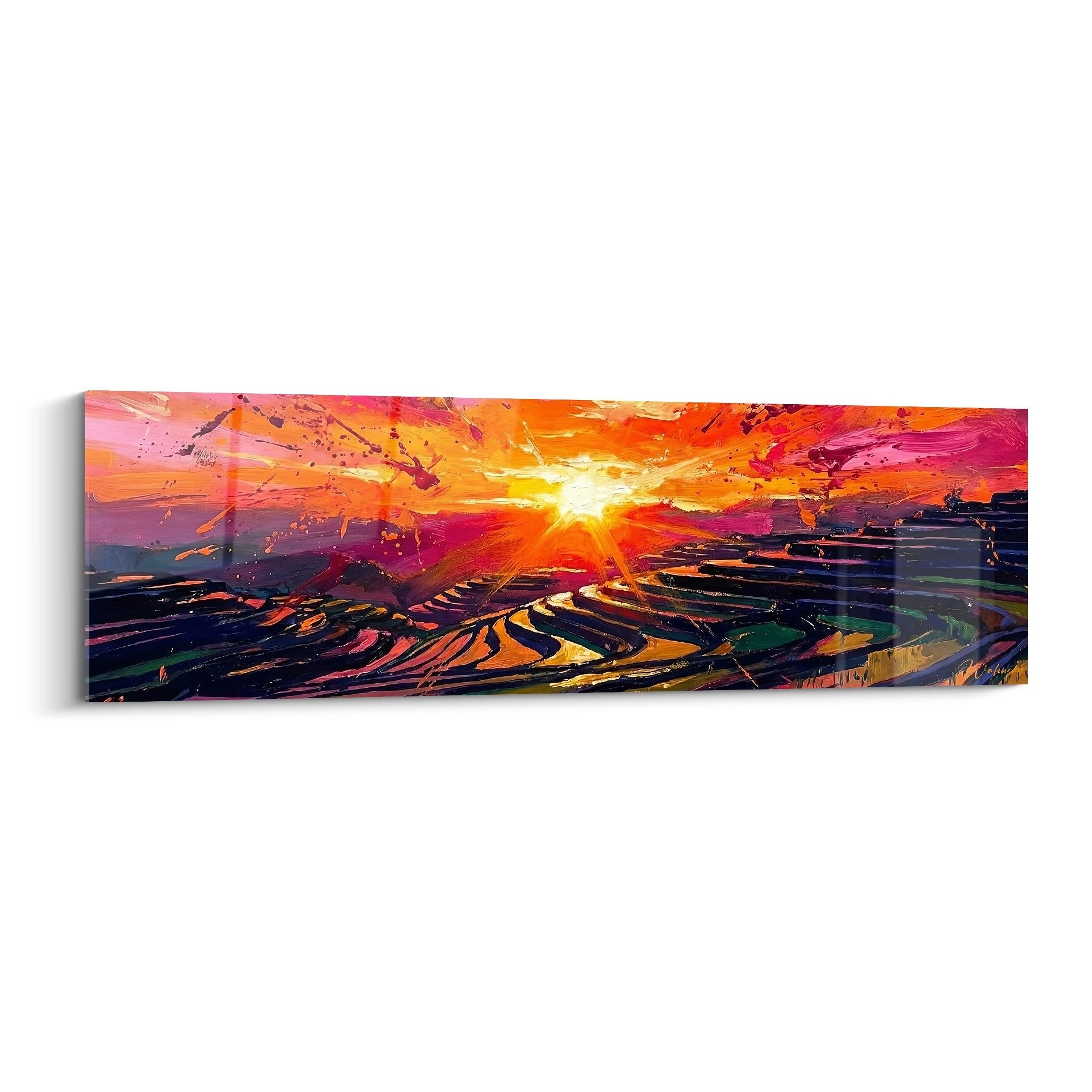
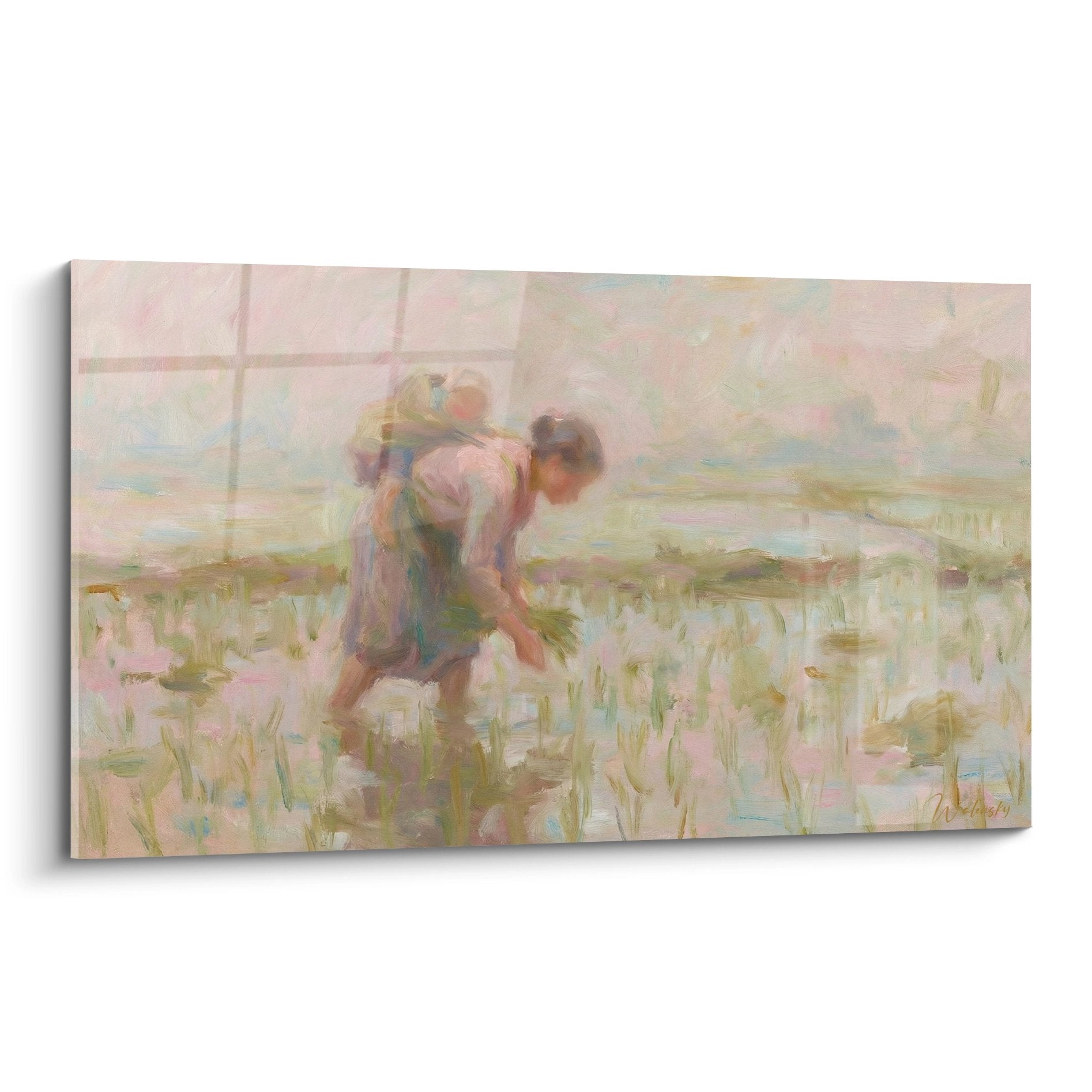
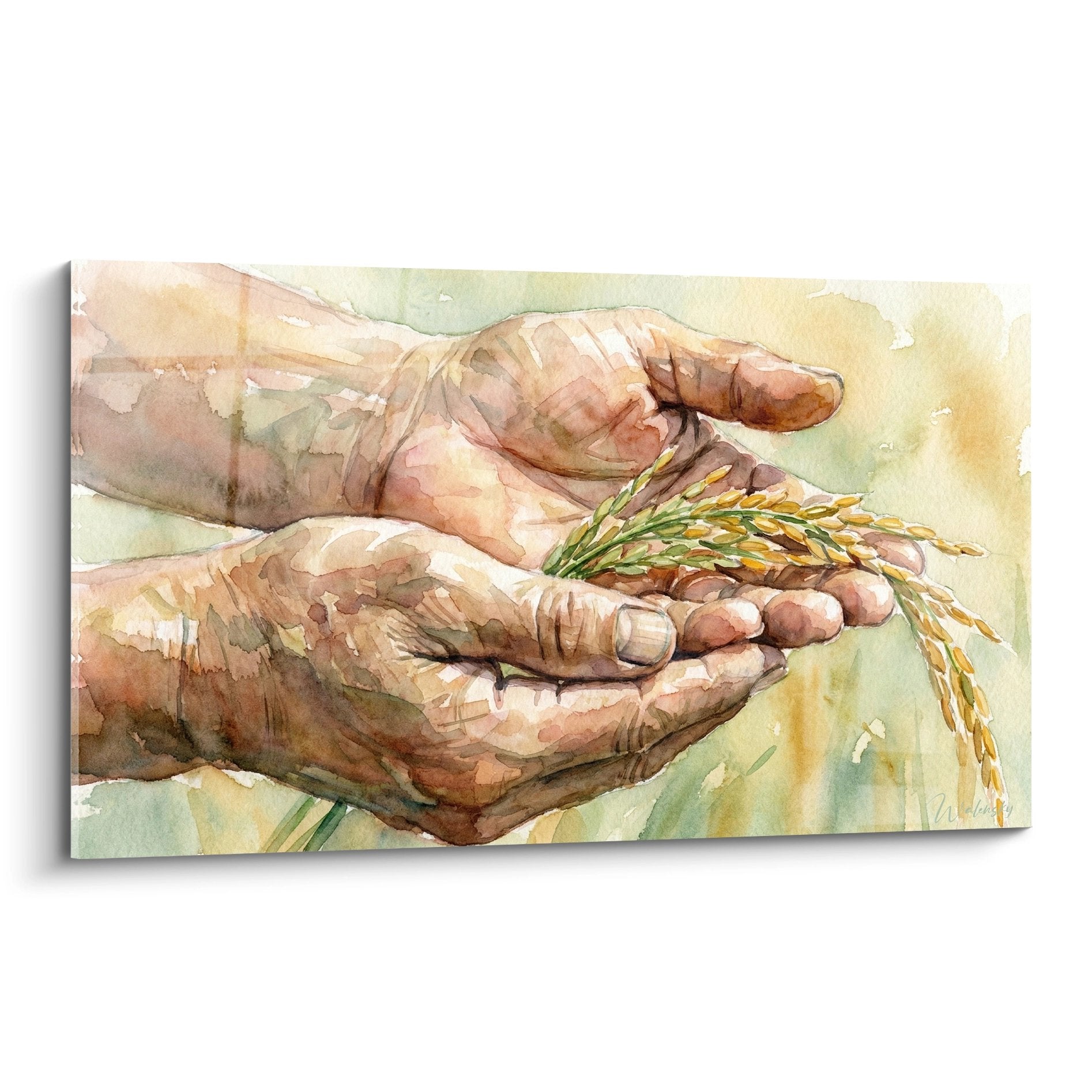
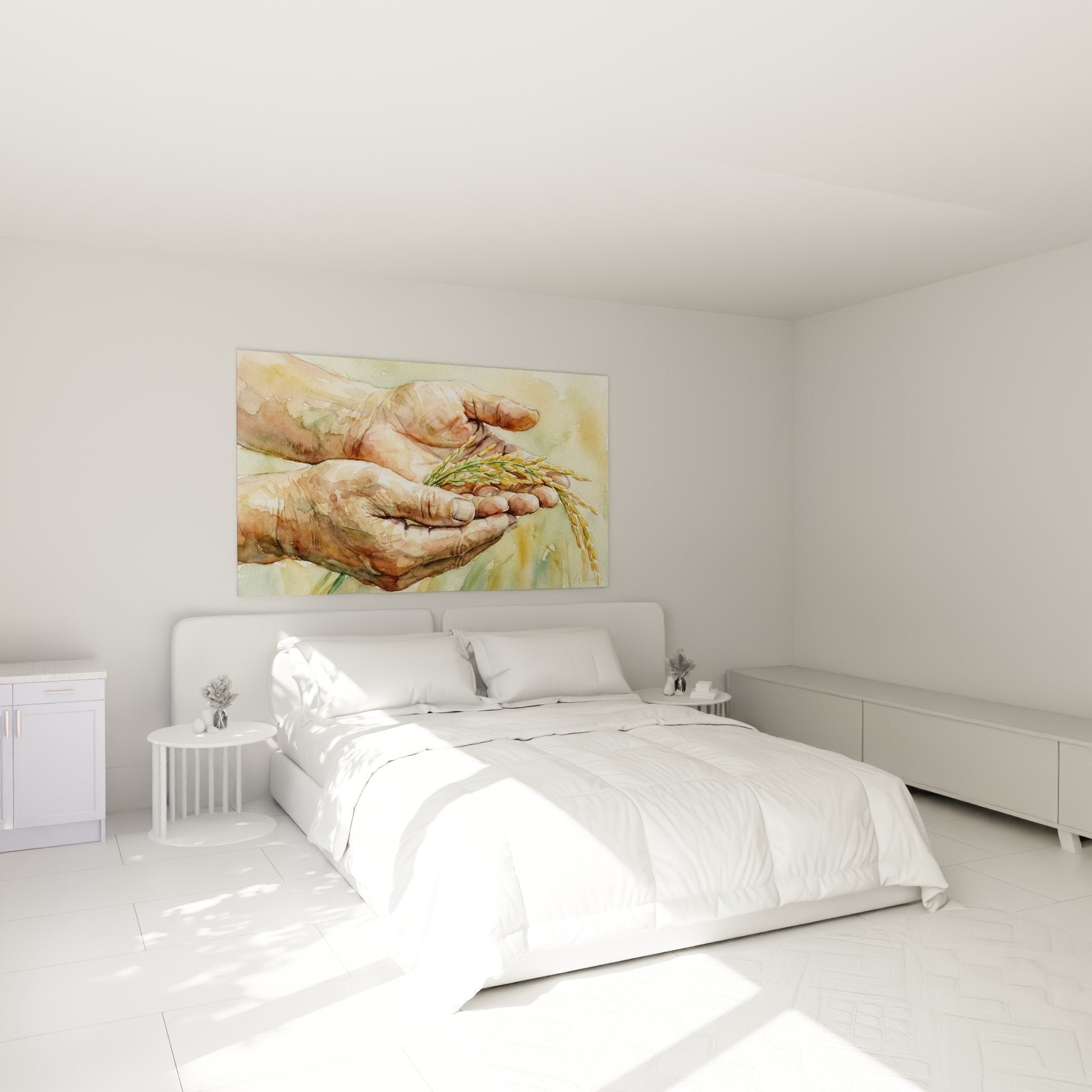
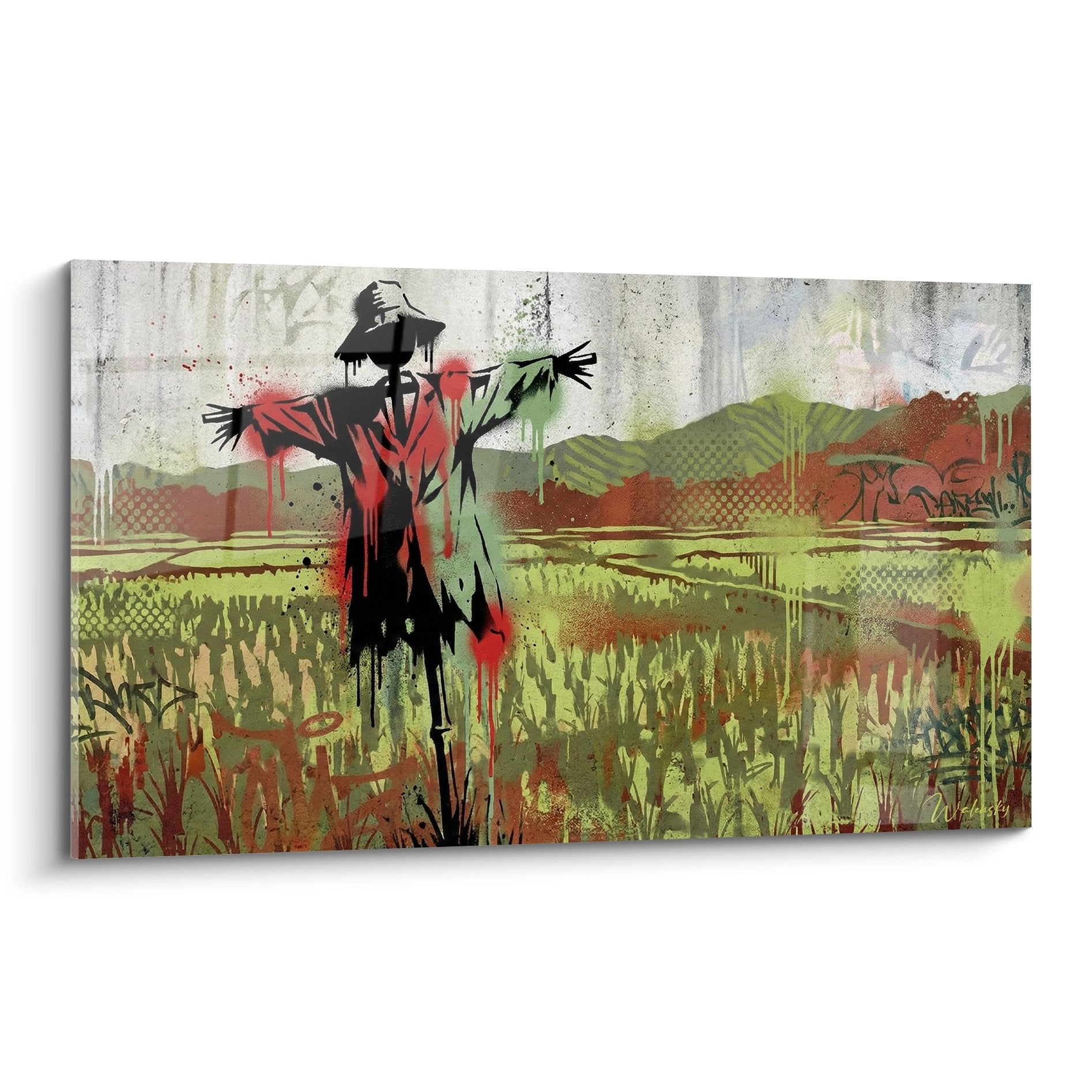
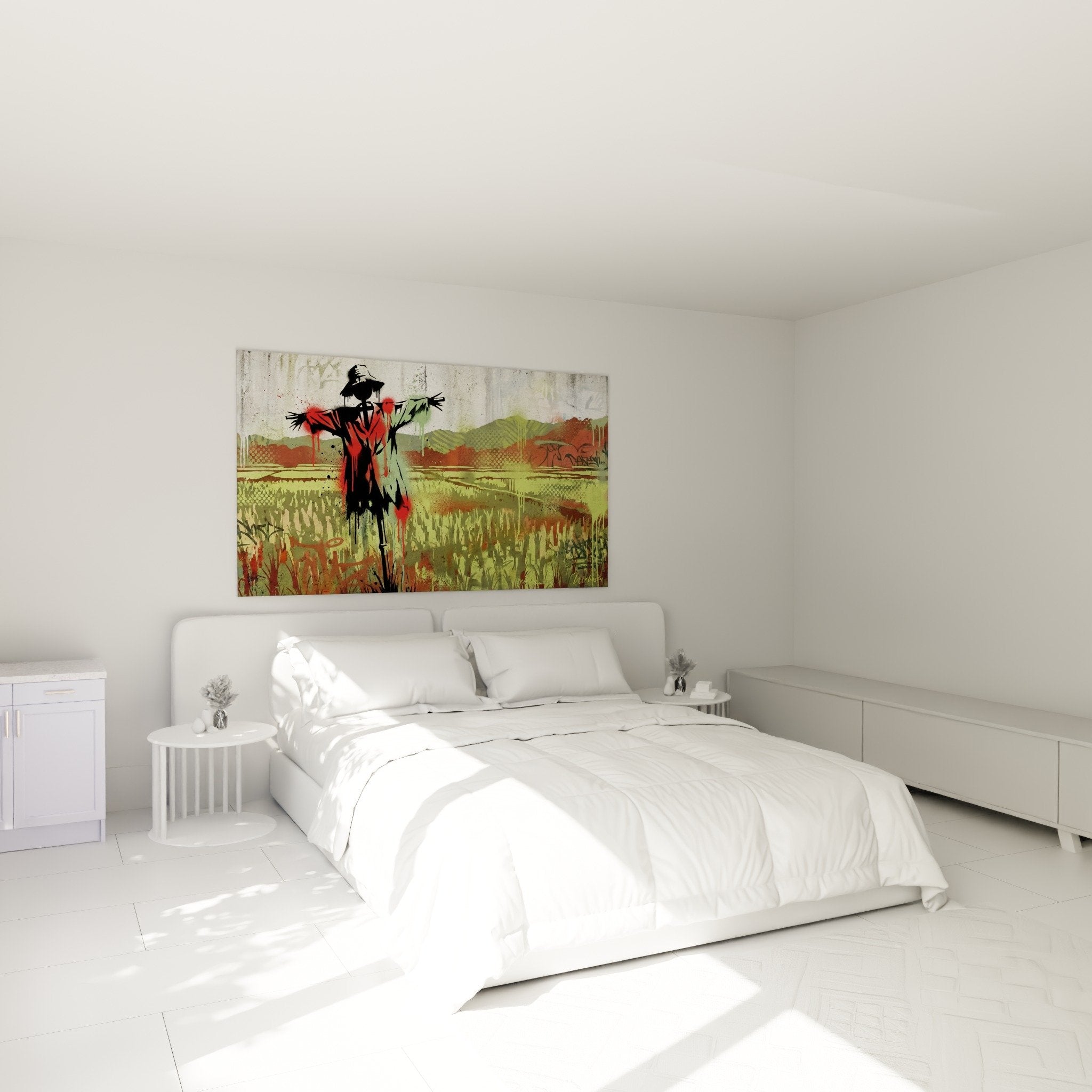
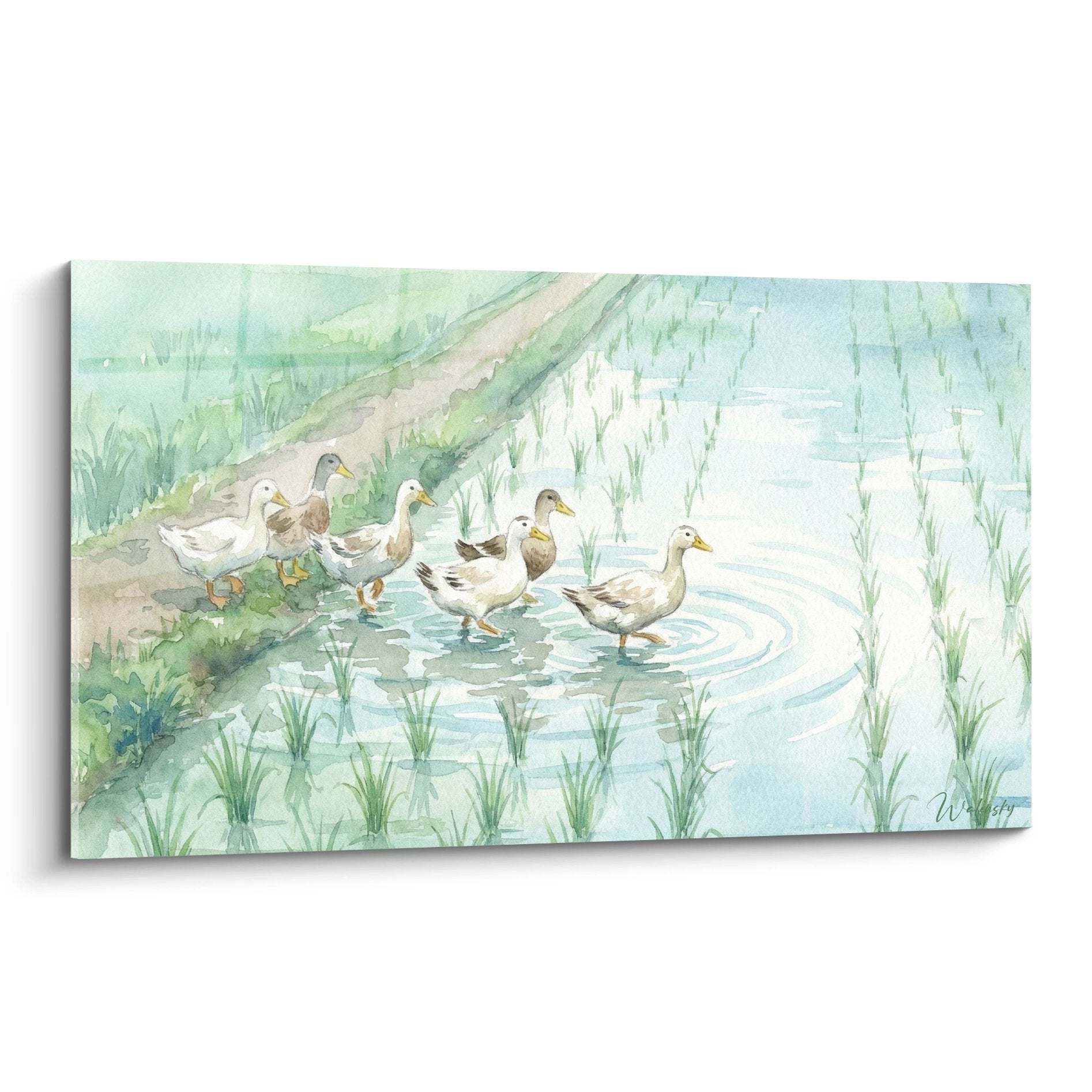
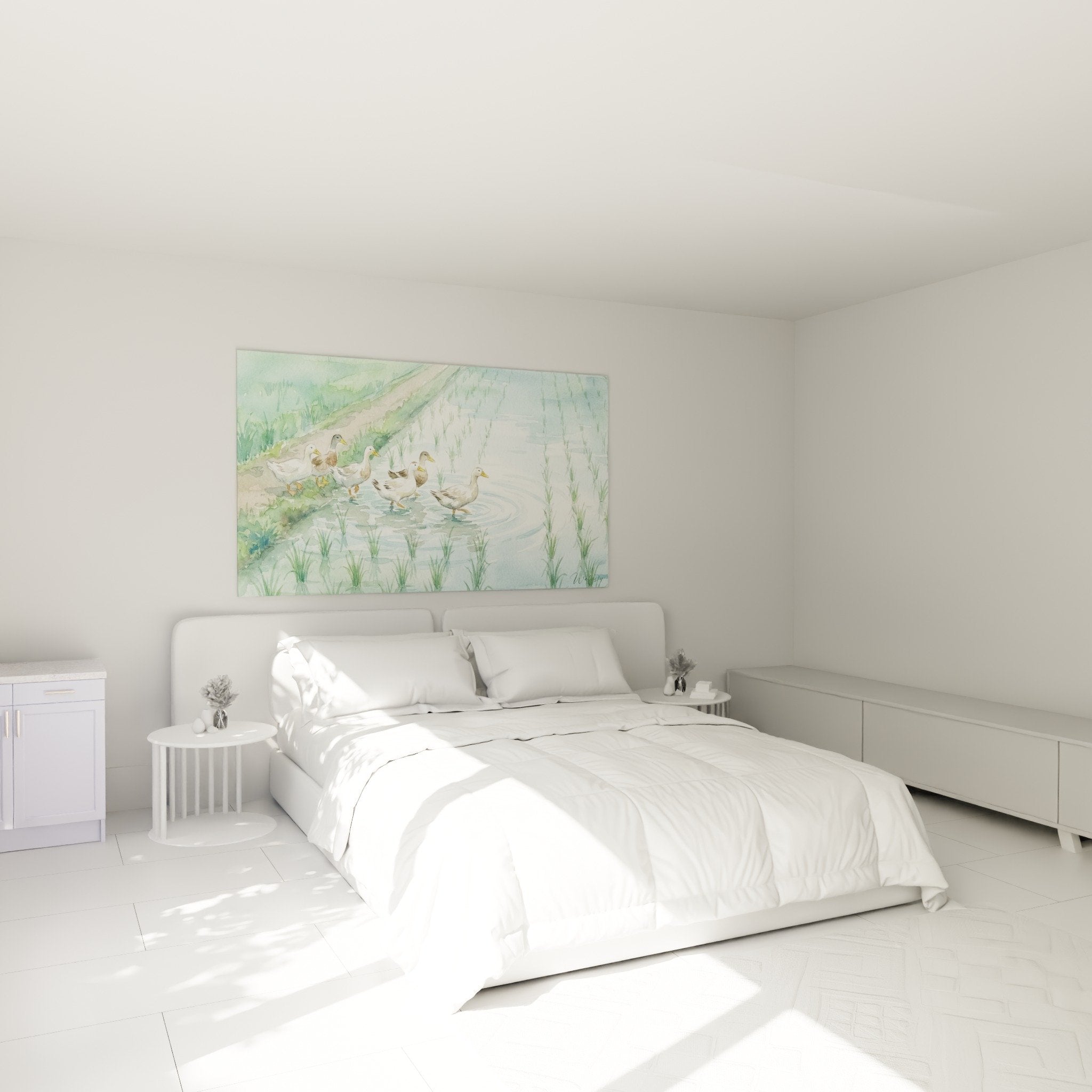
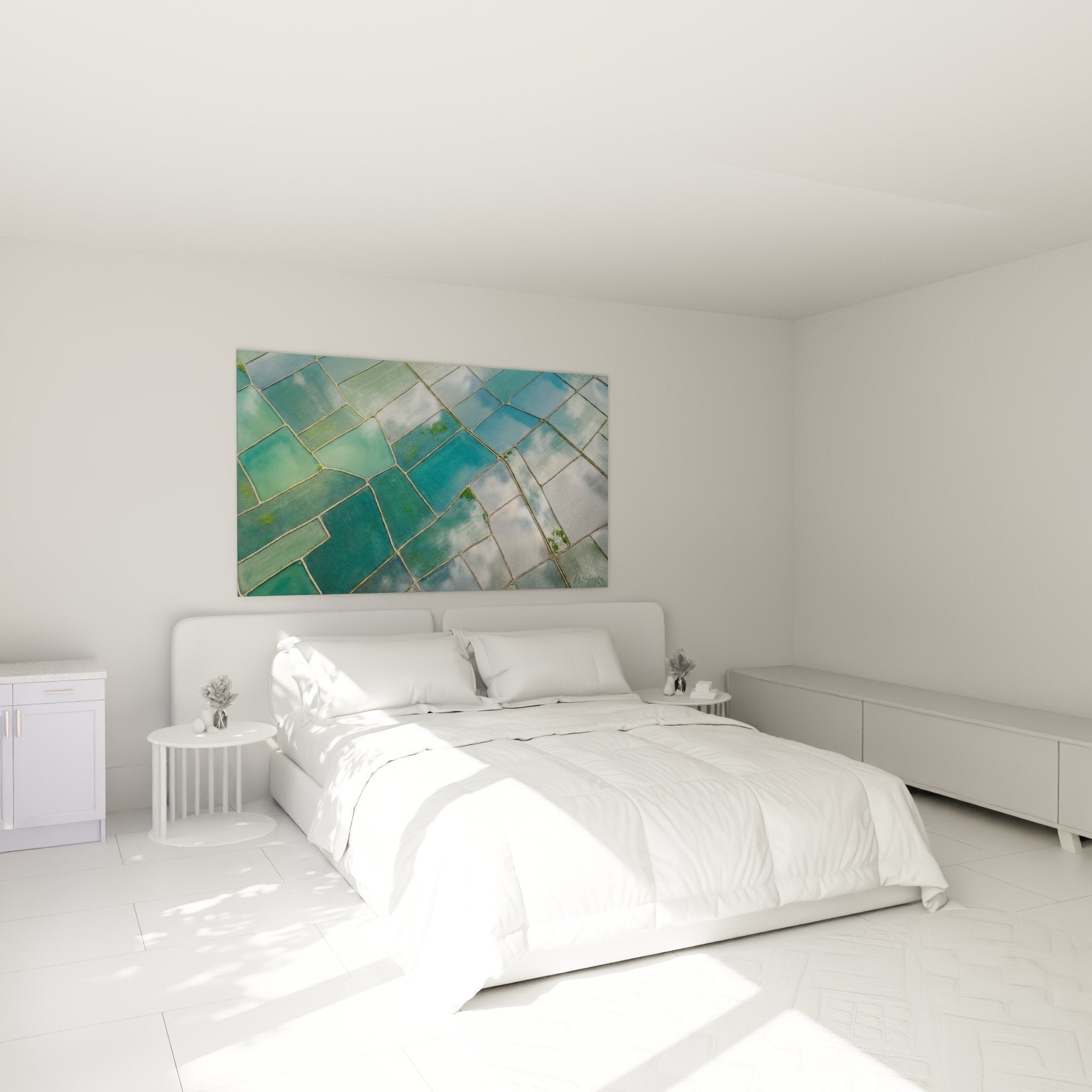
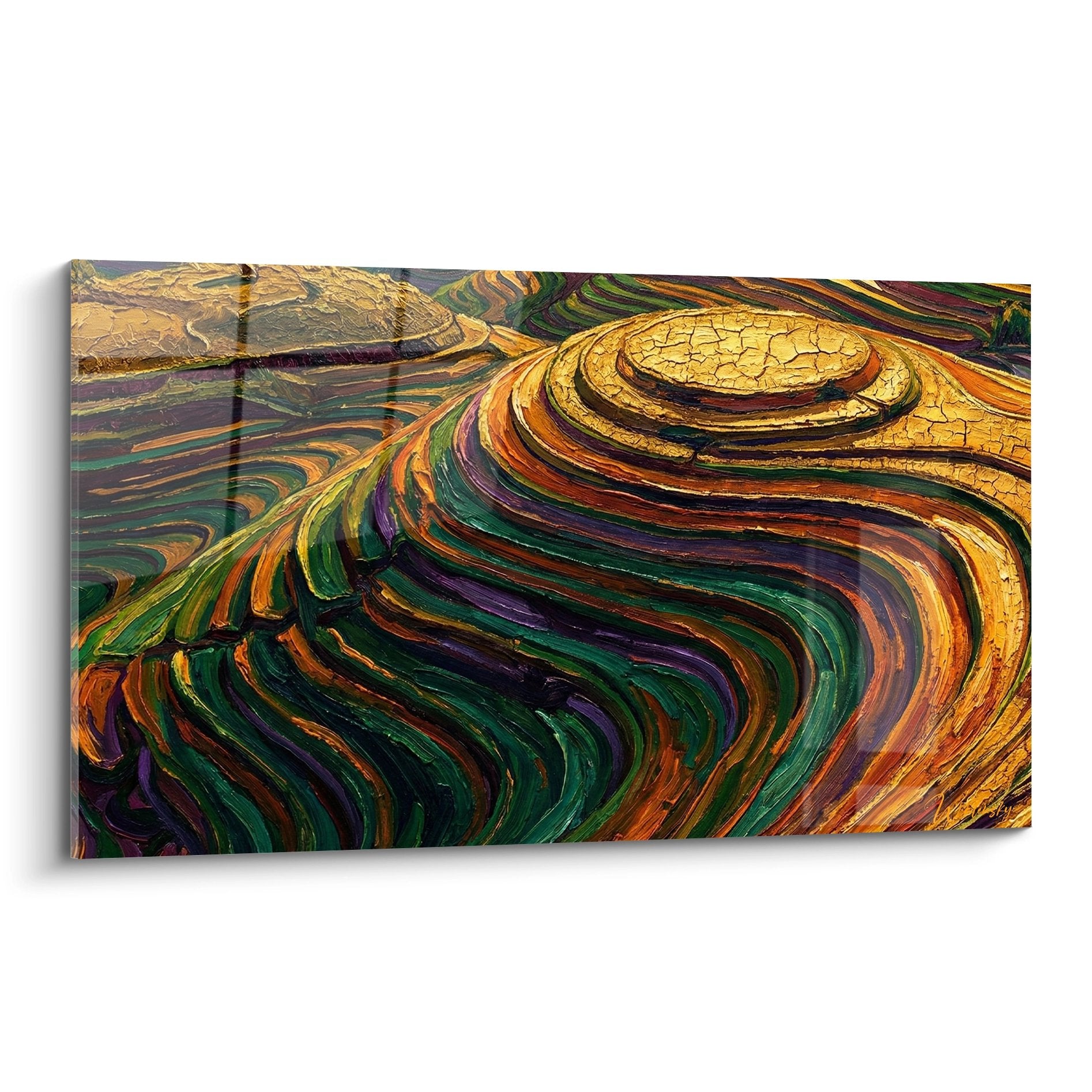
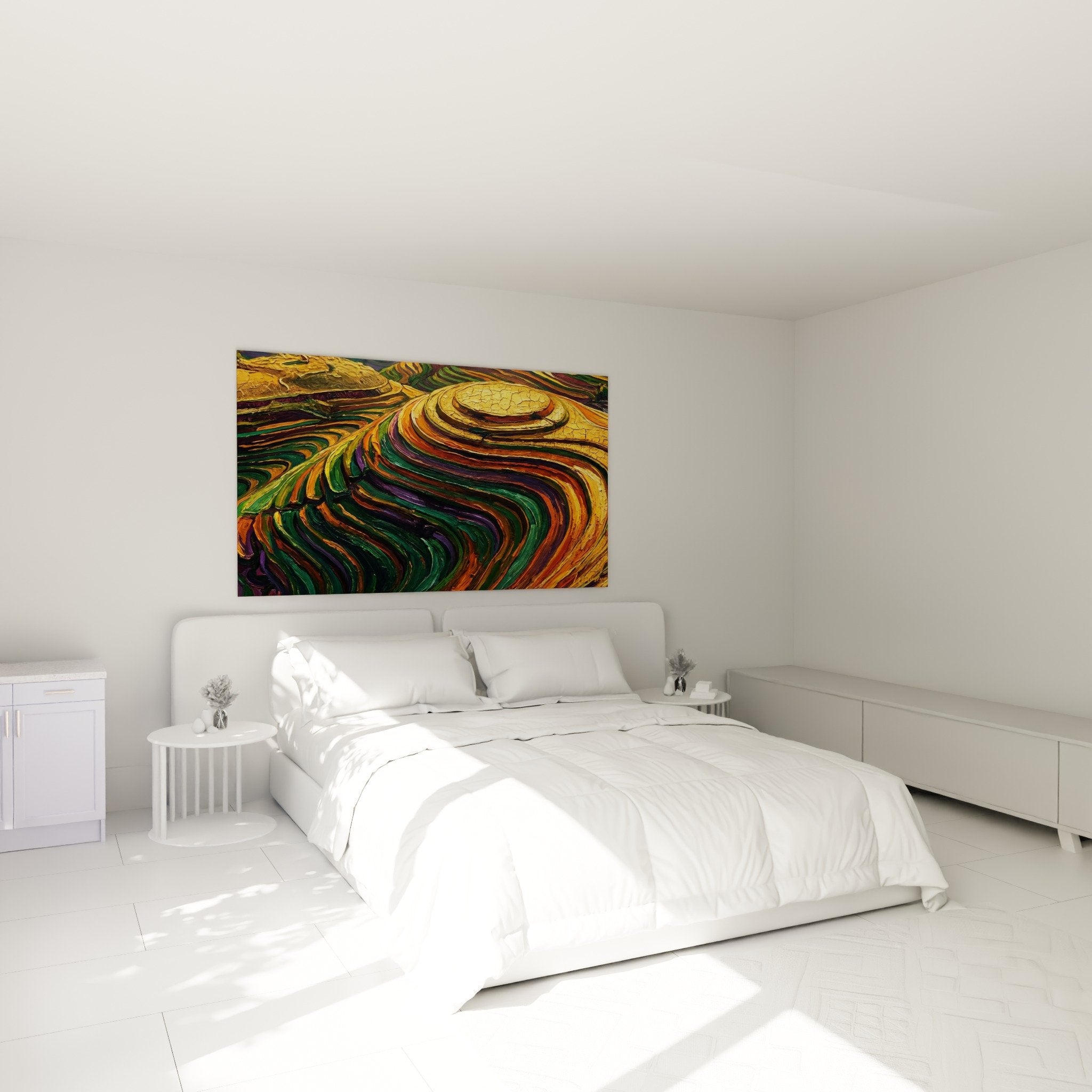
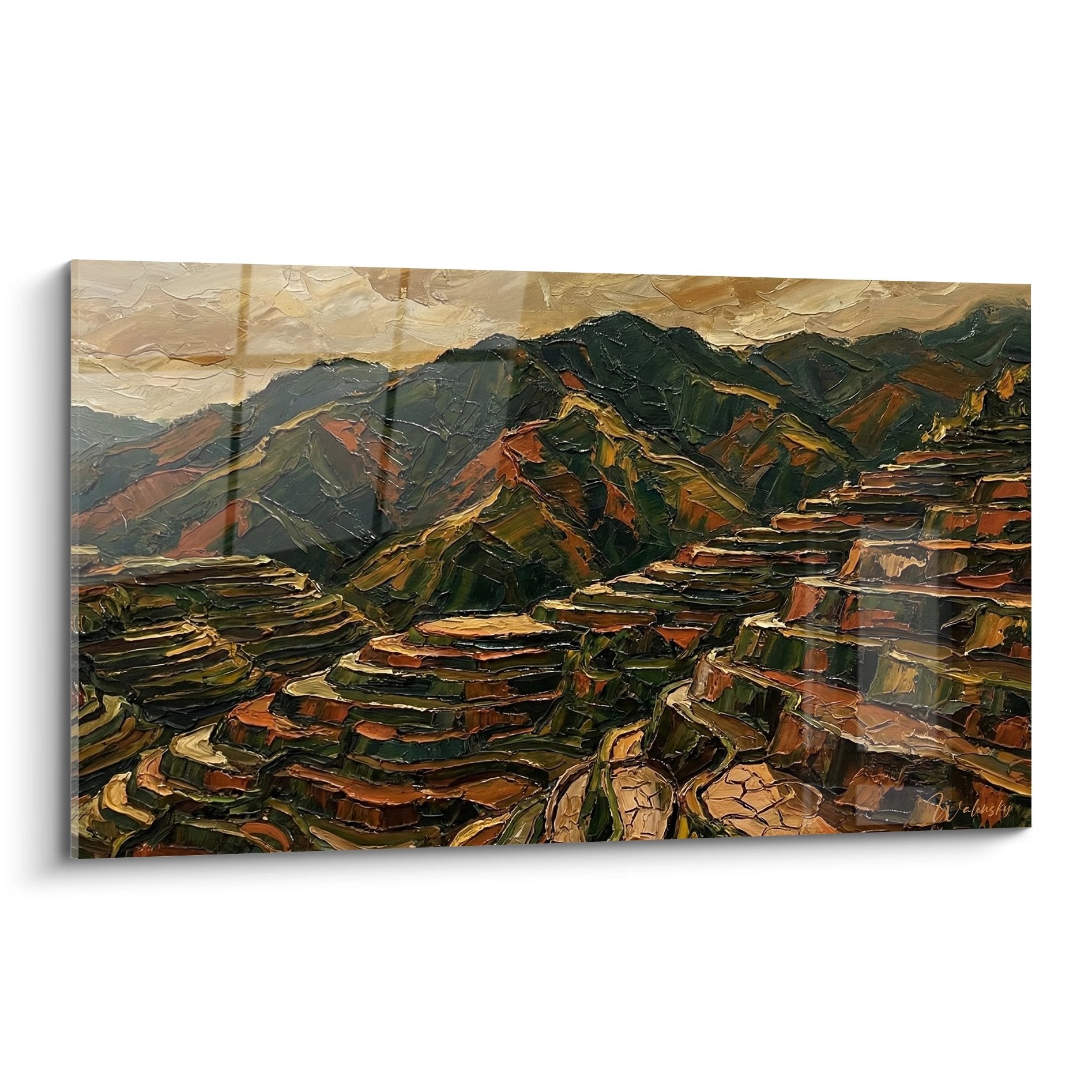
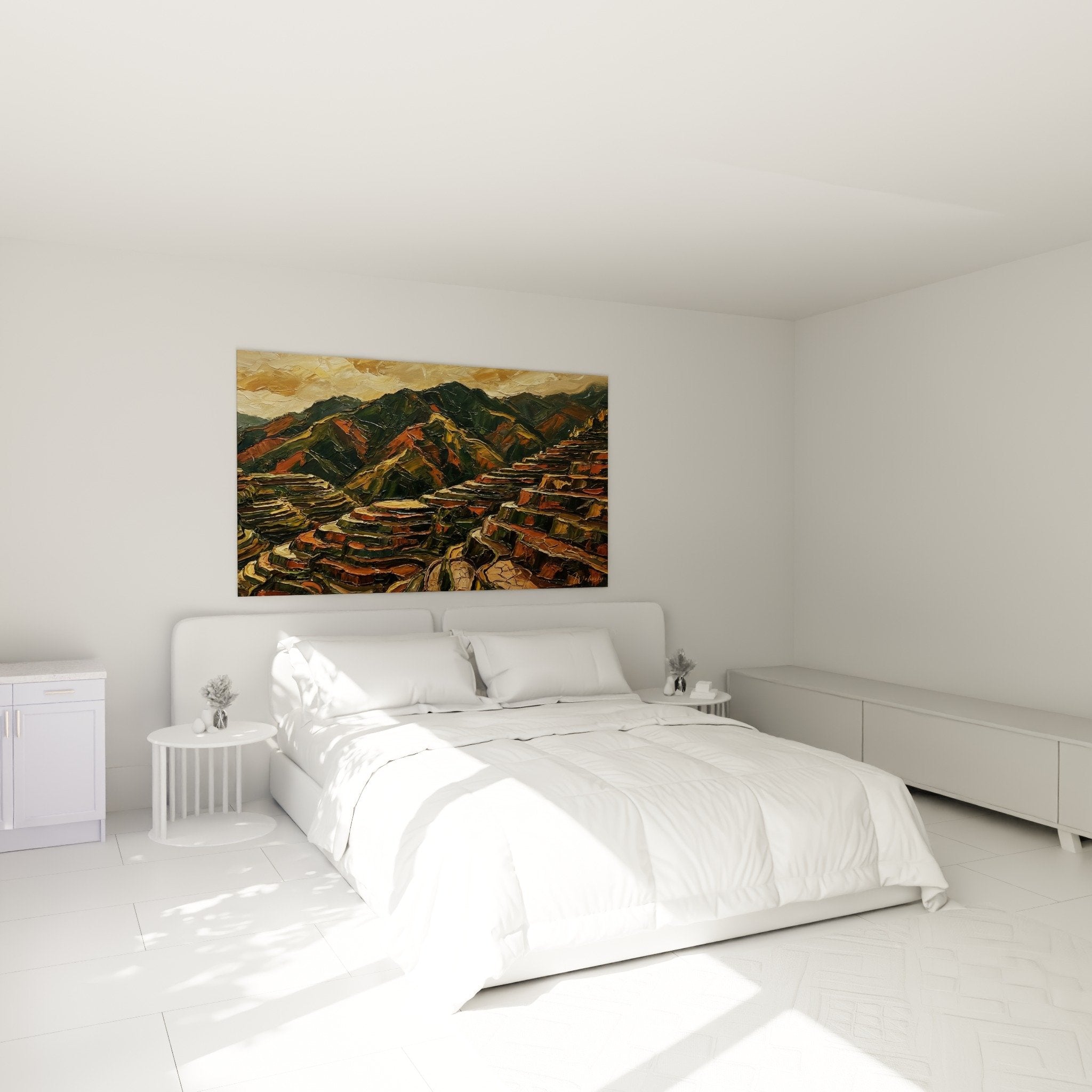
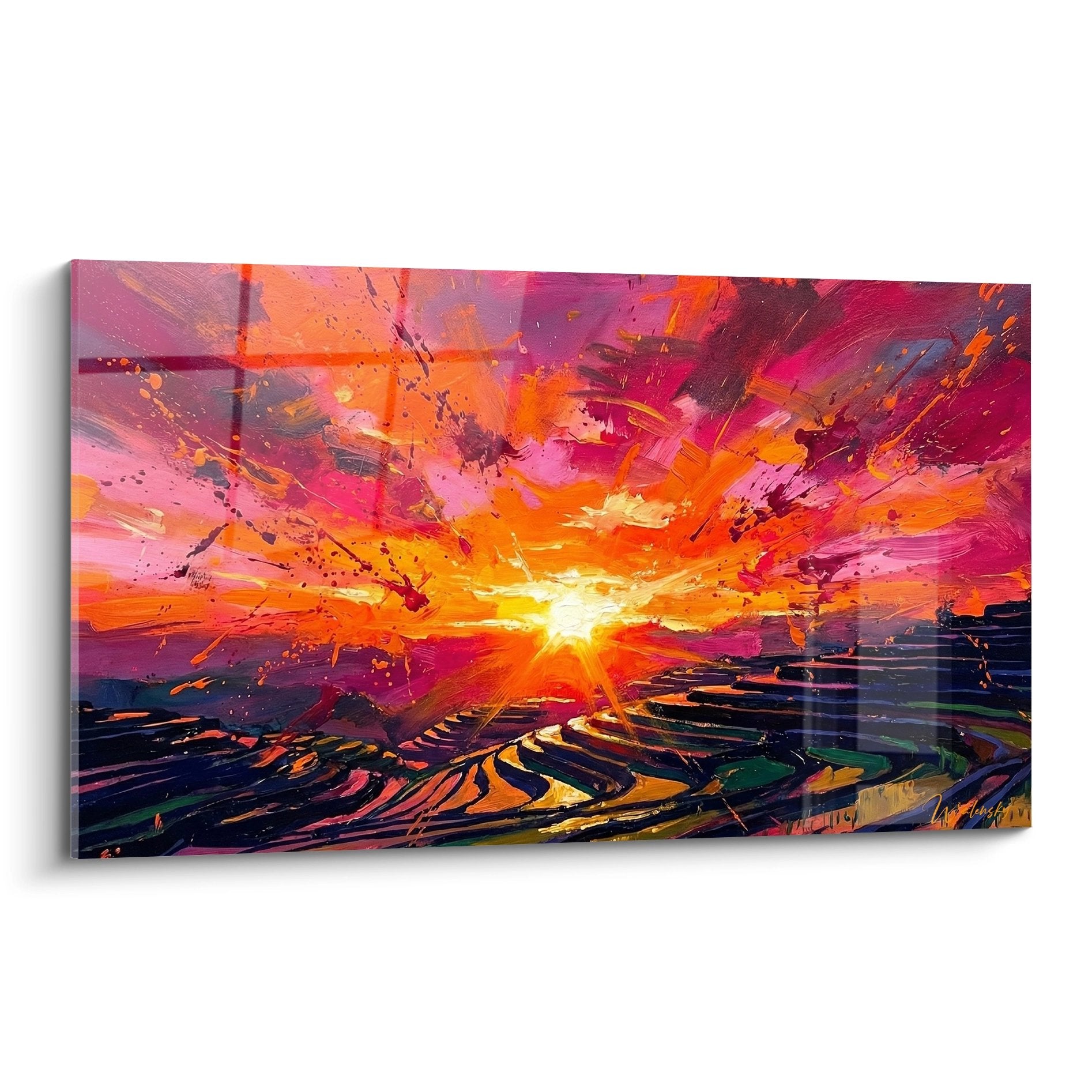
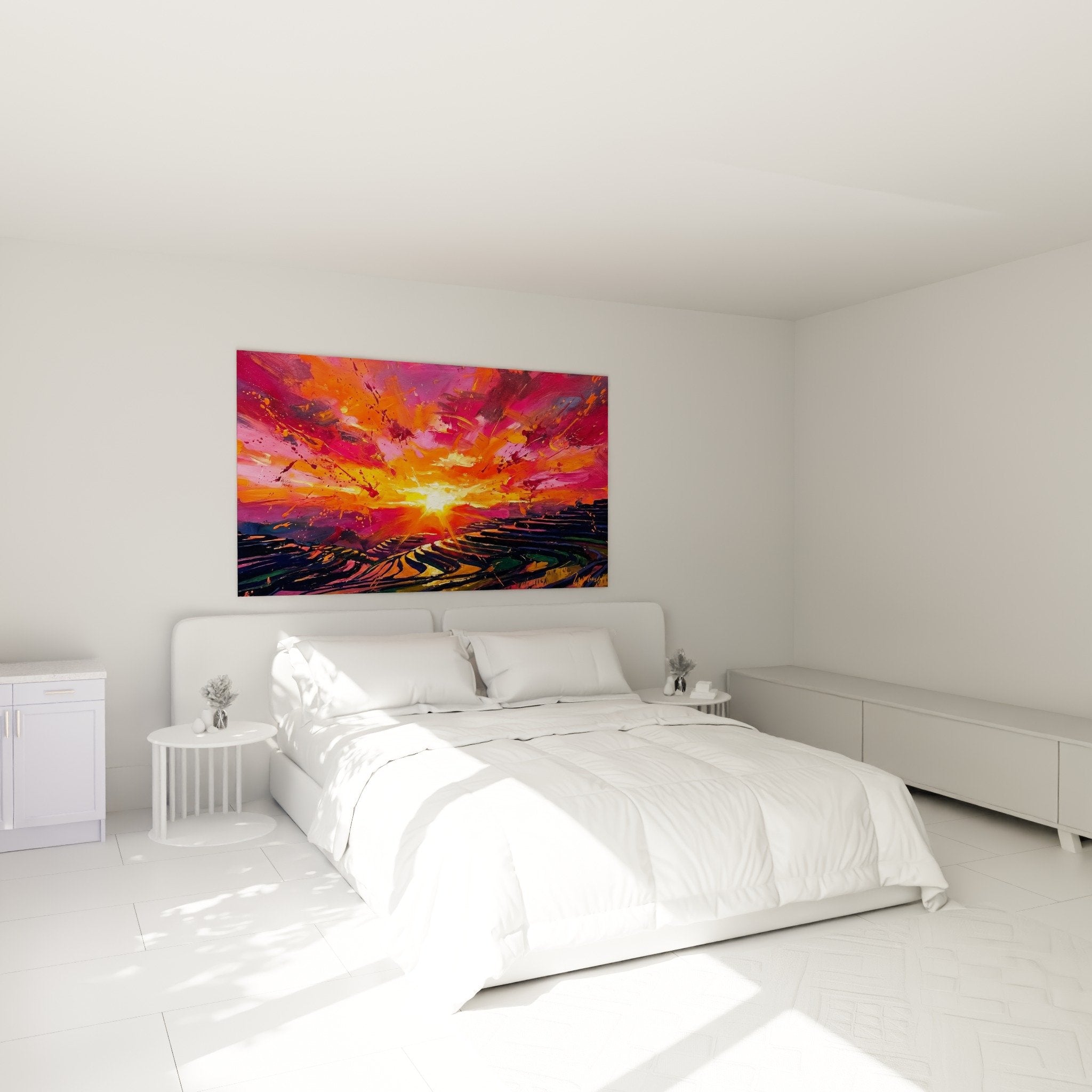
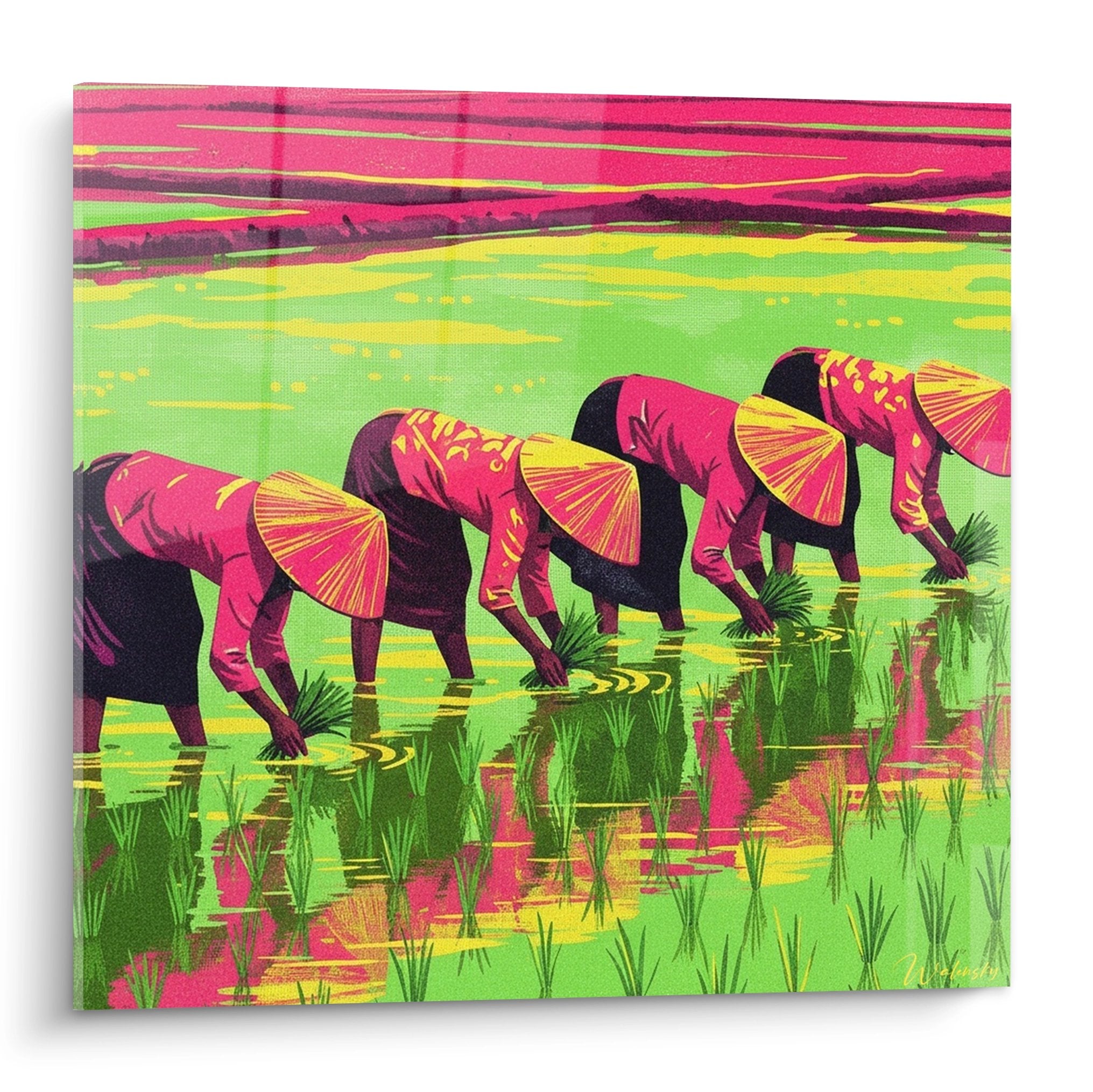
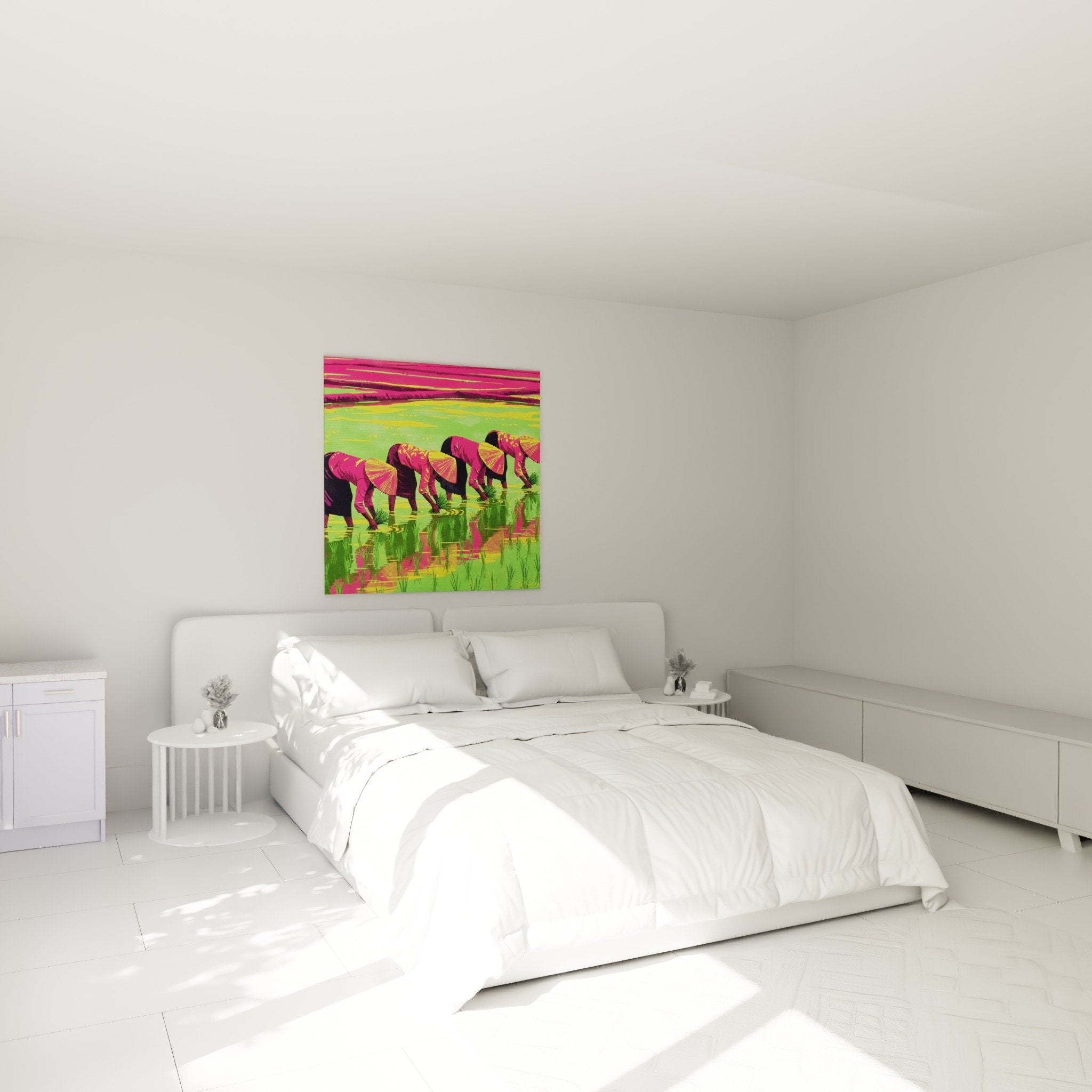
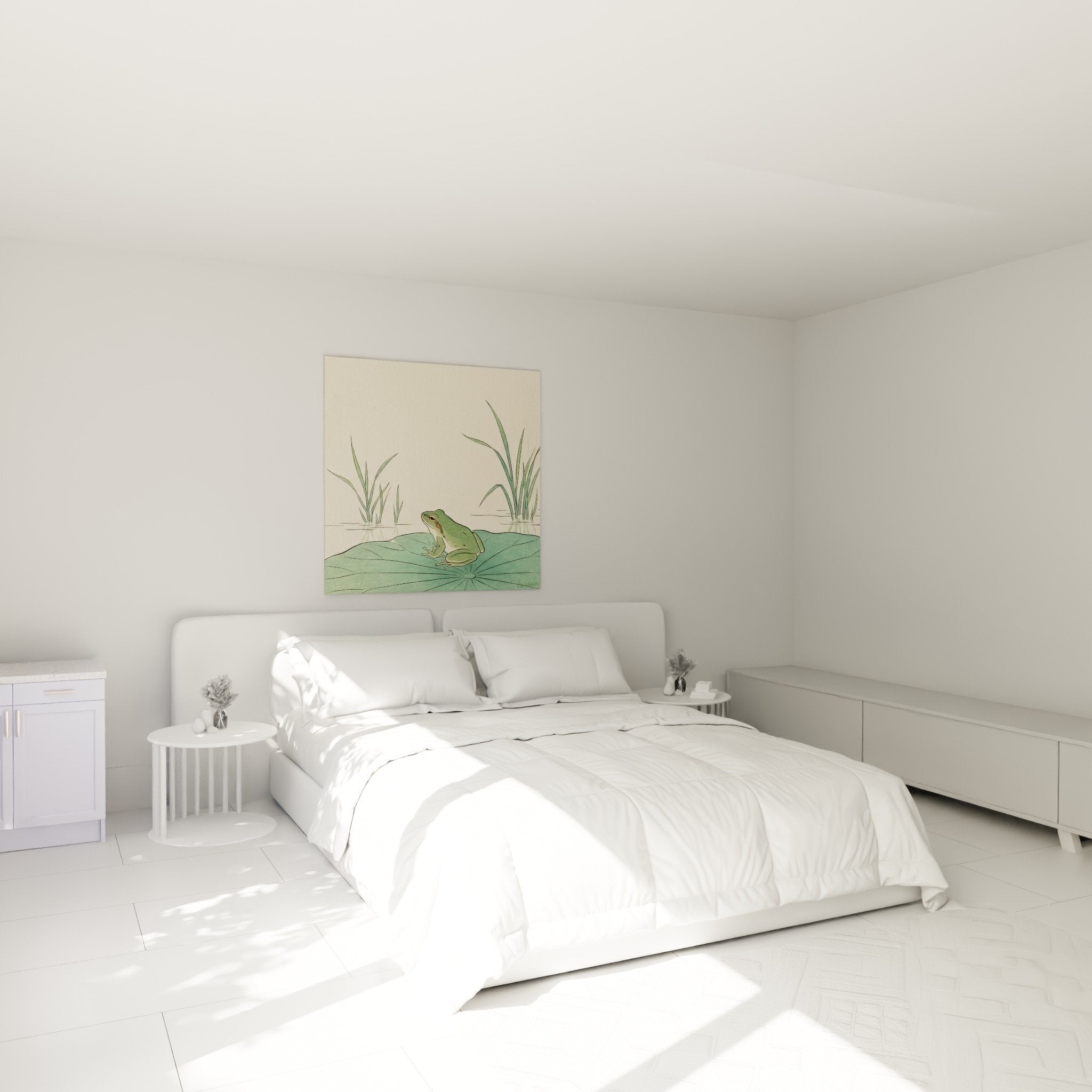
A rice terrace wall art captures the essence of Asian agricultural landscapes with their cascading verdant terraces. This monumental mural representation transforms your space into an open window onto submerged rice cultures, where water shimmers between geometric parcels sculpted into mountains. Layers of emerald green, jade, and chartreuse hues overlap to recreate the visual depth of flooded fields stretching toward the horizon. Each cultivation level tells a millennia-old story of traditional agriculture and symbiosis with nature. The visual immersion provided by these generous formats creates a contemplative escape ideal for contemporary living spaces seeking natural authenticity and connection with Eastern rural traditions.
The Aesthetics of Ancestral Agricultural Terraces
The rice terrace artwork embodies the mural representation of terraced cultivation systems that have shaped Southeast Asian mountainous landscapes for centuries. These photographic or pictorial compositions capture the sinuous curves of agricultural parcels that naturally embrace topography, creating hypnotic organic patterns. The alternation of water levels and plantings generates an evolving chromatic palette according to cultivation seasons: from the rich brown of tilled soil to the brilliant greens of young shoots, through to the mature golds of stalks ready for harvest.
Natural geometry and deep visual perspective
The stepped structure of rice terraces offers a naturally balanced composition that guides the eye through different planes of depth. These repetitive horizontal lines create a soothing visual rhythm while emphasizing the impression of monumental space. Aquatic reflections between earthen dikes add a changing luminous dimension, capturing variations of natural light like mirrors scattered on the mountain. For enthusiasts of Orient-inspired art, discovering our collection of Asian wall art reveals the full iconographic richness of this world region.
How does rice terrace wall art amplify modern living spaces?
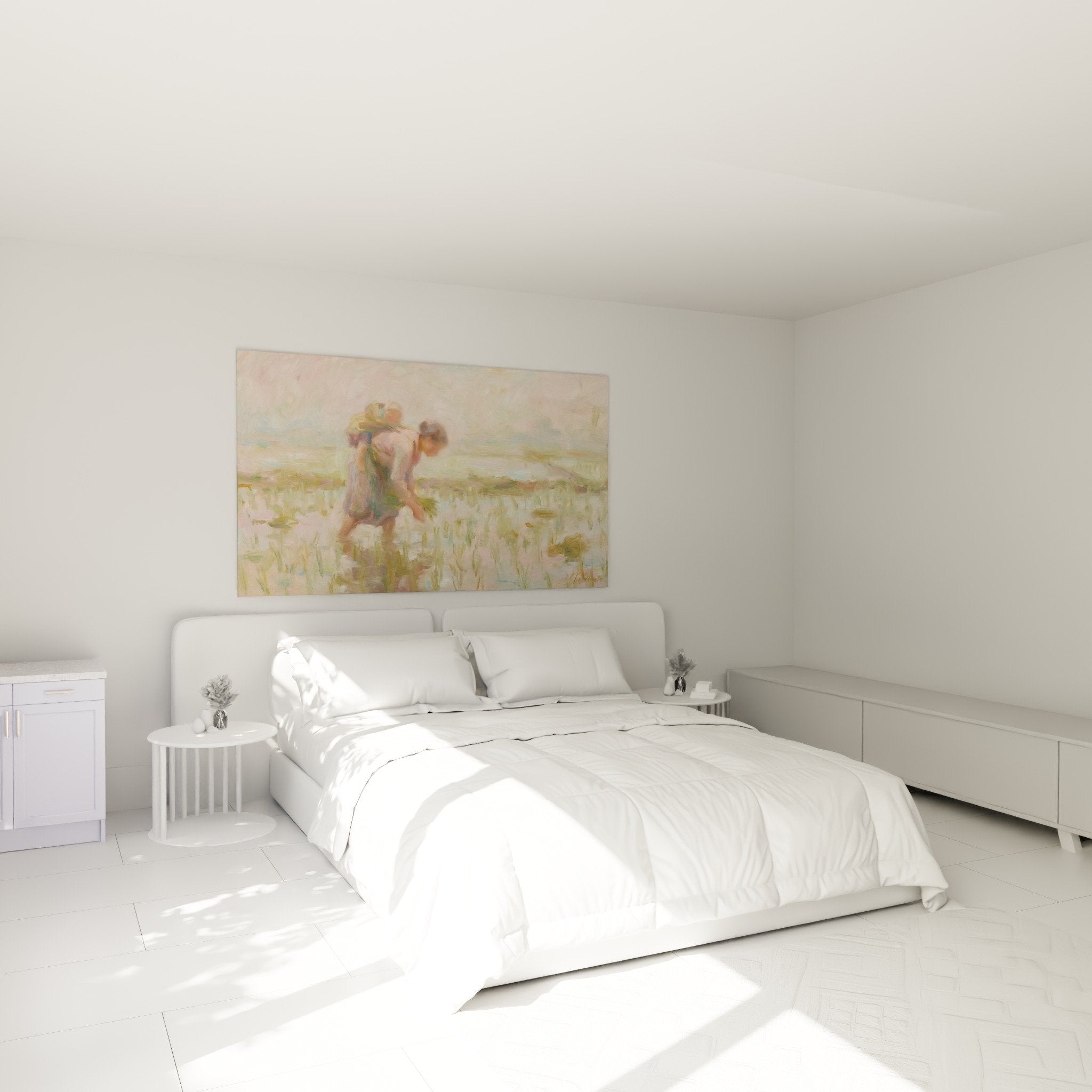
Integrating a terrace rice field artwork into contemporary interiors establishes a sophisticated contrast between streamlined architectural lines and the organicity of rural landscape. Panoramic formats particularly exploit this theme by reproducing the characteristic horizontal expanse of these cultivated landscapes. The inherent depth of field in these compositions creates a visual opening that perceptibly widens the wall space, transforming a simple wall into infinite perspective toward distant valleys.
Cultural symbolism of aquatic cultivation landscapes
Beyond their aesthetic beauty, terraced rice fields embody harmony between human ingenuity and respect for natural cycles. Each parcel represents generations of transmitted know-how, precise hydraulic balance, and a spiritual relationship with nurturing earth. This symbolic dimension considerably enriches the decorative presence of the artwork, offering residents a daily source of contemplation on values of endurance, patience, and harmonious coexistence with the environment.
Creating a Meditative Atmosphere Through Rural Landscape
Acquiring a rice terrace canvas responds to a search for visual peace in often overstimulating urban environments. The gentle repetition of contour curves, the reassuring horizontality of water planes, and a vegetation palette dominated by greens collectively create an atmosphere conducive to mental relaxation. These representations function as visual invitations to deep breathing and deceleration, transforming a living room or office into a sanctuary of tranquility.
Which rooms benefit most from a view of cultivated terraces?
Spaces dedicated to rest and personal regeneration derive maximum benefit from this serene agricultural imagery. A master bedroom wall welcoming a rice terrace panorama facilitates the transition to sleep by offering a final calming focal point before lights out. In meditation practice rooms, yoga studios, or reading corners, this imagery reinforces the intention of mindful presence and connection with essential simplicity. Home offices requiring sustained concentration also benefit from this visual window toward landscapes where time seems suspended.
Association with natural and plant-based decorative elements
To amplify the immersive effect of artwork depicting aquatic rice cultivation, the immediate decorative environment plays a crucial complementary role. The integration of indoor plants with generous foliage — bamboo, ferns, dwarf palms — creates continuity between two-dimensional representation and three-dimensional plant presence. Natural materials like rattan, woven bamboo, raw stone, or driftwood in surrounding furniture reinforce thematic coherence. Textiles in linen, organic cotton, or hemp in earthy and vegetable tones complete the authentic natural atmosphere sought.
Atmospheric variations and moments of contemplation
A fascinating element of rice terrace representations lies in their ability to evoke different atmospheric conditions and times of day. Versions capturing dawn with morning mists floating between terraces bring an ethereal and mystical dimension. Compositions under stormy skies with dramatic clouds add emotional intensity and narrative depth. Harvest scenes with discreet human presence introduce a documentary and anthropological dimension. Each variation offers a distinct contemplative experience depending on the mood and energy sought in the space.
The Vertical Aquatic Ecosystem as Decorative Element
A rice terrace wall display celebrates a unique agricultural ecosystem where water circulates by gravity from one terrace to another, creating an ancestral irrigation system of remarkable efficiency. This hydraulic dimension gives mural representations an almost kinetic quality, where the eye naturally follows distribution channels between parcels. Fragmented aquatic reflections on each level generate complex visual texture that captures and diffuses ambient light in changing ways depending on viewing angle and surrounding light sources.
Why do panoramic formats particularly suit terrace landscapes?
The natural configuration of rice terraces stretches horizontally across mountain slopes, following contour lines over vast distances. Panoramic formats — particularly the generous dimensions available in our collections — respect this original proportion and reproduce the visual sweep experience offered by the actual landscape. This horizontal extension also creates a lateral opening effect particularly effective on height-constrained walls, such as those above sofas, sideboards, or in hallways. The width allows incorporation of multiple terrace levels, multiplying visual interest and sense of depth.
Seasonal cycles and chromatic transformation
Unlike static landscapes, aquatic rice cultures traverse spectacular visual phases. The large-format rice terrace artwork can capture these transition moments: submerged parcels perfectly reflecting the sky like fragments of celestial mirrors, young plants emerging as uniform tender green carpet, maturity where weighted stalks create golden waves in the wind, or post-harvest fields revealing the raw geometric structure of earthen walls. Choosing a specific representation means selecting a particular phase of this perpetual cycle, with its distinctive chromatic palette and seasonal energy.
Integration into professional and commercial spaces
Beyond private residences, representations of Asian agricultural landscapes find their place in professional contexts seeking ambiance that is both sophisticated and calming. Medical waiting rooms, therapy offices, wellness studios, coworking spaces, and hotel lobbies benefit from this imagery suggesting patient growth, natural processes, and ecological harmony. Restaurants offering authentic Asian cuisine reinforce their cultural identity by displaying these emblematic landscapes. Meeting rooms adopting these visuals foster an atmosphere of thoughtful collaboration rather than stressful confrontation.
Frequently asked questions about rice terrace wall art
Which geographic region offers the most beautiful rice terrace landscapes for wall art?
Bali's terraces in Indonesia, Longsheng in China, Sapa in Vietnam, and Banaue in the Philippines rank among the most photographed sites. Each region presents distinct topographic characteristics, with varying curve steepness and terrace densities, offering unique visual compositions.
Does rice terrace wall art suit Scandinavian or minimalist interiors?
Absolutely. The streamlined geometry of terraces, the natural palette dominated by greens and earth tones, and the philosophy of harmonious simplicity integrate perfectly into Nordic and minimalist aesthetics. The contrast between the landscape's organic lines and contemporary architectural rigor creates balanced visual tension.
How to choose between rice terrace photography and painting?
Photography offers striking documentary realism and detail precision that enhances immersion. Painting allows freer artistic interpretation, with possibility to accentuate certain colors, simplify composition, or add an impressionist dimension. The choice depends on the desired effect: raw authenticity or stylized poetic evocation of agricultural landscape.