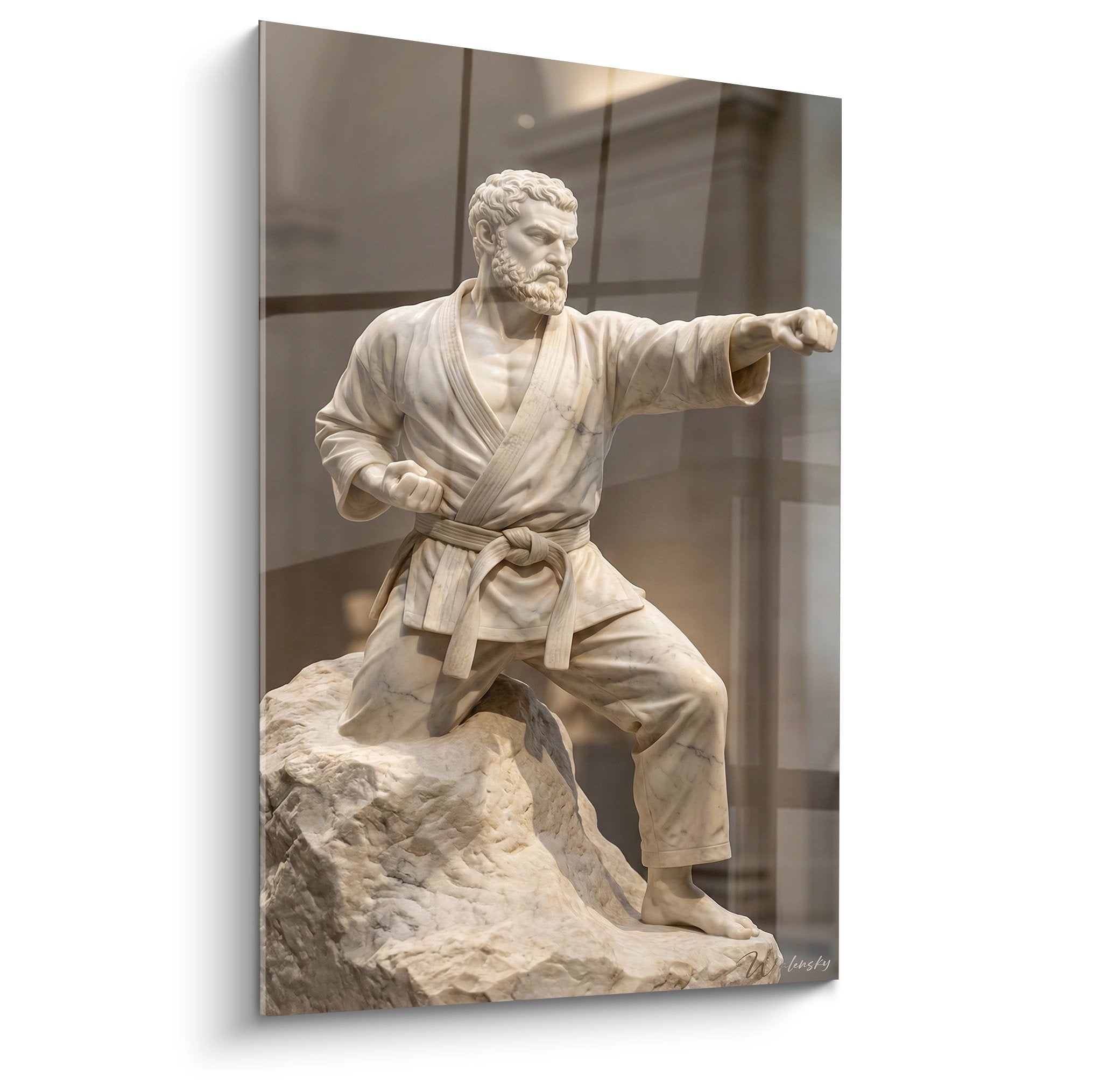
- Karate Wall Art Presentation
- Karate Wall Art: Martial Inspiration
- Karate Wall Art: Symbolism and Belt Ranks
- Karate Wall Art: Bushido Philosophy
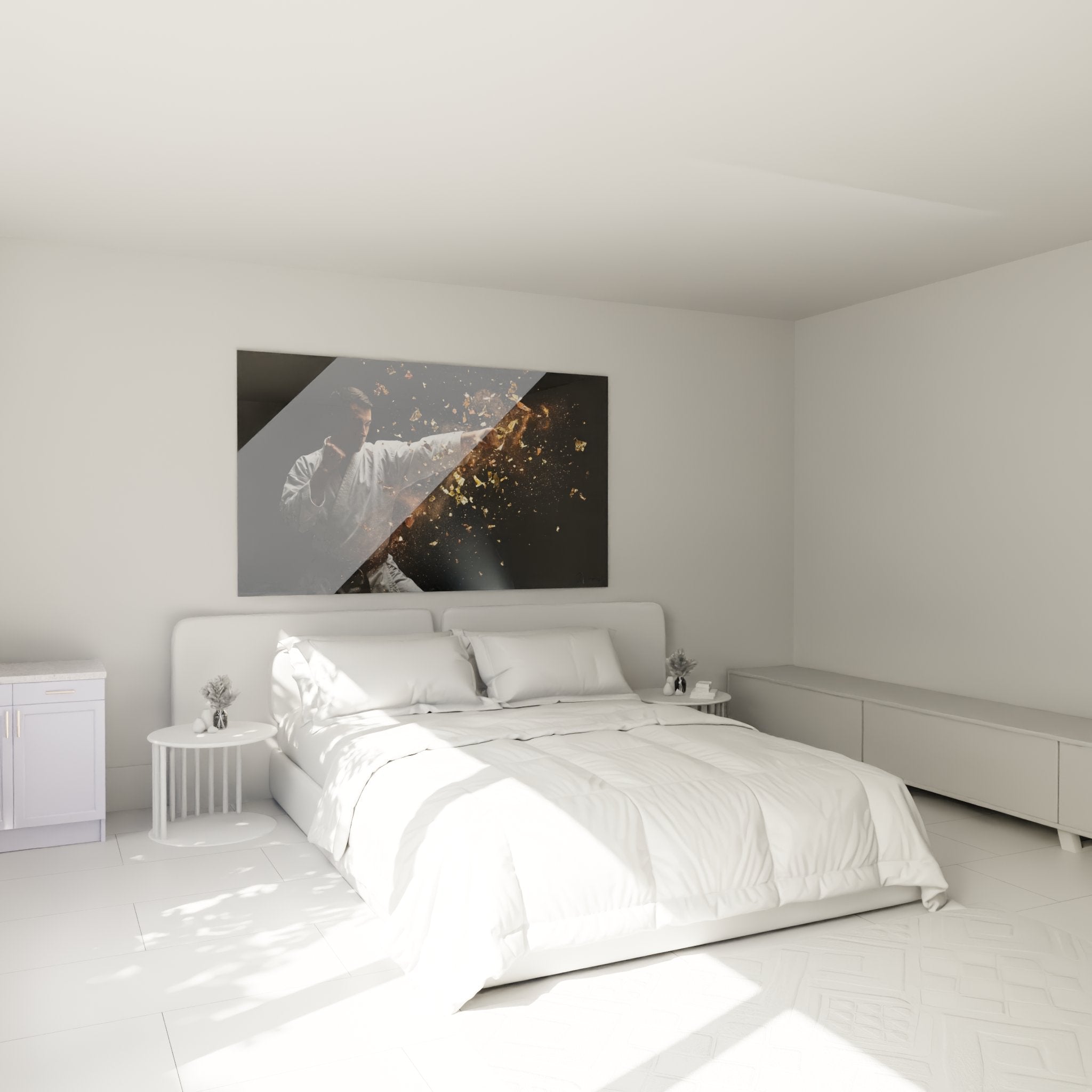
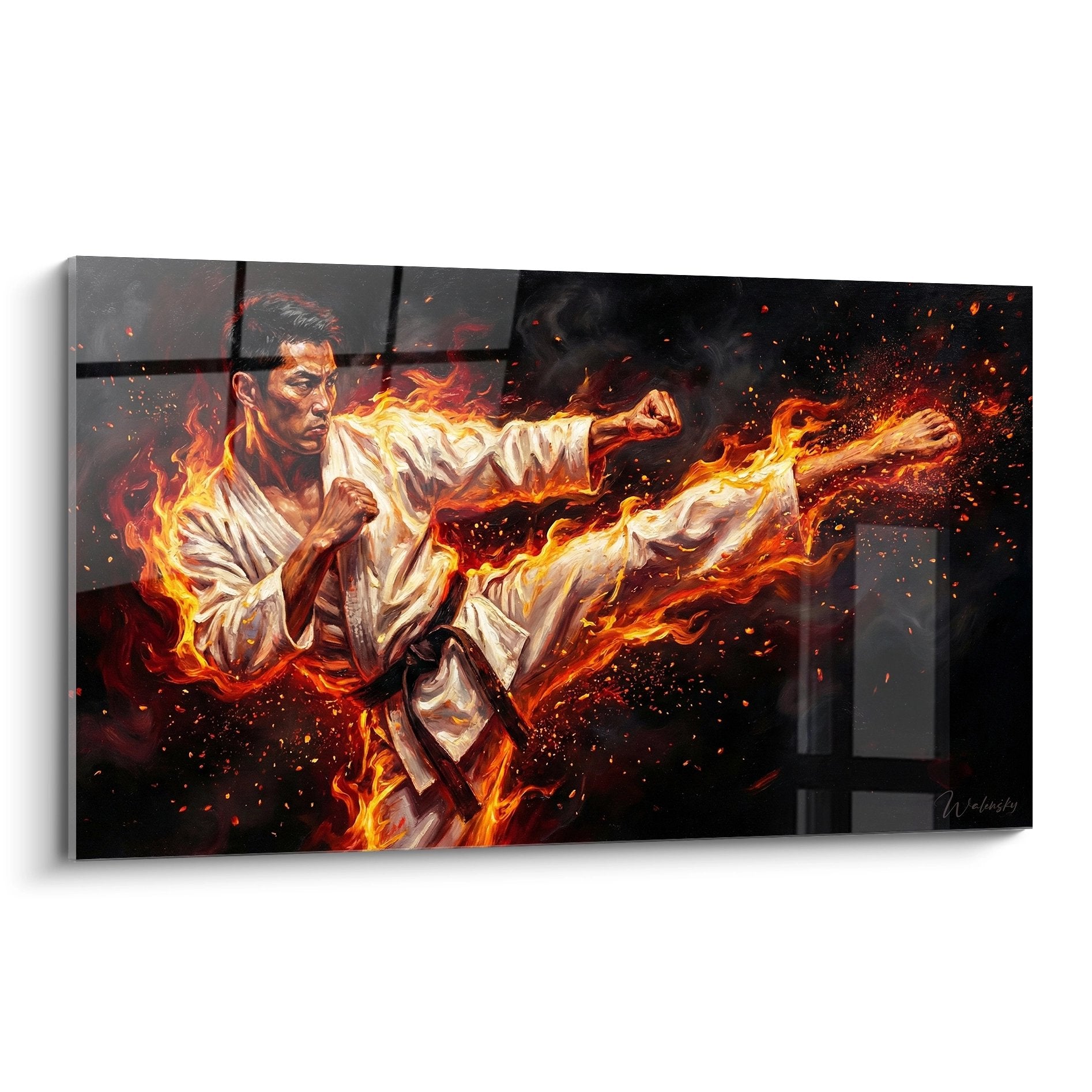
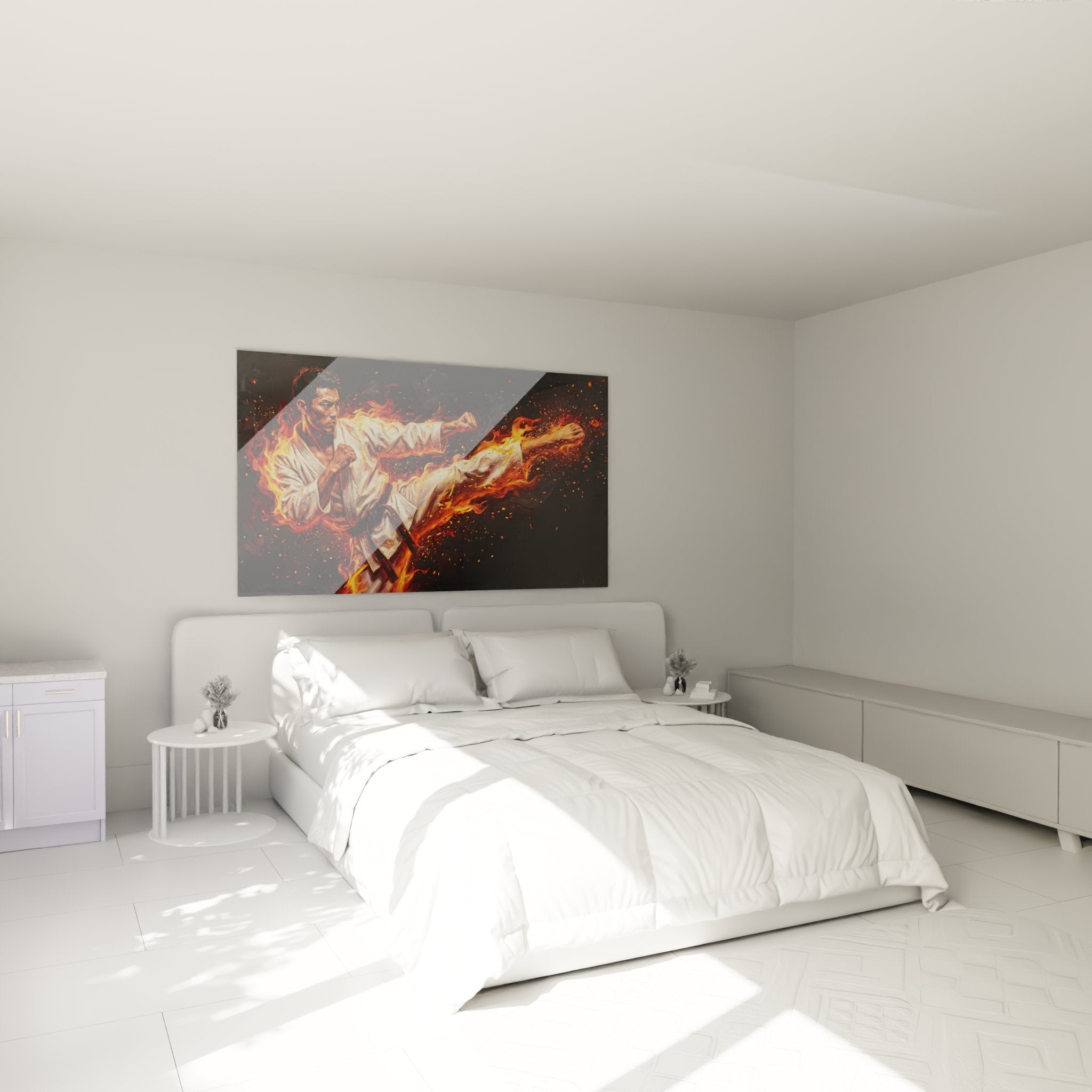
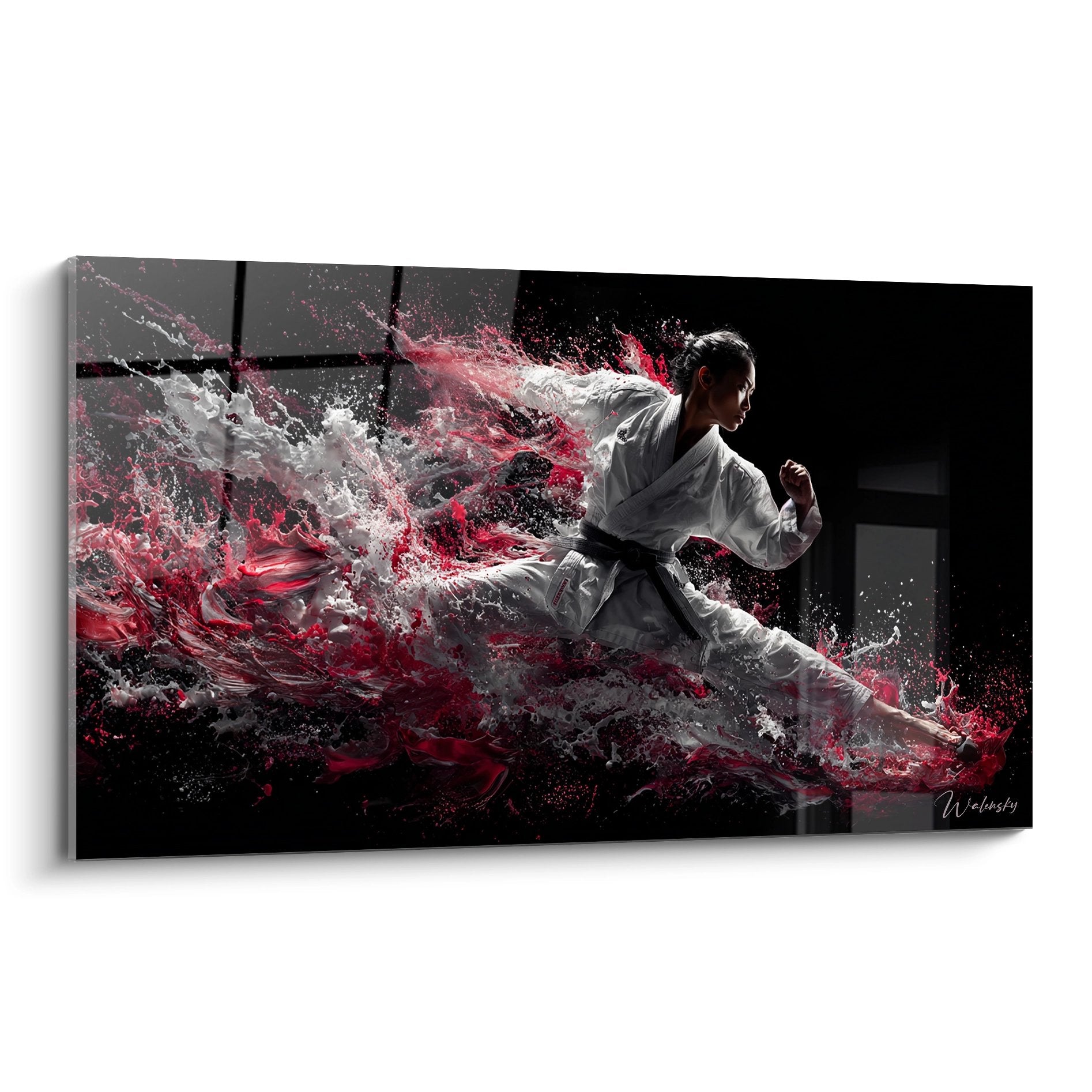
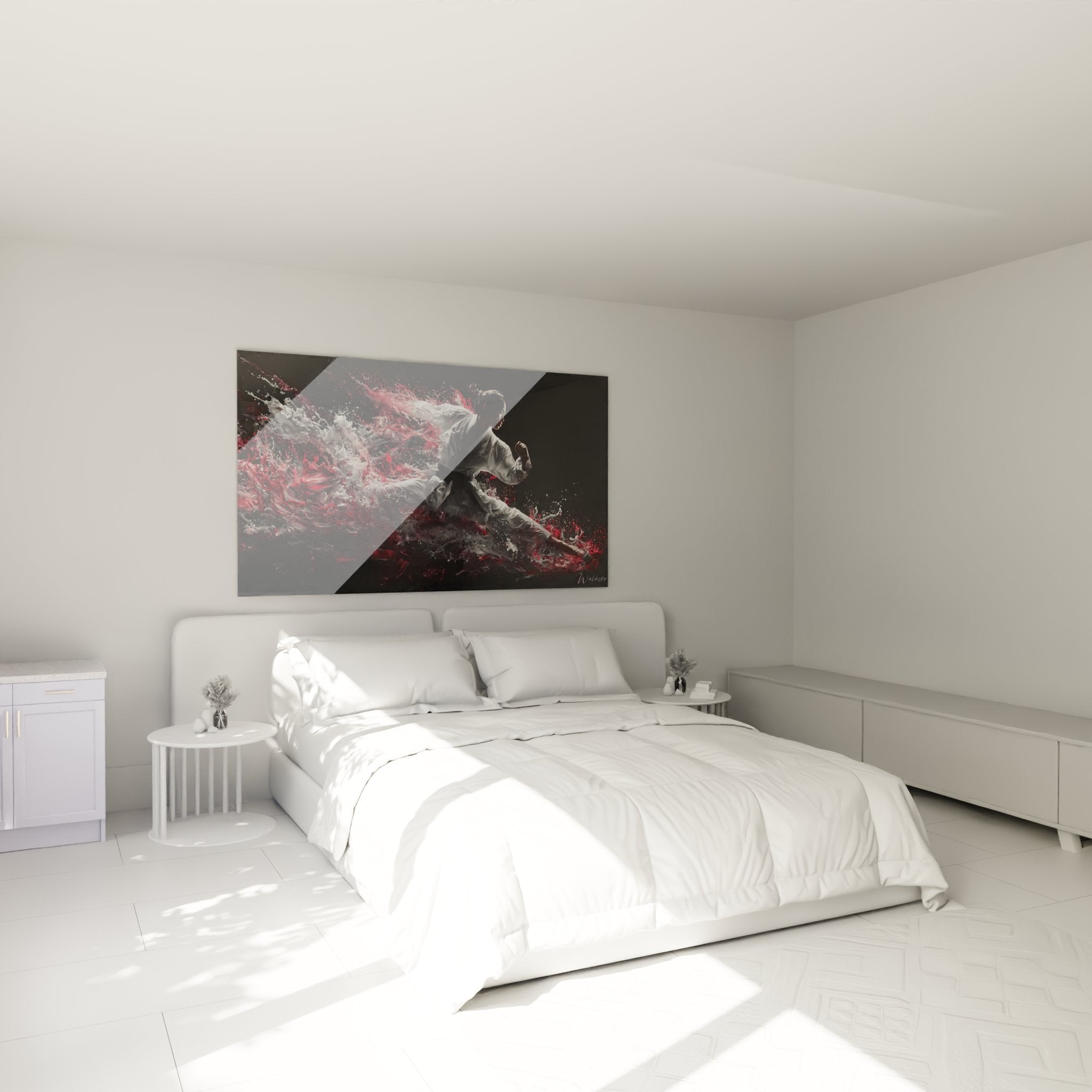
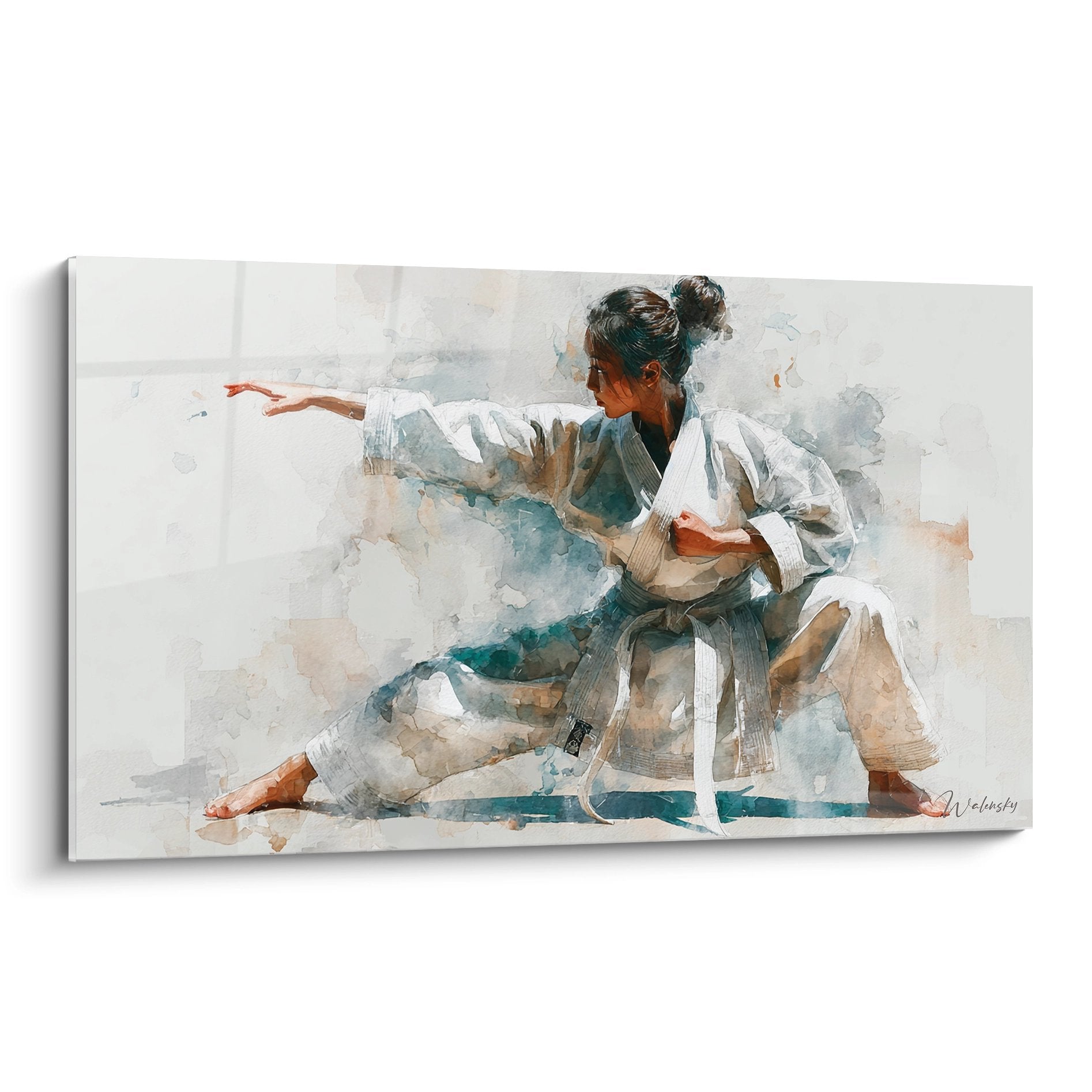
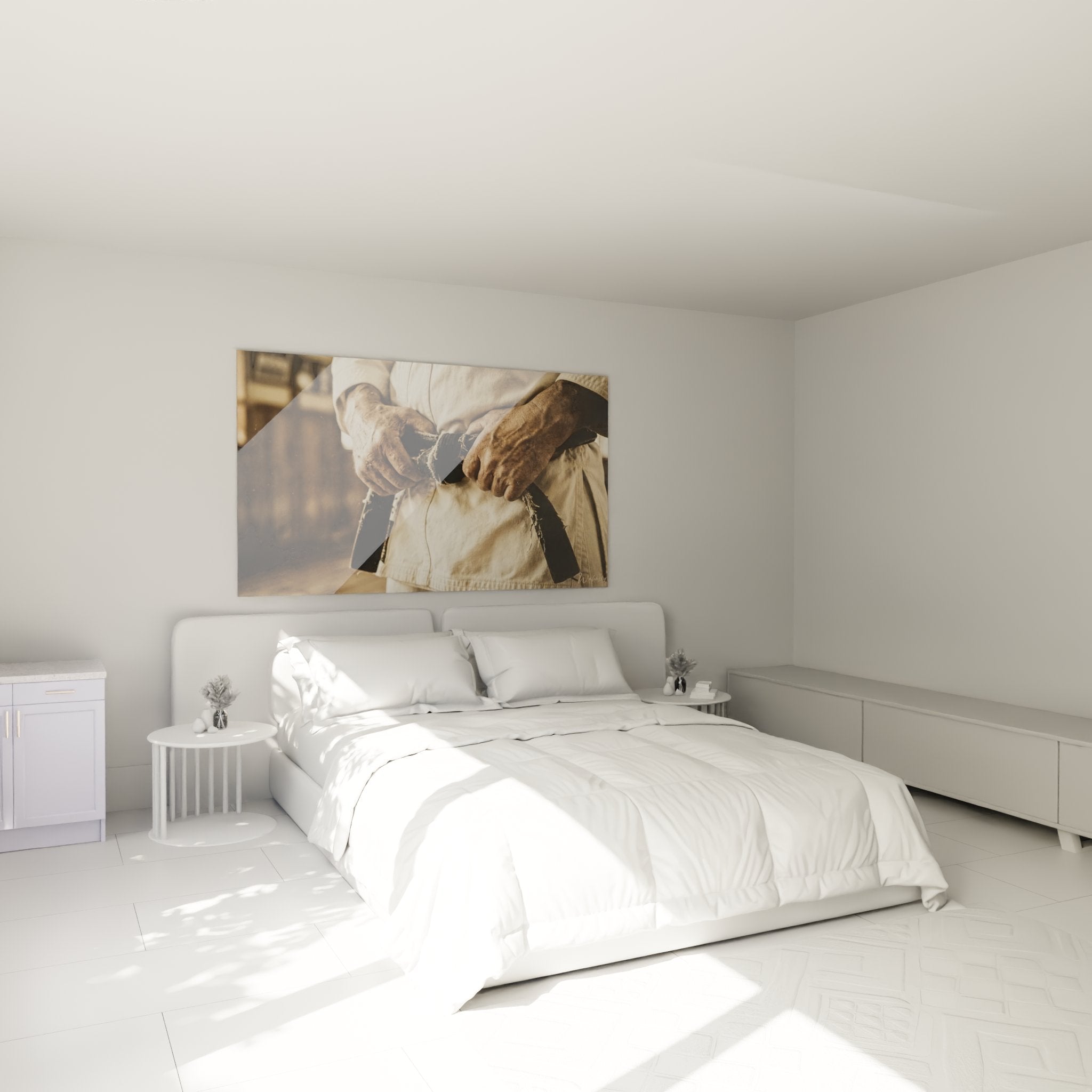
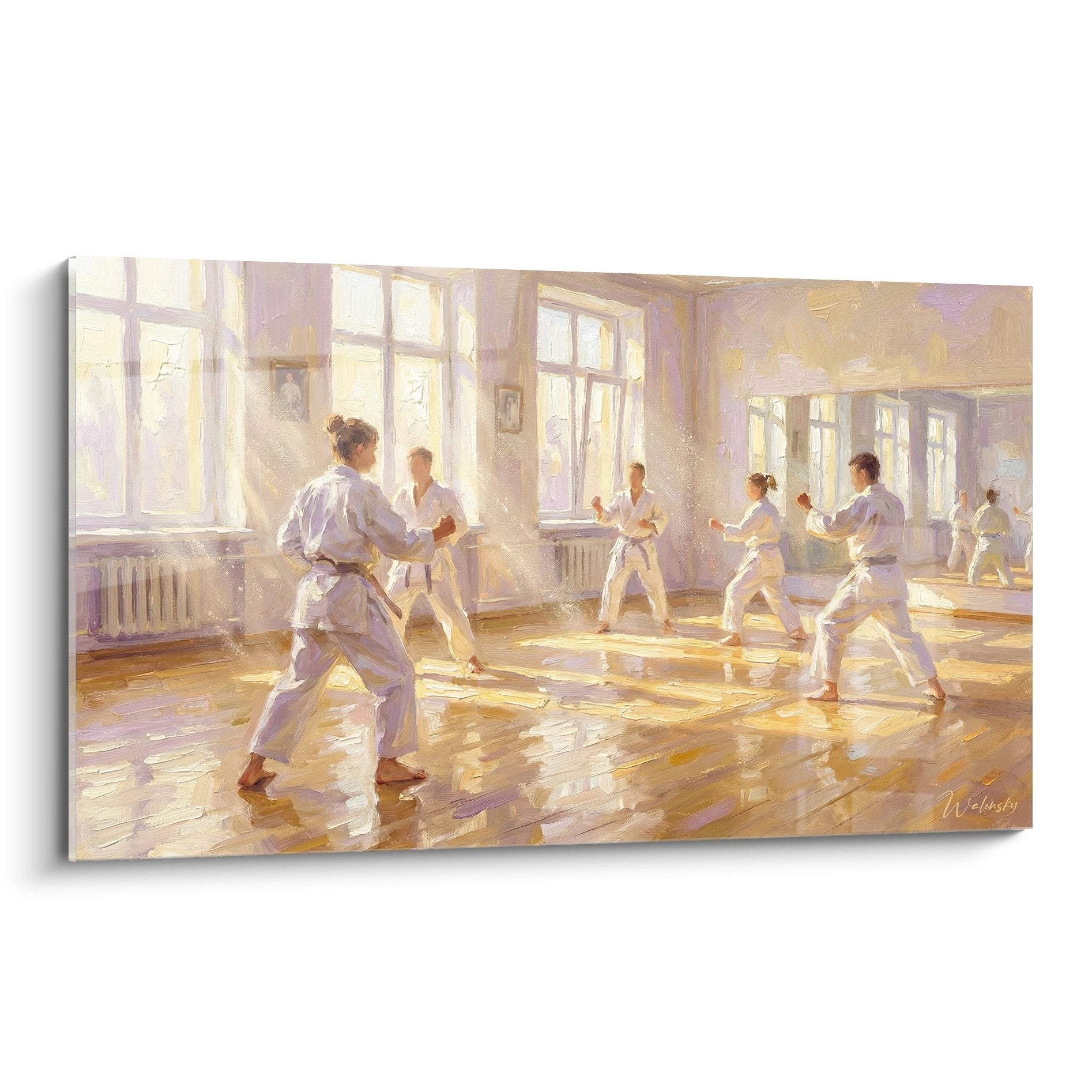
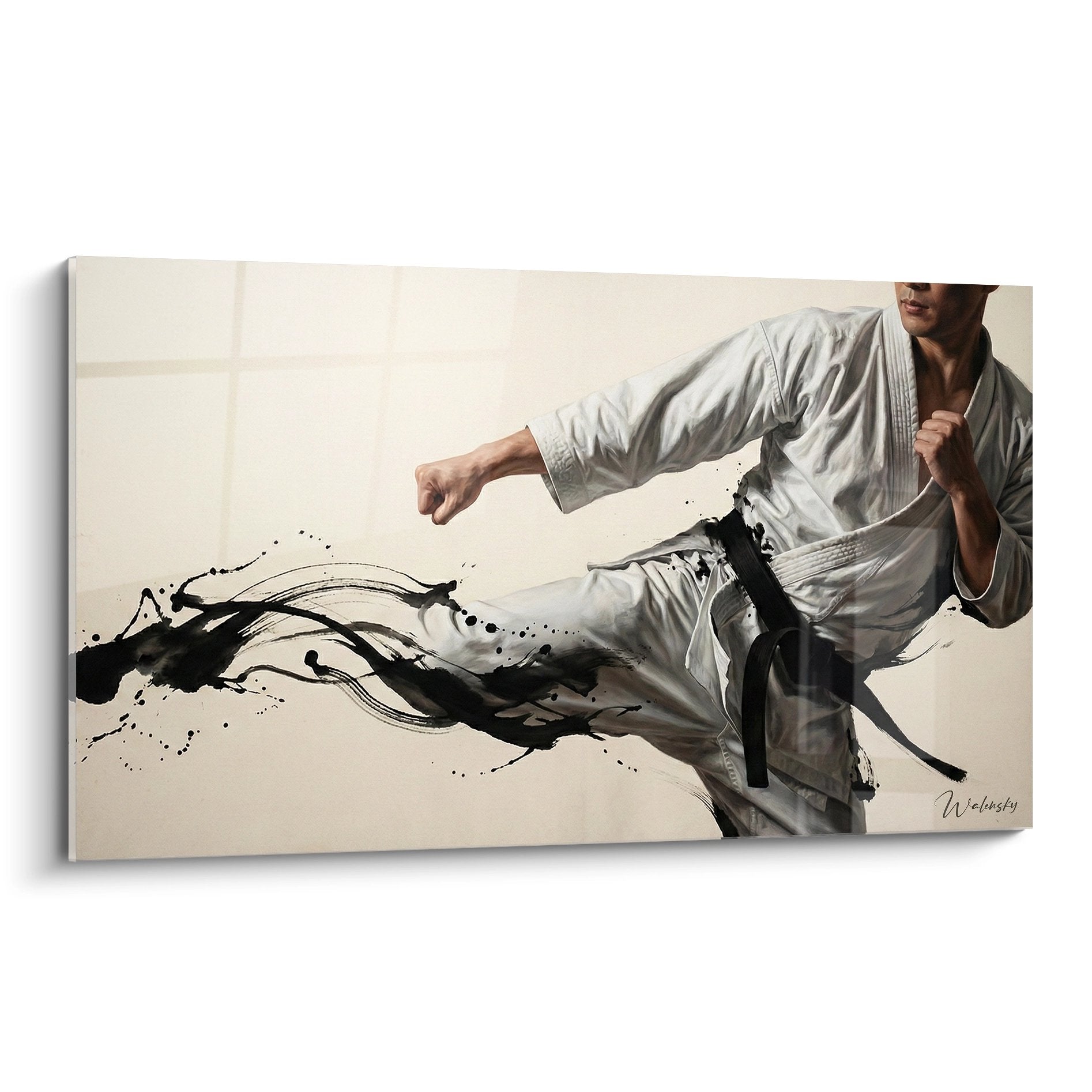
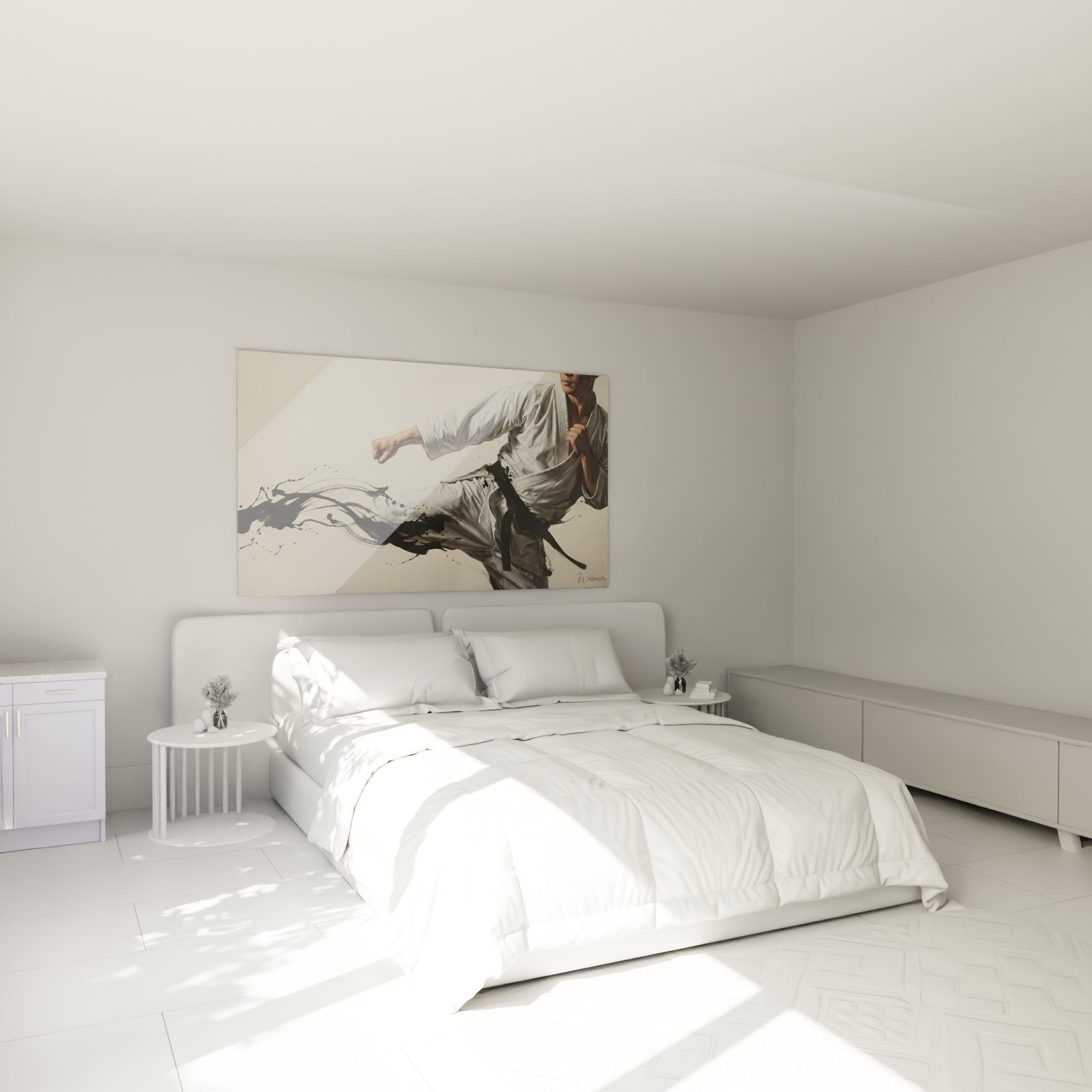
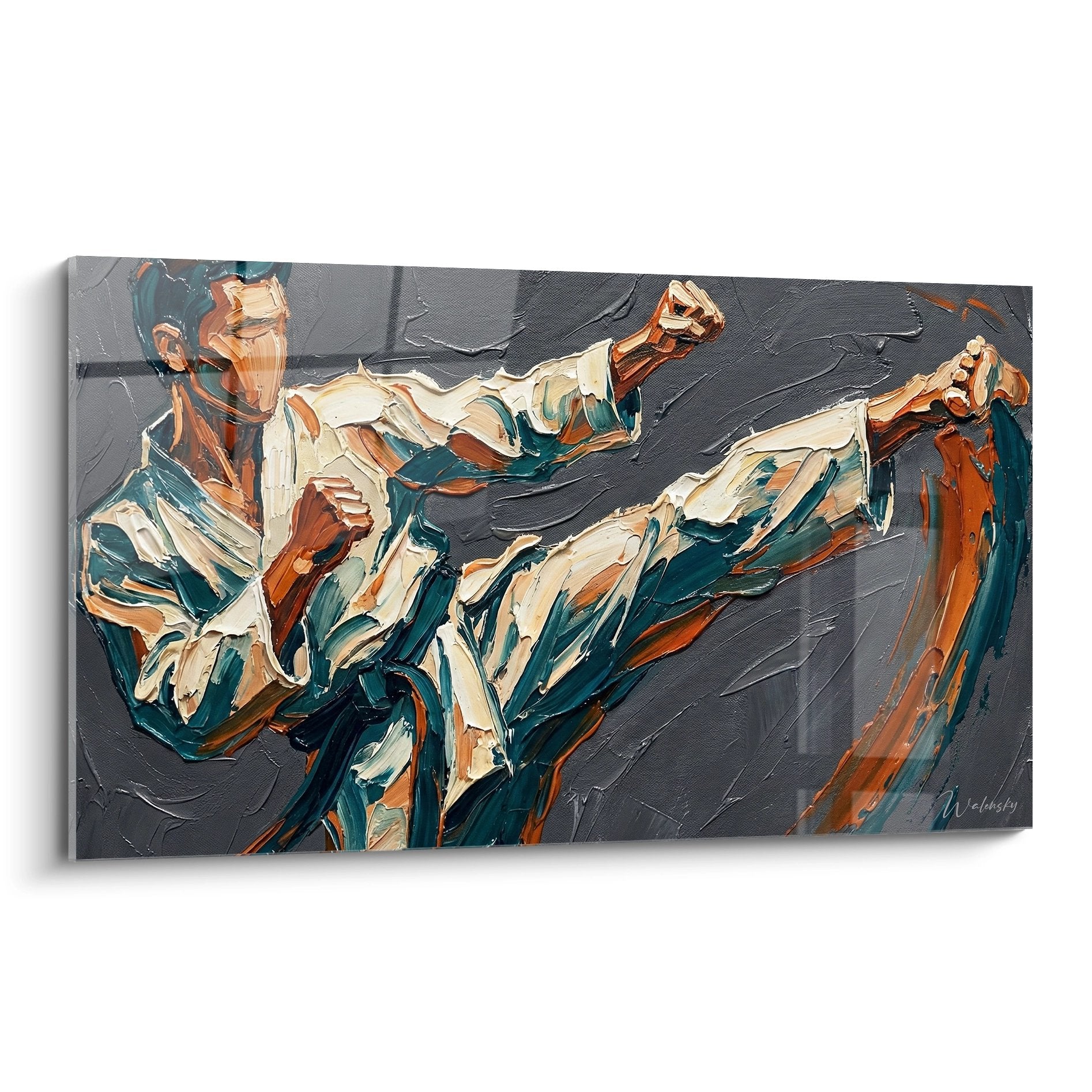
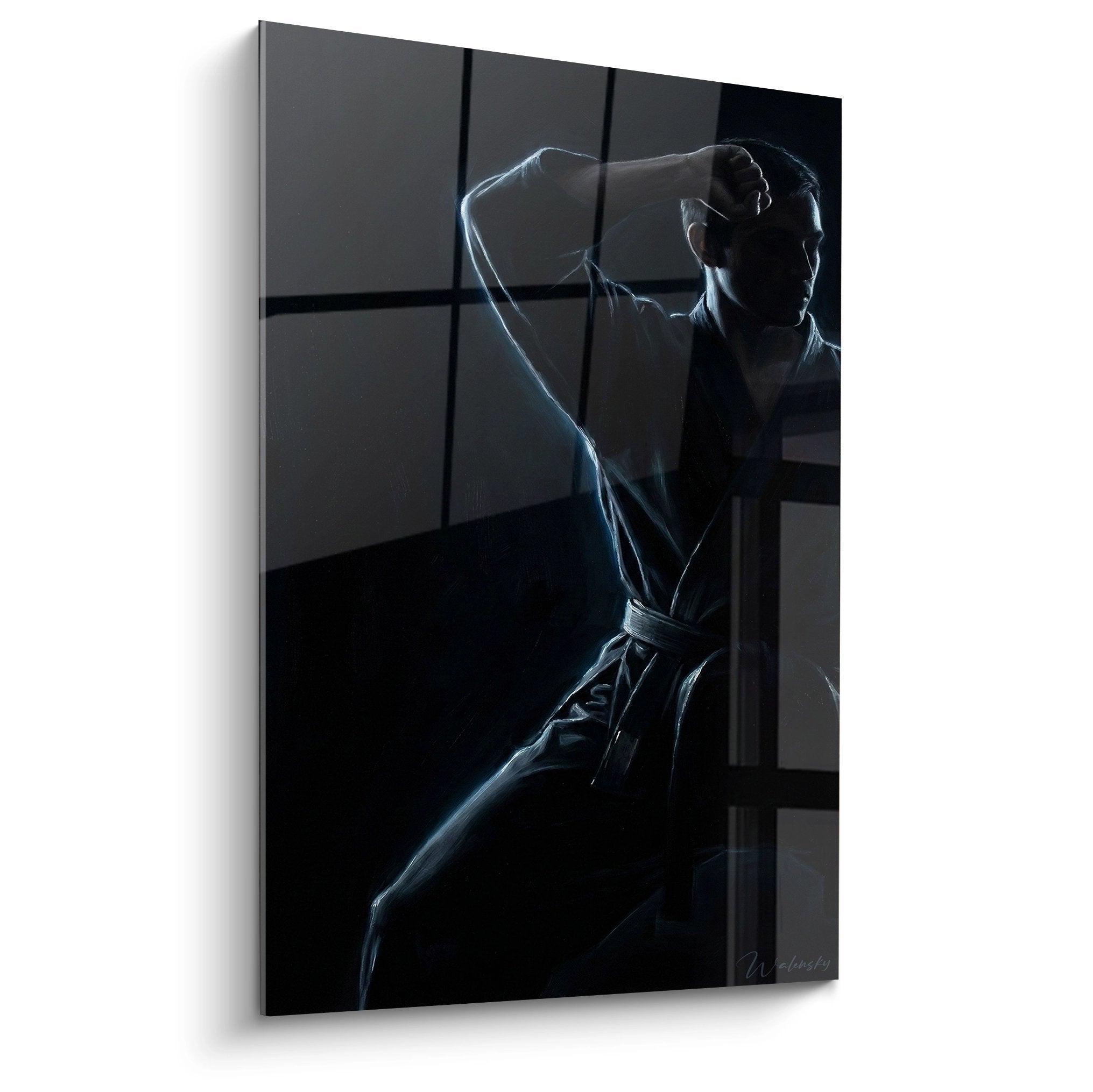
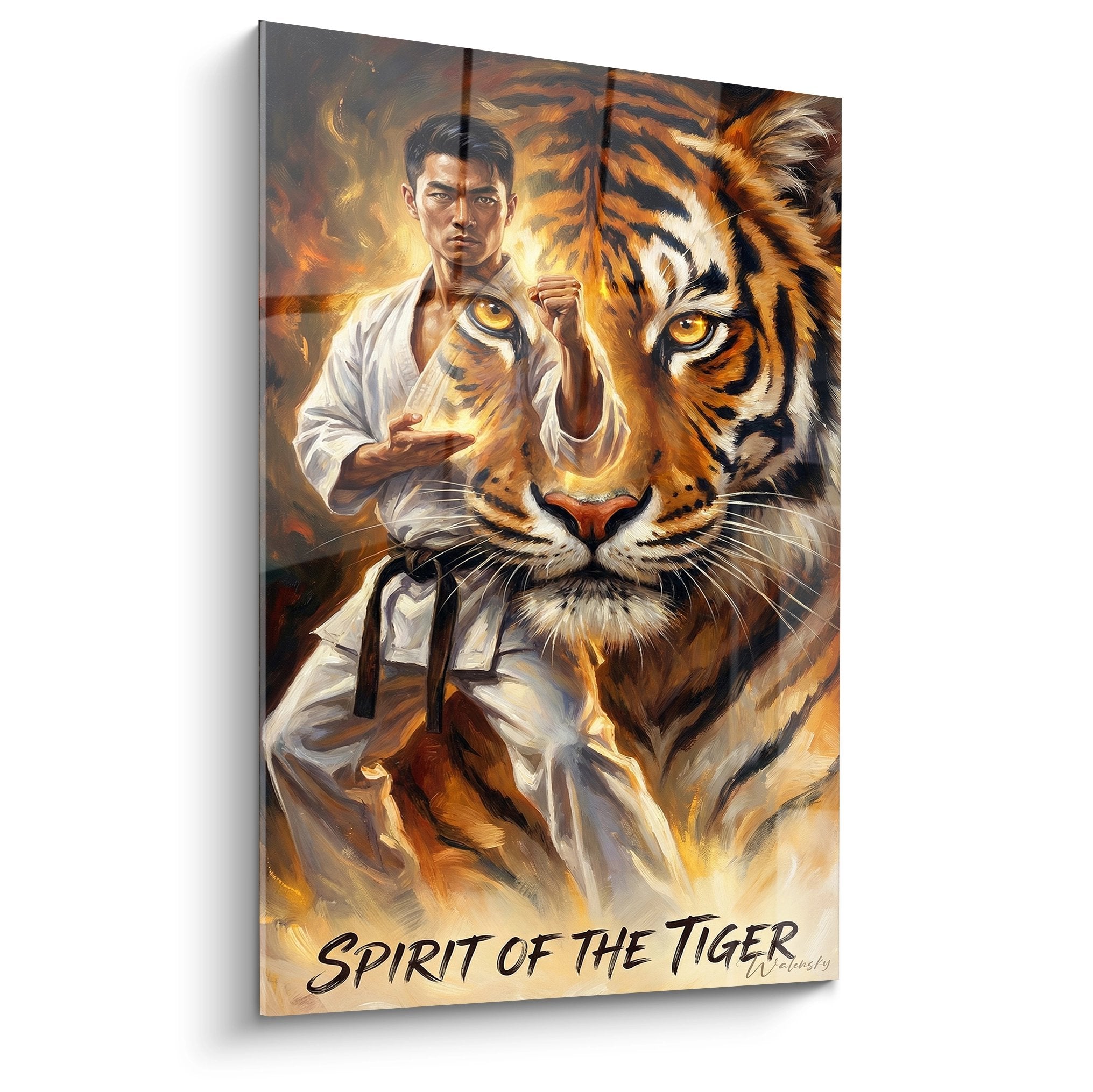
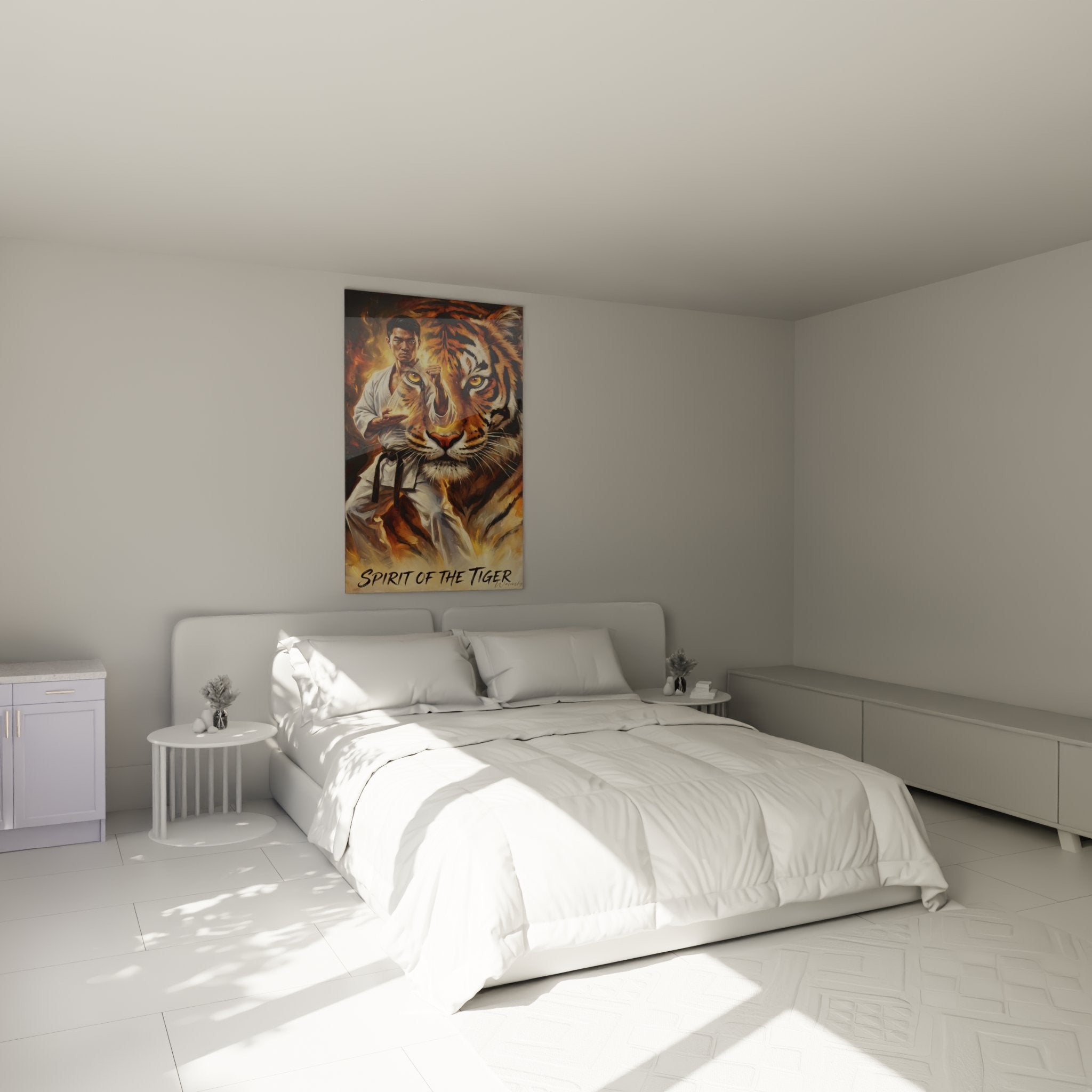
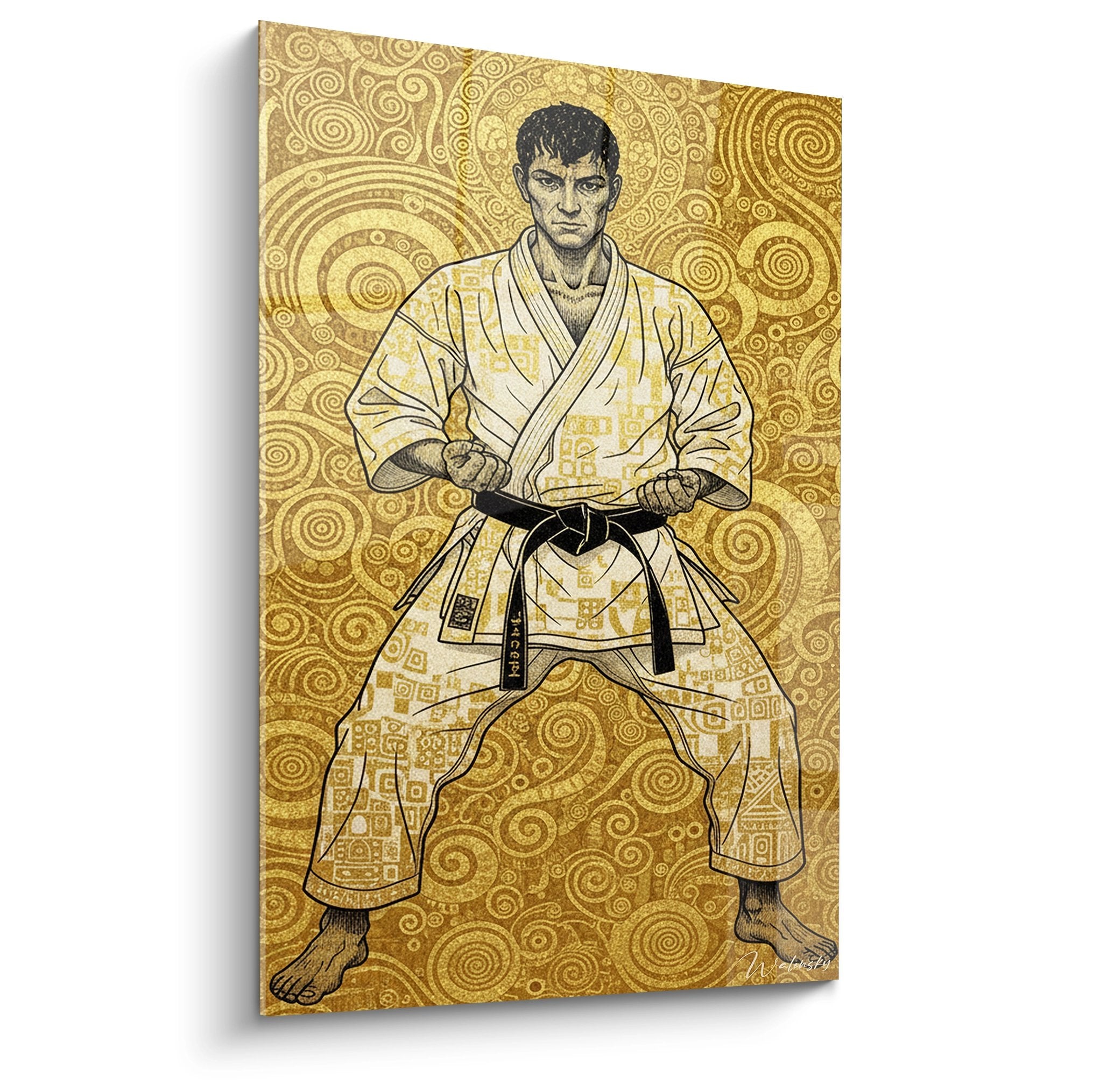
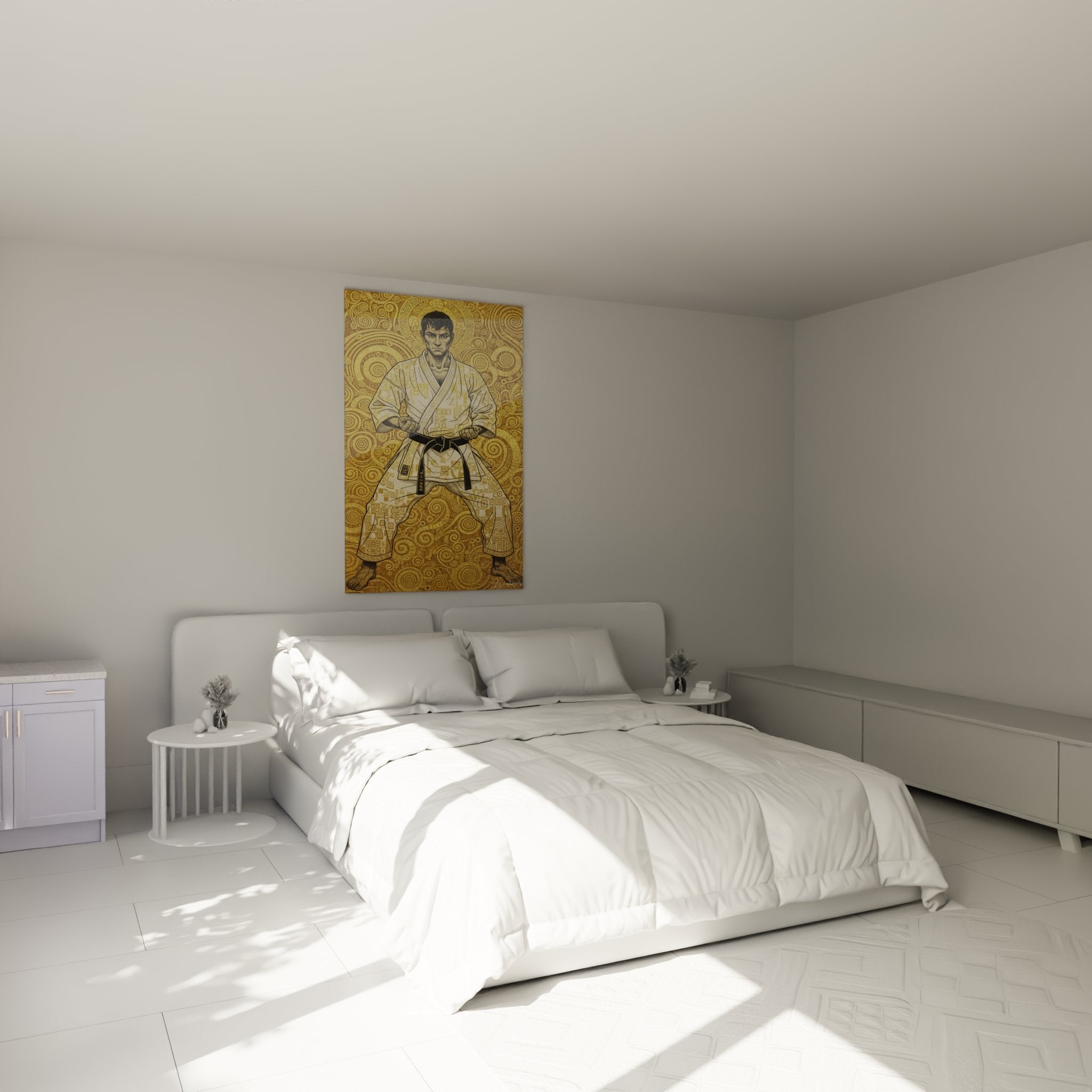
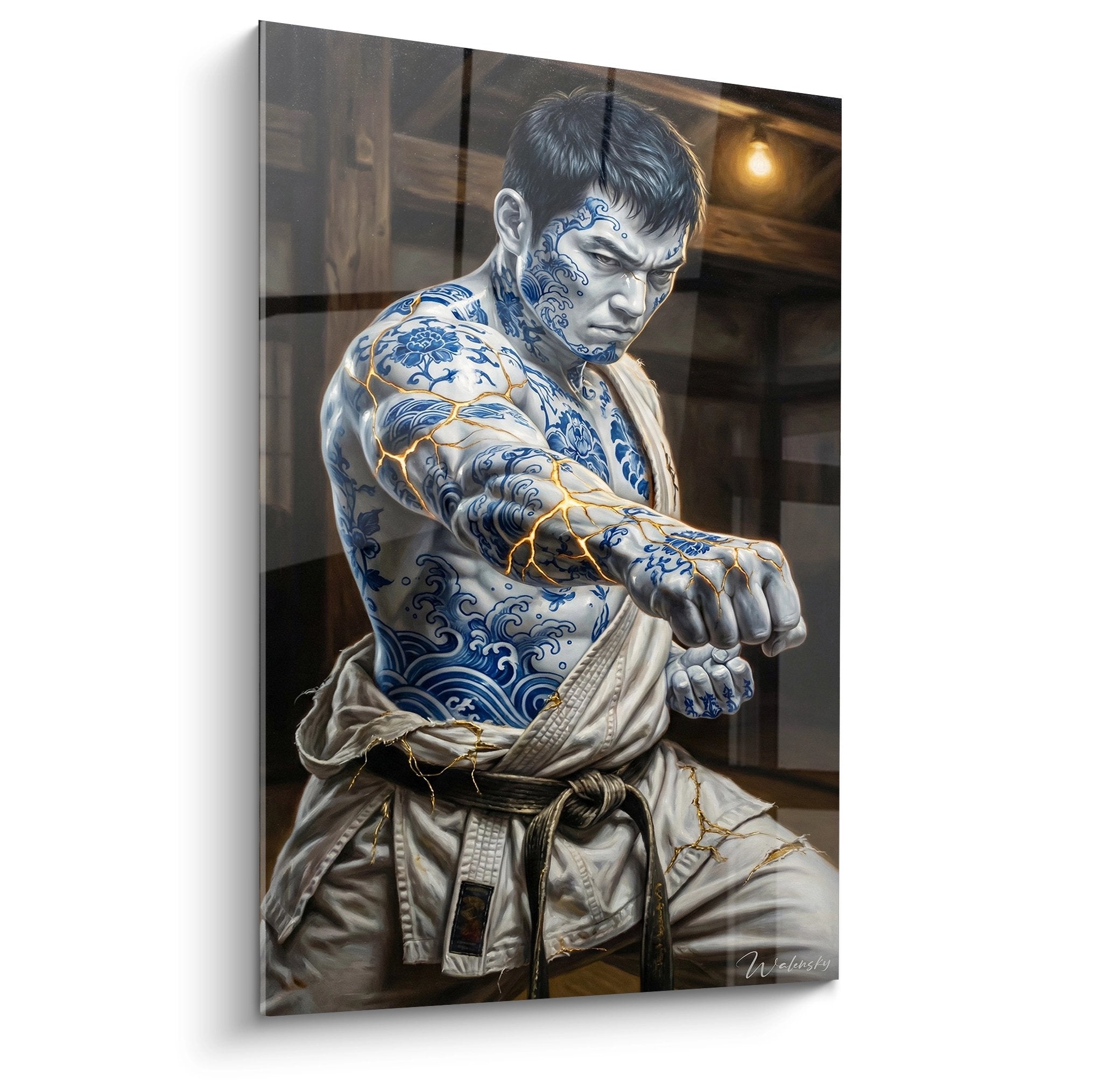
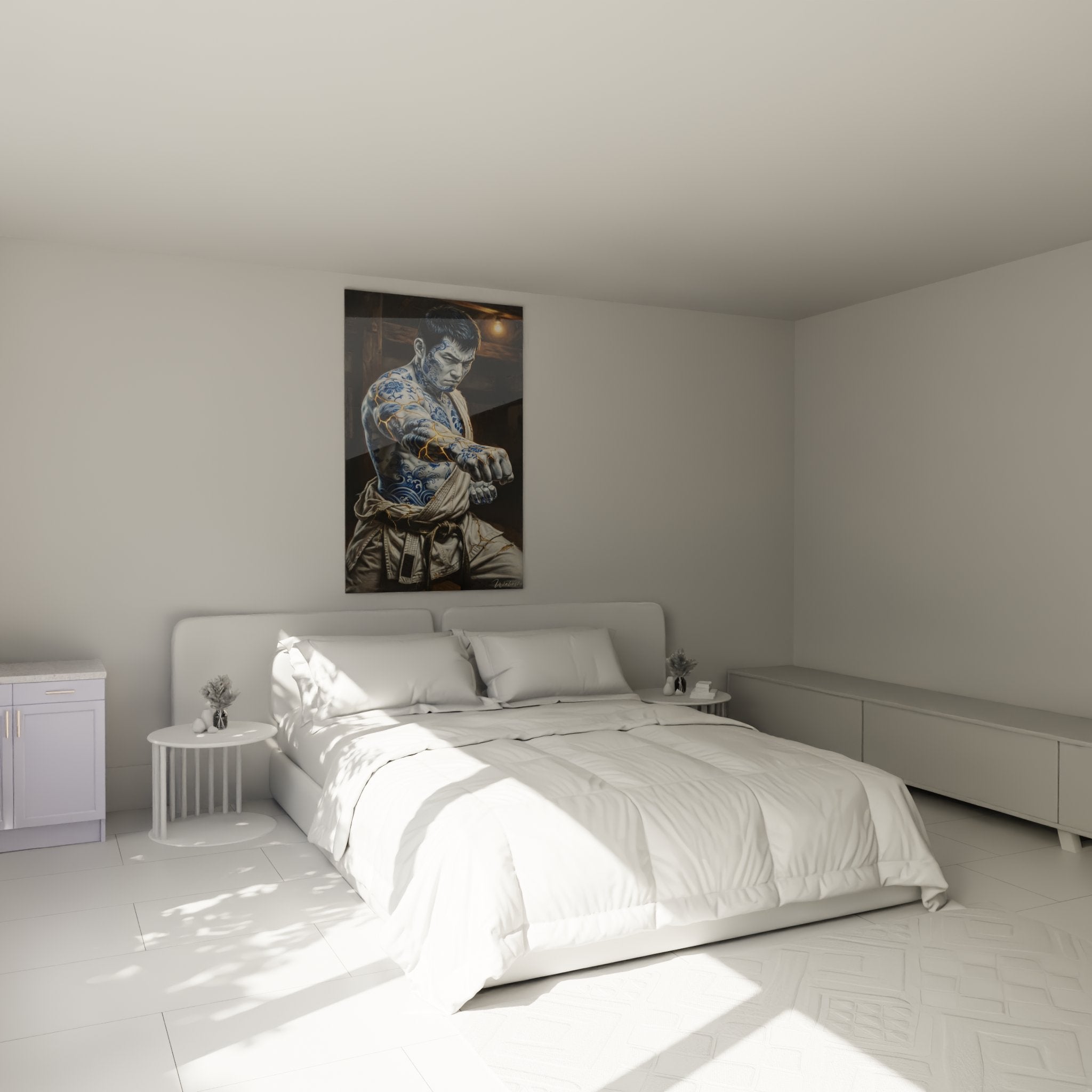
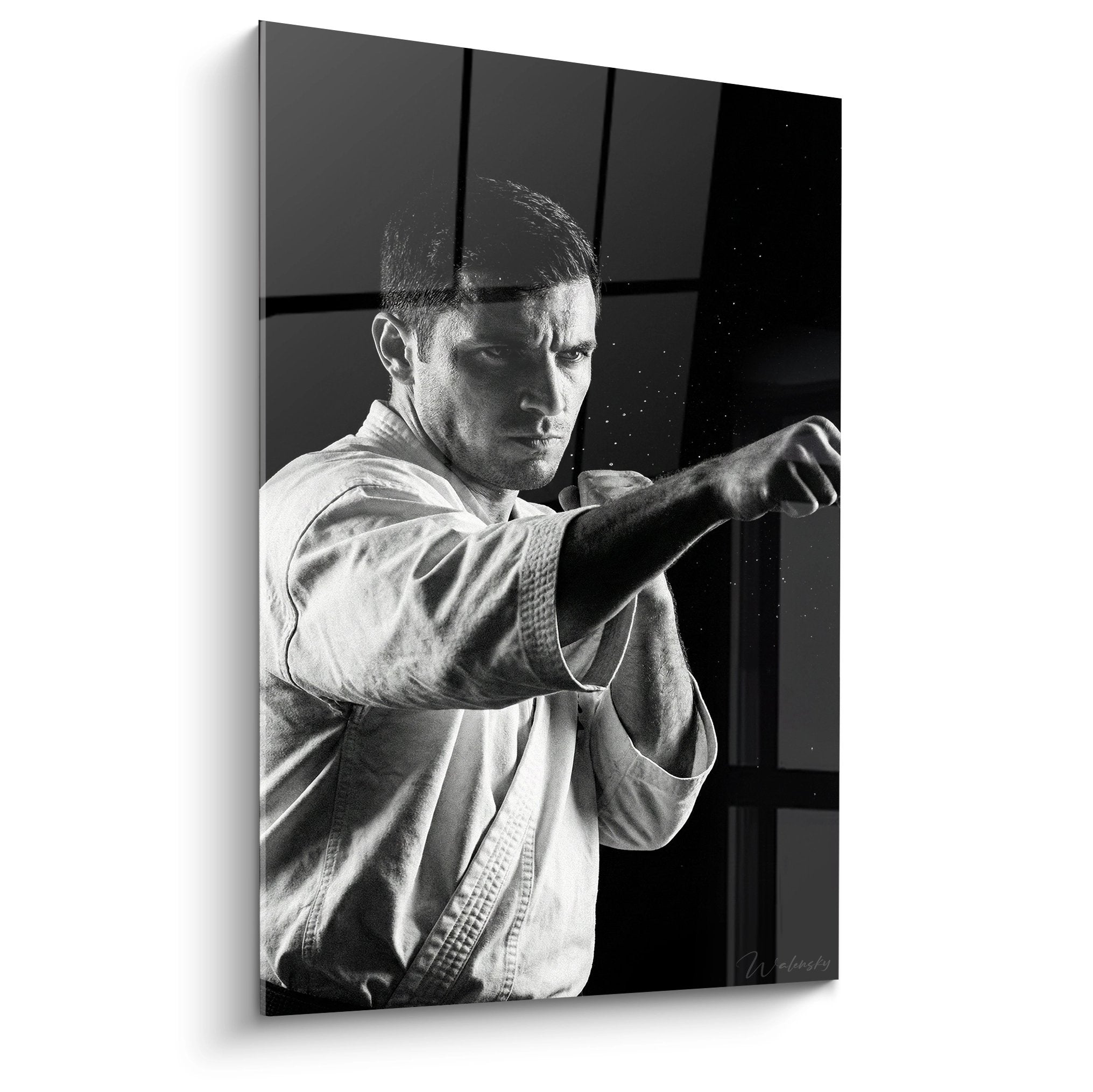
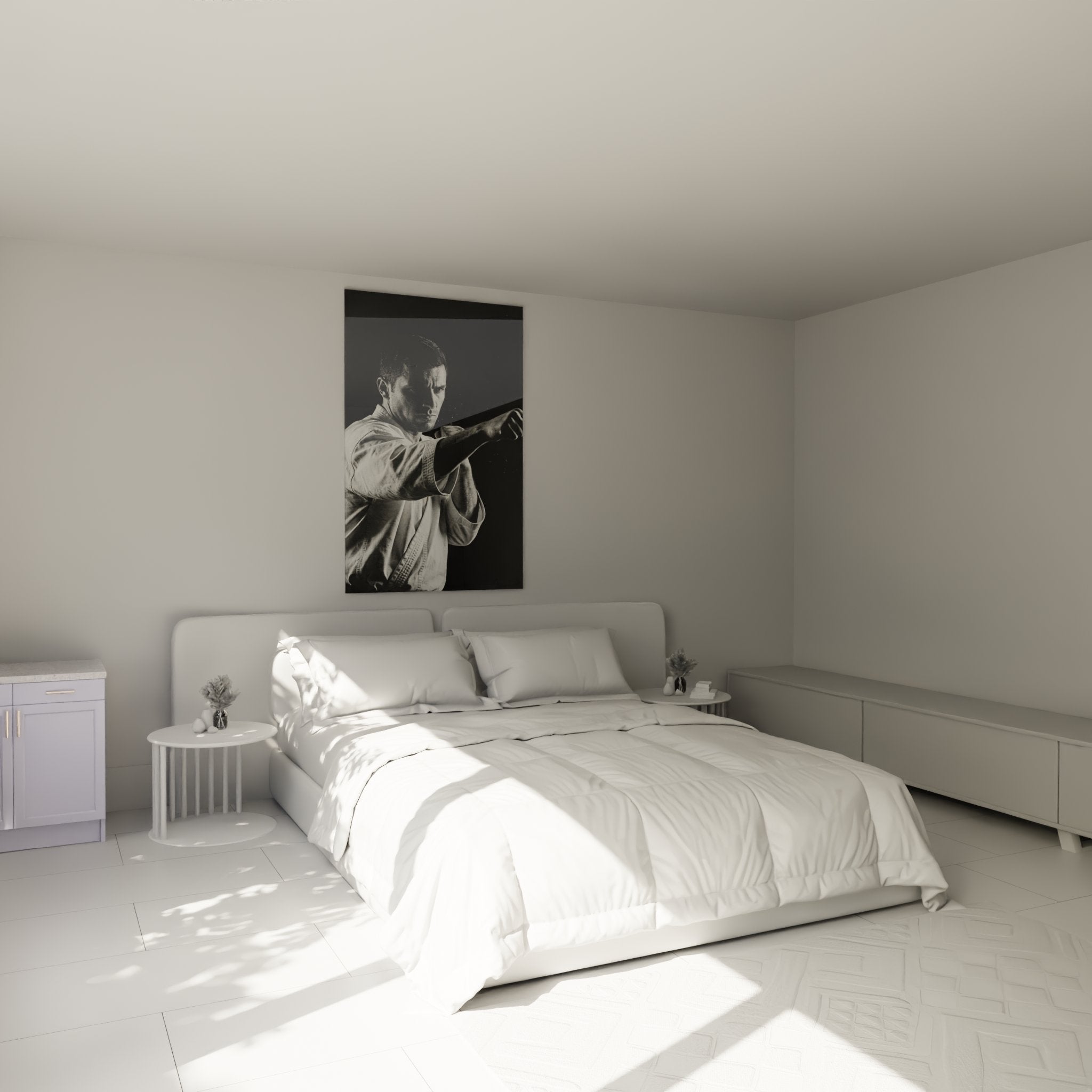
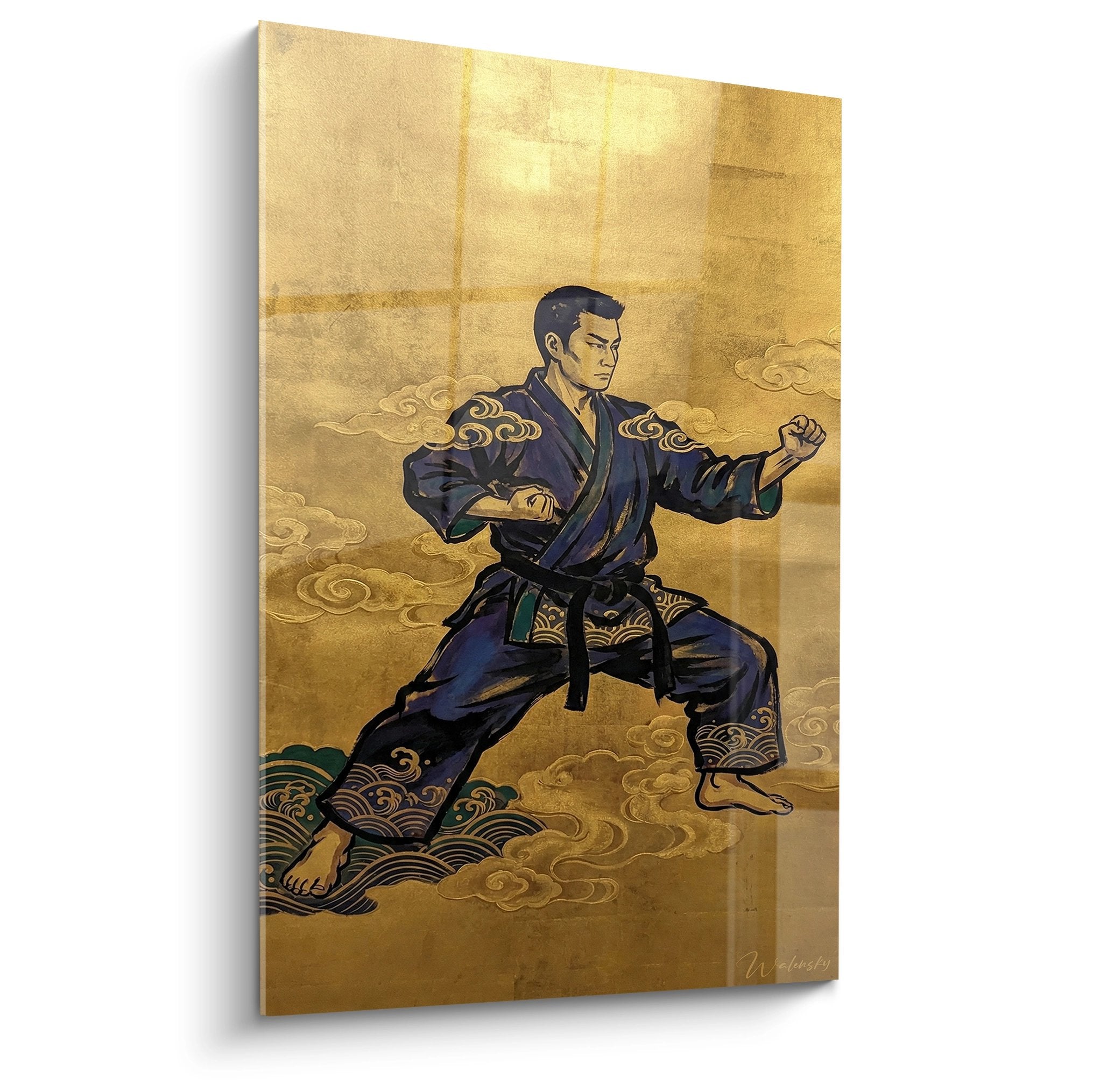
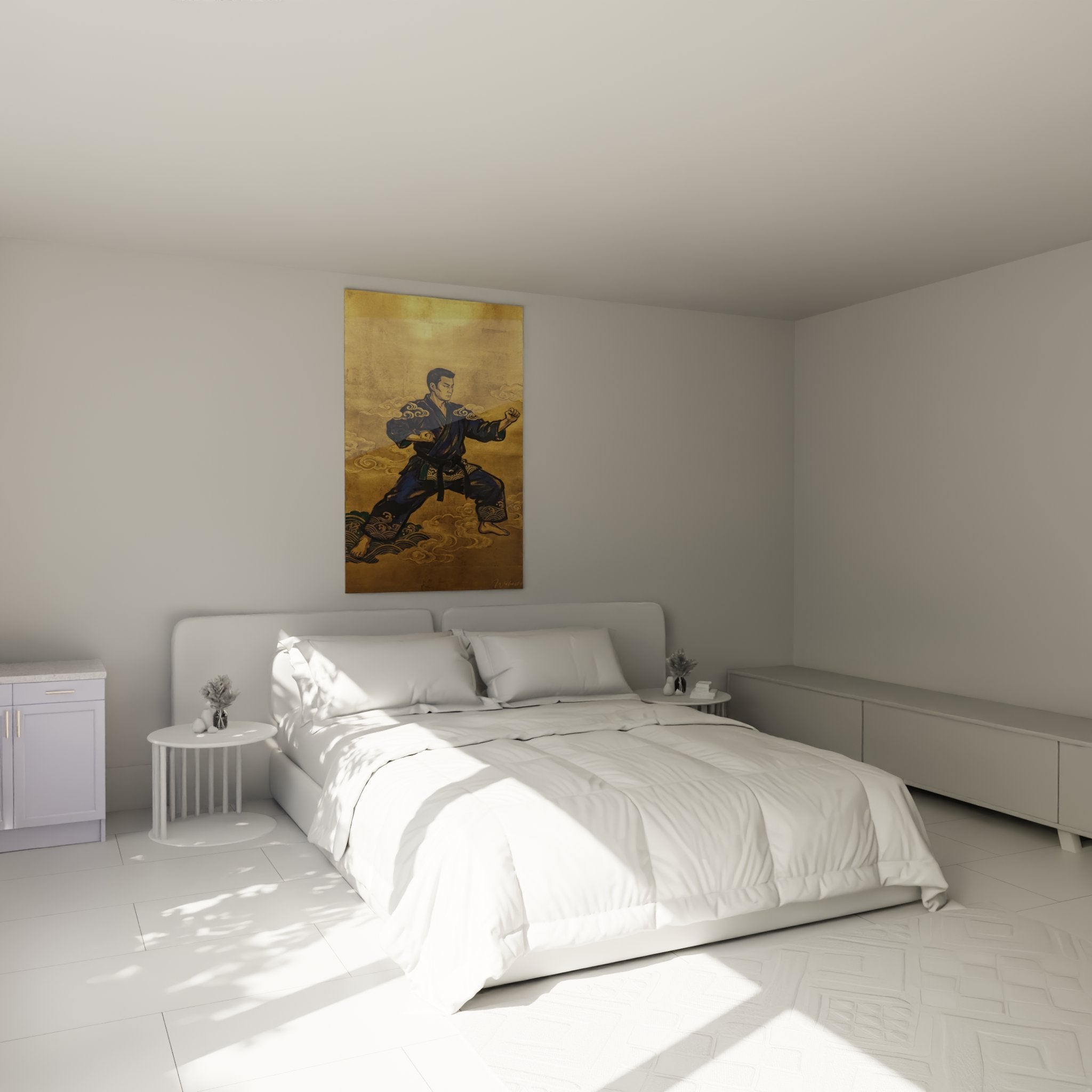
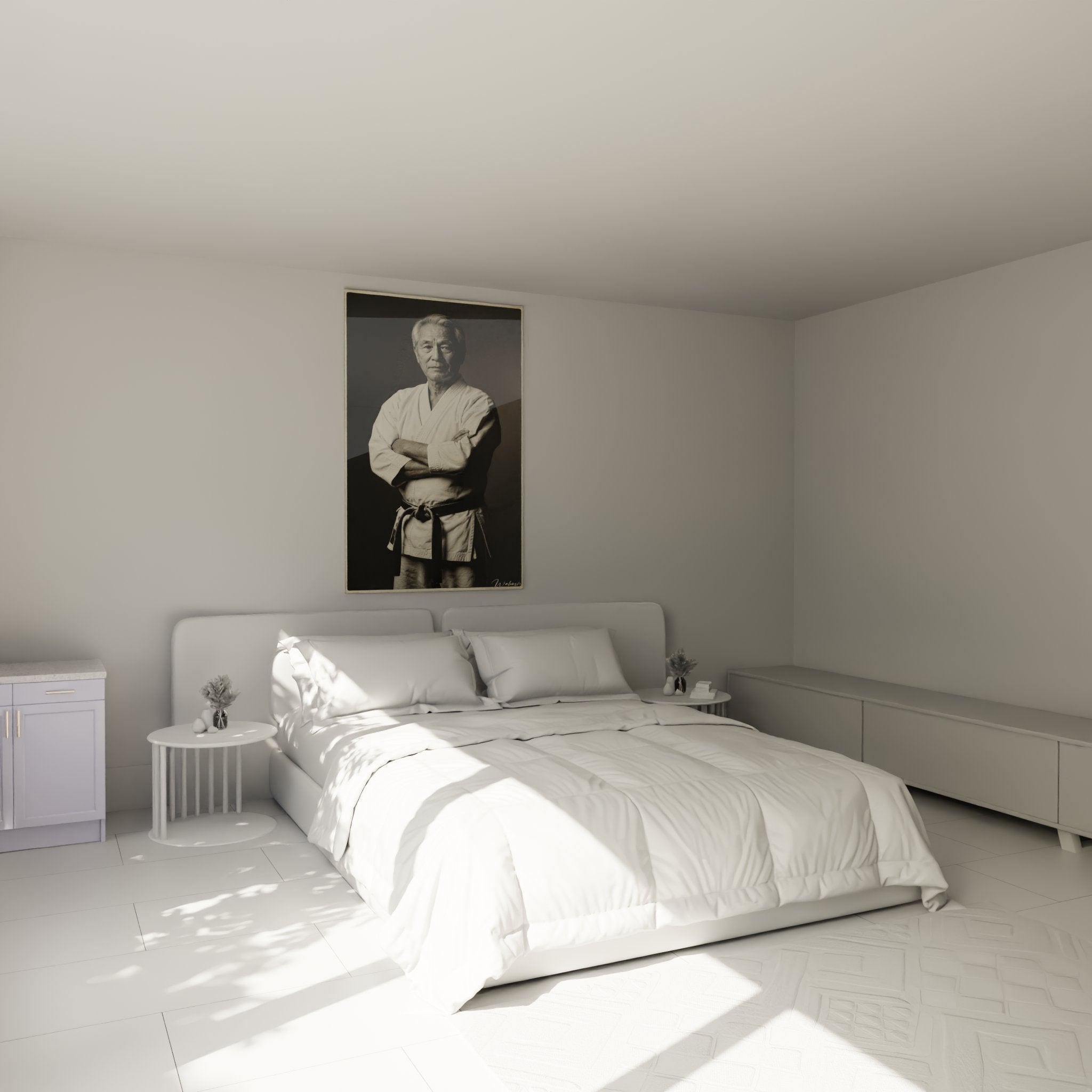
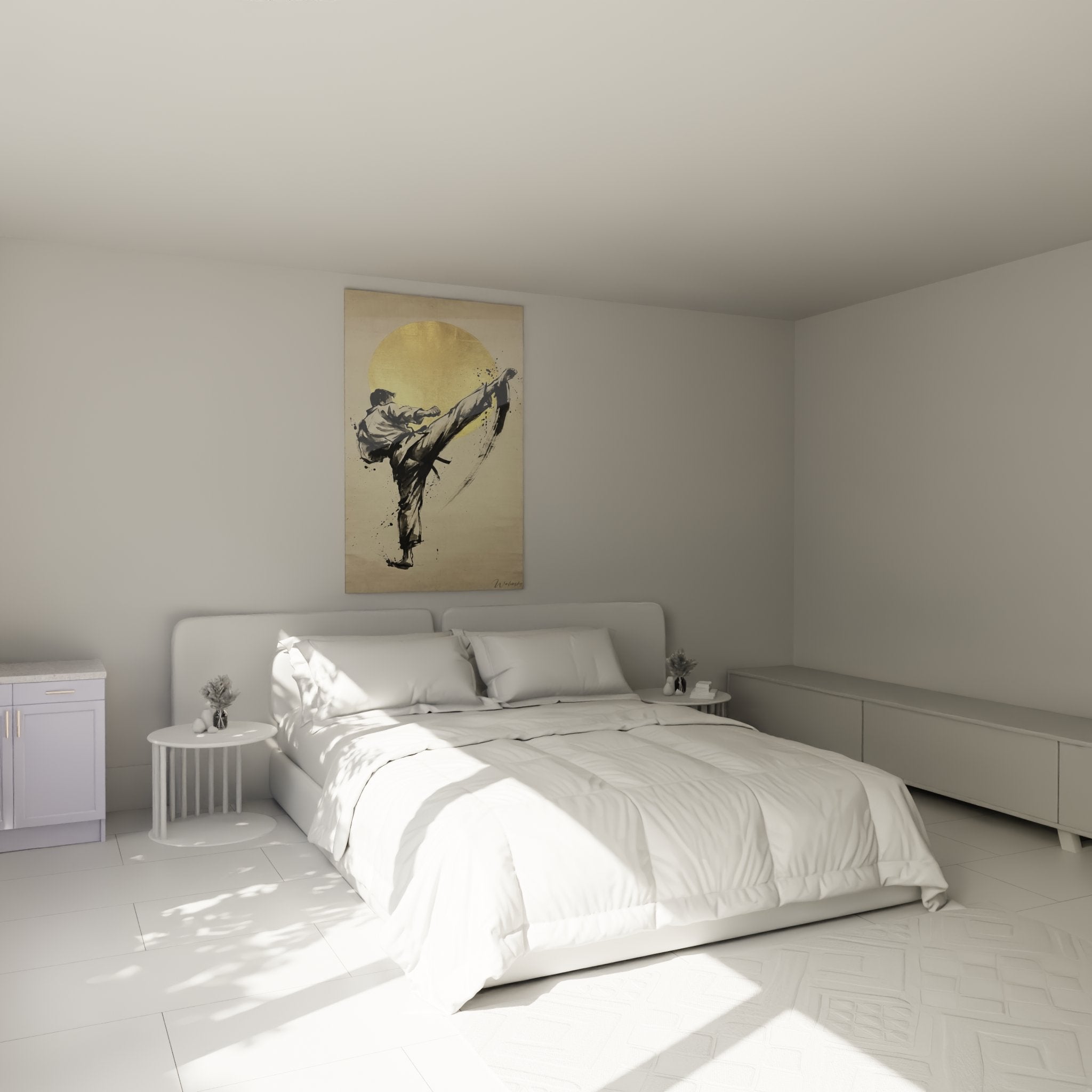
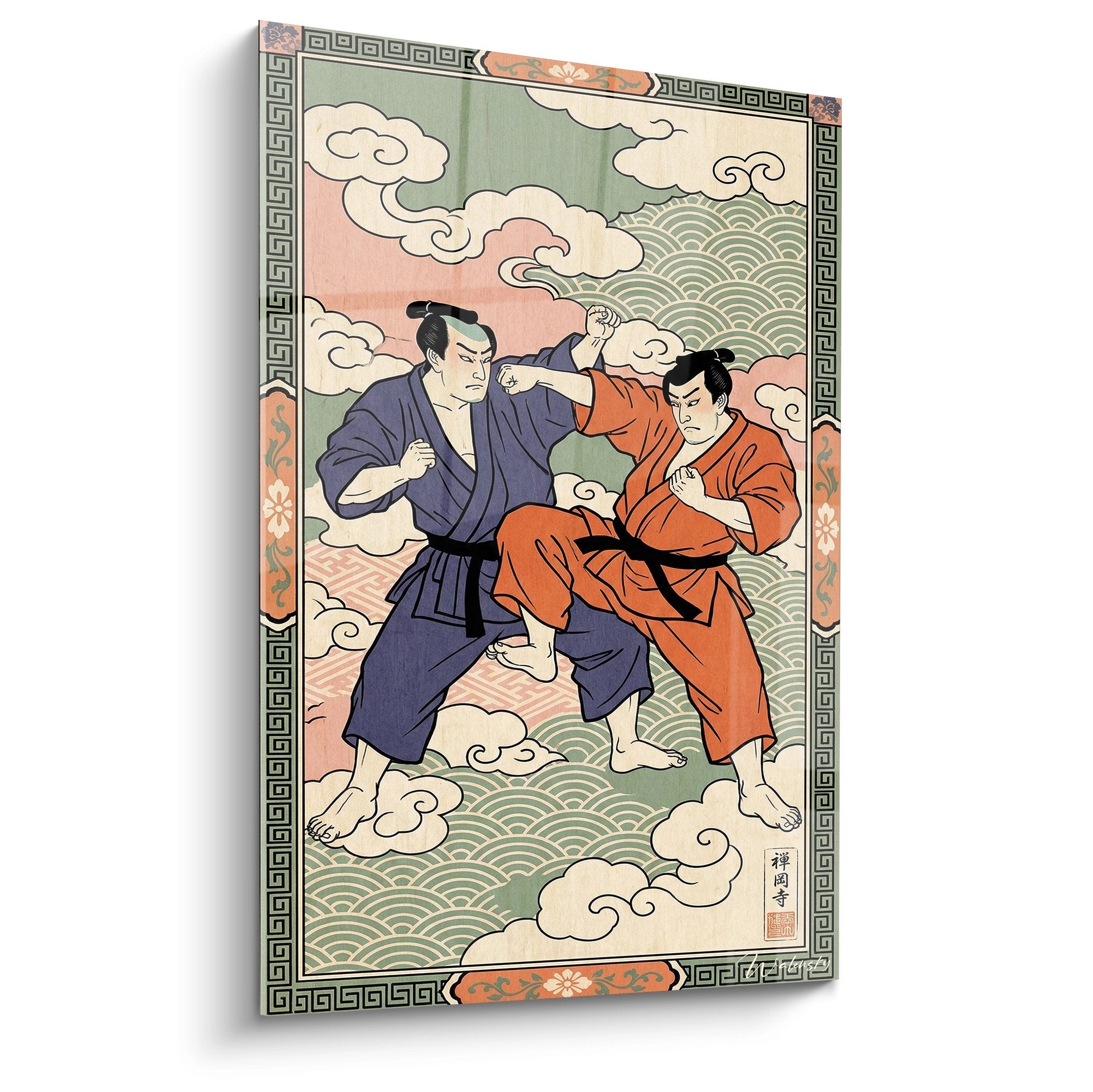
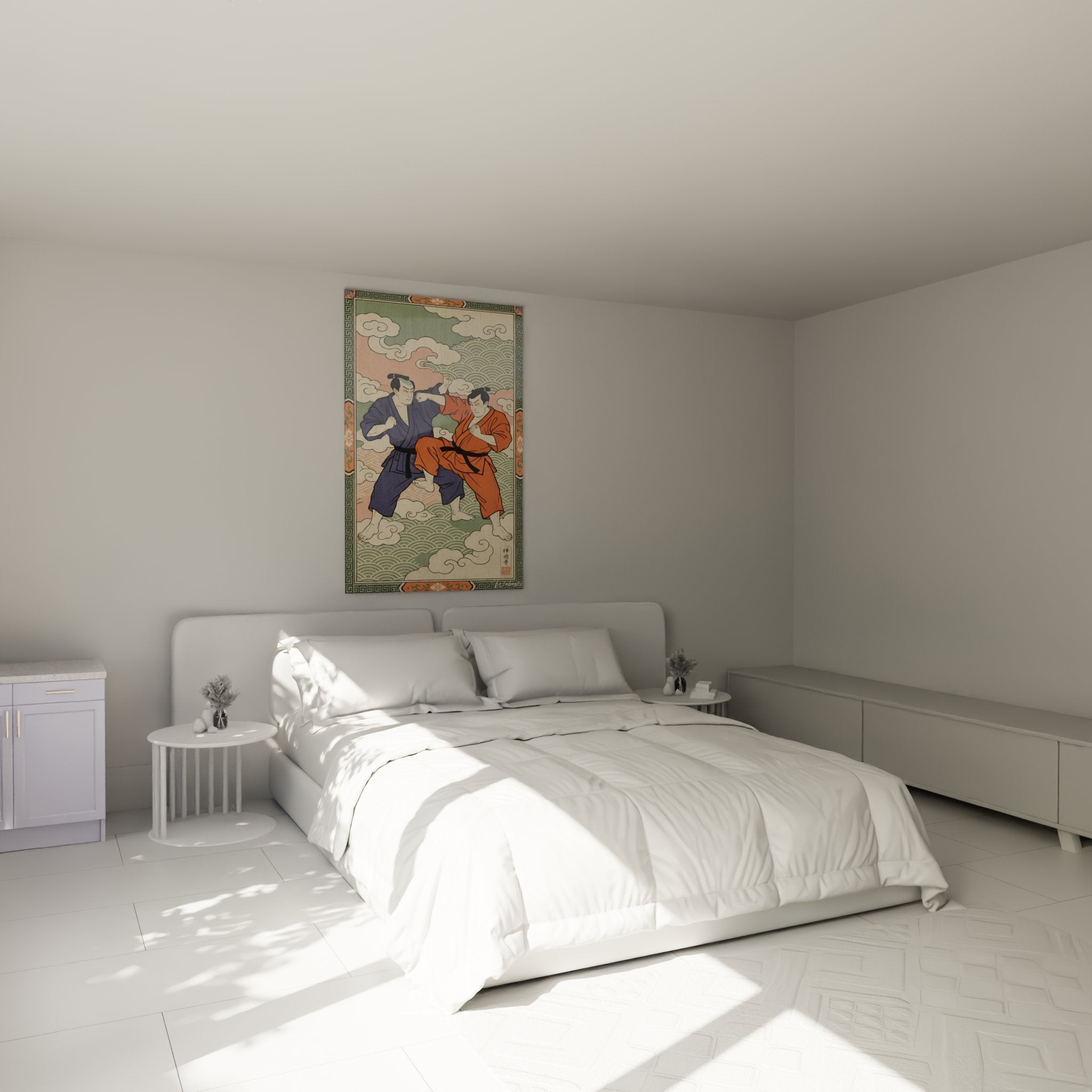
Karate wall art transforms your space into a true sanctuary dedicated to Japanese martial arts. Far more than simple wall decorations, these large-format representations capture the very essence of karate-do: discipline, perseverance, and the pursuit of perfection. Whether you're a dedicated practitioner, an instructor in a dojo, or a parent seeking to inspire your karate student child, these imposing visual creations embody the fundamental values of this ancestral martial art. Each large-format visual celebrates the intensity of striking techniques, the fluidity of katas, or the extreme concentration of kumite, creating an atmosphere conducive to martial meditation and daily motivation.
The Psychological Impact of Martial Representations in Your Training Space
How Combat Visuals Influence the Karate Athlete's Mental Preparation?
Installing karate wall art in an environment dedicated to practice creates a powerful visual anchor that conditions the fighter's mindset. Unlike conventional decorations, these large-dimension representations generate immediate connection with the dojo universe. The constant presence of images showing perfectly executed combat positions - zenkutsu dachi, kiba dachi, or kokutsu dachi - unconsciously programs the brain to reproduce these postures with precision. This repeated exposure to visual technical standards reinforces muscle memory even outside training sessions.
Neuroscience confirms that direct visual environment substantially modifies athletic performance. A practitioner surrounded by authentic martial representations naturally develops better mental visualization of their movements. Dynamic kumite scenes, with their play of shadows and striking contrasts, stimulate the controlled aggression necessary for competitive combat. Conversely, meditative kata representations promote deep concentration and respiratory control, two essential pillars of advanced technical mastery.
Creating an Optimal Pre-Training Focus Zone
The space preceding the training area requires particular attention in its visual design. An XXL
karate wall art installed facing the warm-up area becomes a natural focal point where the gaze naturally rests before each session. This visual ritualization psychologically prepares the body for intense effort ahead. The large dimensions - often exceeding 120x80 cm - guarantee total immersion in the martial universe, eliminating peripheral distractions that could disturb concentration.
Representations showing combat sequences frozen at the critical moment - the precise instant when the fist reaches the target, or the fraction of a second before an evasion - develop the fine temporal perception indispensable for effective counter-attacks. This daily exposure to decisive moments gradually improves the ability to identify openings in the opponent's guard. For competitors, having these tournament scenes before their eyes daily reduces apprehension linked to official fights by familiarizing the mind with combat intensity.
Which Specific Visual Elements Maximize Daily Motivation?
Selecting an effective karate wall art relies on precise visual criteria that transcend pure aesthetics. Compositions showing movement progression - from guard position to complete extension of the strike - teach correct biomechanics visually. These large-format sequential decompositions serve as constant technical reference, particularly valuable for self-taught practitioners or those preparing for belt promotions. Representation of the different phases of a mae geri or mawashi geri enables detailed analysis impossible with standard photographs alone.
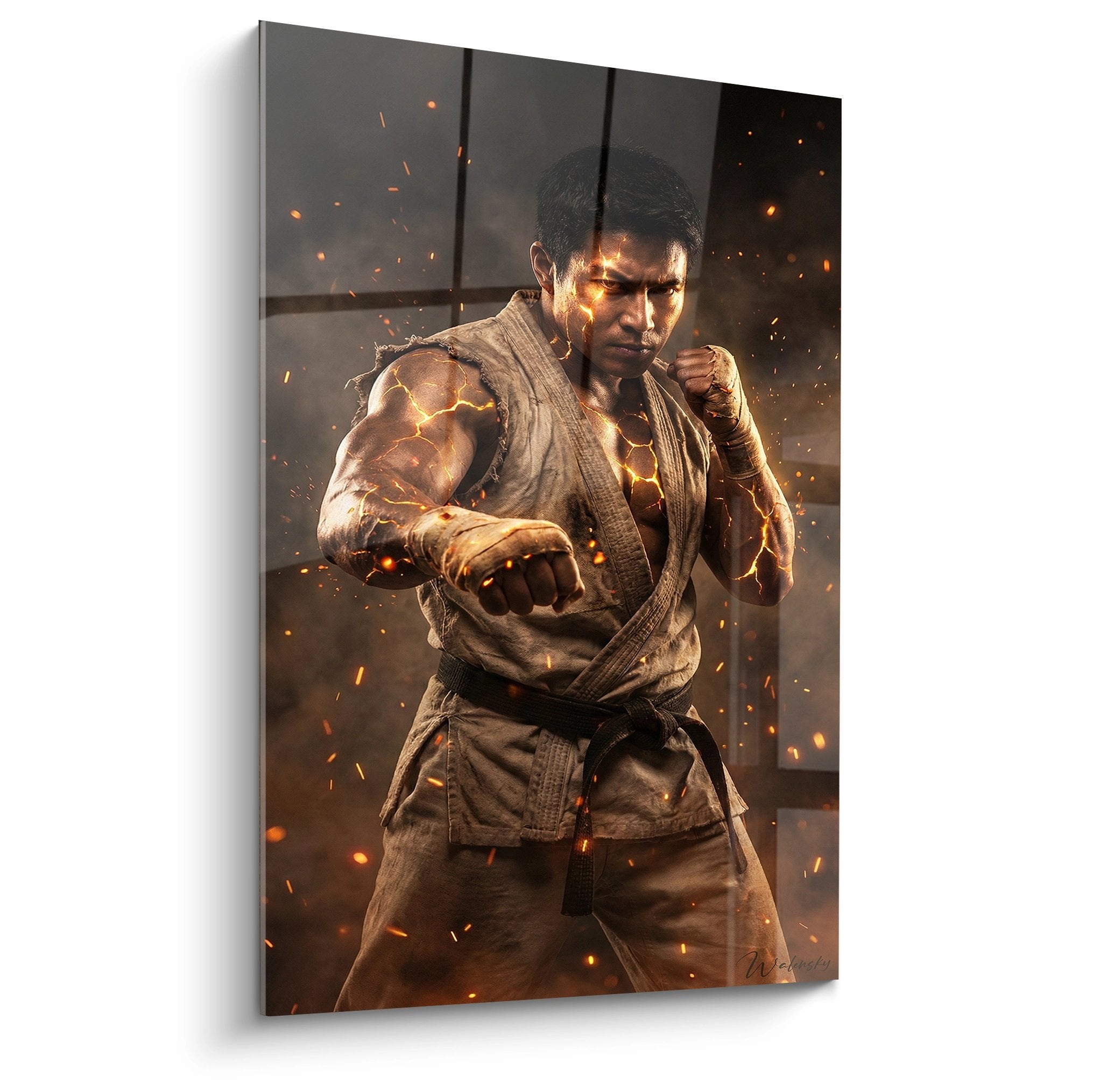
Scenes capturing facial expressions of absolute determination - the silent kiai visible in the fighter's gaze - transmit the emotional intensity necessary for martial performance. These concentrated faces, sometimes marked by effort and sweat, remind us that technical excellence is born from obstinate repetition and self-transcendence. For a beginning child, seeing daily these manifestations of unwavering determination unconsciously shapes their own resolve when facing learning difficulties.
Optimizing Layout for Different Practice Levels
Integration of martial representations varies considerably according to the practitioner's level. Beginners benefit more from visuals showing fundamental positions in their purest form -
martial sports representations stripped down where every anatomical detail is visible. Advanced black belts generally prefer more abstract compositions suggesting movement rather than freezing it, reflecting their intuitive understanding of karate beyond pure technique.
Monumental dimensions - frequently exceeding 150 cm width - particularly suit collective training halls where visibility from different angles becomes crucial. These imposing formats create dominant presence that mentally structures the space as territory exclusively dedicated to martial practice. In a domestic context, even modest training space transforms psychologically into a legitimate dojo through these large-scale visual markers.
The Influence of Chromatic Atmospheres on Martial Performance
The dominant color palettes in karate wall art are never insignificant. Dark tones - deep blacks, anthracite grays, midnight blues - evoke the traditional sobriety of the Japanese dojo and promote introspection necessary for deep technical work. These hues absorb light rather than reflect it, creating a meditative atmosphere conducive to prolonged concentration. Practitioners often report better ability to "clear the mind" in spaces dominated by these austere color schemes.
Conversely, compositions incorporating vivid red touches - recalling the hinomaru of the Japanese flag or the metaphorical blood of combat - inject controlled aggressive energy into the environment. These stimulating chromatic accents particularly suit areas dedicated to power and explosiveness work. Alternating between cool-toned spaces (for katas) and warm-accented spaces (for kumite) allows mental structuring of different training modalities within the same location.
Deciphering Karate's Specific Visual Codes in Wall Decoration
The Symbolism of Ranks and the Chromatic Evolution of Belt Grades
Karate wall art exploiting belt progression as a central narrative element creates unique visual impact impossible to reproduce with other martial themes. The sequential representation of grade colors - from the immaculate white of the beginner to the absolute black of the master - materially visualizes the initiatory path each karate student travels. These large-format compositions where belts chain in progressive gradient serve as constant reminder that martial excellence results from patient accumulation of skills, never from spectacular leaps.
The psychological impact of seeing this complete chromatic scale daily transcends simple decoration. For a child currently wearing a yellow belt, contemplating the higher nuances - orange, green, blue - concretizes abstract objectives into tangible visual milestones. This materialization of future progress reduces promotion anxiety by normalizing visually the idea that everyone will successively experience these stages. Parents regularly report improved perseverance in their children after installing these sequential representations.
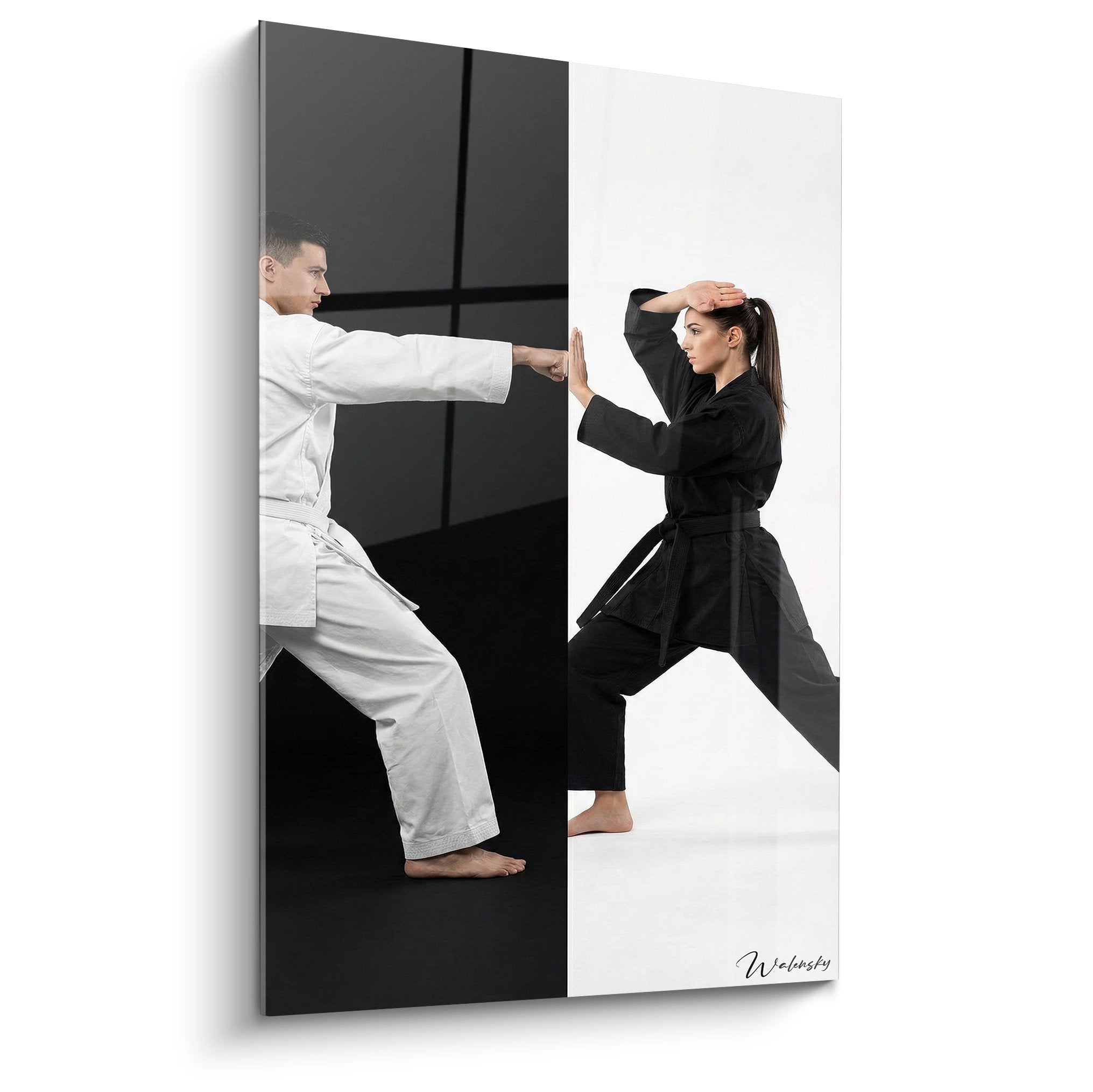
Compositions illustrating fighters wearing different belt ranks - sensei in black facing student in color - visually encode the respectful hierarchical relationship that structures traditional pedagogy. This representation of knowledge transfer from master to disciple reminds that the
black belt is not a finale but the true beginning of martial understanding. Generous dimensions of these scenes - frequently 140x100 cm - allow distinguishing the vestment details that differentiate each rank, enriching the educational reading of the work.
How do Martial Kanjis Transform a Wall into a Philosophical Manifesto?
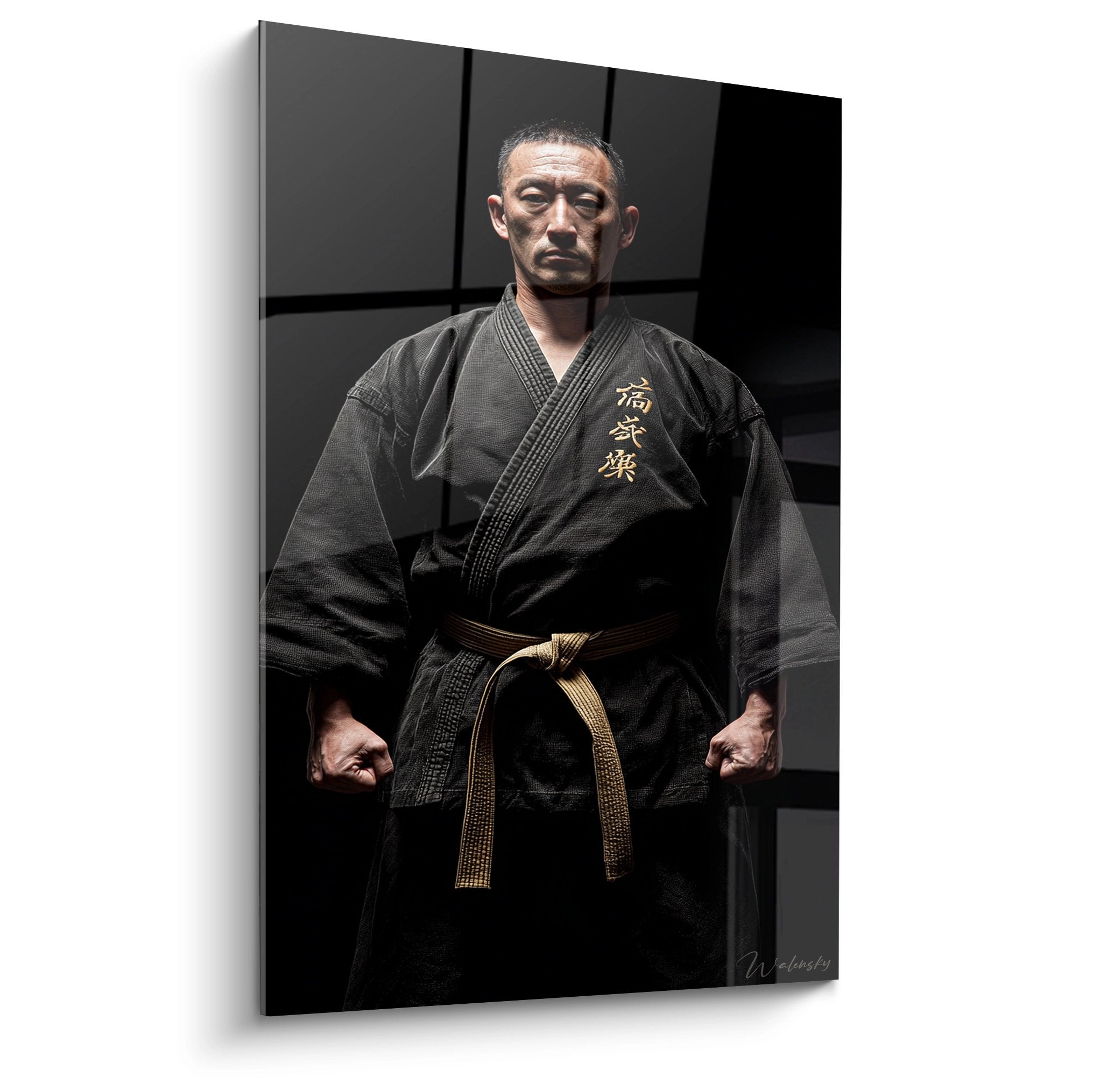
Integration of authentic Japanese calligraphy into karate wall art elevates decoration to the rank of permanent philosophical declaration. Fundamental kanjis - 空手 (karate), 道 (way), 礼 (respect), 忍 (perseverance) - are not mere exotic ornaments but concentrated wisdom that the practitioner progressively internalizes through repeated exposure. These ideograms traced with traditional calligraphic strength emanate energetic presence that permeates the training space atmosphere.
The monumental dimension of these characters - some kanjis occupying 80 cm height alone - grants them visual authority that commands respect. This graphic amplification transforms abstract concepts into quasi-physical presences in the room. The kanji 心 (kokoro, spirit/heart) in giant format becomes permanent reminder that technique without right intention remains empty. Non-initiated visitors intuitively sense the gravity of these symbols even without understanding their literal meaning, testifying to their universal communicative power.
Compositions mixing calligraphy and figurative representation - a fighter in action with a dominant kanji superimposed - create powerful semantic synergy. The character 力 (strength) superimposed over an explosive tsuki visually reinforces the concept of channeled power. This text-image fusion facilitates mental association between abstract philosophical term and concrete physical manifestation, accelerating integration of karate-do's fundamental principles.
Which Combat Techniques Merit Permanent Wall Representation?
Certain emblematic karate techniques possess aesthetic and symbolic quality justifying their immortalization in large format. The mawashi geri (circular kick) captured at the precise moment when the leg reaches maximum extension - body in controlled imbalance, opposite arm serving as counterweight - visually embodies the principle of total body coordination. This spectacular and athletic posture particularly appeals to young practitioners seeking dynamic inspiration.
Representations of shuto uchi (knife hand strike) frozen just before impact transmit the surgical precision required by focused striking techniques. Visible tension in the forearm, perfectly aligned fingers, subtle wrist rotation - these anatomical micro-details become readable only through generous support dimensions. Instructors sometimes use these visuals as pedagogical references during classes, pointing directly at the wall to correct student positions.
Kata scenes frozen at their key moments - the meditative pause of heian shodan, the explosion of bassai dai - serve as visual partitions memorizing complex sequences. For practitioners preparing kata competitions, having these snapshots before their eyes daily significantly improves choreographic memorization. Superior katas like tekki or kanku dai, with their demanding low positions and complex transitions, particularly benefit from this permanent visual memory aid.
Traditional Dojo Imagery Versus Modern Competitive Spirit
A fascinating dichotomy emerges between karate wall art celebrating ancestral dojo authenticity and those glorifying modern competition intensity. The former privilege austere atmospheres - immaculate tatamis, soft zenith light, spectator absence - evoking meditative practice purity. These minimalist compositions with large monochrome areas suit practitioners seeking karate as personal development path rather than combat sport.
Tournament representations - crowded arenas, referees in position, electronic timers - capture competition adrenaline attracting different demographics. Dynamic compositions showing rapid technique exchanges, spectacular projections during international finals, or celebratory victories after decisive ippon stimulate ambitious competitors' fighting spirit. These action scenes require particularly wide formats to contain lateral movement displacement.
Contemporary hybridization sometimes blends these two aesthetics - a fighter in traditional white gi immaculate in classical posture, but captured with ultra-modern high-speed photography showing every sweat drop in suspension. This tradition-modernity fusion reflects karate's own evolution, ancestral martial art becoming Olympic discipline without renouncing its Japanese philosophical roots.
Integrating Bushido Values into Your Daily Martial Decoration
How do Warrior Code Principles Permeate Visual Space?
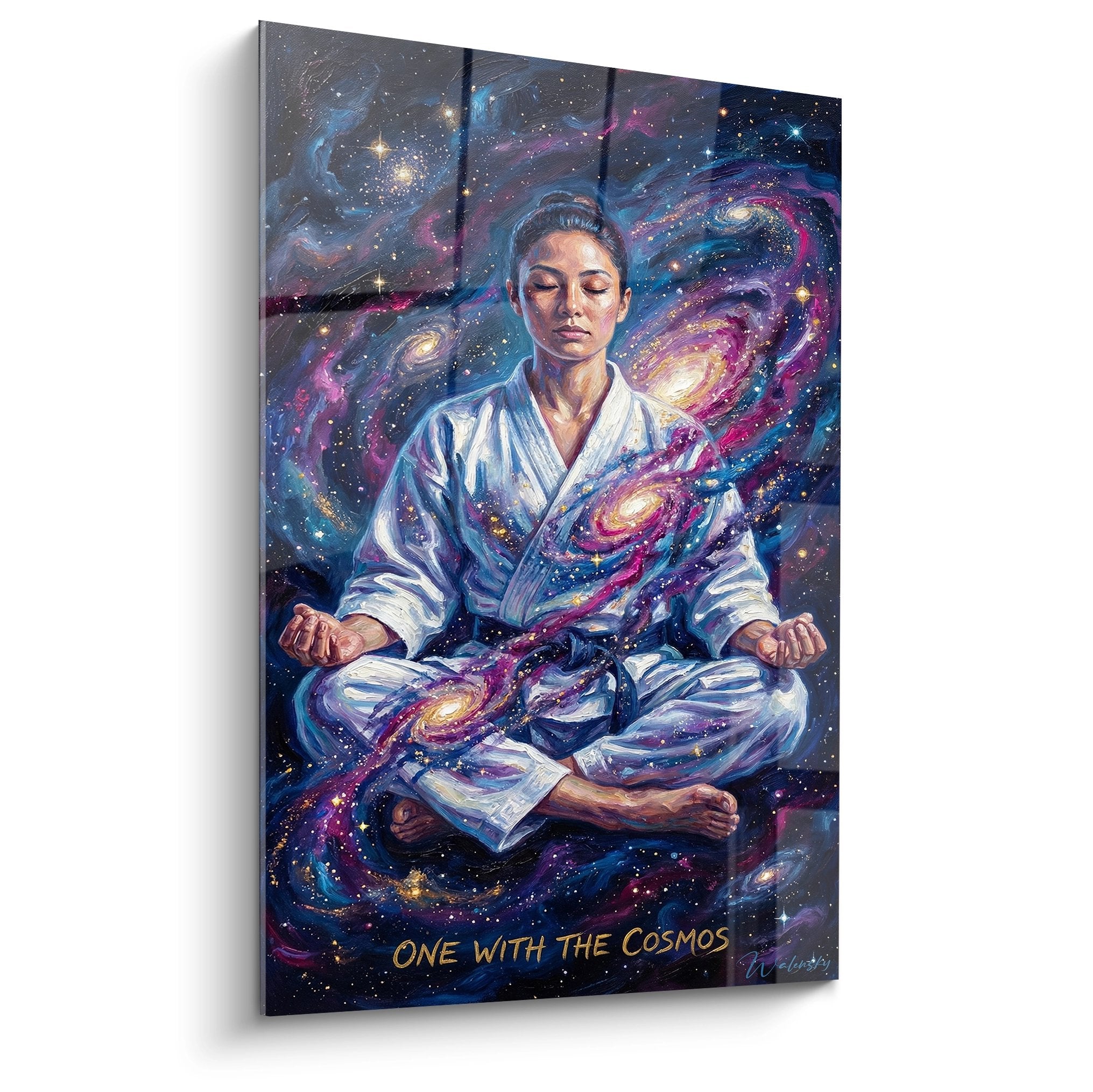
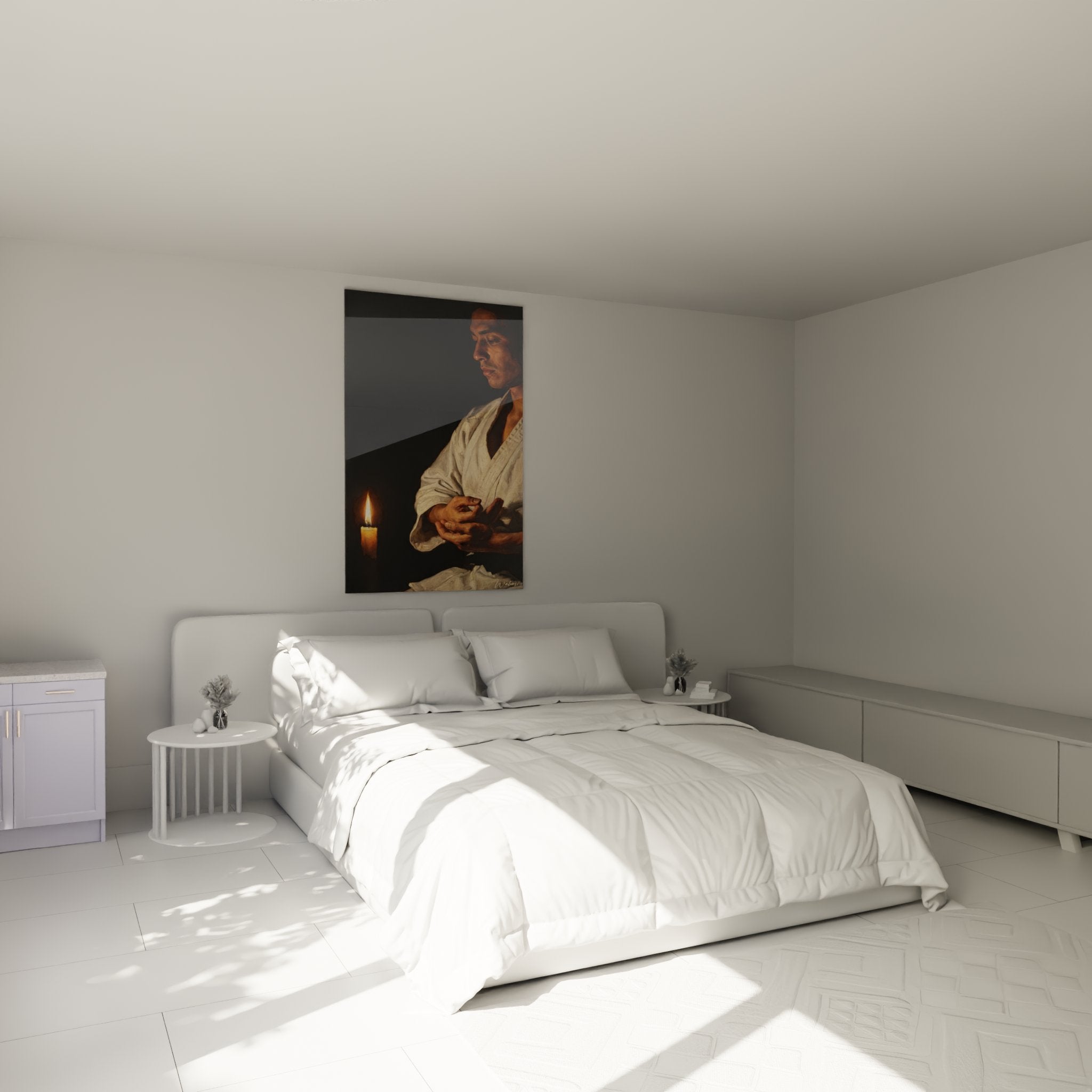
Authentic karate wall art does not merely show combat techniques - it visually embodies the seven cardinal bushido virtues structuring the warrior mentality. Representation of a practitioner in pre-combat meditation position (mokuso) materializes the principle of rectitude (gi) and serenity facing adversity. These contemplative large-format images create pockets of mental calm in our modern environments saturated with stimulation. Unlike generic sports decoration celebrating only victory, these compositions remind that honor resides in fighting manner rather than results.
The concept of heroic courage (yu) transpires in scenes showing manifestly unbalanced confrontations - a modestly-built practitioner facing an imposing opponent, nonetheless maintaining confident guard. These representations visually teach that martial courage does not consist in ignoring fear but acting despite it. For children particularly, seeing determined karate characters facing seemingly insurmountable challenges normalizes the idea that perseverance matters more than initial physical advantages.
Imposing dimensions - often beyond 130x90 cm - amplify these meaning-laden scenes' emotional impact. A simple glance at the wall during a discouraging moment can instantly reactivate the practitioner's determination by visually reminding them of the ethical standards they aspire to. This silent moral reminder function explains why many traditional dojos invest in these monumental pieces rather than supplementary technical equipment.
Master-Student Transmission Captured in Large Format
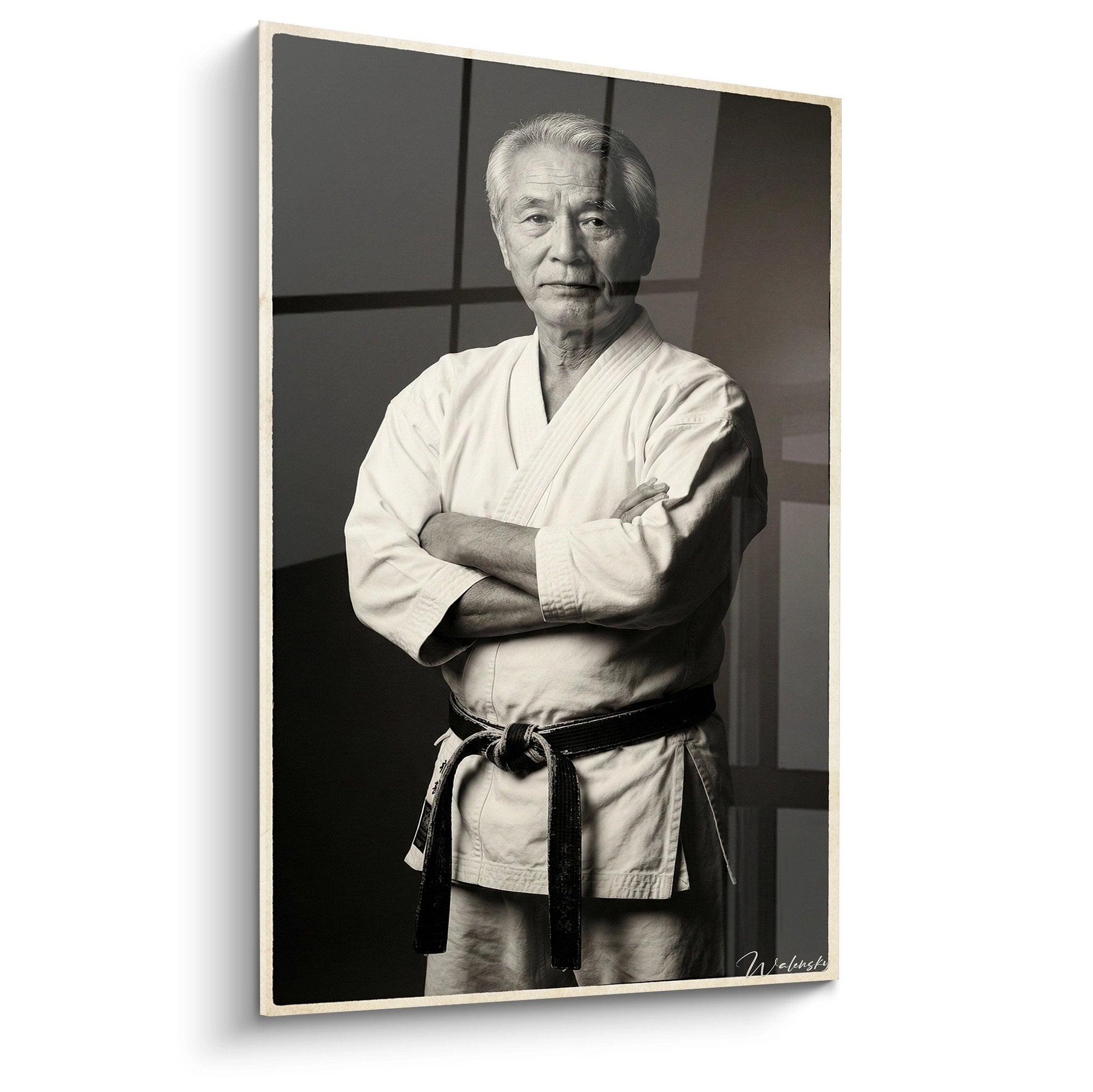
Certain compositions specifically explore the sensei-deshi relationship that constitutes martial pedagogy's heart. Scenes showing an aged master gently correcting a young student's position - his hand guiding the elbow toward correct alignment, his benevolent yet demanding gaze - capture the essence of martial knowledge transfer. These intergenerational representations remind that karate transcends fashions and epochs, each generation receiving the flame for later transmission intact.
For instructors managing their own dojo, installing these representations of martial mentoring symbolically reinforces their role as guardians of millennial tradition. Students unconsciously internalize that their professor inscribes themselves in unbroken lineage reaching back to Okinawan founding masters. This visualized historical continuity increases natural respect toward received instruction and felt responsibility in daily practice.
Ultra-wide panoramic formats - sometimes exceeding 160 cm - allow representing collective transmission scenes where a sensei demonstrates before several aligned students. This horizontal composition naturally suits main wall architecture, creating narrative fresco visually telling learning's story. Visitors discovering these installations immediately understand they enter a space dedicated not to mere physical exercise but a discipline requiring mental commitment and hierarchical respect.
Why do Kihon Representations Strengthen Technical Rigor?
Kihon - repetitive fundamentals work - constitutes karate teaching's backbone, and its visual representation serves as manifesto against technical superficiality. Tableaux showing rows of practitioners synchronously executing the same punch (choku zuki) embody the philosophy that excellence is born from perfect repetition rather than flashy technique accumulation. These geometric compositions where movement uniformity creates hypnotic patterns celebrate the austere beauty of foundational mastery.
For practitioners tempted to skip steps and prematurely learn advanced techniques, these fundamental work representations serve as reminder that even Olympic champions dedicate most training to basics. These kihon scenes' daily visual presence normalizes and valorizes what might otherwise seem monotonous. Young students progressively develop subtlety appreciation - understanding that an apparently identical tsuki differs radically according to hip engagement, fist rotation, or breathing timing.
Large dimensions necessary for group compositions - rarely under 120x80 cm - allow distinguishing individual nuances within apparent uniformity. An attentive observer notices that each practitioner, despite synchronous execution, manifests unique martial personality through micro-variations. This visual tension between collective conformity and individual expression perfectly reflects karate philosophy - respecting established forms while infusing them with personal energy.
What Impact Does Representation of Effort and Sweat Have on Motivation?
Unlike the smooth, idealized aesthetics dominating contemporary visual culture, authentic karate wall art unabashedly shows intense training physiological reality. Close-ups of faces streaming with sweat, humidity-soaked gis, facial expressions betraying extreme effort - these raw representations visually validate that physical suffering constitutes legitimate and necessary progress component. For practitioners traversing difficult phases, seeing these effort manifestations normalizes their own experience and encourages persistence.
Compositions capturing the precise moment when fatigue becomes visible - trembling legs during prolonged low position, haggard breathing between kumite rounds - teach that progress zone lies precisely beyond comfort. These controlled vulnerability snapshots humanize martial practice and render it emotionally accessible. Unlike triumphal images showing only final victory, these process representations acknowledge that excellence builds through accumulation of thousands of uncomfortable moments.
Generous formats - frequently 100x70 cm minimum - allow capturing these fine physiological details transmitting authentic experience. A simple glance toward these representations during a discouraging moment can suffice to reactivate determination by reminding that all practitioners, even accomplished ones, traversed these same physical ordeals. This empathetic mirror function explains why many karate students install these visuals in personal training spaces rather than idealized images of inaccessible champions.
FAQ: Frequently Asked Questions About Karate Wall Art
Where should you install karate wall art to maximize its impact on daily practice?
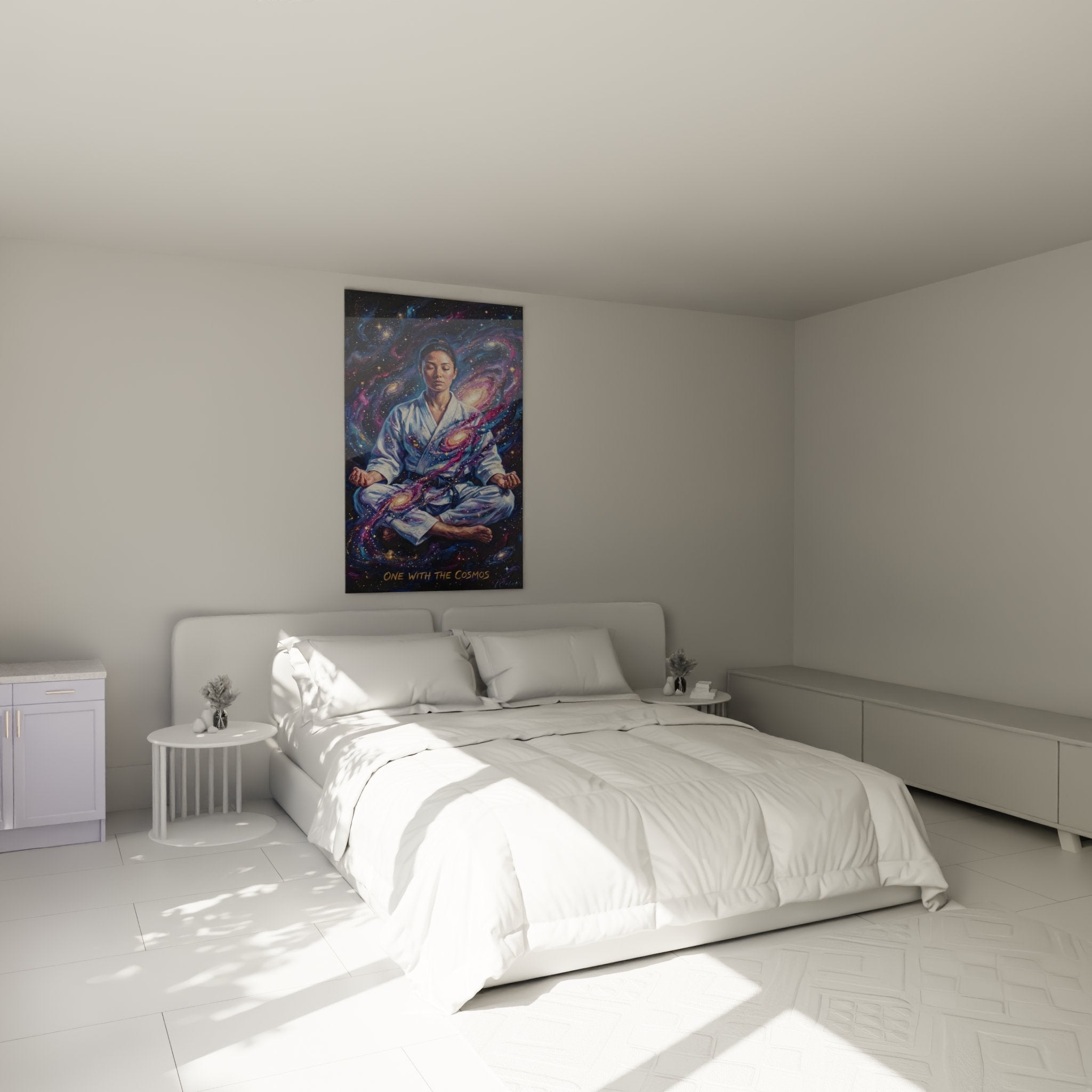
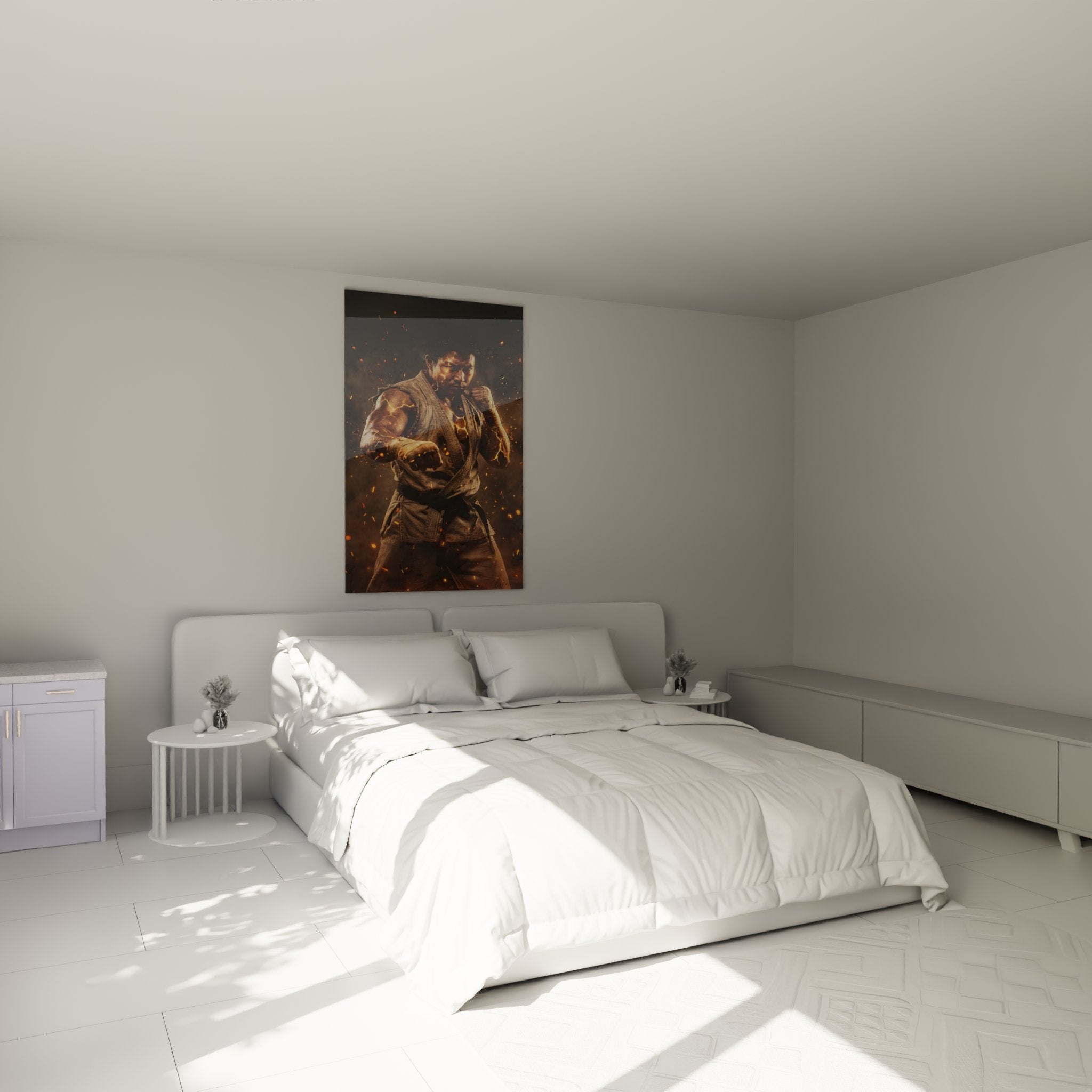
Optimal placement lies in your natural line of vision during warm-up or facing your main training zone. Avoid peripheral placements where your gaze rarely rests. For a home dojo, the main wall facing the entrance creates immediate mental transition between daily space and martial territory.
Is karate wall art appropriate for children practitioners' bedrooms?
Absolutely, provided you prioritize inspiring rather than aggressive compositions. Scenes showing belt progression, benevolent mentoring, or meditative katas encourage perseverance without excessive pre-sleep stimulation. Generous dimensions transform these visuals into daily reminders of long-term martial objectives.
How do you choose between traditional and modern representations for a training space?
Your personal martial philosophy guides this choice. If you practice karate as spiritual development path, prioritize austere aesthetics evoking ancestral dojo. If you target sports competition, dynamic tournament scenes will more stimulate competitive mentality. Blending both styles reflects balance between tradition and contemporary performance.
What minimum size guarantees significant visual impact in a practice room?
For dedicated training space, aim for minimum 100x70 cm so technical details remain readable from different distances. Collective spaces benefit from dimensions exceeding 140x100 cm maintaining visual presence even with multiple people in the room. General rule states that larger spaces require larger dimensions to preserve desired psychological impact.