


Wall Art for Steakhouse Restaurant
Warm up the atmosphere of your establishment with our collection of artwork for restaurants, designed to evoke the warmth and conviviality inherent in the art of cooking over fire. These works of art create an authentic atmosphere that perfectly complements the experience offered in your restaurant. The universe of grilling is expressed through compositions with warm tones and evocative motifs that stimulate appetite and enrich the gastronomic experience. Artistic creations that strengthen the culinary identity of your establishment while contributing to a convivial atmosphere conducive to sharing and tasting.
 Aromatic Flames Wall Art - Kitchen Edition273,90 €
 World Spices Wall Art - Kitchen Edition273,90 €
 Meat Wall Art No. 1 - Kitchen Edition273,90 €
 Tomato Wall Art No. 1 - Cuisine Edition273,90 €
 Bell Pepper Canvas No.1 - Kitchen Edition273,90 €
 Chili Wall Art No.1 - Kitchen Edition273,90 €
 Gable Painting No.1 - Kitchen Edition273,90 €
 Burger Art No. 1 - Kitchen Edition273,90 €
 Caribou Wall Art No. 1 - Animals Edition273,90 €
Explore further
In Wall Art for Steakhouse Restaurant


In the same family
Also explore the theme Professionnels
-
 For Real Estate Agencies5435
artworks
For Real Estate Agencies5435
artworks
-
 For Luxury Boutiques26
artworks
For Luxury Boutiques26
artworks
-
 For law firms820
artworks
For law firms820
artworks
-
 For Dental Practices100
artworks
For Dental Practices100
artworks
-
 For Doctor's Office100
artworks
For Doctor's Office100
artworks
-
 For Medical Practices100
artworks
For Medical Practices100
artworks
-
 For Psychologist's Office100
artworks
For Psychologist's Office100
artworks
-
 For Veterinary Clinics64
artworks
For Veterinary Clinics64
artworks
-
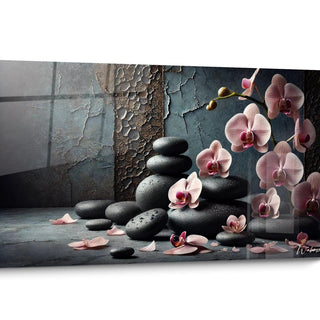 For Wellness Centers101
artworks
For Wellness Centers101
artworks
-
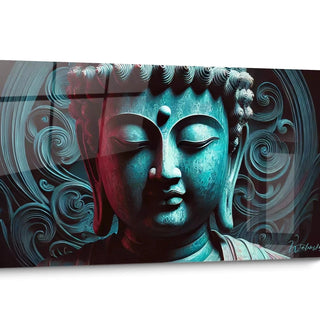 For Clinics100
artworks
For Clinics100
artworks
-
 For Luxury Hotels820
artworks
For Luxury Hotels820
artworks
-
 For Fish Restaurant16
artworks
For Fish Restaurant16
artworks
-
 For Sushi Restaurant15
artworks
For Sushi Restaurant15
artworks
All about Wall Art for Steakhouse Restaurant
- Wall Art Presentation for Steakhouse Restaurant
- Heat-Resistant Wall Art for Steakhouse Restaurant
- Wall Art for Steakhouse Restaurant and Culinary Ambiance
- Wall Art for Steakhouse Restaurant and Visual Identity
Discover how wall art for a steakhouse restaurant can completely transform the atmosphere of your establishment and strengthen your culinary identity. Specially designed to withstand the unique conditions of steakhouse environments, this type of wall decoration combines aesthetics with functionality.
Establishments specializing in grilling face unique decoration challenges: high heat, vapors, suspended grease particles, and cooking odors. Wall art adapted to this environment must not only captivate your clients but also endure these specific conditions while maintaining its brilliance day after day.
We have selected three essential aspects to consider when choosing wall art for your steakhouse: resistance to extreme conditions, contribution to culinary ambiance, and reinforcement of your visual identity. Explore our themed tabs to discover how to make the ideal choice for your establishment.
To find quality wall art for professionals adapted to the specific requirements of restaurant services, consult our selection of large formats designed for specialized steakhouse spaces.
Essential characteristics of heat-resistant wall art for steakhouse restaurants
In the specific universe of steakhouse dining, wall art is exposed to exceptionally harsh environmental conditions that fundamentally distinguish it from traditional wall decoration. Intense heat, greasy vapors, and temperature fluctuations constitute a genuine challenge for any wall decoration in this particular context.
What materials should be prioritized for wall art resistant to steakhouse conditions?
Wall art for steakhouses requires materials with exceptional properties. Composite aluminum surfaces or tempered glass stand out particularly for their excellent thermal resistance, capable of supporting elevated ambient temperatures without deformation. Unlike traditional supports, these specific materials do not yellow when exposed to prolonged cooking vapors laden with grease particles.
Treated stainless steel also constitutes a premium option for areas in immediate proximity to grills. Its resistance to radiant heat and ease of maintenance make it a judicious choice for establishments where temperatures can reach significant peaks. Impressions on these supports require specific printing techniques using thermostable pigments that maintain their vibrancy even when exposed daily to extreme conditions.
Specific surface treatments for wall art in steakhouse environments
Wall art for steakhouses ideally benefit from anti-grease and anti-smoke treatments that fundamentally distinguish them from standard decorative wall art. These advanced surface protections form an impermeable barrier that prevents grease particles suspended in the air from penetrating the material, thus avoiding the progressive dulling observed on classic decorations.
Nano-technology hydrophobic and oleophobic coating represents the most recent innovation in this field. It allows simplified maintenance - any potential splashes glide over the surface without soaking in. This characteristic is particularly valuable in open kitchen environments where wall art is directly exposed to meat cooking vapors.
- Thermal resistance up to 150°C for areas close to grills
- Protection against UV generated by cooking flames
- Anti-odor treatment preventing absorption of grilled meat scents
- Non-porous surface facilitating daily cleaning
Mounting system adapted to extreme conditions
Traditional hanging systems quickly show their limitations in the specific environment of a steakhouse. Significant temperature fluctuations between service and closing can weaken standard fixtures. For this reason, wall art intended for these establishments must be equipped with reinforced hanging systems, often made of stainless steel, with oversized wall anchors.
Offset mounting systems, keeping the wall art slightly away from the wall, offer considerable advantage by allowing air circulation that reduces condensation and prevents mold formation. This specific type of installation significantly extends the artwork's lifespan under these particularly aggressive conditions.
Printing technologies resistant to high-temperature restaurant environments
The visual longevity of wall art for a steakhouse essentially depends on the printing technology employed. Ceramic inks fired at high temperatures or UV prints polymerizing under radiation offer exceptional resistance to fading, even when exposed daily to greasy vapors and thermal fluctuations.
Direct printing processes on anodized metal constitute a premium alternative particularly well-suited. This technique allows pigment infusion directly into the metal's oxidation layer, guaranteeing color permanence under the most extreme conditions, where classic prints would degrade rapidly.
Specific maintenance of wall art in steakhouse environments
Wall art installed in a steakhouse requires a specific maintenance protocol that differs radically from conventional wall decoration cleaning methods. Cleaning frequency must be adapted to the intensity of grill activity and the wall art's proximity to cooking zones.
Non-abrasive degreasing cleaners compatible with food-grade surfaces are recommended to preserve the wall art's visual integrity while effectively eliminating smoke residue and splashes. Some premium steakhouse wall art even incorporates saturation indicators that signal the optimal moment to clean, thus preventing permanent surface fouling.
Choosing wall art for your steakhouse that enhances the culinary experience
The visual ambiance of a steakhouse plays a determining role in the client's overall experience. Far beyond a simple decorative element, wall art specially designed for this type of establishment becomes a true sensory catalyst that stimulates appetite and strengthens clients' gustatory perception.
How can wall art stimulate appetite in a steakhouse?
Neuromarketing studies have demonstrated that visual stimuli directly influence gustatory perception. In a steakhouse, wall art depicting perfectly cooked meat with its characteristic caramelization triggers a biochemical reaction in the observer: salivation and ghrelin release, the hunger hormone. These physiological reactions amplify flavor perception during tasting.
Wall art incorporating warm tones - amber, deep red, and orange - unconsciously reproduce the visual effect of grilling flames and particularly stimulate clients' appetite. These specific hues, when exposed in peripheral vision during meals, significantly increase the gustatory satisfaction experienced while consuming grilled meats.
Visual themes exclusive to steakhouses
Unlike traditional restaurants, establishments specializing in grilling can exploit visual themes specific to their cuisine that reinforce their culinary positioning. Wall art illustrating ancestral wood-fire cooking techniques, methods for cutting specific premium meat cuts, or ranching regions create a visual narrative that enriches the gastronomic experience.
- Representations of exceptional cattle breeds suited to grilling
- Illustrations of different cooking levels and their impact on textures
- Evocations of wine regions ideally paired with grilled meats
- Meat aging techniques and their influence on flavors
These exclusive themes, far from being mere decorations, become subtle educational tools that elevate the client's knowledge level and valorize the establishment's culinary expertise.
Strategic positioning within the steakhouse space
The placement of wall art in a steakhouse responds to strategic considerations that fundamentally differ from traditional display rules. Calculated proximity to open cooking zones allows the wall art to benefit from natural fluctuating lighting from flames, creating a unique visual animation impossible to reproduce in other culinary contexts.
Large-format wall art placed in the primary sightline of tables facing grilling stations establishes visual continuity that extends the culinary spectacle. This specific staging reinforces the client's sensory immersion in the grilling universe and constitutes a major experiential differentiator.
Sensory synchronization with grilling odors
One of the most fundamental - yet rarely considered - aspects in choosing wall art for a steakhouse concerns synchronization of visual stimuli with the establishment's olfactory signatures. Visual representations of grilling in progress, when associated with actual cooking odors from kitchens, create a sensory congruence phenomenon that considerably amplifies the gastronomic experience.
Certain contemporary wall art designs specifically created for steakhouses even integrate aroma microencapsulation technologies that subtly release complementary olfactory notes, individually undetectable but enriching the overall aromatic bouquet of the space. This innovation exclusive to high-end establishments represents the future of functional decoration in specialized restaurants.
Adaptation to the specific acoustics of steakhouse restaurants
The sonic environment of a steakhouse is characterized by a unique acoustic signature: sizzling meats on the grill, characteristic flame hisses, and metallic sounds of cooking instruments. Large-format wall art significantly contributes to managing these spaces' acoustics by partially absorbing medium and high frequencies, particularly present in these establishments.
Wall art incorporating multilayered composite materials offers superior acoustic absorption properties while resisting demanding environmental conditions. This dual functionality represents an exclusive advantage to wall art specially designed for steakhouse constraints and justifies investment in professional-quality pieces rather than standard decorations.
Strengthen your steakhouse's visual identity through specialized wall art
A steakhouse's visual identity constitutes a determining factor of differentiation in a highly competitive market. Wall art, beyond its decorative function, becomes a strategic vector of non-verbal communication that instantly conveys to clients the establishment's culinary positioning and values.
How can you integrate the history of grilling techniques into your wall decoration?
Steakhouses can stand out radically by integrating historical and cultural dimensions specific to grilling art into their wall art. Unlike generalist establishments, a specialized restaurant can legitimately valorize ancestral cooking traditions through visual representations evoking the evolution of techniques across ages and civilizations.
Wall art illustrating Argentinian, Japanese, Texan, or Mediterranean grilling methods allows anchoring the establishment in a specific culinary tradition while subtly educating clientele. This approach reinforces the perception of expertise and specialization, determining criteria in choosing a restaurant dedicated to grilling.
Wall art and temperature zones in a steakhouse
A steakhouse's thermal mapping presents unique specificities that directly influence wall art selection and positioning. Areas near open kitchens or visible grills experience significant temperature variations requiring artwork specially designed for these changing environments.
The optimal strategy consists of adapting wall art nature to different thermal zones of the establishment: ultra-resistant materials for spaces in immediate proximity to heat sources, and more delicate compositions for peripheral zones. This gradation creates coherent visual progression that naturally guides clients' gazes toward focal points of the restaurant space.
- Textured metal wall art for high-temperature zones (>35°C)
- Tempered glass compositions for spaces with variable temperature
- Works on composite supports for zones away from grills
- Pieces with integrated lighting for transition spaces
Artistic signage integrated and specific to steakhouses
Steakhouse specialists can exploit their wall art as supports for integrated artistic signage, thus merging informative function and aesthetic expression. Representations of different meat cuts, cooking levels, or designations specific to grilling techniques, when artistically incorporated into wall art, constitute an elegant information system that reinforces the establishment's specialized identity.
This distinctive approach allows avoiding conventional signage while facilitating client choices. Wall art thus becomes a tool for valorizing specific culinary expertise, reinforcing the perception of expertise that fundamentally differentiates an authentic steakhouse from a generalist establishment offering a few grilled options on its menu.
Chromatic evolution based on service time
An exclusive characteristic of steakhouses concerns the evolution of lighting ambiance throughout service. The intensity of flames, variable according to grill activity, generates natural fluctuating lighting that radically transforms color perception in the space. Wall art specifically designed for these establishments exploits this unique phenomenon by incorporating reactive pigments or variable-reflection surfaces.
These dynamic works reveal different chromatic depths according to culinary activity intensity, creating subtle visual animation exclusively possible in the specific environment of a steakhouse. This characteristic transforms static decorative experience into an evolving dimension that naturally harmonizes with service rhythm and kitchen activity.
Integration of wall art with specific ventilation systems
Steakhouses require particularly efficient ventilation and extraction systems to manage smoke and odors generated by cooking. Large-format wall art can be strategically positioned to optimize air flows by creating controlled depression zones that contribute to the overall extraction system's efficiency.
Certain wall art specifically designed for these environments even incorporates peripheral microfilters that actively participate in ambient air purification. This advanced technical functionality, invisible to clients, represents significant operational advantage exclusive to professional wall decoration developed for steakhouse-specific constraints.
FAQ on wall art for steakhouses
What wall art size should be prioritized for a steakhouse with open kitchen?
For a steakhouse with open kitchen, XXL formats of 150x100cm minimum are recommended to create visual impact proportional to the space and visually balance the imposing presence of cooking equipment. These large formats also allow better resistance to the intensive environment by distributing thermal stress over greater surface area.
How do you choose wall art that will withstand the specific conditions of an outdoor steakhouse?
For an outdoor steakhouse, opt for composite metal wall art treated for UV and weather resistance, with minimum IP65 protection rating. Prints must be created with ceramic inks thermofixed guaranteeing resistance to extreme thermal amplitudes between lunch and evening service, as well as seasonal variations.
How frequently should wall art be replaced in a high-activity steakhouse?
In a high-activity steakhouse, wall art specifically designed for this environment offers optimal lifespan of 3 to 5 years before showing aging signs related to constant exposure to grease particles and thermal fluctuations. Professional quarterly maintenance can significantly extend this duration up to 7 years for premium pieces.


