


Starfish Wall Art
The Starfish Wall Art captures all the poetry of the ocean depths in your interior. This collection celebrates the timeless beauty of these oceanic creatures through elegant and refined artistic compositions. Perfect for creating a contemporary marine decoration, each artwork evokes the soothing essence of shorelines and the serenity of the underwater world. Soft hues and delicate details harmonize with all interior styles. Ideal for a chic coastal atmosphere, this wall art transforms your space into a true haven of peace inspired by the ocean.
 Swirling Violet and Gold Starfish Painting on Stylized Wave Background - Mysterious Ocean - Starfish Edition273,90 €
 Orange Starfish Painting on Pink Rocks - Impressionist Marine Art - Starfish Edition273,90 €
 Coral Starfish Painting with Textured Tentacles on Fluid Turquoise Background - Abyss Wonder - Starfish Edition273,90 €
 Golden Starfish on Shore with Purple and Orange Reflections Wall Art - Treasure of the Tides - Starfish Edition273,90 €
 Starfish painting with ochre and beige tones on sand with seashells - Ocean's Treasure - Starfish Edition273,90 €
 Scarlet Red Starfish on Creamy White Anemones Painting - Treasure of the Depths - Starfish Edition273,90 €
 Expressionist Blue and Gold Swirls Wall Art - Abstract Ocean - Starfish Edition273,90 €
 Luminous Turquoise and Green Starfish Painting - Marine Bloom - Starfish Edition273,90 €
 Orange Textured Starfish Painting on Rocks with Hermit Crab - Marine Symphony - Starfish Edition273,90 €
 Orange Starfish Wall Art in Its Natural Habitat with Green Anemones - Colorful Ocean Floor - Starfish Edition273,90 €
 Vibrant ocean floor wall art with orange starfish and coral red anemone - Treasure of the Deep - Starfish Edition273,90 €
 Turquoise Multicolor Mosaic Wall Art Starfish Marine - Ocean Symphony - Starfish Edition273,90 €
 Blue Mosaic Starfish Painting Against Vibrant Coral Background - Marine Symphony - Starfish Edition273,90 €
 Abstract Starfish Painting in Ochre and Russet Tones - Stylized Marine Creature - Starfish Edition273,90 €
 Red Starfish Painting on Gray Rocks with Brown Seaweed - Marine Life - Starfish Edition273,90 €
 Purple starfish wall art on multicolor expressionist background - Marine depths - Starfish Edition273,90 €
 Abstract starfish wall art with orange and gray tones - Marine Explosion - Starfish Edition273,90 €
 Starfish wall art with golden reflections on turquoise and cream marbling - Treasures of the Deep - Starfish Edition228,90 €
 Colorful Blue and Pink Mosaic Canvas with Radiant Patterns - Marine Explosion - Starfish Edition228,90 €
In the same family
Also explore the theme Animals
-
 View all10974
artworks
View all10974
artworks
-
 Bee54
artworks
Bee54
artworks
-
 Eagle18
artworks
Eagle18
artworks
-
 Alpaga111
artworks
Alpaga111
artworks
-
 Donkey15
artworks
Donkey15
artworks
-
 Savannah Wildlife94
artworks
Savannah Wildlife94
artworks
-
 Antelope5
artworks
Antelope5
artworks
-
 Spider8
artworks
Spider8
artworks
-
 Other Animals24
artworks
Other Animals24
artworks
-
 Ostrich75
artworks
Ostrich75
artworks
-
 Axolotl47
artworks
Axolotl47
artworks
-
 Whale89
artworks
Whale89
artworks
-
 Barracuda61
artworks
Barracuda61
artworks
-
 Bécasse32
artworks
Bécasse32
artworks
-
 Ram315
artworks
Ram315
artworks
-
 Beluga169
artworks
Beluga169
artworks
-
 Hermit-Crab12
artworks
Hermit-Crab12
artworks
-
 Doe10
artworks
Doe10
artworks
-
 Bison8
artworks
Bison8
artworks
-
 Blaireau59
artworks
Blaireau59
artworks
-
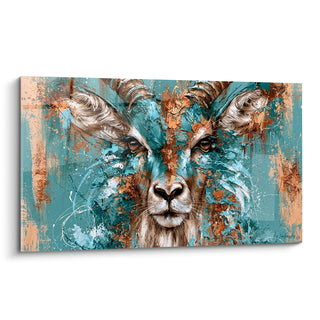 Bouquetin32
artworks
Bouquetin32
artworks
-
 Buffalo91
artworks
Buffalo91
artworks
-
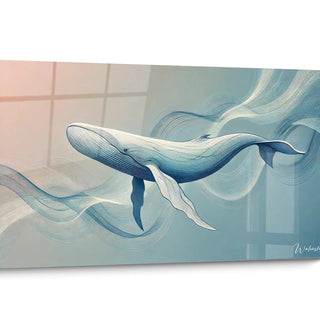 Sperm Whale8
artworks
Sperm Whale8
artworks
-
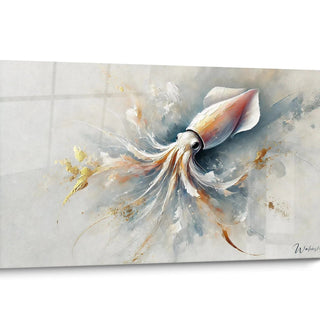 Giant Squid6
artworks
Giant Squid6
artworks
-
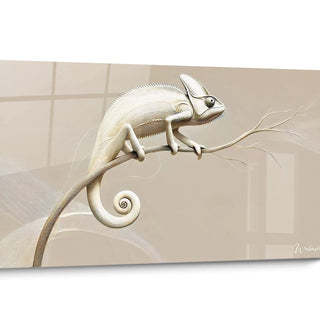 Chameleon20
artworks
Chameleon20
artworks
-
 Duck352
artworks
Duck352
artworks
-
 Capybara3
artworks
Capybara3
artworks
-
 Caracal15
artworks
Caracal15
artworks
-
 Caribou4
artworks
Caribou4
artworks
-
 Koi Carp130
artworks
Koi Carp130
artworks
-
 Beaver9
artworks
Beaver9
artworks
-
 Deer26
artworks
Deer26
artworks
-
 Camel3
artworks
Camel3
artworks
-
 Cat1218
artworks
Cat1218
artworks
-
 Bat10
artworks
Bat10
artworks
-
 Horse73
artworks
Horse73
artworks
-
 Mountain Goat3
artworks
Mountain Goat3
artworks
-
 Dog3055
artworks
Dog3055
artworks
-
 Chimpanzee12
artworks
Chimpanzee12
artworks
-
 Owl19
artworks
Owl19
artworks
-
 Stork16
artworks
Stork16
artworks
-
 Ladybug7
artworks
Ladybug7
artworks
-
 Pig8
artworks
Pig8
artworks
-
 Guinea Pig13
artworks
Guinea Pig13
artworks
-
 Hummingbird23
artworks
Hummingbird23
artworks
-
 Colombe90
artworks
Colombe90
artworks
-
 Rooster9
artworks
Rooster9
artworks
-
 Seashell6
artworks
Seashell6
artworks
-
 Raven9
artworks
Raven9
artworks
-
 Crab5
artworks
Crab5
artworks
-
 Toad8
artworks
Toad8
artworks
-
 Shrimp5
artworks
Shrimp5
artworks
-
 Crocodile4
artworks
Crocodile4
artworks
-
 Swan189
artworks
Swan189
artworks
-
 Dolphin11
artworks
Dolphin11
artworks
-
 Dromedary4
artworks
Dromedary4
artworks
-
 Squirrel15
artworks
Squirrel15
artworks
-
 Elan13
artworks
Elan13
artworks
-
 Elephant80
artworks
Elephant80
artworks
-
 Snail11
artworks
Snail11
artworks
-
 Swordfish4
artworks
Swordfish4
artworks
-
 Wild Essence25
artworks
Wild Essence25
artworks
-
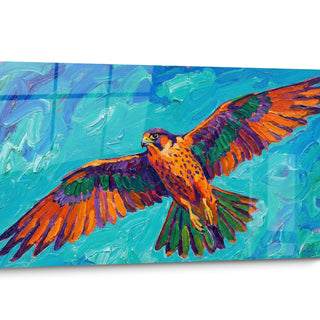 Falcon16
artworks
Falcon16
artworks
-
 Fennec256
artworks
Fennec256
artworks
-
 Pink Flamingo30
artworks
Pink Flamingo30
artworks
-
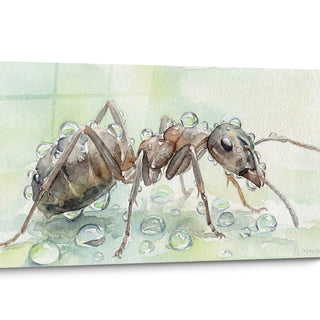 Ant19
artworks
Ant19
artworks
-
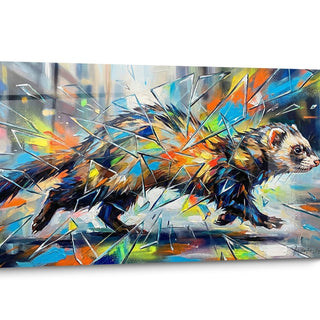 Ferret17
artworks
Ferret17
artworks
-
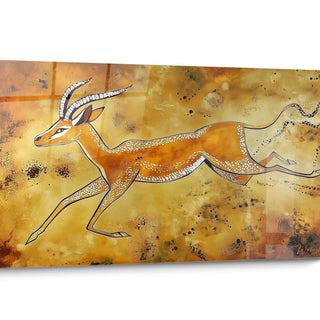 Gazelle4
artworks
Gazelle4
artworks
-
 Giraffe183
artworks
Giraffe183
artworks
-
 Wildebeest3
artworks
Wildebeest3
artworks
-
 Gorilla15
artworks
Gorilla15
artworks
-
 Frog65
artworks
Frog65
artworks
-
 Grizzly3
artworks
Grizzly3
artworks
-
 Crane10
artworks
Crane10
artworks
-
 Cheetah147
artworks
Cheetah147
artworks
-
 Hamster17
artworks
Hamster17
artworks
-
 Hedgehog64
artworks
Hedgehog64
artworks
-
 Heron37
artworks
Heron37
artworks
-
 Owl42
artworks
Owl42
artworks
-
 Seahorse34
artworks
Seahorse34
artworks
-
 Hippopotamus4
artworks
Hippopotamus4
artworks
-
 Lobster8
artworks
Lobster8
artworks
-
 Hyena14
artworks
Hyena14
artworks
-
 Iguana6
artworks
Iguana6
artworks
-
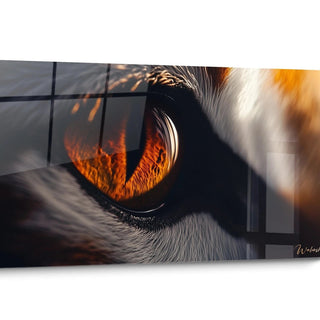 Animal Eye6
artworks
Animal Eye6
artworks
-
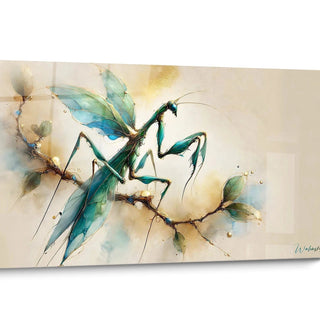 Insect5
artworks
Insect5
artworks
-
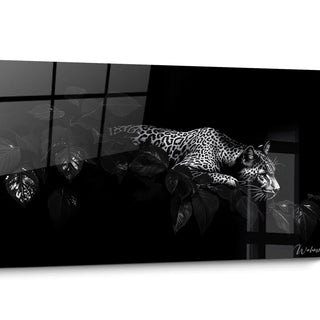 Jaguar6
artworks
Jaguar6
artworks
-
 Kangaroo100
artworks
Kangaroo100
artworks
-
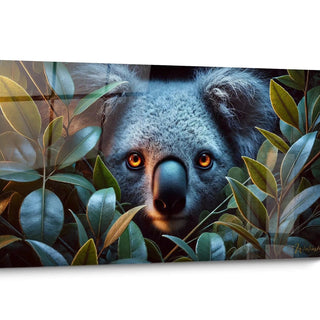 Koala18
artworks
Koala18
artworks
-
 Llama107
artworks
Llama107
artworks
-
 Rabbit15
artworks
Rabbit15
artworks
-
 Lemur3
artworks
Lemur3
artworks
-
 Dragonfly4
artworks
Dragonfly4
artworks
-
 Unicorn62
artworks
Unicorn62
artworks
-
 Lion193
artworks
Lion193
artworks
-
 Lion Cub4
artworks
Lion Cub4
artworks
-
 Lioness6
artworks
Lioness6
artworks
-
 Wolf13
artworks
Wolf13
artworks
-
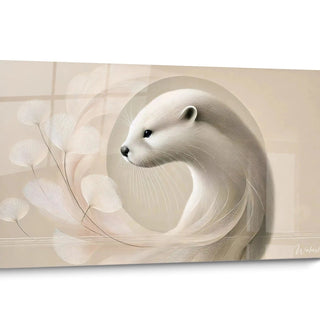 Otter6
artworks
Otter6
artworks
-
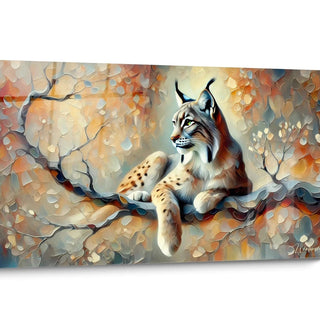 Lynx7
artworks
Lynx7
artworks
-
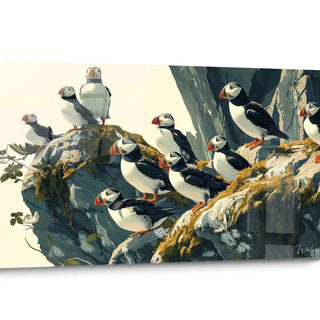 Puffin2
artworks
Puffin2
artworks
-
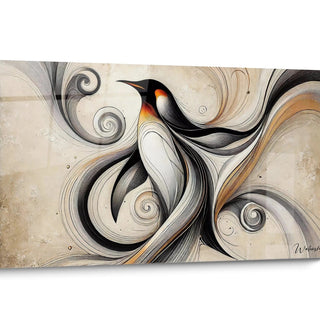 Penguin10
artworks
Penguin10
artworks
-
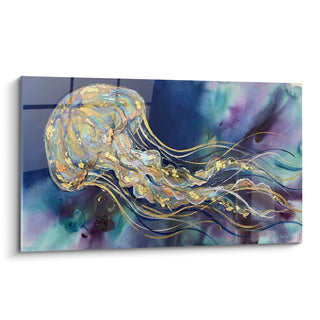 Jellyfish17
artworks
Jellyfish17
artworks
-
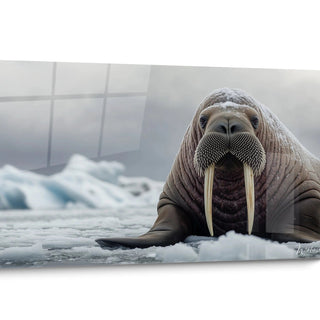 Morse3
artworks
Morse3
artworks
-
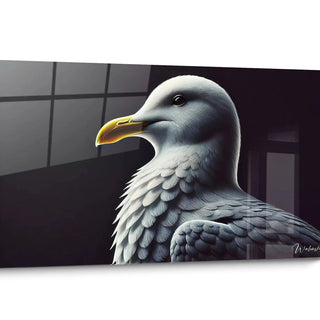 Seagull4
artworks
Seagull4
artworks
-
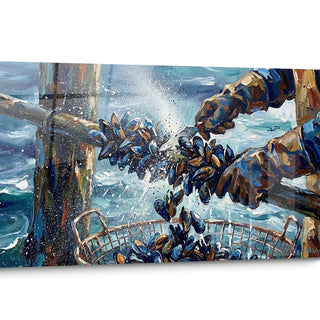 Mold14
artworks
Mold14
artworks
-
 Sheep6
artworks
Sheep6
artworks
-
 Narwhal66
artworks
Narwhal66
artworks
-
 Ocelot3
artworks
Ocelot3
artworks
-
 Birds15
artworks
Birds15
artworks
-
 Orangutan10
artworks
Orangutan10
artworks
-
 Orca28
artworks
Orca28
artworks
-
 Brown Bear334
artworks
Brown Bear334
artworks
-
 Polar Bear289
artworks
Polar Bear289
artworks
-
 Sea Urchin9
artworks
Sea Urchin9
artworks
-
 Giant Panda69
artworks
Giant Panda69
artworks
-
 Red Panda11
artworks
Red Panda11
artworks
-
 Panther19
artworks
Panther19
artworks
-
 Snow Leopard8
artworks
Snow Leopard8
artworks
-
 Black Panther10
artworks
Black Panther10
artworks
-
 Peacock128
artworks
Peacock128
artworks
-
 Butterfly14
artworks
Butterfly14
artworks
-
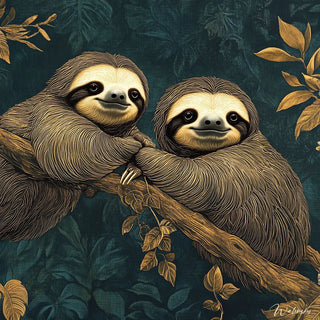 Lazy Sloth3
artworks
Lazy Sloth3
artworks
-
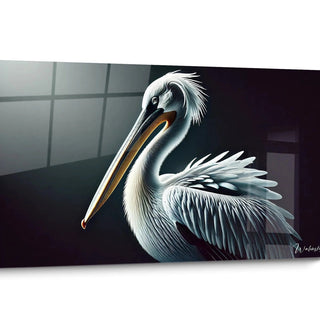 Pelican3
artworks
Pelican3
artworks
-
 Parrot211
artworks
Parrot211
artworks
-
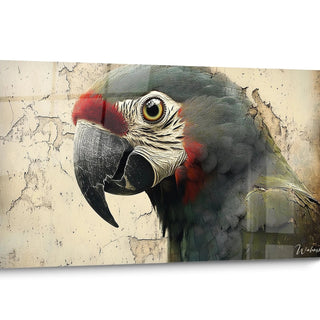 Parakeet5
artworks
Parakeet5
artworks
-
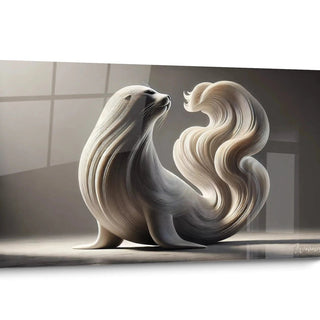 Seal5
artworks
Seal5
artworks
-
 Pigeon10
artworks
Pigeon10
artworks
-
 Penguin274
artworks
Penguin274
artworks
-
 Feather60
artworks
Feather60
artworks
-
 Fish18
artworks
Fish18
artworks
-
 Betta Fish12
artworks
Betta Fish12
artworks
-
 Octopus59
artworks
Octopus59
artworks
-
 Puma3
artworks
Puma3
artworks
-
 Manta Ray67
artworks
Manta Ray67
artworks
-
 Raccoon2
artworks
Raccoon2
artworks
-
 Fox141
artworks
Fox141
artworks
-
 Shark126
artworks
Shark126
artworks
-
 Rhinoceros21
artworks
Rhinoceros21
artworks
-
 Salamander14
artworks
Salamander14
artworks
-
 Wild Boar15
artworks
Wild Boar15
artworks
-
 Scarab73
artworks
Scarab73
artworks
-
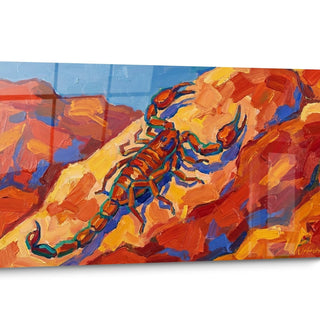 Scorpion9
artworks
Scorpion9
artworks
-
 Serpent102
artworks
Serpent102
artworks
-
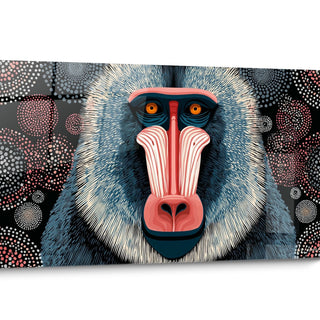 Monkey14
artworks
Monkey14
artworks
-
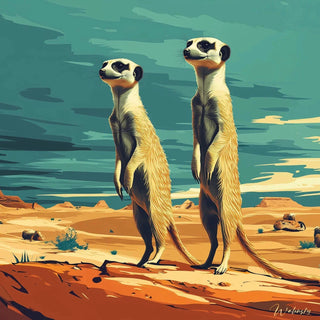 Meerkat1
artwork
Meerkat1
artwork
-
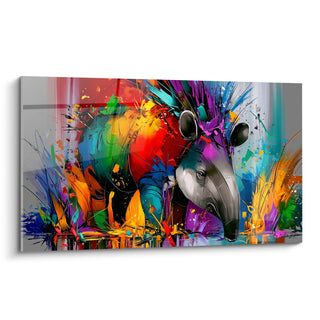 Tapir52
artworks
Tapir52
artworks
-
 Armadillo3
artworks
Armadillo3
artworks
-
 Bull281
artworks
Bull281
artworks
-
 Tiger316
artworks
Tiger316
artworks
-
 Sea Turtle18
artworks
Sea Turtle18
artworks
-
 Terrestrial Turtle14
artworks
Terrestrial Turtle14
artworks
-
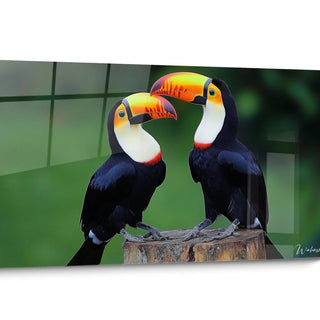 Toucan7
artworks
Toucan7
artworks
-
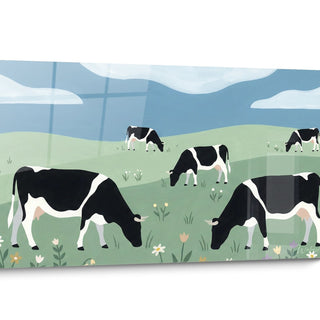 Cow9
artworks
Cow9
artworks
-
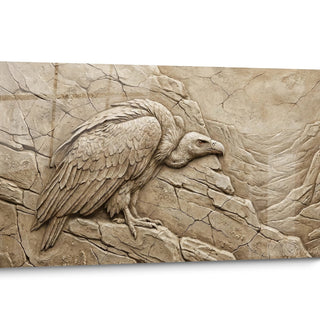 Vulture5
artworks
Vulture5
artworks
-
 Zebra49
artworks
Zebra49
artworks


All about Starfish Wall Art
- Starfish Wall Art Presentation
- Maritime Symbolism
- Marine Décor Design
- Coastal Atmospheres
The starfish wall art embodies the essence of marine depths with timeless elegance. This fascinating representation of the asterid celebrates the organic beauty of ocean floors and transforms every space into a coastal sanctuary. Prized for its refined natural aesthetic, this marine illustration particularly captivates lovers of contemporary nautical decoration seeking to recreate the soothing atmosphere of the shoreline. Large format sizes reveal with precision each anatomical detail of this fascinating creature: its symmetrical arms, characteristic grainy texture, and chromatic nuances ranging from coral to deep blue. This mural artwork integrates harmoniously into interiors inspired by the marine universe, offering a refined alternative to traditional shells and creating a visually captivating focal point.
The Deep Symbolism of Starfish Wall Art in Marine Decoration
The starfish wall art conveys rich symbolism inherited from ancestral maritime traditions. In many coastal cultures, the asterid represents perpetual regeneration, this creature possessing the extraordinary capacity to reconstitute its lost limbs. This metaphor of resilience and renewal confers to this mural representation a profound emotional dimension that transcends simple decorative function.
What spiritual significance does the starfish carry in mural art?
Polynesian civilizations traditionally associate the starfish with orientation and guidance, comparable to celestial constellations for navigators. Integrating this marine iconography into your interior thus evokes a symbolic anchorage, a constant reminder of your connection to natural elements. This spiritual dimension transforms your starfish wall decoration into a soothing visual talisman, particularly sought after in spaces dedicated to meditation or personal rejuvenation.
The sensory evocation of rocky coastal ecosystems
Beyond its symbolic charge, this artistic representation revives the sensory memory of coastal explorations: the rough contact of rocks at low tide, the iodized smell of seaweed, the murmur of waves receding. This multisensory evocation explains why starfish wall art has experienced growing success among urbanites seeking to compensate for geographical distance from the shoreline. Monumental formats amplify this immersion by creating a visual window to marine basins, radically transforming the spatial perception of the room.
Association with other marine representations
To compose a truly cohesive oceanic gallery, the starfish harmonizes perfectly with other representations of aquatic fauna. By combining it with animal wall art depicting seahorses, jellyfish, or anemones, you create an immersive visual narrative evoking the biodiversity of coral ecosystems. This narrative approach reinforces decorative impact by building a global thematic atmosphere rather than a juxtaposition of isolated elements.
Optimizing the Visual Impact of Starfish Wall Art According to Interior Architecture
Enhancement in spaces with residual moisture
The starfish wall art finds its full expression in spacious bathrooms and wellness spaces where ambient humidity reinforces thematic decorative coherence. Unlike terrestrial representations, this marine iconography establishes natural visual continuity with the aquatic function of these rooms. Generous dimensions are particularly suitable for walls adjacent to freestanding tubs, creating a contemplative focal point during moments of relaxation. Indirect overhead lighting subtly reveals the textured reliefs of the image, simulating the effect of sunlight filtering through water.
How to integrate this motif into authentic coastal decoration?
To avoid the kitschy effect often associated with maritime themes, favor a refined chromatic approach. The decorative starfish wall art in neutral tones — beiges, pearl gray, off-whites — integrates harmoniously into a contemporary coastal environment. Combine it with raw materials such as natural linen, whitened rattan, or driftwood to strengthen authenticity. This material sobriety prevents visual saturation while preserving the marine identity of the entire decorative ensemble.
Strategic exploitation in transition spaces
Hallways and entryways particularly benefit from installing a large-format starfish sea wall art. These often-neglected circulation spaces become welcoming galleries immediately establishing the general ambiance of the dwelling. The characteristic radial symmetry of the asterid creates natural visual balance that intuitively guides the gaze, a valuable property in linear spaces. This design strategy transforms functional zones into aesthetic experiences that psychologically prepare for the discovery of main rooms.
Considerations for maritime professional environments
Thalassotherapy clinics, water sports centers, and coastal hotel establishments massively adopt this representation to strengthen their sectoral identity. The large starfish wall art instantly communicates values of naturalness, rejuvenation, and oceanic connection. In waiting areas, it perceptibly reduces anxiety by evoking naturally soothing natural environments, a phenomenon documented in environmental psychology under the term "attention restoration."
Creating Immersive Coastal Atmospheres with Starfish Wall Art
The refined Mediterranean ambiance
In a configuration inspired by Mediterranean coastal villages, the starfish wall art with ochre and terracotta tones evokes sun-bathed rocky seafloors. Combine it with cream linen textiles, artisanal pottery, and xeric vegetation such as succulents to recreate the atmosphere of Greek islands. This approach privileges natural luminosity and volumetric simplicity, where each decorative element possesses a precise visual function without superficial clutter.
How does this motif transform bedrooms into marine refuges?
Positioned above the headboard, the large-format starfish wall art becomes the visual anchor of the room, advantageously substituting traditional upholstered headboards. This configuration creates an imaginary window to marine depths, promoting pre-sleep relaxation through its evocation of naturally soothing aquatic environments. Cool chromatic nuances — deep blues, water greens — physiologically contribute to reduced nervous tension, optimizing the quality of nighttime rest.
Hybrid Scandinavian-coastal aesthetics
The Nordic decorative movement now integrates marine elements to soften the austerity of traditional minimalism. A mural starfish wall art in photographic black and white harmonizes perfectly with the refined lines of Scandinavian furniture, introducing welcome organicity without compromising characteristic sobriety. This stylistic fusion gains popularity in seaside secondary residences of Nordic countries, creating interiors simultaneously warm and austere.
Lighting scenarios to maximize immersive effect
Installation of lateral light sources directed toward the artwork creates cast shadows that dramatically accentuate the perceived three-dimensionality of the starfish. This museographic technique transforms a simple two-dimensional representation into a dynamic visual experience evolving according to daily cycles. For discerning collectors, variable temperature LED lighting allows adaptation of chromatic ambiance: warm tones in evening evoking ocean sunsets, cool tones during daytime simulating underwater clarity.
FAQ - Frequently asked questions about starfish wall art
Can you combine starfish wall art with non-maritime contemporary decoration?
Absolutely. By selecting abstract or minimalist representations of the asterid, you retain the organic reference while preserving stylistic neutrality. Refined monochrome versions integrate harmoniously into contemporary urban interiors, bringing a natural touch without imposing explicit maritime theming.
What wall orientation to prioritize for starfish wall art in a living room?
Favor walls perpendicular to natural light sources to avoid direct reflections while benefiting from lateral lighting enhancement. In configurations with bay windows overlooking garden or terrace, position the artwork on the opposite wall to create a visual dialogue between exterior nature and interior marine evocation.
Does the starfish wall art format influence spatial perception?
Considerably. Elongated vertical formats create an impression of elevation particularly suited to low-ceiling spaces, while panoramic horizontal compositions visually widen narrow rooms. Single large-format isolated starfish representations generate maximum focal impact, whereas multi-starfish compositions create more dynamic visual rhythm.


