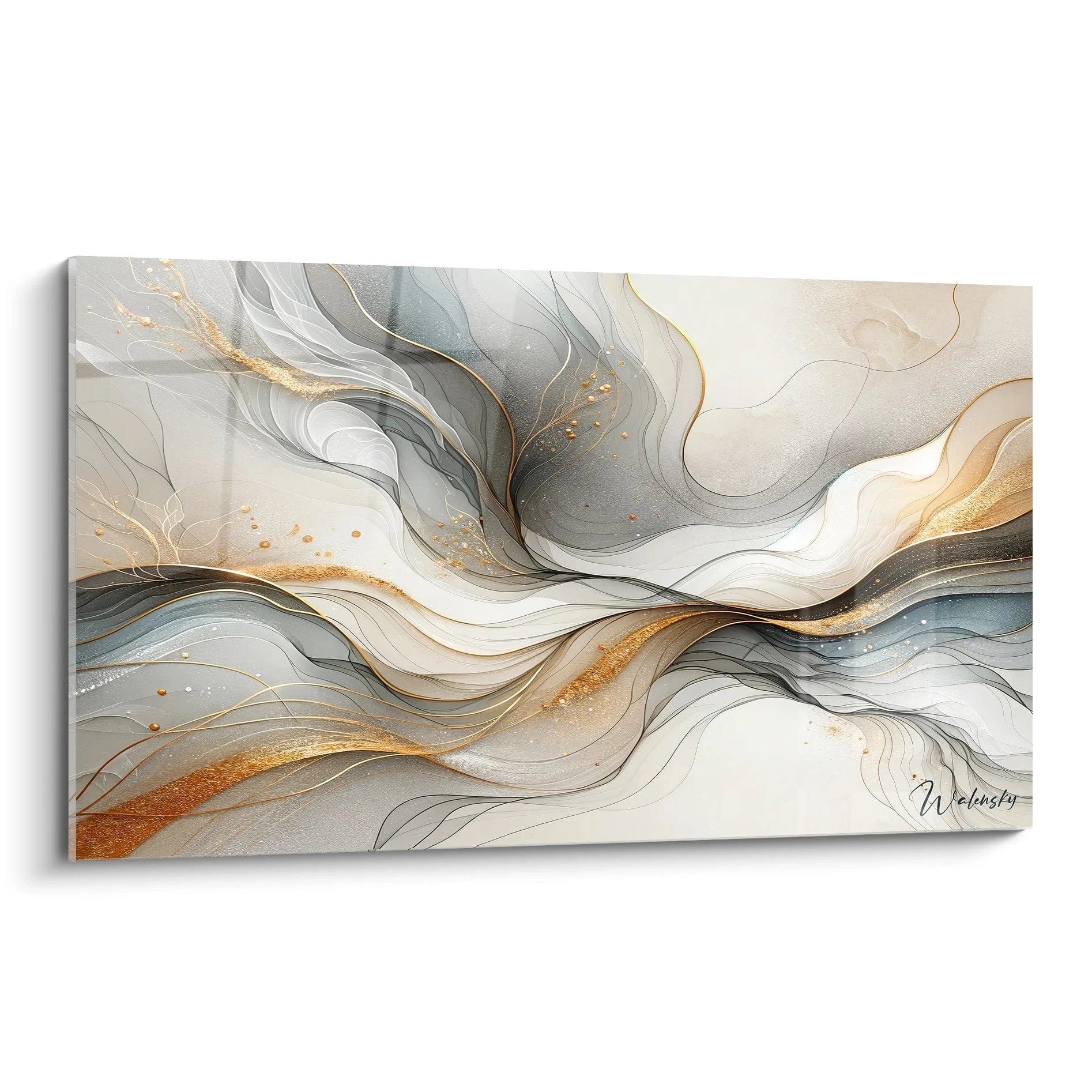
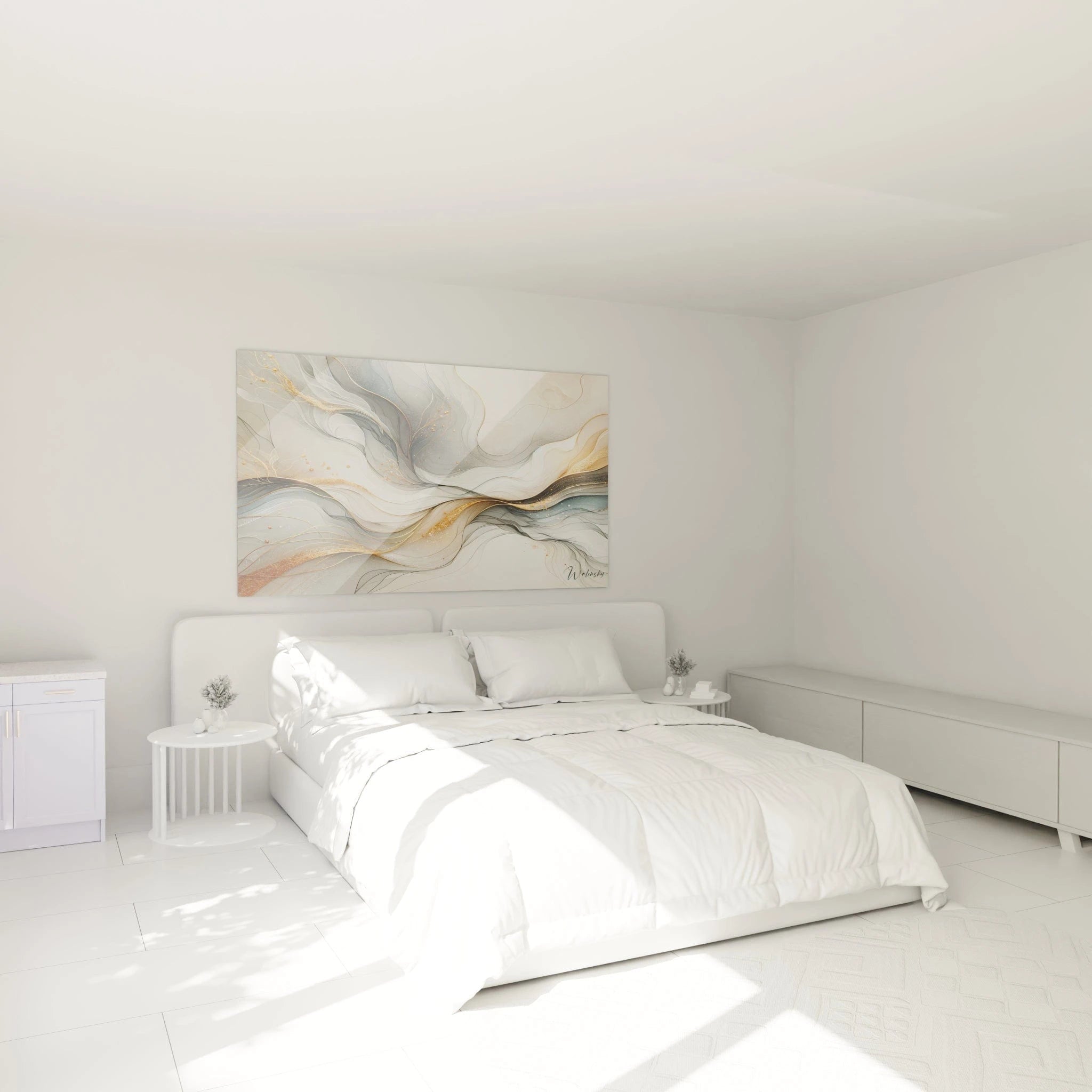
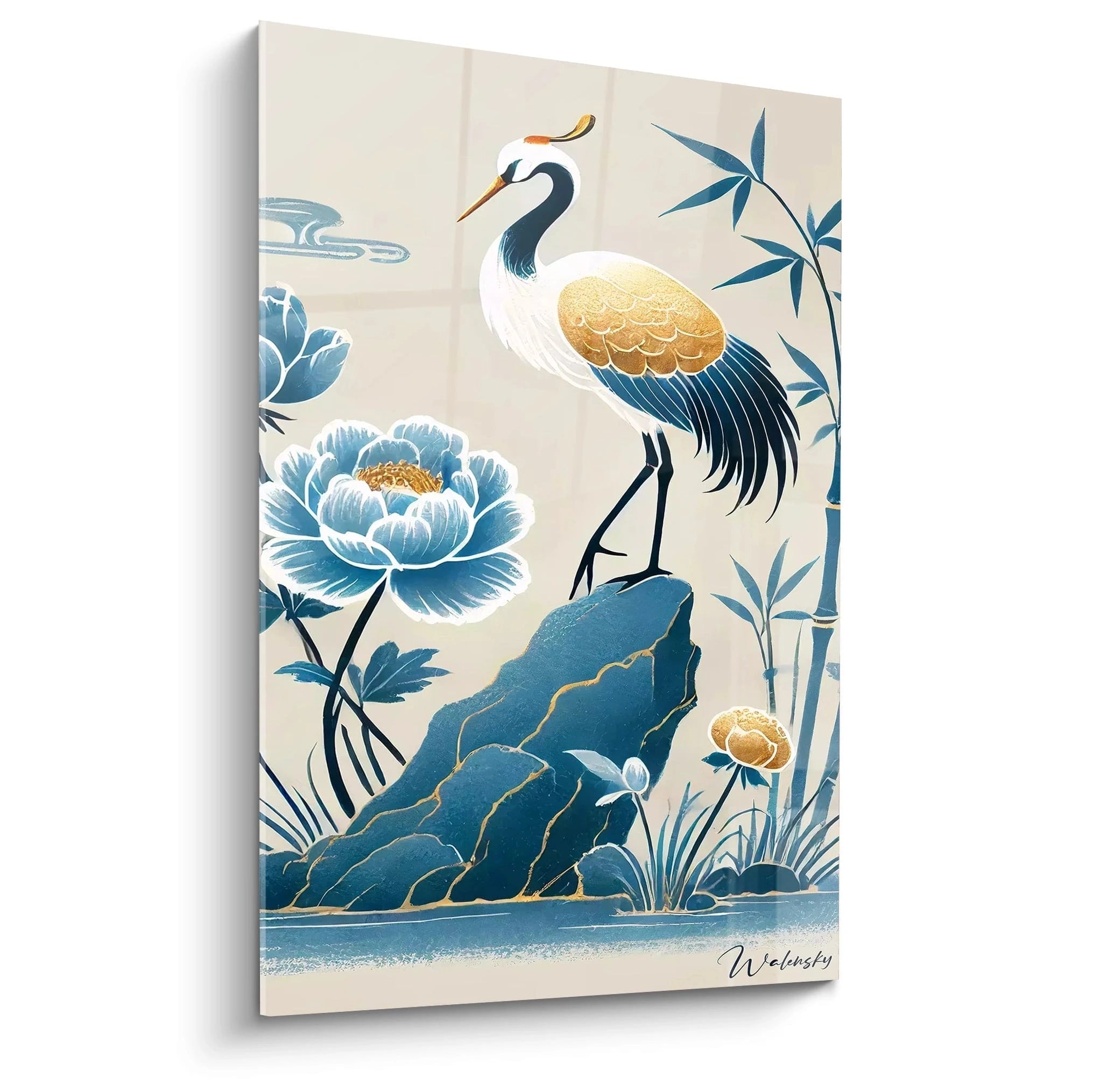
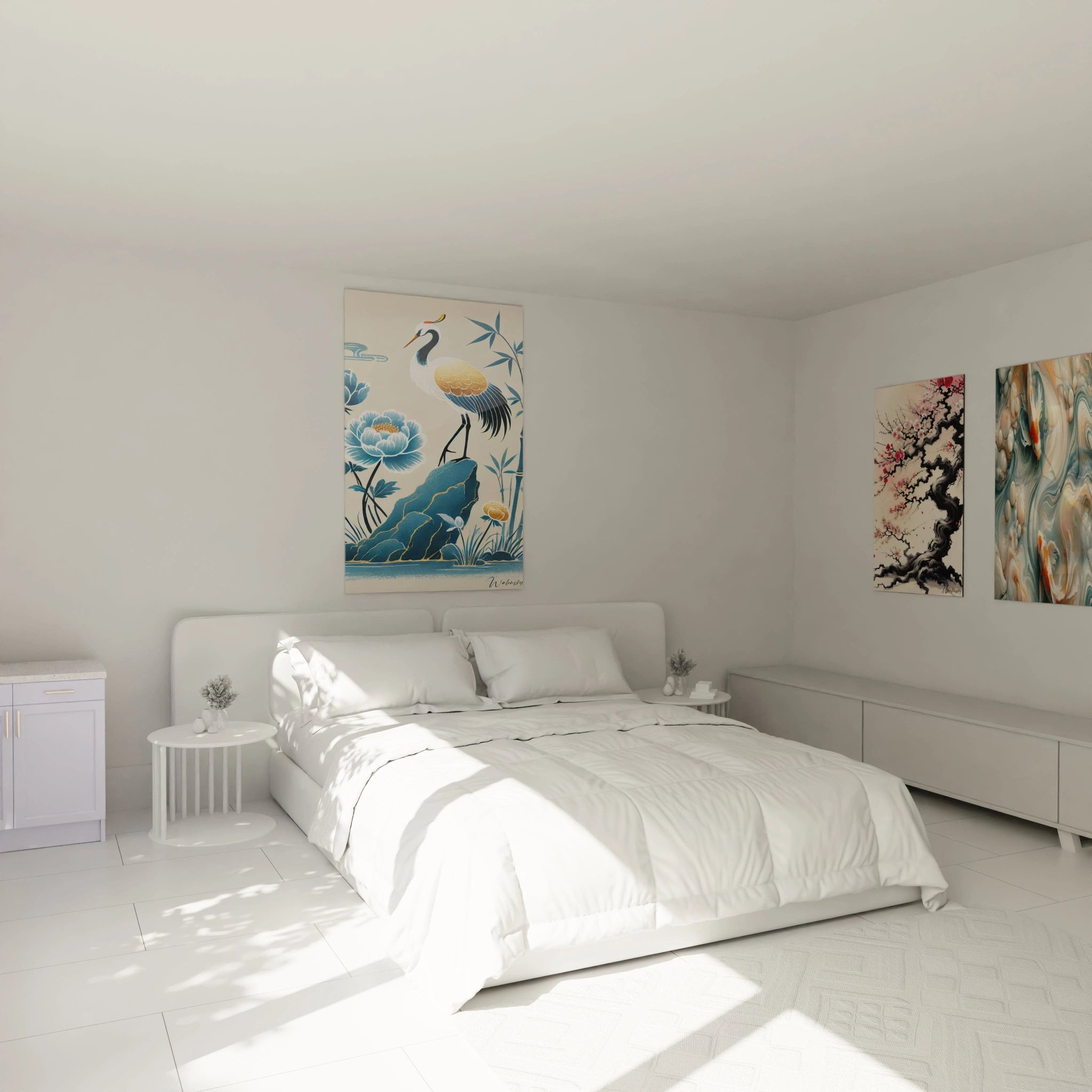
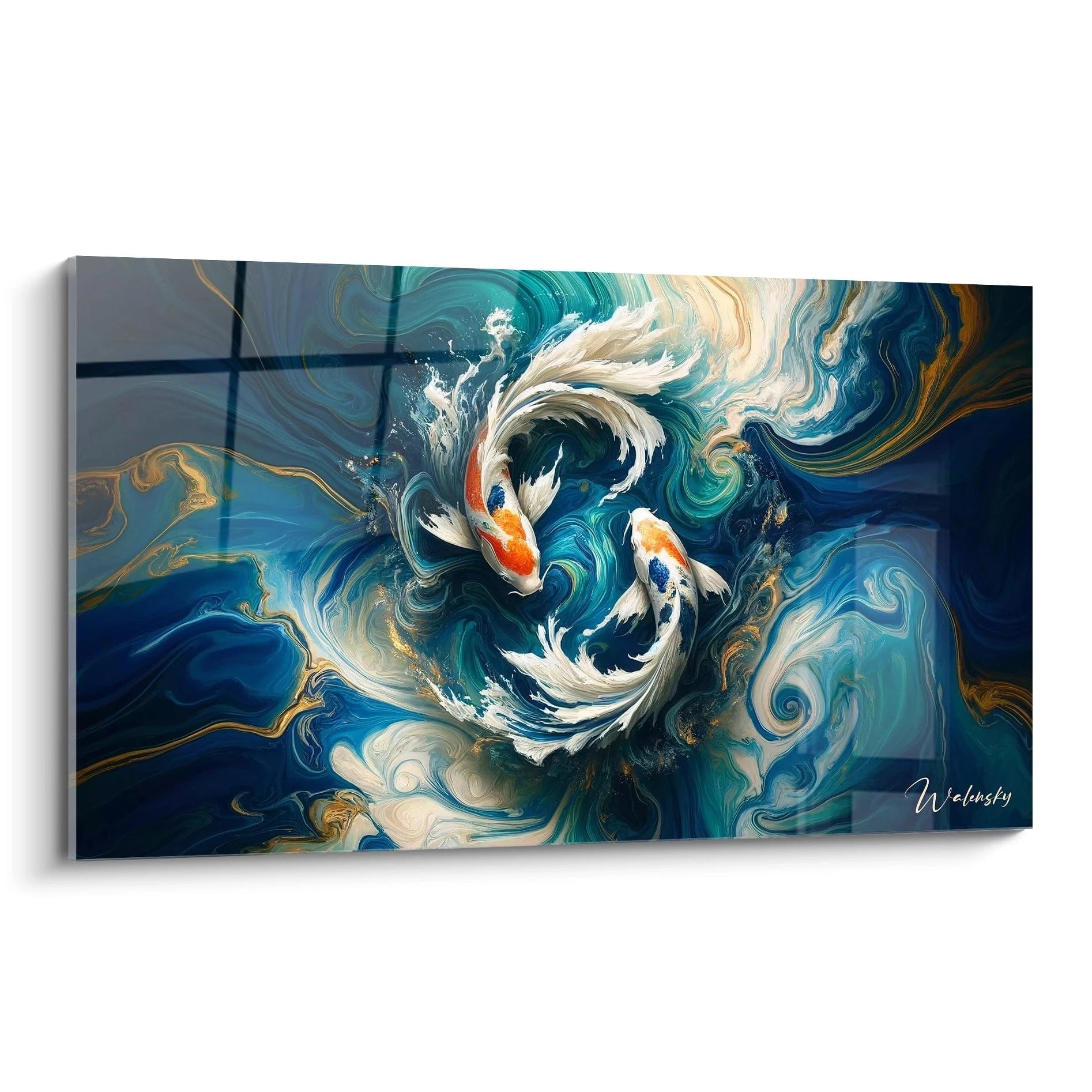
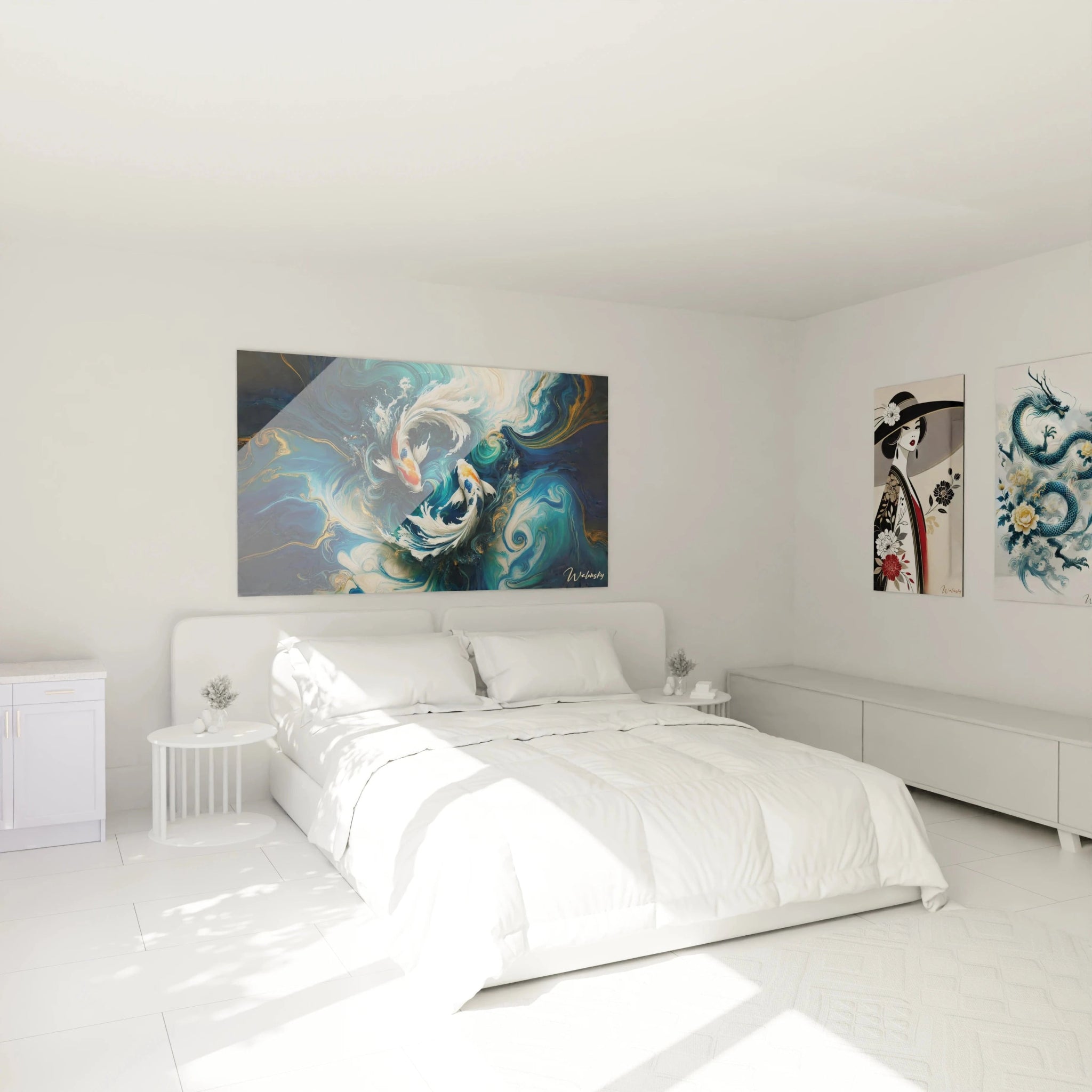
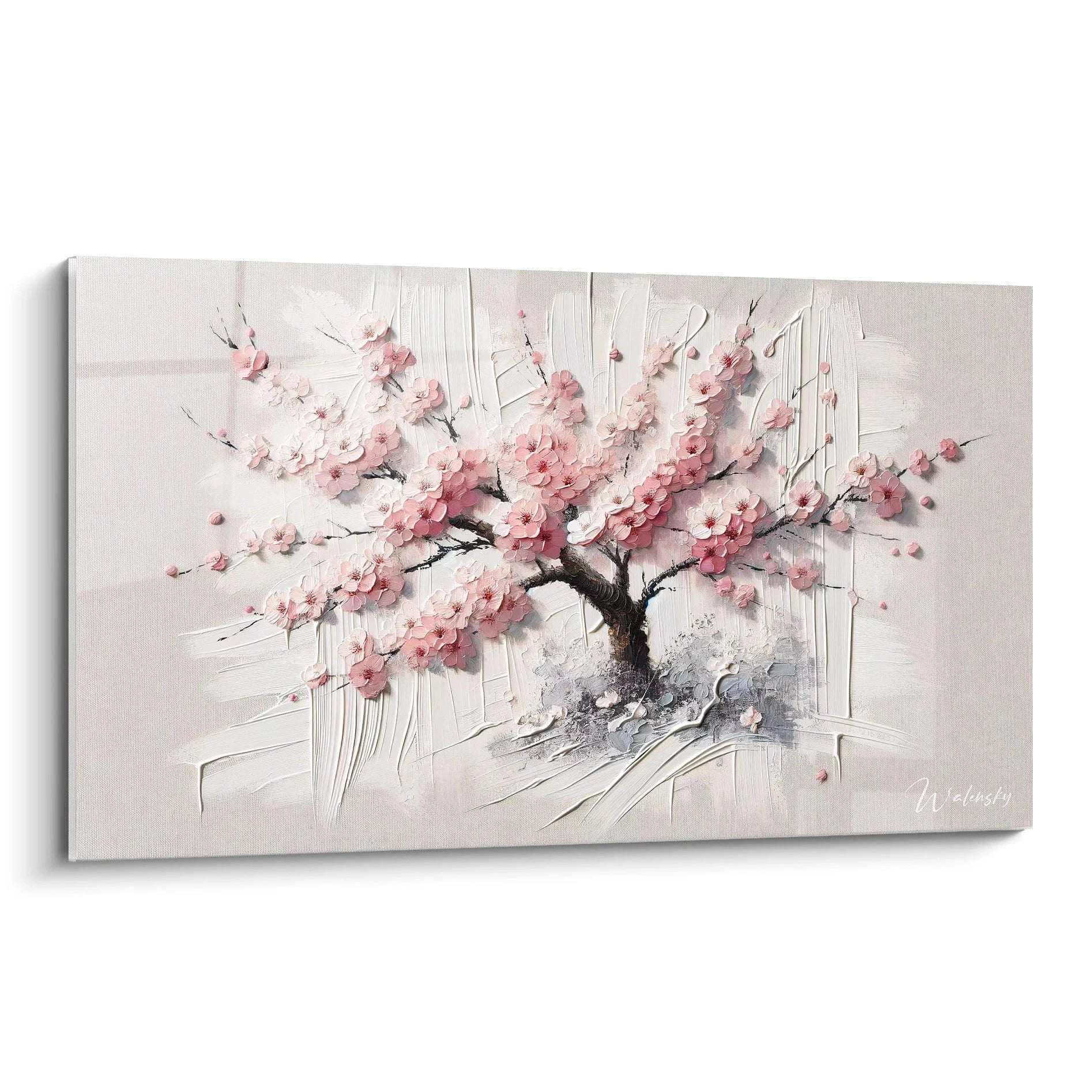
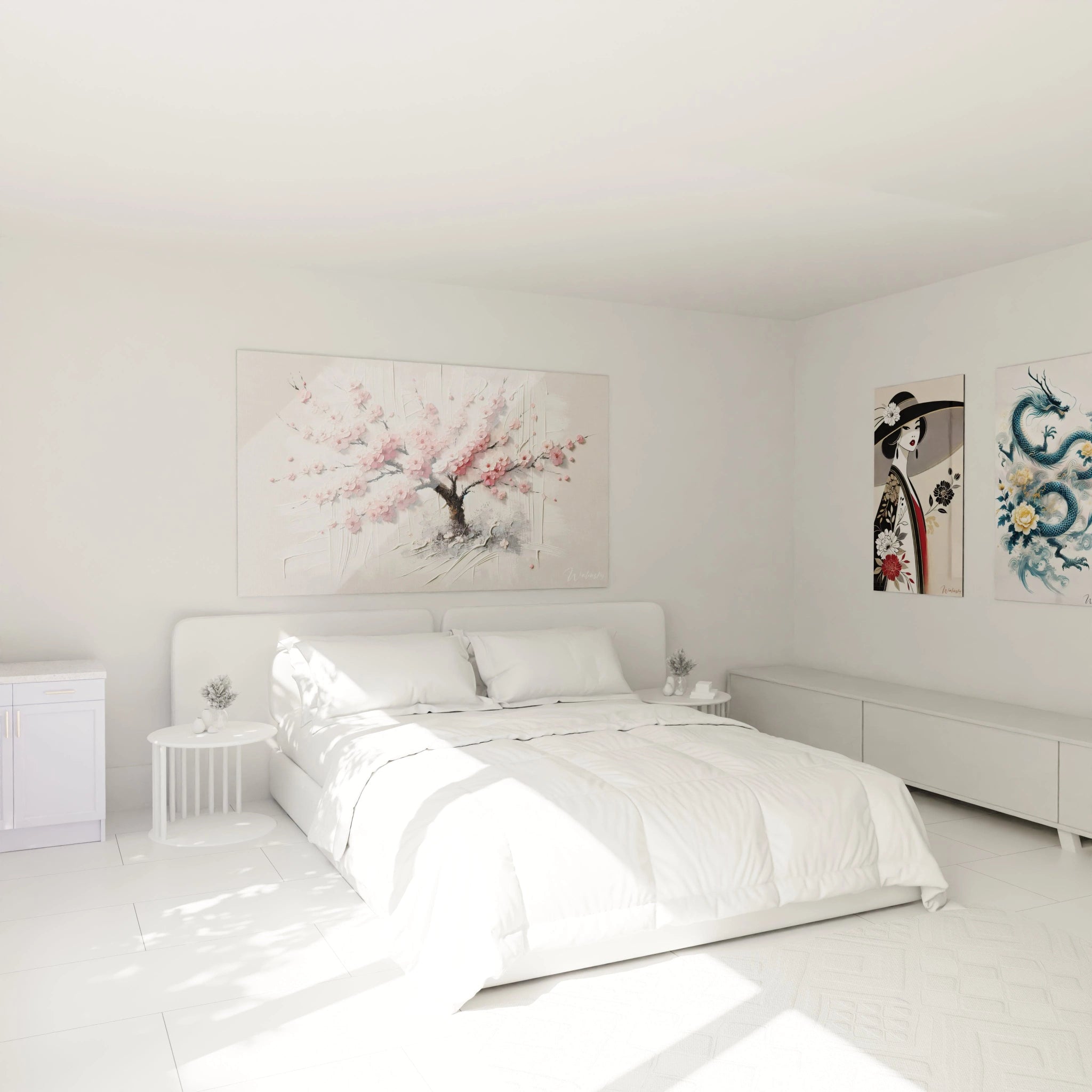
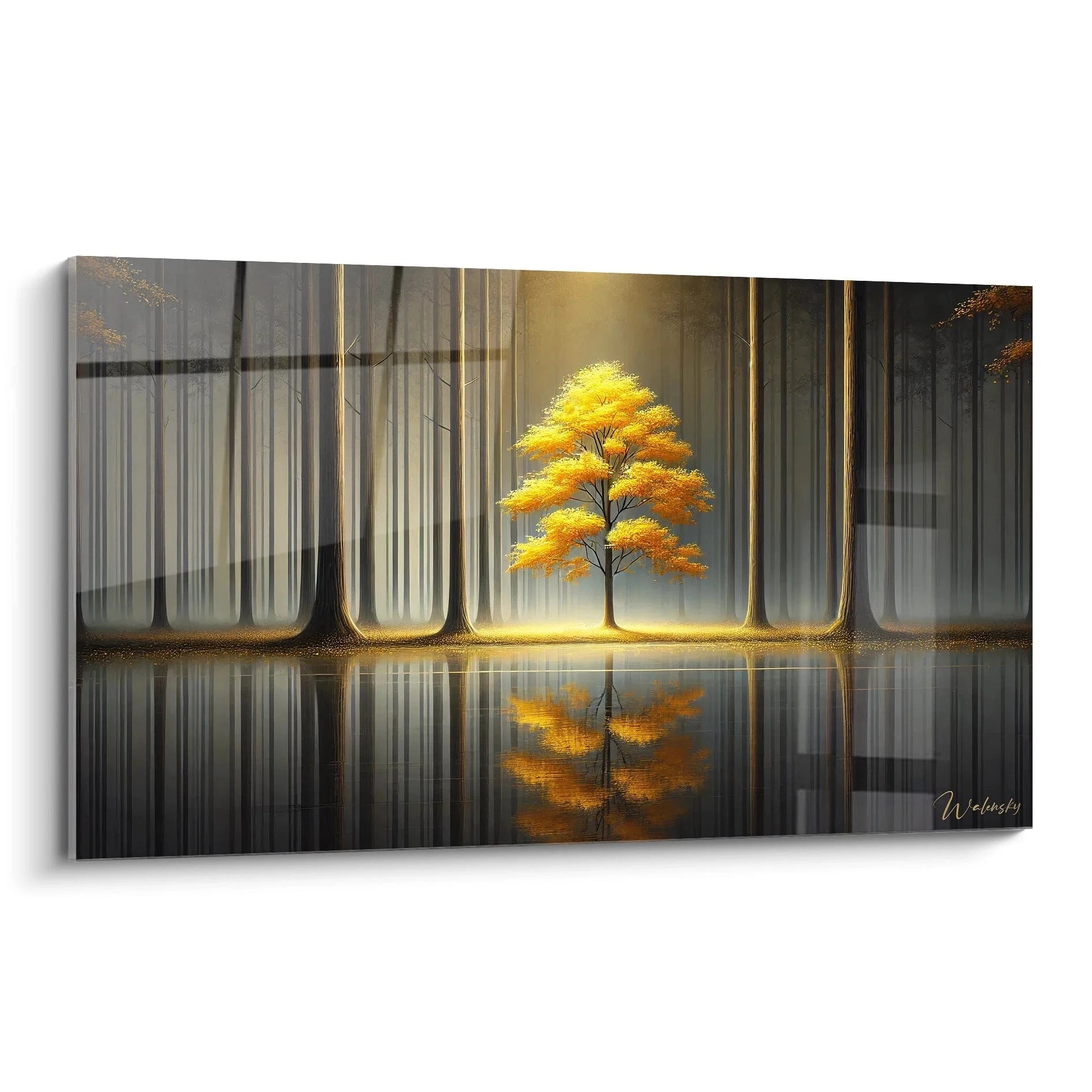
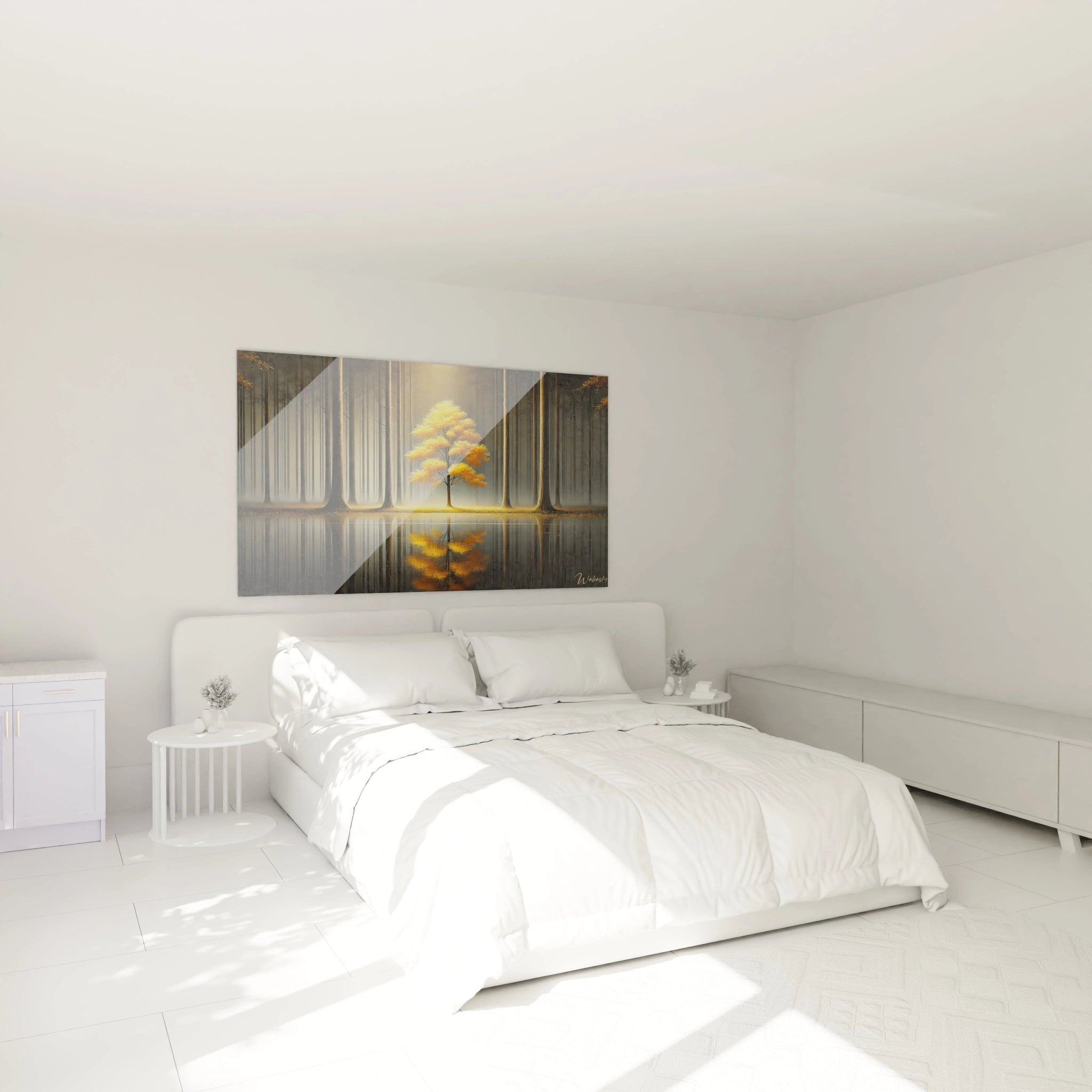
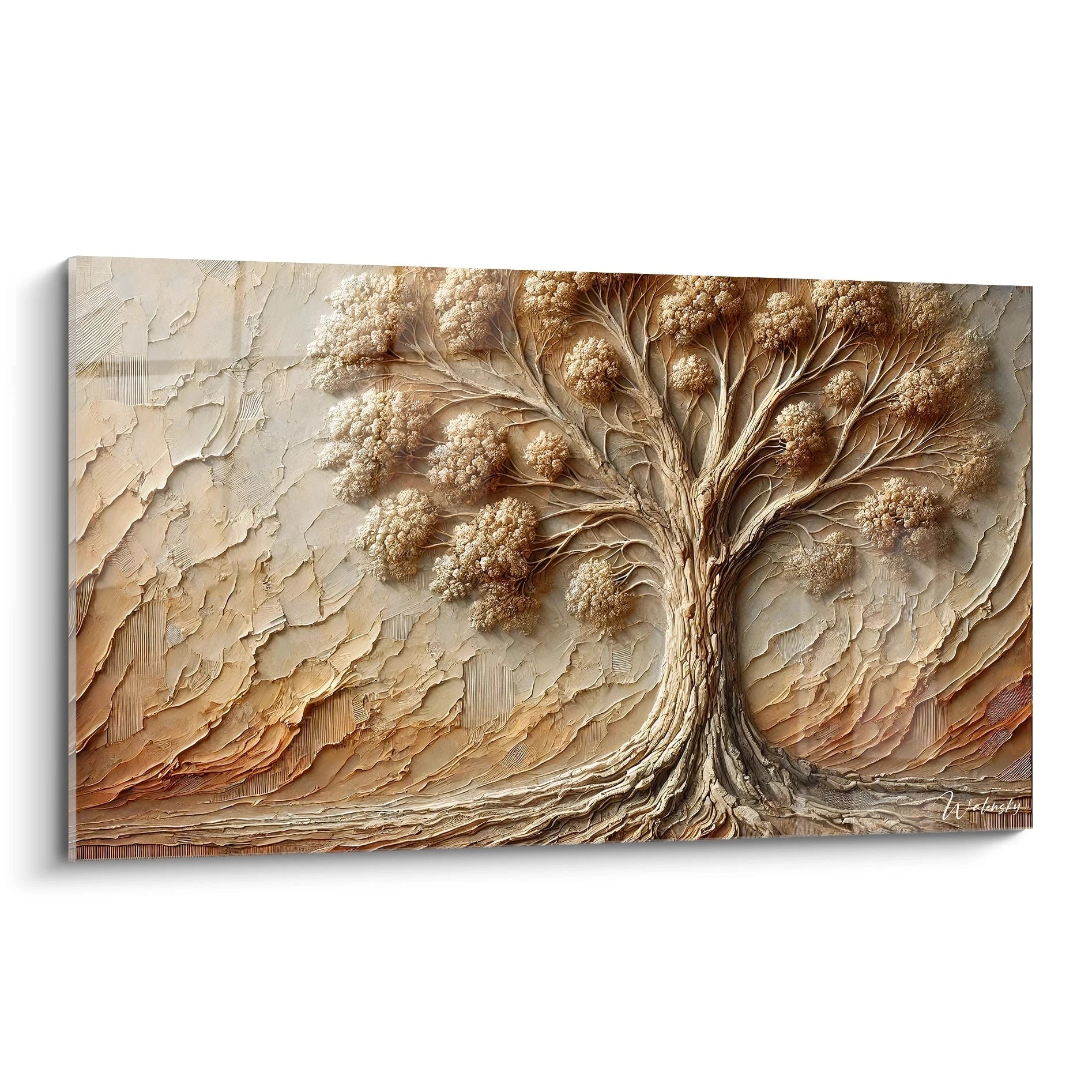
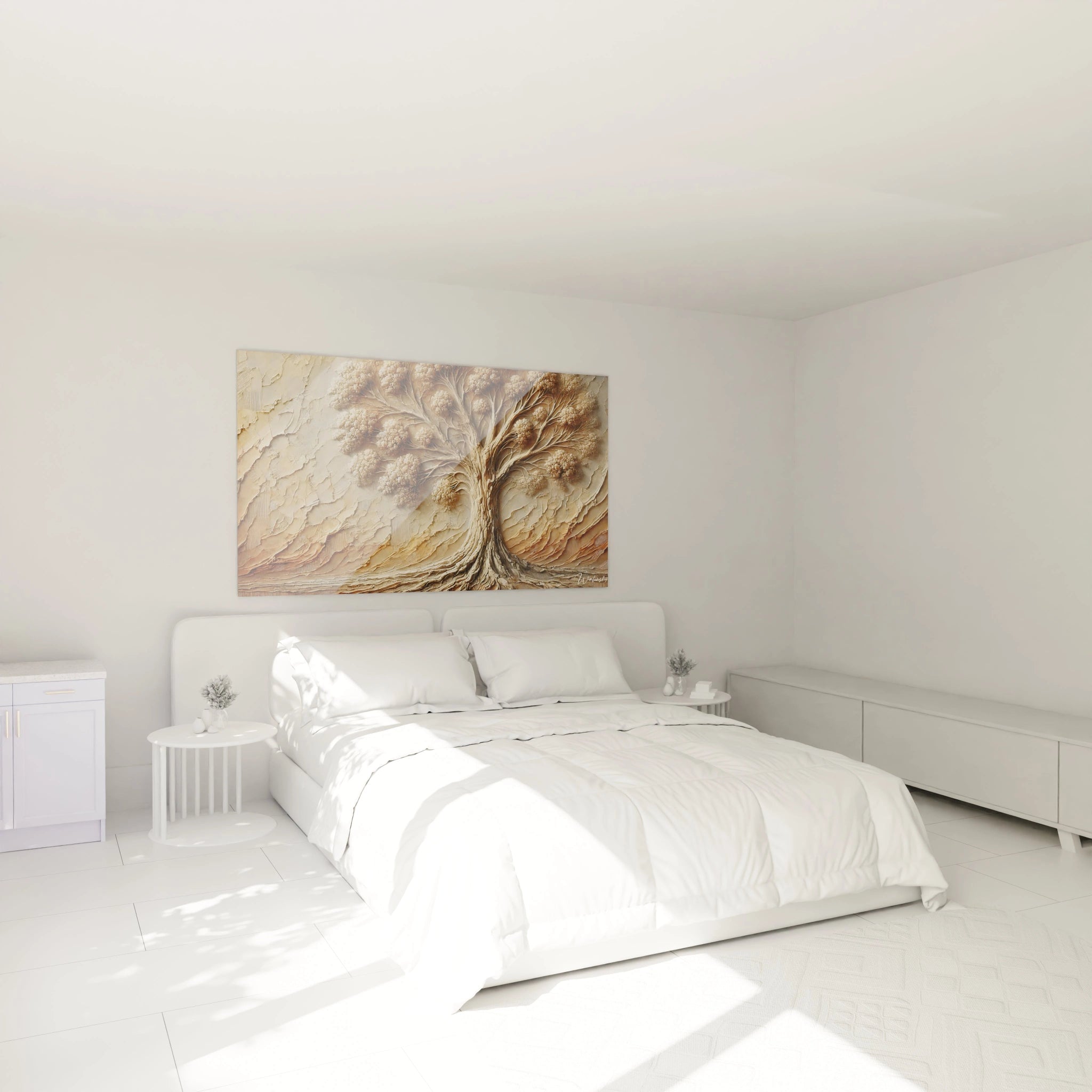
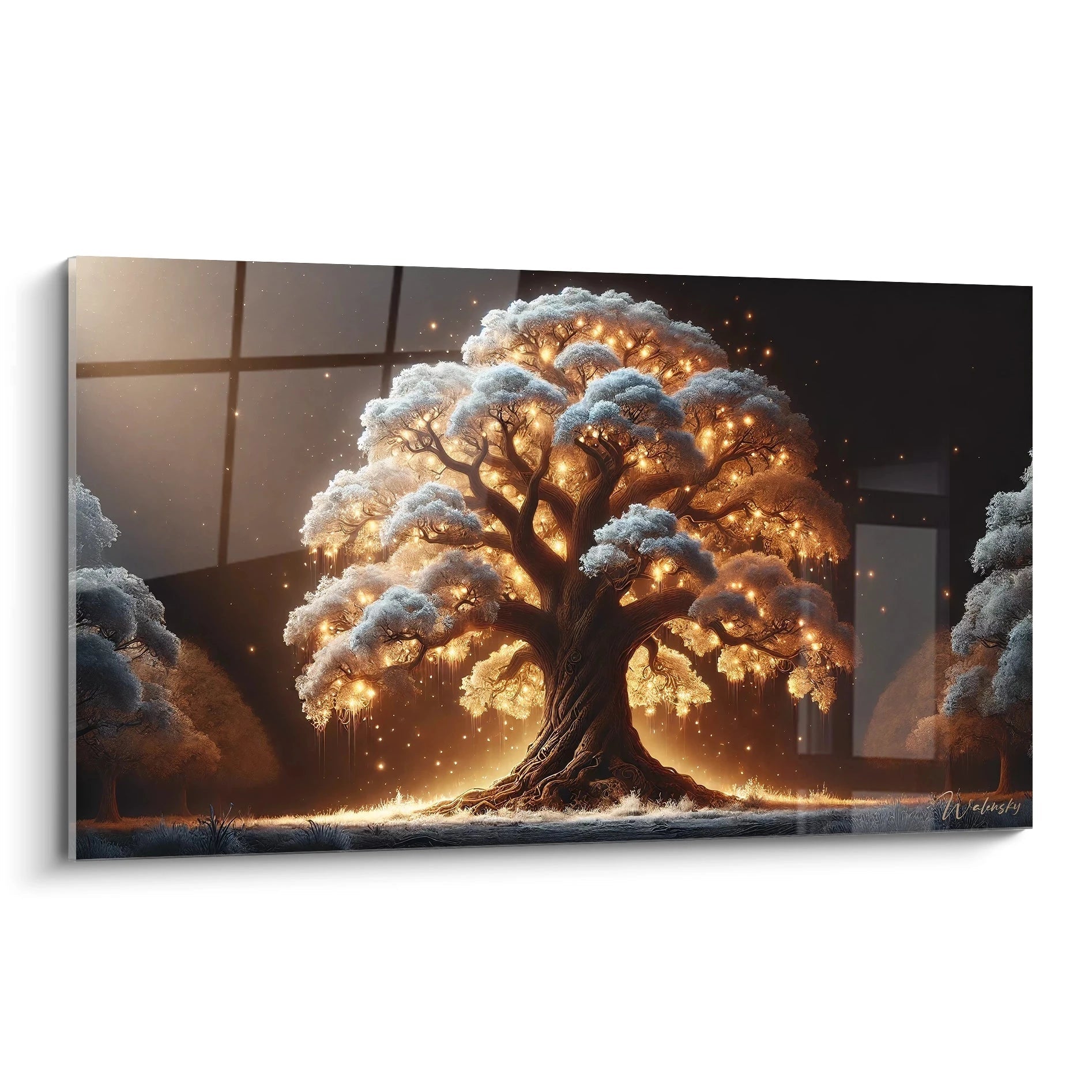
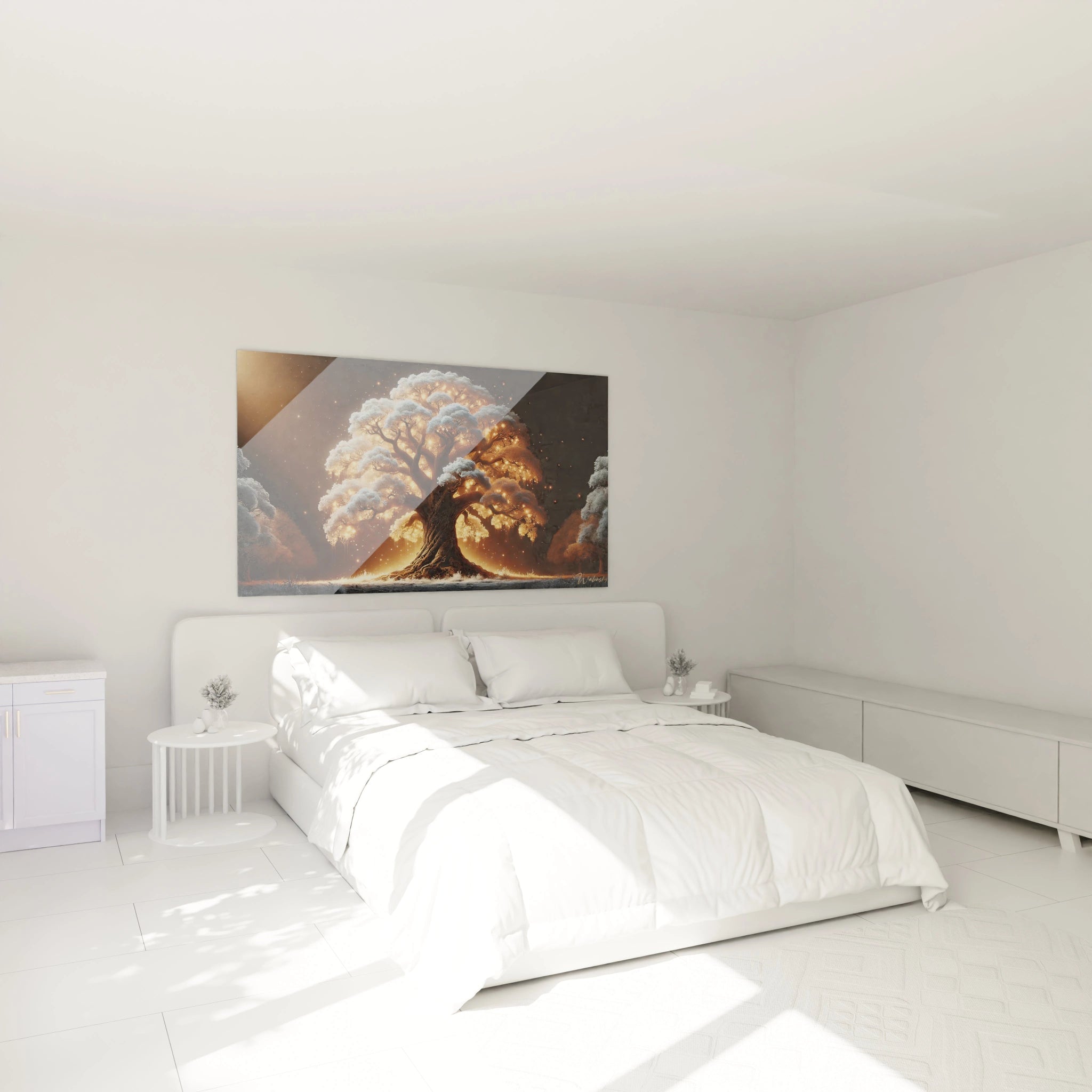
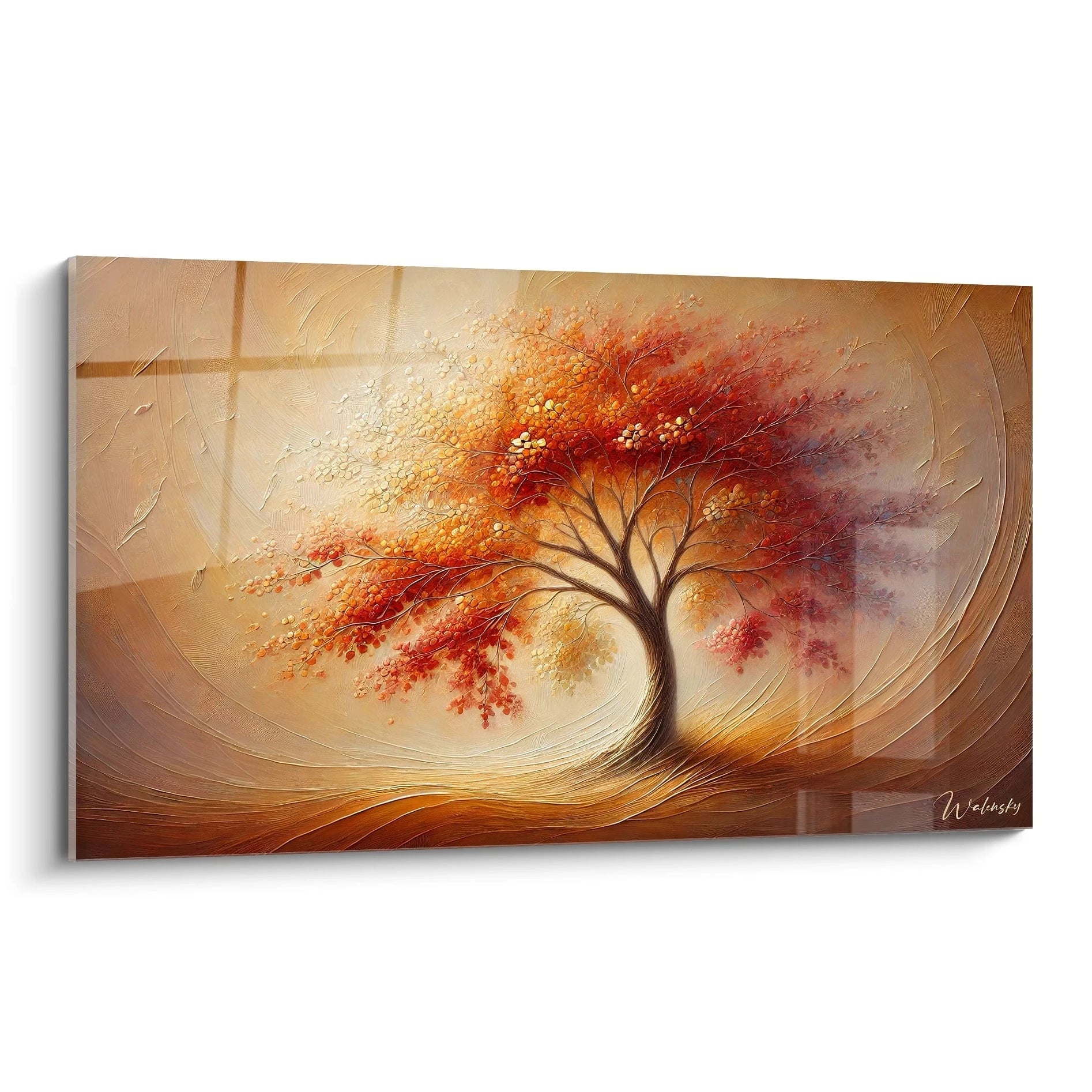
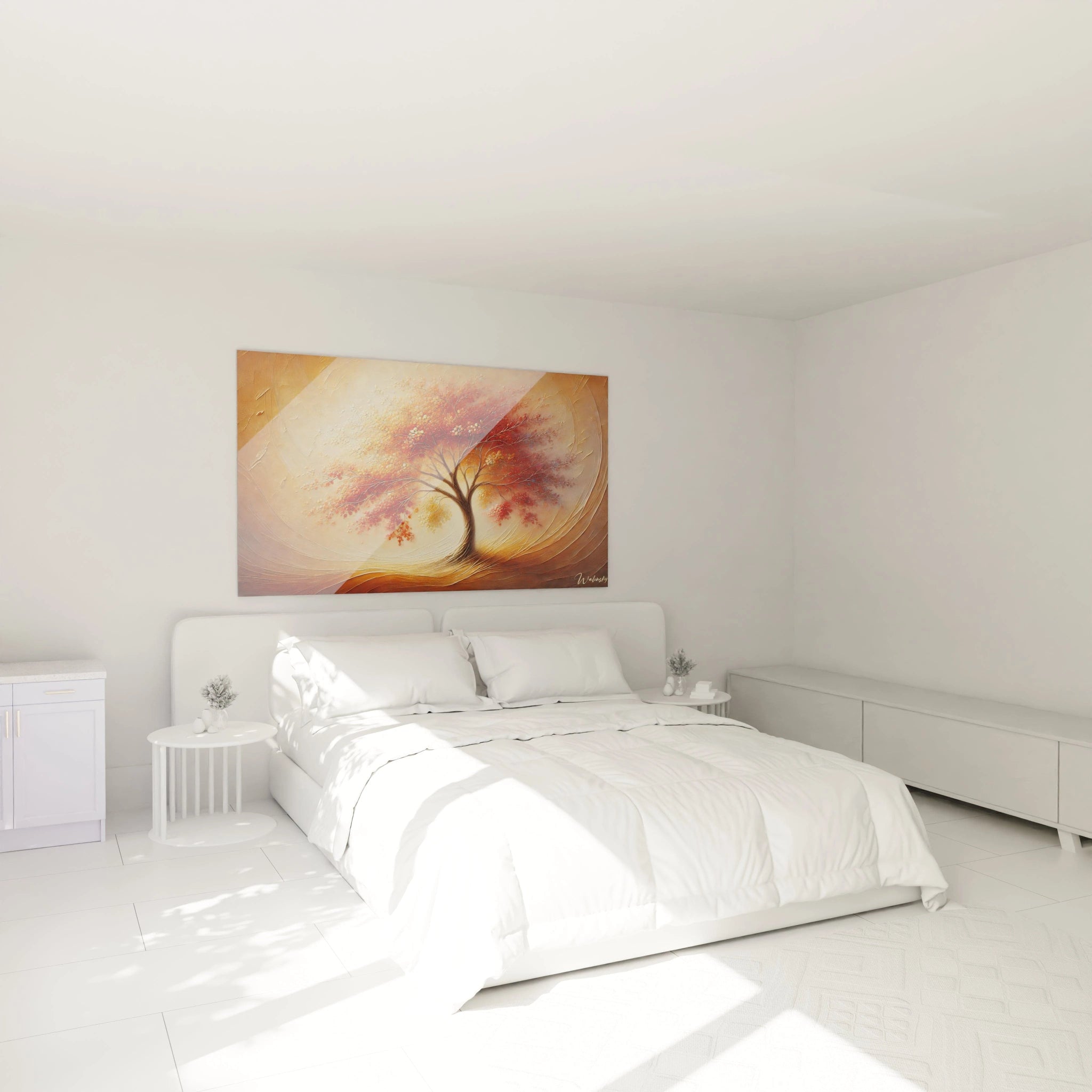
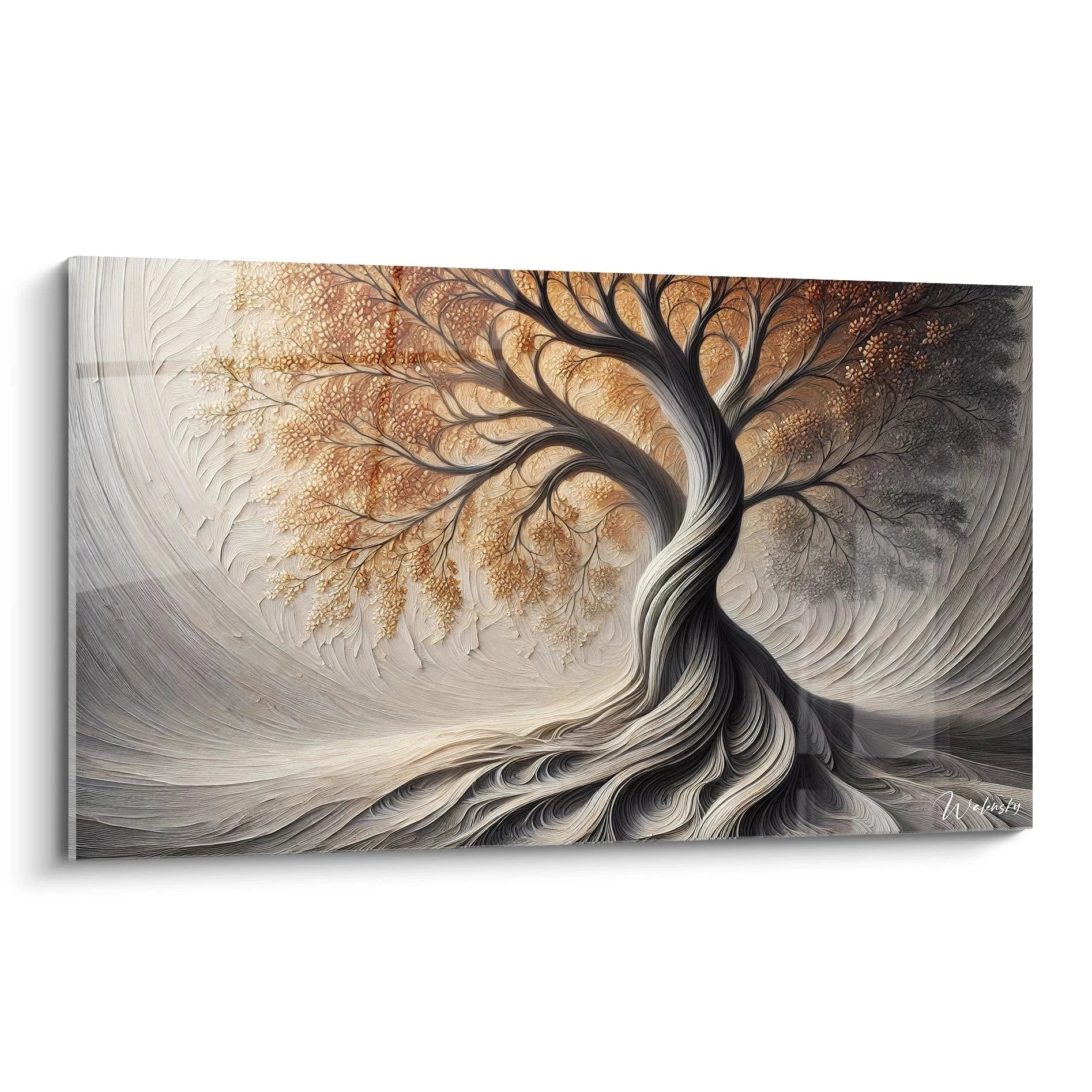
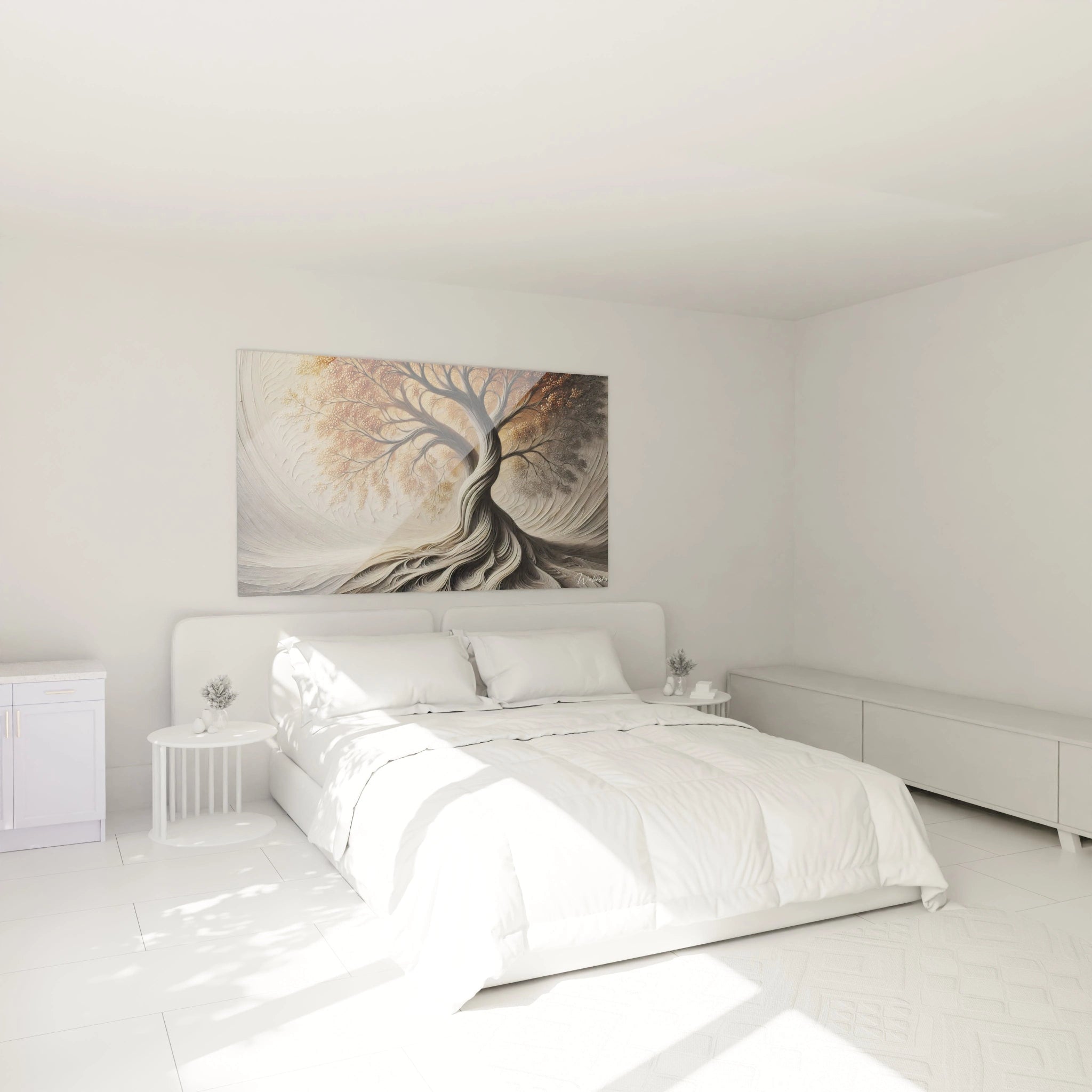
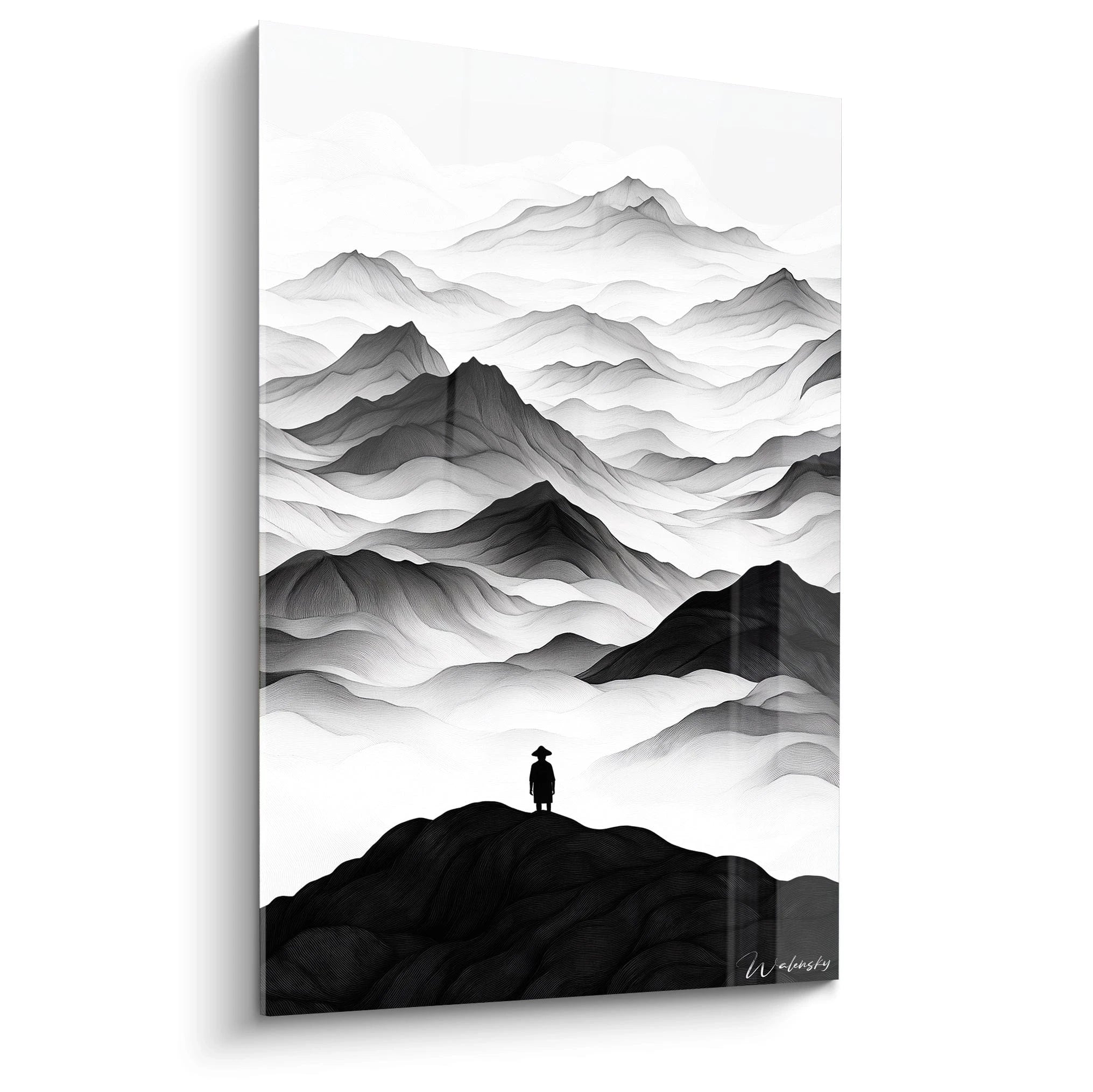
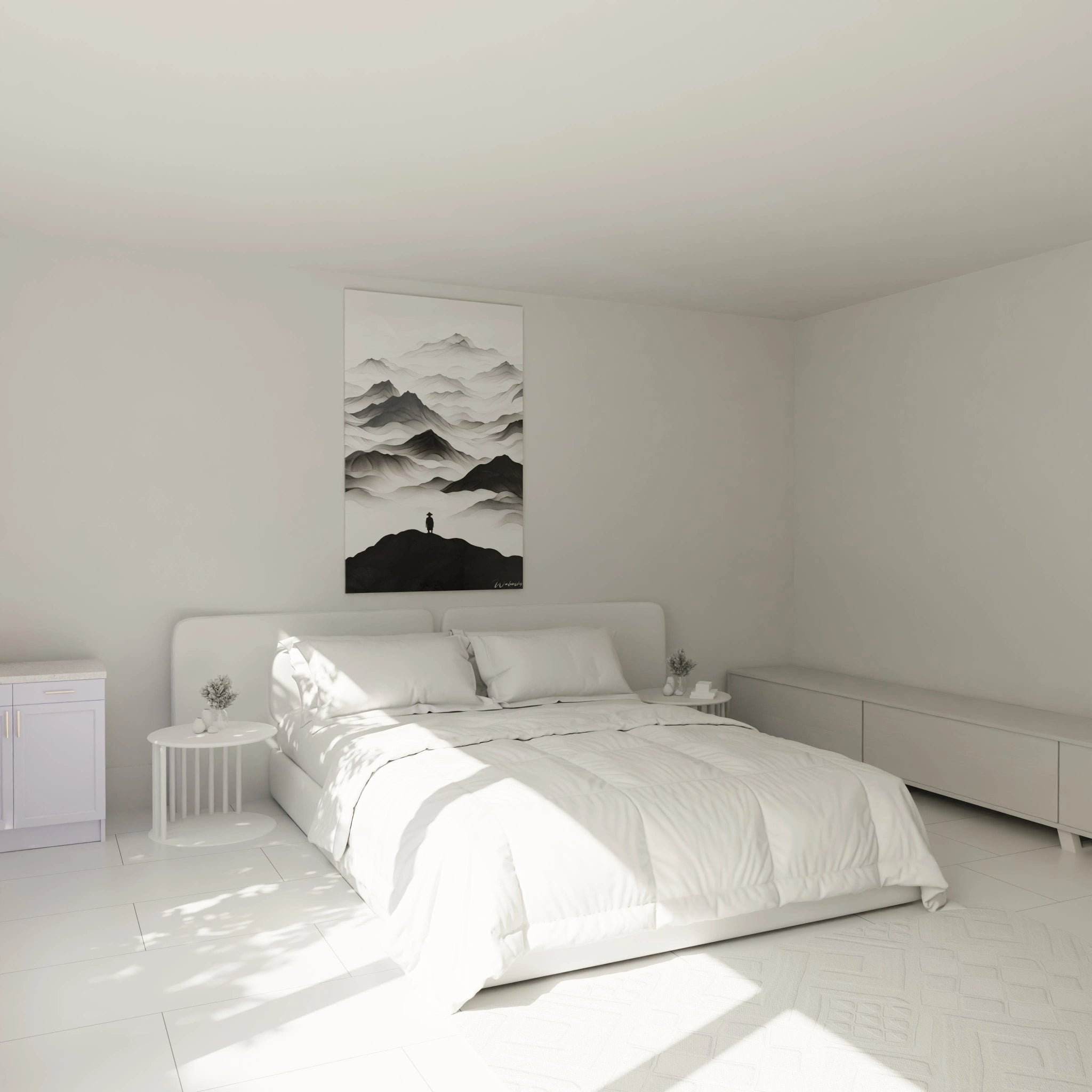
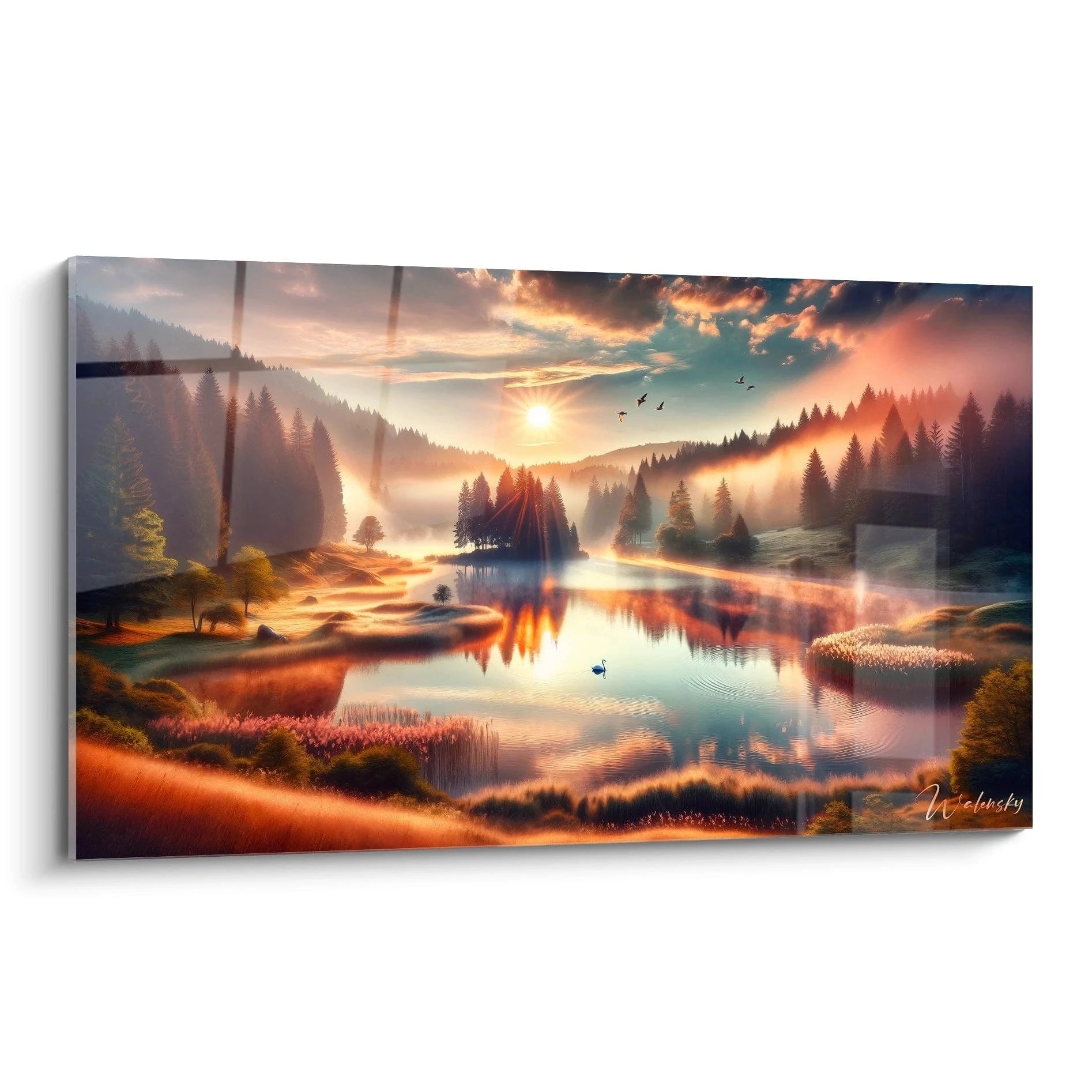
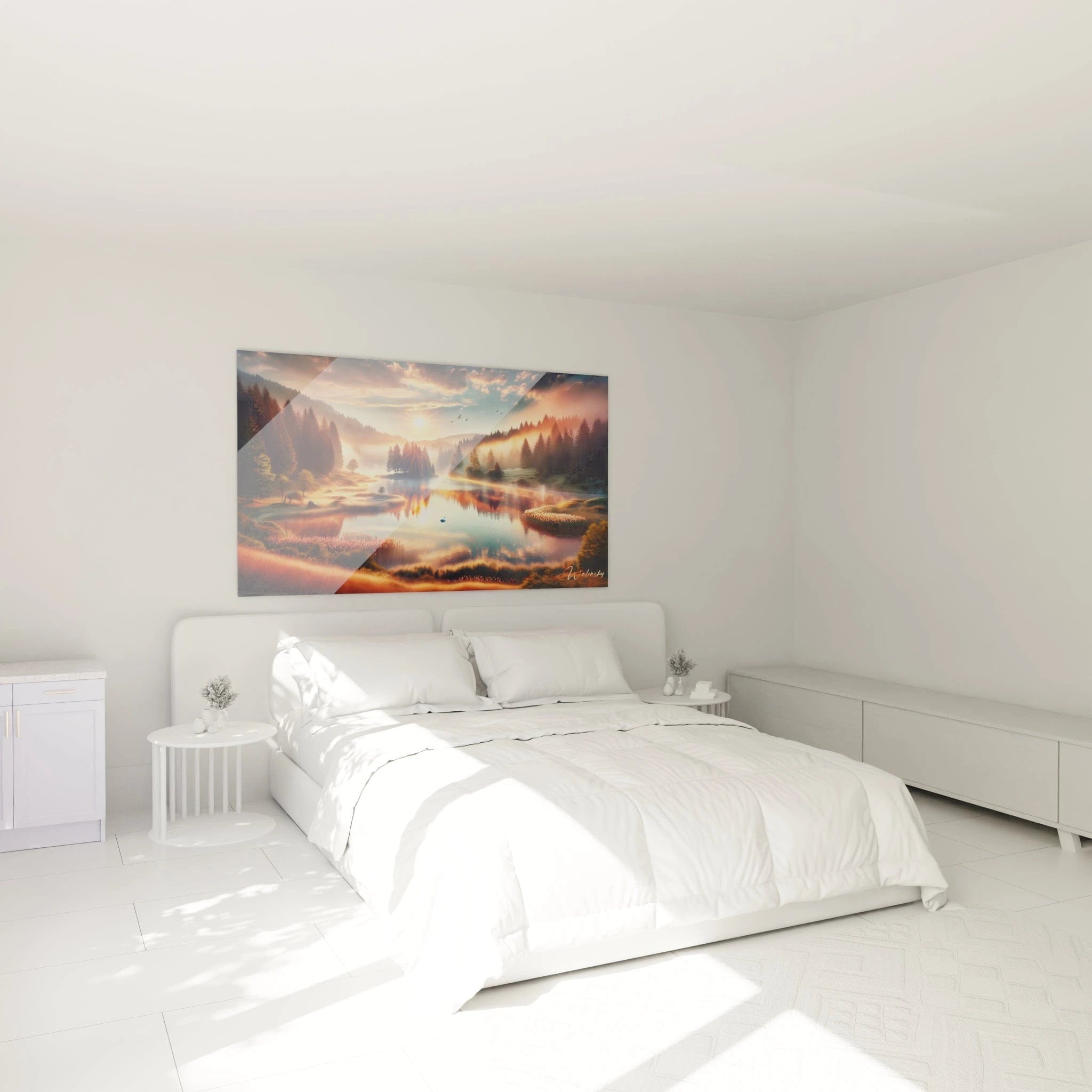
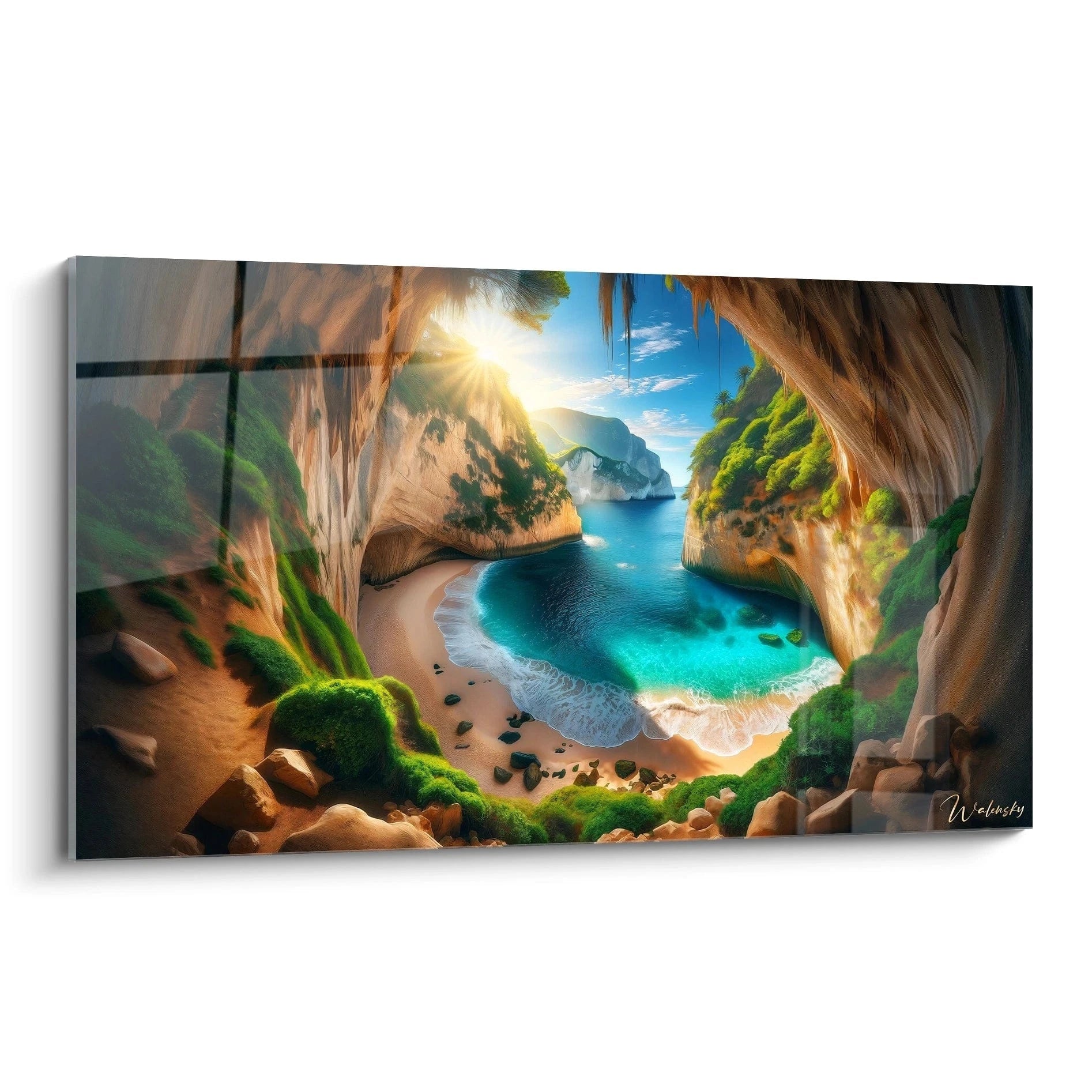
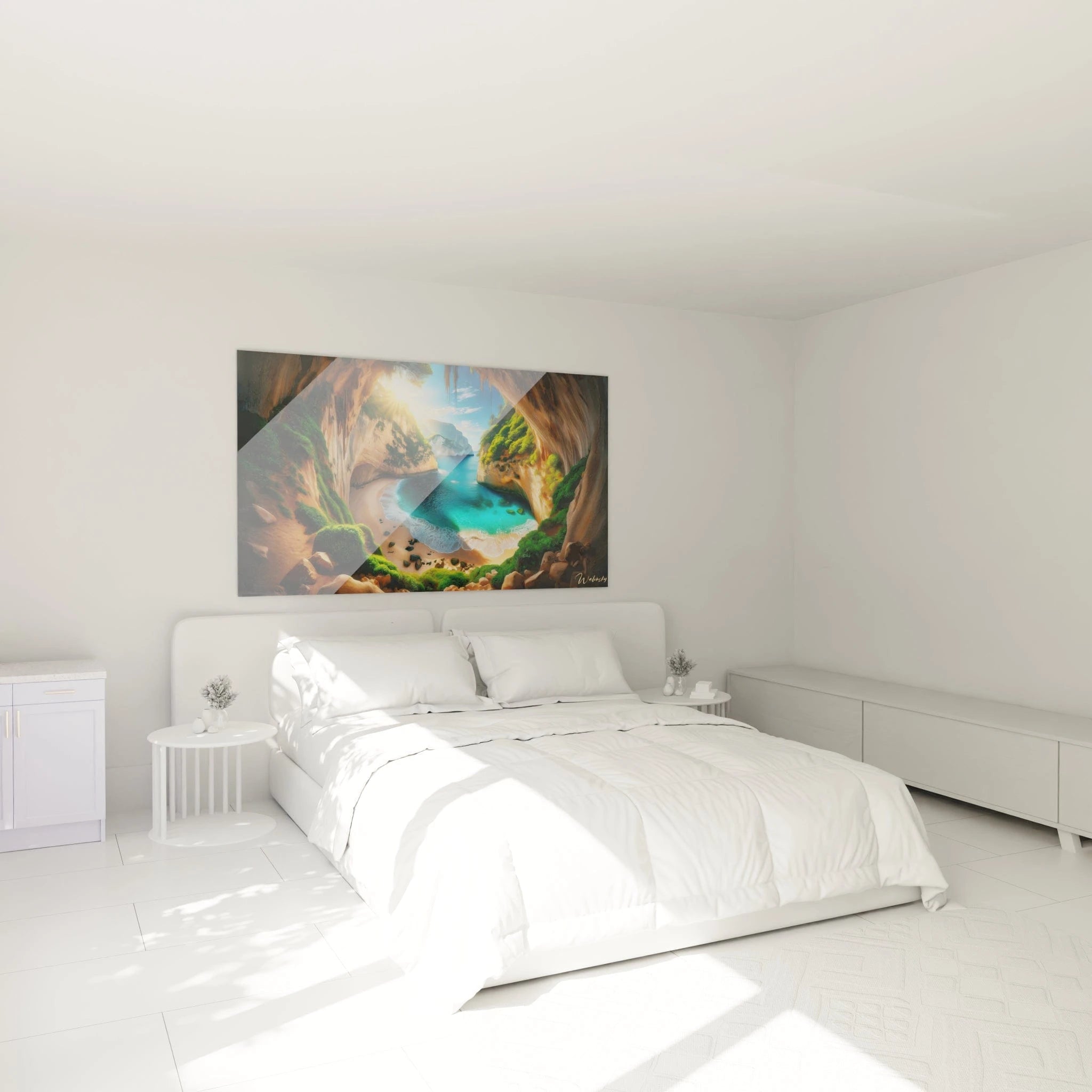
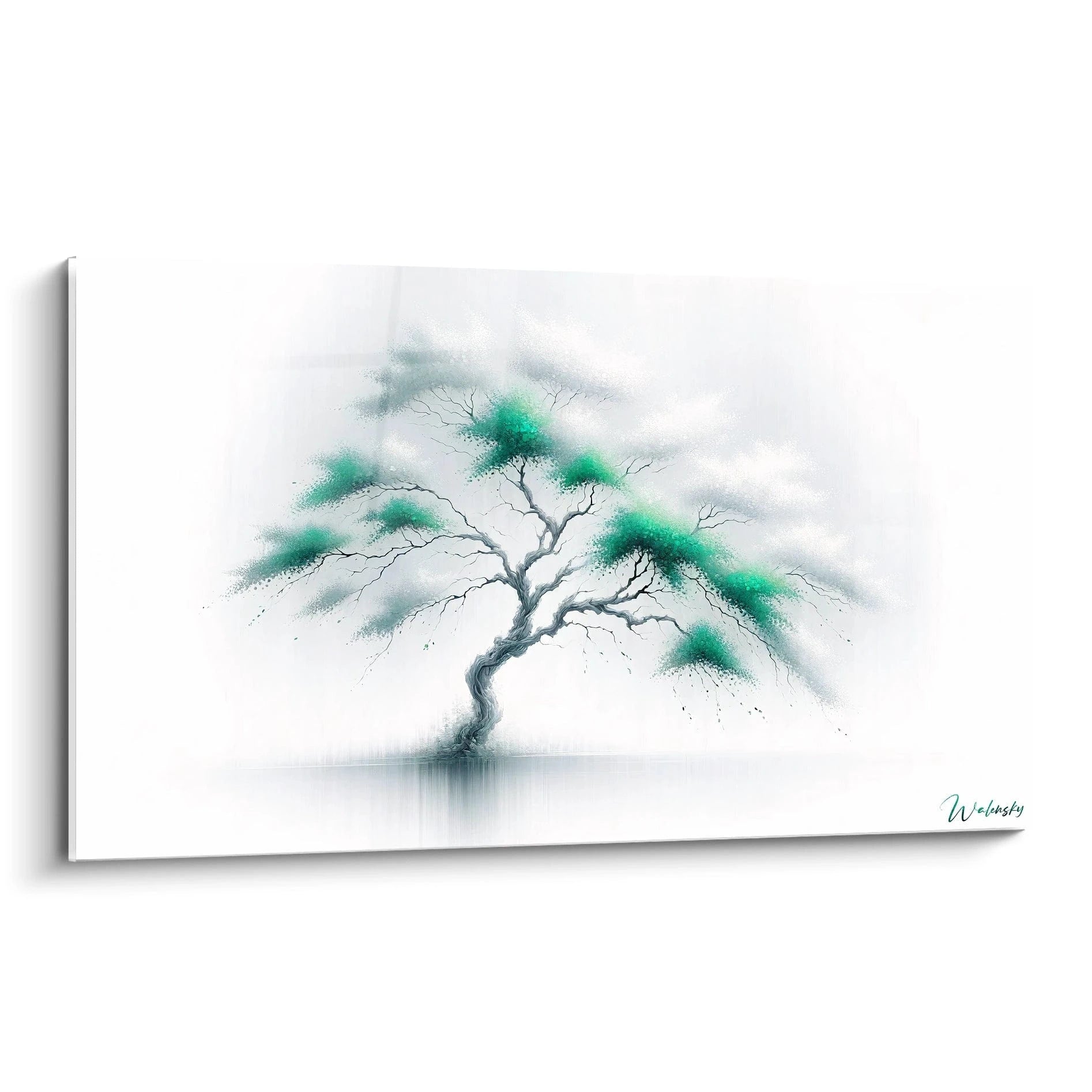
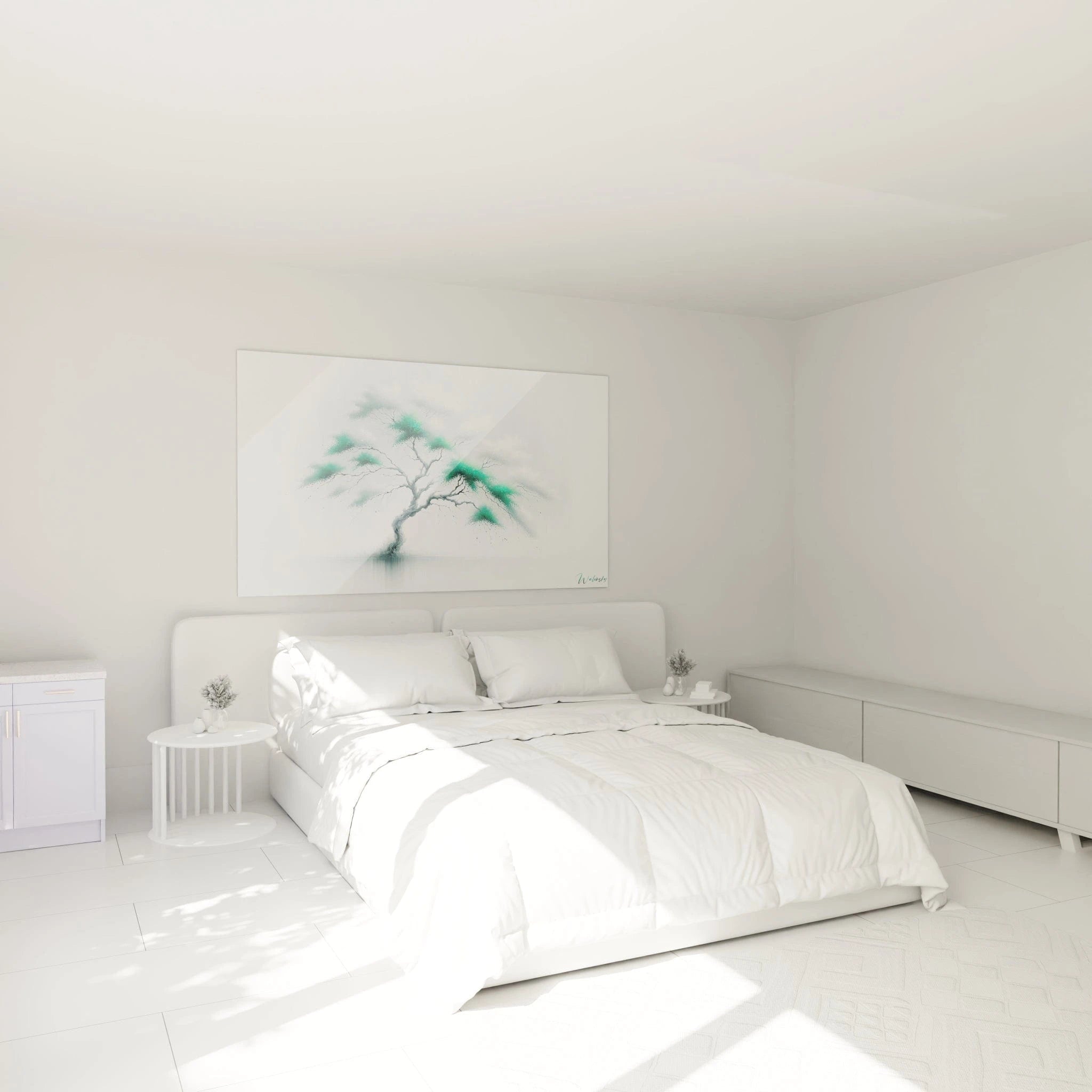
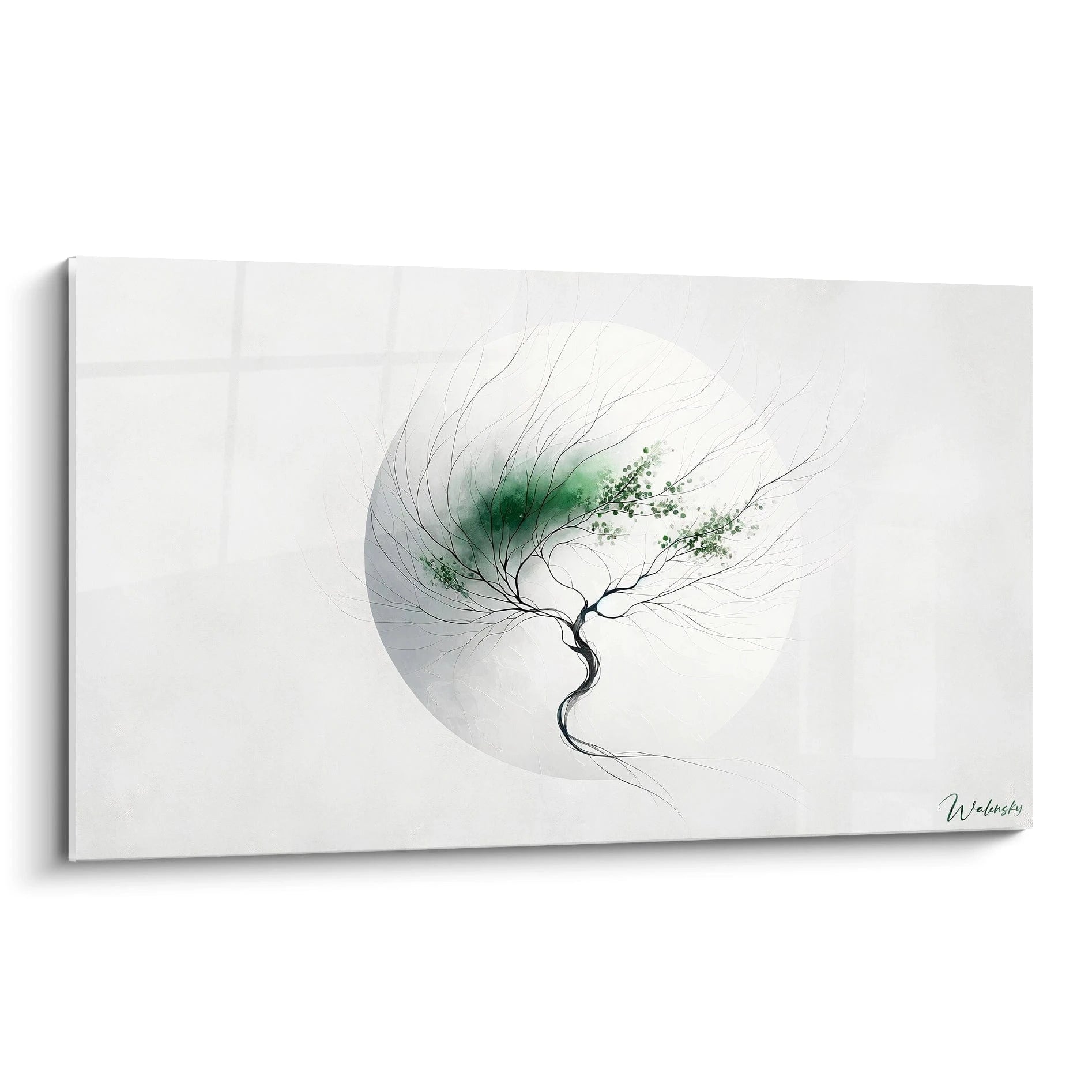
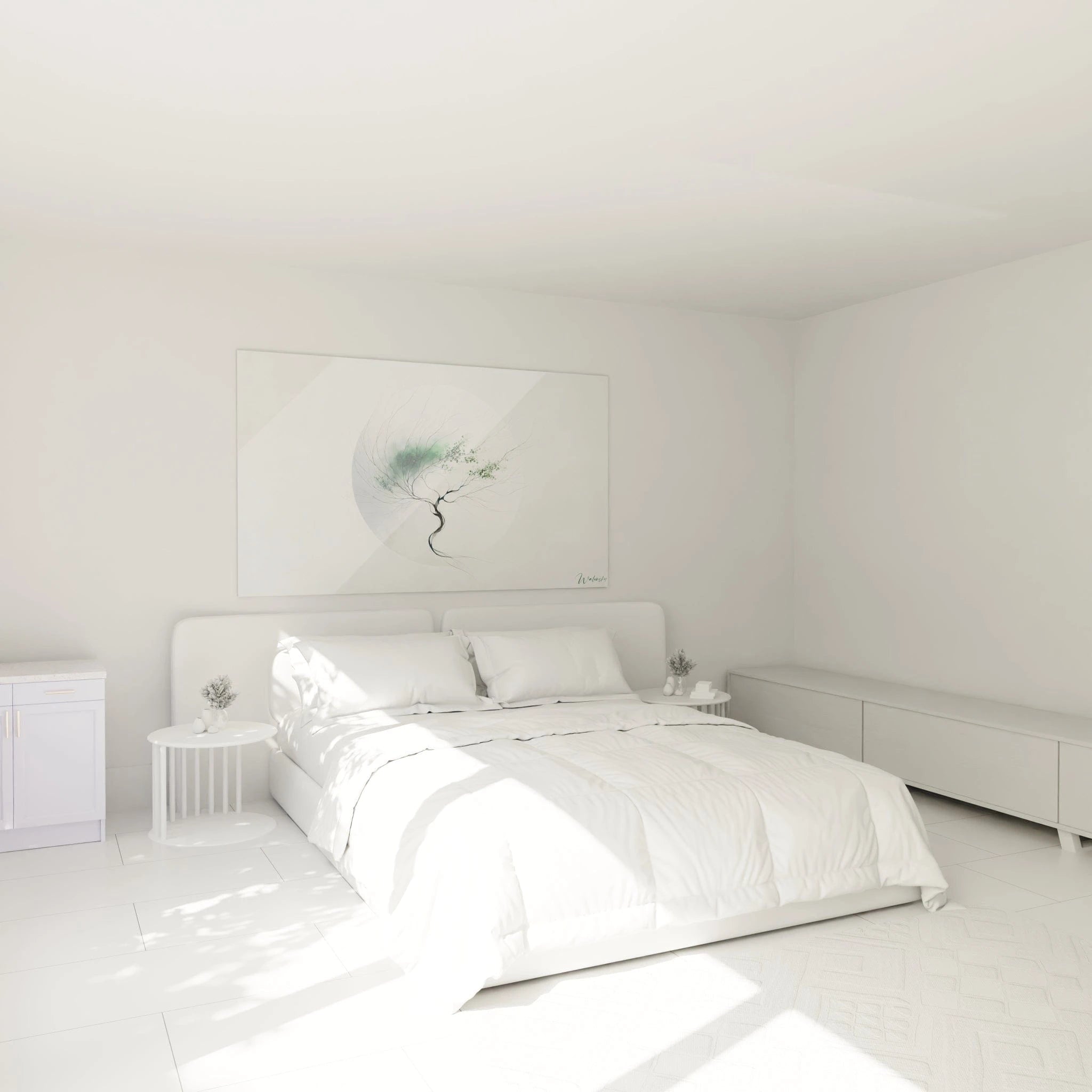
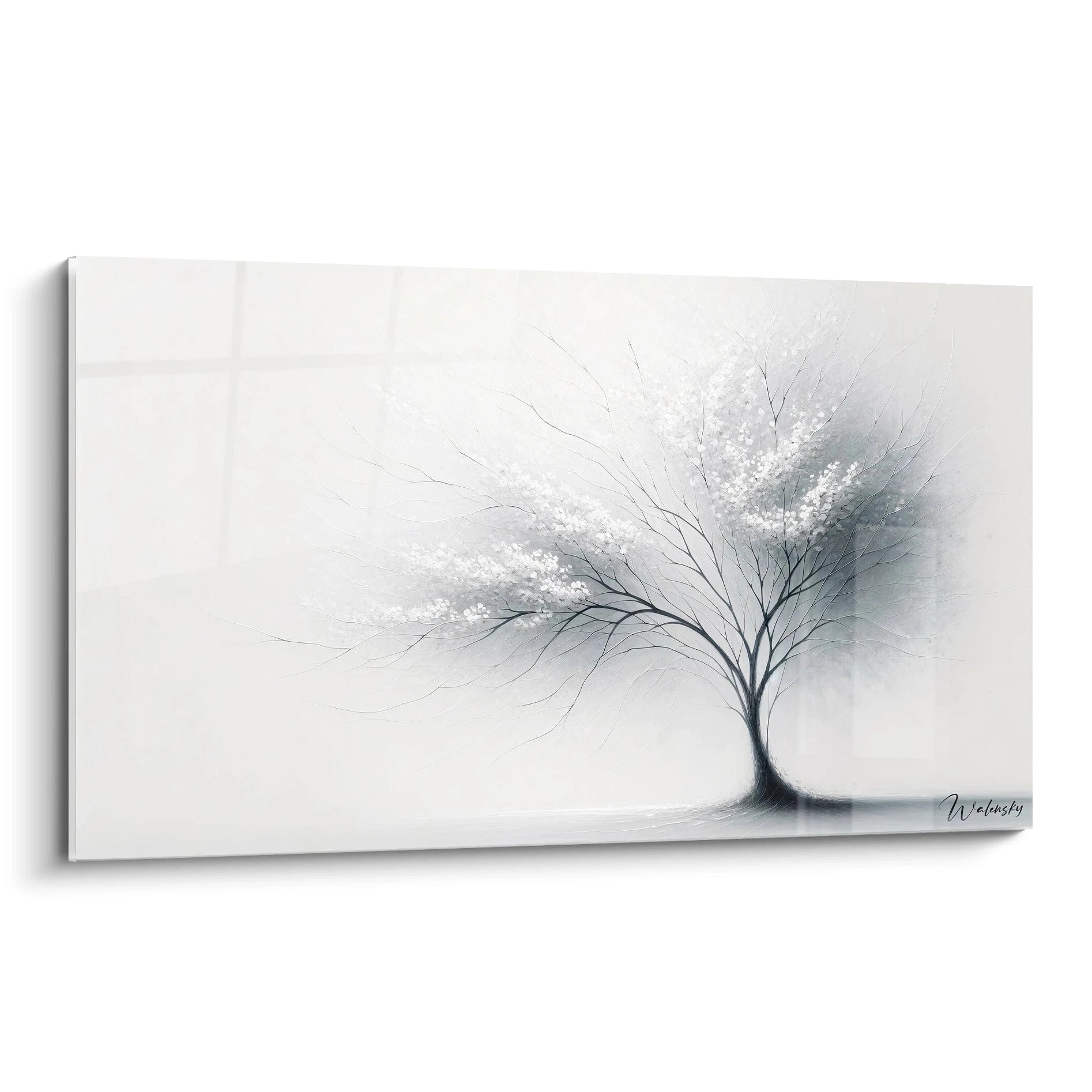
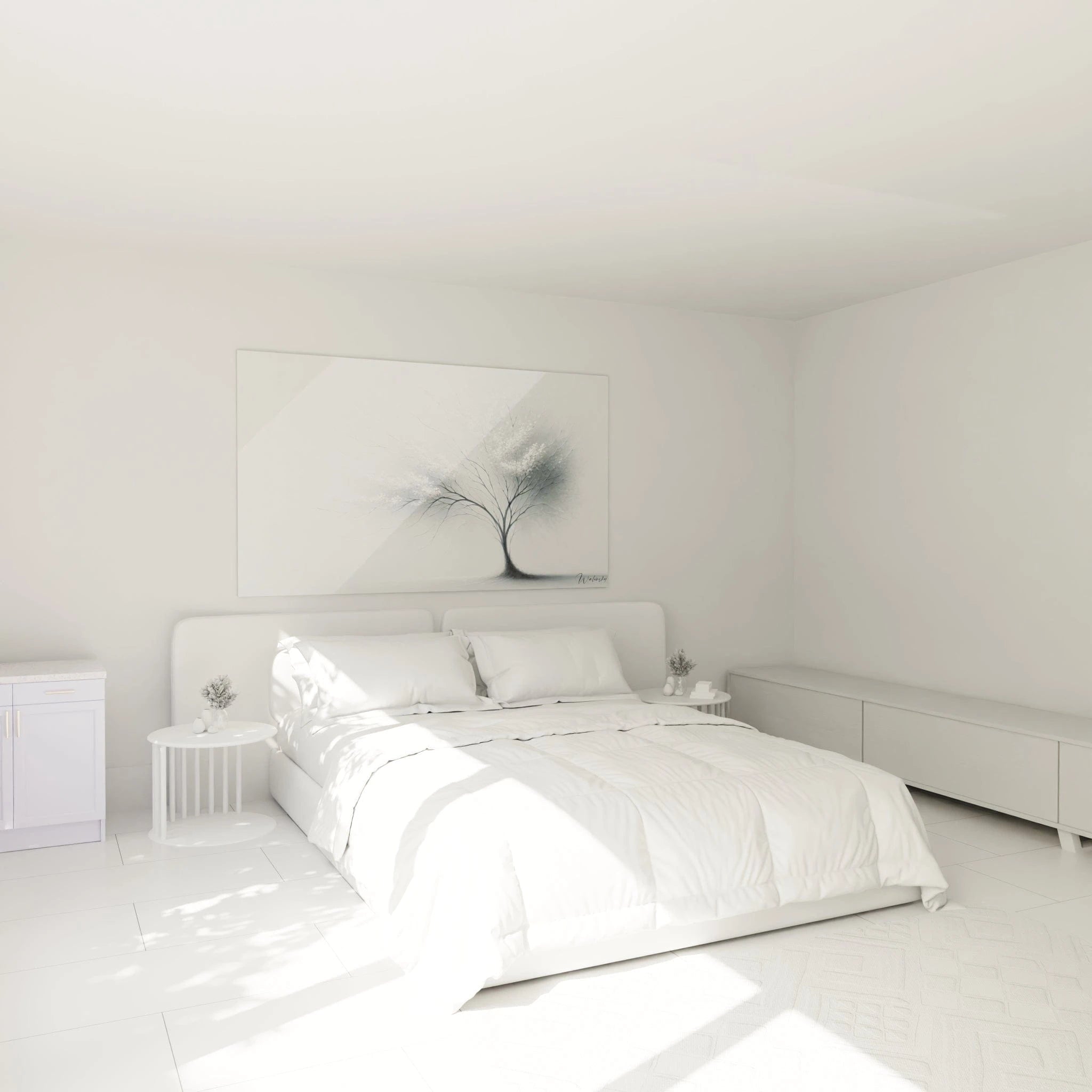
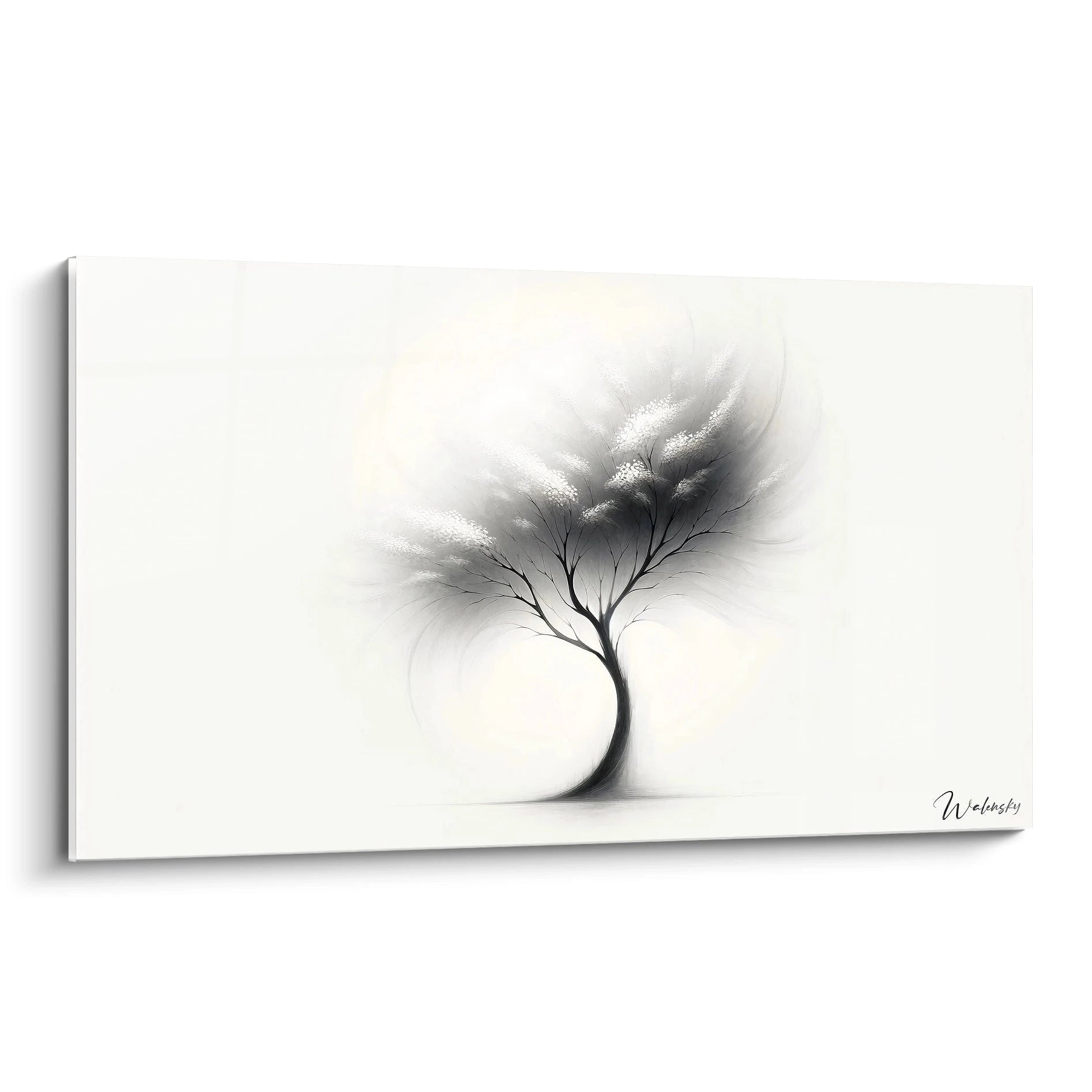
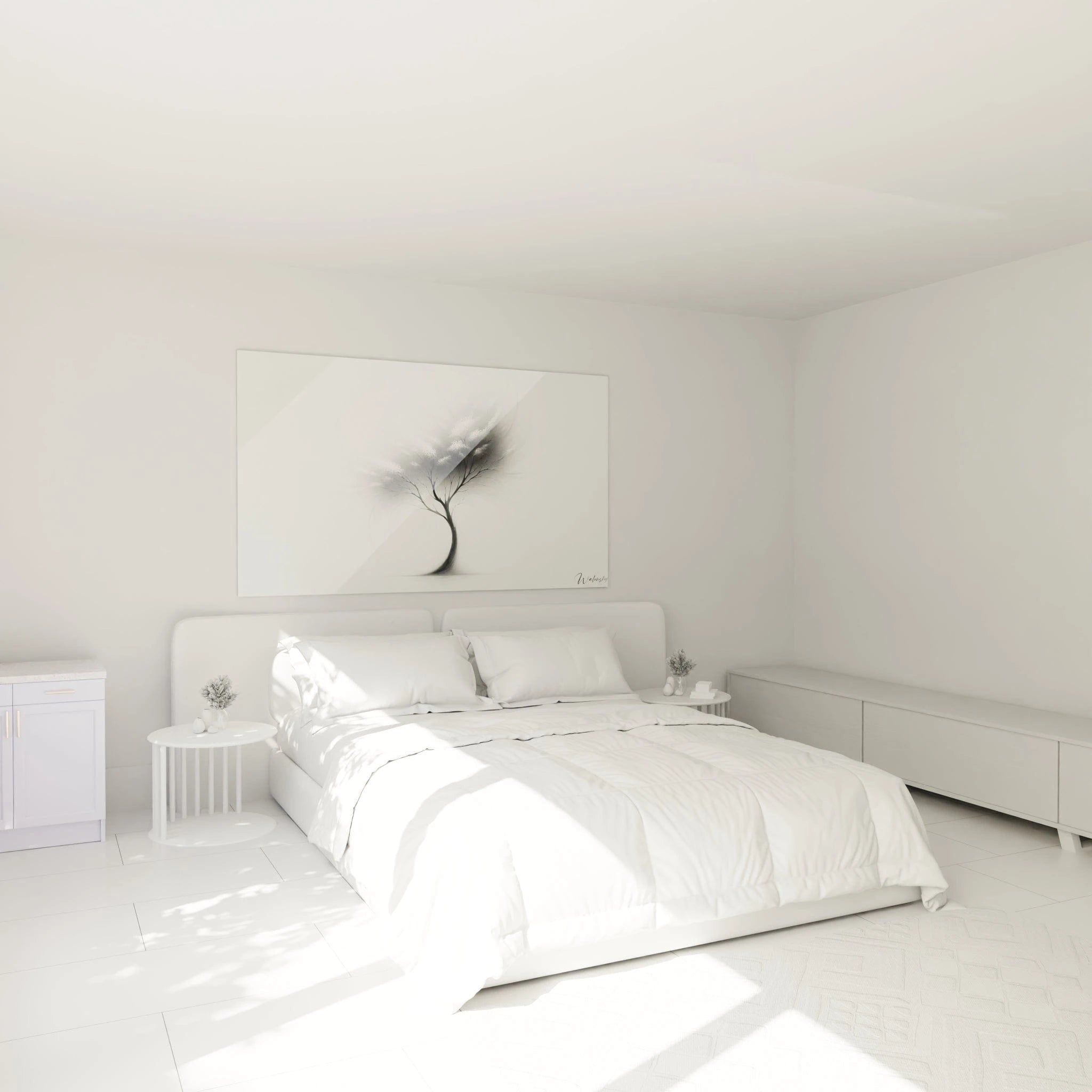
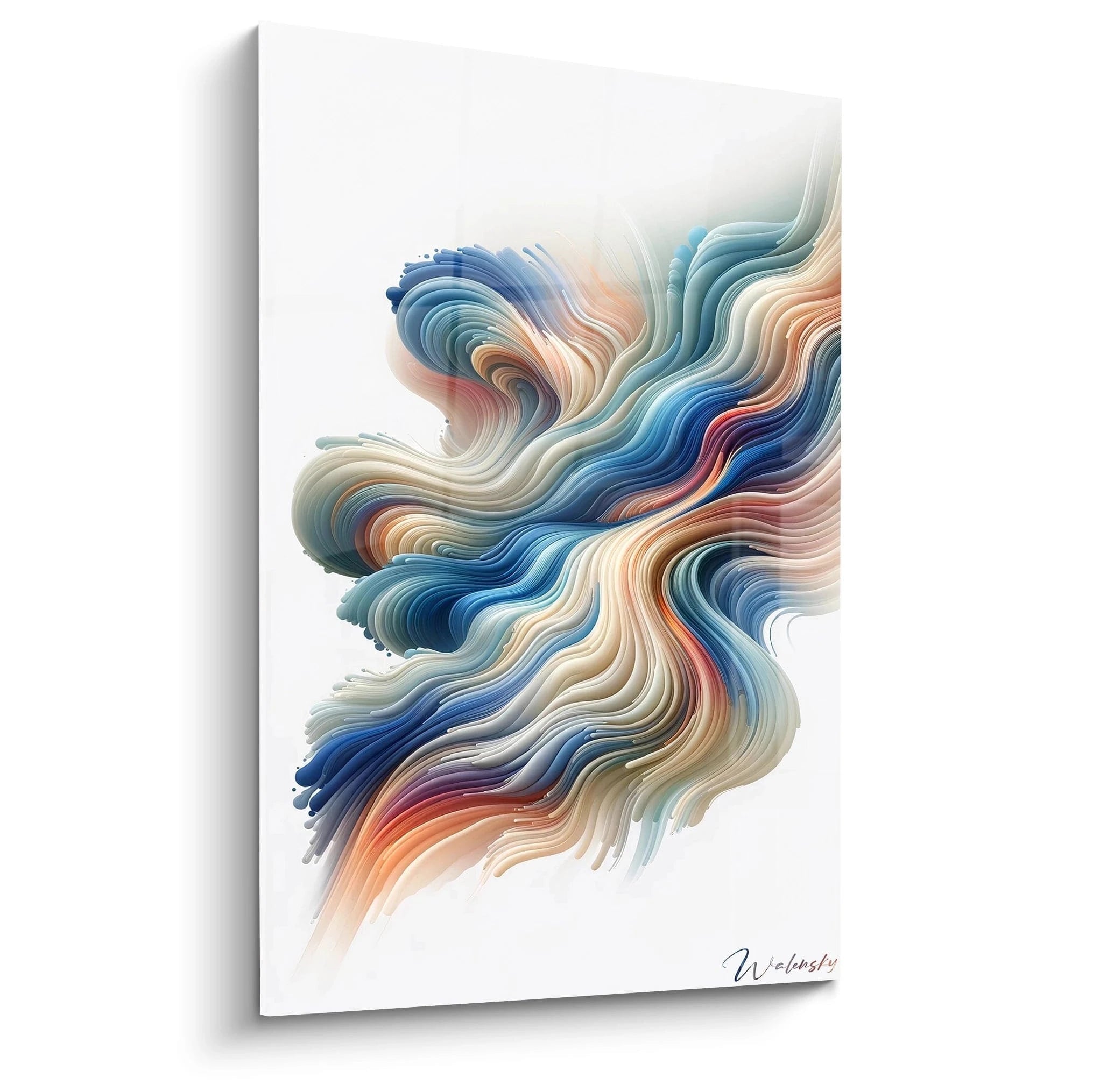
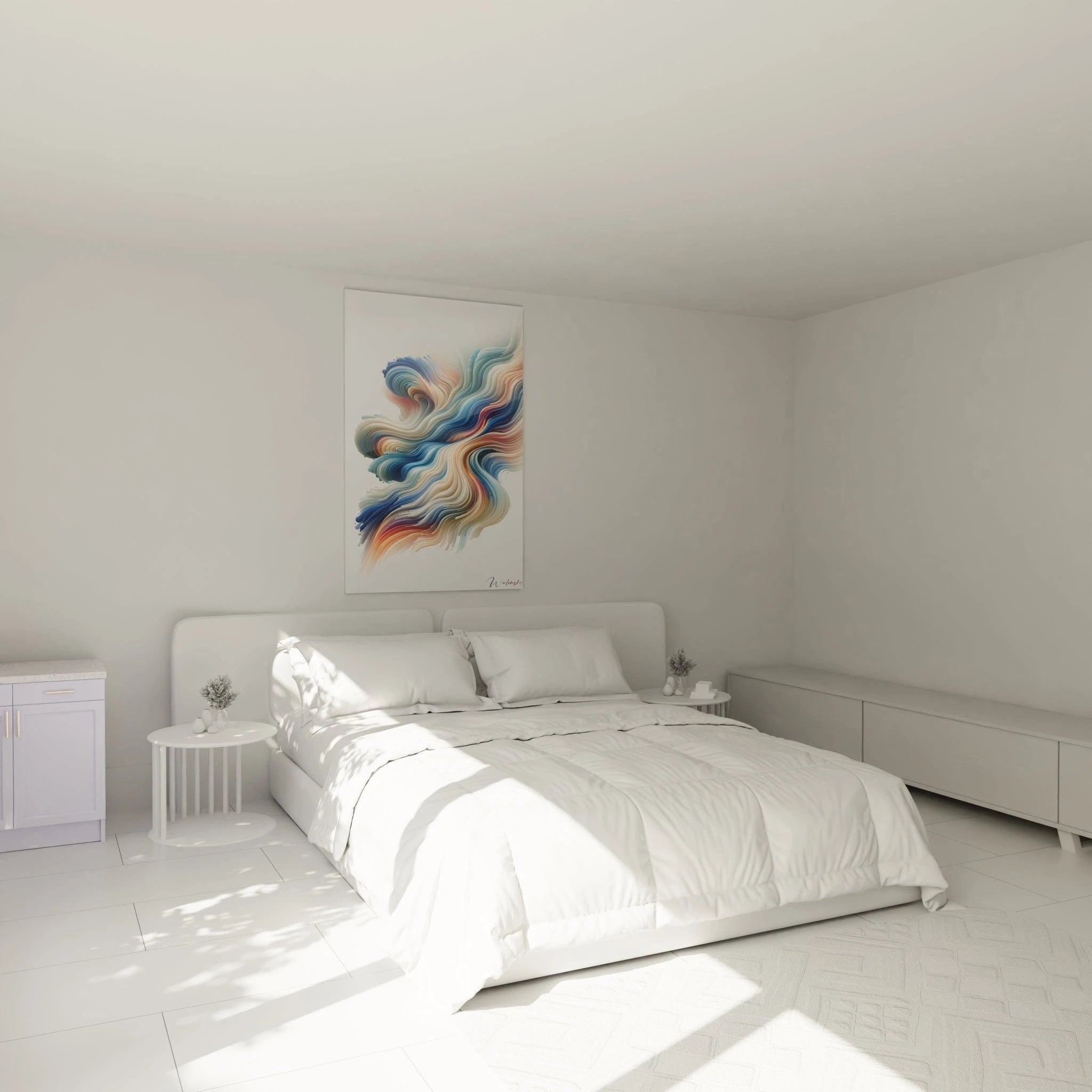
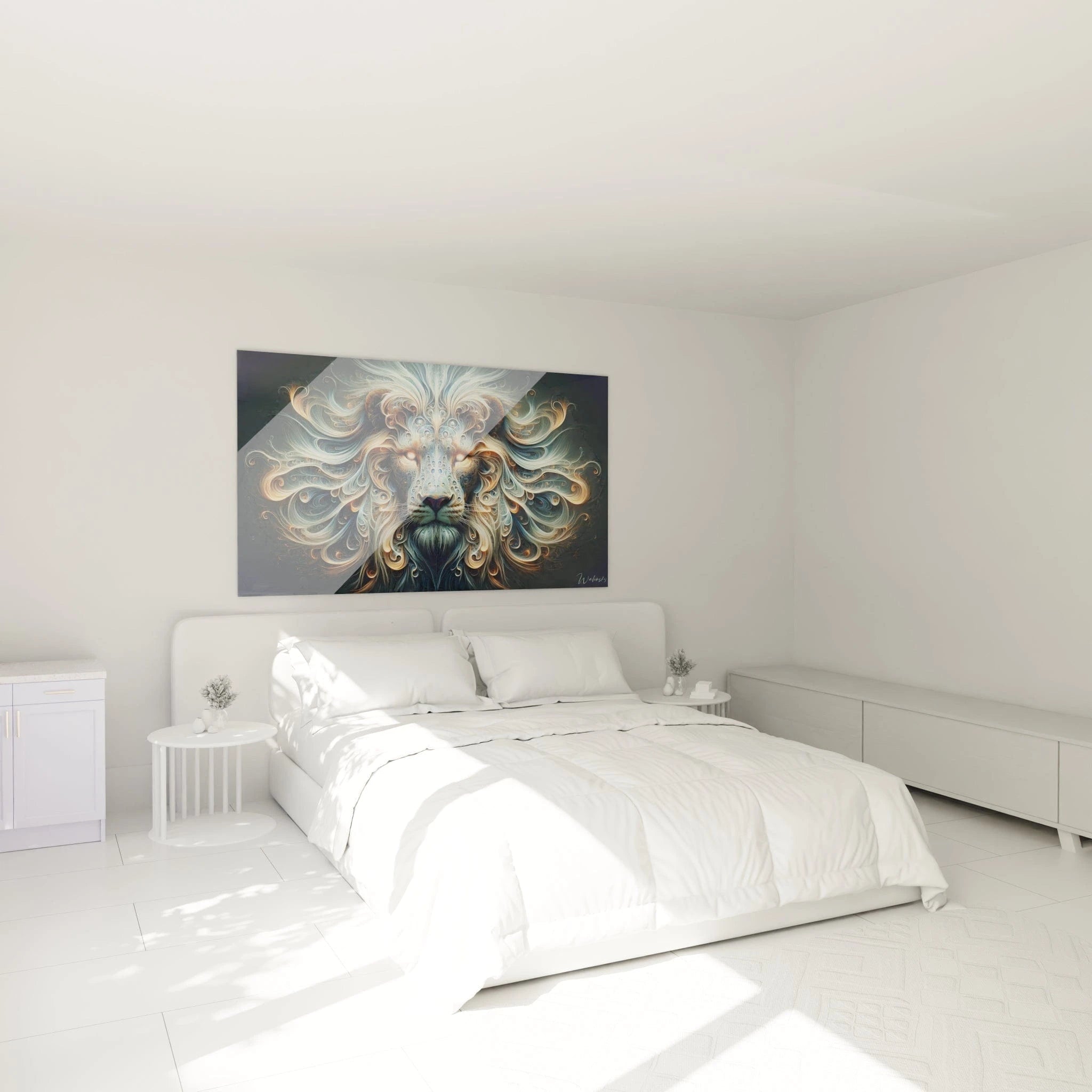
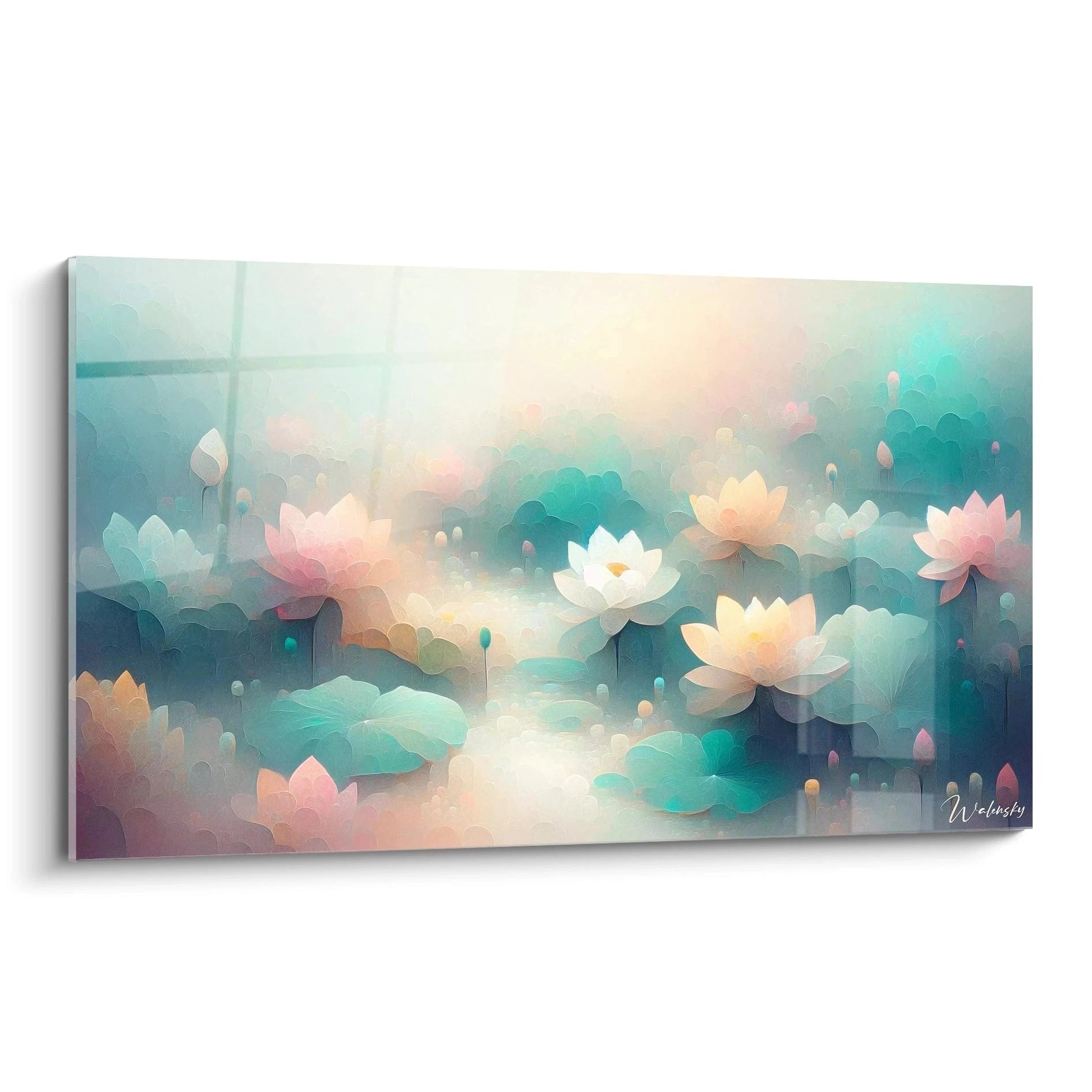
- Wall Art Presentation for Yoga Studio
- Meditative Atmosphere and yoga wall art
- Curated Artwork Selection for Yoga Practice
- Energy Harmonization Through Wall Art
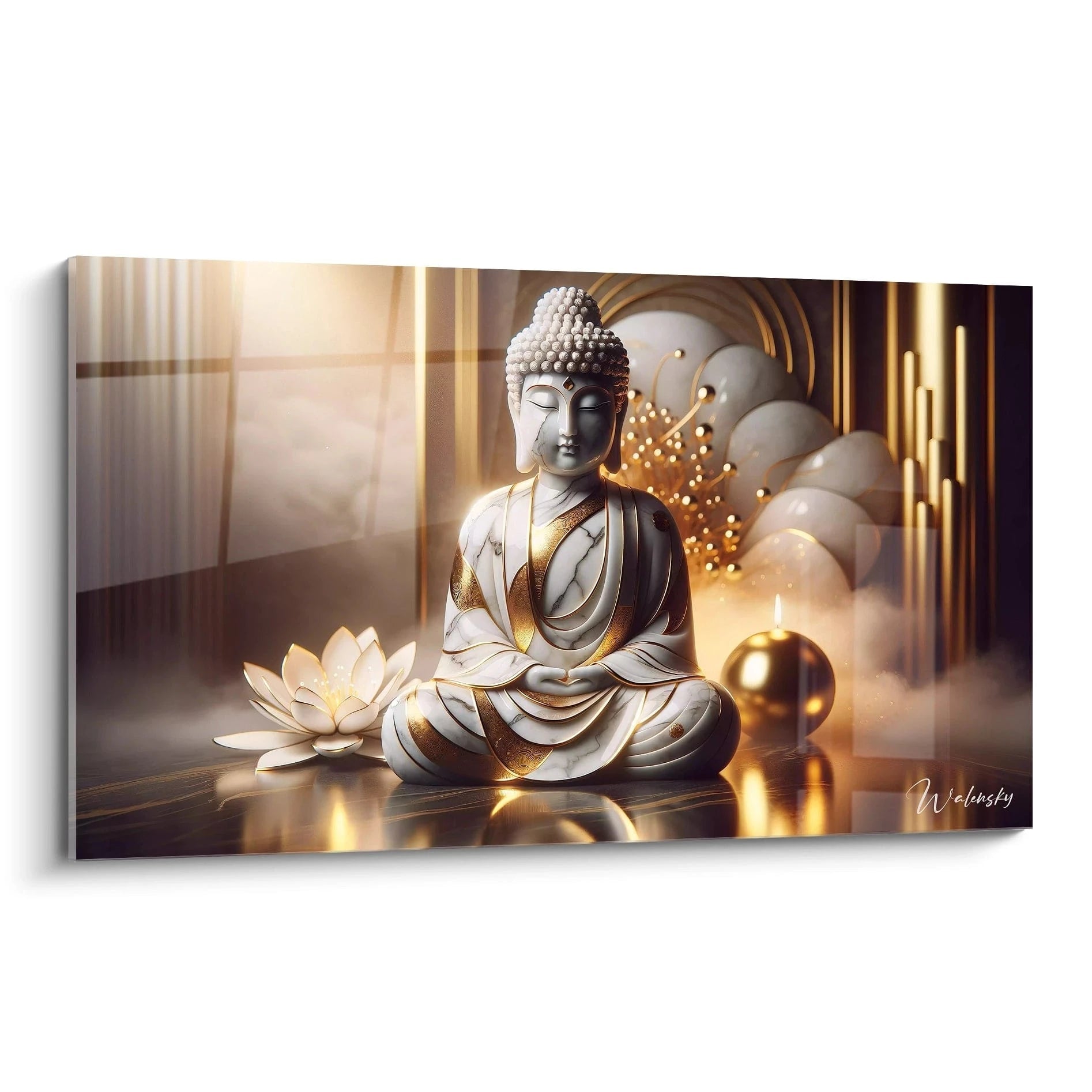
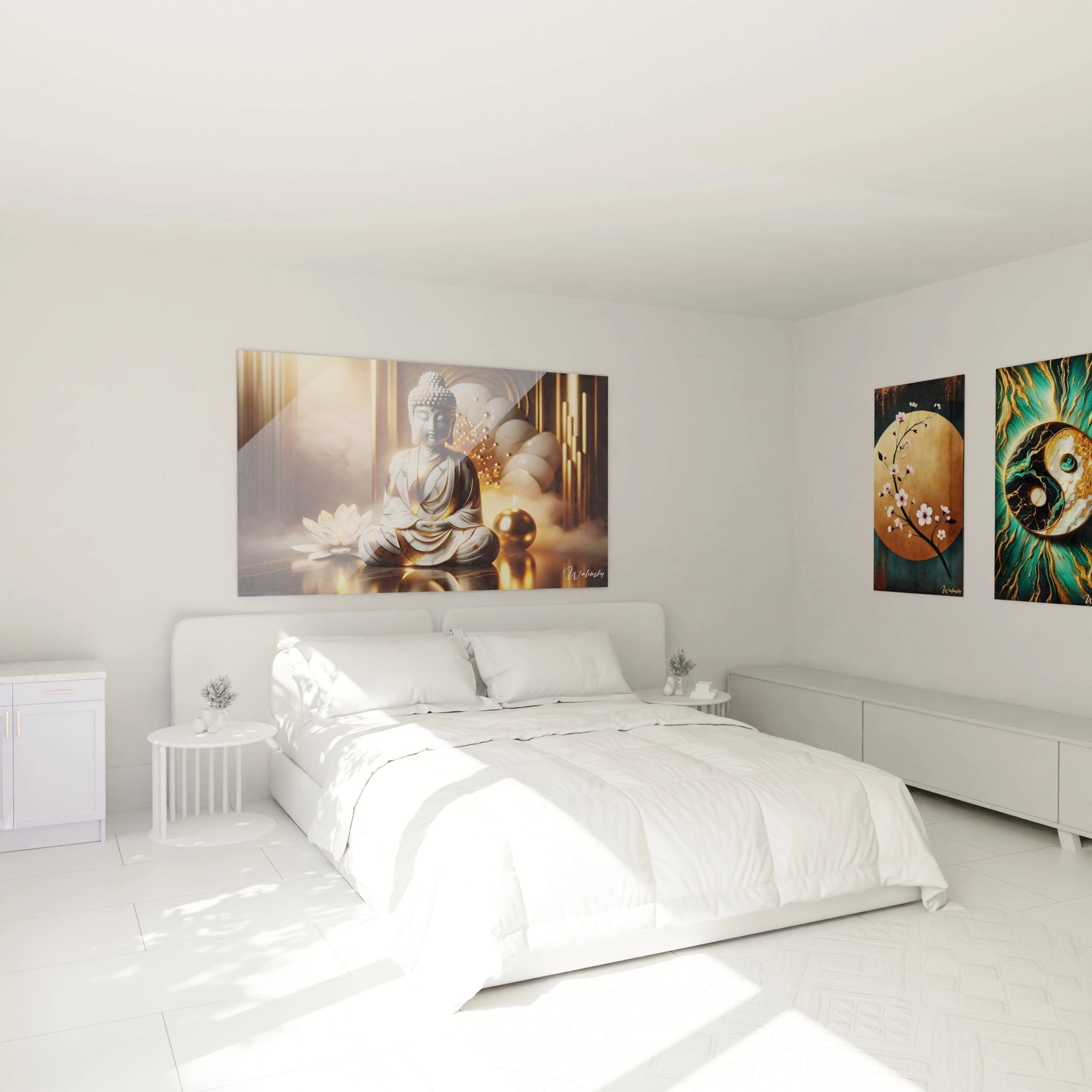
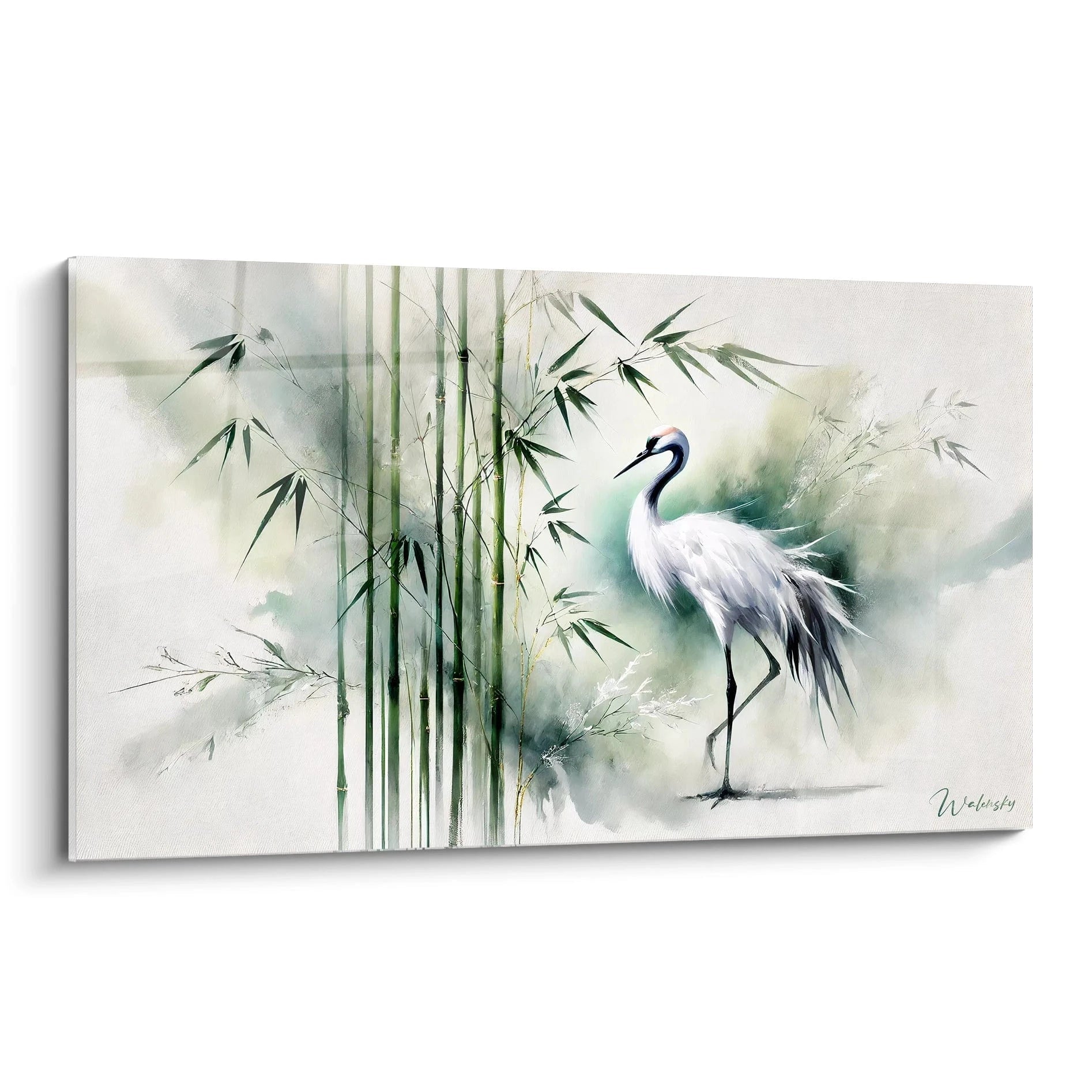
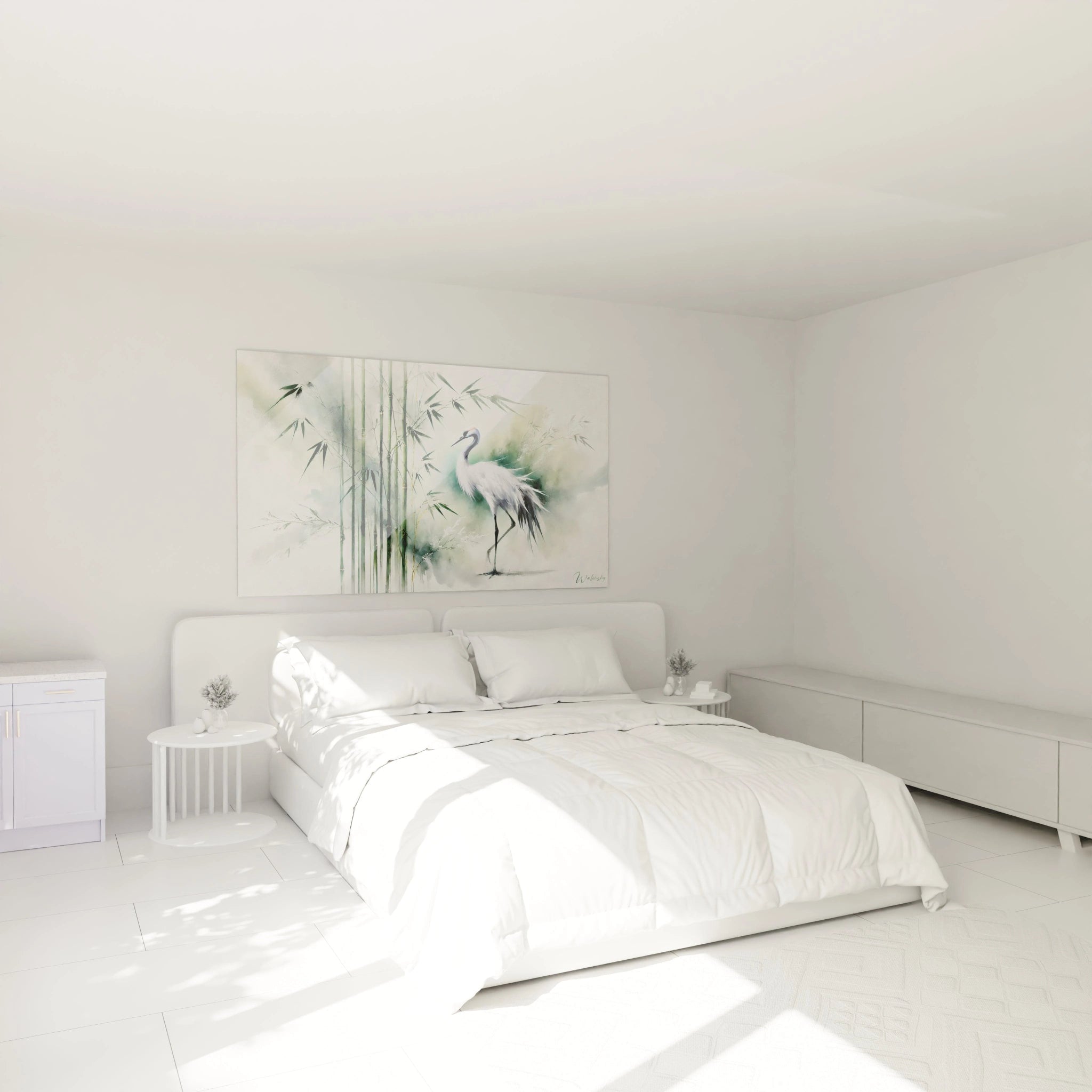
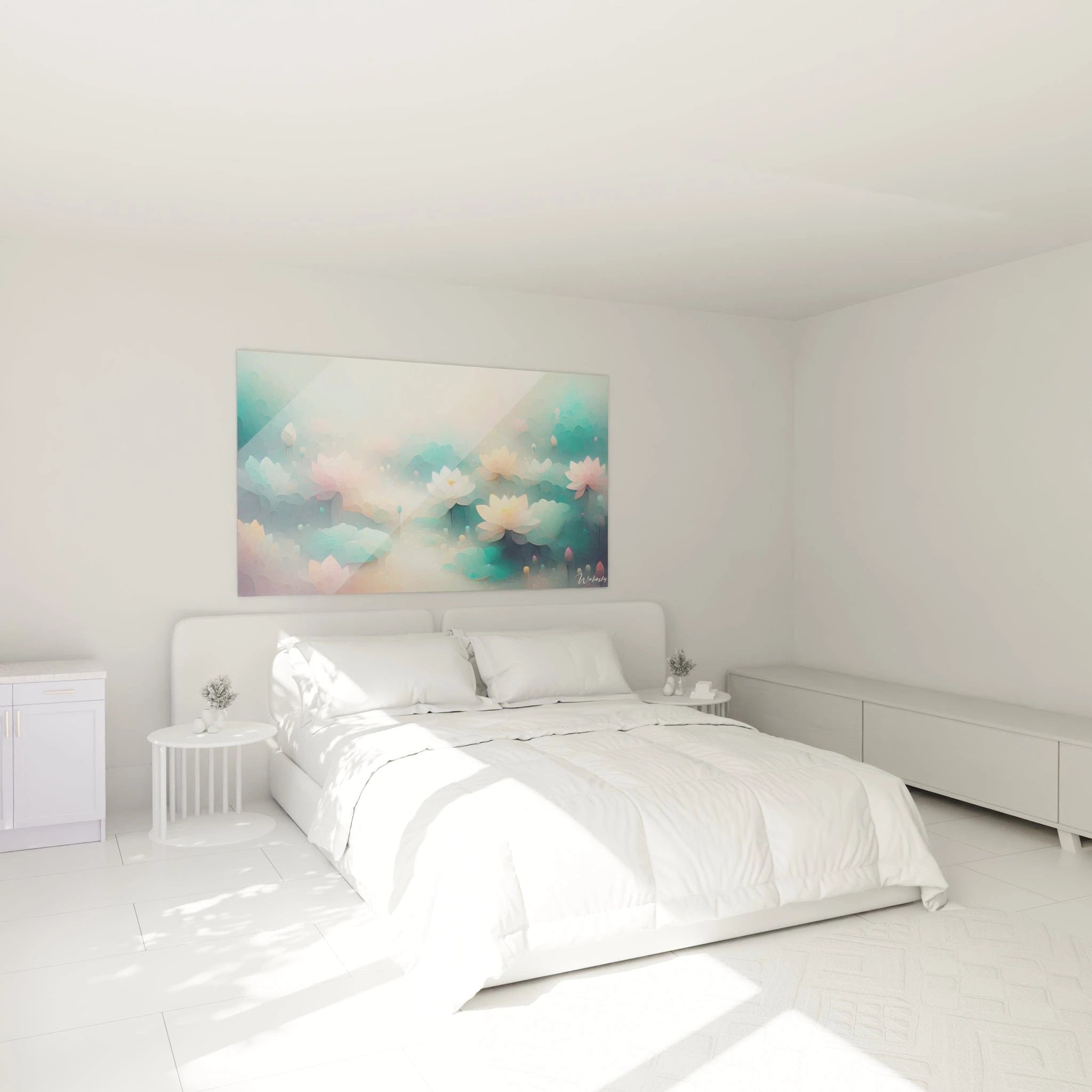
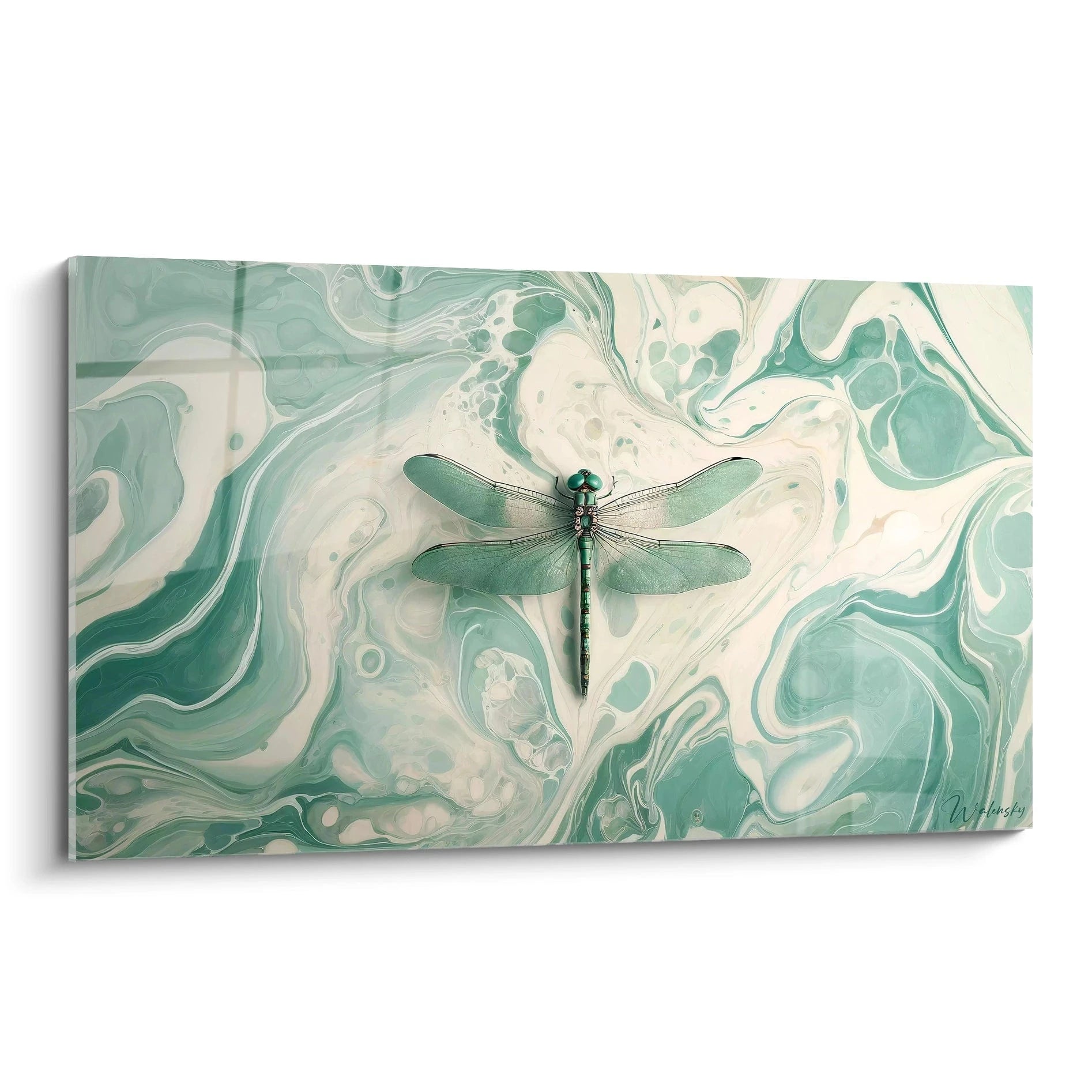
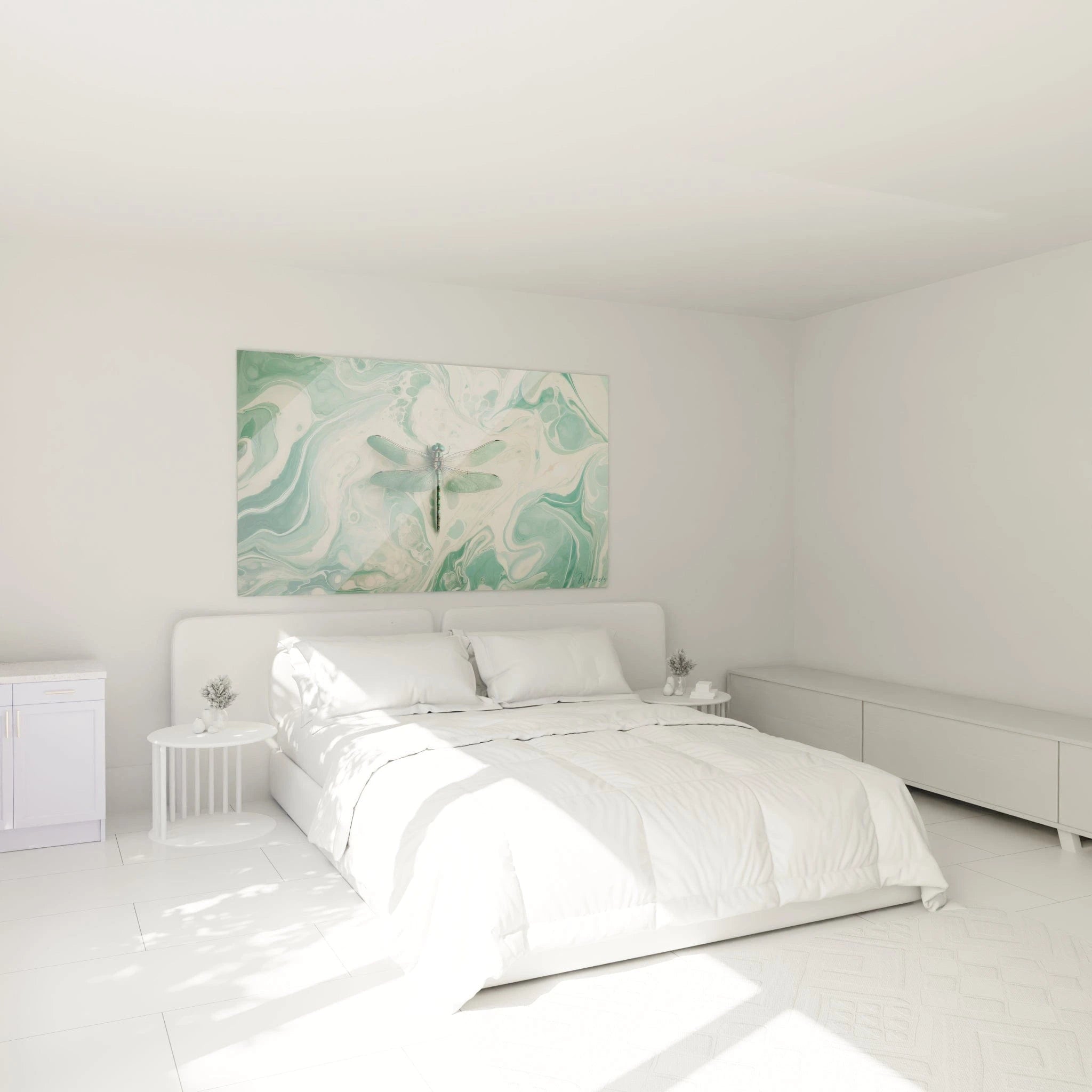
Discover how a yoga studio wall artwork can completely transform the ambiance and energy of your practice space. Far more than a simple decorative element, wall art specifically designed to accompany yoga practice brings an additional dimension to your sessions, promoting concentration, inspiration, and energetic alignment.
In a yoga studio, every element contributes to creating an atmosphere conducive to relaxation and meditation. Wall artworks specifically selected for these spaces play a fundamental role in creating a harmonious environment that supports practice. Whether you are a yoga teacher seeking to equip your professional studio or a practitioner looking to arrange your personal space, the choice of an appropriate visual work deserves particular attention.
Yoga studio wall artworks are distinguished by their ability to convey soothing emotions, symbolize profound yogic concepts, and facilitate the mental transition necessary for successful practice. Explore our different sections to discover how to select the ideal work that will support your yogic journey and transform your practice space into a true sanctuary of wellbeing and spirituality.
For a complete selection of artistic options adapted to professional environments, consult our range of wall art for professionals which includes works specially designed for yoga studios and other spaces dedicated to wellness.
Wall Art for Yoga Studio: Creating an Atmosphere Conducive to Meditation
Setting up a yoga studio requires special attention to each visual element that makes up the space. Wall artworks play a determining role in creating an atmosphere favorable to meditative practice and refocusing. Far more than simple decoration, wall art for a yoga studio becomes a true pedagogical and meditative tool that accompanies practitioners throughout their session.
Why do artworks influence the meditative state of yogis?
Neuroscience has demonstrated that our visual environment directly impacts our mental state. In a yoga studio, the elements we perceive during practice influence our ability to achieve a deep meditative state. Carefully selected wall art acts as a visual anchor point that facilitates the transition between external agitation and the inner calm sought during practice.
Wall artworks adapted to yoga studios are distinguished by their ability to induce a state of consciousness conducive to meditation. They serve as visual supports allowing you to fix your gaze (drishti) during certain postures, thus reinforcing concentration and balance. Unlike standard decorative artworks, these works are specifically designed not to overburden the mind but rather to soothe it and guide it toward a meditative state.
Therapeutic colors for your yoga space
The color choice of wall art for a yoga studio is not trivial. Each color possesses its own energetic vibration that interacts with our chakras and influences our psychological state during practice. Works dominated by deep blues promote introspection and communication, resonating with the throat chakra (Vishuddha). Soothing greens support heart opening (Anahata) and facilitate back extension postures.
For a space dedicated to kundalini yoga, prioritize artworks incorporating violets and whites that stimulate crown chakra energy (Sahasrara). Conversely, a practice focused on grounding and stability will be supported by works with earthy and reddish tones connected to the root chakra (Muladhara). This targeted chromatic approach transforms the artwork into a true therapeutic tool supporting the specific intentions of your yoga practice.
- Blues and turquoises: promote communication and expression during mantras
- Greens and pinks: support heart opening in extension postures
- Violets and whites: amplify deep meditative experiences
- Reds and browns: reinforce grounding in standing postures
Yogic symbolism and iconography in wall artworks
The integration of traditional yogic symbols in wall art for a yoga studio considerably enriches the experience of practitioners. Om (ॐ), the lotus, the Sri Yantra, or mudras represented in a wall work are not mere decorative elements but active meditation supports. These millennia-old symbols act as energetic activators that facilitate connection with the more subtle aspects of practice.
Artworks incorporating these symbolic elements become silent teaching tools, particularly valuable for beginners initiating themselves into yogic philosophy. Unlike classical didactic posters, these works of art transmit profound yogic concepts in an intuitive and aesthetic manner, enriching the learning experience without interrupting the meditative flow of practice.
How to strategically position your artwork in the practice space?
The placement of wall art in a yoga studio responds to considerations quite different from those of a traditional living space. Ideally, the main work should be positioned facing the practice area, in the natural line of sight during standing postures and sun salutations. This arrangement creates a focal point that anchors practitioners' attention and facilitates spatial alignment during asanas.
For a professional studio welcoming groups, prioritize large-format artworks (minimum 100x150cm) visible from all practice areas. Wall artworks should be placed at a specific height corresponding to eye level in a seated meditation position, approximately 90-110cm from the floor, unlike standard decorative artworks typically hung higher.
In a configuration with multiple artworks, create an energetic visual progression that follows the typical progression of a yoga session: dynamic works near the entrance for the warm-up phase, inspiring artworks in the central zone for asana practice, and more subtle and meditative compositions in the space dedicated to final relaxation (savasana).
Artworks that evolve with yogic seasons
The yogic tradition recognizes the importance of seasonal cycles in our practice. Forward-thinking professional studios now adopt the concept of seasonal artworks, adapting their visual environment to different periods of the year. This approach respects ayurvedic principles that recommend adjusting our practice according to the dominant doshas of each season.
During winter months (vata season), prioritize artworks with warm tones and reassuring forms that counterbalance the cold and scattered qualities of this season. In spring and summer (pitta season), opt for works with cooling and soothing colors that temper the intensity of fire. During the autumn transition (kapha season), stimulating artworks with dynamic compositions will support practitioners' energy facing seasonal heaviness.
This planned artistic rotation creates not only visual renewal stimulating for your studio's regular members, but also aligns the practice environment with the specific energetic needs of each season, thus optimizing the therapeutic benefits of yoga.
Selecting the Ideal Yoga Studio Wall Art According to Your Teaching Approach
The choice of wall art for a yoga studio far transcends habitual aesthetic considerations. For teachers and studio owners, this selection constitutes a true pedagogical statement that reflects the philosophy and particular approach of their teaching. The wall artwork then becomes a silent extension of the teacher's discourse, subtly reinforcing the fundamental principles transmitted during classes.
Which artwork to choose according to yoga style?
Each yogic tradition possesses its own energetic signature that can be magnified by appropriate artistic choice. For an Ashtanga or Vinyasa studio, characterized by their dynamism and fluidity, prioritize artworks evoking movement and transformation - compositions where forms seem in transition, reflecting the constant flow of prana during these intensive practices.
Conversely, a space dedicated to Yin Yoga or Restorative will benefit from works with refined lines and gentle transitions, creating visual resonance with the contemplative and static nature of these approaches. Selected artworks should embody the quality of surrender and letting go sought in these passive practices.
For spaces dedicated to Kundalini Yoga, opt for artworks incorporating sacred geometric patterns such as the Sri Yantra, which symbolize awakening and elevation of energy. These structured visual representations support the intense and meditative energetic practices characteristic of this tradition.
- Traditional Hatha Yoga: artworks representing the balance of polarities (sun/moon)
- Yoga Nidra: works evoking altered and transitional states of consciousness
- Prenatal Yoga: compositions celebrating femininity and maternal transformation
- Therapeutic Yoga: artworks incorporating energetic healing elements
The impact of artworks on student progression
Research in neuroscience applied to somatic learning reveals that our visual environment directly influences our capacity for bodily integration. In a yoga studio, artworks are not mere decorative elements but become pedagogical amplifiers that facilitate the acquisition and assimilation of complex yogic concepts.
A judiciously selected artwork can serve as visual support for explaining subtle anatomical or energetic concepts. For example, a work representing the nadis (energetic channels) helps students visualize and internalize these abstract concepts during their practice. This pedagogical dimension transforms wall art into a true teaching tool, particularly valuable for concepts difficult to verbalize.
Experienced teachers testify that students progress more rapidly in studios equipped with meaningful wall artworks. These works create powerful mental associations that anchor bodily experience and facilitate memorization of the sensations sought in postures. Art becomes a silent catalyst for yogic transformation.
Multifunctional artworks for versatile studios
The economic reality of contemporary yoga spaces often requires versatile usage. The same studio may successively host different yoga styles, meditation sessions, personal development workshops, or even complementary physical activities. This multifunctionality requires adaptable artistic solutions that effectively support each type of practice.
Artworks with dual reading represent a perfect innovation adapted to these constraints. These special works offer different perceptions depending on viewing distance and lighting. Up close, during introspective practices like meditation, subtle details appear, revealing complex patterns that stimulate concentration. At distance, during dynamic practices, the work reveals a more global composition that supports movement and expansion.
Some forward-thinking studios opt for modular or interchangeable artwork systems that allow rapid transformation of visual ambiance between different classes. This artistic flexibility constitutes a strategic investment for multifunctional spaces, optimizing the impact of each activity offered without compromising overall aesthetic coherence.
Contemplative dimensions and art-guided meditations
Beyond their decorative and pedagogical function, wall artworks for yoga studios can serve as direct supports for meditative practice. Traditional yogic visualization techniques (dharana) find particularly effective grounding in wall artworks specifically designed to accompany these inner practices.
Innovative teachers develop guided meditations specifically in relation to artworks present in their studio. This approach transforms the artwork into a true gateway to altered states of consciousness, allowing practitioners to deepen their meditative experience. The image then becomes a contemporary yantra, a support for concentration and transcendence.
For studios wishing to explore this contemplative dimension, prioritize artworks sufficiently complex to support prolonged meditative exploration, but without visually disturbing elements that could distract attention. Compositions presenting multiple levels of reading, progressively revealing their depth, are particularly adapted to this advanced meditative use.
Energy Harmonization Through Yoga Studio Wall Art
The energy circulating in a yoga studio constitutes the invisible yet essential foundation of any successful practice. According to the principles of Vastu Shastra (yogic architectural science) and Feng Shui, each space possesses its own vibratory signature that can be harmonized and optimized by judicious placement of visual elements. Wall art for a yoga studio, far from being a mere decorative object, becomes a true energetic regulator capable of radically transforming the vibratory qualities of a practice space.
How can artwork balance the energies of a practice space?
Vastu Shastra, an ancient Indian discipline, teaches that each direction is associated with an element and specific energetic quality. Strategically placed wall artwork can reinforce or balance these directional energies to create an optimal environment for yoga practice. For example, artwork placed in the northeast (direction associated with water and spirituality) will naturally amplify the meditative qualities of this zone, making it the ideal location for the studio's altar or meditation space.
Large-format artworks (exceeding 120x180cm) have the capacity to function as true "energetic batteries" for the space, accumulating and redistributing the prana generated during collective practices. To maximize this effect, these works should be positioned on walls receiving natural morning light, particularly powerful on a vibratory level according to traditional yogic teachings.
Professional studios adopting this energetic approach report significant improvement in the atmosphere felt by practitioners, even when they are not consciously informed of modifications made to the space. This subtle yet real perception testifies to the profound impact of correctly positioned art on the vibratory quality of a practice location.
- Earth-dominant artworks: stabilize energy and promote grounding in standing postures
- Works evoking water: fluidify transitions and support flexibility
- Airy compositions: lighten the space and facilitate breathing practices
- Fire representations: energize for vigorous practices
Artworks as yoga space purifiers
In yogic tradition, it is recognized that spaces where intensive physical and energetic activities are practiced gradually accumulate vibratory imprints. These energetic residues, called "samskaras" in yoga philosophy, can, over time, create stagnation or dissonance in the atmosphere of a studio frequented by many practitioners.
Certain artworks specifically designed for yoga studios incorporate purifying elements - such as representations of energetic crystals, protective yantra, or sacred symbols - that act as permanent "vibratory cleaners." Unlike punctual purification rituals (such as sage smudging or use of Tibetan bowls), these works operate continuously, maintaining the energetic clarity of the space.
To maximize this purifying function, Vastu Shastra professionals recommend renewing or relocating these artworks every 108 days (sacred number in yogic tradition), thus avoiding energetic saturation and maintaining their purifying effectiveness. This practice, though subtle, significantly contributes to preserving the vibratory quality of an intensively used practice space.
Alignment between artworks and pedagogical intentions
The most conscious yoga teachers know that their studio's visual environment must be in perfect resonance with their pedagogical intentions and the annual progression they envision for their students. Artworks can serve as a silent guiding thread that accompanies and reinforces practice development over time.
For studios offering intensive trainings or progressive programs, the planned evolution of wall artworks throughout modules creates cohesive immersion that supports the integration of teachings. For example, beginning a training with artworks evoking grounding and stability (corresponding to postural foundations), then evolving toward more subtle and ethereal representations (for advanced modules on pranayama and meditation) creates visual progression that reinforces concept assimilation.
This strategic approach to art in yoga space transforms artworks into true pedagogical partners that silently amplify the message transmitted by the teacher. They become permanent visual reminders of concepts explored during classes, extending the impact of teaching far beyond verbal instructions.
Adapting artworks for special events
Professional yoga studios regularly organize specific events - thematic workshops, seasonal ceremonies, immersion days - that require particular atmosphere. Temporary adaptation of artworks for these special occasions represents an effective strategy for rapidly transforming a space's energy and creating a memorable immersive experience.
For workshops focused on heart opening or bhakti yoga practices, the temporary installation of works evoking unconditional love and devotion considerably amplifies the emotional impact of practice. Conversely, for yoga nidra sessions or deep meditation, artworks with hypnotic patterns or representing altered states of consciousness facilitate transition toward advanced meditative states.
Forward-thinking studios now develop collections of interchangeable works specifically dedicated to these temporary space transformations. This artistic flexibility constitutes a strategic investment that allows regular renewal of the experience offered to members without requiring costly renovations of the physical environment.
FAQ on yoga studio wall art
What is the ideal size for artwork in a professional yoga studio?
For a professional yoga studio, prioritize large-format artworks, ideally between 120x180cm and 150x200cm. This imposing size allows optimal visibility from all practice positions and creates sufficient energetic impact to influence the entire space. For small studios (less than 40m²), you can opt for 100x150cm formats that will maintain visual balance without overcrowding the space.
How to integrate yoga studio wall art in a multifunctional space?
In a multifunctional space, opt for artworks with universal symbolism that transcend the specificities of each practice. Abstract works evoking natural elements (water, air, earth, fire, ether) or representing sacred geometric forms work particularly well in these contexts. You can also consider a system of interchangeable or pivoting works that allows rapid modification of visual ambiance depending on the activity offered.
How frequently should artworks in a yoga studio be renewed?
To maintain dynamic energy and avoid vibratory saturation, it is recommended to renew or rotate the main artworks of a yoga studio every 6 to 12 months. This practice not only refreshes the visual experience for regular members but also purifies the energetic imprint of the space. Professional studios often adopt a seasonal rotation system, aligning artistic renewal with the natural transitions of solstices and equinoxes.