


Alpaca Painting
The Alpaga Painting collection brings together portraits where Andean softness meets the boldness of color. Creamy fur on turquoise backgrounds, sculpted silhouettes in golden impasto, faces fragmented into crystalline facets: each alpaga painting captures that particular gaze, both placid and curious. This Alpaga edition blends meticulous realism with vibrant pictorial gestures to transform a wall into a visual breath, between Andean warmth and contemporary bursts.
 Tableau Alpaga blanc et beige aux lignes géométriques - Croquis technique animalier - Edition Alpaga273,90 €
 Tableau Alpaga blanc et gris crinière hirsute - Ciel nuageux montagneux - Edition Alpaga273,90 €
 Tableau Alpaga blanc et noir à toison hirsute - Portrait en noir et blanc - Edition Alpaga273,90 €
 Tableau Alpaga noir aux reflets argentés - Apparition silencieuse - Edition Alpaga273,90 €
 Tableau Alpaga blanc pelage rouge et vert flamboyant - Feu intérieur - Edition Alpaga273,90 €
 Tableau Alpaga blanc et jaune aux mèches filiformes - Regard fixe intense - Edition Alpaga273,90 €
 Tableau Alpaga bleu marine et terracotta esquissé - Trait suspendu - Edition Alpaga273,90 €
 Tableau Alpaga bleu marine et lunettes rouges - Regard effronté - Edition Alpaga273,90 €
 Tableau Alpaga blanc et bleu marine aux fils dorés - Regard perçant ambré - Edition Alpaga273,90 €
 Tableau Alpaga blanc au fond rouge et jaune - Regard qui interpelle - Edition Alpaga273,90 €
 Tableau Alpaga beige à toupet doré - Regard curieux - Edition Alpaga273,90 €
 Tableau Alpaga rouge et doré à contre-jour - Lueur d'un couchant urbain - Edition Alpaga273,90 €
 Tableau Alpaga rouge et doré profil oasis - Mirage oriental - Edition Alpaga273,90 €
 Tableau Alpaga blanc entouré fleurs orangées - Havre andin - Edition Alpaga273,90 €
 Tableau Alpaga beige couronné de fleurs rouges - Éveil printanier - Edition Alpaga273,90 €
 Tableau Alpaga violet aux mèches dorées - Songe céleste - Edition Alpaga273,90 €
 Tableau Alpaga blanc et fond noir profond - Éclosion nocturne - Edition Alpaga273,90 €
 Tableau Alpaga au regard bleu et coulures rouges - Regard perçant - Edition Alpaga273,90 €
 Tableau Alpaga face aux coulures rouge et vert - Regard perçant intense - Edition Alpaga273,90 €
 Tableau Alpaga taupe et multicolore aux éclaboussures - Éclaboussure de couleurs - Edition Alpaga273,90 €
 Tableau Alpaga multicolore aux coulures vives - Éclaboussure vivante - Edition Alpaga273,90 €
 Tableau Alpaga couronné de fleurs jaunes et roses - Parure fleurie - Edition Alpaga273,90 €
 Tableau Alpaga au pelage jaune et bleu - Éclaboussure de joie - Edition Alpaga273,90 €
 Tableau Alpaga blanc aux volutes bleu et or - Rêverie andine - Edition Alpaga273,90 €
In the same family
Also explore the theme Animals
-
 View all10974
artworks
View all10974
artworks
-
 Bee54
artworks
Bee54
artworks
-
 Eagle18
artworks
Eagle18
artworks
-
 Donkey15
artworks
Donkey15
artworks
-
 Savannah Wildlife94
artworks
Savannah Wildlife94
artworks
-
 Antelope5
artworks
Antelope5
artworks
-
 Spider8
artworks
Spider8
artworks
-
 Other Animals24
artworks
Other Animals24
artworks
-
 Ostrich75
artworks
Ostrich75
artworks
-
 Axolotl47
artworks
Axolotl47
artworks
-
 Whale89
artworks
Whale89
artworks
-
 Barracuda61
artworks
Barracuda61
artworks
-
 Snipe32
artworks
Snipe32
artworks
-
 Ram315
artworks
Ram315
artworks
-
 Beluga169
artworks
Beluga169
artworks
-
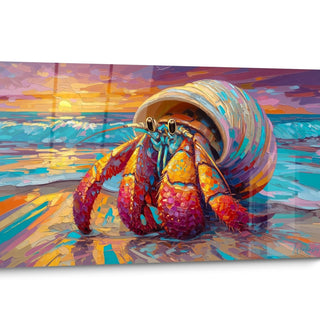 Hermit-Crab12
artworks
Hermit-Crab12
artworks
-
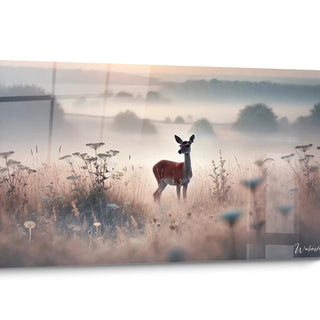 Doe10
artworks
Doe10
artworks
-
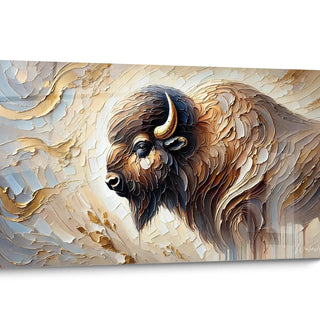 Bison8
artworks
Bison8
artworks
-
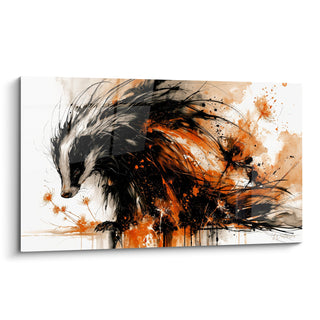 Badger59
artworks
Badger59
artworks
-
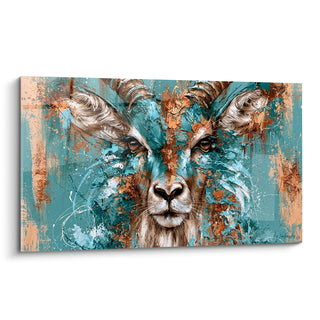 Chamois32
artworks
Chamois32
artworks
-
 Buffalo91
artworks
Buffalo91
artworks
-
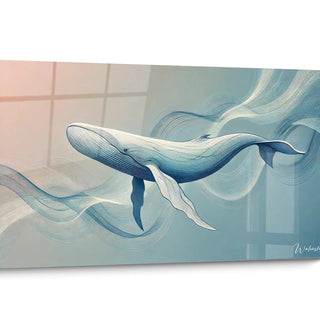 Sperm Whale8
artworks
Sperm Whale8
artworks
-
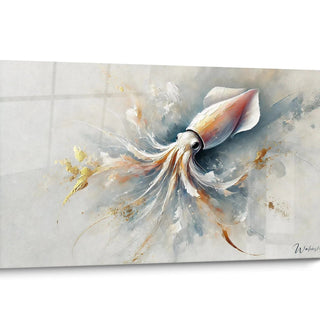 Giant Squid6
artworks
Giant Squid6
artworks
-
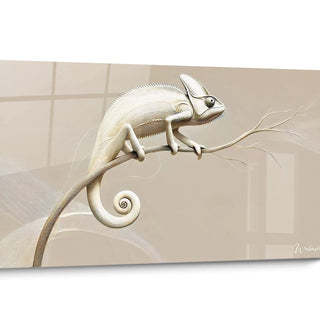 Chameleon20
artworks
Chameleon20
artworks
-
 Duck352
artworks
Duck352
artworks
-
 Capybara3
artworks
Capybara3
artworks
-
 Caracal15
artworks
Caracal15
artworks
-
 Caribou4
artworks
Caribou4
artworks
-
 Koi Carp130
artworks
Koi Carp130
artworks
-
 Beaver9
artworks
Beaver9
artworks
-
 Deer26
artworks
Deer26
artworks
-
 Camel3
artworks
Camel3
artworks
-
 Cat1218
artworks
Cat1218
artworks
-
 Bat10
artworks
Bat10
artworks
-
 Horse73
artworks
Horse73
artworks
-
 Mountain Goat3
artworks
Mountain Goat3
artworks
-
 Dog3055
artworks
Dog3055
artworks
-
 Chimpanzee12
artworks
Chimpanzee12
artworks
-
 Owl19
artworks
Owl19
artworks
-
 Stork16
artworks
Stork16
artworks
-
 Ladybug7
artworks
Ladybug7
artworks
-
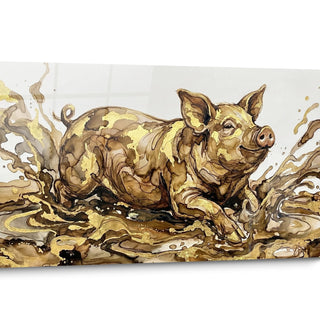 Pig8
artworks
Pig8
artworks
-
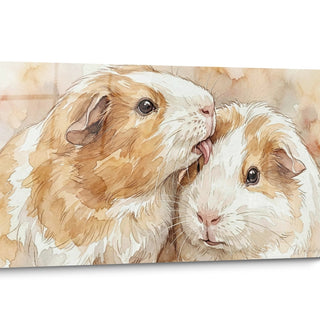 Guinea Pig13
artworks
Guinea Pig13
artworks
-
 Hummingbird23
artworks
Hummingbird23
artworks
-
 Dove90
artworks
Dove90
artworks
-
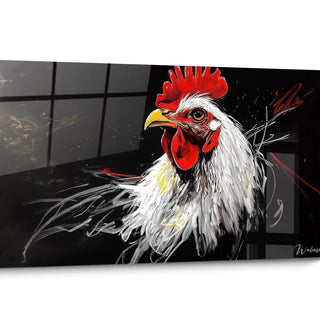 Rooster9
artworks
Rooster9
artworks
-
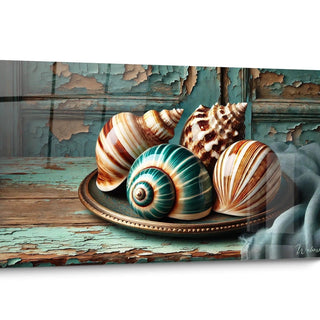 Seashell6
artworks
Seashell6
artworks
-
 Raven9
artworks
Raven9
artworks
-
 Crab5
artworks
Crab5
artworks
-
 Toad8
artworks
Toad8
artworks
-
 Shrimp5
artworks
Shrimp5
artworks
-
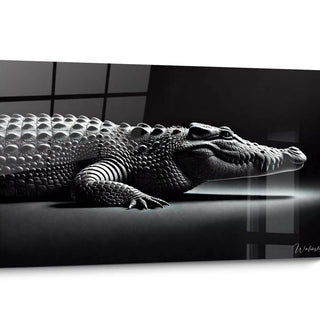 Crocodile4
artworks
Crocodile4
artworks
-
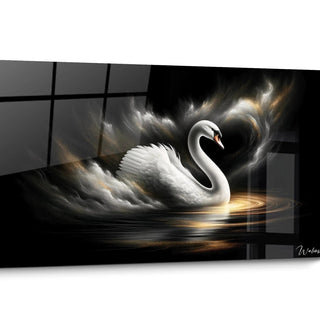 Swan189
artworks
Swan189
artworks
-
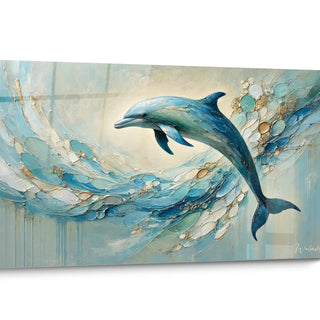 Dolphin11
artworks
Dolphin11
artworks
-
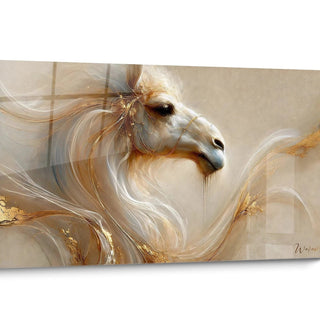 Dromedary4
artworks
Dromedary4
artworks
-
 Squirrel15
artworks
Squirrel15
artworks
-
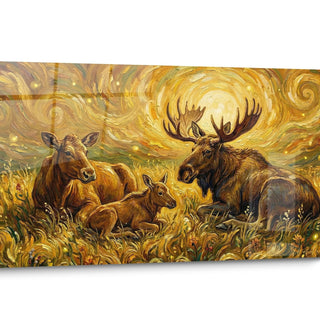 Elan13
artworks
Elan13
artworks
-
 Elephant80
artworks
Elephant80
artworks
-
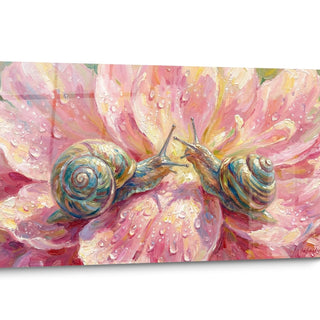 Snail11
artworks
Snail11
artworks
-
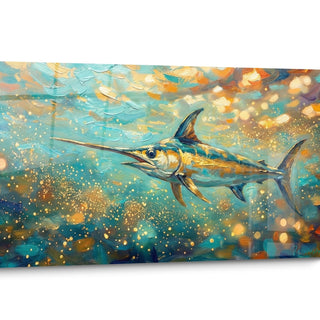 Swordfish4
artworks
Swordfish4
artworks
-
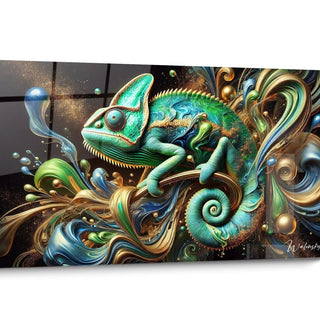 Wild Essence25
artworks
Wild Essence25
artworks
-
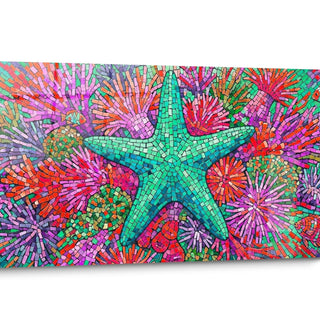 Starfish19
artworks
Starfish19
artworks
-
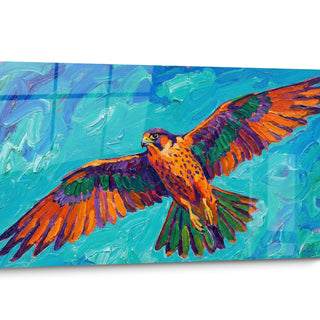 Falcon16
artworks
Falcon16
artworks
-
 Fennec256
artworks
Fennec256
artworks
-
 Pink Flamingo30
artworks
Pink Flamingo30
artworks
-
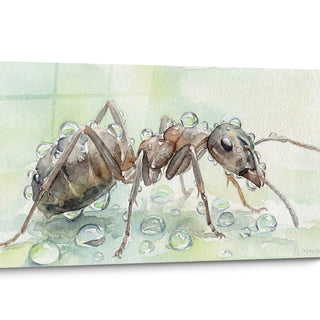 Ant19
artworks
Ant19
artworks
-
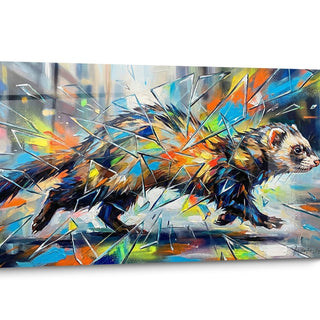 Ferret17
artworks
Ferret17
artworks
-
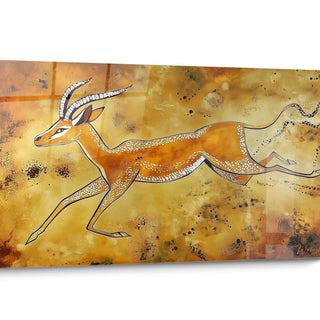 Gazelle4
artworks
Gazelle4
artworks
-
 Giraffe183
artworks
Giraffe183
artworks
-
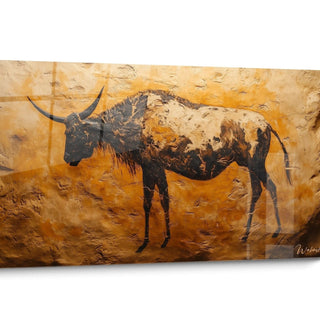 Wildebeest3
artworks
Wildebeest3
artworks
-
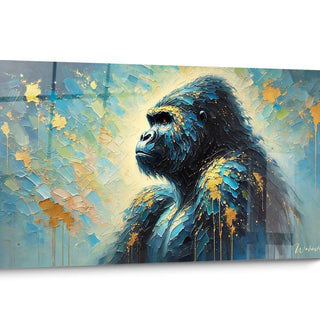 Gorilla15
artworks
Gorilla15
artworks
-
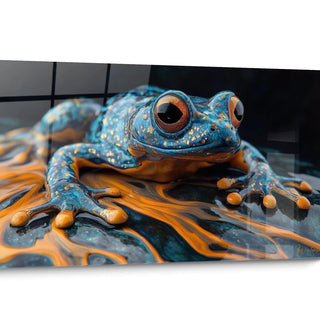 Frog65
artworks
Frog65
artworks
-
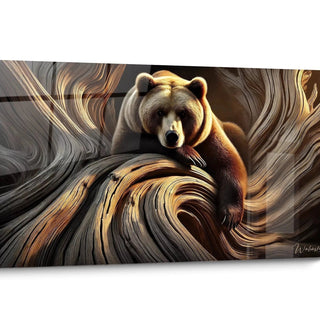 Grizzly3
artworks
Grizzly3
artworks
-
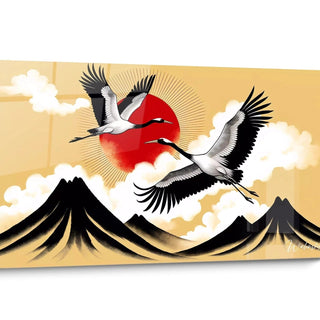 Crane10
artworks
Crane10
artworks
-
 Cheetah147
artworks
Cheetah147
artworks
-
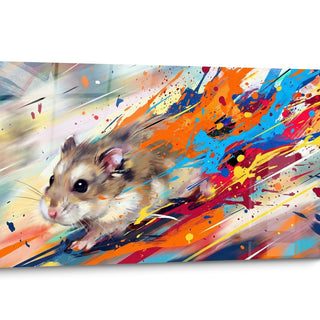 Hamster17
artworks
Hamster17
artworks
-
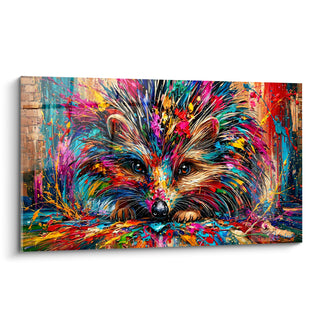 Hedgehog64
artworks
Hedgehog64
artworks
-
 Heron37
artworks
Heron37
artworks
-
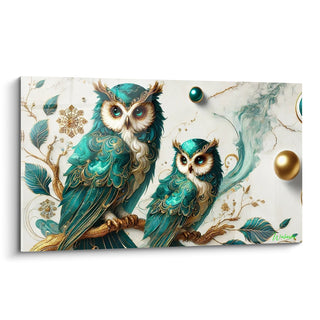 Owl42
artworks
Owl42
artworks
-
 Seahorse34
artworks
Seahorse34
artworks
-
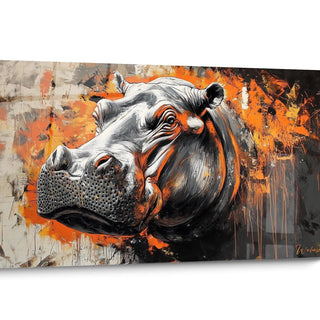 Hippopotamus4
artworks
Hippopotamus4
artworks
-
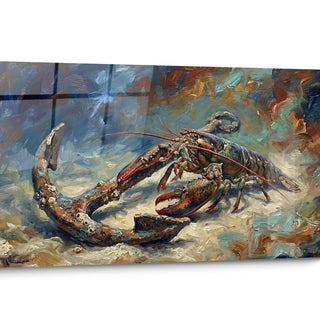 Lobster8
artworks
Lobster8
artworks
-
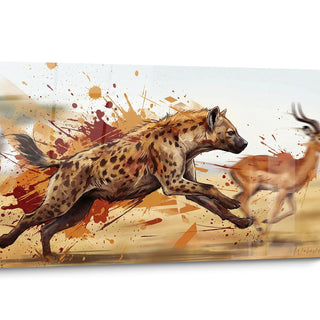 Hyena14
artworks
Hyena14
artworks
-
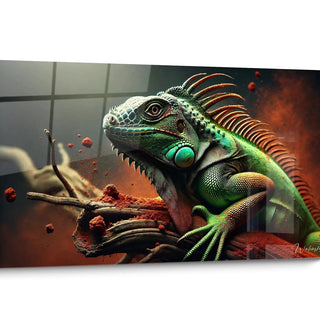 Iguana6
artworks
Iguana6
artworks
-
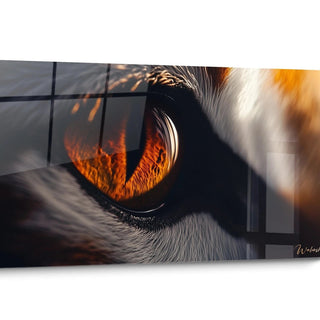 Animal Eye6
artworks
Animal Eye6
artworks
-
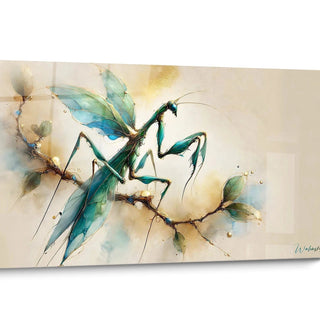 Insect5
artworks
Insect5
artworks
-
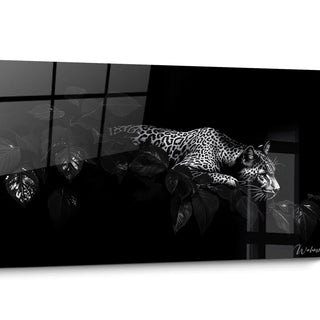 Jaguar6
artworks
Jaguar6
artworks
-
 Kangaroo100
artworks
Kangaroo100
artworks
-
 Koala18
artworks
Koala18
artworks
-
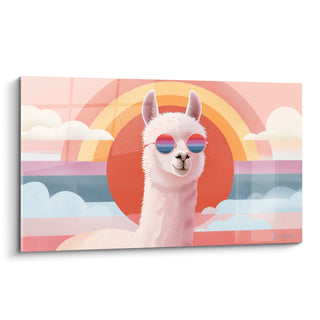 Llama107
artworks
Llama107
artworks
-
 Rabbit15
artworks
Rabbit15
artworks
-
 Lemur3
artworks
Lemur3
artworks
-
 Dragonfly4
artworks
Dragonfly4
artworks
-
 Unicorn62
artworks
Unicorn62
artworks
-
 Lion193
artworks
Lion193
artworks
-
 Lion Cub4
artworks
Lion Cub4
artworks
-
 Lioness6
artworks
Lioness6
artworks
-
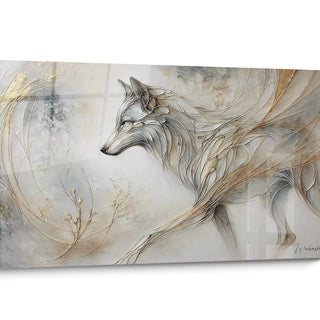 Wolf13
artworks
Wolf13
artworks
-
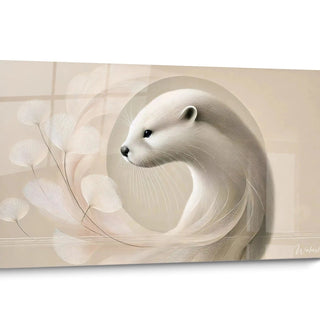 Otter6
artworks
Otter6
artworks
-
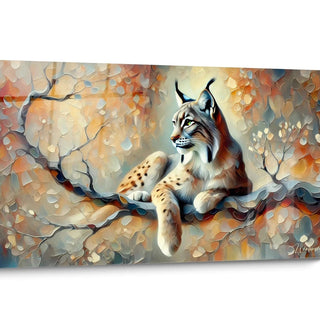 Lynx7
artworks
Lynx7
artworks
-
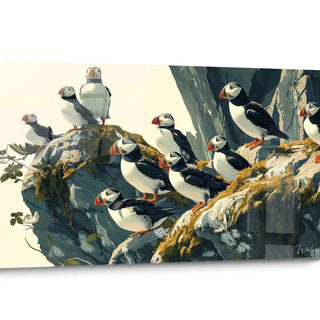 Puffin2
artworks
Puffin2
artworks
-
 Penguin10
artworks
Penguin10
artworks
-
 Jellyfish17
artworks
Jellyfish17
artworks
-
 Morse3
artworks
Morse3
artworks
-
 Seagull4
artworks
Seagull4
artworks
-
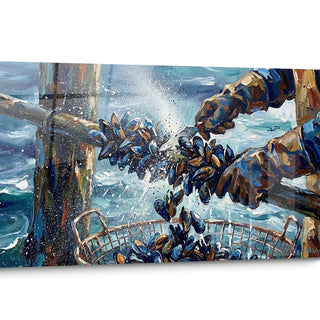 Mold14
artworks
Mold14
artworks
-
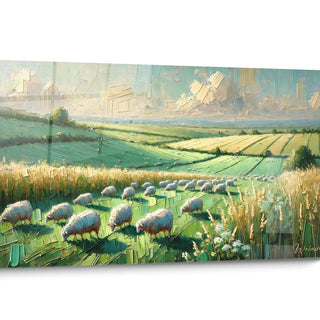 Sheep6
artworks
Sheep6
artworks
-
 Narwhal66
artworks
Narwhal66
artworks
-
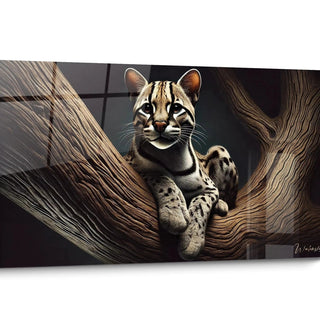 Ocelot3
artworks
Ocelot3
artworks
-
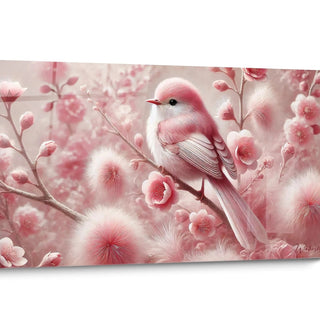 Birds15
artworks
Birds15
artworks
-
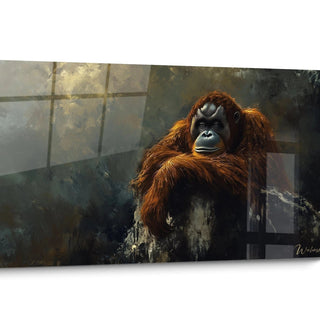 Orangutan10
artworks
Orangutan10
artworks
-
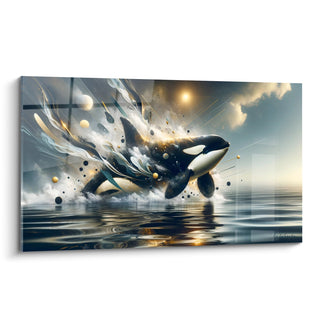 Orca28
artworks
Orca28
artworks
-
 Brown Bear334
artworks
Brown Bear334
artworks
-
 Polar Bear289
artworks
Polar Bear289
artworks
-
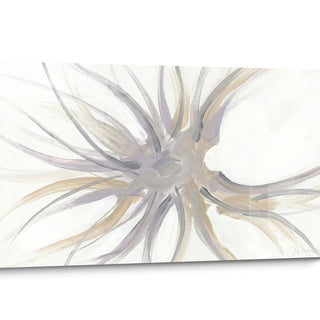 Sea Urchin9
artworks
Sea Urchin9
artworks
-
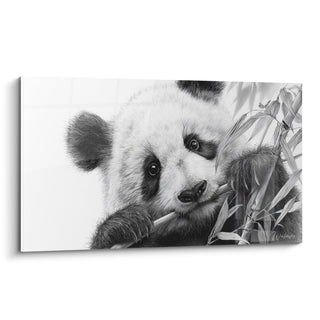 Giant Panda69
artworks
Giant Panda69
artworks
-
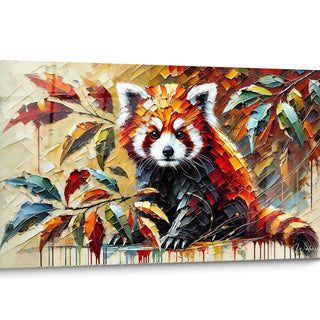 Red Panda11
artworks
Red Panda11
artworks
-
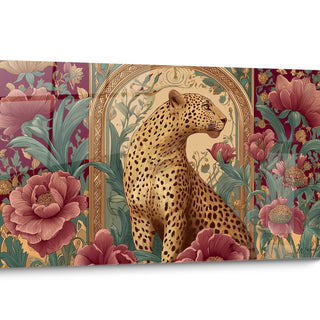 Panther19
artworks
Panther19
artworks
-
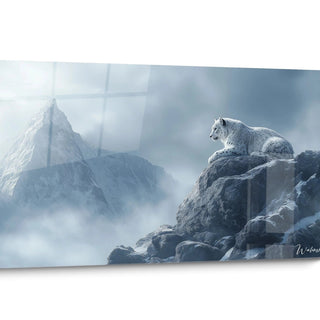 Snow Leopard8
artworks
Snow Leopard8
artworks
-
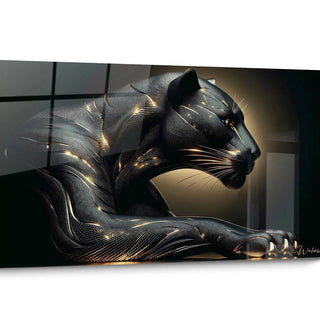 Black Panther10
artworks
Black Panther10
artworks
-
 Peacock128
artworks
Peacock128
artworks
-
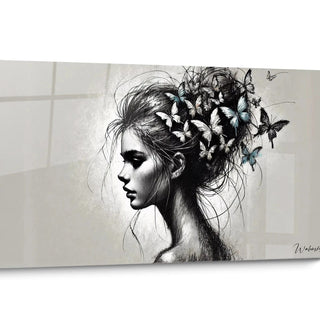 Butterfly14
artworks
Butterfly14
artworks
-
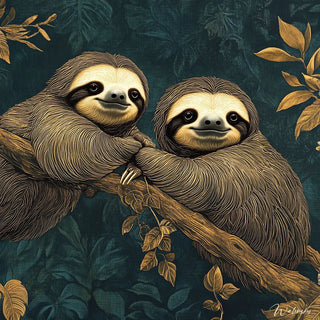 Lazy Sloth3
artworks
Lazy Sloth3
artworks
-
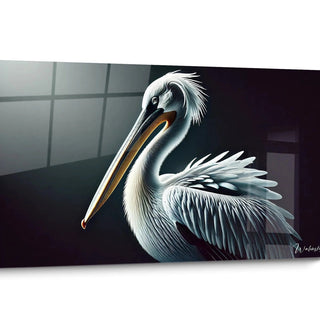 Pelican3
artworks
Pelican3
artworks
-
 Parrot211
artworks
Parrot211
artworks
-
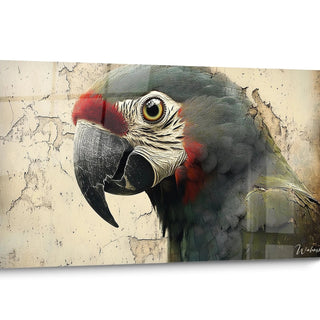 Parakeet5
artworks
Parakeet5
artworks
-
 Seal5
artworks
Seal5
artworks
-
 Pigeon10
artworks
Pigeon10
artworks
-
 Penguin274
artworks
Penguin274
artworks
-
 Feather60
artworks
Feather60
artworks
-
 Fish18
artworks
Fish18
artworks
-
 Betta Fish12
artworks
Betta Fish12
artworks
-
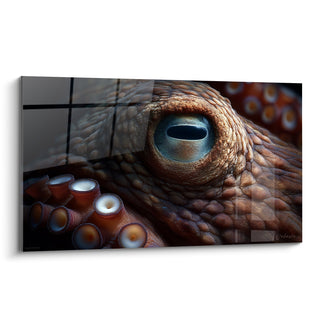 Octopus59
artworks
Octopus59
artworks
-
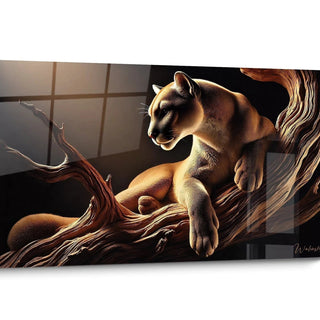 Puma3
artworks
Puma3
artworks
-
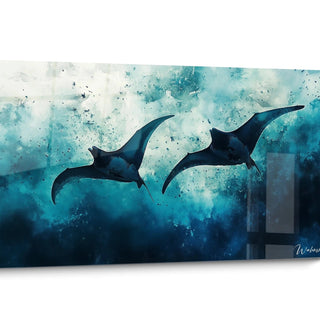 Manta Ray67
artworks
Manta Ray67
artworks
-
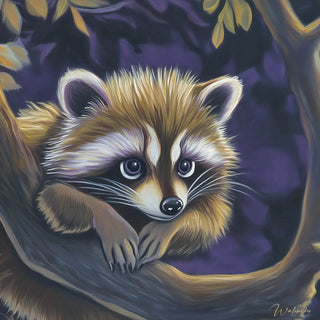 Raccoon2
artworks
Raccoon2
artworks
-
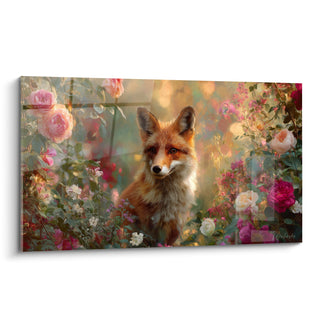 Fox141
artworks
Fox141
artworks
-
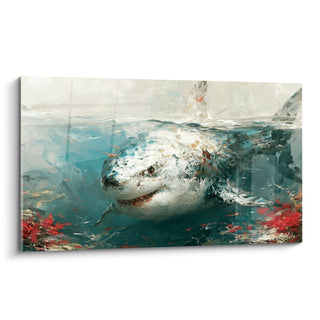 Shark126
artworks
Shark126
artworks
-
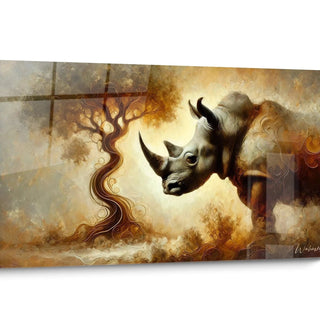 Rhinoceros21
artworks
Rhinoceros21
artworks
-
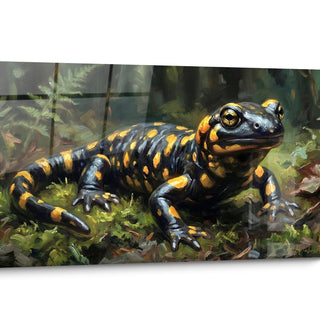 Salamander14
artworks
Salamander14
artworks
-
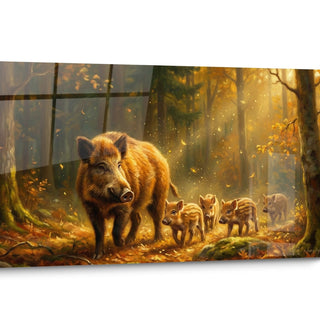 Wild Boar15
artworks
Wild Boar15
artworks
-
 Scarab73
artworks
Scarab73
artworks
-
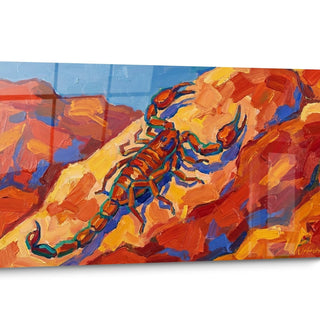 Scorpion9
artworks
Scorpion9
artworks
-
 Serpent102
artworks
Serpent102
artworks
-
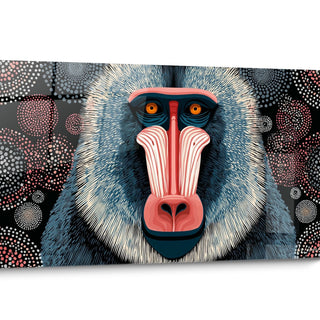 Monkey14
artworks
Monkey14
artworks
-
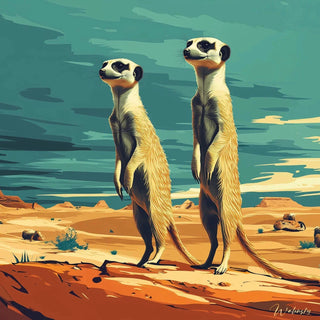 Meerkat1
artwork
Meerkat1
artwork
-
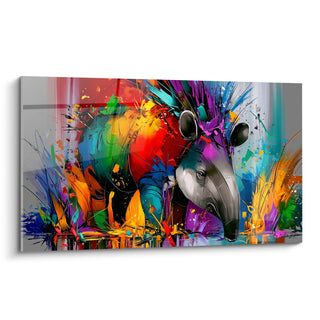 Tapir52
artworks
Tapir52
artworks
-
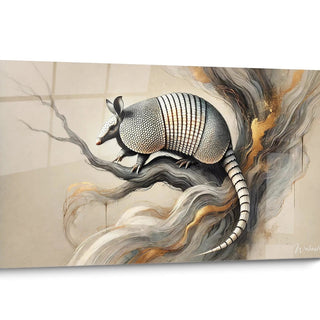 Armadillo3
artworks
Armadillo3
artworks
-
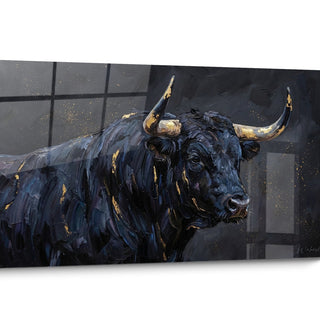 Bull281
artworks
Bull281
artworks
-
 Tiger316
artworks
Tiger316
artworks
-
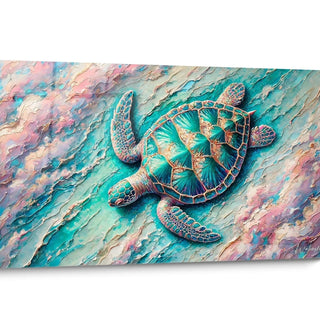 Sea Turtle18
artworks
Sea Turtle18
artworks
-
 Terrestrial Turtle14
artworks
Terrestrial Turtle14
artworks
-
 Toucan7
artworks
Toucan7
artworks
-
 Cow9
artworks
Cow9
artworks
-
 Vulture5
artworks
Vulture5
artworks
-
 Zebra49
artworks
Zebra49
artworks


All about Alpaca Painting
- Presentation Alpaca Painting
- Wool from the Peaks
- Splinters of the Cordillera
- Material and Pictorial Gesture
The Alpaca Painting collection brings together portraits of an animal from the high plateaus, whose gaze, both calm and piercing, runs through each composition. Whether it stands out against a vibrant turquoise background, emerges from a velvety darkness, or decomposes into golden facets, the alpaca imposes the same tranquil presence everywhere, capable of anchoring a wall without ever weighing it down.
What unites these paintings is not a single technique but the same intention: to make the natural softness of the wool dialogue with bold chromatic choices, from deep navy blue to splashes of yellow and turquoise. The result oscillates between a refined animal portrait and an almost abstract graphic piece, depending on the mood you want to give to a room.
This collection is for those who seek a soothing presence without falling into decorative banality: lovers of stylized nature, curious about the Andean highlands, or simply those sensitive to that particular gaze that the alpaca casts on the world. It is suitable for both a bright living room and an office that needs a visual anchor.
Throughout the works, the Cordillera of the Andes subtly emerges: terracotta colors, deep blues evoking altitude, textures reminiscent of raw wool. Hanging an alpaca painting is inviting a fragment of this landscape into your home without explicitly naming it.
What the Fur of Alpaca Paintings Tells About Its Altitude
Why does this wool seem so thick on each alpaca painting?
On these canvases, the fur occupies almost all the space, treated strand by strand or in large impasto that gives a tangible relief. This emphasis is not a compositional accident: alpacas live at over four thousand meters above sea level, in a climate where temperature differences require their coat to be exceptionally dense. Each alpaca painting in this collection restores this thickness as a sign of gentle resistance, a fluffy armor against the Andean cold. Hung in your home, this texture evokes less exoticism than a form of quiet robustness, a presence that seems to have weathered the elements without losing its softness.
Where does this cream and golden hue come from that dominates so many portraits?
The cream, golden, and sometimes off-white palette that recurs on these paintings is not a pictorial invention: it corresponds to the natural nuances of alpaca fiber, long sought after for its rare chromatic naturalness, from pure white to deep brown, through warm beiges. The artists in this collection amplify these tones with metallic touches or luminous impasto, transforming an ancestral textile material into a pictorial one. The result recalls, without saying so, why this fiber has long been compared to a precious thread: it carries within it a light that few other animal pelts possess.
Where does this particular, almost human gaze come from?
On each portrait, the dark eyes and long eyelashes of the alpaca create an expression that many describe as surprisingly expressive, almost questioning. This anatomical particularity, specific to high-altitude camelids, gives these paintings a softness that goes beyond a simple animal portrait: it establishes a form of silent dialogue with the viewer. It is this gaze, more than the posture or the setting, that explains why these works soothe an entire room rather than simply decorating it.
The Andean Light Behind the Color of Alpaca Paintings
Why do these turquoise backgrounds and deep blues come back so often?
The vibrant turquoise or deep navy blue that structures the background of many alpaca paintings is not a simple decorative choice: it evokes the particular clarity of the skies at altitude, where the rarefied air intensifies the colors and where the light seems more frank, almost mineral. This collection plays on this contrast between a warm coat and a cold background to recreate the sensation of a plateau swept by a crisp air. In an interior, this chromatic balance produces a rare effect: the room appears both warmed by the golden wool and refreshed by the blue that surrounds it, without ever veering into pure coldness.
What do these touches of orange and terracotta scattered throughout some compositions mean?
The terracotta and orange hues that appear in the background or as filaments in several artworks recall the ochre earth of the high plateaus, those mineral soils that border the high-altitude pastures where alpacas traditionally live. This choice of palette anchors the wall art in a specific territory without ever literally representing a landscape. For those who hang one of these pieces, it's a way of introducing an earthy warmth into a space, a subtle reminder that this animal belongs to a particular, arid and luminous soil, long before belonging to a decorative imagination.
Why do some artworks seem almost nocturnal despite their brilliance?
Several pieces in this collection plunge the alpaca into deep darkness, crossed by golden highlights or luminous filaments. This tension between night and light recalls the clear nights at altitude, where the clear sky reveals an almost metallic glow on the surrounding silhouettes. Far from darkening the subject, this treatment makes it more intense, almost inhabited. In a room, such a wall art acts as a contained source of light, a focal point that captures the eye even in a subdued atmosphere.
How does technique shape the character of Alpaca Wall Art
Why do some alpaca wall art seem sculpted rather than painted?
The relief obtained with a palette knife, visible in several works in the collection, transforms the alpaca's fleece into an almost three-dimensional material. This thick impasto technique captures the light at changing angles, much like the animal's natural fiber does when reflecting high-altitude sunlight. This pictorial choice is not only about the visual effect: it translates into paint the actual density of a fleece designed to withstand the cold. Hung facing a window, such a wall art literally changes appearance depending on the time of day, offering a work that is never quite the same.
What is the origin of the almost crystalline effect of some fragmented portraits?
Part of this collection treats the alpaca's face in geometric facets, in a way of digital cubism, where each triangle captures its own light. This fragmentation evokes the way alpaca fiber, once spun, reveals changing reflections depending on the angle of observation, almost mineral. The process gives the portrait a strong contemporary dimension, far from classic animal realism, and particularly attracts interiors that seek a graphic piece as well as an animal presence. This is an alpaca wall art designed for a gaze that likes to be surprised.
Where do these splashes and streaks that run through some compositions come from?
Paint projections and golden streaks that animate some artworks inject an almost explosive movement into a subject that is naturally peaceful. This contrast between the placid animal and the agitated pictorial matter creates a visual tension that holds attention longer than a wise portrait. This approach, inherited from expressive pictorial gestures, transforms the alpaca into a pretext for a controlled chromatic explosion. For an interior that seeks a lively touch without sacrificing the softness of the subject, this type of wall art offers a rare balance between energy and calm.
FAQ about alpaca wall art
Why does the alpaca's gaze so often return as a central point in these wall art?
The large dark eyes and long eyelashes of the alpaca create a naturally soft and attentive, almost questioning expression. Artists in this collection make it the heart of the composition because this gaze immediately establishes a connection with the viewer, unlike profile or movement poses that would distract from this particular presence.
Are these wall art suitable for someone who knows nothing about Andean camelids?
Yes, the strength of this collection lies precisely in the fact that it requires no prior knowledge: the softness of the gaze and the richness of the colors are enough to create an immediate attachment. The Andean dimension is sensed through the palettes and textures, but it is never necessary to appreciate the soothing presence of the animal.
What distinguishes an alpaca wall art from a llama portrait, often confused?
The shorter muzzle, the curved ears and especially the much denser and fluffier fleece of the alpaca create a rounder and softer silhouette than that of the llama, which is more elongated. This collection precisely plays on this roundness and this woolly texture to create a warm atmosphere, different from the more stately appearance associated with the llama.
L'art qui suscite l'envie
Maison belge d'art mural grand format
14 jourspour changer d'avis*
Protection Walenskyincluse
Fabriquéen Italie
FormatXXL
Kit de fixationtoujours fourni
* Hors tableaux personnalisés et tailles personnalisées


