


Abstract Flower Wall Art
Discover our collection of abstract Flower wall art, an artistic fusion of floral forms and contemporary creativity. Each work captures the essence of flowers while playing with abstract lines, colors and textures to create unique and captivating compositions. Whether you're looking to add a touch of visual poetry to your space or evoke subtle emotions through art, this collection will enrich your interior. Dive into the world of reinvented flowers and let yourself be transported by the abstract and modern beauty of each artwork.
 Botanical Rhapsody Canvas - Tropical Landscape Edition273,90 €
 White and Red Roses on Grey Gold Background - Velvet Petals in Relief - Abstract Flower Edition273,90 €
 Pink and Green Flowers on Grey Silver Reflection - Black Paint Splashes - Abstract Flower Edition242,90 €
 Turquoise and Coral Flower Painting with Golden Veins - Precious Bloom - Abstract Floral Edition242,90 €
 Painting of Pink and Yellow Flowers with Saffron Hearts - Panoramic Width Bouquet - Abstract Flower Edition242,90 €
 Floral Branch with Blue and Gold Flowers on Cracked Background - Silver Cracked Bark - Abstract Flower Edition242,90 €
 Orange and Teal Flowers Fan with Bright Light - Vertical Light Trail - Abstract Flower Edition242,90 €
 Yellow and purple flowers crossed with luminous currents - Nocturnal breath - Abstract flower edition242,90 €
 White and Pink Bouquet Painting on Striped Background - Pale Yellow Buttons - Abstract Flower Edition242,90 €
 Floral Branch with White and Gold Flowers on Cracked Grey Background - Purple Veined Hearts - Abstract Flower Edition242,90 €
 Exploding Flower Painting Blue and Gold - Awakening of Depths - Abstract Flower Edition242,90 €
 White Flower Painting with Black Shards - Flash Bloom - Abstract Flower Edition273,90 €
 Abstract Purple and Sage Green Flower Painting - Awakening Garden - Abstract Flower Edition273,90 €
 Abstract White and Red Flower Painting on Golden Horizon - Meeting of Opposites - Abstract Flower Edition273,90 €
 Pink and Blue Petals at Dusk Painting - Dreamlike Escape - Abstract Flower Edition273,90 €
 Painting Pink and White Flower with Dewdrops - Dew Awakening - Abstract Flower Edition273,90 €
 Turquoise Flower Painting with Unfurled Petals - Sea Breath - Abstract Flower Edition273,90 €
 Exploding Flower Painting Blue and White Splashed with Gold - Reflection on Dark Water - Abstract Flower Edition273,90 €
 Floating Pink and Turquoise Cloudy Bouquet Painting - Spring Dream - Abstract Floral Edition273,90 €
 White Flowers and Golden Spiral Artwork - Refined Impulse - Abstract Floral Edition273,90 €
 White and Gold Flowers on Old Alley - Sculpted Facades in Background - Abstract Flower Edition273,90 €
 White Peacock Among Black Flowers - Silent Grace - Abstract Flower Edition273,90 €
 Pink Peony and Turquoise Swirls Painting - Suspended Bloom - Abstract Floral Edition273,90 €
 Abstract Bouquet Painting in Saffron and Blue - Morning Harvest - Abstract Flower Edition273,90 €

In the same family
Also explore the theme Abstract
-
 View all4182
artworks
View all4182
artworks
-
 Abstract123
artworks
Abstract123
artworks
-
 Colorful Abstract153
artworks
Colorful Abstract153
artworks
-
 Blue marble abstract7
artworks
Blue marble abstract7
artworks
-
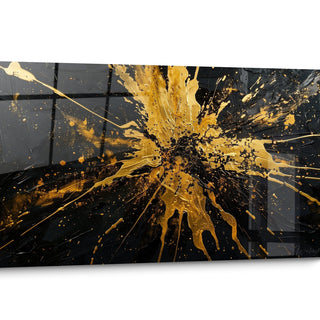 Black and Gold Abstract10
artworks
Black and Gold Abstract10
artworks
-
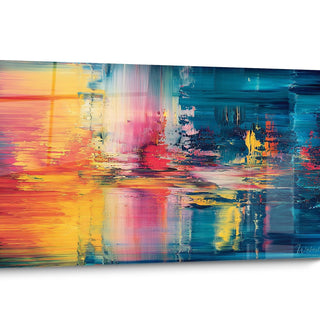 Abstract Scraped Style9
artworks
Abstract Scraped Style9
artworks
-
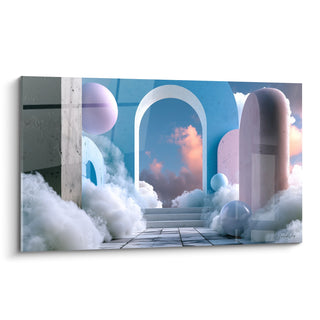 Abstract Architecture517
artworks
Abstract Architecture517
artworks
-
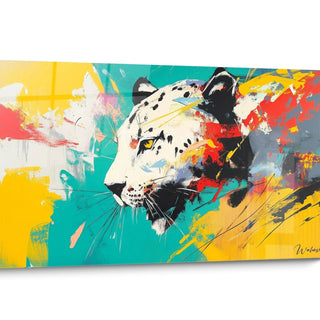 Abstract Artistic319
artworks
Abstract Artistic319
artworks
-
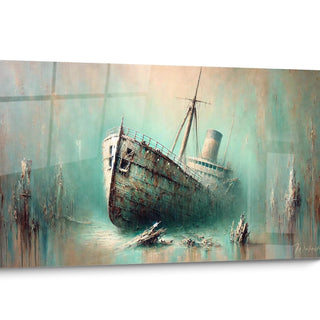 Abstract Boat228
artworks
Abstract Boat228
artworks
-
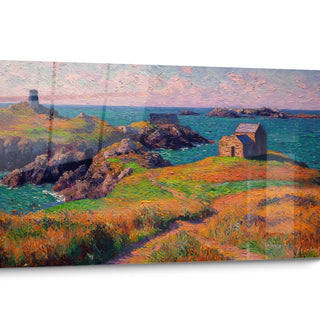 Abstract Seaside39
artworks
Abstract Seaside39
artworks
-
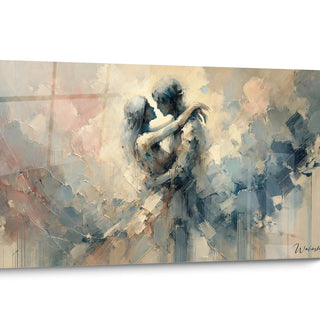 Abstract Body73
artworks
Abstract Body73
artworks
-
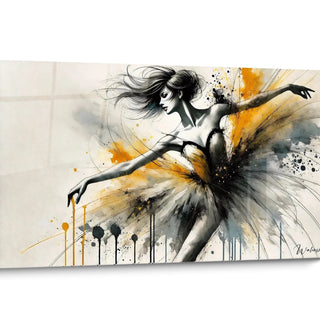 Abstract Dancer305
artworks
Abstract Dancer305
artworks
-
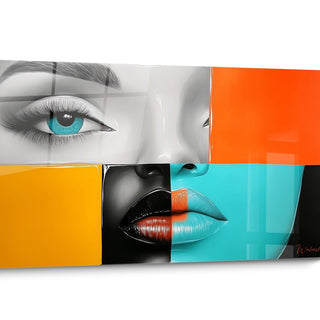 Abstract Figurative23
artworks
Abstract Figurative23
artworks
-
 Geometric392
artworks
Geometric392
artworks
-
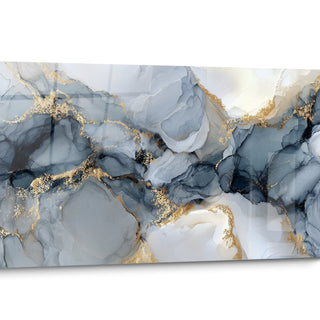 Abstract Marble169
artworks
Abstract Marble169
artworks
-
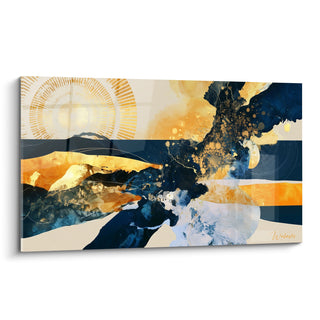 Modern Abstract106
artworks
Modern Abstract106
artworks
-
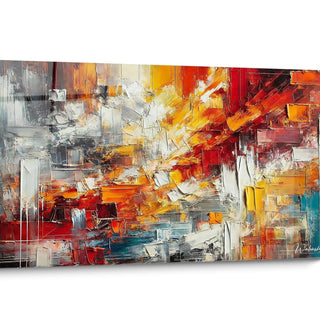 Contemporary Multicolour36
artworks
Contemporary Multicolour36
artworks
-
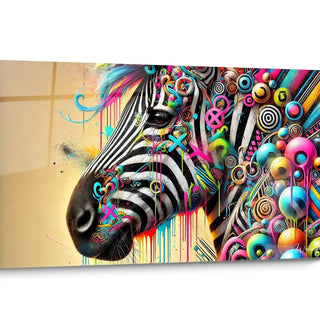 Multicolor Abstract224
artworks
Multicolor Abstract224
artworks
-
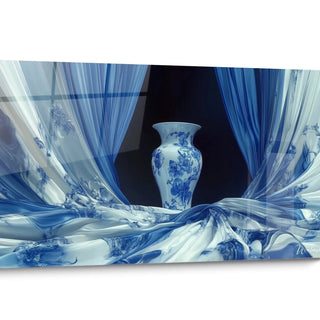 Abstract Still Life9
artworks
Abstract Still Life9
artworks
-
 Painting (style)638
artworks
Painting (style)638
artworks
-
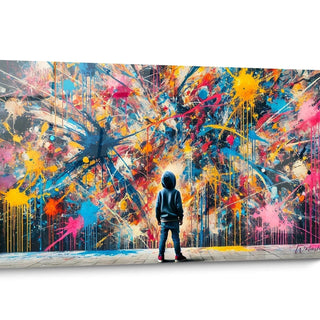 Abstract Pop Art5
artworks
Abstract Pop Art5
artworks
-
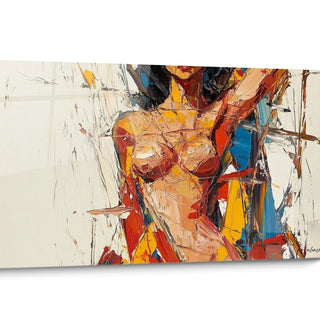 Sensual Abstract16
artworks
Sensual Abstract16
artworks
-
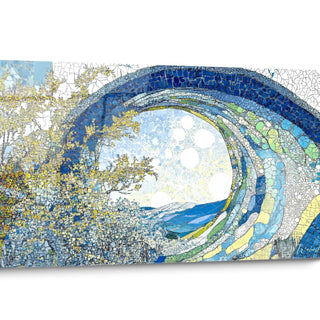 Abstract Spirals141
artworks
Abstract Spirals141
artworks
-
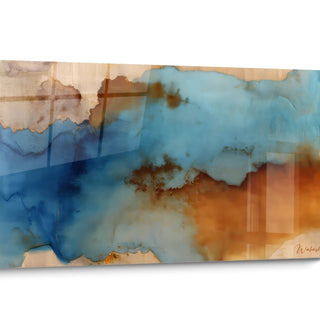 Textured Abstract39
artworks
Textured Abstract39
artworks
-
 Abstract Face508
artworks
Abstract Face508
artworks


All about Abstract Flower Wall Art
- Presentation Painting Abstract Flowers
- Painting abstract flowers and sensory atmosphere
- Flower paintings abstract and chromatic composition
- Abstract flower painting and emotional interpretation
Discover how an abstract flower painting can radically transform the atmosphere of your interior. These contemporary artworks go beyond simple floral representation to create an immersive and emotional visual experience. Explore our collection to find the piece that will enhance your living space.
How an Abstract Flower Painting Transforms the Sensory Experience of a Space
The integration of an abstract flower painting into your space represents much more than a simple decorative addition — it is a true sensory revolution that radically transforms the perception and feeling of a room. Unlike classical figurative representations, these abstract floral pictorial works create a unique dialogue between architectural space and human emotions.
How do abstract floral patterns influence our spatial perception?
Abstract floral compositions play a fundamental role in modifying our spatial perception. When a large-scale abstract flower painting is strategically placed, it creates a focal point that completely recalibrates the visual balance of the room. Organically suggested rather than literally represented forms generate an impression of spatial expansion, as if the walls were breathing in rhythm with the pictorial movements.
Studies in neuroesthetics demonstrate that our brain reacts differently to abstract floral patterns than to figurative representations. This particular neurological reaction explains why these paintings create a sense of spatial enlargement even in rooms with modest dimensions. The fluidity of abstract floral forms circumvents our habitual perceptual mechanisms, inviting us to experience space differently.
The impact of abstract floral representations on a room's acoustics
A rarely discussed aspect concerns the influence of large abstract floral paintings on the acoustic properties of a space. Works of significant dimensions act as sound regulators, absorbing certain frequencies and subtly modifying ambient resonance. This characteristic makes the abstract flower painting particularly well-suited to reception spaces where acoustic quality significantly contributes to the overall experience.
Floral compositions with pronounced textures can diffuse sound waves more harmoniously, creating a balanced acoustic atmosphere. This quality is particularly appreciated in contemporary interiors with multiple reflective surfaces (glass, metal, polished surfaces) that naturally tend to amplify sonic reverberations.
What tactile sensations does an abstract floral painting evoke?
Even without direct physical contact, an abstract flower painting generates a subconscious tactile response in the observer. The textures suggested by brushstrokes, impasto, and variations in material activate our sensory memories associated with touch. This virtual tactile stimulation significantly enriches the multisensory experience of the space.
Abstract representations of petals, stems, and foliage evoke sensations of softness, fragility, or robustness depending on the techniques employed by the artist. This suggested tactile dimension provides a valuable counterpoint to the uniformity of contemporary surfaces, bringing essential sensory richness to the perceptual balance of our interiors.
The fluctuating chromatic effects of abstract floral works
A quality abstract flower painting has the fascinating characteristic of transforming its chromatic palette according to lighting conditions. This daily metamorphosis offers an ever-evolving visual experience, unlike static decorative objects. Throughout the day, pigments react differently to changing natural light, revealing unsuspected nuances.
This chromatic variability explains why abstract floral paintings maintain their power to fascinate over the long term. Unlike other decorative elements that may become tiresome over time, these works visually renew themselves based on seasons, solar orientation, and even the artificial light sources used.
- Perceptual variations according to observation angle
- Chromatic metamorphoses throughout the hours
- Specific interactions with different light sources
- Amplified seasonal resonances
The olfactory influence suggested by abstract floral compositions
Through a phenomenon of visual synesthesia, a powerful abstract flower painting can trigger unconscious olfactory associations. Suggestive representations of flowers, even in their most abstract forms, activate our sensory memories associated with floral scents. This virtual olfactory dimension significantly enriches the immersive experience of the space.
This cross-sensory stimulation explains why spaces adorned with abstract floral paintings are often perceived as more welcoming and remembered more durably by visitors. The multisensory experience, even when operating at a subliminal level, creates a deep emotional anchoring with the environment.
The Unique Chromatic Balance of Abstract Flower Paintings in Contemporary Interiors
The power of an abstract flower painting lies primarily in its distinctive chromatic composition that transcends conventional palettes. Unlike figurative works where colors serve representation, abstract floral compositions exploit hues as autonomous expressive elements, creating a sophisticated chromatic dialogue with the surrounding space.
Abstract floral microcontrasts and their impact on spatial perception
Contemporary abstract floral paintings are distinguished by their masterful use of chromatic microcontrasts. These subtle juxtapositions of close yet distinct nuances create an imperceptible visual vibration at a distance but intensify as the observer approaches. This unique characteristic generates different visual experiences depending on viewing distance.
These microcontrasts, particularly present in large-scale abstract floral representations, actively stimulate our perceptual system, keeping the eye in constant exploration. This continuous visual activation explains why these paintings retain their power to fascinate over the long term, unlike monochromatic compositions that tend to fade perceptually with habit.
How do floral chromatic harmonies interact with architectural lighting?
The interaction between an abstract flower painting and contemporary lighting systems creates a particularly sophisticated visual phenomenon. The pigments used in these works possess variable reflective properties that react differently depending on the type of lighting (LED, halogen, natural light). This specific reactivity transforms the work into a true light modulator for the surrounding space.
Abstract floral compositions with warm dominants (reds, oranges, yellows) subtly project their hues onto adjacent surfaces, creating an enveloping atmosphere that lighting alone could not produce. Conversely, works with cool tonalities generate an impression of spatial expansion particularly appreciated in interiors with limited dimensions.
- Chromatic reverberations on adjacent surfaces
- Amplified light transitions by reactive pigments
- Zones of compression and visual expansion according to seasons
- Specific chromatic modulations based on time of day
Inverted seasonal palettes in abstract floral art
A particularly interesting approach in contemporary abstract floral paintings consists of deliberately inverting seasonal chromatic associations. Thus, a composition evoking spring floral patterns but using an autumnal palette creates a fascinating visual tension that stimulates our habitual perceptual mechanisms.
This dissonant chromatic strategy generates permanent dialogue between our natural references and the aesthetic experience proposed. The abstract flower painting then becomes an activator of seasonal consciousness, particularly valuable in urban environments where connection to natural cycles tends to fade.
Chromatic stratification and its effects on ambient luminosity
Contemporary abstract floral compositions frequently employ a chromatic stratification technique where translucent layers overlap to create color depths impossible to obtain through simple mixing. This structural complexity gives the abstract flower painting particular reflective properties that selectively amplify ambient luminosity.
This targeted luminous amplification allows subtle correction of lighting imbalances in a space. A strategically positioned painting can thus redirect and modulate available light, actively contributing to overall luminous balance rather than being simply passively illuminated.
Monochromatic floral compositions and their influence on temporal perception
Some abstract floral paintings deliberately explore subtle variations within a restricted chromatic range. These sophisticated monochromatic works have demonstrated a notable effect on our subjective perception of time. Studies in environmental psychology suggest that these compositions slow our temporal perception, creating a sensation of present moment expansion.
This subtle temporal modulation makes the monochromatic abstract flower painting a particularly suitable element for spaces dedicated to contemplation, meditation, or decompression after intensive activities. The chromatic uniformity, far from being monotonous, becomes a precious psychophysiological regulator in our contemporary environments often saturated with disparate stimulations.
The Unique Emotional Interpretation of Abstract Flower Paintings in Contemporary Art
The interpretative dimension of an abstract flower painting constitutes its fundamental value beyond its immediate aesthetic qualities. Unlike figurative representations that impose a predetermined reading, abstract floral compositions open a space for personal interpretation that evolves with our own emotional and intellectual development.
The evolving emotional resonance of abstract floral motifs
A particularly fascinating phenomenon of abstract floral paintings lies in their capacity to evolve emotionally with their owner. The affective resonance they provoke transforms subtly over the years, reflecting the inner changes of the observer. This characteristic makes them life companions rather than simple static decorative objects.
This interpretative evolution explains why a quality abstract flower painting retains its emotional relevance over the long term, unlike single-reading works that may quickly lose their initial impact. Abstract florals, by their very nature, offer an infinite terrain of emotional exploration that renews itself with our own existential journey.
What impact do abstract floral representations have on our daily emotional states?
Recent research in environmental psychology demonstrates that regular exposure to abstract floral compositions subtly but significantly influences our daily emotional states. Unlike figurative representations that generate more precise but ephemeral emotional responses, abstract florals produce a more lasting modulatory effect on our psychological balance.
Organically suggested rather than explicitly represented forms activate our recognition mechanisms through analogy, maintaining our brain in a state of constructive engagement. This moderate but constant cognitive stimulation would explain the soothing but non-soporific effect of abstract floral paintings in residential and professional environments.
- Activation of neurological circuits associated with organic form recognition
- Stimulation of the right hemisphere by controlled interpretative ambiguity
- Gradual emotional modulation rather than immediate reaction
- Sustained cognitive engagement over the long term
Interpretative ambiguity as the added value of abstract floral compositions
The ambiguity deliberately cultivated in an abstract flower painting represents its true interpretative richness. Floral suggestions that emerge and dissolve depending on the observation angle or the viewer's state of mind create a continuously renewed visual experience, escaping the perceptual saturation affecting explicit images.
This characteristic makes abstract floral paintings particularly suitable elements for shared spaces where different sensibilities coexist. Each observer can project their own interpretation without a single reading imposing itself, thus facilitating collective appropriation of the work in varied social or professional contexts.
Non-verbal communication facilitated by abstract floral motifs
Psychologists specializing in art therapy emphasize the unique capacity of abstract floral compositions to facilitate non-verbal communication of complex emotions. In therapeutic and wellness spaces, these works frequently serve as visual mediators enabling expression of feelings difficult to verbalize.
This mediating function explains the growing presence of abstract floral paintings in environments dedicated to dialogue, negotiation, or conflict resolution. Abstract florals, by their very nature, create a neutral but emotionally evocative visual territory that facilitates exchanges on emotionally charged subjects.
FAQ on abstract flower paintings
How do I choose the ideal size of an abstract flower painting for my space?
To maximize the impact of an abstract flower painting, favor imposing formats that ideally occupy 60-70% of the wall's height. This proportion allows the work to create a true immersive field rather than a simple focal point. In contemporary spaces with high ceilings, do not hesitate to opt for vertical formats that will accentuate the impression of elevation.
Do abstract flower paintings suit all interior styles?
Contrary to popular belief, abstract floral compositions transcend traditional style categorizations. Their abstract nature allows them to dialogue equally well with contemporary minimalist environments and more classical interiors where they bring stimulating visual tension. The essential consideration lies in choosing a chromatic palette that establishes coherent dialogue with the existing environment.
How does an abstract flower painting evolve visually over time?
Quality abstract floral paintings present a subtle but perceptible chromatic evolution over the long term. This natural patina, far from being a flaw, progressively enriches the work with unique temporal depth. Pigments react differently to light exposure, creating chromatic modulations that personalize the work to its specific environment and its shared history with its owners.
Further reading


