


Seal Paintings
Discover our collection of Seal Paintings, a unique selection of wall art inspired by the grace and beauty of seals in their natural habitat. Each artwork captures the elegance and serenity of these majestic animals, bringing a touch of nature to your interior. Our paintings, with realistic details and soothing colors, are ideal for creating a relaxing and harmonious atmosphere. Elevate your space with this animal art collection, where each piece tells a fascinating story of marine life.
 Seal Dance Canvas - Seal Animals Edition233,90 €
 Fluid Like a Seal Wall Art - Seal Animals Edition233,90 €
 Graceful Sea Canvas - Seal Animals Edition233,90 €
 Walrus Painting Conclave of Giants - Seal Edition232,90 €
 Seal Painting Resting on Shore - Seal Edition213,90 €
In the same family
Also explore the theme Animals
-
 View all9925
artworks
View all9925
artworks
-
 Bee54
artworks
Bee54
artworks
-
 Eagle18
artworks
Eagle18
artworks
-
 Donkey15
artworks
Donkey15
artworks
-
 Savannah Wildlife94
artworks
Savannah Wildlife94
artworks
-
 Antelope5
artworks
Antelope5
artworks
-
 Spider8
artworks
Spider8
artworks
-
 Other Animals24
artworks
Other Animals24
artworks
-
 Ostrich75
artworks
Ostrich75
artworks
-
 Axolotl47
artworks
Axolotl47
artworks
-
 Whale89
artworks
Whale89
artworks
-
 Ram315
artworks
Ram315
artworks
-
 Beluga169
artworks
Beluga169
artworks
-
 Hermit-Crab12
artworks
Hermit-Crab12
artworks
-
 Doe10
artworks
Doe10
artworks
-
 Bison8
artworks
Bison8
artworks
-
 Buffalo12
artworks
Buffalo12
artworks
-
 Sperm Whale8
artworks
Sperm Whale8
artworks
-
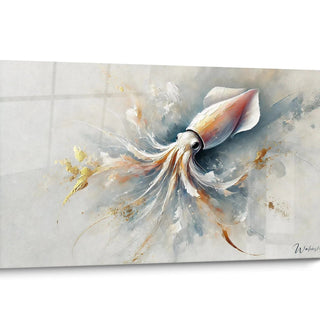 Giant Squid6
artworks
Giant Squid6
artworks
-
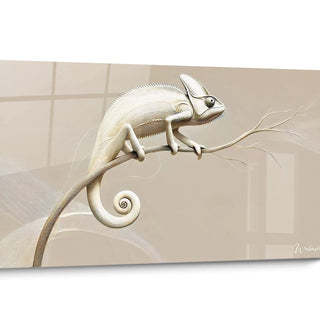 Chameleon20
artworks
Chameleon20
artworks
-
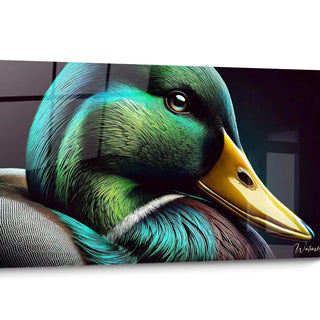 Duck340
artworks
Duck340
artworks
-
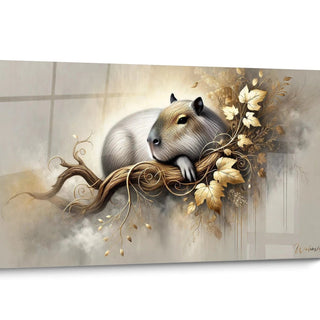 Capybara3
artworks
Capybara3
artworks
-
 Caracal15
artworks
Caracal15
artworks
-
 Caribou4
artworks
Caribou4
artworks
-
 Koi Carp130
artworks
Koi Carp130
artworks
-
 Beaver9
artworks
Beaver9
artworks
-
 Deer26
artworks
Deer26
artworks
-
 Camel3
artworks
Camel3
artworks
-
 Cat1218
artworks
Cat1218
artworks
-
 Bat10
artworks
Bat10
artworks
-
 Horse46
artworks
Horse46
artworks
-
 Mountain Goat3
artworks
Mountain Goat3
artworks
-
 Dog3055
artworks
Dog3055
artworks
-
 Chimpanzee12
artworks
Chimpanzee12
artworks
-
 Owl19
artworks
Owl19
artworks
-
 Stork16
artworks
Stork16
artworks
-
 Ladybug7
artworks
Ladybug7
artworks
-
 Pig8
artworks
Pig8
artworks
-
 Guinea Pig13
artworks
Guinea Pig13
artworks
-
 Hummingbird23
artworks
Hummingbird23
artworks
-
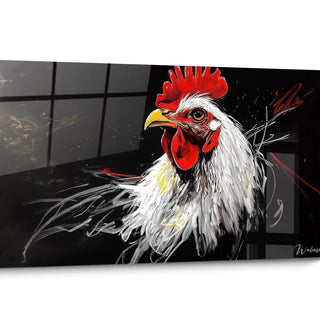 Rooster9
artworks
Rooster9
artworks
-
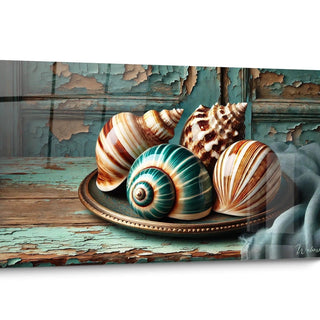 Seashell6
artworks
Seashell6
artworks
-
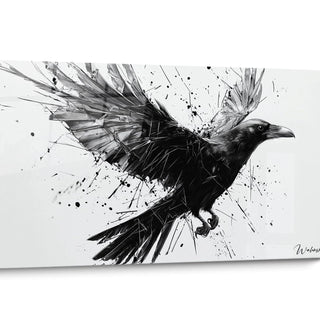 Raven9
artworks
Raven9
artworks
-
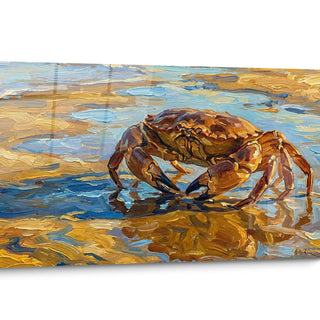 Crab5
artworks
Crab5
artworks
-
 Toad8
artworks
Toad8
artworks
-
 Shrimp5
artworks
Shrimp5
artworks
-
 Crocodile4
artworks
Crocodile4
artworks
-
 Swan189
artworks
Swan189
artworks
-
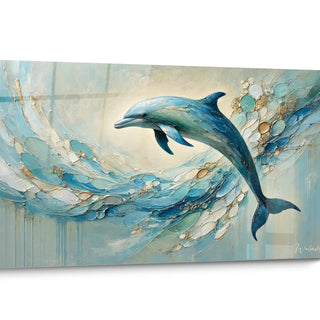 Dolphin11
artworks
Dolphin11
artworks
-
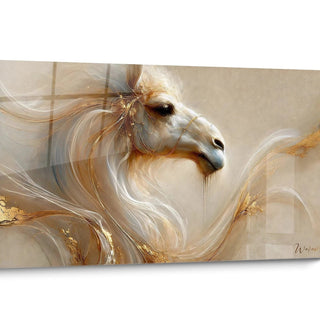 Dromedary4
artworks
Dromedary4
artworks
-
 Squirrel15
artworks
Squirrel15
artworks
-
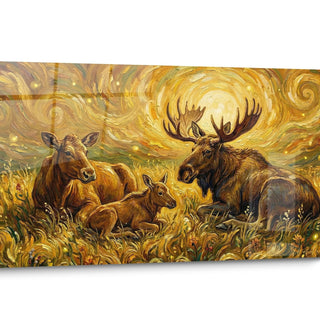 Elan13
artworks
Elan13
artworks
-
 Elephant80
artworks
Elephant80
artworks
-
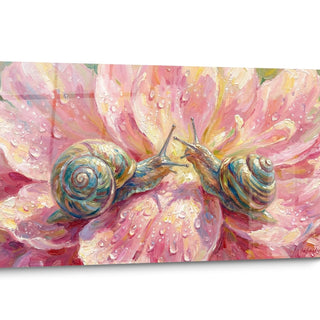 Snail11
artworks
Snail11
artworks
-
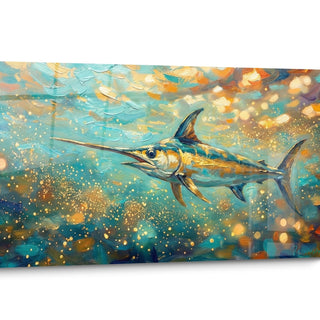 Swordfish4
artworks
Swordfish4
artworks
-
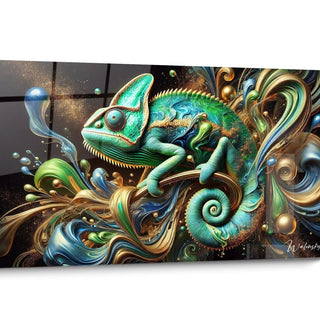 Wild Essence25
artworks
Wild Essence25
artworks
-
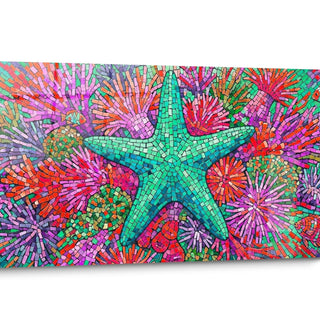 Starfish19
artworks
Starfish19
artworks
-
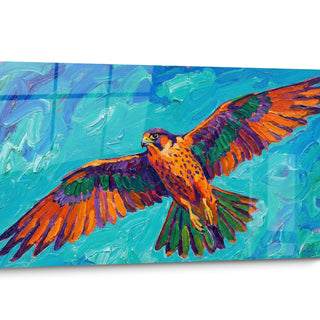 Falcon16
artworks
Falcon16
artworks
-
 Fennec256
artworks
Fennec256
artworks
-
 Pink Flamingo30
artworks
Pink Flamingo30
artworks
-
 Ant19
artworks
Ant19
artworks
-
 Ferret17
artworks
Ferret17
artworks
-
 Gazelle4
artworks
Gazelle4
artworks
-
 Giraffe183
artworks
Giraffe183
artworks
-
 Wildebeest3
artworks
Wildebeest3
artworks
-
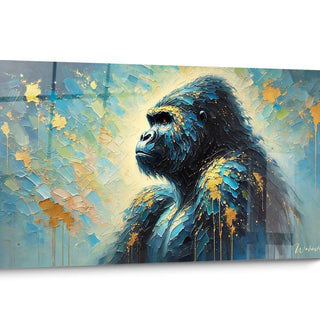 Gorilla15
artworks
Gorilla15
artworks
-
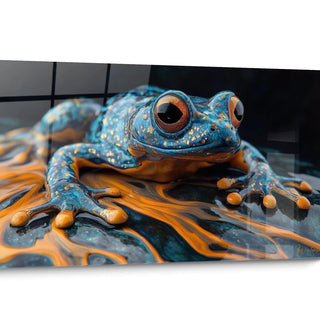 Frog65
artworks
Frog65
artworks
-
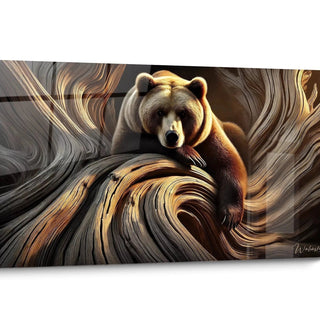 Grizzly3
artworks
Grizzly3
artworks
-
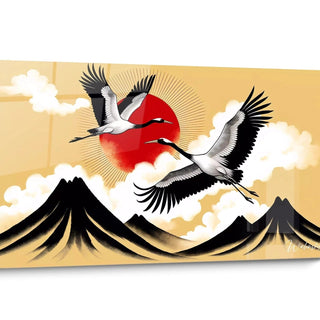 Crane10
artworks
Crane10
artworks
-
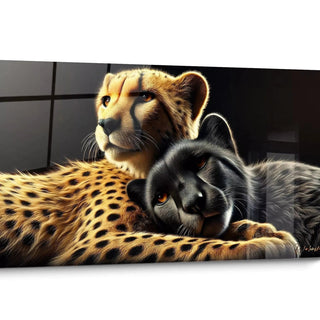 Cheetah7
artworks
Cheetah7
artworks
-
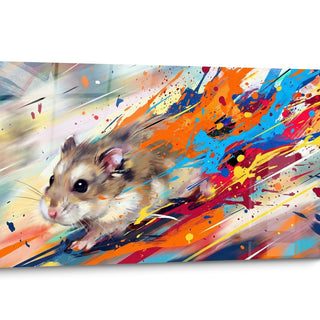 Hamster17
artworks
Hamster17
artworks
-
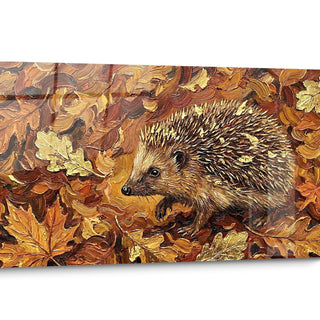 Hedgehog8
artworks
Hedgehog8
artworks
-
 Heron37
artworks
Heron37
artworks
-
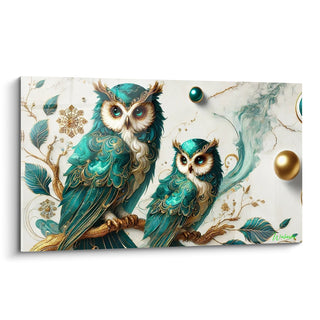 Owl42
artworks
Owl42
artworks
-
 Seahorse34
artworks
Seahorse34
artworks
-
 Hippopotamus4
artworks
Hippopotamus4
artworks
-
 Lobster8
artworks
Lobster8
artworks
-
 Hyena14
artworks
Hyena14
artworks
-
 Iguana6
artworks
Iguana6
artworks
-
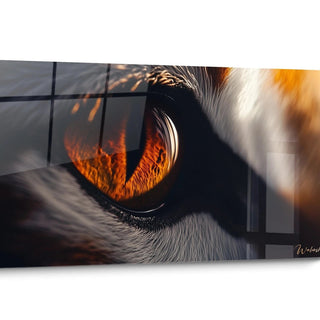 Animal Eye6
artworks
Animal Eye6
artworks
-
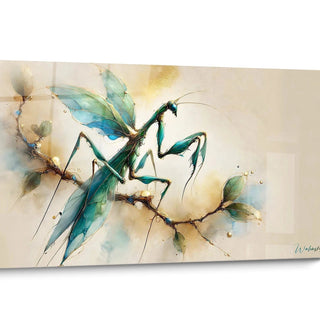 Insect5
artworks
Insect5
artworks
-
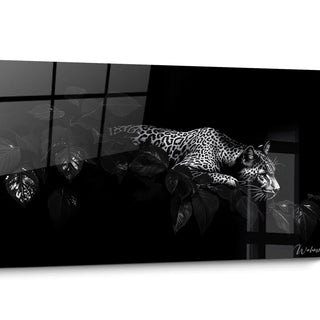 Jaguar6
artworks
Jaguar6
artworks
-
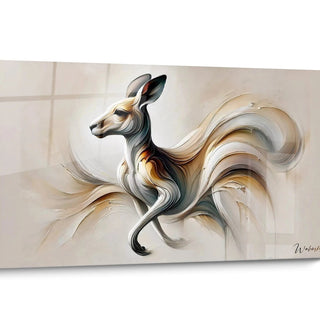 Kangaroo9
artworks
Kangaroo9
artworks
-
 Koala18
artworks
Koala18
artworks
-
 Llama107
artworks
Llama107
artworks
-
 Rabbit15
artworks
Rabbit15
artworks
-
 Lemur3
artworks
Lemur3
artworks
-
 Dragonfly4
artworks
Dragonfly4
artworks
-
 Unicorn3
artworks
Unicorn3
artworks
-
 Lion170
artworks
Lion170
artworks
-
 Lion Cub4
artworks
Lion Cub4
artworks
-
 Lioness6
artworks
Lioness6
artworks
-
 Wolf13
artworks
Wolf13
artworks
-
 Otter6
artworks
Otter6
artworks
-
 Lynx7
artworks
Lynx7
artworks
-
 Puffin2
artworks
Puffin2
artworks
-
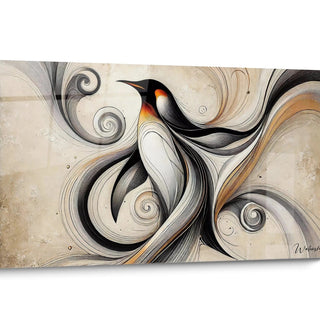 Penguin10
artworks
Penguin10
artworks
-
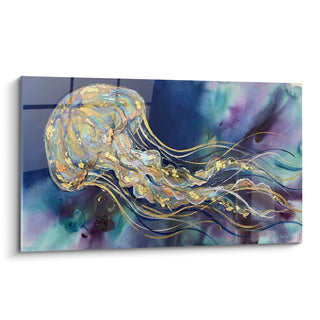 Jellyfish17
artworks
Jellyfish17
artworks
-
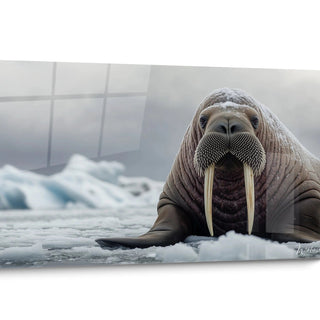 Morse3
artworks
Morse3
artworks
-
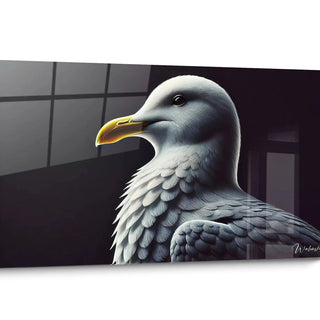 Seagull4
artworks
Seagull4
artworks
-
 Mold14
artworks
Mold14
artworks
-
 Sheep6
artworks
Sheep6
artworks
-
 Narwhal66
artworks
Narwhal66
artworks
-
 Ocelot3
artworks
Ocelot3
artworks
-
 Birds15
artworks
Birds15
artworks
-
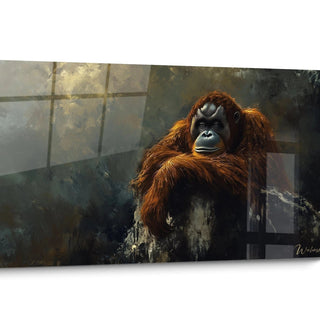 Orangutan10
artworks
Orangutan10
artworks
-
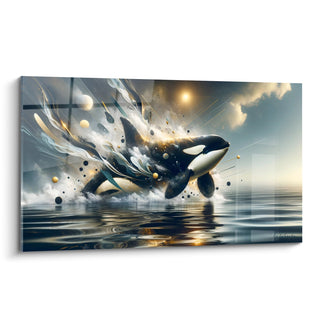 Orca28
artworks
Orca28
artworks
-
 Brown Bear334
artworks
Brown Bear334
artworks
-
 Polar Bear289
artworks
Polar Bear289
artworks
-
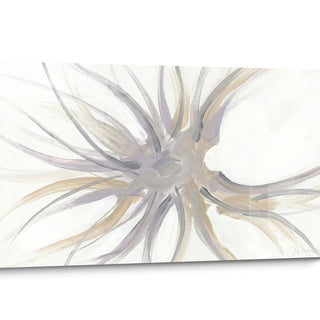 Sea Urchin9
artworks
Sea Urchin9
artworks
-
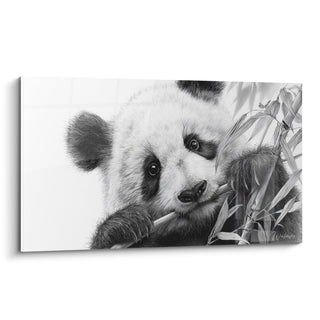 Giant Panda69
artworks
Giant Panda69
artworks
-
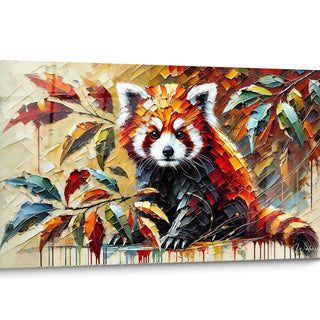 Red Panda11
artworks
Red Panda11
artworks
-
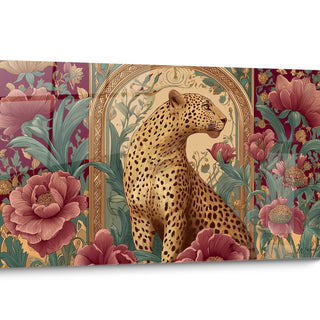 Panther19
artworks
Panther19
artworks
-
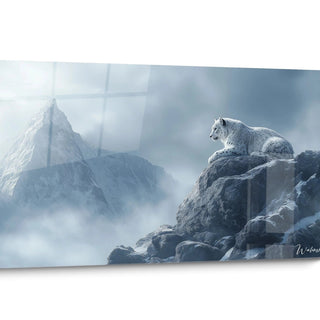 Snow Leopard8
artworks
Snow Leopard8
artworks
-
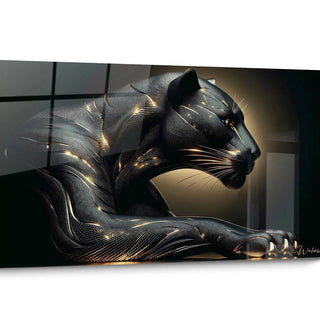 Black Panther10
artworks
Black Panther10
artworks
-
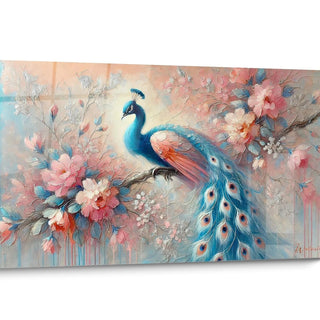 Peacock25
artworks
Peacock25
artworks
-
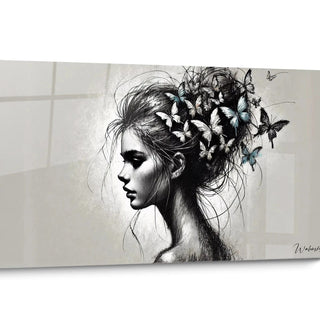 Butterfly14
artworks
Butterfly14
artworks
-
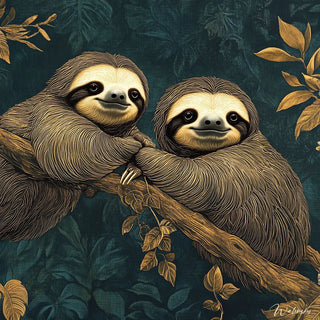 Lazy Sloth3
artworks
Lazy Sloth3
artworks
-
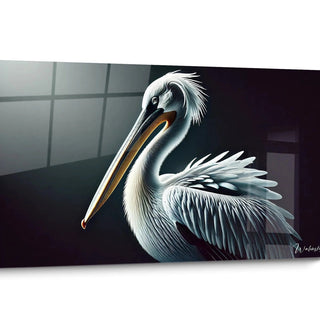 Pelican3
artworks
Pelican3
artworks
-
 Parrot211
artworks
Parrot211
artworks
-
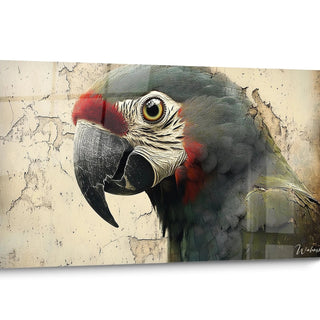 Parakeet5
artworks
Parakeet5
artworks
-
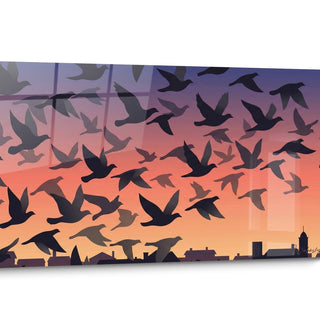 Pigeon10
artworks
Pigeon10
artworks
-
 Penguin274
artworks
Penguin274
artworks
-
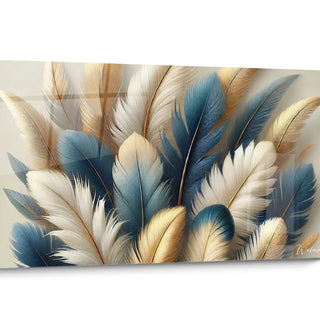 Feather60
artworks
Feather60
artworks
-
 Fish18
artworks
Fish18
artworks
-
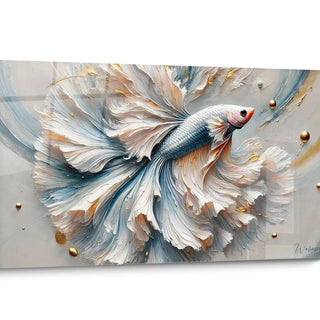 Betta Fish12
artworks
Betta Fish12
artworks
-
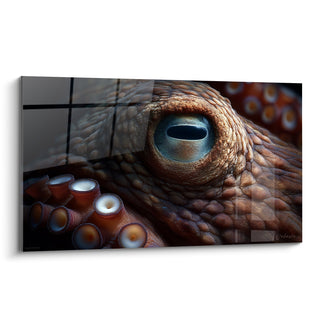 Octopus59
artworks
Octopus59
artworks
-
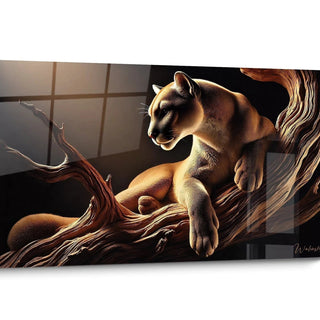 Puma3
artworks
Puma3
artworks
-
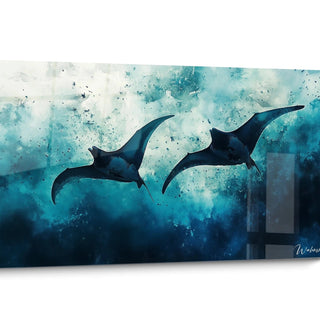 Manta Ray4
artworks
Manta Ray4
artworks
-
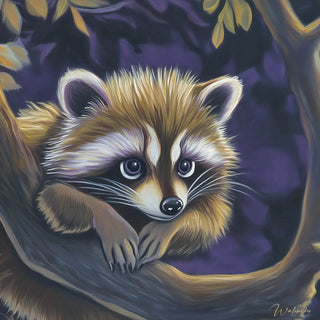 Raccoon2
artworks
Raccoon2
artworks
-
 Fox141
artworks
Fox141
artworks
-
 Shark126
artworks
Shark126
artworks
-
 Rhinoceros21
artworks
Rhinoceros21
artworks
-
 Salamander14
artworks
Salamander14
artworks
-
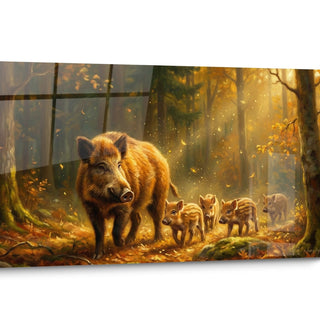 Wild Boar15
artworks
Wild Boar15
artworks
-
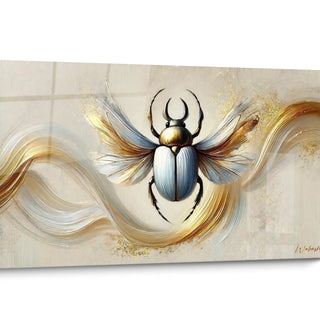 Scarab3
artworks
Scarab3
artworks
-
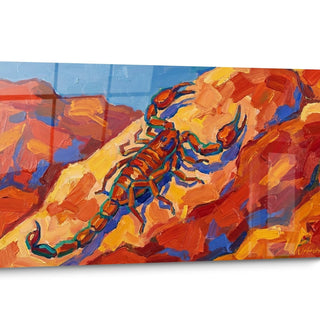 Scorpion9
artworks
Scorpion9
artworks
-
 Serpent102
artworks
Serpent102
artworks
-
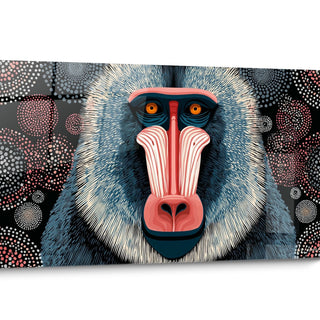 Monkey14
artworks
Monkey14
artworks
-
 Meerkat1
artwork
Meerkat1
artwork
-
 Tapir52
artworks
Tapir52
artworks
-
 Armadillo3
artworks
Armadillo3
artworks
-
 Bull281
artworks
Bull281
artworks
-
 Tiger316
artworks
Tiger316
artworks
-
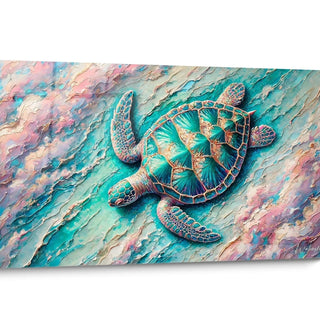 Sea Turtle18
artworks
Sea Turtle18
artworks
-
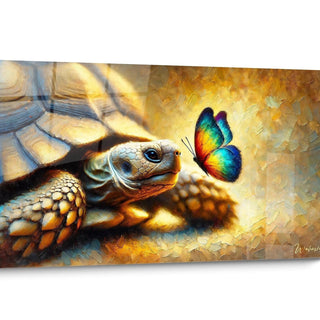 Terrestrial Turtle14
artworks
Terrestrial Turtle14
artworks
-
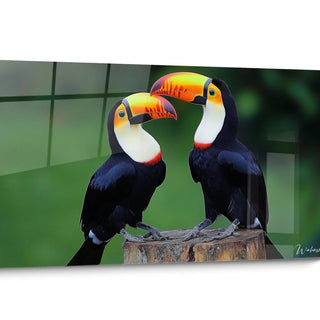 Toucan7
artworks
Toucan7
artworks
-
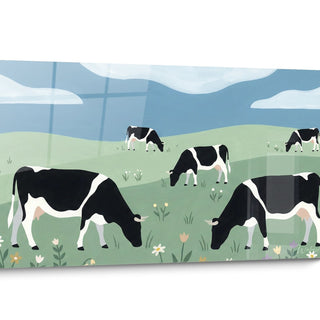 Cow9
artworks
Cow9
artworks
-
 Vulture5
artworks
Vulture5
artworks
-
 Zebra49
artworks
Zebra49
artworks


All about Seal Paintings
- Seal Wall Art Presentation
- Seal Wall Art Nordic Influence
- Seal Wall Art Marine Decoration
- Seal Wall Art Animal Symbolism
Seal wall art represents a fascinating category of mural decoration that transcends a simple decorative element to become a true immersion into the Arctic marine universe. These artworks feature one of the most emblematic marine mammals of the polar regions, capturing both their underwater grace and their endearing attitude on the ice floe. Perfect for enthusiasts of marine life, polar ecosystems, or simply for those seeking to infuse a unique natural ambiance into their interior, these animal wall art stand out for their ability to evoke profound emotions and create a connection with wild nature, even in an urban space.
The Nordic Influence of Seal Wall Art in Contemporary Interiors
Seal wall art constitutes a distinctive decorative element that transcends simple wall ornamentation to become a true expression of Nordic aesthetics. These artistic representations draw from the visual traditions of Arctic peoples, for whom the seal represents far more than an animal – it is a cultural symbol deeply rooted in their daily life and legends.
Why do seal wall art pieces transform a room's ambiance differently than other animal representations?
Unlike more common representations such as feline or exotic bird wall art, seal wall art brings a unique dimension of glacial serenity to your space. The color palette naturally associated with these marine mammals – shades of grey, deep blues, and immaculate whites – automatically introduces Scandinavian design codes into your interior. This particular harmony could not be reproduced with other animals that do not evolve in these specific ecosystems.
The natural texture contrasts suggested by these wall art pieces – between the softness of fur, the transparency of water, and the roughness of ice – create a visual dynamic that only this species can embody in its natural habitat. The eye is naturally guided through these different materials, provoking a soothing contemplation highly sought after in contemporary interiors.
The influence of Inuit traditions in the artistic representation of the seal
Inuit artistic tradition has always accorded a preponderant place to the seal in its representations. These modern seal wall art pieces perpetuate this heritage by reinterpreting ancestral visual codes. In Inuit culture, the seal is never represented as a simple decorative figure, but as a being bearer of soul and wisdom.
The compositions of these artworks often unconsciously draw inspiration from the spatial arrangement of traditional soapstone sculptures, where the animal is represented in a posture at once dynamic and meditative. This subtle influence confers upon seal wall art an authentic cultural dimension that other animal representations do not possess.
• Integration of traditional Inuit motifs in borders or backgrounds
• Use of perspectives typical of northern shamanic representations
• Visual references to polar legends where the seal plays the role of messenger between worlds
How do seal wall art pieces create a unique emotional connection with the observer?
The seal's distinctive gaze, characterized by its large expressive eyes, establishes direct visual contact with the observer. This particularity, inherent to seal representations, creates an immediate sense of connection that fundamentally differs from the experience provoked by other animal wall art. Neuroscientists have moreover demonstrated that our brain reacts differently to this type of frontal gaze, activating zones linked to empathy.
This silent communication between the artwork and its spectator transforms the seal wall art into a living element of your decoration, capable of evolving according to your state of mind. In a moment of calm, you will see the serenity of the animal floating peacefully; in a moment of questioning, its gaze will seem to offer you a silent reflection on your own existence.
The seasonal evolution of seal wall art in your living space
A fascinating and little-known characteristic of seal wall art is its capacity to evolve visually according to seasonal lighting. In winter, when natural light becomes rarer and colder, the bluish and silvery nuances typical of these works acquire a particular depth, transforming your space into a warm polar refuge by contrast.
In summer, these same wall art pieces reveal more of the white subtleties and textures evoking ice, creating a naturally refreshing effect in your interior. This visual metamorphosis throughout the seasons constitutes a unique advantage that only wall art representing Arctic environments can offer.
• In autumn: contrasts between the animal and its environment intensify
• In winter: silvery reflections acquire an almost metallic dimension
• In spring: nuances of water and melting ice become more evident
• In summer: naturally refreshing and soothing visual effect
Specific complementarity with contemporary Nordic furniture
The refined lines of Scandinavian design find a perfect echo in the naturally streamlined silhouette of the seal. This formal harmony creates a visual coherence impossible to reproduce with other animal wall art. The hydrodynamic body of these marine mammals, devoid of sharp angles, naturally integrates into spaces designed according to hygge and lagom principles.
Nordic interior designers frequently recommend seal wall art as a focal point in a room furnished with emblematic creations such as Arne Jacobsen's Egg chairs or String shelving. This association creates a coherent visual narrative that tells the story of a lifestyle in harmony with Nordic nature.
The large size of these wall art pieces allows you to create a true statement in your interior, becoming the founding element of your decorative palette around which your other design choices will gravitate.
Seal Wall Art: The Art of Creating an Authentic Marine Atmosphere
Seal wall art represents far more than simple wall decoration – it constitutes a sensory immersion into the Arctic marine universe. Unlike classic marine representations centered on corals or tropical fish, these works capture the very essence of polar ecosystems, offering a unique perspective on the underwater life of cold regions.
How does seal wall art radically transform a room's acoustics?
A little-known but fascinating aspect of large-format seal wall art concerns its impact on your space's acoustics. Representations of these marine mammals, particularly when depicting underwater scenes with bubbles and currents, create visually a sensation of fluid space that unconsciously influences our auditory perception of the environment.
Psychoacousticians have documented this phenomenon called "visuo-auditory resonance", where prolonged exposure to images evoking the underwater world modifies our processing of ambient sound stimuli. In a room adorned with seal wall art, occupants frequently report a subjective impression of softening ambient sounds, as if filtered through water.
This characteristic makes seal wall art a particularly judicious choice for relaxation or concentration spaces, where it contributes to creating a sound bubble perceived as more soothing – a property that other animal wall art does not possess to the same degree.
The natural hygrometric regulation of spaces adorned with seal wall art
Large seal wall art pieces, due to their aquatic subject and the representation techniques used, present a singular capacity to visually balance the perceived humidity of a space. In modern interiors often affected by dryness due to heating systems, these works bring an immediate sensation of hydrating freshness.
This phenomenon is explained by the predominance of cool and aquatic tones dominating these wall art pieces. Our brain establishes synesthetic associations between visual stimuli related to water and our perception of the immediate environment. Environmental psychology research demonstrates that a space adorned with aquatic imagery is systematically perceived as more comfortable on the hygrometric level, even when actual conditions remain unchanged.
• Visual attenuation of the sensation of dryness in heated environments
• Psychological cooling effect during heat wave periods
• Improved perceived respiratory comfort in confined urban spaces
The unique chromatic evolution of seal wall art under different light sources
A remarkable and exclusive property of seal wall art lies in its visual metamorphosis depending on lighting. The pigments used to represent the characteristic fur of these marine mammals possess variable reflectance that expresses differently according to the color temperature of the light source.
Under LED lighting at 3000K (amber), the silvery nuances of the fur develop unexpected warm reflections that beautifully contrast with blue ocean backgrounds. Conversely, under natural Nordic lighting or LED lighting at 5000K, these same surfaces reveal their most authentic dimension, with subtle micro-nuances of grey, silver, and beige subtly pearlescent.
This chameleon-like quality allows seal wall art to evolve aesthetically throughout the day and seasons, offering a dynamic visual experience that no other type of animal wall art can propose with such amplitude.
Polar marine biophilia: the specific psychological impact of seal wall art
Biophilic design – which aims to reconnect humans to nature – finds in seal wall art a particularly powerful expression. Unlike classic biophilia representations centered on vegetation or terrestrial landscapes, these works activate a connection with an ecosystem rarely accessible in our daily lives: the Arctic marine world.
Neuropsychologists specializing in the impact of biophilic elements on well-being have identified that representations of Arctic marine mammals trigger specific brain responses associated with meditative contemplation. Regular observation of seal wall art stimulates the production of alpha waves, characteristic of calm and attentive states of consciousness.
This neurological specificity makes seal wall art a recognized therapeutic tool in certain Nordic healthcare environments, where it is used to facilitate post-operative recovery and reduce the perception of chronic pain – an application impossible with more common or abstract animal representations.
The integration of seal wall art in transitional habitat spaces
Interior architects specializing in the creation of emotionally high-value spaces recommend seal wall art specifically for transitional zones of the home – those intermediate spaces between different functions such as hallways, landings, or entrances.
This recommendation is based on the very nature of the seal as a transitional animal, naturally evolving between two worlds – aquatic and terrestrial. This passage symbolism particularly resonates in these intermediate spaces, creating a visual metaphor of the movement and transformation accompanying our displacement throughout the home.
By positioning a large-format seal wall art in these transitional zones, you create a visual anchor point that fluidifies passage between different atmospheres of your interior. This "emotional airlock" function is unique to representations of amphibious animals, the seal being considered the most aesthetic and harmonious of this category.
The Profound Symbolism of Seal Wall Art in Contemporary Art
Seal wall art occupies a singular place in contemporary mural art, conveying a symbolic richness rarely equaled by other animal representations. Beyond their immediate aesthetic dimension, these works condense ancestral meanings that our subconscious continues to perceive and interpret, even in our modern interiors.
How does the seal's specific gaze influence our daily emotional state?
The seal's characteristic gaze, with its large expressive black eyes, creates a direct visual connection with the observer. This anatomical particularity, faithfully reproduced in quality seal wall art, activates specific neurological mechanisms associated with interspecific empathy – this capacity to feel an emotional connection with another species.
Studies in affective neuroscience demonstrate that daily exposure to this type of animal gaze triggers the release of neuropeptides associated with well-being, notably oxytocin, known as the "attachment hormone". This phenomenon is particularly pronounced with seal representations, whose facial structure presents an ocular configuration reminiscent of human newborns.
This subtle yet constant neurochemical stimulation transforms the seal wall art into a passive emotional regulator in your daily space, capable of attenuating stress peaks and fostering a state of attentive presence – a therapeutic property that other animal wall art does not possess to the same degree.
The unique dual symbolic nature of the seal in the collective imagination
In world cultural history, the seal occupies a singular symbolic position as a being of "dual nature" – neither completely aquatic, nor truly terrestrial. This fundamental ambivalence confers upon it a status of intermediary between different dimensions of existence found in numerous mythological traditions.
Seal wall art actualizes this ancestral symbolism in our contemporary interiors, subtly introducing a transitional dimension to them. It visually embodies this capacity to navigate between different worlds – a powerful metaphor in the era of fluid identities and constant adjustments to changing environments.
• Symbolism of adaptation: capacity to thrive in extremely diverse environments
• Representation of resilience in the face of environmental transformations
• Visual metaphor of contemporary identity fluidity
• Artistic expression of balance between vulnerability and power
The integration of seal wall art in Nordic chromotherapy practices
Nordic chromotherapy – a therapeutic approach using colors to influence psychic and physical state – increasingly incorporates seal wall art in its protocols. This trend is explained by the color palette naturally associated with these marine mammals, which precisely combines the nuances considered most effective in this discipline.
The silvery greys, deep blues, and pearlescent whites dominating these representations constitute the chromatic triad identified as optimal for stimulating mental clarity while fostering physical relaxation – a balance particularly sought in our hyperconnected and overburdened societies.
Nordic chromotherapy practitioners specifically recommend seal wall art for spaces dedicated to intellectual or creative work, where they naturally foster entry into a state of "flow" – this optimal immersion in an activity where effort seems suspended and creativity amplified.
The seal as mediator between consciousness and unconscious in mural art
In Jungian analysis of archetypal symbols, the seal occupies a remarkable position as a figure mediating between levels of consciousness. Its existence at the frontier of two worlds – submerged then emergent – makes it a powerful representation of the relationship between our conscious mind and the depths of our unconscious.
Seal wall art, when integrated into a living space, functions as a symbolic portal facilitating this inner communication. Their regular contemplation activates what psychoanalysts call "the transcendent function" – this capacity to harmoniously integrate conscious and unconscious contents into a balanced whole.
This profound psychological dimension explains why these works are often spontaneously chosen for therapeutic or meditative spaces, where they naturally facilitate processes of introspection and emotional integration in a way that other artistic representations do not allow.
The unique temporal dimension of seal wall art in artistic contemplation
A fascinating characteristic of seal wall art lies in its capacity to modify our subjective perception of time. Studies in psychology of artistic perception demonstrate that contemplating these works induces a phenomenon of "temporal dilation" – a sensation of stretching the present moment that fosters disconnection from daily hectic rhythms.
This perceptual alteration is explained by the unique combination of two elements: the fluidity of seal forms, which evokes slowed underwater movement, and the meditative quality of the animal's gaze, which encourages prolonged and attentive observation.
In our contemporary interiors marked by constant acceleration and information overload, seal wall art thus introduces "temporal pockets" – opportunities for slowing down and reconnecting with the present moment that constitute a genuine passive visual therapy.
FAQ on Seal Wall Art
Do seal wall art pieces require specific lighting to reveal their full depth?
Seal wall art particularly benefits from directional lighting with variable color temperature (between 4000K and 5000K), which allows highlighting the subtle texture variations evoking the wet fur of the animal. An adjustable LED spotlight with intensity dimmer offers the possibility of adapting the lighting according to times of day, revealing different facets of the artwork. For optimal experience, favor a spot with medium beam (24-36°) positioned at approximately 30° from the perpendicular of the wall art.
How to integrate seal wall art in an interior not dominated by cool tones?
Contrary to common belief, seal wall art integrates harmoniously into interiors with warm tonalities thanks to the complementary contrast it creates. In a space dominated by ochres, terracottas, or warm wood, position the seal wall art as a refreshing focal point that will naturally balance the overall color palette. To strengthen this integration, use textile elements (cushions, throws) that occasionally echo the silvery or bluish nuances of the wall art, thus creating coherent visual dialogue throughout the room.
What is the traditional significance of seal wall art in Inuit culture?
In Inuit tradition, the seal (Nattiq) is considered a major spiritual animal embodying abundance, protection, and adaptation. Artistic representations of seals are traditionally associated with the transmission of ancestral wisdom and the protection of travelers. Inuit artisans created amulets depicting seals to ensure successful hunts and guarantee survival during difficult periods. Today, contemporary seal wall art perpetuates this tradition by subtly integrating these spiritual dimensions, making these works far more than simple decorative elements – they are bearers of benevolent intention for the space they inhabit.
Further reading


