


Crab Wall Art
The Crab Wall Art captures the fascinating essence of the marine world with elegance and character. This collection celebrates the beauty of crustaceans in refined artistic compositions, perfect for creating an authentic coastal atmosphere. Each crab wall decoration reveals striking details and unique personality, ideal for ocean lovers. Transform your interior with this marine art crab that evokes shorelines, sea spray and the authenticity of aquatic life.
 Abstract Pink and Turquoise Wall Art with Gold Accents - Marine Gardens - Crab Edition273,90 €
 Watercolor Crab in Turquoise Waves Wall Art - Vibrant Ocean - Crab Edition273,90 €
 Golden Linear Crab Wall Art on Deep Ocean Blue - Marine Elegance - Crab Edition273,90 €
 Golden Crab Painting on Multicolored Pebbles in Golden Light - Marine Majesty - Crab Edition273,90 €
 Golden Crab on Shoreline with Blue Reflections Wall Art - Majesty of the Shores - Crab Edition273,90 €
In the same family
Also explore the theme Animals
-
 View all9925
artworks
View all9925
artworks
-
 Bee54
artworks
Bee54
artworks
-
 Eagle18
artworks
Eagle18
artworks
-
 Donkey15
artworks
Donkey15
artworks
-
 Savannah Wildlife94
artworks
Savannah Wildlife94
artworks
-
 Antelope5
artworks
Antelope5
artworks
-
 Spider8
artworks
Spider8
artworks
-
 Other Animals24
artworks
Other Animals24
artworks
-
 Ostrich75
artworks
Ostrich75
artworks
-
 Axolotl47
artworks
Axolotl47
artworks
-
 Whale89
artworks
Whale89
artworks
-
 Ram315
artworks
Ram315
artworks
-
 Beluga169
artworks
Beluga169
artworks
-
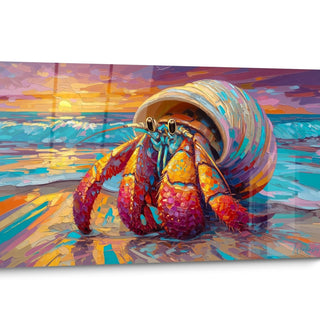 Hermit-Crab12
artworks
Hermit-Crab12
artworks
-
 Doe10
artworks
Doe10
artworks
-
 Bison8
artworks
Bison8
artworks
-
 Buffalo12
artworks
Buffalo12
artworks
-
 Sperm Whale8
artworks
Sperm Whale8
artworks
-
 Giant Squid6
artworks
Giant Squid6
artworks
-
 Chameleon20
artworks
Chameleon20
artworks
-
 Duck340
artworks
Duck340
artworks
-
 Capybara3
artworks
Capybara3
artworks
-
 Caracal15
artworks
Caracal15
artworks
-
 Caribou4
artworks
Caribou4
artworks
-
 Koi Carp130
artworks
Koi Carp130
artworks
-
 Beaver9
artworks
Beaver9
artworks
-
 Deer26
artworks
Deer26
artworks
-
 Camel3
artworks
Camel3
artworks
-
 Cat1218
artworks
Cat1218
artworks
-
 Bat10
artworks
Bat10
artworks
-
 Horse46
artworks
Horse46
artworks
-
 Mountain Goat3
artworks
Mountain Goat3
artworks
-
 Dog3055
artworks
Dog3055
artworks
-
 Chimpanzee12
artworks
Chimpanzee12
artworks
-
 Owl19
artworks
Owl19
artworks
-
 Stork16
artworks
Stork16
artworks
-
 Ladybug7
artworks
Ladybug7
artworks
-
 Pig8
artworks
Pig8
artworks
-
 Guinea Pig13
artworks
Guinea Pig13
artworks
-
 Hummingbird23
artworks
Hummingbird23
artworks
-
 Rooster9
artworks
Rooster9
artworks
-
 Seashell6
artworks
Seashell6
artworks
-
 Raven9
artworks
Raven9
artworks
-
 Toad8
artworks
Toad8
artworks
-
 Shrimp5
artworks
Shrimp5
artworks
-
 Crocodile4
artworks
Crocodile4
artworks
-
 Swan189
artworks
Swan189
artworks
-
 Dolphin11
artworks
Dolphin11
artworks
-
 Dromedary4
artworks
Dromedary4
artworks
-
 Squirrel15
artworks
Squirrel15
artworks
-
 Elan13
artworks
Elan13
artworks
-
 Elephant80
artworks
Elephant80
artworks
-
 Snail11
artworks
Snail11
artworks
-
 Swordfish4
artworks
Swordfish4
artworks
-
 Wild Essence25
artworks
Wild Essence25
artworks
-
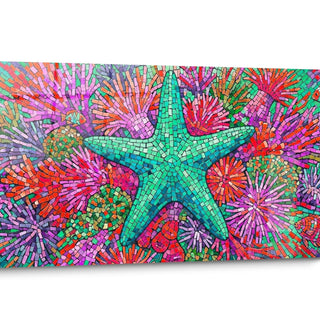 Starfish19
artworks
Starfish19
artworks
-
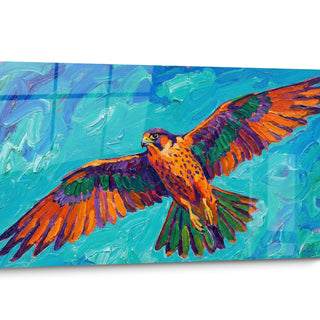 Falcon16
artworks
Falcon16
artworks
-
 Fennec256
artworks
Fennec256
artworks
-
 Pink Flamingo30
artworks
Pink Flamingo30
artworks
-
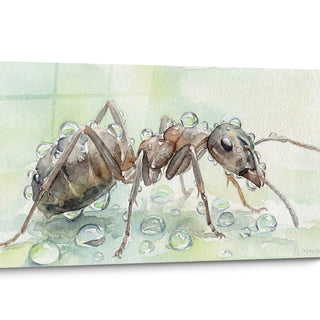 Ant19
artworks
Ant19
artworks
-
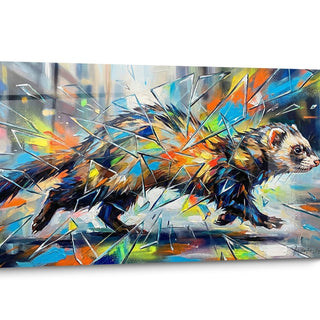 Ferret17
artworks
Ferret17
artworks
-
 Gazelle4
artworks
Gazelle4
artworks
-
 Giraffe183
artworks
Giraffe183
artworks
-
 Wildebeest3
artworks
Wildebeest3
artworks
-
 Gorilla15
artworks
Gorilla15
artworks
-
 Frog65
artworks
Frog65
artworks
-
 Grizzly3
artworks
Grizzly3
artworks
-
 Crane10
artworks
Crane10
artworks
-
 Cheetah7
artworks
Cheetah7
artworks
-
 Hamster17
artworks
Hamster17
artworks
-
 Hedgehog8
artworks
Hedgehog8
artworks
-
 Heron37
artworks
Heron37
artworks
-
 Owl42
artworks
Owl42
artworks
-
 Seahorse34
artworks
Seahorse34
artworks
-
 Hippopotamus4
artworks
Hippopotamus4
artworks
-
 Lobster8
artworks
Lobster8
artworks
-
 Hyena14
artworks
Hyena14
artworks
-
 Iguana6
artworks
Iguana6
artworks
-
 Animal Eye6
artworks
Animal Eye6
artworks
-
 Insect5
artworks
Insect5
artworks
-
 Jaguar6
artworks
Jaguar6
artworks
-
 Kangaroo9
artworks
Kangaroo9
artworks
-
 Koala18
artworks
Koala18
artworks
-
 Llama107
artworks
Llama107
artworks
-
 Rabbit15
artworks
Rabbit15
artworks
-
 Lemur3
artworks
Lemur3
artworks
-
 Dragonfly4
artworks
Dragonfly4
artworks
-
 Unicorn3
artworks
Unicorn3
artworks
-
 Lion170
artworks
Lion170
artworks
-
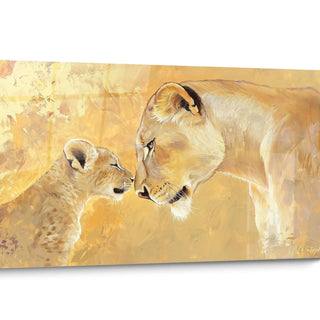 Lion Cub4
artworks
Lion Cub4
artworks
-
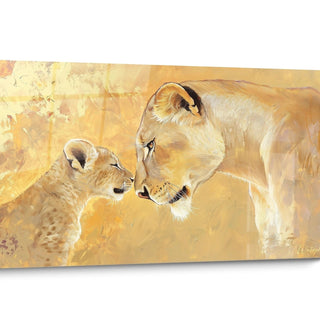 Lioness6
artworks
Lioness6
artworks
-
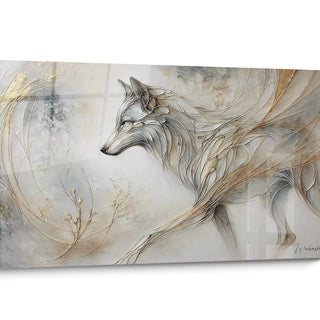 Wolf13
artworks
Wolf13
artworks
-
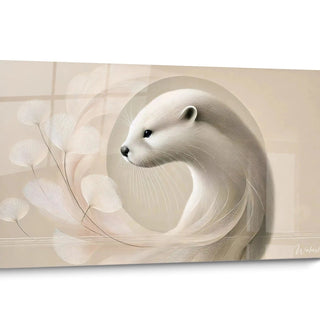 Otter6
artworks
Otter6
artworks
-
 Lynx7
artworks
Lynx7
artworks
-
 Puffin2
artworks
Puffin2
artworks
-
 Penguin10
artworks
Penguin10
artworks
-
 Jellyfish17
artworks
Jellyfish17
artworks
-
 Morse3
artworks
Morse3
artworks
-
 Seagull4
artworks
Seagull4
artworks
-
 Mold14
artworks
Mold14
artworks
-
 Sheep6
artworks
Sheep6
artworks
-
 Narwhal66
artworks
Narwhal66
artworks
-
 Ocelot3
artworks
Ocelot3
artworks
-
 Birds15
artworks
Birds15
artworks
-
 Orangutan10
artworks
Orangutan10
artworks
-
 Orca28
artworks
Orca28
artworks
-
 Brown Bear334
artworks
Brown Bear334
artworks
-
 Polar Bear289
artworks
Polar Bear289
artworks
-
 Sea Urchin9
artworks
Sea Urchin9
artworks
-
 Giant Panda69
artworks
Giant Panda69
artworks
-
 Red Panda11
artworks
Red Panda11
artworks
-
 Panther19
artworks
Panther19
artworks
-
 Snow Leopard8
artworks
Snow Leopard8
artworks
-
 Black Panther10
artworks
Black Panther10
artworks
-
 Peacock25
artworks
Peacock25
artworks
-
 Butterfly14
artworks
Butterfly14
artworks
-
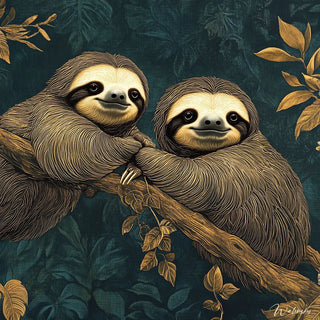 Lazy Sloth3
artworks
Lazy Sloth3
artworks
-
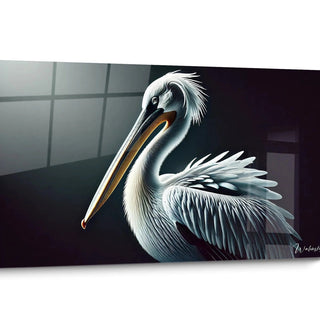 Pelican3
artworks
Pelican3
artworks
-
 Parrot211
artworks
Parrot211
artworks
-
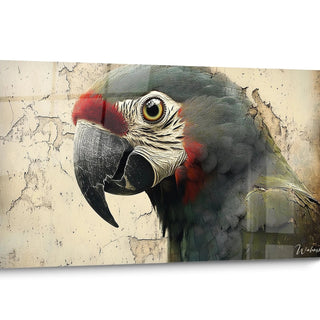 Parakeet5
artworks
Parakeet5
artworks
-
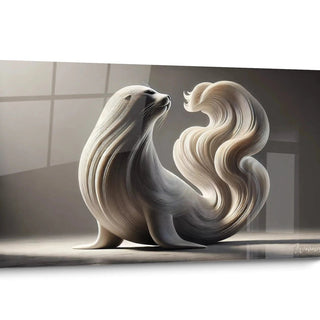 Seal5
artworks
Seal5
artworks
-
 Pigeon10
artworks
Pigeon10
artworks
-
 Penguin274
artworks
Penguin274
artworks
-
 Feather60
artworks
Feather60
artworks
-
 Fish18
artworks
Fish18
artworks
-
 Betta Fish12
artworks
Betta Fish12
artworks
-
 Octopus59
artworks
Octopus59
artworks
-
 Puma3
artworks
Puma3
artworks
-
 Manta Ray4
artworks
Manta Ray4
artworks
-
 Raccoon2
artworks
Raccoon2
artworks
-
 Fox141
artworks
Fox141
artworks
-
 Shark126
artworks
Shark126
artworks
-
 Rhinoceros21
artworks
Rhinoceros21
artworks
-
 Salamander14
artworks
Salamander14
artworks
-
 Wild Boar15
artworks
Wild Boar15
artworks
-
 Scarab3
artworks
Scarab3
artworks
-
 Scorpion9
artworks
Scorpion9
artworks
-
 Serpent102
artworks
Serpent102
artworks
-
 Monkey14
artworks
Monkey14
artworks
-
 Meerkat1
artwork
Meerkat1
artwork
-
 Tapir52
artworks
Tapir52
artworks
-
 Armadillo3
artworks
Armadillo3
artworks
-
 Bull281
artworks
Bull281
artworks
-
 Tiger316
artworks
Tiger316
artworks
-
 Sea Turtle18
artworks
Sea Turtle18
artworks
-
 Terrestrial Turtle14
artworks
Terrestrial Turtle14
artworks
-
 Toucan7
artworks
Toucan7
artworks
-
 Cow9
artworks
Cow9
artworks
-
 Vulture5
artworks
Vulture5
artworks
-
 Zebra49
artworks
Zebra49
artworks


All about Crab Wall Art
- Crab Wall Art Presentation
- Marine Decoration and Crustaceans
- Symbolism of Crabs in Decor
- Integration into Contemporary Spaces
A crab wall art piece embodies the very essence of contemporary marine decoration by bringing an authentic and vibrant dimension to your walls. These large-format mural artworks capture the fascinating morphology of crustaceans in all their anatomical complexity: textured shells, articulated claws, and colors ranging from scarlet red, copper orange to oceanic brown. Integrating such a piece instantly transforms a residential or commercial space by creating a biological and artistic focal point that evokes the depths of the sea without falling into conventional nautical decoration. The XXL formats available allow for a spectacular wall presence particularly suited to large spaces requiring a strong and memorable visual identity.
The Marine Universe Expressed Through Crustacean Representation
The crab wall art establishes itself as the sophisticated alternative to classical maritime representations by highlighting a lesser-known inhabitant of the sea floor. Unlike shell or boat motifs, representing a crustacean brings a biological and almost scientific dimension that appeals to naturalist art enthusiasts. The visual complexity of a crab—with its eight ambulatory legs, two asymmetrical claws, and segmented shell—offers unparalleled graphic richness that captures the eye and stimulates curiosity.
What atmospheres do crab wall art pieces create in coastal spaces?
In seaside residences, seafood restaurants, and beachfront hospitality establishments, a giant crab wall art creates an immediate connection with the surrounding natural environment. These works function as visual geographic markers that strengthen local identity without resorting to the usual maritime clichés. A Pacific Dungeness crab, a Breton edible crab, or a Chesapeake blue crab each tell a distinct regional story, allowing for precise cultural personalization of the decorated space.
The specific color palette of crustacean representations
Crab wall art exploits a particularly rich color range from the earthy and olive tones of live crabs to the spectacular red-orange hues characteristic of cooking. This dual colorimetric nature allows the work to adapt to context: natural brown and green tones integrate into organic and minimalist interiors, while scarlet versions create dramatic accent points in monochrome or industrial spaces. Integration into the collection of animal wall art allows you to enrich a naturalistic mural composition with other marine or terrestrial species.
Decorative associations to maximize visual impact
The decorative effectiveness of a crab wall art multiplies when paired with textural elements evoking its natural habitat: aged driftwood surfaces, oxidized metallic accents reminiscent of marine wrecks, or raw materials like polished concrete that evoke coastal rocks. Gourmet establishments specializing in seafood particularly exploit this capacity of crustacean representations to create a cohesive thematic atmosphere that reinforces their culinary identity while avoiding overly literal maritime decor.
Symbolism and Cultural Significance of Crabs in Interior Decoration
Beyond its distinctive marine aesthetic, the crab wall art conveys rich symbolism that resonates with different decorative philosophies and belief systems. In traditional Asian thought, the crab represents prosperity and protection due to its robust shell and ability to move in all directions. This symbolism makes crab representations particularly sought-after choices for professional and commercial spaces seeking to project an image of resilience and adaptability.
How does the crab symbolize adaptability in professional spaces?
Enterprises evolving in dynamic and changing sectors frequently adopt crab wall art to visually embody their capacity for adaptation. The unique locomotion of a crab—capable of moving forward, backward, and sideways—metaphorizes strategic flexibility and unconventional thinking. In architect offices, creative agencies, and tech startups, these mural artworks function as constant visual reminders of the importance of organizational agility in the face of market transformations.
The zodiacal and astrological dimension of crab representations
For those born under the Cancer sign (June 21 - July 22), a giant crab wall art constitutes a deeply meaningful personal decorative expression. This astrological connection transforms the work from a simple decorative element into an identity affirmation that resonates with the personality traits associated with the sign: intuition, home protection, and emotional sensitivity. Residential spaces integrating this personal dimension create more authentic and psychologically grounded environments.
Rituals and traditions associated with crustaceans in different cultures
In coastal cultures throughout the world, crabs occupy important places in local mythologies and traditional symbolic systems. Breton fishermen historically considered the crab a guardian of underwater treasures, while in certain Polynesian traditions, crabs serve as intermediaries between the terrestrial and oceanic worlds. A crab wall art in an intercultural context can therefore serve as a conversational bridge, inviting the sharing of stories and diverse cultural perspectives around a universal yet differently interpreted symbol across geographies.
Why choose a crab wall art for a wellness-dedicated space?
Spas, thalassotherapy centers, and wellness spaces exploit crustacean imagery to strengthen the therapeutic connection with the marine element. The visual presence of a crab evokes the benefits of marine algae, oceanic minerals, and care protocols inspired by the coastal ecosystem. This mental association between the crab image and the healing properties of the marine environment psychologically amplifies the perceived effectiveness of proposed treatments, creating complete sensory coherence between the visual, olfactory, and tactile.
Strategic Integration of Crab Wall Art in Modern Interior Architecture
Inserting a crab wall art into contemporary spaces requires specific architectural consideration to maximize visual impact while preserving overall aesthetic balance. The monumental formats available today allow for the creation of spectacular mural installations that radically transform the spatial perception of a room. In industrial lofts with their vast bare walls, a crustacean represented in XXL dimensions creates a striking organic contrast with the surrounding metal structures and concrete surfaces.
Which commercial spaces particularly benefit from crab wall art?
Specialized food establishments—from seafood bistros to gourmet coastal restaurants—find in crab wall art an incomparable visual branding element. Unlike generic menu boards or culinary photographs, the artistic representation of a crustacean instantly communicates marine culinary expertise while maintaining aesthetic sophistication. High-end fish markets, organic markets, and specialty groceries also exploit this imagery to distinguish their retail spaces and create visual storytelling around the freshness and quality of marine products offered.
Lighting strategies to enhance a crab wall art
The complex texture of a crab shell—with its protrusions, articulated segments, and relief variations—requires sophisticated directional lighting to reveal its full visual depth. Adjustable LED spots positioned with grazing light dramatically accentuate the perceived three-dimensionality of the work, creating shadow plays that amplify the impression of biological realism. In premium commercial spaces, investment in adaptive museum-quality lighting systems transforms the wall art into a true artistic installation that evolves according to moments throughout the day.
Contemporary style combinations with crustacean elements
Hybrid industrial-maritime style constitutes the ideal decorative environment for an imposing crab wall art, blending exposed metal structures, reclaimed wood, and textile accents in natural tones. This post-industrial aesthetic tempered by organic elements creates visual balance where the crustacean representation functions as a biological anchor point. Interior architects also exploit the contrast between the geometric regularity of minimalist Scandinavian furniture and the irregular organic complexity of a crab to generate productive visual tension that energizes contemporary residential spaces.
FAQ - Frequently Asked Questions about Crab Wall Art
Where is the ideal position for a crab wall art in an open kitchen?
In contemporary open kitchens, crab wall art finds its optimal placement on the main wall visible from the living area, creating thematic continuity between culinary preparation and artistic decoration. Position it at eye level from a seated position in the living room to maximize visibility during moments of conviviality while avoiding direct exposure to steam or grease splatter.
Is crab wall art suitable for minimalist Japanese-inspired interiors?
Absolutely, Japanese wabi-sabi philosophy celebrating imperfect and organic beauty finds perfect resonance in the naturally asymmetrical morphology of the crab. In a minimalist context, a crab wall art in neutral tones becomes the sole authorized focal point, respecting the principle of "ma" (negative space) while providing an essential connection to the natural maritime world.
How to maintain the chromatic vibrancy of a crab wall art over time?
Crab representations in bright red-orange tones require protection from direct sun exposure that would progressively degrade pigments. Install the work on walls perpendicular to windows rather than facing them, and consider UV protective films for window panes in very bright spaces. Monthly dusting with a dry microfiber cloth preserves the clarity of complex anatomical details.


