


Islands and Archipelago Wall Art
Escape to paradise islands with creations that celebrate tropical archipelagos and island landscapes. Each artwork captures pristine beaches, crystal-clear waters and lush vegetation of isolated territories. Perfect for dreaming of escape and distant travels, these paintings bring exoticism and serenity to your décor. Transform your spaces into open windows onto paradisiacal horizons and preserved natural sanctuaries.
 Snowy Mountain Landscape Wall Art - Alpine Winter Majesty - Islands and Archipelagos Edition273,90 €
 Mediterranean Terrace Wall Art - Panoramic Sea View - Islands and Archipelagos Edition228,90 €
 Nordic Coastal Landscape Painting - Fjord with turquoise waters - Islands and archipelagos edition228,90 €
 Easter Island Moai Painting - Stone Guardians - Islands and Archipelagos edition228,90 €
 Moai Easter Island Painting - Pacific Mysteries - Islands and Archipelagos Edition228,90 €
 Tropical Landscape Painting - Secret Lagoon with Blue Rocks - Islands and Archipelagos Edition228,90 €
 Tropical House Painting - Turquoise Refuge - Islands and Archipelagos Edition273,90 €
 Nocturnal Flowering Tree Painting - Celestial Garden - Islands and Archipelagos Edition273,90 €
 Tropical Tree and Elephants Wall Art - African Savanna Fantasy - Islands and Archipelagos Edition273,90 €
 Colorful Giraffe Art Painting - Tropical Savanna - Islands and Archipelagos Edition273,90 €
 Colorful Mediterranean Village Painting - Modern Santorini - Islands and Archipelagos Edition273,90 €
 Colorful Mediterranean Village Painting - Houses by the Sea - Islands and Archipelagos Edition273,90 €
 Woman in Red Dress on Tropical Beach Painting - Tropical Paradise - Islands and Archipelagos Edition273,90 €
 Coral Atoll Painting - Heavenly Aerial Vision - Islands and Archipelagos Edition273,90 €
 Infinity Pool Overlooking Turquoise Sea Wall Art - Tropical Escape - Islands and Archipelagos Edition273,90 €
 Mountain Lake Wall Art - Mysterious Fjord - Islands and Archipelagos Edition273,90 €
 Norway Rocky Shore Wall Art - Mystical Fjord - Islands and Archipelagos Edition273,90 €
 Moai Easter Island Wall Art - Ocean Stone Giant - Islands and Archipelagos Edition273,90 €
 Male Profile Wall Art - Ocean Dreamer - Islands and Archipelagos Edition273,90 €
 Moai Easter Island Wall Art - Guardian of the Oceans - Islands and Archipelagos Edition273,90 €
 Scandinavian fjord painting - Refuge of Azure - Islands and Archipelagos edition273,90 €
 Geometric mountainous landscape painting - Mystical Archipelago - Islands and Archipelagos edition273,90 €
 Colorful Village on Cliff Painting - Imaginary Cinque Terre - Islands and Archipells Edition273,90 €
 Tropical Landscape Painting - Paradise Rose - Islands and Archipells Edition273,90 €
In the same family
Also explore the theme Landscapes
-
 View all1531
artworks
View all1531
artworks
-
 Rainbow74
artworks
Rainbow74
artworks
-
 Architecture30
artworks
Architecture30
artworks
-
 Northern Lights32
artworks
Northern Lights32
artworks
-
 Other Landscapes117
artworks
Other Landscapes117
artworks
-
 Campaign51
artworks
Campaign51
artworks
-
 Cascade104
artworks
Cascade104
artworks
-
 Waterfalls12
artworks
Waterfalls12
artworks
-
 Lavender Fields7
artworks
Lavender Fields7
artworks
-
 Sky14
artworks
Sky14
artworks
-
 Starry Sky8
artworks
Starry Sky8
artworks
-
 Sunset37
artworks
Sunset37
artworks
-
 Desert82
artworks
Desert82
artworks
-
 Underwater Depths38
artworks
Underwater Depths38
artworks
-
 Forest148
artworks
Forest148
artworks
-
 Gorges and Canyons41
artworks
Gorges and Canyons41
artworks
-
 Natural Caves565
artworks
Natural Caves565
artworks
-
 Jungle9
artworks
Jungle9
artworks
-
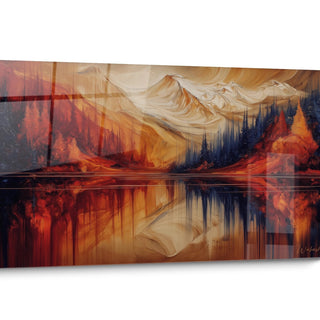 Lakes77
artworks
Lakes77
artworks
-
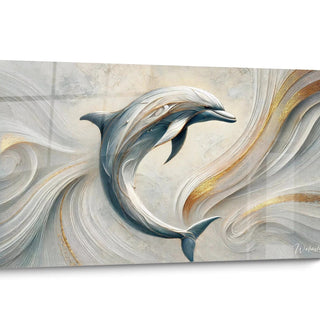 The World of the Sea189
artworks
The World of the Sea189
artworks
-
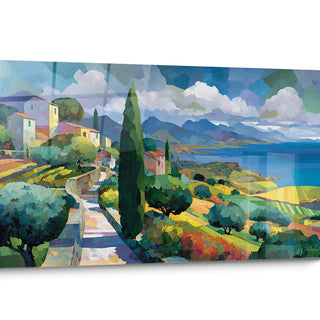 Marine71
artworks
Marine71
artworks
-
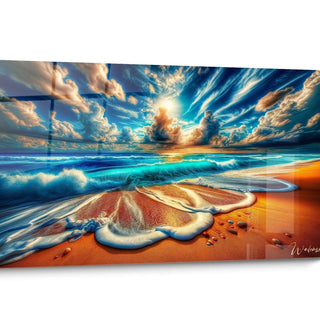 Sea77
artworks
Sea77
artworks
-
 Mountain304
artworks
Mountain304
artworks
-
 Hot Air Balloon5
artworks
Hot Air Balloon5
artworks
-
 Ocean16
artworks
Ocean16
artworks
-
 Abstract Landscape25
artworks
Abstract Landscape25
artworks
-
 Lighthouses34
artworks
Lighthouses34
artworks
-
 Beach113
artworks
Beach113
artworks
-
 Ports19
artworks
Ports19
artworks
-
 Savanna5
artworks
Savanna5
artworks
-
 Tropics9
artworks
Tropics9
artworks
-
 Volcanoes57
artworks
Volcanoes57
artworks
-
 Aerial View17
artworks
Aerial View17
artworks


All about Islands and Archipelago Wall Art
- Islands and Archipelagos Wall Art Presentation
- Islands and Archipelagos Wall Art: Paradisiacal Destinations
- Islands and Archipelagos Wall Art: Oceanic Palettes
- Islands and Archipelagos Wall Art: Interior Escape
Transform your interior into a living postcard through islands and archipelagos wall art. These mural representations capture the essence of the most coveted island destinations, from the turquoise lagoons of the Maldives to the spectacular rock formations of the Greek archipelago. Available in impressive formats suited to large spaces, these decorative creations instantly transport your rooms toward distant horizons where time seems suspended between azure sky and crystalline waters.
Exceptional Island Geographies for Immersive Wall Decoration
The islands and archipelagos wall art stands out for its ability to faithfully reproduce the unique geographical formations that characterize mythical island destinations. Unlike generic marine representations, these mural works capture the topographic specificities of island ensembles: circular atolls forming natural crowns in the Pacific Ocean, volcanic alignments of the Azores emerging dramatically from the Atlantic, or the karstic successions of Thai islands sculpted by millennia of erosion.
How to choose an island representation based on the desired ambiance?
The selection of wall decoration representing archipelagos depends intimately on the atmosphere you wish to infuse into your space. The coral formations of the Caribbean, with their powdery sands and leaning palm trees, diffuse a warm tropical energy particularly suited to relaxation spaces like spacious living rooms or master bedrooms. These large-format visuals instantly create a mental window toward latitudes where a permanent sweetness of life prevails.
Conversely, Scandinavian or Scottish Nordic archipelagos offer a radically different aesthetic. Their abrupt cliffs plunging into dark waters, their tumultuous skies and sparse vegetation generate a contemplative and dramatic atmosphere. These mural representations are exceptionally suited to contemporary offices or reflection spaces where one seeks less obvious, more meditative inspiration. The raw power of these island landscapes contrasts with tropical tranquility and stimulates the imagination differently.
Cartographic authenticity as a premium selection criterion
Informed collectors seek island representations faithful to geographical realities rather than fantasized compositions. A quality wall art will accurately restore the proportions between different islands of an archipelago, their relative positions and distinctive characteristics. This cartographic authenticity transforms the decoration into a genuine visual document evoking real destinations, thus strengthening emotional connection with represented places.
Indonesian archipelagos offer incomparable visual richness with their thousands of islands scattered between the Indian and Pacific Oceans. These complex ensembles allow stratified mural compositions where the eye travels from one point to another, constantly discovering new details. Island density creates narrative depth absent from isolated island representations, transforming your wall into a perpetual invitation to mental exploration.
Which archipelagos to prioritize for professional spaces?
Tertiary environments particularly benefit from representations of Mediterranean or Aegean archipelagos. Greek Cyclades, with their white villages cascading toward cobalt seas, simultaneously convey cultural sophistication and invitation to travel. These visuals soothe without infantilizing, subtly reminding that professional excellence does not exclude aspiration for balance and beauty. Their natural luminosity also compensates for artificial lighting in modern offices.
Polynesian archipelagos such as Bora Bora or Moorea bring an aspirational dimension particularly relevant in sectors linked to travel, wellness or recreational activities. Their multicolored lagoons and emblematic volcanic reliefs function as immediate emotional triggers, activating positive mental associations in visitors. These large-format representations become subtle atmospheric influence tools, particularly in premium reception spaces or waiting areas.
Visual specificities of different world island zones
Each island region possesses a unique visual signature determined by its geology, climate and vegetation. Recent volcanic archipelagos like Hawaii or the Canaries exhibit striking contrasts between black basalt rock and lush vegetation, creating mural compositions with strong visual tensions. These representations suit contemporary interiors seeking assertive rather than consensual decoration.
Flat coral formations of the Maldives or French Polynesia propose an opposite soothing horizontal aesthetic. The absence of marked relief privileges color play between different water depths: luminous turquoise of shallow lagoons, intense blue of ocean passes, dazzling white of emerging sand banks. These subtle gradations transform the wall into color meditation, particularly effective in spaces dedicated to relaxation or energy recovery.
The impact of geographical scales on spatial perception
Islands and archipelagos wall art can represent either a wide panorama embracing dozens of islands, or an intimate focus on a specific island formation. Sweeping aerial views of Japanese or Philippine archipelagos create a sensation of vastness that visually enlarges confined spaces. With the eye finding no clear limit to the image, perception of wall dimensions is thus amplified, a precious effect in urban apartments with restricted areas.
Conversely, close-up representations of singular islands like Santorini or Capri establish different visual intimacy. These tightened framings allow appreciation of specific textures: roughness of limestone cliffs, ripples of pebble beaches, vernacular architecture integrated into relief. This detailed approach suits already spacious spaces where one seeks not visual enlargement illusion but contemplative focus toward a precise point of interest.
- Tropical archipelagos: Visuals saturated in warm colors, dense vegetation, energizing atmosphere
- Mediterranean ensembles: Mineral-plant balance, dazzling luminosity, cultural sophistication
- Nordic formations: Climatic drama, cold palettes, contemplative inspiration
- Volcanic groups: Marked contrasts, affirmed relief, strong visual presence
Marine Color Therapy and Island Harmonies in Large Formats
Mural representations of islands and archipelagos offer a therapeutic color palette difficult to match in other decorative categories. The aquatic gradients characteristic of island environments - from translucent turquoise to deep oceanic blue - exercise documented psychophysiological effects on space occupants. These tonalities activate the same sensory receptors as actual exposure to marine environments, triggering parasympathetic relaxation and reduction of biological stress markers.
Why do island tints transform interior light ambiance?
Unlike uniform blues of generic skies or oceans, the islands and archipelagos wall art presents stratified chromatic complexity resulting from element superposition: variable marine depths, atmospheric reflections, presence of coastal vegetation and mineral formations. This tonal richness creates a diffuse luminosity effect that dialogues with ambient light sources dynamically. Throughout the day, different color strata of the visual react differently to natural or artificial light variations.
Imposing formats considerably amplify this phenomenon. An island representation occupying several square meters functions as a chromotherapy reflector panel, redistributing marine tonalities throughout the entire room. Adjacent walls, light ceilings and even glass surfaces capture these subtle reflections, creating a global ambiance tinged with oceanic influences without resorting to excessive thematic decoration that could quickly tire.
Exclusive chromatic associations to archipelago landscapes
Island environments juxtapose colors rarely associated in other natural contexts. The contrast between dazzling white sands, emerald vegetation and cyan waters generates naturally balanced triadic combinations that interior designers struggle to reproduce artificially. An authentic islands and archipelagos wall art thus literally imports a color harmony proven by millions of years of geological and biological evolution.
Seasonal and meteorological variations of archipelagos also offer unexpected diversity. Mediterranean island formations under summer light exhibit chalky whites and saturated blues, while these same places under winter lighting reveal golden ochres, pearly grays and slate blues. This variability allows selection of mural representations perfectly matched to existing interior palettes, whether warm or cold, saturated or desaturated.
How do island palettes influence furniture choices?
Installing wall decoration representing archipelagos acts as a color anchor naturally guiding future arrangement evolutions. Dominant marine tonalities suggest complements in clear natural materials - whitewashed wood, cream linens, plant fibers - without imposing a caricatural coastal style. This subtle influence maintains aesthetic coherence during partial furniture renewals, avoiding visual dissonance.
Color accents present in island visuals - cliff ochres, tropical sunset pinks, palm grove greens - provide leads for introducing punctual chromatic touches via textiles or accessories. This approach allows gradually energizing initially neutral interiors without risking visual overload, with islands and archipelagos wall art serving as coherent color reference for all future additions.
What psychological effects do island color combinations generate?
Environmental psychology research demonstrates that chromatic associations present in island landscapes activate specific emotional responses. The blue-green marriage characteristic of lagoons simultaneously triggers blue's calming effects and green's regenerative properties, creating a particular mental state of alert relaxation - relaxed yet receptive - ideal for multifunctional living spaces.
Earth-sea contrasts of volcanic archipelagos produce different visual stimulation. Opposition between basalt reds, volcanic blacks and marine blues generates productive tension that maintains attention without causing anxiety. These compositions particularly suit creative work spaces where moderate cognitive activation is sought, favoring concentration and innovation.
Harmonizing chromatic depths in large formats
Island and archipelago representations of significant dimensions allow stratified color reading impossible in reduced formats. Brightest tonalities - beach whites, shallow water cyans - generally occupy central or lower zones, naturally attracting the gaze toward composition center. Darker hues - deep oceanic blues, terrestrial masses - structure peripheries, creating internal framing that guides perception.
This natural chromatic organization facilitates mural integration even in environments with complex existing colors. Visual bright zones dialogue with luminous architectural elements - windows, ceilings, luminaires - while dark masses establish continuity with substantial furniture or shadow zones. The artwork becomes thus an element of chromatic transition rather than isolated addition.
- Lagoon turquoise: Immediate soothing effect, perceived heart rate reduction
- Deep oceanic blue: Contemplative stimulation, promotes prolonged reflection
- Tropical green: Vital energy, biophilic connection with natural environments
- Sandy white: Reflected luminosity, amplification of ambient clarity
Psychological Escape and Mental Territories through Island Representations
Beyond their immediate decorative function, islands and archipelagos wall art operate as daily mental escape devices in constrained urban environments. These representations function as visual portals toward geographically inaccessible territories in daily life, offering psychological respiration particularly precious in metropolitan contexts where nature remains largely abstract. The simple mural presence of these island landscapes measurably influences occupants' thought patterns and emotional states.
How does an island visual modify temporal perception?
Island environments culturally embody temporality alternative to urban urgency. Wall art representing tropical or Mediterranean archipelagos symbolically imports this different rhythm into domestic or professional space. Behavioral studies reveal that individuals regularly exposed to these visuals unconsciously adopt less hurried mental postures, accord greater importance to pauses and transitions rather than frantic activity succession.
This temporal influence proves particularly beneficial in telework spaces where boundaries between professional and personal life become porous. The presence of large-format island representation acts as a constant visual reminder that existence doesn't reduce to immediate deadlines and obligations. It materializes the existence of territories - geographical and mental - where alternative priorities and other modes of worldly presence prevail.
Why do archipelagos exercise superior fascination to continents?
The very structure of archipelagos - multiple terrestrial fragments separated yet connected by their common marine environment - resonates metaphorically with contemporary existential experience. These island ensembles simultaneously embody isolation and connection, autonomy and interdependence. Islands and archipelagos wall art thus unconsciously evokes profound identity questions about balance between chosen solitude and community belonging.
This symbolic complexity explains persistent attraction of these visuals among educated urban profiles navigating daily between individualism and collective participation. The archipelago becomes a visual metaphor for their own situation: islands of personal autonomy in an ocean of social and professional connections. This psychological resonance transforms simple decoration into projective support where each person unconsciously retrieves their own inner cartography.
What cognitive benefits do aerial archipelago views provide?
Plunging perspectives on island ensembles stimulate specific cognitive capacities rarely solicited in built environments. Visual reading of these complex geographical formations simultaneously activates pattern recognition, three-dimensional spatial evaluation and anticipation of hidden structures. These micro-perceptual exercises, repeated with each glance toward the visual, maintain active brain functions that standardized urban life tends to under-utilize.
Archipelago cartographic representations also encourage systemic rather than linear thinking. Unlike classical terrestrial landscapes suggesting directional paths, dispersed island formations invite the eye toward multidirectional movements, simultaneous comparisons between distant elements, mental construction of relationships between non-adjacent zones. This perceptual gymnastics maintains cognitive flexibility precious for complex professional or personal issues.
How do island representations facilitate emotional regulation?
Island environments convey an implicit promise of refuge and resource. In moments of tension or mental overload, simply directing attention toward wall art representing paradisiacal islands activates documented emotional regulation mechanisms. The brain interprets these visual signals as evoking a secure space, potentially accessible, where current stress factors don't exist.
This regulatory function operates even when the individual remains conscious of the image's representational character. Limbic systems react to sensory evocations - supposed warmth, imagined wave sounds, anticipated sand sensation - independently of their immediate reality. Islands and archipelagos wall art thus becomes a permanently available self-soothing tool, particularly precious for anxious profiles or professionally high-load environments.
The imaginary spatial anchoring created by island visuals
Unlike abstract decorations or repetitive patterns, geographical representations of islands and archipelagos establish coherent imaginary spatial anchoring. Occupants gradually develop familiarity with represented places - recognition of specific formations, memorization of proportions, personal narrative associations. This process transforms the visual into a stable mental destination, an inner territory where the mind can project during daily cognitive micro-breaks.
This personal mental cartography considerably enriches real space experience. The wall becomes much more than a decorative surface: it opens onto parallel geography accessible through simple attentional displacement. Frequent returns toward these familiar visual territories create informal contemplative rituals that discreetly structure days, offering regular breathing points in constrained rhythms.
What is the optimal placement for islands and archipelagos wall art in a residence?
Optimal positioning depends on desired use. For positive awakening effect, prioritize a wall facing your morning exit point - the island image becomes the last thing seen before leaving, positively impregnating the day. For decompression use, install the representation facing your privileged rest position - main couch or bed head - transforming each pause moment into mental mini-vacation.
How do islands and archipelagos wall artworks influence social conversations?
These visuals function as natural conversation triggers, inviting visitors to share their own island experiences or travel aspirations. Unlike abstract works requiring sophisticated interpretations, geographical representations offer accessible entry points favoring authentic exchanges. They transform the environment into space conducive to story sharing and common projections.
What aesthetic durability do archipelago representations present?
Island visuals escape decorative trend cycles precisely because they reference timeless real geographies. The Cyclades, Maldives or Caribbean will retain their attraction power regardless of styling trends. This permanence guarantees that your decorative investment remains relevant and appreciated for decades, unlike trend motifs that quickly date.
Are islands and archipelagos wall artworks suitable for contemporary minimalist spaces?
Absolutely. Island compositions paradoxically offer visual complexity harmonizing perfectly with modern architectural refinement. Their organic richness compensates for contemporary line rigor without creating style conflict. Natural palettes of island environments - blues, whites, greens - naturally integrate into minimalist color ranges while bringing the biophilic dimension often absent from ultra-refined interiors.
- Relaxation spaces: Prioritize soothing lagoons and horizontal coral formations
- Personal offices: Opt for Mediterranean archipelagos evoking culture and sophistication
- Passage zones: Select dynamic aerial views inviting mental movement
- Master bedrooms: Choose island sunsets with warm tonalities favoring rest
Further reading


