


Incense Wall Art
The Incense Wall Art collection captures the mystical and soothing essence of ancestral spiritual rituals. Each artwork evokes the hypnotic dance of fragrant wisps, creating a unique contemplative atmosphere. These artistic creations transform your space into a meditation sanctuary, where zen art and spirituality meet harmoniously. Perfect for lovers of minimalist meditative décor, these wall artworks invite inner journey and tranquility, bringing a touch of mystical serenity to your interior.
 Incandescent Red Spiral Wall Art with Concentric Circles - Fire Vortex - Incense Edition273,90 €
 Golden Mandala Wall Art with Concentric Circles and Luminous Rays - Mystical Spiral - Incense Edition273,90 €
 Hand Lighting an Incense Stick with Golden Smoke Wisps Canvas - Sacred Ritual - Incense Edition273,90 €
 Hand Holding a Burning Incense Stick with Gray Smoke Canvas - Spiritual Ritual - Incense Edition273,90 €
 Burning Spiral Red and Black Cracked Canvas - Mystical Vortex - Incense Edition228,90 €
 Golden and Black Smoke Spiral on Crackle Wood Wall Art - Mystical Whirlwind - Incense Edition228,90 €
 Antique Bronze Incense Burner and Golden Smoke Wall Art - Eastern Serenity - Incense Edition228,90 €
In the same family
Also explore the theme Zen
-
 View all2161
artworks
View all2161
artworks
-
 Bonsai25
artworks
Bonsai25
artworks
-
 Buddha311
artworks
Buddha311
artworks
-
 Candle64
artworks
Candle64
artworks
-
 Koi Fish130
artworks
Koi Fish130
artworks
-
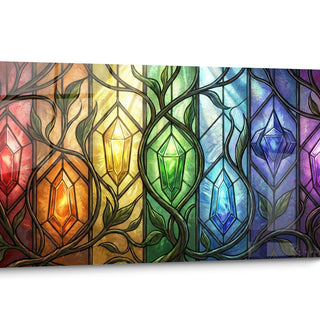 Chakras11
artworks
Chakras11
artworks
-
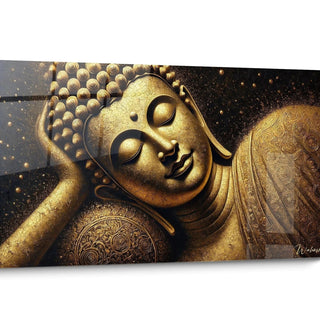 Zen Miscellaneous11
artworks
Zen Miscellaneous11
artworks
-
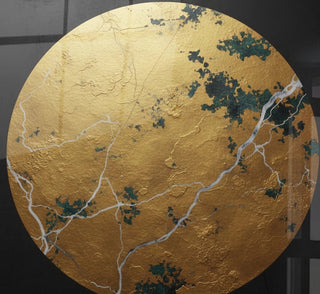 Enso13
artworks
Enso13
artworks
-
 Feng Shui904
artworks
Feng Shui904
artworks
-
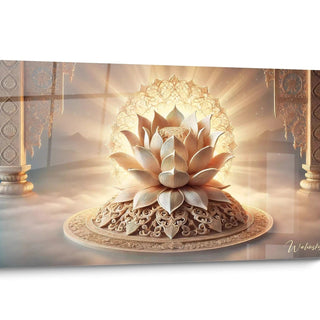 Lotus Flower20
artworks
Lotus Flower20
artworks
-
 Ganesh56
artworks
Ganesh56
artworks
-
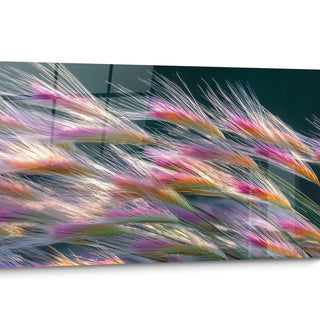 Grasses100
artworks
Grasses100
artworks
-
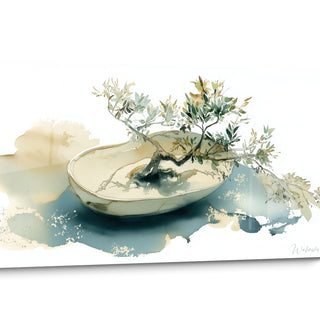 Ikebana93
artworks
Ikebana93
artworks
-
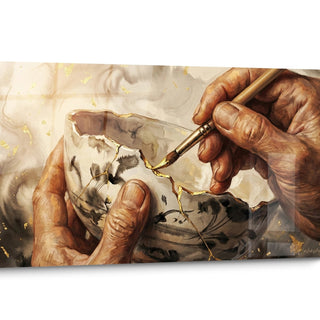 Kintsugi5
artworks
Kintsugi5
artworks
-
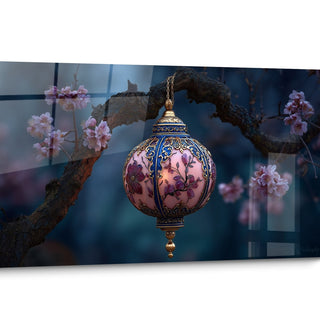 Lantern51
artworks
Lantern51
artworks
-
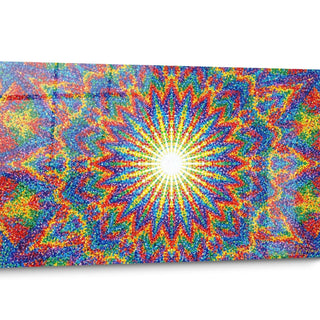 Mandala18
artworks
Mandala18
artworks
-
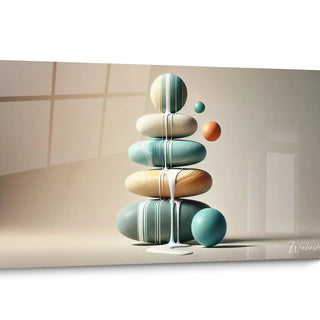 Meditation18
artworks
Meditation18
artworks
-
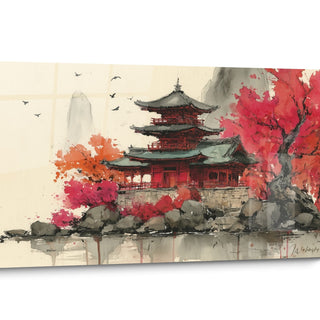 Pagoda79
artworks
Pagoda79
artworks
-
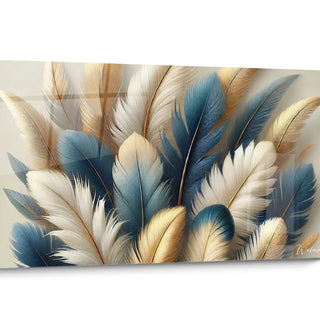 Feather60
artworks
Feather60
artworks
-
 Sand60
artworks
Sand60
artworks
-
 Buddhist Temple17
artworks
Buddhist Temple17
artworks
-
 Terracotta436
artworks
Terracotta436
artworks
-
 Japanese Teapot40
artworks
Japanese Teapot40
artworks
-
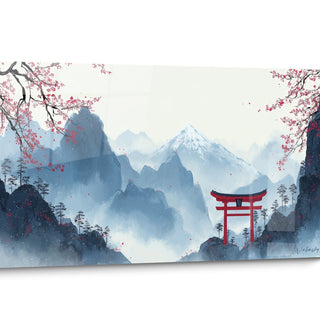 Torii77
artworks
Torii77
artworks
-
 Yin Yang99
artworks
Yin Yang99
artworks


All about Incense Wall Art
- Incense Wall Art Presentation
- Soothing Atmospheres
- Rituals and Meditation
- Decorative Symbolism
Discover our collection of incense wall art, oversized mural creations that capture the spiritual essence and enveloping ambiance of ancestral aromatic rituals. Each incense artwork transforms your space into a visual sanctuary where smoking wisps and artistic compositions meet to awaken your senses. These monumental works celebrate the contemplative dimension of meditative practices through striking photographic and graphic representations of smoking sticks, aromatic bowls and fragrant spirals. Perfect for adorning the walls of wellness spaces, these visual compositions embody the serenity and spiritual elevation sought in your daily moments of renewal.
Creating a Sensory Atmosphere Through Imagery
An incense wall art piece is much more than a simple decorative element: it visually materializes the soothing atmosphere that aromatic fumigations bring to your daily life. These oversized representations capture the hypnotic dance of wisps, that ethereal choreography rising in delicate spirals and instantly transforming a room's energy. Installing such a work in your relaxation space creates a visual resonance with your olfactory practices, reinforcing the intention of purification and calm you seek.
How does incense wall art influence the atmosphere of a wellness space?
The imposing dimensions of these mural creations allow complete immersion in the world of sacred scents. Macro photographs of incandescent sticks, with their glowing tips and delicately formed ashes, invite prolonged contemplation. Warm tones – amber, ochre, sepia – diffuse a dimmed luminosity that naturally dialogues with the soft lighting of your meditative sessions. This chromatic coherence between the mural artwork and the surrounding ambiance amplifies the desired cocooning effect.
Multisensory evocation in your personal sanctuary
Unlike floral or mineral representations, incense wall art activates the viewer's olfactory memory. Your brain instantly associates the represented wisps with fragrances of sandalwood, patchouli or lavender that you use regularly. This visual-olfactory synesthesia considerably enriches the contemplative experience. Compositions showing traditional incense holders – dragon burners, Asian spiral stands, stone bowls – visually anchor your rituals in a millennia-old tradition, reinforcing their sacred and intentional dimension.
Adapt your visual choice to your aromatic practice
For minimalist Japanese incense enthusiasts, prefer streamlined artworks showing solitary sticks against a neutral background. Practitioners of more elaborate ceremonial fumigations will turn toward complex compositions representing multiple arrangements of cones, spirals and powders. Horizontal panoramic formats work perfectly for yoga spaces where the gaze should flow uninterrupted, while vertical compositions energize meditation alcoves. This correspondence between your actual practice and its visual representation creates powerful energetic coherence in your dedicated environment.
Strengthen Your Contemplative Practices Through Imagery
Integrating an incense wall art into your meditative space is equivalent to installing a permanent visual reminder of your spiritual intentions. These monumental works function as concentration aids (dharana), particularly effective for practitioners who struggle to maintain attention during extended sessions. The gaze naturally returns to these soothing representations of ascending smoke, universal symbols of prayers rising toward the divine and thoughts freeing themselves from material heaviness.
What symbolism does incense smoke convey in contemplative decor?
In Buddhist, Hindu and Taoist traditions, smoke represents transformation and impermanence – concepts central to meditative practice. A painting capturing this ephemeral process paradoxically freezes the intangible, creating an ideal focal point for contemplating perpetual change. Ascending spirals also evoke the elevation of consciousness, the passage from the mundane to the transcendent. This rich symbolism transforms your wall into a genuine visual mandala, a traditional support for deep meditation.
Synchronize visual space and daily rituals
Regular practitioners of morning or evening meditation particularly benefit from incense wall art positioned facing their meditation cushion. This visual consistency progressively conditions the mind: the simple sight of the artwork triggers a state of receptivity conducive to internalization. For zen wall art devotees seeking to deepen their practice, fumigene imagery adds dynamic dimension to static compositions of pebbles or bamboo. The movement suggested by wisps harmoniously contrasts with mineral stability, creating visual balance reflecting the movement-stillness duality at meditation's core.
How long should you contemplate incense wall art to gain meditative benefits?
Visual meditation masters recommend tratak (gaze fixation) sessions of 5 to 15 minutes on images evoking moving elements like smoke. Unlike fixating on a real flame which quickly tires the retina, observing an oversized photographic representation allows prolonged contemplation without eye strain. Subtle gradations of gray, white and beige in the wisps offer sufficient variation to maintain attention without overstimulation from overly busy compositions. This regular practice progressively refines your concentration capacity while creating a Pavlovian association between the image and your desired meditative state.
Cultural Significance and Spiritual Aesthetics
Beyond their soothing function, incense wall art pieces convey a millennia-old cultural heritage that considerably enriches your interior's decorative narrative. These oversized mural creations tell the story of Asian trade routes where precious resins and aromatic woods transited, of temples where time is measured by the slow burning of suspended spirals. Choosing such a work signals your affinity with Oriental philosophies and your commitment to mindfulness practices rooted in time-tested traditions.
What is the aesthetic difference between Japanese and Indian incense representations?
Artworks depicting Japanese incense (koh) prioritize purity and sobriety: a single fine stick in a minimalist ceramic holder, against a neutral background. This wabi-sabi aesthetic celebrates the beauty of imperfection and simplicity. Conversely, representations of Indian incense (agarbatti) embrace abundance: colored bundles, ornate holders, ash accumulation forming patterns. This difference reflects distinct spiritual approaches – Japanese zen versus Hindu devotion – and allows you to harmonize your decor with your specific spiritual practice.
Architectural integration in contemporary living spaces
The XXL formats of these works (often 120x80 cm or larger) instantly transform an ordinary wall into a spiritual focal point. In a minimalist living room, a monochrome incense artwork creates visual breathing space without breaking chromatic coherence. Industrial lofts benefit from contrast between their raw surfaces and the ethereal softness of represented wisps. For dedicated spaces – yoga studios, holistic therapy offices, massage therapy studios – these works immediately establish tone and expectations: here, we slow down, we breathe, we recenter ourselves.
Decorative associations to amplify the contemplative effect
Incense wall art dialogues beautifully with natural elements: pebbles arranged in a cairn, pieces of driftwood, purifying plants like sansevieria. Avoid symbolic overload though – one strong element per visual area suffices. Indirect lighting (warm white LED 2700K) reveals the tonal subtleties of photographed smoke without creating annoying reflections. Thin frame molding in light wood (bamboo, maple) or brushed metal complements the aesthetic without dominating it. This accompanying simplicity allows the artwork to maintain its primary function: serving as a visual support for your daily contemplative practice.
Why choose incense wall art rather than another zen theme?
Unlike Buddha representations which can seem religiously prescriptive, incense transcends specific traditions. Christians, Buddhists, pagans and secularists all practice purifying fumigations. This universality makes incense wall art an inclusive choice for shared spaces. Moreover, its direct association with the olfactory sense creates a more immersive experience than purely visual themes. Each time you actually light incense, the artwork resonates with that action, creating a feedback loop unique to this iconography.
Does incense wall art suit all interior styles?
Absolutely. Black and white macro photographic versions integrate perfectly into Scandinavian and minimalist interiors. Compositions saturated with warm tones enrich bohemian and ethnic decors. Stylized graphic representations complement modern and urban spaces. The key lies in choosing the visual treatment rather than the subject itself.
What size incense wall art should you choose for a personal meditation space?
For a home meditation corner (2-4 m²), prioritize a minimum 80x60 cm format – imposing enough to structure the space without overwhelming it. Dedicated studios and group practice rooms benefit from 150x100 cm formats that create genuine visual immersion. The general rule: the artwork should occupy 60-70% of the main wall's width to harmoniously balance the space.
How to maintain incense wall art displayed in a room where you actually burn incense?
Ironically, residue from actual fumigation can tarnish your mural artwork. Install the piece at least 2 meters from your regular burner. Monthly dusting with a dry microfiber cloth suffices. For glazed surfaces, use ammonia-free glass cleaner to preserve brilliance. Avoid products containing essential oils that could alter photographic inks long-term.
Further reading
Our articles on this topic
- What scent to pair with a painting according to the room?
- Which surface treatment for a painting exposed to incense and essential oils?
- A painting inspired by a scent: tea, lavender, forest…
- What are the most authentic Zen paintings with Ensō circles?
- Which artworks to choose for a chapel or contemplation room?
- Nature-inspired artworks: escape, calm and visual balance
L'art qui suscite l'envie
Maison belge d'art mural grand format
14 jourspour changer d'avis*
Protection Walenskyincluse
Fabriquéen Italie
FormatXXL
Kit de fixationtoujours fourni
* Hors tableaux personnalisés et tailles personnalisées


