


Snail Wall Art
Our Snail Wall Art collection celebrates the fascinating beauty of these creatures of nature. Each artwork captures the elegance of the perfect spiral and the poetry of slow movement with a contemporary artistic style. These snail decorative wall artworks bring a touch of originality and softness to your interior. Ideal for lovers of nature wall decor, these creations transform your spaces into true art galleries.
 Golden Snail on Verdant Moss Wall Painting - Naturalistic Oil Painting - Snail Edition273,90 €
 Snail on Green Moss with Spiral Brown Shell - Natural Gentleness - Snail Edition273,90 €
 Golden Snail Painting with Copper Reflections on Vibrant Green Foliage - Luminous Garden - Snail Edition273,90 €
 Watercolor Snail Painting on Green Leaves with Dewdrops - Natural Softness - Snail Edition273,90 €
 Amber Snail on Magenta Fabric with Dewdrops Wall Art - Precious Moment - Snail Edition273,90 €
 Snail with Crystalline Tentacles on Tile - Pearlescent Purity - Snail Edition273,90 €
 Snail Multicolor Explosion Jackson Pollock Painting - Creative Energy - Snail Edition273,90 €
 Green Watercolor Painting with Snail and Tropical Ferns - Secret Garden - Snail Edition273,90 €
 Purple and Pink Snails on Fantastic Flower - Mauve Romance - Snail Edition273,90 €
 Two Snails on Pink Flower with Water Droplets - Morning Tenderness - Snail Edition273,90 €
 Stylized Art Deco Snail Wall Art Gold and Black Geometric Motifs - Radiant Elegance - Snail Edition273,90 €
In the same family
Also explore the theme Animals
-
 View all10974
artworks
View all10974
artworks
-
 Bee54
artworks
Bee54
artworks
-
 Eagle18
artworks
Eagle18
artworks
-
 Alpaga111
artworks
Alpaga111
artworks
-
 Donkey15
artworks
Donkey15
artworks
-
 Savannah Wildlife94
artworks
Savannah Wildlife94
artworks
-
 Antelope5
artworks
Antelope5
artworks
-
 Spider8
artworks
Spider8
artworks
-
 Other Animals24
artworks
Other Animals24
artworks
-
 Ostrich75
artworks
Ostrich75
artworks
-
 Axolotl47
artworks
Axolotl47
artworks
-
 Whale89
artworks
Whale89
artworks
-
 Barracuda61
artworks
Barracuda61
artworks
-
 Bécasse32
artworks
Bécasse32
artworks
-
 Ram315
artworks
Ram315
artworks
-
 Beluga169
artworks
Beluga169
artworks
-
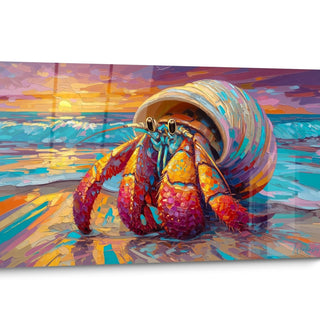 Hermit-Crab12
artworks
Hermit-Crab12
artworks
-
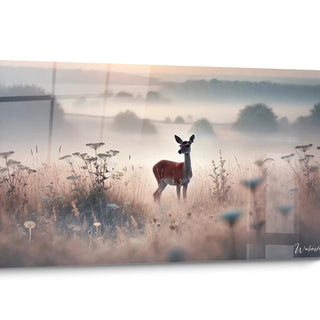 Doe10
artworks
Doe10
artworks
-
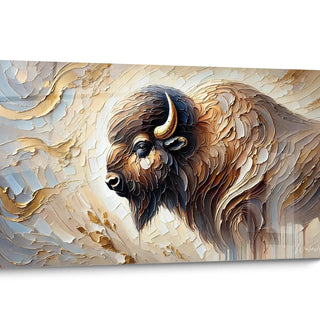 Bison8
artworks
Bison8
artworks
-
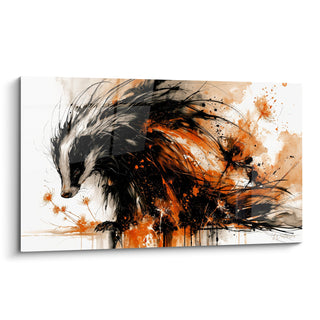 Blaireau59
artworks
Blaireau59
artworks
-
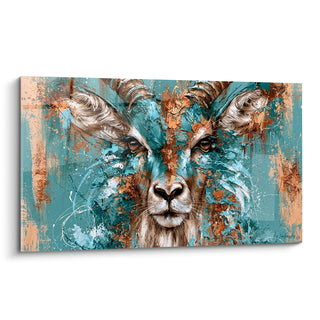 Bouquetin32
artworks
Bouquetin32
artworks
-
 Buffalo91
artworks
Buffalo91
artworks
-
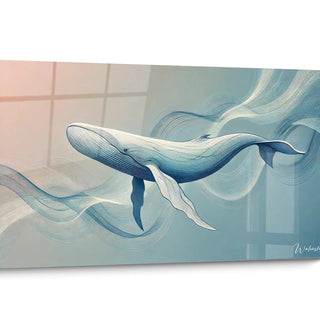 Sperm Whale8
artworks
Sperm Whale8
artworks
-
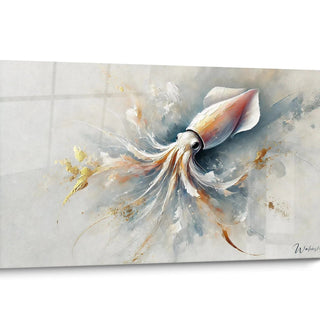 Giant Squid6
artworks
Giant Squid6
artworks
-
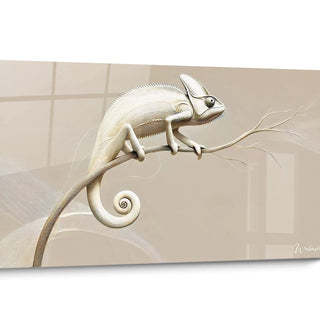 Chameleon20
artworks
Chameleon20
artworks
-
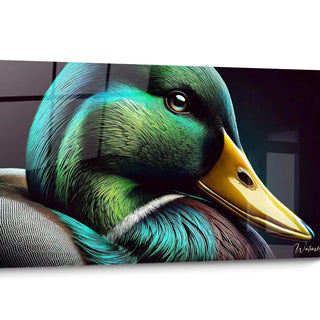 Duck352
artworks
Duck352
artworks
-
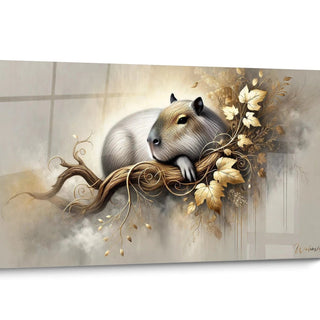 Capybara3
artworks
Capybara3
artworks
-
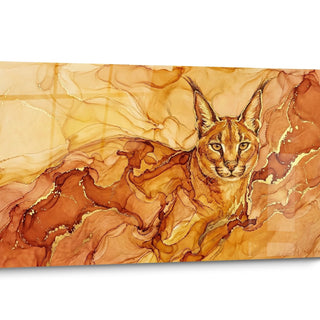 Caracal15
artworks
Caracal15
artworks
-
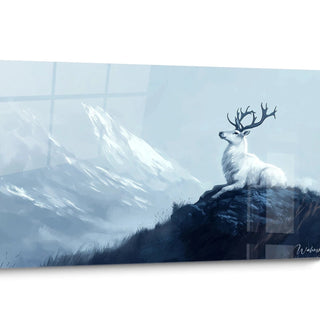 Caribou4
artworks
Caribou4
artworks
-
 Koi Carp130
artworks
Koi Carp130
artworks
-
 Beaver9
artworks
Beaver9
artworks
-
 Deer26
artworks
Deer26
artworks
-
 Camel3
artworks
Camel3
artworks
-
 Cat1218
artworks
Cat1218
artworks
-
 Bat10
artworks
Bat10
artworks
-
 Horse73
artworks
Horse73
artworks
-
 Mountain Goat3
artworks
Mountain Goat3
artworks
-
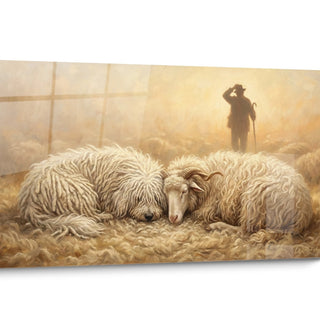 Dog3055
artworks
Dog3055
artworks
-
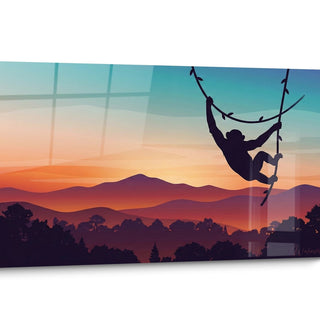 Chimpanzee12
artworks
Chimpanzee12
artworks
-
 Owl19
artworks
Owl19
artworks
-
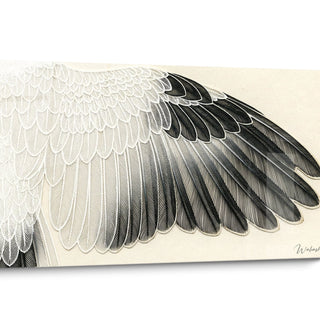 Stork16
artworks
Stork16
artworks
-
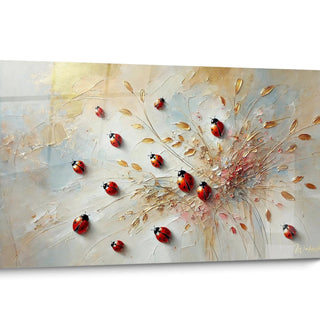 Ladybug7
artworks
Ladybug7
artworks
-
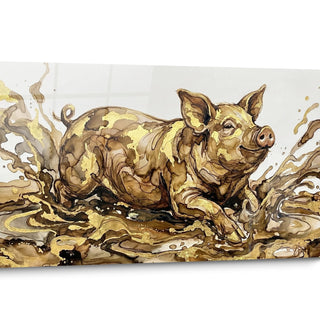 Pig8
artworks
Pig8
artworks
-
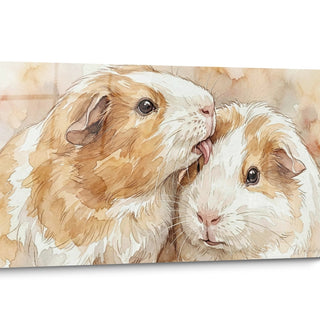 Guinea Pig13
artworks
Guinea Pig13
artworks
-
 Hummingbird23
artworks
Hummingbird23
artworks
-
 Colombe90
artworks
Colombe90
artworks
-
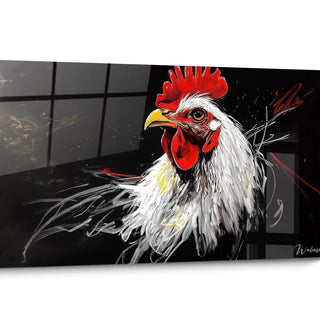 Rooster9
artworks
Rooster9
artworks
-
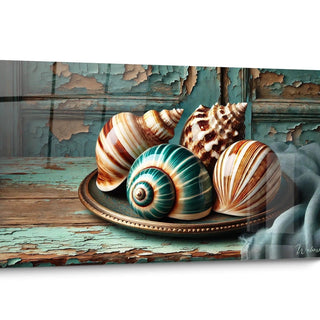 Seashell6
artworks
Seashell6
artworks
-
 Raven9
artworks
Raven9
artworks
-
 Crab5
artworks
Crab5
artworks
-
 Toad8
artworks
Toad8
artworks
-
 Shrimp5
artworks
Shrimp5
artworks
-
 Crocodile4
artworks
Crocodile4
artworks
-
 Swan189
artworks
Swan189
artworks
-
 Dolphin11
artworks
Dolphin11
artworks
-
 Dromedary4
artworks
Dromedary4
artworks
-
 Squirrel15
artworks
Squirrel15
artworks
-
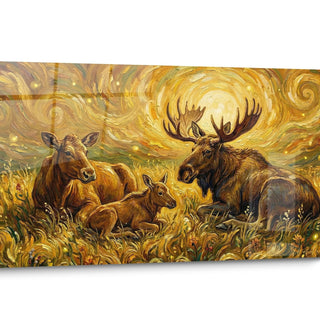 Elan13
artworks
Elan13
artworks
-
 Elephant80
artworks
Elephant80
artworks
-
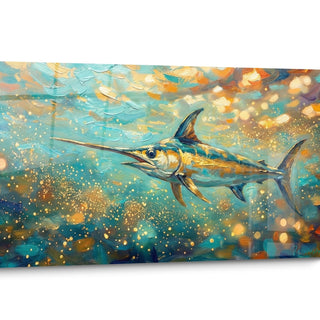 Swordfish4
artworks
Swordfish4
artworks
-
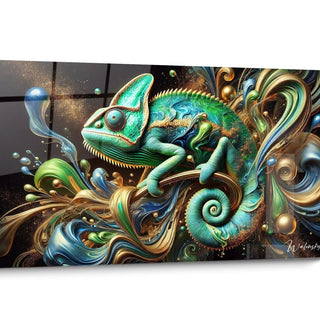 Wild Essence25
artworks
Wild Essence25
artworks
-
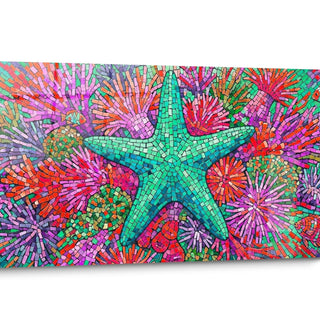 Starfish19
artworks
Starfish19
artworks
-
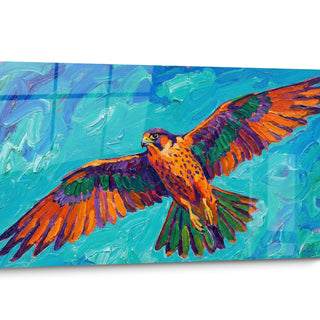 Falcon16
artworks
Falcon16
artworks
-
 Fennec256
artworks
Fennec256
artworks
-
 Pink Flamingo30
artworks
Pink Flamingo30
artworks
-
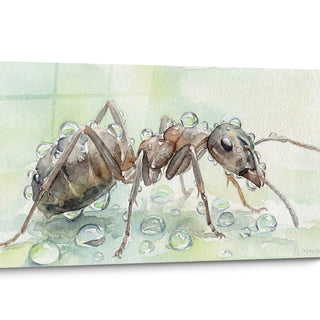 Ant19
artworks
Ant19
artworks
-
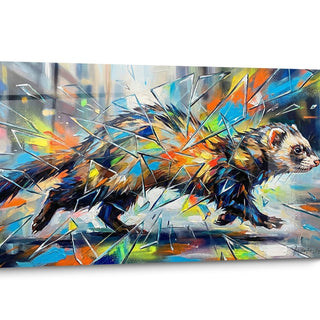 Ferret17
artworks
Ferret17
artworks
-
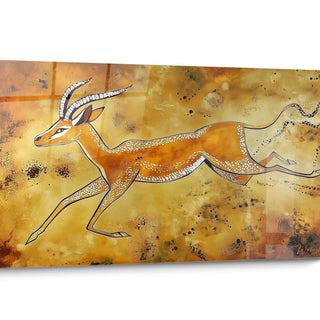 Gazelle4
artworks
Gazelle4
artworks
-
 Giraffe183
artworks
Giraffe183
artworks
-
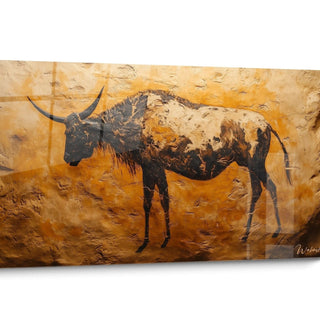 Wildebeest3
artworks
Wildebeest3
artworks
-
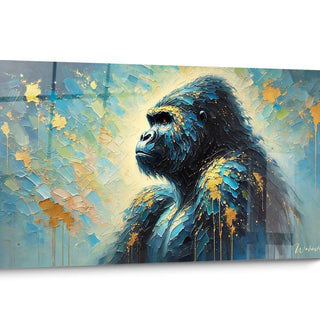 Gorilla15
artworks
Gorilla15
artworks
-
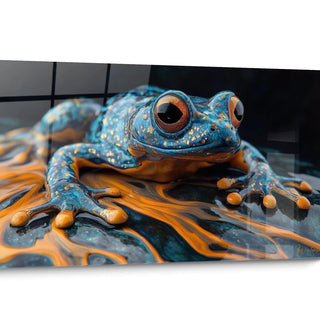 Frog65
artworks
Frog65
artworks
-
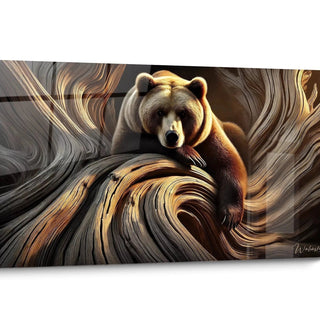 Grizzly3
artworks
Grizzly3
artworks
-
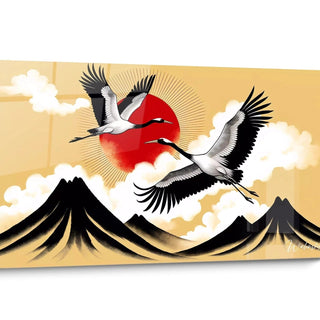 Crane10
artworks
Crane10
artworks
-
 Cheetah147
artworks
Cheetah147
artworks
-
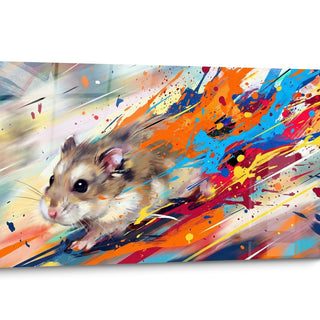 Hamster17
artworks
Hamster17
artworks
-
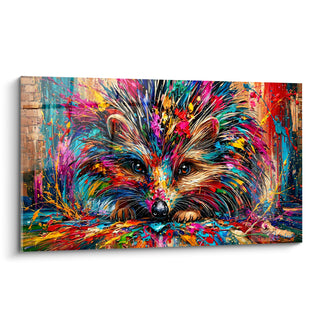 Hedgehog64
artworks
Hedgehog64
artworks
-
 Heron37
artworks
Heron37
artworks
-
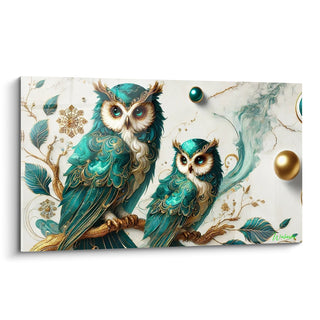 Owl42
artworks
Owl42
artworks
-
 Seahorse34
artworks
Seahorse34
artworks
-
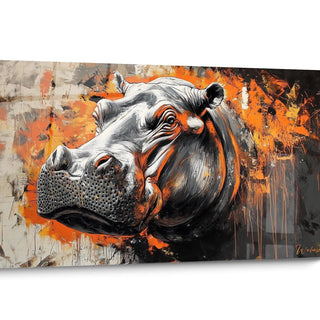 Hippopotamus4
artworks
Hippopotamus4
artworks
-
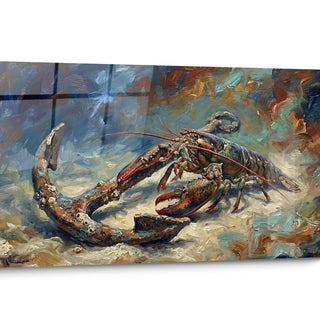 Lobster8
artworks
Lobster8
artworks
-
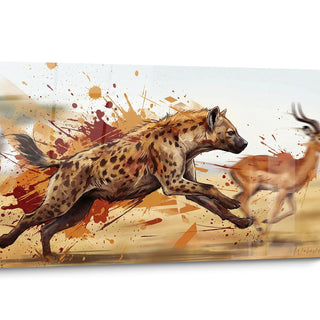 Hyena14
artworks
Hyena14
artworks
-
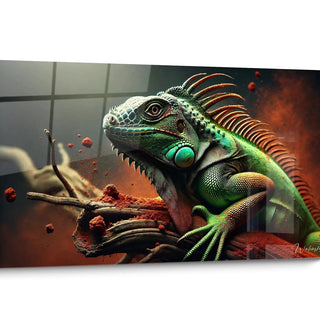 Iguana6
artworks
Iguana6
artworks
-
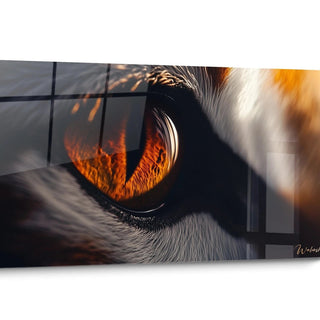 Animal Eye6
artworks
Animal Eye6
artworks
-
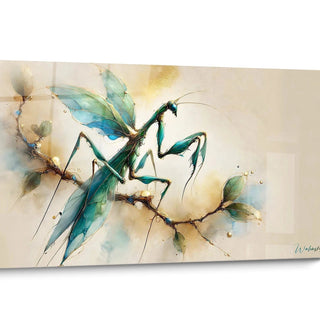 Insect5
artworks
Insect5
artworks
-
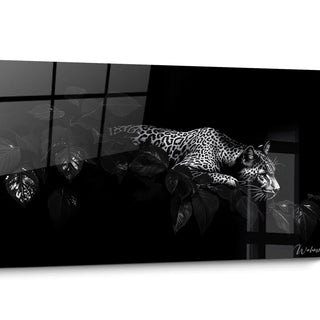 Jaguar6
artworks
Jaguar6
artworks
-
 Kangaroo100
artworks
Kangaroo100
artworks
-
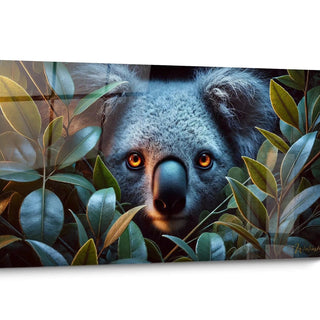 Koala18
artworks
Koala18
artworks
-
 Llama107
artworks
Llama107
artworks
-
 Rabbit15
artworks
Rabbit15
artworks
-
 Lemur3
artworks
Lemur3
artworks
-
 Dragonfly4
artworks
Dragonfly4
artworks
-
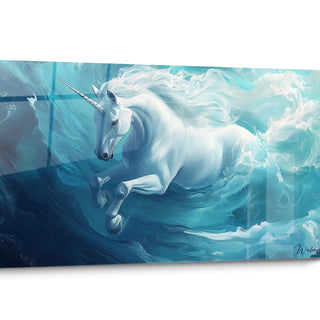 Unicorn62
artworks
Unicorn62
artworks
-
 Lion193
artworks
Lion193
artworks
-
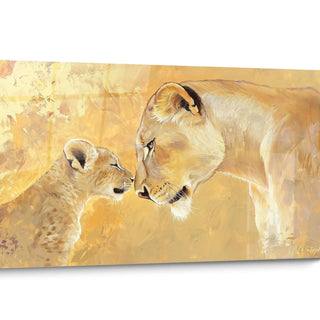 Lion Cub4
artworks
Lion Cub4
artworks
-
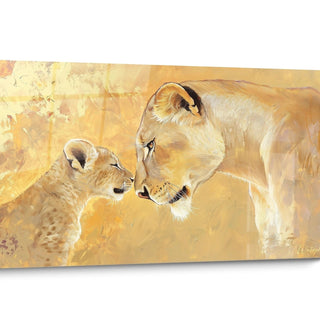 Lioness6
artworks
Lioness6
artworks
-
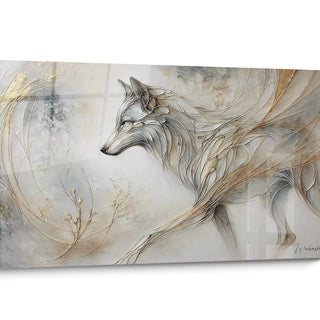 Wolf13
artworks
Wolf13
artworks
-
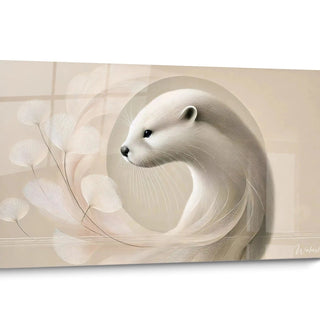 Otter6
artworks
Otter6
artworks
-
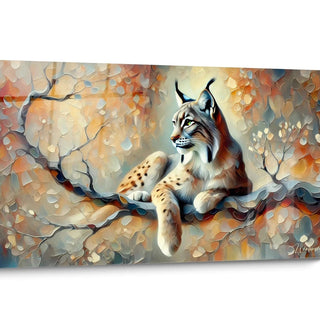 Lynx7
artworks
Lynx7
artworks
-
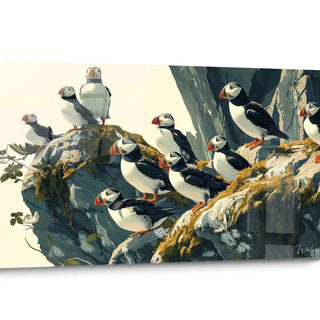 Puffin2
artworks
Puffin2
artworks
-
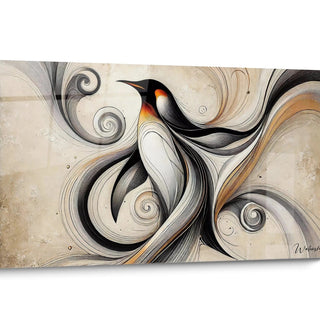 Penguin10
artworks
Penguin10
artworks
-
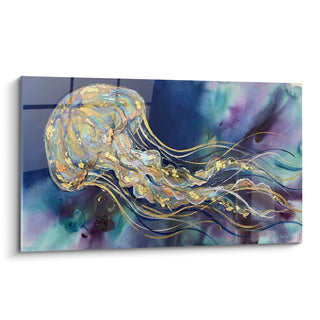 Jellyfish17
artworks
Jellyfish17
artworks
-
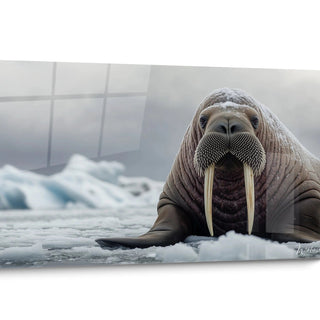 Morse3
artworks
Morse3
artworks
-
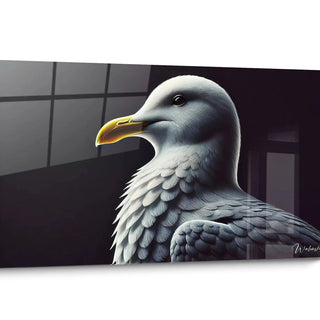 Seagull4
artworks
Seagull4
artworks
-
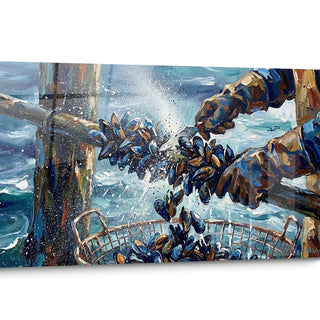 Mold14
artworks
Mold14
artworks
-
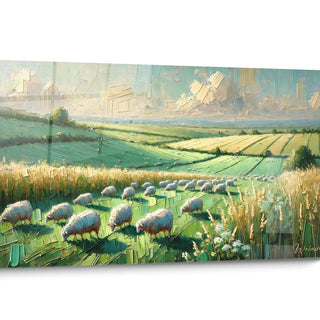 Sheep6
artworks
Sheep6
artworks
-
 Narwhal66
artworks
Narwhal66
artworks
-
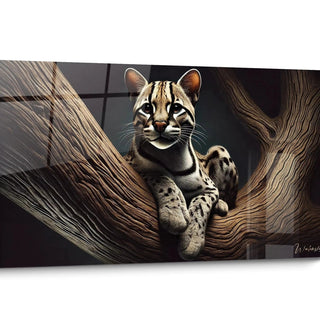 Ocelot3
artworks
Ocelot3
artworks
-
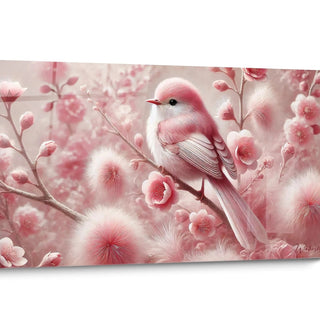 Birds15
artworks
Birds15
artworks
-
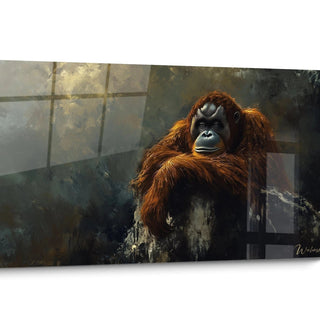 Orangutan10
artworks
Orangutan10
artworks
-
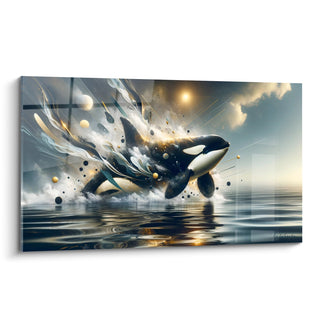 Orca28
artworks
Orca28
artworks
-
 Brown Bear334
artworks
Brown Bear334
artworks
-
 Polar Bear289
artworks
Polar Bear289
artworks
-
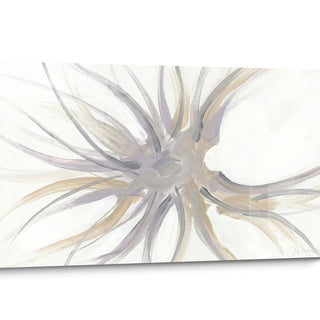 Sea Urchin9
artworks
Sea Urchin9
artworks
-
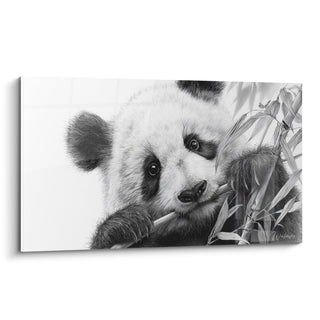 Giant Panda69
artworks
Giant Panda69
artworks
-
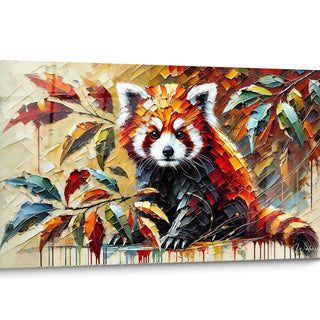 Red Panda11
artworks
Red Panda11
artworks
-
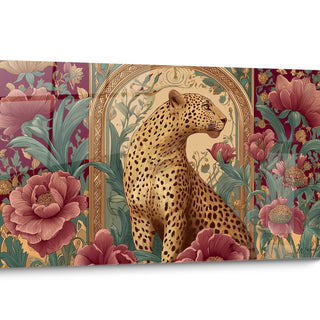 Panther19
artworks
Panther19
artworks
-
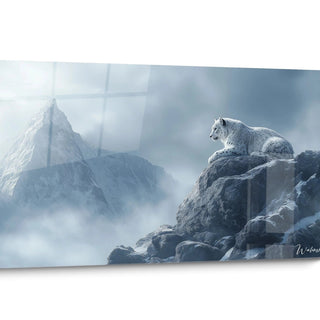 Snow Leopard8
artworks
Snow Leopard8
artworks
-
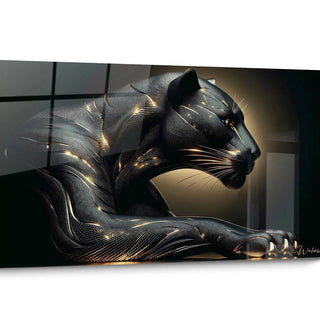 Black Panther10
artworks
Black Panther10
artworks
-
 Peacock128
artworks
Peacock128
artworks
-
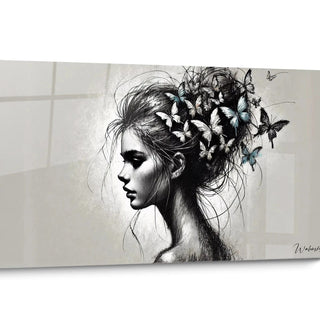 Butterfly14
artworks
Butterfly14
artworks
-
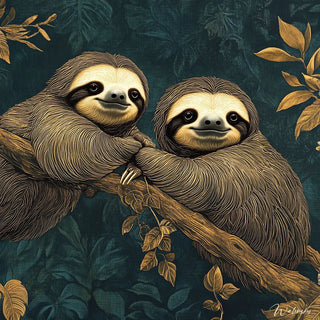 Lazy Sloth3
artworks
Lazy Sloth3
artworks
-
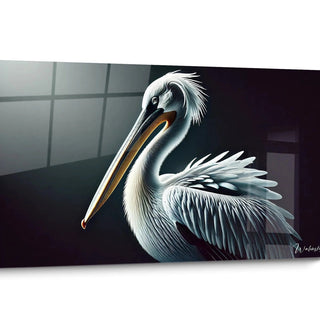 Pelican3
artworks
Pelican3
artworks
-
 Parrot211
artworks
Parrot211
artworks
-
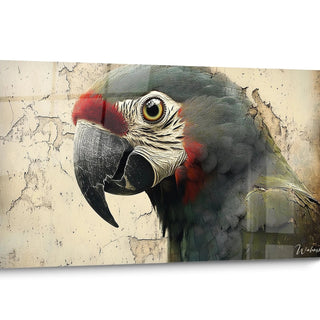 Parakeet5
artworks
Parakeet5
artworks
-
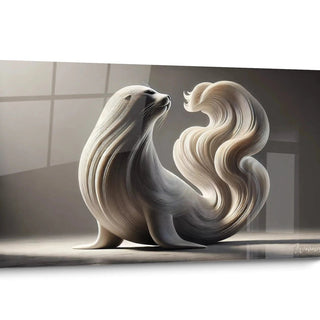 Seal5
artworks
Seal5
artworks
-
 Pigeon10
artworks
Pigeon10
artworks
-
 Penguin274
artworks
Penguin274
artworks
-
 Feather60
artworks
Feather60
artworks
-
 Fish18
artworks
Fish18
artworks
-
 Betta Fish12
artworks
Betta Fish12
artworks
-
 Octopus59
artworks
Octopus59
artworks
-
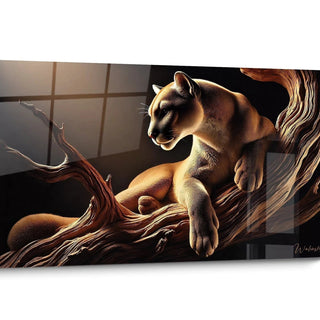 Puma3
artworks
Puma3
artworks
-
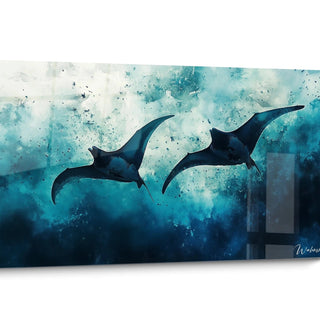 Manta Ray67
artworks
Manta Ray67
artworks
-
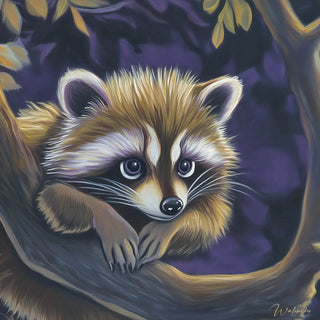 Raccoon2
artworks
Raccoon2
artworks
-
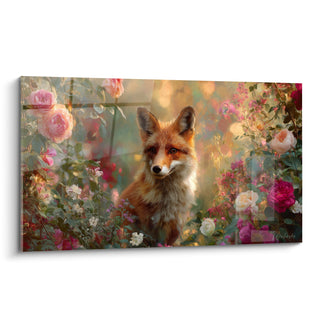 Fox141
artworks
Fox141
artworks
-
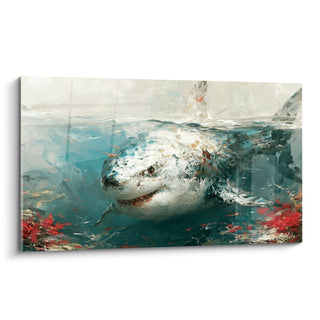 Shark126
artworks
Shark126
artworks
-
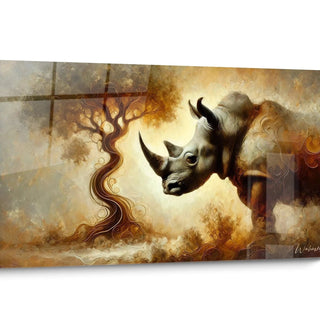 Rhinoceros21
artworks
Rhinoceros21
artworks
-
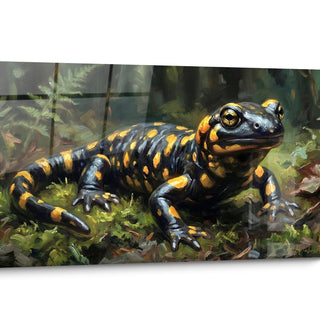 Salamander14
artworks
Salamander14
artworks
-
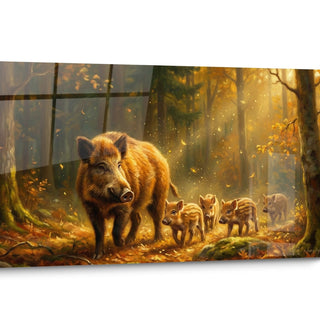 Wild Boar15
artworks
Wild Boar15
artworks
-
 Scarab73
artworks
Scarab73
artworks
-
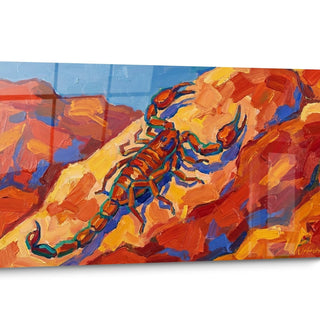 Scorpion9
artworks
Scorpion9
artworks
-
 Serpent102
artworks
Serpent102
artworks
-
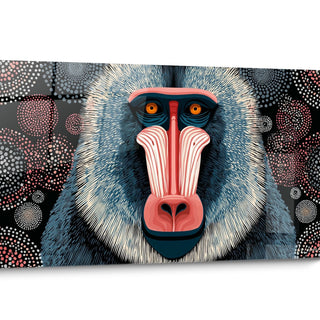 Monkey14
artworks
Monkey14
artworks
-
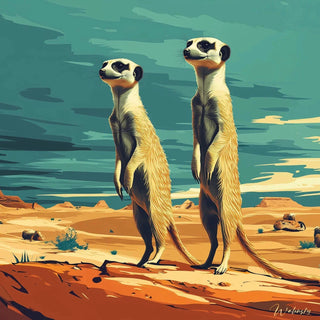 Meerkat1
artwork
Meerkat1
artwork
-
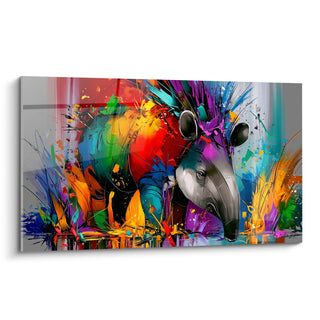 Tapir52
artworks
Tapir52
artworks
-
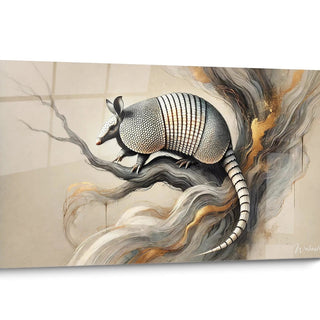 Armadillo3
artworks
Armadillo3
artworks
-
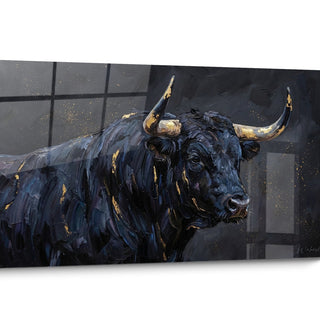 Bull281
artworks
Bull281
artworks
-
 Tiger316
artworks
Tiger316
artworks
-
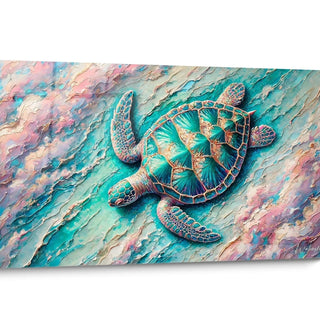 Sea Turtle18
artworks
Sea Turtle18
artworks
-
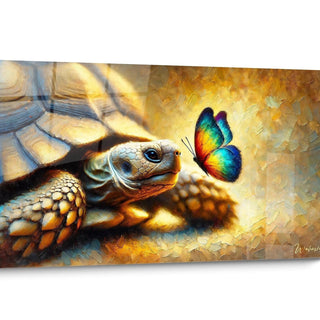 Terrestrial Turtle14
artworks
Terrestrial Turtle14
artworks
-
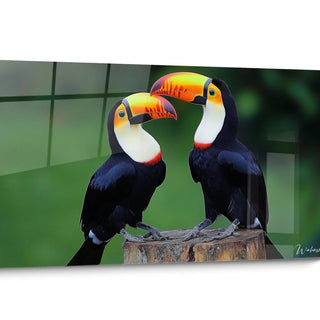 Toucan7
artworks
Toucan7
artworks
-
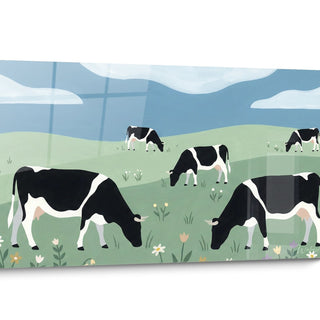 Cow9
artworks
Cow9
artworks
-
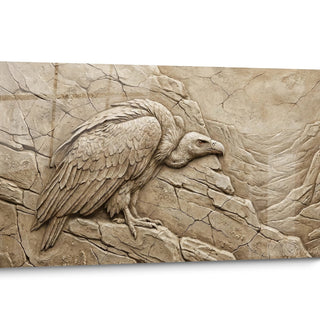 Vulture5
artworks
Vulture5
artworks
-
 Zebra49
artworks
Zebra49
artworks


All about Snail Wall Art
- Snail Wall Art Presentation
- The Snail in Decorative Art
- Symbolism and Modern Decoration
- Decorative Integration
The snail wall art emerges as a bold decorative piece to transform your living spaces. This artistic representation of a terrestrial gastropod brings an organic and contemplative dimension to your interior decoration, particularly suited to generous wall surfaces that enhance the details of the spiral shell and the delicate texture of the mollusk. These large-format creations captivate the eye and establish a soothing atmosphere inspired by nature, perfectly adapted to contemporary interiors seeking a connection with the natural world.
The Fascinating Universe of Snail Wall Art in Contemporary Decoration
The snail wall art represents much more than a simple naturalistic illustration. This mural artwork captures the very essence of contemplative slowness and natural geometric beauty embodied by the logarithmic spiral of the shell. In modern living spaces where a frantic pace dominates, this visual representation of the terrestrial gastropod becomes a philosophical reminder of the importance of slowing down and observing the microscopic wonders of our environment.
Why choose a snail mural representation for your interior?
The snail fascinates through its perfect geometry and universal symbolism. Its spiral shell follows the Fibonacci sequence, creating a visual harmony naturally soothing to the human eye. A large-format snail wall art allows you to appreciate these mathematical subtleties hidden in nature, transforming your wall into a visual exploration of organic perfection. The nuances of brown, beige, ochre and cream of the shell harmonize naturally with the neutral palettes of Scandinavian, Japanese or minimalist interiors.
Artistic variations of the terrestrial gastropod in mural decoration
Mural representations of snails explore different aesthetic approaches: the hyperrealistic rendering that captures every detail of the viscous texture and retractable antennae, the macrophotographic approach that reveals the unsuspected universe of dewdrops on the mollusk's body, or even stylized graphic interpretations that transform the spiral into an abstract geometric element. Some compositions integrate the snail into its natural habitat with moist foliage, verdant moss and crystalline water droplets, creating a secret garden ambiance. For those seeking a cohesive collection, exploring animal wall art allows you to discover other natural creatures that share this same organic decorative philosophy.
The terrestrial snail versus the marine snail in mural art
Unlike representations of spiral seashells, the terrestrial snail wall art presents distinct visual characteristics: the presence of the soft and fleshy body of the gastropod, the characteristic eye stalks, and especially the vegetal rather than aquatic context. This differentiation creates a radically different decorative atmosphere, evoking gardens after the rain, humid undergrowth and the secret life of forest soil rather than the marine universe. The imposing formats reveal details invisible to the naked eye: the granular texture of the skin, the delicate patterns of the shell, the brilliant moisture of the protective mucus.
Deep Symbolism and Decorative Applications of Snail Wall Art
How does a snail wall art influence the atmosphere of a room?
The snail wall art establishes a unique meditative ambiance in your living space. Unlike dynamic animal representations, the snail embodies patience, perseverance and personal protection symbolized by its portable home. This iconography resonates particularly in spaces dedicated to personal reflection: home offices where sustained concentration is essential, reading nooks arranged for intellectual relaxation, or bedrooms designed as rest sanctuaries. The visual presence of this mollusk unconsciously slows the mental rhythm of occupants.
Cultural and philosophical meanings of the gastropod
Throughout civilizations, the snail conveys rich meanings. In Taoist philosophy, it represents self-sufficiency and material detachment by carrying its habitat on its back. Mediterranean cultures see in it a symbol of seasonal resurrection, the snail emerging after autumn rains. A large-dimension snail wall art thus becomes a personal totem reminding you of these values: progress at your own pace without comparing yourself to others, build your inner protection, value the journey rather than the destination. These philosophical resonances transform a simple mural decoration into a daily companion of personal development.
Which spaces benefit most from snail decoration?
Therapeutic and wellness spaces find in the snail wall art a precious decorative ally. Psychotherapy offices, yoga rooms, meditation spaces and decompression zones in businesses use this imagery to slow the nervous system of occupants. The spiral of the shell naturally guides the eye in a circular, soothing movement, a technique used in art therapy to induce relaxation. Gourmet kitchens, particularly those of culinary snail enthusiasts, can also adopt this theme with subtlety, celebrating the snail as a living gastronomic heritage rather than a mere ingredient.
- Creative workspaces requiring sustained concentration
- Children's bedrooms to teach patience and natural observation
- Verandas and winter gardens creating visual continuity with the outdoors
- Personal libraries valuing the contemplative slowness of reading
Decorative Integration and Usage Contexts of Snail Wall Art
Vegetal associations and complementary natural decorative elements
The snail wall art flourishes visually when it dialogues with real vegetal elements in your space. Combine this mural representation with shade-loving, moisture-loving plants: ferns with delicate fronds, hostas with large ribbed leaves, heucheras with purple foliage, recreating the natural ecosystem of the gastropod. Closed terrariums, true humid micro-gardens under glass, establish a coherent thematic conversation with your mural decoration. Raw natural materials - limestone, slate stone, moss-covered hardwoods - reinforce this atmosphere of humid undergrowth and forest humus.
Managing visual moisture in dry spaces
Paradoxically, the snail wall art finds its maximum relevance in interiors with dry climates requiring psychological compensation. Urban apartments overheated in winter, geographically arid areas, excessively air-conditioned spaces benefit from this visual evocation of moisture and freshness. The eye unconsciously perceives the dewdrops represented, the moist brilliance of the mollusk's body, creating a sensation of atmospheric freshness. This decorative strategy visually compensates for what the physical environment cannot offer, particularly effective in monumental formats where every aqueous detail becomes perceptible.
Which chromatic palettes ideally accompany a snail wall art?
Environments that valorize snail wall art prioritize organic hues: moss and lichen greens, humus and bark browns, moist stone grays, limestone beiges. These neutral foundations allow the subtle nuances of the shell - striped brown spirals, nacre reflections, speckled patterns - to stand out without visual competition. Copper or oxidized bronze metallic accents resonate with the warm tones of certain snail species, while touches of jade or emerald green recall the lush vegetation of their habitat. Avoid excessively bright palettes that would contradict the contemplative atmosphere sought.
Seasonal evolution and renewal of visual interest
An overlooked advantage of snail wall art lies in its renewed seasonal relevance. In spring, it announces the awakening of nature and the emergence of life after winter. In summer, it recalls the coolness of dewy mornings in gardens. Autumn sees the snail as a symbol of regenerative rains and winter preparation. This cyclical resonance keeps the work relevant throughout the year, unlike strictly summer or winter themes. The imposing formats allow you to continuously discover new details depending on changing natural light, transforming the work into an evolving companion rather than static decoration.
Is snail wall art suitable for professional spaces?
Absolutely, particularly in environments that value deep reflection and quality over speed. Architecture offices, design studios, coworking spaces focused on intentional productivity adopt this symbolism of patient progress. Liberal professions wishing to convey values of meticulousness and attention to detail find in the snail wall art a coherent visual ambassador.
How to maintain the visual impact of snail wall art over time?
Preserve perceptual freshness by periodically renewing complementary decorative elements: rotation of accompanying plants, modification of surrounding natural objects (pebbles, branches, preserved mosses). This strategy maintains conscious attention on the main work which, itself, remains constant as a visual anchor. Large formats particularly benefit from this dynamic approach to the immediate environment.
Does snail wall art integrate into industrial or urban decoration?
Paradoxically yes, creating a sought-after refreshing contrast. In lofts with exposed brick and metal structures, the snail wall art introduces necessary organic softness, humanizing the space through its natural reference. This deliberate juxtaposition of urban mineral and living natural creates a sophisticated aesthetic tension, avoiding excessive coldness of purely industrial interiors while maintaining their assertive character.


