


Highland Cow Painting
Shaggy faces, pale horns soaring toward the sky, russet coats soaked in rain or gilded by dusk: this collection of Highland Cow paintings gathers portraits in which the matter seems alive. Each canvas captures a facet of this animal of the high lands, between quiet strength and wild gentleness. The Golden Dissolution, the Majesty of the Highlands and the moorland scenes compose a coherent ensemble, designed for those who want a warm, unpretentious presence on their walls.
 Red and Blue Cow Painting Under Snowy Hills - Frosted Piercing Gaze - Highland Cow Edition273,90 €
 Highland Cow Painting with Turquoise and Orange Splashes - Chromatic Eruption - Highland Cow Edition273,90 €
 Red Highland Cow Painting with Golden Flowered Horns - Guardian of the Moors - Highland Cow Edition273,90 €
 Painting of Red Highland Cows in a Golden Field - Light of the Herd - Highland Cow Edition273,90 €
 Black Highland Cow Painting with Golden Horns - Storm on the Moor - Highland Cow Edition273,90 €
 Golden Highland Cow Painting in a Yellow Field - Sun Bath - Highland Cow Edition273,90 €
 Coral Highland Cow and Calf Painting at Dusk - Maternal Tenderness - Highland Cow Edition273,90 €
 Highland Cow Painting on Cliff Facing the Turquoise Ocean - Challenge of the Elements - Highland Cow Edition273,90 €
 Black Highland Cow Painting with Golden Highlights - Wild Power - Highland Cow Edition273,90 €
 Golden Highland Cow Painting in Autumn Forest - Autumn Light - Highland Cow Edition273,90 €
 Gold Highland Cow Painting with Burgundy Highlights - Breath of the Highlands - Highland Cow Edition273,90 €
 Black Cow Painting Dissolving into Pink Petals - Poetic Dissolution - Highland Cow Edition273,90 €
 Brown Highland Cow Painting with Pink Splashes - Meadow Dream - Highland Cow Edition273,90 €
 Red Highland Cow Dissolving into Ochre Petals - Golden Dissolution - Highland Cow Edition273,90 €
In the same family
Also explore the theme Animals
-
 View all13214
artworks
-
 Bee54
artworks
-
 Eagle18
artworks
-
 Alpaca111
artworks
-
 Donkey15
artworks
-
 Savannah Wildlife94
artworks
-
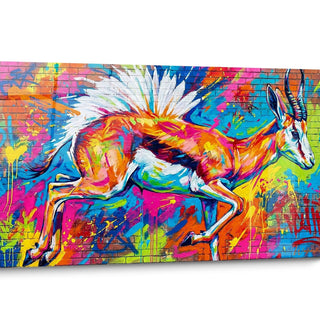 Antelope5
artworks
-
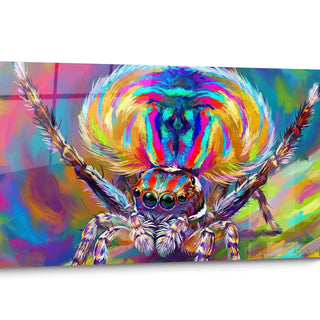 Spider8
artworks
-
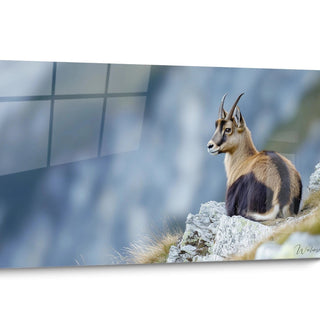 Other Animals24
artworks
-
 Ostrich75
artworks
-
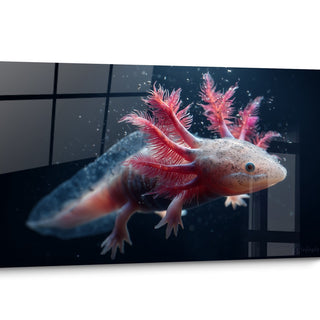 Axolotl47
artworks
-
 Whale89
artworks
-
 Barracuda61
artworks
-
 Snipe32
artworks
-
 Ram321
artworks
-
 Beluga169
artworks
-
 Hermit-Crab12
artworks
-
 Doe10
artworks
-
 Bison42
artworks
-
 Badger59
artworks
-
 Chamois32
artworks
-
 Buffalo91
artworks
-
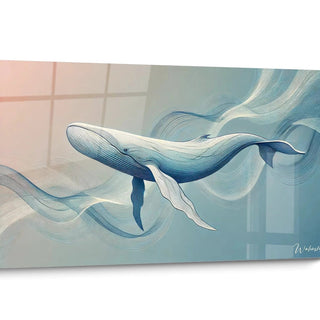 Sperm Whale8
artworks
-
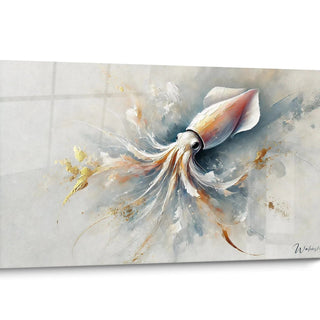 Giant Squid6
artworks
-
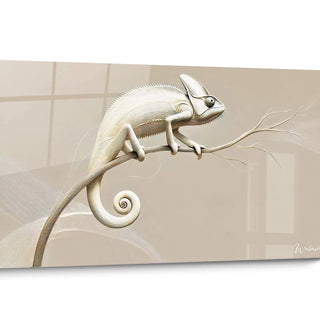 Chameleon20
artworks
-
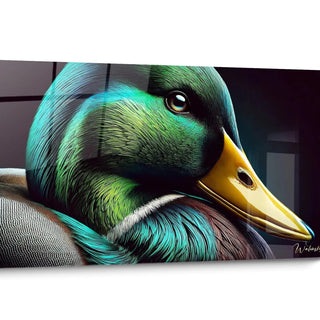 Duck352
artworks
-
 Capybara3
artworks
-
 Caracal15
artworks
-
 Caribou4
artworks
-
 Koi Carp130
artworks
-
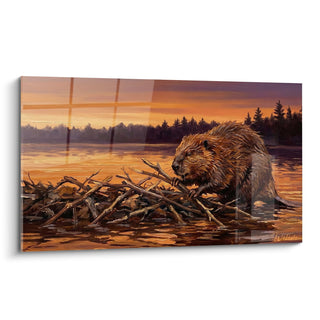 Beaver9
artworks
-
 Deer26
artworks
-
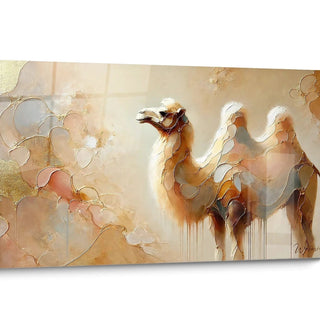 Camel3
artworks
-
 Cat1218
artworks
-
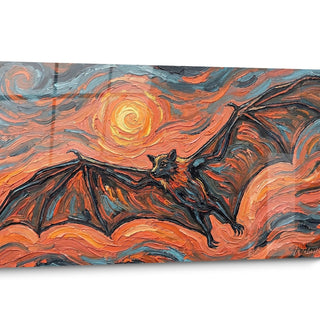 Bat10
artworks
-
 Horse1749
artworks
-
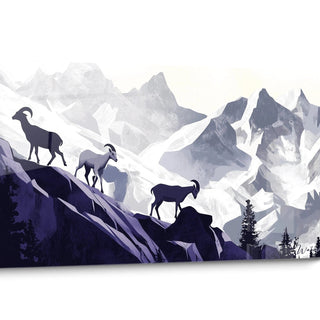 Mountain Goat3
artworks
-
 Dog3055
artworks
-
 Chimpanzee12
artworks
-
 Owl19
artworks
-
 Stork16
artworks
-
 Ladybug7
artworks
-
 Pig8
artworks
-
 Guinea Pig13
artworks
-
 Hummingbird23
artworks
-
 Dove90
artworks
-
 Rooster9
artworks
-
 Seashell6
artworks
-
 Raven9
artworks
-
 Crab5
artworks
-
 Toad8
artworks
-
 Shrimp5
artworks
-
 Crocodile4
artworks
-
 Swan189
artworks
-
 Dolphin22
artworks
-
 Dromedary4
artworks
-
 Squirrel15
artworks
-
 Elan13
artworks
-
 Elephant83
artworks
-
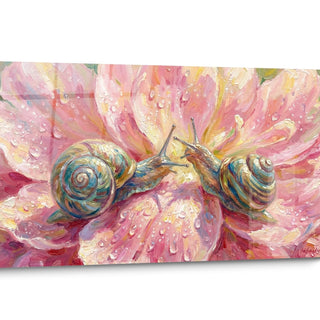 Snail11
artworks
-
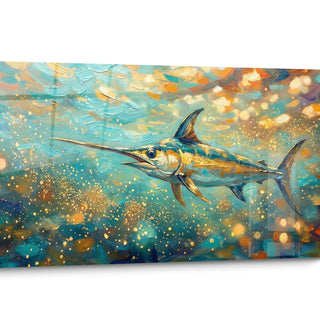 Swordfish4
artworks
-
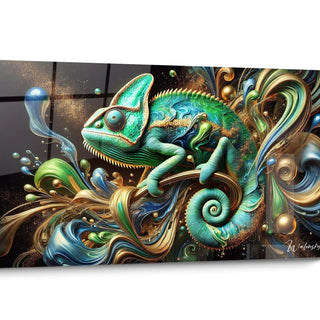 Wild Essence25
artworks
-
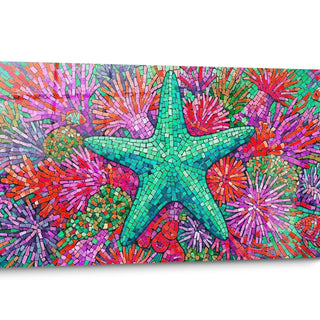 Starfish19
artworks
-
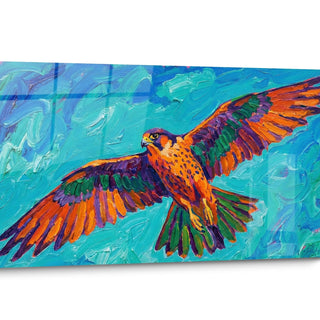 Falcon16
artworks
-
 Fennec256
artworks
-
 Pink Flamingo30
artworks
-
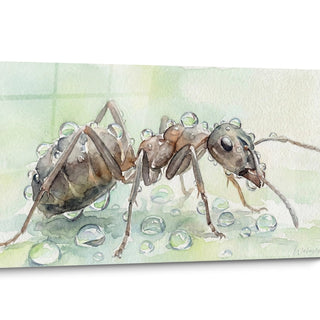 Ant19
artworks
-
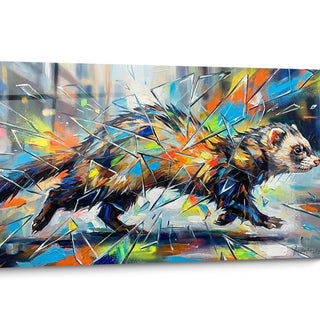 Ferret17
artworks
-
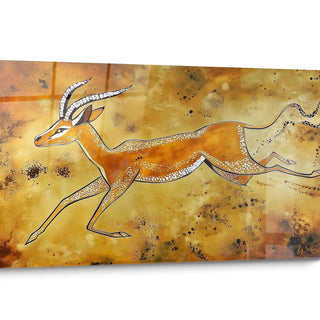 Gazelle4
artworks
-
 Giraffe183
artworks
-
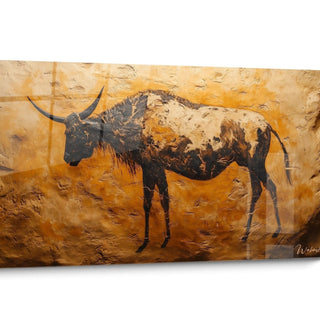 Wildebeest3
artworks
-
 Gorilla44
artworks
-
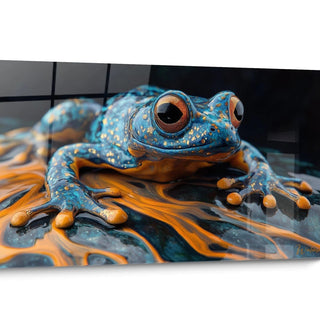 Frog65
artworks
-
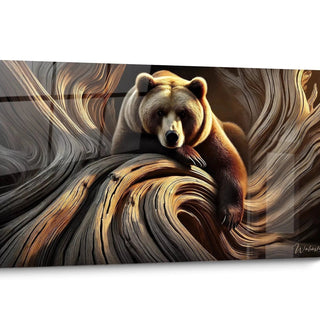 Grizzly3
artworks
-
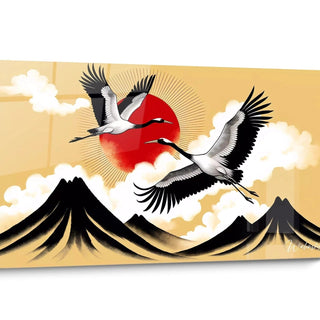 Crane10
artworks
-
 Cheetah147
artworks
-
 Hamster17
artworks
-
 Hedgehog64
artworks
-
 Heron37
artworks
-
 Owl42
artworks
-
 Seahorse34
artworks
-
 Hippopotamus4
artworks
-
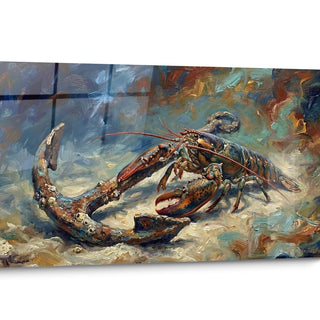 Lobster8
artworks
-
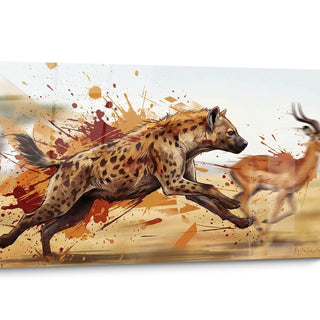 Hyena14
artworks
-
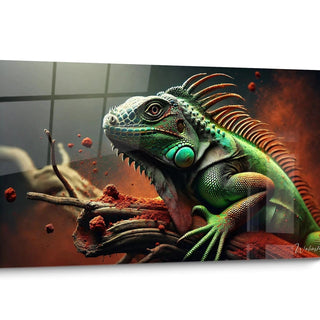 Iguana6
artworks
-
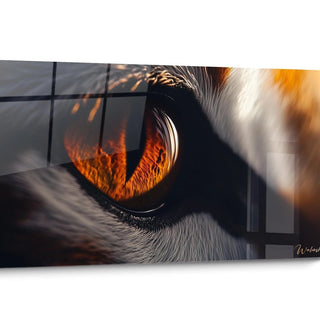 Animal Eye6
artworks
-
 Insect5
artworks
-
 Jaguar45
artworks
-
 Kangaroo100
artworks
-
 Koala18
artworks
-
 Llama107
artworks
-
 Rabbit15
artworks
-
 Lemur3
artworks
-
 Leopard26
artworks
-
 Dragonfly4
artworks
-
 Unicorn62
artworks
-
 Lion243
artworks
-
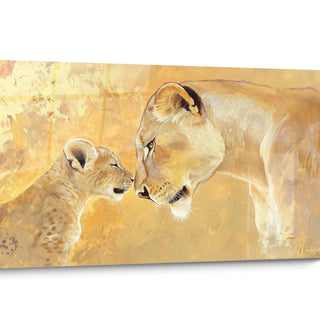 Lion Cub4
artworks
-
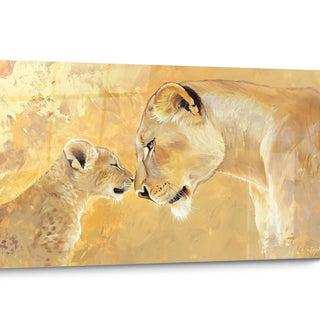 Lioness6
artworks
-
 Wolf81
artworks
-
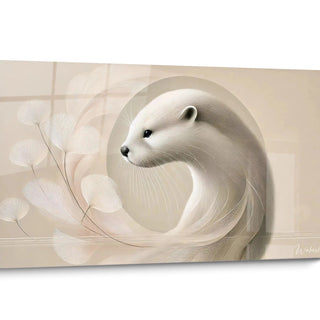 Otter6
artworks
-
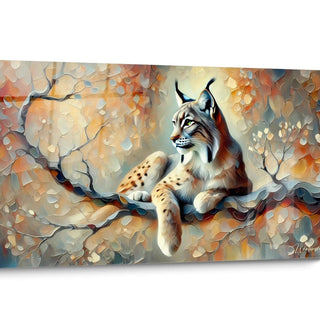 Lynx7
artworks
-
 Puffin2
artworks
-
 Penguin10
artworks
-
 Kingfisher38
artworks
-
 Jellyfish66
artworks
-
 Morse3
artworks
-
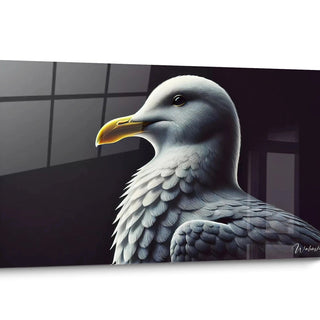 Seagull4
artworks
-
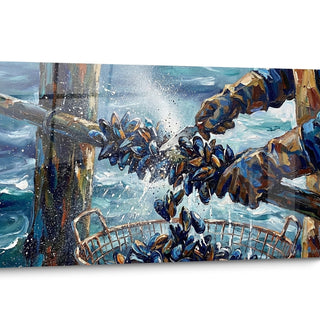 Mold14
artworks
-
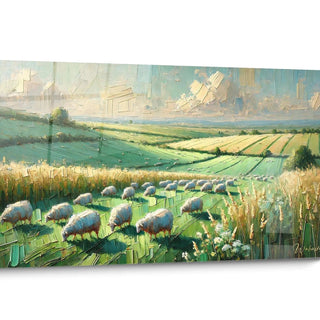 Sheep6
artworks
-
 Narwhal66
artworks
-
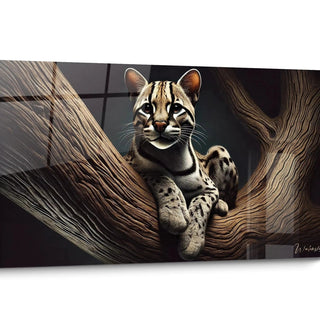 Ocelot3
artworks
-
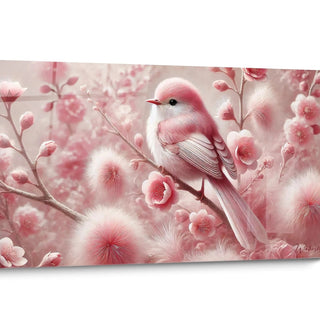 Birds15
artworks
-
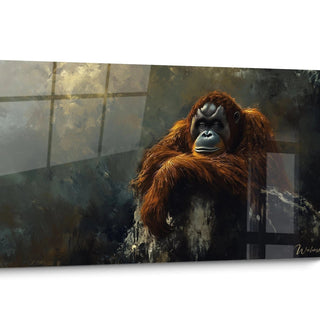 Orangutan10
artworks
-
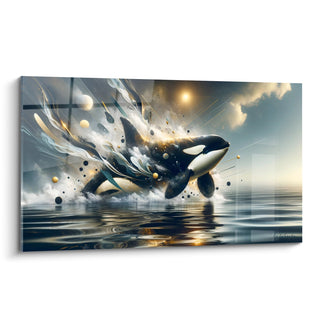 Orca28
artworks
-
 Brown Bear334
artworks
-
 Polar Bear289
artworks
-
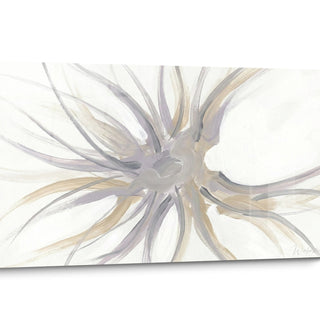 Sea Urchin9
artworks
-
 Giant Panda69
artworks
-
 Red Panda11
artworks
-
 Panther23
artworks
-
 Snow Leopard8
artworks
-
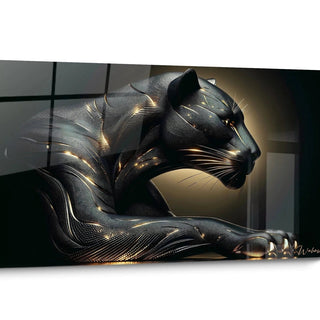 Black Panther10
artworks
-
 Peacock128
artworks
-
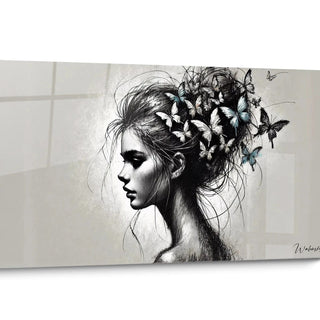 Butterfly14
artworks
-
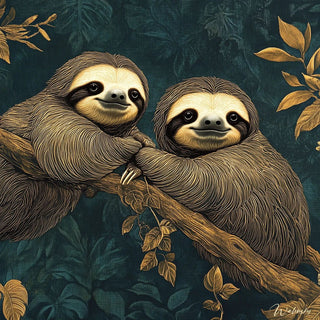 Lazy Sloth3
artworks
-
 Pelican90
artworks
-
 Parrot211
artworks
-
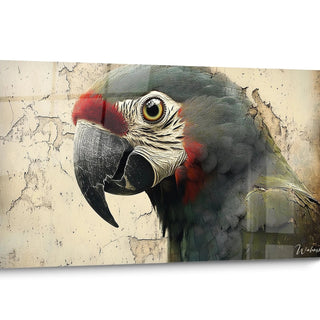 Parakeet5
artworks
-
 Seal5
artworks
-
 Pigeon10
artworks
-
 Penguin274
artworks
-
 Feather60
artworks
-
 Fish18
artworks
-
 Betta Fish12
artworks
-
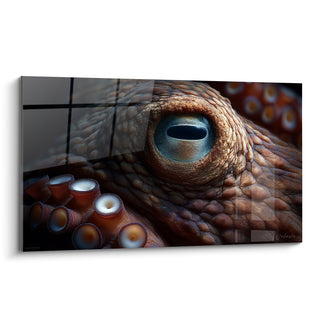 Octopus59
artworks
-
 Puma24
artworks
-
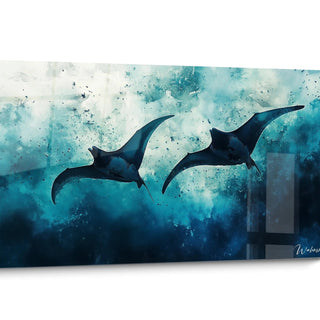 Manta Ray67
artworks
-
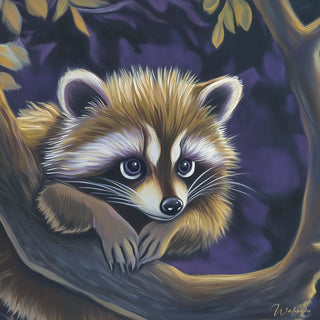 Raccoon2
artworks
-
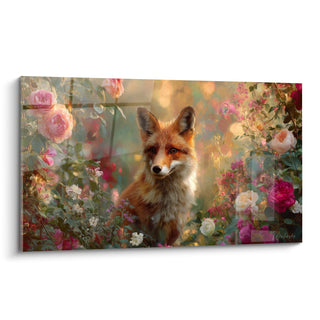 Fox141
artworks
-
 Reindeer35
artworks
-
 Shark126
artworks
-
 Rhinoceros21
artworks
-
 Salamander14
artworks
-
 Wild Boar15
artworks
-
 Scarab73
artworks
-
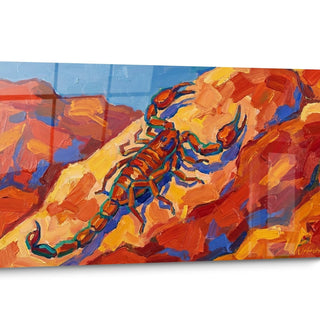 Scorpion9
artworks
-
 Serpent102
artworks
-
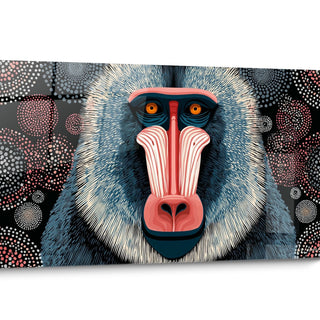 Monkey14
artworks
-
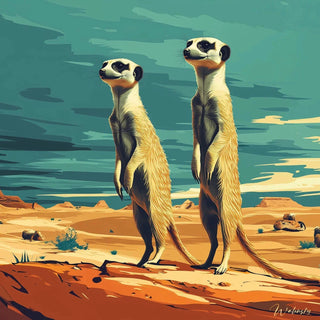 Meerkat1
artwork
-
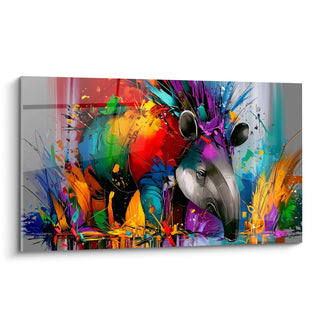 Tapir52
artworks
-
 Armadillo3
artworks
-
 Bull281
artworks
-
 Tiger334
artworks
-
 Sea Turtle26
artworks
-
 Terrestrial Turtle14
artworks
-
 Toucan7
artworks
-
 Cow9
artworks
-
 Vulture5
artworks
-
 Zebra49
artworks


All about Highland Cow Painting
- Highland Cow Painting Presentation
- Land of the Highlands
- Moorland Light
- Character and presence
This collection gathers Highland Cow paintings in which the animal's russet fleece, pale horns and dark gaze become the central motif of an interior. Each piece stages this instantly recognizable silhouette, sometimes encircled by fine rain, sometimes bathed in late-afternoon light, to compose an ensemble where pictorial matter occupies as much space as the subject itself.
What unites these Highland Cow paintings is a palette that recurs from one canvas to the next: ochres, deep browns and golden touches that warm settings that are often mineral or misty. This chromatic repetition creates a genuine visual signature, capable of turning an entire wall into an evocation of Scottish moorlands without ever sliding into sterile repetition.
This collection is for those who love interiors inhabited by a strong yet calm presence: a living room seeking character, an entrance meant to surprise, an office in need of a wild breath of air. Lovers of nature, of worked pictorial matter and of quiet symbols will find a piece that does more than decorate a wall; it tells a story.
Beyond the animal motif, these Highland Cow paintings also speak of climate, light and texture: the rain streaking the background, the fur that seems almost tangible, the sun piercing the clouds. It is this diversity of atmospheres, gathered around a single subject, that gives the ensemble its richness and coherence.
Where do the russet silhouettes of these Highland Cow paintings come from?
Why this particular russet coat and these distinctive horns?
The shaggy fleece and long pale horns found on every Highland Cow painting are not an artist's invention: they belong to a breed born in the Scottish highlands, shaped by centuries of harsh winters and poor pastures. This double coat, coarse on the surface and woolly beneath, explains the thick, almost material texture that painters reproduce with heavily loaded brushstrokes. Hanging such a canvas means bringing into your home the visible trace of an adaptation to climate, an animal shaped by its territory more than by human hand.
What do the reliefs and moorlands in the background tell?
The rolling hills, dry grasses and shifting skies surrounding the cow in these Highland Cow paintings are not mere backdrops: they recreate a real landscape, that of the Scottish Highlands, where rugged terrain and a damp climate isolated this breed for generations. This precise geography gives each composition a strong geographic anchor, far from the generic meadows found elsewhere. For those who love origins that read at a single glance, these backgrounds are enough to place the scene without any caption.
Why has this animal crossed the centuries without changing?
If the Highland Cow paintings always show the same type of animal, sturdy and little altered, it is because this breed was deliberately preserved for its hardiness rather than selected for intensive agricultural yield. It remains close to its ancient bearing, which explains that impression of raw authenticity artists seek to capture. Hanging such a canvas means choosing an image not smoothed by modern farming standards, a living vestige rather than a manufactured product.
What light and seasons reveal in these Highland Cow paintings
Why do rain and mist return so often?
The fine rain, slate-grey skies and blue-grey veils crossing several Highland Cow paintings reflect a humid oceanic climate, that of the highlands where fog and showers shape the year more than sunshine. This atmosphere is not an isolated aesthetic choice: it matches the meteorological reality of a territory where the animal has learned to endure dampness without ever seeking shelter. On a wall, this controlled greyness creates a striking contrast with the warmth of the coat, a rare balance between the coldness of the setting and the softness of the material.
Where does this golden late-day light come from?
The coral, peach and golden tones bathing certain scenes in these Highland Cow paintings evoke a precise twilight, that of Scottish summer evenings when the sun skims the horizon without truly disappearing. This particular light, owing to the high latitude of the Highlands, lengthens shadows and softens outlines, giving the scenes an almost intimate tone. For an interior, this twilight warmth brings a gentle breath of air, a luminous counterpoint to the darker, rainy canvases of the same collection.
Why do some paintings play on the dissolution of matter?
On several Highland Cow paintings, the animal's body seems to dissolve into shards or petals, as if carried away by the wind. This effect expresses an old idea: that of an animal so bound to its environment that it becomes almost inseparable from it, merged with the moor, the rain or the light surrounding it. This pictorial device turns the realism of the muzzle into a waking dream, giving the piece an almost inhabited dimension where the boundary between animal and landscape gently fades.
What the gaze and posture say in these Highland Cow paintings
Why does this frontal gaze impose so much presence?
The dark, direct gaze found in many Highland Cow paintings is not incidental: this breed was long left in semi-freedom, little accustomed to fleeing humans, which explains this calm assurance rather than a wild demeanor. This calm, almost frontal posture gives the animal a silent authority quite different from the agitation often attributed to livestock. On a wall, this gaze captures attention without aggression, a presence that asserts itself through stillness rather than movement.
To whom does such animal presence speak within a room?
These Highland Cow paintings particularly appeal to lovers of rural authenticity and wide open spaces, those who prefer quiet strength to overly polished decoration. The animal, neither domesticated nor threatening, embodies a reassuring robustness rather than unsettling savagery. It naturally finds its place among nature enthusiasts, lovers of travel in Celtic lands, or simply anyone seeking an animal subject that moves beyond the more expected portraits of dogs or horses.
How does posture change the rhythm of a room?
Whether shown alone, in close-up or accompanied by a calf, the cow in these Highland Cow paintings always occupies space with massive stability, almost sculptural. This stillness contrasts with the moving elements around her, rain, clouds or drifting petals, creating a strong visual anchor point. In a room, this static presence acts as a calm reference point, a quiet counterweight to the bustle of daily life, without ever overwhelming the space through its apparent size.
FAQ on Highland cow paintings
Why has the Highland Cow become such a recognizable motif in wall decor?
Its shaggy silhouette, enormous horns and russet coat make it immediately identifiable, unlike other more discreet cattle breeds. This spectacular look, inherited from its adaptation to the Scottish highlands, makes it a visually powerful subject that stands clearly apart from the ordinary farm animals usually depicted in painting.
Do these paintings suit an interior with no connection to Scotland or the countryside?
Yes, because the strength of these canvases lies as much in their texture and light as in the Scottish setting itself. The fur's material and the play of colors engage with varied interiors, bringing a touch of raw character without requiring a strongly rustic theme in the rest of the room.
Why choose a Highland Cow over another farm or moorland animal?
It combines visual rarity, long horns, dense coat, with a symbolism of calm robustness rarely associated with other cattle. Where a horse evokes momentum and a sheep evokes gentleness, the Highland Cow embodies a quiet resilience, a balance between power and calm that appeals to a different audience.
Further reading
Our articles on this topic
- Highland cow painting for a rustic living room: where and how to hang it
- Black and white cow painting in Scandinavian style: the animal graphic in a minimalist version
- Funny cow painting: the decor that makes the whole house smile
- Which cow painting to choose based on your country kitchen layout
- Golden farm animals painting: the chic touch for a rustic living room
- Highland cow painting: the star of Scottish pastures in your décor
L'art qui suscite l'envie
Maison belge d'art mural grand format
14 jourspour changer d'avis*
Protection Walenskyincluse
Fabriquéen Italie
FormatXXL
Kit de fixationtoujours fourni
* Hors tableaux personnalisés et tailles personnalisées


