


Tapir Artwork
The Tableau Tapir brings together rare visions where the most discreet animal in the rainforest becomes an explosion of matter and color. Charcoal snout, golden stripes, red peonies, or stained glass shards: each canvas in this Tableau Tapir collection transforms a silent profile into a strong graphic presence. Between twilight light and vibrant compositions, these works invite an unknown creature to fully occupy a wall, with softness and character.
 Green and Gold Tapir Painting on a Tree - Forest Fusion - Tapir Edition220,90 €
 Pink and Blue Tapir Painting with Splashes - Tropical Explosion - Tapir Edition220,90 €
 Blue and White Tapir Painting with Orange Accents - Mist's Gaze - Tapir Edition220,90 €
 Blue Tapir Painting with Gold Stripes - Suspended Silhouette - Tapir Edition220,90 €
In the same family
Also explore the theme Animals
-
 View all9925
artworks
View all9925
artworks
-
 Bee54
artworks
Bee54
artworks
-
 Eagle18
artworks
Eagle18
artworks
-
 Donkey15
artworks
Donkey15
artworks
-
 Savannah Wildlife94
artworks
Savannah Wildlife94
artworks
-
 Antelope5
artworks
Antelope5
artworks
-
 Spider8
artworks
Spider8
artworks
-
 Other Animals24
artworks
Other Animals24
artworks
-
 Ostrich75
artworks
Ostrich75
artworks
-
 Axolotl47
artworks
Axolotl47
artworks
-
 Whale89
artworks
Whale89
artworks
-
 Ram315
artworks
Ram315
artworks
-
 Beluga169
artworks
Beluga169
artworks
-
 Hermit-Crab12
artworks
Hermit-Crab12
artworks
-
 Doe10
artworks
Doe10
artworks
-
 Bison8
artworks
Bison8
artworks
-
 Buffalo12
artworks
Buffalo12
artworks
-
 Sperm Whale8
artworks
Sperm Whale8
artworks
-
 Giant Squid6
artworks
Giant Squid6
artworks
-
 Chameleon20
artworks
Chameleon20
artworks
-
 Duck340
artworks
Duck340
artworks
-
 Capybara3
artworks
Capybara3
artworks
-
 Caracal15
artworks
Caracal15
artworks
-
 Caribou4
artworks
Caribou4
artworks
-
 Koi Carp130
artworks
Koi Carp130
artworks
-
 Beaver9
artworks
Beaver9
artworks
-
 Deer26
artworks
Deer26
artworks
-
 Camel3
artworks
Camel3
artworks
-
 Cat1218
artworks
Cat1218
artworks
-
 Bat10
artworks
Bat10
artworks
-
 Horse46
artworks
Horse46
artworks
-
 Mountain Goat3
artworks
Mountain Goat3
artworks
-
 Dog3055
artworks
Dog3055
artworks
-
 Chimpanzee12
artworks
Chimpanzee12
artworks
-
 Owl19
artworks
Owl19
artworks
-
 Stork16
artworks
Stork16
artworks
-
 Ladybug7
artworks
Ladybug7
artworks
-
 Pig8
artworks
Pig8
artworks
-
 Guinea Pig13
artworks
Guinea Pig13
artworks
-
 Hummingbird23
artworks
Hummingbird23
artworks
-
 Rooster9
artworks
Rooster9
artworks
-
 Seashell6
artworks
Seashell6
artworks
-
 Raven9
artworks
Raven9
artworks
-
 Crab5
artworks
Crab5
artworks
-
 Toad8
artworks
Toad8
artworks
-
 Shrimp5
artworks
Shrimp5
artworks
-
 Crocodile4
artworks
Crocodile4
artworks
-
 Swan189
artworks
Swan189
artworks
-
 Dolphin11
artworks
Dolphin11
artworks
-
 Dromedary4
artworks
Dromedary4
artworks
-
 Squirrel15
artworks
Squirrel15
artworks
-
 Elan13
artworks
Elan13
artworks
-
 Elephant80
artworks
Elephant80
artworks
-
 Snail11
artworks
Snail11
artworks
-
 Swordfish4
artworks
Swordfish4
artworks
-
 Wild Essence25
artworks
Wild Essence25
artworks
-
 Starfish19
artworks
Starfish19
artworks
-
 Falcon16
artworks
Falcon16
artworks
-
 Fennec256
artworks
Fennec256
artworks
-
 Pink Flamingo30
artworks
Pink Flamingo30
artworks
-
 Ant19
artworks
Ant19
artworks
-
 Ferret17
artworks
Ferret17
artworks
-
 Gazelle4
artworks
Gazelle4
artworks
-
 Giraffe183
artworks
Giraffe183
artworks
-
 Wildebeest3
artworks
Wildebeest3
artworks
-
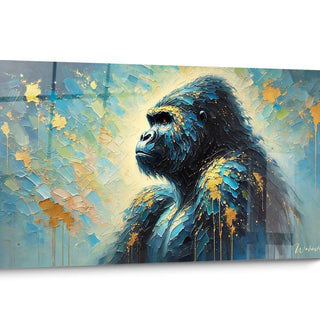 Gorilla15
artworks
Gorilla15
artworks
-
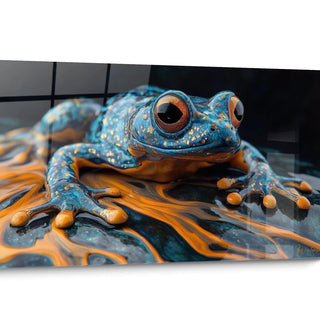 Frog65
artworks
Frog65
artworks
-
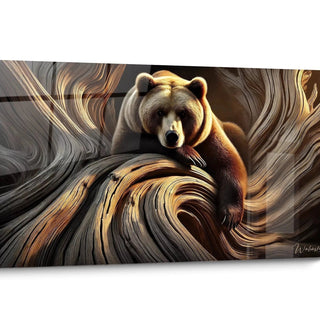 Grizzly3
artworks
Grizzly3
artworks
-
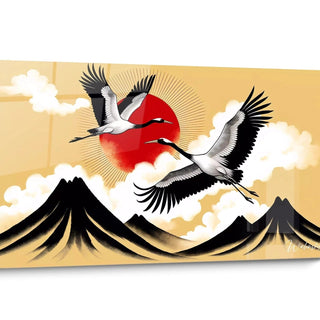 Crane10
artworks
Crane10
artworks
-
 Cheetah7
artworks
Cheetah7
artworks
-
 Hamster17
artworks
Hamster17
artworks
-
 Hedgehog8
artworks
Hedgehog8
artworks
-
 Heron37
artworks
Heron37
artworks
-
 Owl42
artworks
Owl42
artworks
-
 Seahorse34
artworks
Seahorse34
artworks
-
 Hippopotamus4
artworks
Hippopotamus4
artworks
-
 Lobster8
artworks
Lobster8
artworks
-
 Hyena14
artworks
Hyena14
artworks
-
 Iguana6
artworks
Iguana6
artworks
-
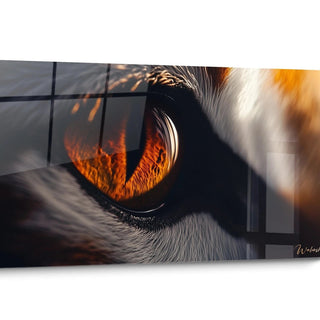 Animal Eye6
artworks
Animal Eye6
artworks
-
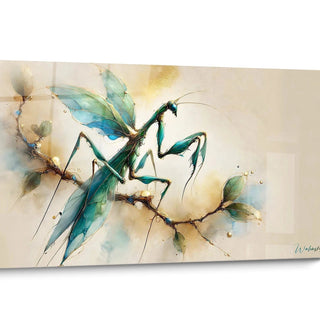 Insect5
artworks
Insect5
artworks
-
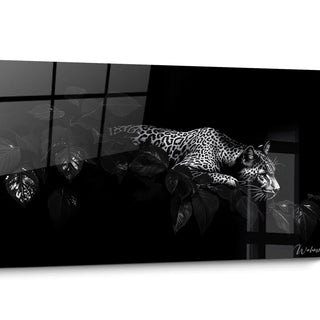 Jaguar6
artworks
Jaguar6
artworks
-
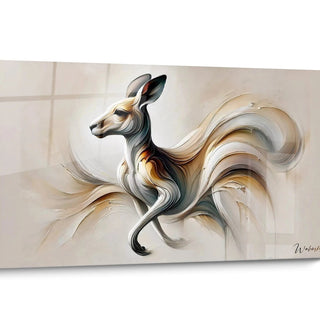 Kangaroo9
artworks
Kangaroo9
artworks
-
 Koala18
artworks
Koala18
artworks
-
 Llama107
artworks
Llama107
artworks
-
 Rabbit15
artworks
Rabbit15
artworks
-
 Lemur3
artworks
Lemur3
artworks
-
 Dragonfly4
artworks
Dragonfly4
artworks
-
 Unicorn3
artworks
Unicorn3
artworks
-
 Lion170
artworks
Lion170
artworks
-
 Lion Cub4
artworks
Lion Cub4
artworks
-
 Lioness6
artworks
Lioness6
artworks
-
 Wolf13
artworks
Wolf13
artworks
-
 Otter6
artworks
Otter6
artworks
-
 Lynx7
artworks
Lynx7
artworks
-
 Puffin2
artworks
Puffin2
artworks
-
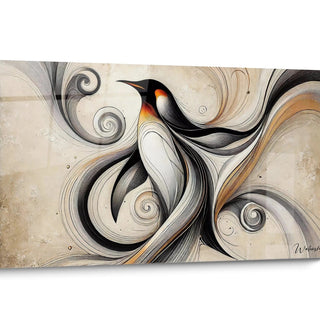 Penguin10
artworks
Penguin10
artworks
-
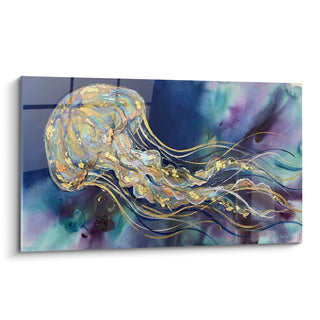 Jellyfish17
artworks
Jellyfish17
artworks
-
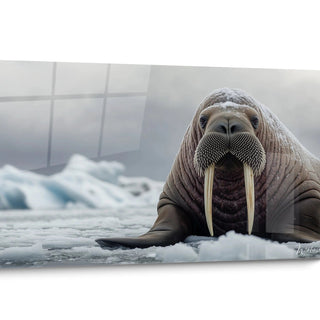 Morse3
artworks
Morse3
artworks
-
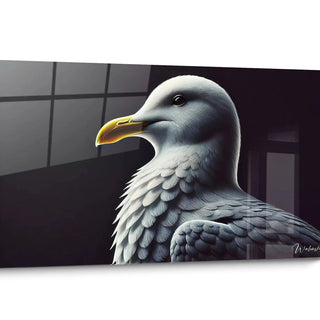 Seagull4
artworks
Seagull4
artworks
-
 Mold14
artworks
Mold14
artworks
-
 Sheep6
artworks
Sheep6
artworks
-
 Narwhal66
artworks
Narwhal66
artworks
-
 Ocelot3
artworks
Ocelot3
artworks
-
 Birds15
artworks
Birds15
artworks
-
 Orangutan10
artworks
Orangutan10
artworks
-
 Orca28
artworks
Orca28
artworks
-
 Brown Bear334
artworks
Brown Bear334
artworks
-
 Polar Bear289
artworks
Polar Bear289
artworks
-
 Sea Urchin9
artworks
Sea Urchin9
artworks
-
 Giant Panda69
artworks
Giant Panda69
artworks
-
 Red Panda11
artworks
Red Panda11
artworks
-
 Panther19
artworks
Panther19
artworks
-
 Snow Leopard8
artworks
Snow Leopard8
artworks
-
 Black Panther10
artworks
Black Panther10
artworks
-
 Peacock25
artworks
Peacock25
artworks
-
 Butterfly14
artworks
Butterfly14
artworks
-
 Lazy Sloth3
artworks
Lazy Sloth3
artworks
-
 Pelican3
artworks
Pelican3
artworks
-
 Parrot211
artworks
Parrot211
artworks
-
 Parakeet5
artworks
Parakeet5
artworks
-
 Seal5
artworks
Seal5
artworks
-
 Pigeon10
artworks
Pigeon10
artworks
-
 Penguin274
artworks
Penguin274
artworks
-
 Feather60
artworks
Feather60
artworks
-
 Fish18
artworks
Fish18
artworks
-
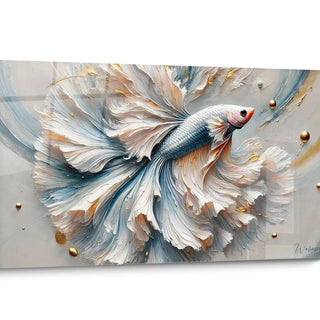 Betta Fish12
artworks
Betta Fish12
artworks
-
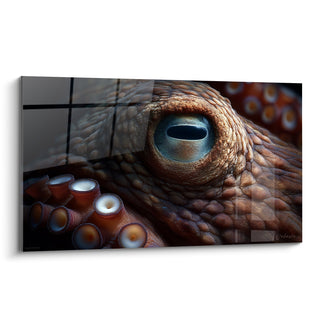 Octopus59
artworks
Octopus59
artworks
-
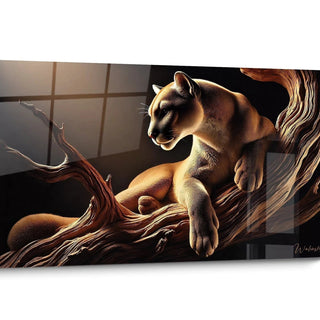 Puma3
artworks
Puma3
artworks
-
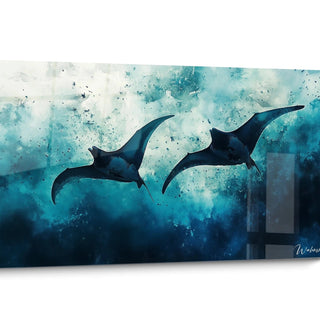 Manta Ray4
artworks
Manta Ray4
artworks
-
 Raccoon2
artworks
Raccoon2
artworks
-
 Fox141
artworks
Fox141
artworks
-
 Shark126
artworks
Shark126
artworks
-
 Rhinoceros21
artworks
Rhinoceros21
artworks
-
 Salamander14
artworks
Salamander14
artworks
-
 Wild Boar15
artworks
Wild Boar15
artworks
-
 Scarab3
artworks
Scarab3
artworks
-
 Scorpion9
artworks
Scorpion9
artworks
-
 Serpent102
artworks
Serpent102
artworks
-
 Monkey14
artworks
Monkey14
artworks
-
 Meerkat1
artwork
Meerkat1
artwork
-
 Armadillo3
artworks
Armadillo3
artworks
-
 Bull281
artworks
Bull281
artworks
-
 Tiger316
artworks
Tiger316
artworks
-
 Sea Turtle18
artworks
Sea Turtle18
artworks
-
 Terrestrial Turtle14
artworks
Terrestrial Turtle14
artworks
-
 Toucan7
artworks
Toucan7
artworks
-
 Cow9
artworks
Cow9
artworks
-
 Vulture5
artworks
Vulture5
artworks
-
 Zebra49
artworks
Zebra49
artworks


All about Tapir Artwork
- Artwork Description
- A Snout from Afar
- Forests, Rivers, and Twilight
- Material, Color, Radiance
The Tapir Artwork Collection brings together works dedicated to one of the most enigmatic animals in tropical America, this mammal with an elongated snout that few people would recognize or locate. Here, it becomes the central subject of a series of canvases that play on contrasts: dark materials and golden stripes, graphic silhouettes and plant backgrounds, almost abstract portraits and more narrative scenes on the edge of the water.
What unites these paintings is not a unique palette but a common way of treating the subject: always this recognizable profile, this snout shaped like a short trunk, this precise eye that anchors the gaze in the middle of sometimes scattered, sometimes serene compositions. The tapir appears alternately as a nocturnal silhouette, a delicate floral figure, or a stained-glass creature, but never as an ordinary animal from a wildlife documentary.
This collection is for those seeking an uncommon subject to dress up a living room, office, or entrance: something that intrigues before it is identified, that raises a question before an obviousness. It will appeal to those who like interiors where the decoration tells a discovery, not just an atmosphere.
Hung together or individually, these canvases bring an exotic and graphic presence, far from the expected animals of classic collections. The Tapir Artwork then becomes a choice as curious as it is refined, capable of surprising as much as seducing durably.
What the tapir's profile reveals about these artworks
Why does this elongated snout dominate each composition?
On each Tapir Artwork, the eye is immediately drawn to this elongated nose that falls almost like a small, flexible trunk. This anatomical particularity, unique among large terrestrial mammals, is taken up by the artists as an anchor point of the composition: it structures the canvas, guides the eye from the top of the skull to the tip of the snout. This trait, inherited from an ancient evolution dating back to ancestors present even before some current large herbivores, gives the animal a silhouette that no other mammal shares, and which painting exploits as an immediately recognizable graphic signature.
Where does this impression of an animal both ancient and strange come from?
The tapir belongs to a lineage whose morphology has evolved little over millions of years, which explains this look that is both familiar and confusing that is found on these paintings. Artists play on this strangeness by accentuating the volumes of the skull, the roundness of the ears and the thick texture of the skin, suggested by impasto or graphic stripes. The result evokes a creature from a different time, almost prehistoric, which the modernity of the pictorial treatment contradicts with force.
What does this rare silhouette change once hung at home?
Choosing a Tapir Artwork means introducing into a room an animal form that almost no one will be able to name at first glance, which inevitably creates a conversation. This visual rarity clearly distinguishes the collection from portraits of wolves, horses or felines that saturate interiors. The elongated snout, once displayed in a large format, becomes an almost abstract motif that captures attention without falling into the already-seen of the most represented animals in wall decoration.
The tropical landscapes that traverse the Tapir Artwork
Why do these canvases often evoke a clearing or a body of water?
The tapir lives mainly near rivers and wetlands in the forests of South America and Southeast Asia, where it moves at dusk to drink and feed. This habit explains why so many paintings in the collection place the animal on the edge of the water, surrounded by dense vegetation and a subdued light evoking twilight. The Tapir Artwork then becomes a window open to a discreet world, rarely represented in painting, where the tropical twilight replaces the harsh light of more expected savanna scenes.
" [HTML FRAGMENT - traduit ce fragment HTML, garde la structure]What does the golden light returning in these compositions tell us?
The ochre and amber tones that run through several of these works recall the light filtered through a dense canopy, that particular halo that bathes tropical undergrowth during the quietest hours of the day. This warm hue, far from being a simple aesthetic choice, conveys a specific moment in the life of the tapir, a nocturnal and discreet animal that never exposes itself in full light. It creates an enveloping atmosphere in the room, closer to rest than agitation, very different from the usual diurnal animal scenes.
How does this vegetal decor transform the perception of the animal?
By surrounding the tapir with foliage, flowers, or reflections of water, these paintings reverse the usual hierarchy of animal scenes where the creature largely dominates its environment. Here, the animal seems to blend, almost dissolve into the vegetation, as if it belonged entirely to this decor rather than traversing it. This visual approach does justice to a truly discreet animal in nature, and gives the Tapir Artwork a rare delicacy, far from the frontal and dominant postures of more classic animal portraits.
The pictorial treatment that distinguishes each Tapir Artwork
Why do some canvases resemble stained glass?
Several works in the collection segment the animal's body into colored fragments bordered with golden lines, a technique that directly evokes stained glass or blown glass. This treatment transforms a terrestrial and discreet creature into an almost precious object, as if its silhouette had been recomposed through a luminous material. The Tapir Artwork then gains a quasi-ornamental dimension, where each color segment captures the ambient light differently depending on the time and orientation of the room where it is hung.
Where do these bursts of vibrant colors that seem to explode around the animal come from?
Some canvases surround the tapir with shattered touches of paint, almost projected, blending deep blues, vibrant reds, and luminous yellows in a controlled disorder. This pictorial approach, close to expressive abstraction, deliberately contrasts with the softness of the subject and its discreet lifestyle. It conveys an inner energy that would never be guessed in this placid animal, and gives the Tapir Artwork a chromatic intensity that sharply contrasts with more realistic and posed animal representations.
Do these contrasts in texture suit all rooms?
The color density and almost sculptural texture of some canvases require a wall that is sufficiently clear to breathe fully, without immediate visual competition. In a living room or hallway with neutral tones, this Tapir Artwork quickly becomes the focal point of the room, bringing an intensity that few other animal subjects offer with so much variety. This richness of texture is particularly suitable for those who are looking for a work to observe for a long time, rich in details to discover gradually.
FAQ about Tapir Artwork
Why does the tapir remain so little represented in wall decor compared to other exotic animals?
The tapir is a discreet, nocturnal animal and less publicized than more spectacular felines or tropical birds. This iconographic rarity makes the Tapir Artwork a singular choice, far from the animal subjects already widely distributed, and allows to bring a truly original touch to an interior without multiplying searches among more common motifs.
Is the Tapir Artwork suitable for someone who doesn't know this animal?
Yes, because these canvases do not rely on immediate recognition but on the visual impact of the elongated snout, the colors, and the composition. Many discover the animal thanks to the artwork hung, which creates a natural curiosity and an opportunity for conversation, without requiring prior knowledge of this uncommon species.
How do these paintings differ from more common African savanna scenes?
The tapir evokes humid forests and rivers of tropical America, a very different visual universe from the dry expanses associated with African lions or elephants. The darker tones, water reflections, and dense vegetation give the Tapir Artwork a distinctly more intimate and mysterious atmosphere than the usual savanna animal scenes.


