


Narwhal Artwork
The collection Narval Painting brings together canvases where the sea unicorn emerges from the ice, twisted tusk cleaving the air between pearlescent materials and golden highlights. Each Narval Painting plays on contrasts between sculptural impastos and watercolor transparencies, between polar silence and sudden bursts. A legendary presence that establishes within an interior the discreet power of the Arctic seas, between animal mystery and assumed pictorial refinement.
 Blue and White Narval Painting with Fine Tusk - Icy Splashes - Narval Edition273,90 €
 Glacier Blue Narwhal Painting in Aquatic Spiral - Polar Dance - Narwhal Edition273,90 €
 Narval Black and Ocher Painting with Geometric Blocks - Polar Drift - Narval Edition273,90 €
 Narval Painting Blue and Ocher with Large Solar Disk - Graphic Solar Circle - Narval Edition273,90 €
 Ivory Narwhal Painting with Pastel Blue Accents - Silent Glide - Narval Edition273,90 €
 Spotted Narwhal Painting in Brown and White with Piercing Gaze - Intense Eye and Speckled Texture - Narval Edition273,90 €
 Beige and Grey Narwhal Painting with Striated Tusk - Swirl of Sandy Tones - Narval Edition273,90 €
 Narval Painting Black Background and Silver Strands - Emergence from the Abyss - Narval Edition228,90 €
 Purple and Gold Narwhal Painting with Marbled Swirls - Polar Dream - Narval Edition228,90 €
 Blue and Ochre Narwhal Triptych - Marine Ascension - Narval Edition228,90 €
 White and Anthracite Narwhal Painting with Golden Tusk - Crossing the Abyss - Narval Edition228,90 €
 Purple and Gold Narwhal Painting on Black Background - Golden Depths - Narval Edition228,90 €
 Pink and Turquoise Narwhal Splatter Painting - Marine Explosion - Narval Edition228,90 €
 Gray and Gold Narwhal Painting with Swirling Waters - Silence of the Ice - Narval Edition228,90 €
 Narval Gray and Gold Artwork on Black Background - Nocturnal Emergence - Narval Edition228,90 €
 Pale Blue Narwhal Watercolor Swimming Painting - Glacial Drift - Narval Edition228,90 €
 Narval emerging from icy blue waters - Polar emergence - Narval Edition228,90 €
 Ivory Narwhal with Bluish Streaks - Polar Mystery - Narval Edition228,90 €
In the same family
Also explore the theme Animals
-
 View all10974
artworks
-
 Bee54
artworks
-
 Eagle18
artworks
-
 Alpaca111
artworks
-
 Donkey15
artworks
-
 Savannah Wildlife94
artworks
-
 Antelope5
artworks
-
 Spider8
artworks
-
 Other Animals24
artworks
-
 Ostrich75
artworks
-
 Axolotl47
artworks
-
 Whale89
artworks
-
 Barracuda61
artworks
-
 Snipe32
artworks
-
 Ram315
artworks
-
 Beluga169
artworks
-
 Hermit-Crab12
artworks
-
 Doe10
artworks
-
 Bison8
artworks
-
 Badger59
artworks
-
 Chamois32
artworks
-
 Buffalo91
artworks
-
 Sperm Whale8
artworks
-
 Giant Squid6
artworks
-
 Chameleon20
artworks
-
 Duck352
artworks
-
 Capybara3
artworks
-
 Caracal15
artworks
-
 Caribou4
artworks
-
 Koi Carp130
artworks
-
 Beaver9
artworks
-
 Deer26
artworks
-
 Camel3
artworks
-
 Cat1218
artworks
-
 Bat10
artworks
-
 Horse73
artworks
-
 Mountain Goat3
artworks
-
 Dog3055
artworks
-
 Chimpanzee12
artworks
-
 Owl19
artworks
-
 Stork16
artworks
-
 Ladybug7
artworks
-
 Pig8
artworks
-
 Guinea Pig13
artworks
-
 Hummingbird23
artworks
-
 Dove90
artworks
-
 Rooster9
artworks
-
 Seashell6
artworks
-
 Raven9
artworks
-
 Crab5
artworks
-
 Toad8
artworks
-
 Shrimp5
artworks
-
 Crocodile4
artworks
-
 Swan189
artworks
-
 Dolphin11
artworks
-
 Dromedary4
artworks
-
 Squirrel15
artworks
-
 Elan13
artworks
-
 Elephant80
artworks
-
 Snail11
artworks
-
 Swordfish4
artworks
-
 Wild Essence25
artworks
-
 Starfish19
artworks
-
 Falcon16
artworks
-
 Fennec256
artworks
-
 Pink Flamingo30
artworks
-
 Ant19
artworks
-
 Ferret17
artworks
-
 Gazelle4
artworks
-
 Giraffe183
artworks
-
 Wildebeest3
artworks
-
 Gorilla15
artworks
-
 Frog65
artworks
-
 Grizzly3
artworks
-
 Crane10
artworks
-
 Cheetah147
artworks
-
 Hamster17
artworks
-
 Hedgehog64
artworks
-
 Heron37
artworks
-
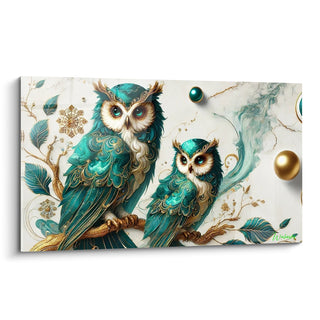 Owl42
artworks
-
 Seahorse34
artworks
-
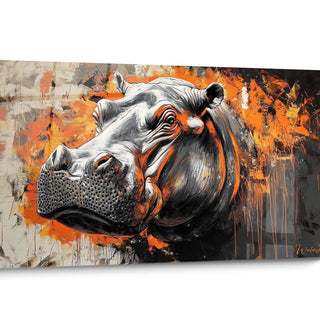 Hippopotamus4
artworks
-
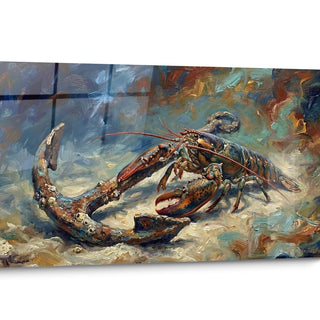 Lobster8
artworks
-
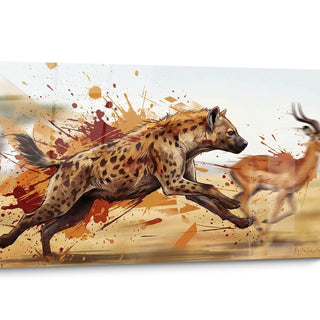 Hyena14
artworks
-
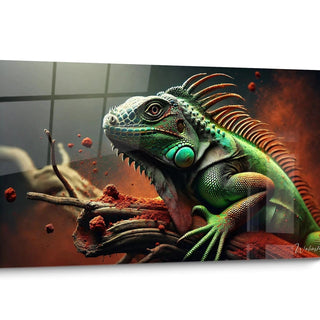 Iguana6
artworks
-
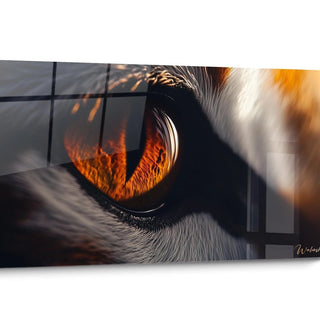 Animal Eye6
artworks
-
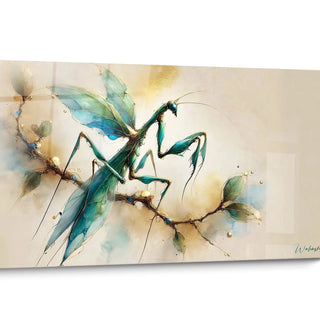 Insect5
artworks
-
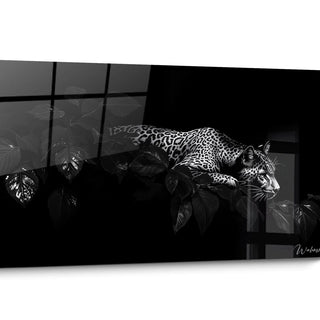 Jaguar6
artworks
-
 Kangaroo100
artworks
-
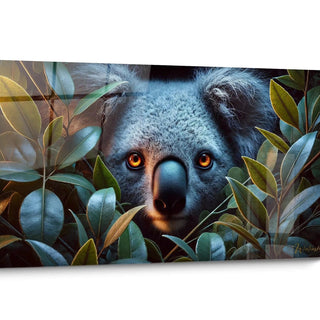 Koala18
artworks
-
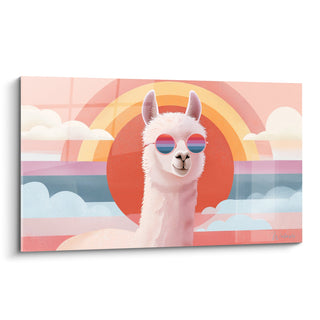 Llama107
artworks
-
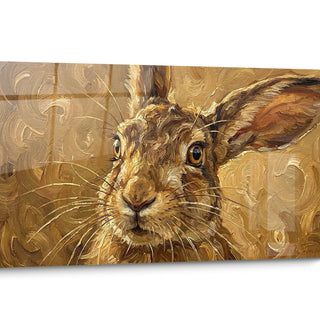 Rabbit15
artworks
-
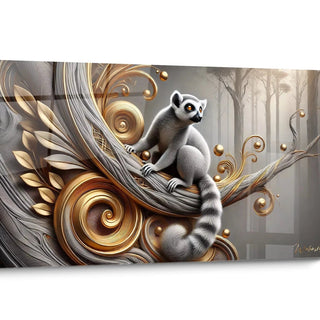 Lemur3
artworks
-
 Dragonfly4
artworks
-
 Unicorn62
artworks
-
 Lion193
artworks
-
 Lion Cub4
artworks
-
 Lioness6
artworks
-
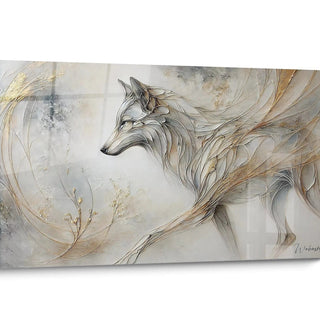 Wolf13
artworks
-
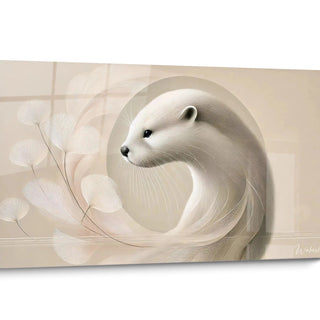 Otter6
artworks
-
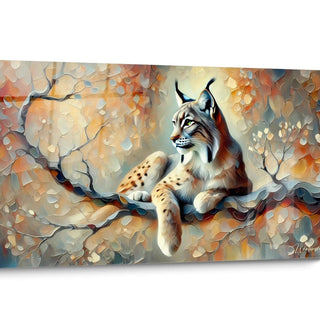 Lynx7
artworks
-
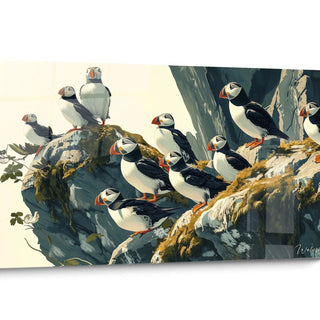 Puffin2
artworks
-
 Penguin10
artworks
-
 Jellyfish17
artworks
-
 Morse3
artworks
-
 Seagull4
artworks
-
 Mold14
artworks
-
 Sheep6
artworks
-
 Ocelot3
artworks
-
 Birds15
artworks
-
 Orangutan10
artworks
-
 Orca28
artworks
-
 Brown Bear334
artworks
-
 Polar Bear289
artworks
-
 Sea Urchin9
artworks
-
 Giant Panda69
artworks
-
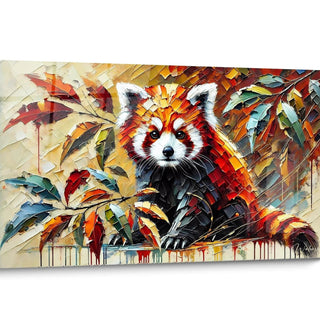 Red Panda11
artworks
-
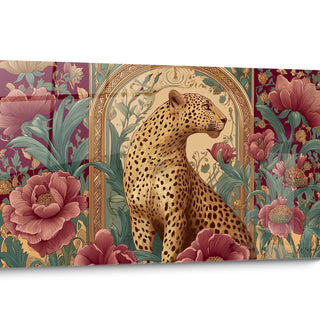 Panther19
artworks
-
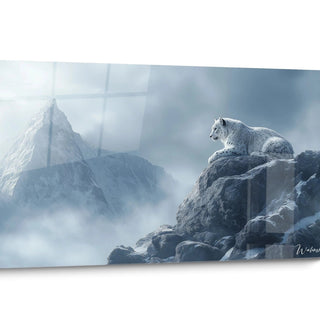 Snow Leopard8
artworks
-
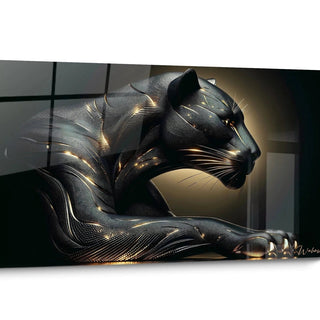 Black Panther10
artworks
-
 Peacock128
artworks
-
 Butterfly14
artworks
-
 Lazy Sloth3
artworks
-
 Pelican3
artworks
-
 Parrot211
artworks
-
 Parakeet5
artworks
-
 Seal5
artworks
-
 Pigeon10
artworks
-
 Penguin274
artworks
-
 Feather60
artworks
-
 Fish18
artworks
-
 Betta Fish12
artworks
-
 Octopus59
artworks
-
 Puma3
artworks
-
 Manta Ray67
artworks
-
 Raccoon2
artworks
-
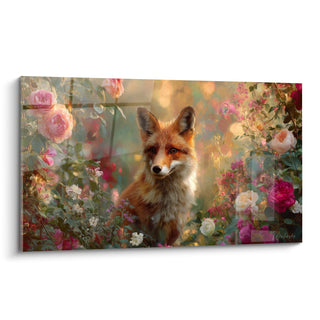 Fox141
artworks
-
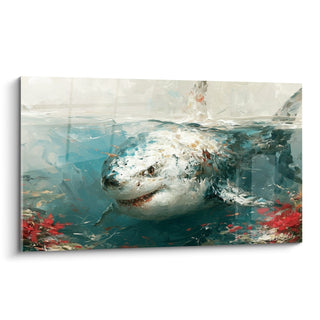 Shark126
artworks
-
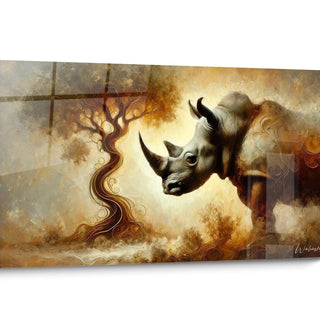 Rhinoceros21
artworks
-
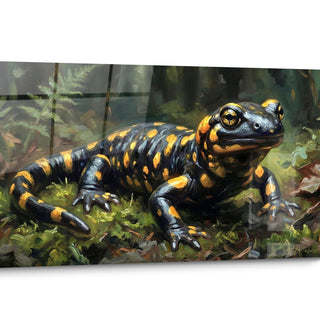 Salamander14
artworks
-
 Wild Boar15
artworks
-
 Scarab73
artworks
-
 Scorpion9
artworks
-
 Serpent102
artworks
-
 Monkey14
artworks
-
 Meerkat1
artwork
-
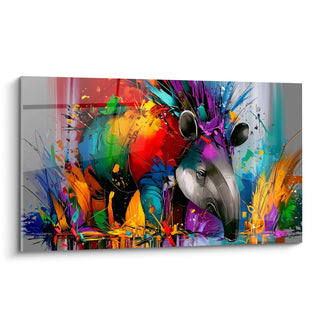 Tapir52
artworks
-
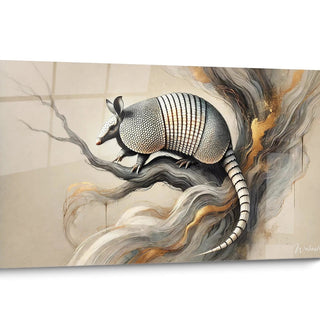 Armadillo3
artworks
-
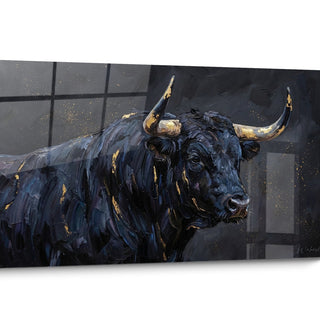 Bull281
artworks
-
 Tiger316
artworks
-
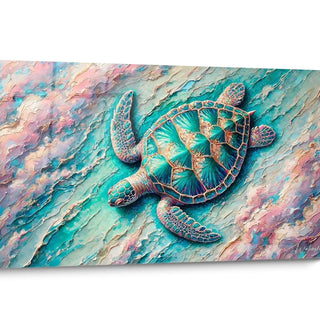 Sea Turtle18
artworks
-
 Terrestrial Turtle14
artworks
-
 Toucan7
artworks
-
 Cow9
artworks
-
 Vulture5
artworks
-
 Zebra49
artworks


All about Narwhal Artwork
- Painting Presentation Narval
- The Ice Unicorn
- Materials and Pearlescent Reflections
- A Creature of the Far North
The Narval Painting collection brings together canvases dedicated to one of the most enigmatic creatures of the Arctic seas, this strange cetacean with a long, spiraled tusk that sailors of old mistook for a unicorn's horn. Each Narval painting captures this shift between animal reality and legend, between the accuracy of a rare anatomy and the imagination it has fueled for centuries.
What strikes you when browsing this collection is the diversity of treatments for the same subject: ivory and pastel blue for one, deep black and gold for another, ink and splashes for a third. This variety of palettes and techniques allows you to hang a Narval painting in both a minimalist living room and a more assertive office, without ever losing the subject's coherence.
These works are for those seeking a statement piece, imbued with Nordic and marine imagination, far from conventional decorative subjects. They are suitable for those fascinated by rare creatures, Scandinavian myths, or simply the raw beauty of an animal that few people have had the chance to observe.
In just a few moments facing these canvases, one understands that the Narval Painting collection does not only seek to represent a marine animal, but to restore the tension between polar mystery and pictorial matter, between the silence of the ice and contained power.
Why did the narval give birth to the myth of the unicorn?
Where does this twisted tusk come from that runs through each Narval painting?
On each Narval painting, the most striking line remains this spiraled tusk that runs diagonally through the composition, almost like a frozen ray of light. This particular shape is not an artistic invention: it is a unique tooth, pushed forward in a screw, which is most often developed by males. For centuries, Scandinavian merchants have sold it in Europe as a unicorn horn, at a high price, fueling one of the most beautiful misunderstandings in natural history. Finding this twist on a canvas is like hanging a fragment of this myth born from a real bone.
What does the white silence surrounding the animal on these canvases tell?
The light background, often treated in broad ivory strokes or in shades of icy blue, is not simply an aesthetic choice: it conveys the vast emptiness of the ice floes where the narval actually lives, far from frequented coasts. This total whiteness imposes a particular slowness on the gaze, that of the Arctic waters where the slightest movement is noticeable. Hanging a Narval painting in a room is like inviting this silent breath, this inhabited void that contrasts with the visual density of so many other more teeming or colorful marine subjects.
Why does this creature remain so little represented in painting?
Unlike whales or dolphins, which have been widely popularized by maritime tales, the narval has long lived in a blind spot of Western iconography, too distant, too rare, too difficult to observe to be painted from life. This rarity explains why a Narval painting still surprises today: the subject has not been exhausted by generations of academic representations. For those seeking a wall piece that breaks away from the well-trodden path of the classic marine bestiary, this historical discretion becomes an asset, almost a visual exclusivity.
What the textures of these paintings owe to the polar ice
Why does the narval's skin seem almost mineral on these canvases?
The thick impasto and the almost mosaic-like treatment that covers the animal's head, blending bluish gray, ocher, and fawn brown, are not the result of chance technique. The real narwhal has a spotted, irregular skin that evokes the surface of a polished stone more than that of a classic marine mammal. This texture also recalls the cracked ice of ice floes, streaked with dark veins. A Narval painting that plays with this sculptural material brings a tactile relief to a wall, very different from the smooth fluidity usually associated with marine scenes.
Where do these golden shards that run through some compositions come from?
Gold does not belong to the animal reality of the narwhal, but it conveys something true: the grazing light of the long polar summer days, or conversely the few rays that pierce the Arctic winter darkness. These metallic touches placed on the belly or in the surrounding water transform a gray and discreet creature into an almost unreal apparition. This choice is what distinguishes a Narval painting from a simple naturalistic illustration: it conveys a light phenomenon specific to high latitudes rather than a color observed in the field.
Do these shades of blue really change the atmosphere of a room?
From pastel blue, almost faded, to deep navy blue , the palette accompanying the narwhal on these wall art pieces follows the real variations of Arctic water according to depth and light. A light blue evokes the frozen surface in full daylight, a dark blue suggests the depths where the animal dives to hunt. Choosing a Narwhal wall art dominated by one or the other of these nuances directly influences the feeling sought in a room: bright freshness on one side, almost nocturnal depth on the other.
Who are the Narwhal wall art pieces in this collection really intended for?
Does this subject primarily appeal to polar animal enthusiasts?
The narwhal attracts a wider audience than just arctic wildlife lovers: it also seduces those fascinated by polar exploration stories, Nordic legends, or simply creatures that seem more like a fairy tale than a wildlife documentary. A Narwhal wall art piece thus functions as an object with a double reading, both scientific and fabulous, which explains why it finds its place as well in an office as in a living room, with a curious naturalist as with an inveterate dreamer.
Why does this subject resonate differently than a whale or a dolphin?
Where the whale evokes peaceful grandeur and the dolphin playful lightness, the narwhal carries a more peculiar, almost unsettling charge due to its unique anatomical feature. This singular tusk sets it apart in the marine imagination, between a real creature and a fantastic being. A Narwhal painting in one's home does not tell the same story as a dolphin scene or a whale silhouette: it introduces a more pronounced note of mystery, a subject that intrigues before reassuring, and almost always prompts a question from those who discover it.
Is this collection suitable for a workspace as much as for a living room?
The rarity of the subject and the relative sobriety of its palettes, often centered around ivory, gray, and glacial blue, allow a Narwhal painting to integrate into very different universes without ever seeming out of place. In an office, it brings an intriguing presence without distracting with a color that is too bright. In a living room, it becomes a conversation starter due to the rarity of the animal depicted. This double adaptability comes less from decoration than from the very nature of the narwhal, a creature both discreet and spectacular.
FAQ on narwhal paintings
Why is the narwhal so often associated with the unicorn myth in these paintings?
Its unique, twisted, and pointed tusk resembled the legendary horn so much that Scandinavian merchants long sold it as such in Europe. The paintings in this collection play on this historical confusion by featuring the tusk as a central element, recalling that the myth of the unicorn is partly based on this real arctic sea animal.
Does a Narwhal painting have a place in a room without a defined nautical theme?
Yes, because these canvases focus more on glazed palettes and sculptural textures than on classic nautical imagery. The absence of waves, boats, or overly marked decorative elements allows a Narwhal painting to integrate into an interior that is not a nautical decor, simply bringing a rare and graphic animal presence.
Is this subject suitable for someone who knows nothing about polar fauna?
Absolutely, the rarity of the narwhal plays in its favor: few people have ever seen it depicted, which creates an effect of discovery rather than immediate recognition. This general unfamiliarity transforms each Narwhal painting into a subject of curiosity, capable of intriguing a visitor more than an animal scene shown a thousand times.
L'art qui suscite l'envie
Maison belge d'art mural grand format
14 jourspour changer d'avis*
Protection Walenskyincluse
Fabriquéen Italie
FormatXXL
Kit de fixationtoujours fourni
* Hors tableaux personnalisés et tailles personnalisées


