


Leopard Painting
Between swirling skies and blazing twilights, the Leopard Painting collection gathers scenes where this solitary feline reigns, motionless, over its promontory. Each leopard painting marries the meticulous realism of the spotted coat with dreamlike backgrounds, somewhere between African savanna and starry sky in pointillist style. A feline presence that captures the gaze without ever assaulting it, designed for those seeking a wall decoration that is both wild and poetic, capable of turning a wall into a window onto an endless territory.
 Golden Leopard Painting on a Midnight Blue Mound under the Full Moon - Lunar Reflection on the Lake - Leopard Edition273,90 €
 Golden Leopard Painting under a Swirling Blue Sky - Watching Under the Moon - Leopard Edition273,90 €
In the same family
Also explore the theme Animals
-
 View all13214
artworks
-
 Bee54
artworks
-
 Eagle18
artworks
-
 Alpaca111
artworks
-
 Donkey15
artworks
-
 Savannah Wildlife94
artworks
-
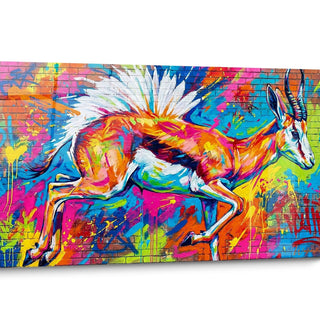 Antelope5
artworks
-
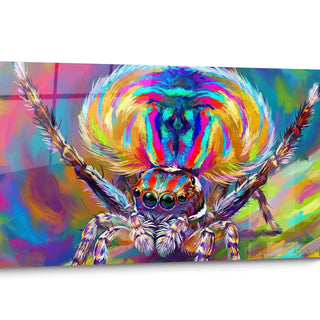 Spider8
artworks
-
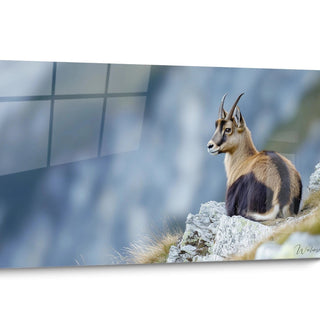 Other Animals24
artworks
-
 Ostrich75
artworks
-
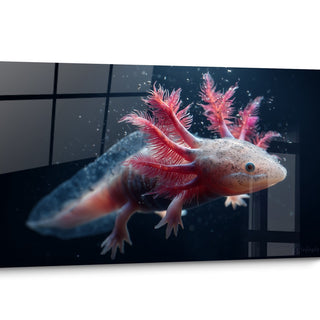 Axolotl47
artworks
-
 Whale89
artworks
-
 Barracuda61
artworks
-
 Snipe32
artworks
-
 Ram321
artworks
-
 Beluga169
artworks
-
 Hermit-Crab12
artworks
-
 Doe10
artworks
-
 Bison42
artworks
-
 Badger59
artworks
-
 Chamois32
artworks
-
 Buffalo91
artworks
-
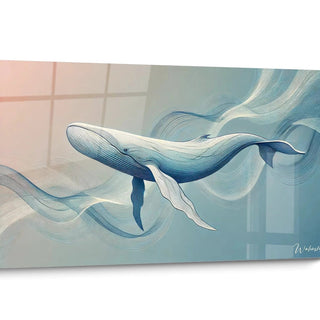 Sperm Whale8
artworks
-
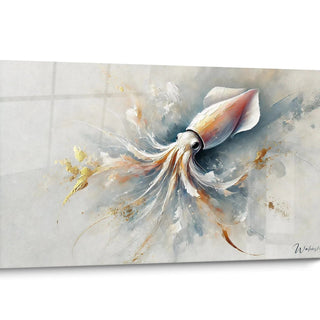 Giant Squid6
artworks
-
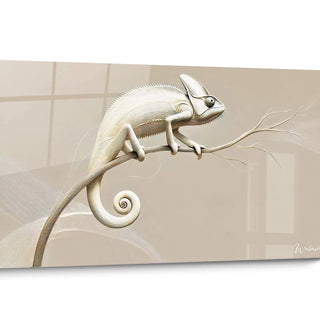 Chameleon20
artworks
-
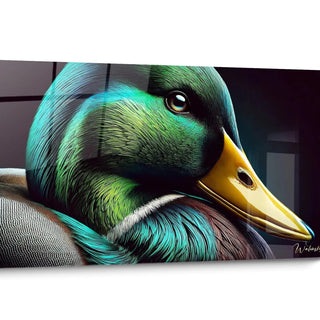 Duck352
artworks
-
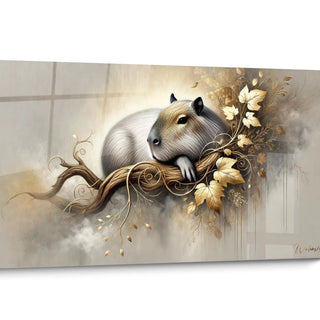 Capybara3
artworks
-
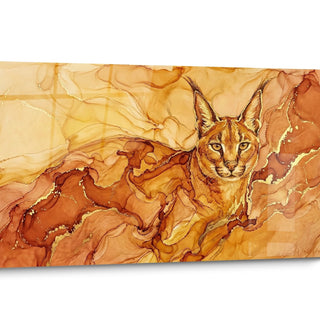 Caracal15
artworks
-
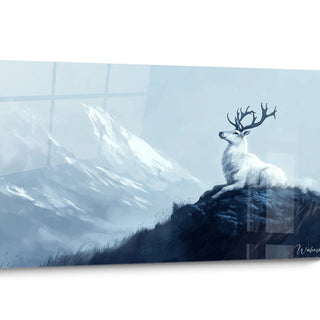 Caribou4
artworks
-
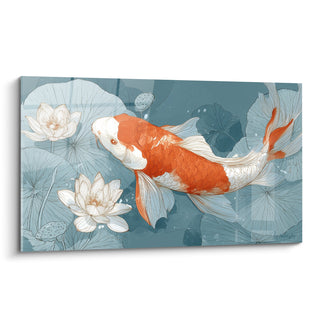 Koi Carp130
artworks
-
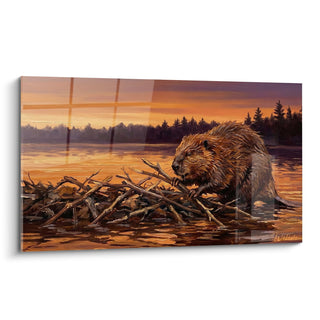 Beaver9
artworks
-
 Deer26
artworks
-
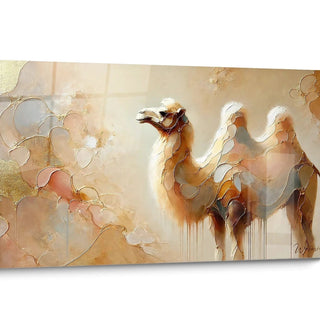 Camel3
artworks
-
 Cat1218
artworks
-
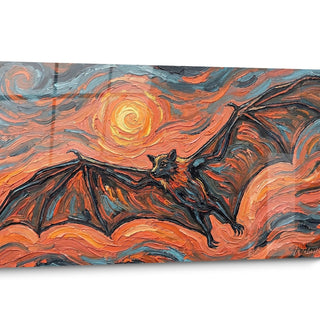 Bat10
artworks
-
 Horse1749
artworks
-
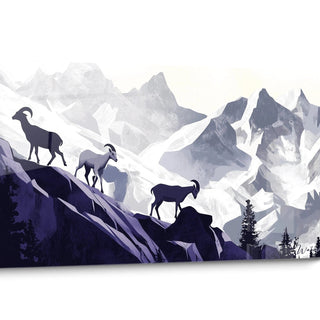 Mountain Goat3
artworks
-
 Dog3055
artworks
-
 Chimpanzee12
artworks
-
 Owl19
artworks
-
 Stork16
artworks
-
 Ladybug7
artworks
-
 Pig8
artworks
-
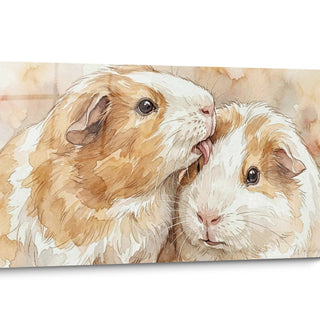 Guinea Pig13
artworks
-
 Hummingbird23
artworks
-
 Dove90
artworks
-
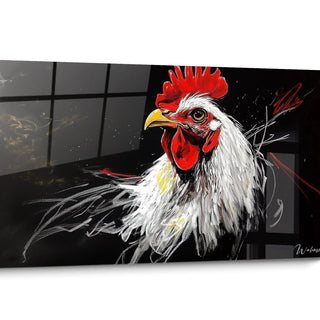 Rooster9
artworks
-
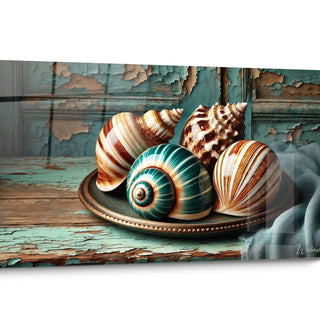 Seashell6
artworks
-
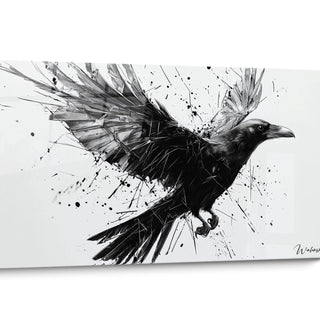 Raven9
artworks
-
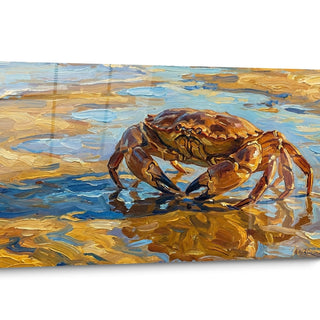 Crab5
artworks
-
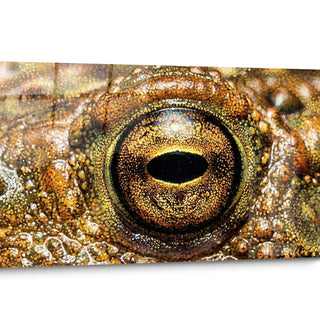 Toad8
artworks
-
 Shrimp5
artworks
-
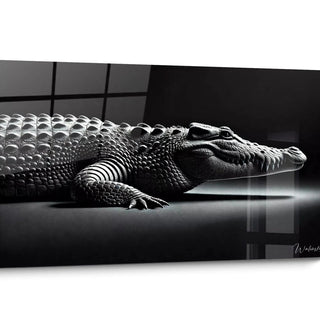 Crocodile4
artworks
-
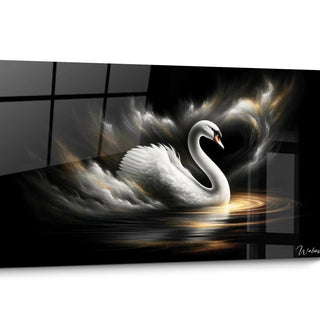 Swan189
artworks
-
 Dolphin22
artworks
-
 Dromedary4
artworks
-
 Squirrel15
artworks
-
 Elan13
artworks
-
 Elephant83
artworks
-
 Snail11
artworks
-
 Swordfish4
artworks
-
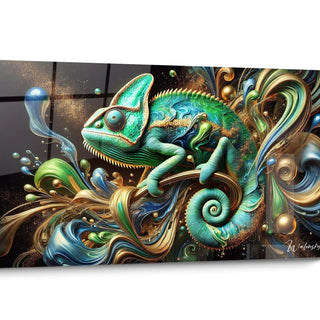 Wild Essence25
artworks
-
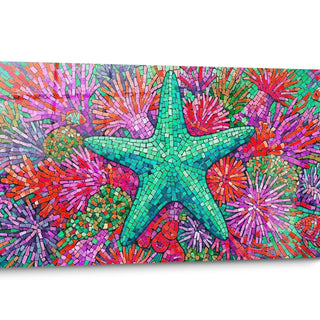 Starfish19
artworks
-
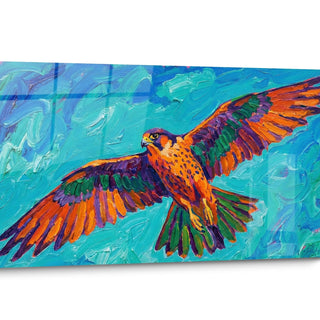 Falcon16
artworks
-
 Fennec256
artworks
-
 Pink Flamingo30
artworks
-
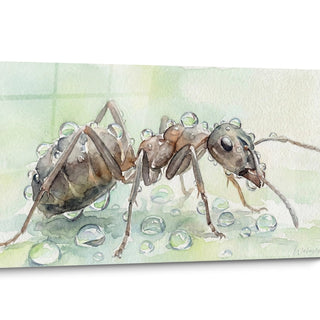 Ant19
artworks
-
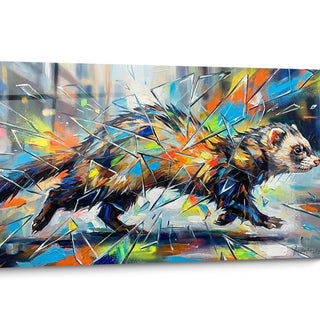 Ferret17
artworks
-
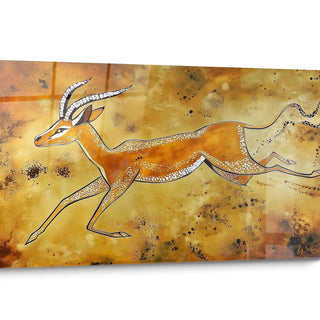 Gazelle4
artworks
-
 Giraffe183
artworks
-
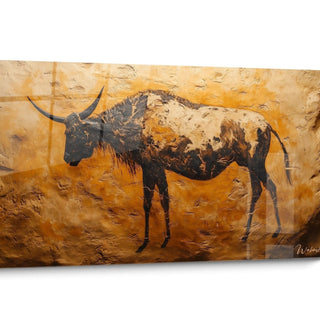 Wildebeest3
artworks
-
 Gorilla44
artworks
-
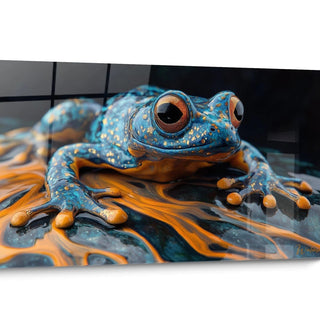 Frog65
artworks
-
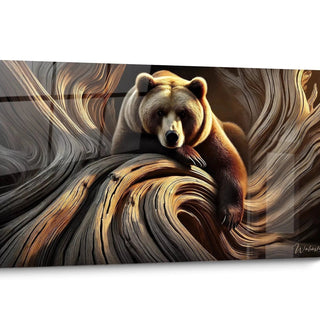 Grizzly3
artworks
-
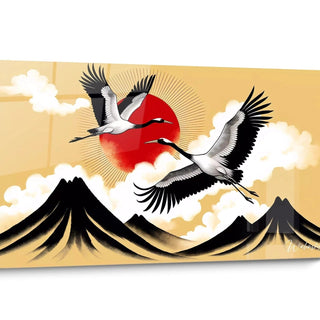 Crane10
artworks
-
 Cheetah147
artworks
-
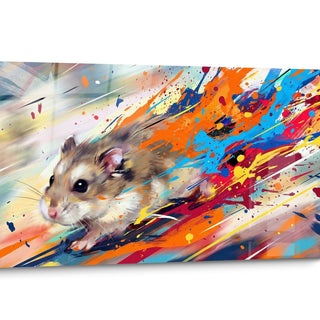 Hamster17
artworks
-
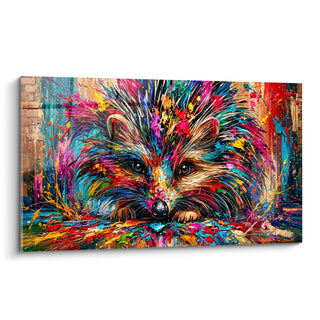 Hedgehog64
artworks
-
 Heron37
artworks
-
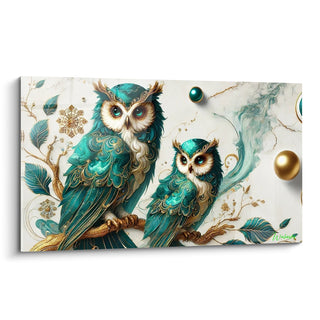 Owl42
artworks
-
 Seahorse34
artworks
-
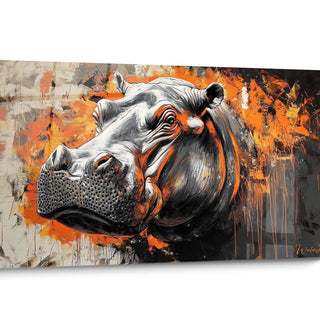 Hippopotamus4
artworks
-
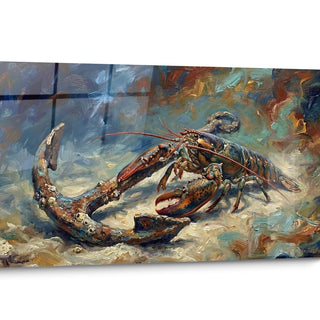 Lobster8
artworks
-
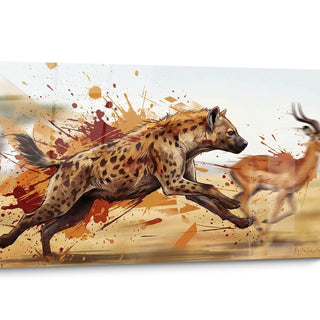 Hyena14
artworks
-
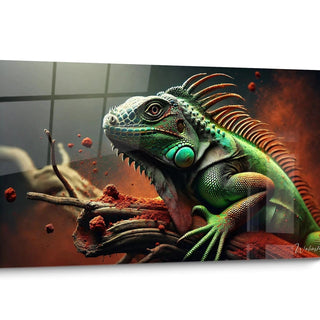 Iguana6
artworks
-
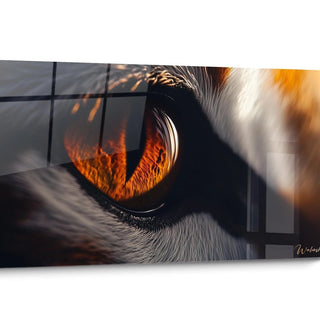 Animal Eye6
artworks
-
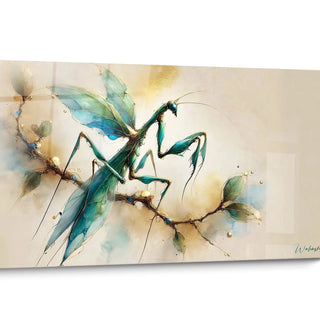 Insect5
artworks
-
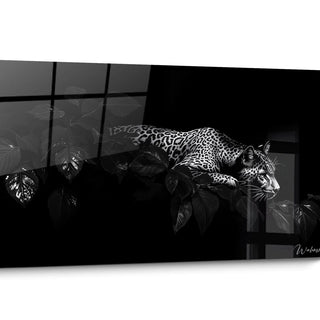 Jaguar45
artworks
-
 Kangaroo100
artworks
-
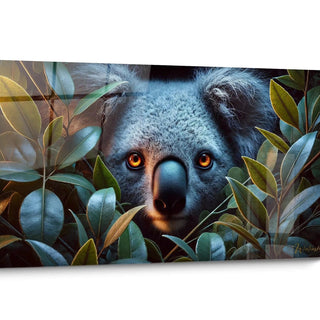 Koala18
artworks
-
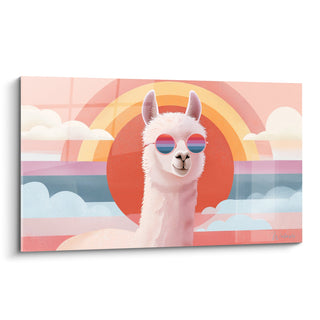 Llama107
artworks
-
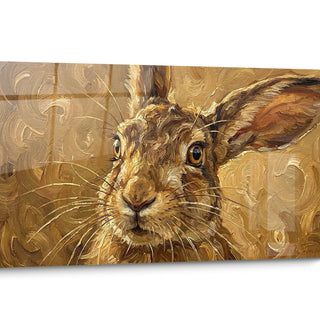 Rabbit15
artworks
-
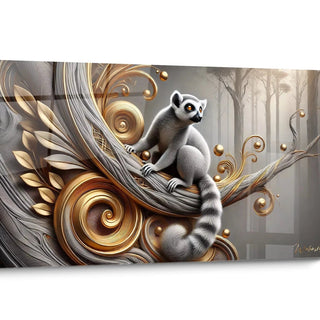 Lemur3
artworks
-
 Dragonfly4
artworks
-
 Unicorn62
artworks
-
 Lion243
artworks
-
 Lion Cub4
artworks
-
 Lioness6
artworks
-
 Wolf81
artworks
-
 Otter6
artworks
-
 Lynx7
artworks
-
 Puffin2
artworks
-
 Penguin10
artworks
-
 Kingfisher38
artworks
-
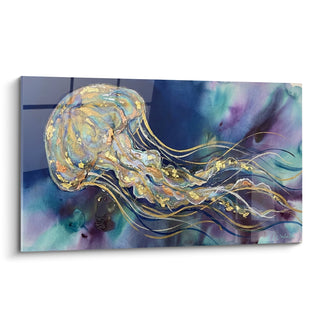 Jellyfish66
artworks
-
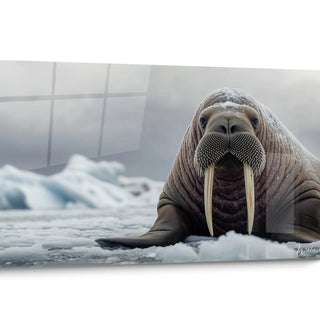 Morse3
artworks
-
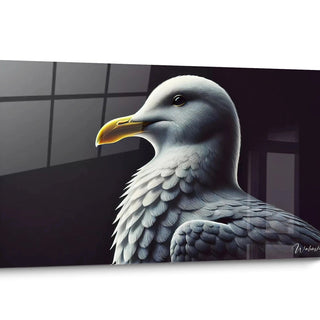 Seagull4
artworks
-
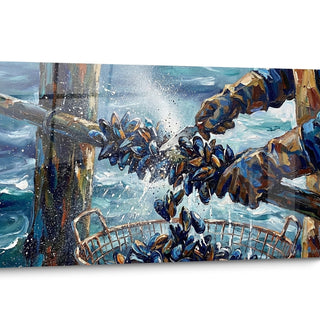 Mold14
artworks
-
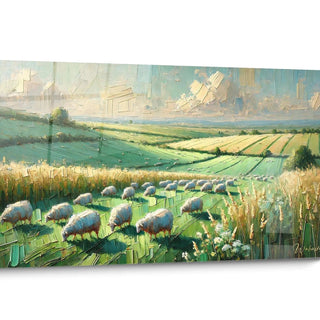 Sheep6
artworks
-
 Narwhal66
artworks
-
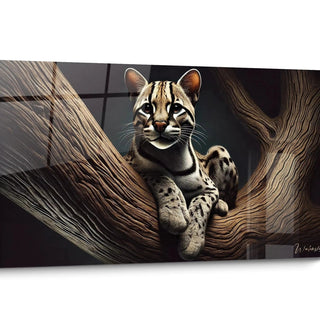 Ocelot3
artworks
-
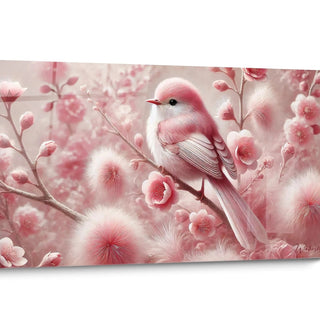 Birds15
artworks
-
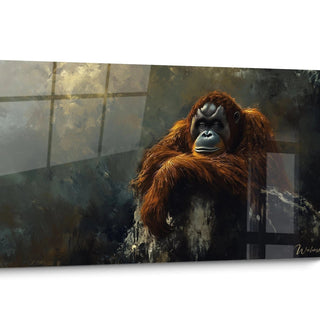 Orangutan10
artworks
-
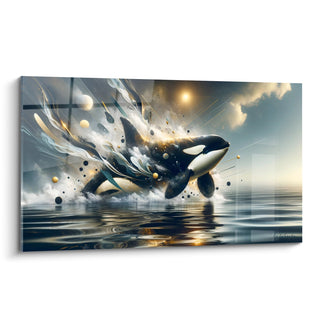 Orca28
artworks
-
 Brown Bear334
artworks
-
 Polar Bear289
artworks
-
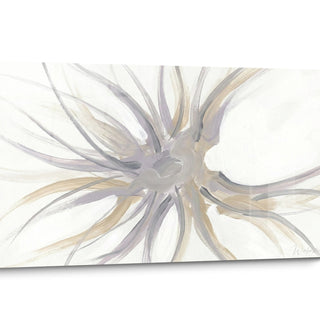 Sea Urchin9
artworks
-
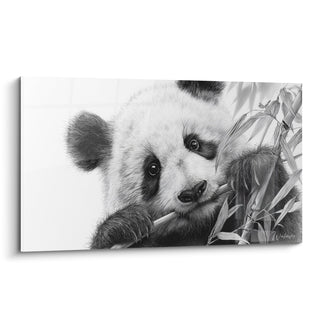 Giant Panda69
artworks
-
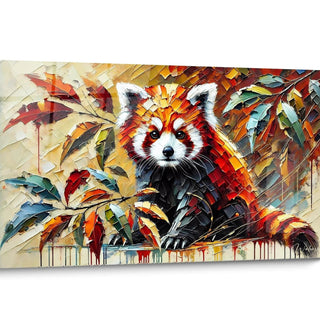 Red Panda11
artworks
-
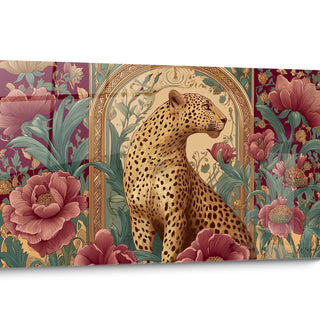 Panther23
artworks
-
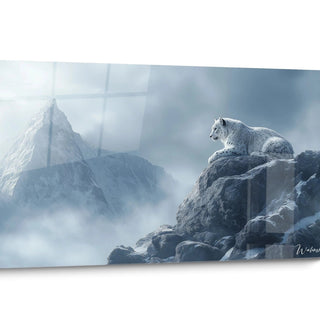 Snow Leopard8
artworks
-
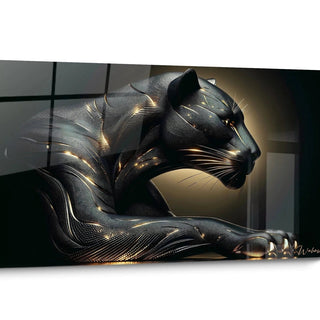 Black Panther10
artworks
-
 Peacock128
artworks
-
 Butterfly14
artworks
-
 Lazy Sloth3
artworks
-
 Pelican90
artworks
-
 Parrot211
artworks
-
 Parakeet5
artworks
-
 Seal5
artworks
-
 Pigeon10
artworks
-
 Penguin274
artworks
-
 Feather60
artworks
-
 Fish18
artworks
-
 Betta Fish12
artworks
-
 Octopus59
artworks
-
 Puma24
artworks
-
 Manta Ray67
artworks
-
 Raccoon2
artworks
-
 Fox141
artworks
-
 Reindeer35
artworks
-
 Shark126
artworks
-
 Rhinoceros21
artworks
-
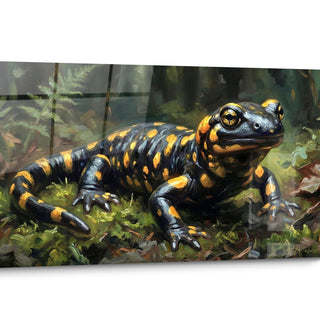 Salamander14
artworks
-
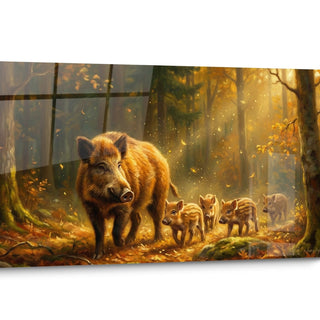 Wild Boar15
artworks
-
 Scarab73
artworks
-
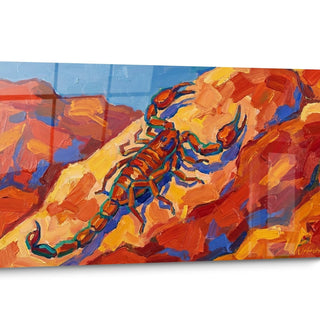 Scorpion9
artworks
-
 Serpent102
artworks
-
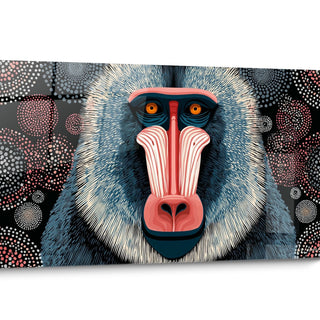 Monkey14
artworks
-
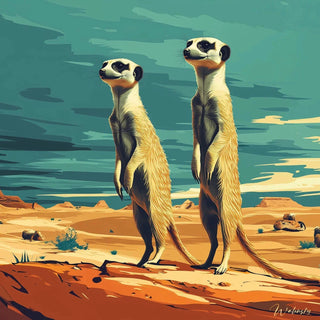 Meerkat1
artwork
-
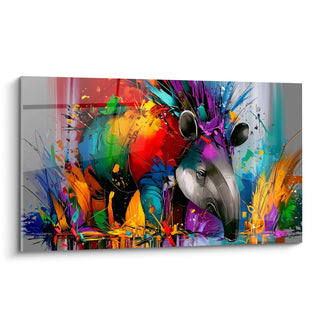 Tapir52
artworks
-
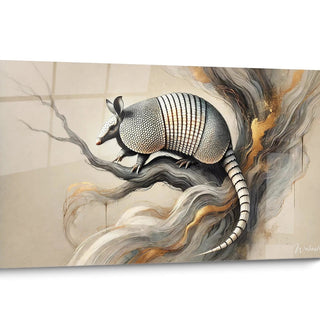 Armadillo3
artworks
-
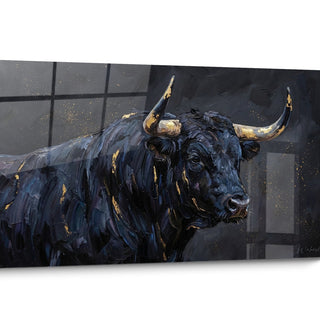 Bull281
artworks
-
 Tiger334
artworks
-
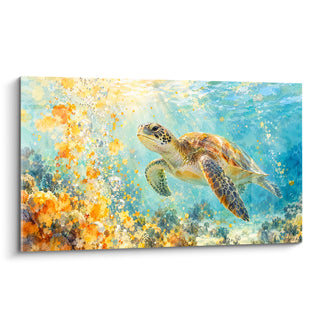 Sea Turtle26
artworks
-
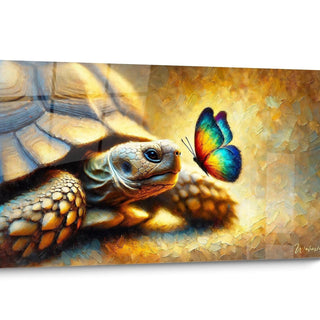 Terrestrial Turtle14
artworks
-
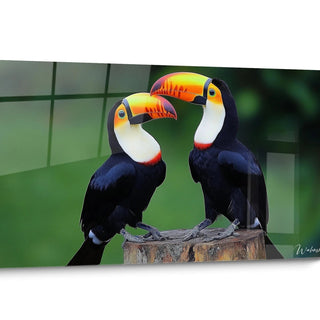 Toucan7
artworks
-
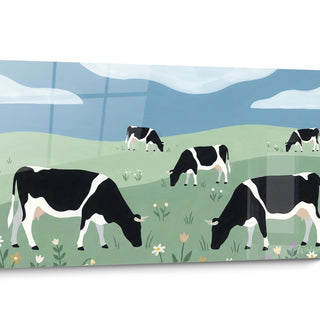 Cow9
artworks
-
 Vulture5
artworks
-
 Highland cow38
artworks
-
 Zebra49
artworks


All about Leopard Painting
- Leopard Painting presentation
- The Rock as Throne
- End-of-Day Light
- The Coat as Signature
The Leopard Painting collection brings together works in which a single animal, solitary and sovereign, always occupies the same position: elevated, on a rock, dominating a landscape that stretches to the horizon. This is no compositional accident but a signature: each leopard painting builds the same tension between the feline's stillness and the movement of the surrounding setting, swirling sky, shifting light, blazing horizon.
What unites these canvases, beyond the subject, is a constant interplay between two registers of material: the near-photographic precision of the spotted coat, rendered touch by touch, and the almost abstract freedom of the backgrounds, where paint flows, swirls or bursts into saturated colors. This Leopard Painting collection does not seek to document an animal, it seeks to convey a presence: that of a peaceful predator who needs no movement to assert its stature.
It speaks to those who want to hang something other than a conventional animal portrait: a wall that tells of a night watch, an incandescent dusk or a midnight-blue reverie, depending on the room and the mood sought. The palettes vary widely, from deep blue to fuchsia pink through ochre and purple, offering as many possible entries into a single subject.
Whether one seeks a wild note in a living room, a dreamlike touch in a bedroom or a strong visual anchor in an entrance, this Leopard Painting collection offers a coherent repertoire in which each canvas keeps its own light while sharing the same silent intensity.
Why do these leopard paintings always place the animal up high?
The rocky promontory, a choice that is anything but accidental
On every leopard painting in this collection, the animal is never on the ground: it is perched, raised, in a lookout position. This recurring choice echoes a real and documented behavior of the species, which uses rocky outcrops and low branches to watch over its territory and escape rival predators such as lions and hyenas. In painting, this posture instantly changes how the scene is read: the animal is no longer an observed subject but an observer, the one who sees before being seen. Hung on a wall, this shift of gaze gives the room an implicit direction, as if the painting were watching over the space rather than the reverse.
What does this position change for someone who looks at the painting every day?
A subject placed high imposes a slightly raised viewing angle, even when the painting is hung at eye level: the leopard's gaze, directed toward the horizon or toward whoever enters the room, creates an almost frontal relationship. This Leopard Painting collection deliberately plays on this effect: the animal never avoids the gaze, it welcomes or sizes it up. In a living room or office, this silent presence acts as a stable visual anchor around which the decor can be built without ever being overwhelmed, the feline occupying the space without ever invading it.
A depicted territory, not just an animal
What strikes one about these canvases is that the rock is never a mere support: it carries its own texture and colors, sometimes blood red, sometimes ochre, sometimes bluish depending on the light of the scene. It functions as a narrative base, anchoring the leopard in a precise place rather than a generic setting. This treatment of the ground as an element in its own right clearly sets these compositions apart from a simple cut-out animal portrait, and gives each leopard painting an almost geographical thickness, like a fragment of savanna suspended on the wall.
Where does the raking light crossing the leopard paintings of the collection come from?
Why does twilight return so often in these canvases?
The leopard is a crepuscular and nocturnal hunter, active mainly at dawn and dusk when the heat subsides and visibility drops for its prey. This biology directly explains the dominant pictorial choice of the collection: skies ablaze with orange, pink or violet, raking light that lengthens shadows and gilds the coat. This is not merely an aesthetic preference but a faithful rendering of a life rhythm, that of an animal whose activity coincides with the hours when light becomes spectacle.
What these warm tones bring once hung
A palette dominated by orange, rust or powdered pink does not light a room the way a starry midnight blue does: it visually warms the space, softens the cold angles of an interior and creates a lasting sense of end-of-day, almost enveloping. In this Leopard Painting collection, the twilight versions are particularly suited to living spaces facing north or receiving little natural light, where they compensate with color for what the architecture cannot offer.
And when the sky turns midnight blue rather than golden?
Conversely, some canvases in the collection shift toward a deep, starry sky, almost inhabited by its own swirls of material. This choice evokes less the twilight than the full African night, the time when the leopard truly hunts in darkness, invisible until it chooses to show itself. A leopard painting in these blue and silver tones establishes a quieter, more introspective atmosphere, suited to a bedroom or office where one seeks less energy than a calm presence.
Why does the coat hold such a central place in every leopard painting?
A rosette, not a spot: the nuance that changes everything
The pattern repeated on every leopard painting is not a simple black spot but a rosette, an irregular ring with dark outlines enclosing a lighter area, specific to this species and distinct from the solid spots of the cheetah. This anatomical precision, respected in every version of the collection despite very different palettes, grounds the canvas in a form of truthfulness: even when the background turns fuchsia or electric, the coat remains recognizable, faithful, almost documentary amid the colorful vertigo surrounding it.
Why does the contrast between fine texture and burst background work visually?
These canvases systematically set a meticulous rendering of the coat against backgrounds treated with broad drips, splashes or swirls of material. This contrast is not arbitrary: it concentrates attention on the animal while leaving the eye a breathing space in the surrounding setting. Hung on a wall, this approach avoids the visual overload that a fully detailed subject on an equally busy background would create, and explains why a leopard painting remains legible even in an already richly furnished or colorful room.
Who is this attention to material especially aimed at?
This precision of the coat, combined with the freedom of the background, particularly appeals to painting enthusiasts who appreciate seeing the artist's hand remain visible rather than erased. It is a collection for those who want a recognizable subject without giving up a form of pictorial boldness, who prefer a canvas that embraces its texture rather than a smoothed image. The leopard painting then becomes a hybrid object, between animal fidelity and compositional freedom, one that does not tire the gaze over the days.
FAQ on leopard paintings
Why is the leopard often confused with the cheetah or the jaguar on this type of painting?
The confusion comes from the resemblance of spotted coats, but each species has a distinct pattern: rosettes without a central dot for the leopard, solid spots for the cheetah, rosettes with a central dot for the jaguar. The paintings in this collection respect this precise anatomy, making it possible to recognize the species even within highly stylized or colorful settings.
Does a leopard painting suit a room that is already very colorful?
Yes, as long as you choose the version whose palette works with what is already there rather than competing with it. The midnight blue versions blend into understated interiors, while the pink, orange or electric versions take on the role of a centerpiece in a space that already has strong character, without ever disappearing.
Why does this feline inspire a different kind of admiration than the lion or the tiger?
The leopard embodies a quiet power rather than a spectacular one: solitary and silent, it hunts through cunning and patience rather than frontal force. This discretion is found in the still postures and fixed gazes of the collection, which evoke a calm authority rather than a display of strength.
Further reading
Our articles on this topic
- Lemur painting: the perfect gift for lovers of Madagascar
- How to choose a wolf painting to decorate an adult bedroom
- Puffin panoramic painting above the sofa: the art of daring wild color
- Animal painting and dark walls: the color-by-color guide
- Creating a Bohemian Jungle Corner with a Lemur Painting and Foliage
L'art qui suscite l'envie
Maison belge d'art mural grand format
14 jourspour changer d'avis*
Protection Walenskyincluse
Fabriquéen Italie
FormatXXL
Kit de fixationtoujours fourni
* Hors tableaux personnalisés et tailles personnalisées


