


Ganesh Painting
The blue gaze of Ganesh passes here through gold, brick and ink to dress your walls with a presence that is both gentle and majestic. This collection of Painting Ganesh brings together faces sculpted in contrasting palettes, between golden ornamentation, contemplative geometry and calligraphic touch. Each canvas invites you to slow down before the wisdom of the elephant-headed god, protector of beginnings and guardian of serenity, to compose an interior inhabited by symbols and soothing colors.
 Painting Gray and Red Elephant with Om Symbol - Radiant Red Lotus - Ganesh Edition273,90 €
 Ganesh Painting Orange and Brown with White Tusk - Raised Hand in Blessing Gesture - Ganesh Edition273,90 €
 Geometric Ganesh Painting in Teal and Gold Tones - Fragmented Wisdom - Ganesh Edition273,90 €
 Ganesh Painting in Grey and Yellow with Draped Turban - Silver Pearl Necklace - Ganesh Edition273,90 €
 Painting Brown and Blue Elephant with Turban Set with Stones - Ring-Shaped Golden Tusks - Ganesh Edition273,90 €
 Painting Black and Gray Statue Wrapped in Incense - Sacred Ritual - Ganesh Edition273,90 €
 Ganesh Gray and Anthracite Painting with Ink Splatters - Tormented Serenity - Ganesh Edition273,90 €
 Painting Black and White Elephant with Marked Third Eye - Multicolored Splattered Background - Ganesh Edition273,90 €
 Coral and Blue Elephant Painting with Textured Lotus - Spiraling Trunk - Ganesh Edition273,90 €
 Elephant Coral and Blue Painting with Curled Trunk - Vibrant Anaglyph Effect - Ganesh Edition273,90 €
 Painting Turquoise and Gold Elephant with Painted Flowers - Piercing Emerald Gaze - Ganesh Edition273,90 €
 Painting Black and White Elephant with Forehead Marked by a Sacred Symbol - Pearl Necklace - Ganesh Edition273,90 €
 Pale Blue and Gold Elephant Painting with Piercing Eyes - Crossed Symmetrical Tusks - Ganesh Edition273,90 €
 Ganesh Gray and Red Painting with White Lotuses - Sacred Serenity - Ganesh Edition273,90 €
 Ganesh Gray and White Painting in Meditation - Inner Awakening - Ganesh Edition273,90 €
 Painting Divinity gray and silver elephant with luminous lines - Celestial Vision - Ganesh Edition273,90 €
 Brown and Petrol Blue Divinity Painting with Sparkling Diadem - Pearl Jewelry Suspended - Ganesh Edition273,90 €
 Ganesh Painting in Orange and Anthracite Tones - Divine Serenity - Ganesh Edition273,90 €
 Painting Divinity Black and White Elephant Lotus - Sacred Meditation - Ganesh Edition273,90 €
 Ganesh Black and White Ink Strokes Painting - Divine Breath - Ganesh Edition273,90 €
 Ganesh Painting Red and Blue with White Flowers - Offering Ritual - Ganesh Edition273,90 €
 Geometric Golden and Terracotta Ganesh Painting - Fragmented Serenity - Ganesh Edition273,90 €
 Ganesh Geometric Blue Navy and Gold Painting - Geometric Serenity - Ganesh Edition273,90 €
 Ganesh Painting Pink Sunglasses and Yellow Background - Rebel Divinity - Ganesh Edition273,90 €
In the same family
Also explore the theme Zen
-
 View all2175
artworks
-
 Bonsai25
artworks
-
 Buddha318
artworks
-
 Candle64
artworks
-
 Koi Fish130
artworks
-
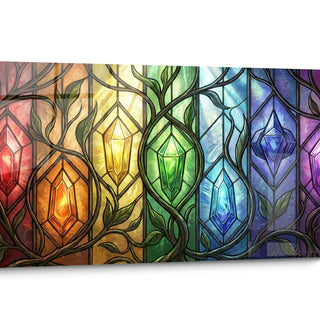 Chakras11
artworks
-
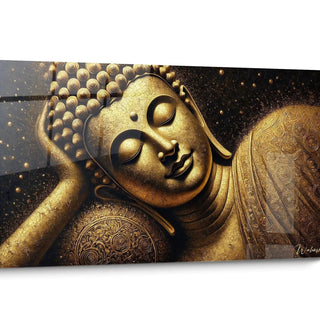 Zen Miscellaneous18
artworks
-
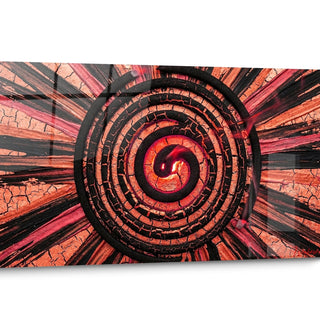 Incense7
artworks
-
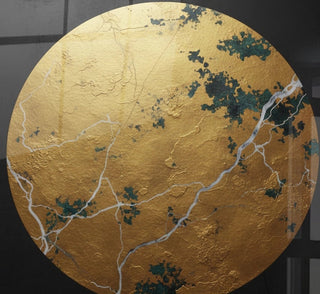 Enso13
artworks
-
 Feng Shui904
artworks
-
 Lotus Flower20
artworks
-
 Grasses100
artworks
-
 Ikebana93
artworks
-
 Kintsugi5
artworks
-
 Lantern51
artworks
-
 Mandala18
artworks
-
 Meditation18
artworks
-
 Pagoda79
artworks
-
 Feather60
artworks
-
 Sand60
artworks
-
 Buddhist Temple17
artworks
-
 Terracotta436
artworks
-
 Japanese Teapot40
artworks
-
 Torii77
artworks
-
 Yin Yang99
artworks


All about Ganesh Painting
- Presentation Ganesh Painting
- Gold and the Trunk
- Palette and Contemplation
- Forms and Materials
This collection brings together depictions of the god Ganesh treated as genuine pictorial compositions, where each face becomes an opportunity to explore material and color. Far from a simple religious reproduction, these Ganesh paintings transform Hindu iconography into a contemporary visual language, at times gilded and ornamental, at times stripped back to the ink line.
What unites these canvases is not a single style but a shared figure, revisited from very different painterly angles: here structured geometry in navy blue flat tones, there calligraphic wash in black and white, elsewhere a coral and pastel floral burst. This diversity allows everyone to find the version of Ganesh that suits their own wall palette, without ever losing the thread of the subject that binds them together.
This is aimed at those seeking a focal point as rich in meaning as it is graphic in strength, capable of working with warm tones as well as more subdued moods. Lovers of Eastern symbols, the curious about Indian spirituality, or simply those drawn to the power of a painted gaze will find in this collection a piece that structures an entire wall.
Hung alone or in combination, these canvases create an atmosphere of quiet contemplation, never tipping into decorative heaviness. They suit an entrance hall just as well as a living room seeking a strong visual accent, provided Ganesh's face is given the space it needs to capture the eye.
Why does gold dominate so many Ganesh Painting ?
Where does this abundance of gilding on the forehead and ears come from?
On these Ganesh Paintings, the gold does not merely shine: it sculpts complex scrolls around the ears and crowns the forehead with an almost textile-like mandala. This ornamental profusion traces back to the goldsmithing of South Indian temples, where statues of deities were traditionally adorned with real jewels during processions. By translating this material richness into paint, the artists recreate ceremonial radiance without freezing the image into a mere copy of jewelry: here gold becomes a way of painting light itself.
Does the curled trunk carry a specific meaning in these compositions?
In most of these canvases, the trunk coils either to the left or to the right according to an ancient iconographic convention linked to prosperity and the god's approachability. This detail, often rendered with a wealth of painted folds and bracelets, structures the vertical reading of the Ganesh Painting and guides the viewer's eye from the gaze down to the ornate hands. Hung in a living space, this sinuous line creates a gentle movement that avoids the rigidity of a classic frontal portrait.
Why do the white tusks stand out so strongly against colored backgrounds?
The contrast between the ivory of the tusks and the saturated backgrounds of red, navy blue or yellow is not a mere chromatic choice: it recalls the legend in which Ganesh breaks one of his tusks to write an epic, making this whiteness a symbol of sacrifice and knowledge. This isolated white acts as a visual anchor within Ganesh Paintings otherwise densely filled with motifs, offering the eye a moment of rest before it resumes exploring the details.
What the colors chosen for these Ganesh Paintings express
Why does blue almost always pierce through in the gaze?
On many of these canvases, Ganesh's eyes are rendered in pale blues or blue-green, whatever the treatment of the rest of the face, whether gold, coral or charcoal. This recurring choice owes much to the Indian pictorial tradition that associates the divine gaze with an almost liquid transparency, a symbol of clear sight beyond the material world. In a Ganesh Painting, this bluish touch humanizes an otherwise highly ornamental figure and creates an immediate point of contact with whoever looks at it from across the room.
Where does the vermilion that sets certain compositions ablaze come from?
The deep red that dominates several of these works is no accident: in Hindu rituals, vermilion applied to the forehead of statues signifies blessing and consecration. Transposed into paint, this saturated red sometimes wraps the whole face in an almost smoky haze, as if the color itself bore the trace of a ceremony. Hung in a living room with neutral tones, this red Ganesh Painting becomes a powerful visual hearth, capable of warming a room without any other colored accent.
Does the grey and black monochrome speak a different language than color?
Some versions almost entirely abandon color to keep only ink and paper, in a treatment close to Asian calligraphy applied to an Indian subject. This chromatic restraint evokes silent meditation, where wisdom is read in the sobriety of the line rather than in decorative abundance. For those seeking a discreet presence rather than a spectacular brilliance, these black and white compositions offer a more intimate reading of Ganesh, almost whispered.
How matter transforms the face in these Ganesh Paintings
Why do some faces seem built like architecture?
When Ganesh's face fragments into concentric circles and rigorous geometric bands, it draws directly on the vocabulary of Cubism and the geometric abstraction of the last century, applied here to a sacred figure. This treatment turns a religious portrait into an almost architectural composition, where the trunk and tusks become stylized volumes rather than realistic organs. This type of Ganesh Painting particularly suits interiors seeking a strong, almost abstract graphic reading rather than classical figuration.
Do smoke effects and raw matter change the perception of the sacred?
On other canvases, scrolls evoking incense smoke or splatters close to urban painting blur the sharp contours of the divine face. This meeting of contemporary technique and ancient iconography reminds us that representations of Ganesh have always known how to traverse eras without losing their force, from temple sculpture to the screen-printed poster. Such a Ganesh Painting speaks as much to a lover of traditional art as to someone drawn to the most current urban aesthetics.
What do the flowers and dotted motifs sometimes surrounding the face reveal?
The lotus and orchid, rendered in fine engraving or delicate dots, are never mere floral decoration: in Indian iconography they signify purity and spiritual flowering, the flower that opens in the mud symbolizing wisdom gained despite obstacles. Associated with Ganesh's face, these engraved textures add an almost tactile softness to the composition, as if the surface itself carried the grain of an old print rather than a simple printed image.
FAQ about Ganesh paintings
Why is Ganesh's gaze so often rendered in pale blue while the rest of the face varies so much in color?
This recurring blue comes from an Indian pictorial convention that associates the clarity of the divine gaze with the transparency of water and spiritual insight. Whatever the dominant palette of the painting, gold, coral or charcoal, this detail creates a stable point of contact between the work and the viewer, a constant that unifies the entire collection despite the diversity of treatments.
Does a geometric and abstract Ganesh Painting keep the same spiritual significance as a more traditional version?
Yes, because geometric stylization takes nothing away from the immediate recognition of the god: trunk, tusks and gaze remain identifiable even fragmented into cubist forms. This version suits those who want a sacred presence without heavy ornamentation, preferring a stripped-back contemporary reading to the decorative richness of more classical gilded versions.
Why choose Ganesh over another Hindu deity to decorate a wall?
Ganesh stands apart through his immediately recognizable elephant face, even for those who know nothing of Hindu mythology, which makes him as accessible as he is sacred. Associated with the removal of obstacles and new beginnings, he carries a positive and reassuring symbolism, particularly suited to a space where one wishes to instill a sense of benevolent protection rather than a more austere figure.
Further reading
Our articles on this topic
- Meaning of Ganesh in Interior Decor: What Each Detail Symbolizes
- How to Choose a Ganesh Painting According to Feng Shui
- Gold Ganesh painting for a modern living room: blending spirituality and contemporary design
- How to choose a Shiva painting according to your interior decor style
- Shiva and Parvati Painting: Modern Hindu Art That Elevates the Living Room
- Colorful Pop Art Ganesh Painting: Energizing Your Office with Meaning
L'art qui suscite l'envie
Maison belge d'art mural grand format
14 jourspour changer d'avis*
Protection Walenskyincluse
Fabriquéen Italie
FormatXXL
Kit de fixationtoujours fourni
* Hors tableaux personnalisés et tailles personnalisées


