


Buddha Zen Wall Art
Our Painting Zen Buddha collection embodies serenity and Eastern spirituality. Each artwork celebrates Buddhist philosophy through refined artistic compositions. Perfect for creating a zen and spiritual decoration, these creations transform your space into a haven of peace. Representations of the meditating Buddha invite contemplation and inner harmony. Ideal for meditation rooms, living rooms or bedrooms, these paintings inspired by Buddhism bring balance and well-being.
 Marbled Peace Wall Art - Zen Edition273,90 €
 Buddha Painting Interior Reflections - Buddha Edition273,90 €
 Buddha Undulating Dream Wall Art - Buddha Edition273,90 €
 Buddha Wall Art Porcelain Dreams - Buddha Edition228,90 €
 Buddha Painting Celestial Meditation - Buddha Edition228,90 €
 Divine Tranquility Wall Art - Buddha Zen Edition273,90 €
 Golden Silence Wall Art - Zen Buddha Edition273,90 €
 Serenity in Bloom Wall Art - Zen Buddha Edition273,90 €
 Eternal Peace Wall Art - Zen Buddha Edition273,90 €
 Inner Light Wall Art - Zen Buddha Edition273,90 €
 The Buddha's Dream Wall Art - Zen Buddha Edition273,90 €
 The Grace of Silence - Zen Buddha Edition273,90 €
 Spiritual Harmony Artwork - Zen Buddha Edition273,90 €
 Radiance of Wisdom Wall Art - Zen Buddha Edition273,90 €
 Heart of Dharma Wall Art - Buddha Zen Edition273,90 €
 The Sage's Rest Wall Art - Divers Zen Edition273,90 €
 Meditative Journey Artwork - Various Zen Edition273,90 €
 Indigo Wisdom Wall Art - Zen Edition273,90 €
 Deep Peace Wall Art - Zen Edition273,90 €
 Fluid Peace Painting - Zen Edition273,90 €
 Peaceful Meditation Painting - Zen Edition273,90 €
 Starry Night Wall Art - Zen Edition273,90 €
 Inner Awakening Wall Art - Zen Edition273,90 €
 Calm Turquoise Wall Art - Zen Edition273,90 €
Explore further
In Buddha Zen Wall Art
-
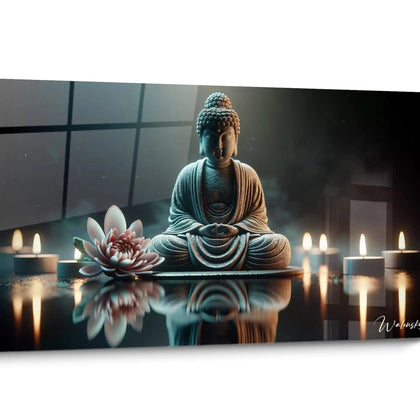 Zen Wall Art2161
artworks
Zen Wall Art2161
artworks
-
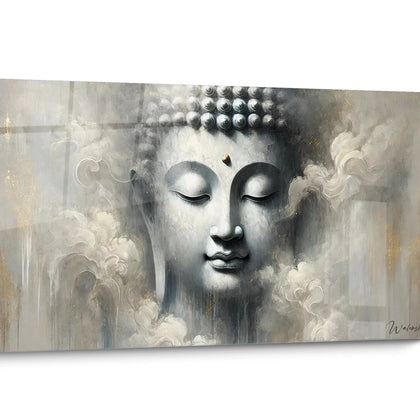 Black and White Zen Wall Art4
artworks
Black and White Zen Wall Art4
artworks
-
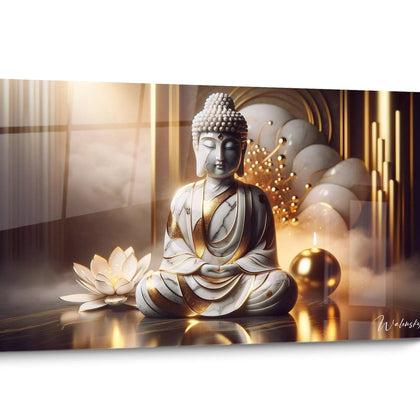 Golden Zen Wall Art15
artworks
Golden Zen Wall Art15
artworks
-
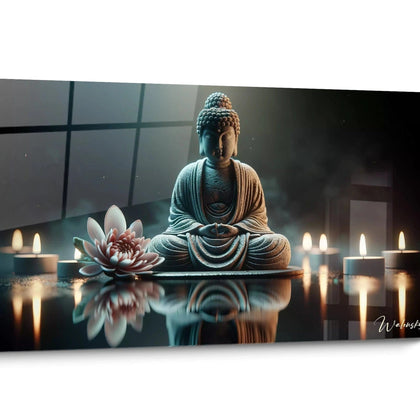 Zen Lotus Wall Art13
artworks
Zen Lotus Wall Art13
artworks
-
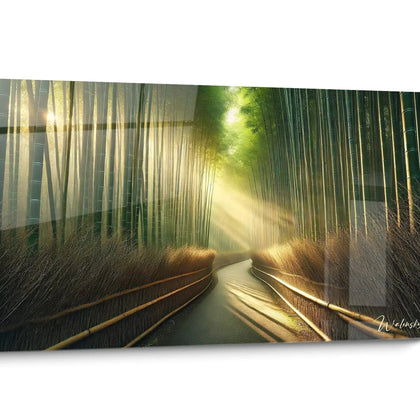 Zen Bamboo Wall Art5
artworks
Zen Bamboo Wall Art5
artworks
-
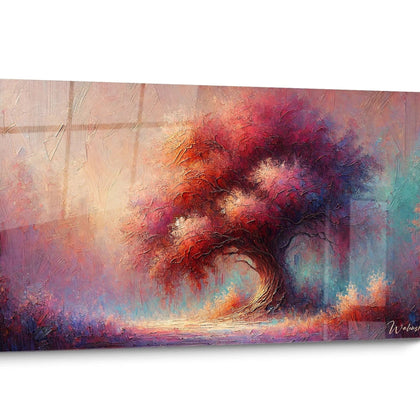 Zen Tree of Life Wall Art13
artworks
Zen Tree of Life Wall Art13
artworks
-
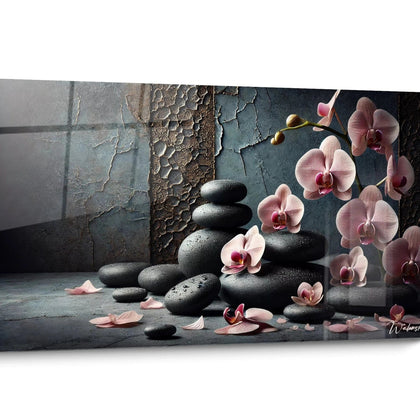 Zen Pebbles Wall Art6
artworks
Zen Pebbles Wall Art6
artworks
-
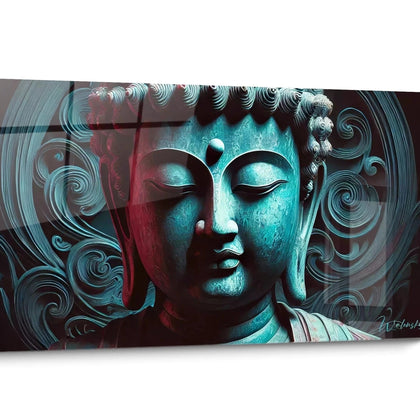 Turquoise Zen Wall Art9
artworks
Turquoise Zen Wall Art9
artworks
-
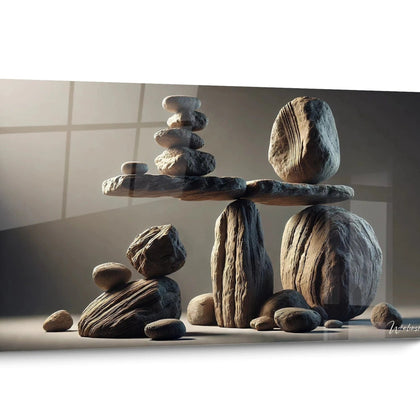 Minimalist Zen Wall Art13
artworks
Minimalist Zen Wall Art13
artworks
-
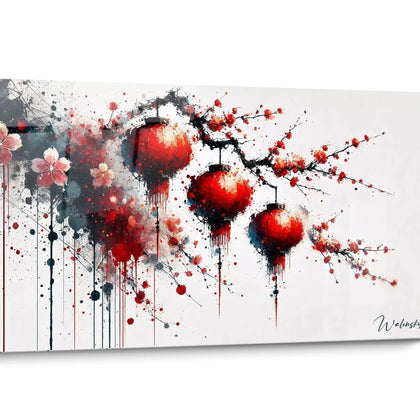 Zen Watercolor Canvas5
artworks
Zen Watercolor Canvas5
artworks
-
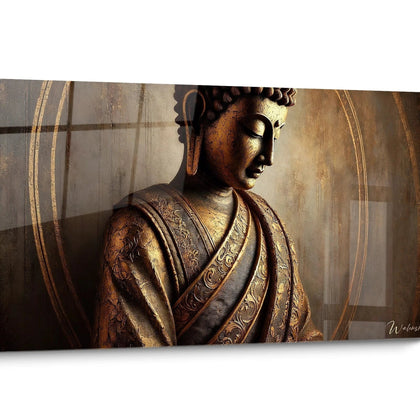 Golden Buddha Zen Wall Art7
artworks
Golden Buddha Zen Wall Art7
artworks
-
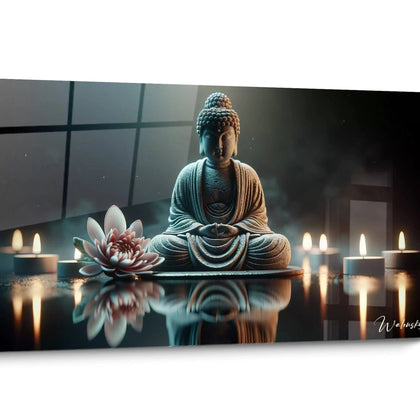 Blue Buddha Zen Wall Art7
artworks
Blue Buddha Zen Wall Art7
artworks
-
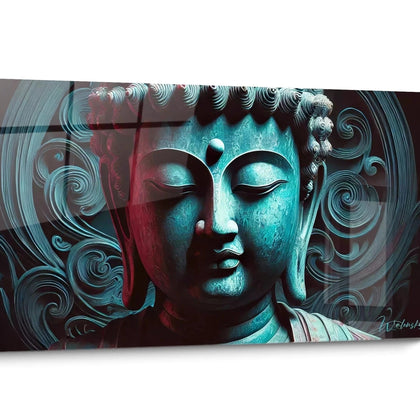 Turquoise Buddha Zen Wall Art4
artworks
Turquoise Buddha Zen Wall Art4
artworks
-
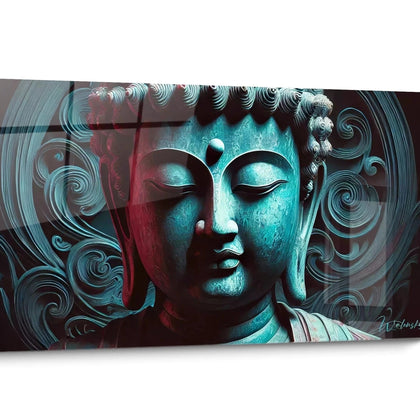 Zen Buddha Portrait Wall Art8
artworks
Zen Buddha Portrait Wall Art8
artworks
-
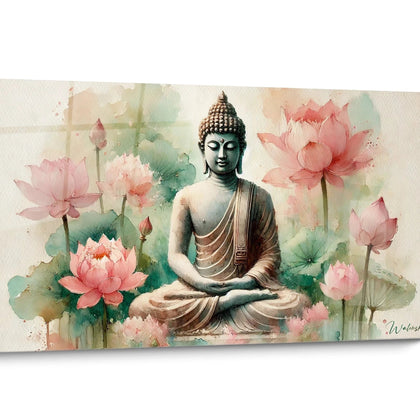 Zen Buddha Lotus Wall Art5
artworks
Zen Buddha Lotus Wall Art5
artworks
-
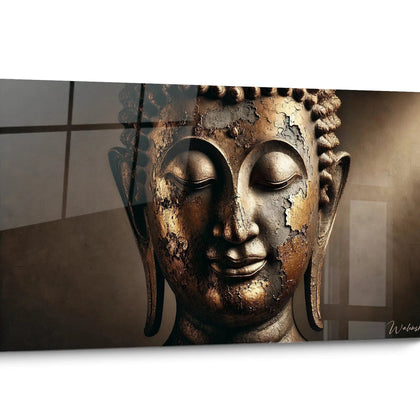 Zen Buddha Bronze Wall Art7
artworks
Zen Buddha Bronze Wall Art7
artworks
-
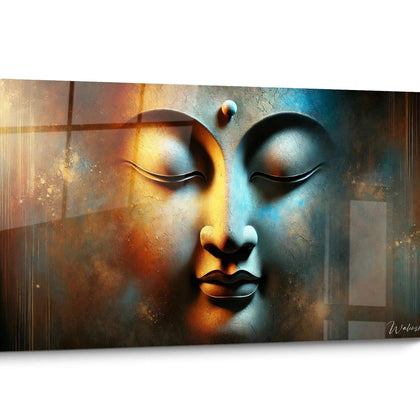 Modern Zen Buddha Wall Art9
artworks
Modern Zen Buddha Wall Art9
artworks
All about Buddha Zen Wall Art
- Presentation Zen Artwork Buddha
- Symbolism and spirituality
- Harmonizing meditative spaces
- Integration guide
A Zen Buddha artwork is more than just wall decor: it embodies a daily invitation to serenity and spiritual awakening. These large-scale works capture the essence of Buddhist philosophy through depictions of the Buddha in meditation, sacred mandalas, or contemplative scenes that instantly transform the atmosphere of a room. Unlike conventional decorations, a Zen Buddha artwork acts as an energetic focal point that facilitates meditative practice, promotes letting go, and cultivates a peaceful state of mind. These imposing format wall creations are particularly suitable for yoga spaces, meditation corners, contemporary living rooms seeking spiritual authenticity, and holistic therapy practices where a search for inner harmony prevails. Each depiction of the Buddha conveys specific teachings according to his posture and mudras, thus offering a symbolic depth that only these artworks can bring to your daily environment.
The symbolic power of the Buddha in your spiritual decor
The different postures of the Buddha and their energetic meaning
Each Zen Buddha artwork conveys a specific teaching according to the posture represented. The Buddha in a seated meditation position, legs crossed in lotus, symbolizes enlightenment and invites deep introspection. This classic representation is perfect for spaces where you regularly practice meditation or pranayama. The reclining Buddha, evoking parinirvana, inspires detachment and a serene transition, ideal for a bedroom or a contemplative rest area.
The mudras - these sacred hand gestures - add an extra dimension to your large Zen Buddha artwork. The Abhaya mudra (hand raised palm outwards) dispels fear and provides protection, while the Dhyana mudra (hands resting on one another) amplifies meditative energies. For a zen contemporary living room, prioritize a golden Zen artwork depicting the Buddha with this concentration mudra.
How to choose your artwork according to your spiritual intention?
Acquiring a Buddha artwork for meditation should align with your personal spiritual path. If you are seeking abundance and prosperity, opt for depictions of a laughing Buddha or a Buddha with a bowl of offerings. To cultivate compassion and kindness, images of the smiling Buddha in a state of serene bliss will transform your space into a sanctuary of unconditional love.
Zen Buddha artworks combining multiple symbolic elements - such as association with a Lotus Zen artwork or the presence of mandalas in the background - create powerful energetic synergies. These multi-layered compositions offer different levels of contemplation and enrich your daily spiritual practice. Buddhist iconography being rich and layered, every detail counts: the halos, the symbolic jewels, the positions of the feet all contribute to the transmission of a specific teaching.
The influence of colors in Buddhist symbolism
The dominant tones of your Zen Buddha decor artwork are never insignificant. Gold evokes supreme enlightenment and transcendent wisdom, while ochre and saffron tones recall monastic robes and embody renunciation of material attachments. A black and white Zen artwork depicting the Buddha highlights the transcended duality and is suitable for minimalist interiors seeking purified spirituality.
The turquoise and blue nuances, associated with Buddhist medicine and healing, transform your Buddhist zen artwork into a visual therapeutic tool. For a space of energetic care or a naturopathic practice, these color palettes promote mental relaxation and regeneration. Compositions including natural elements like a zen bamboo artwork in the background reinforce the connection with natural cycles and the impermanence taught by the Buddha.
Create an authentic meditative space with your Buddha painting
What is the best layout for a Buddha painting in a meditation corner?
The placement of your Buddha zen painting largely determines its impact on your contemplative practice. In a dedicated meditation space, position it facing your cushion or meditation bench, at eye level when sitting in lotus position. This configuration creates a direct visual connection that facilitates concentration and meditative absorption (dhyana). Avoid placing your decorative Buddha painting above cluttered objects or in areas of frequent passage that would disperse contemplative energy.
For a monumental format, create a true visual altar by combining your painting with ritual elements: candles, incense, Tibetan singing bowls and crystals. This staging transforms your wall into a three-dimensional mandala where each element dialogues with the serene presence of the Buddha. Advanced practitioners can combine their main work with a watercolor zen painting in soft tones to soften the whole and create an atmosphere conducive to samadhi.
Harmonize the energies of your yoga studio or practice room
In a professional yoga studio, a large-format Buddha zen painting becomes the spiritual anchor of the space. Install it on the main wall facing the practitioners, so that it is visible during balancing postures and final relaxation phases (savasana). This constant presence of the Buddha imbues the sessions with a sacred dimension and reminds yogis that asana is only a preparation for deep meditation.
Yoga nidra or yin yoga teachers will particularly benefit from combining their Buddha representation painting with soothing elements such as a pebble zen painting symbolizing stability and rooting. This combination creates a consistent sensory environment where each visual element supports the inner journey of the participants. For guided meditation classes, prioritize representations of the Buddha in mudras of compassion or teaching.
Transform your living room into a Buddhist haven of peace
A Buddha zen painting in a contemporary living room creates a striking contrast between the agitation of the modern world and the timelessness of Eastern wisdom. Position it as a centerpiece of your living space, ideally on a clear wall free of visual distractions. This purification allows the eye to naturally rest on the image of the Buddha and invites moments of conscious pause amidst the daily routine.
For aesthetic consistency, harmonize your main work with other zen elements: a tree of life zen painting symbolizing spiritual growth, or plant compositions evoking ephemeral nature. Feng shui enthusiasts will place their meditation Buddha painting in the knowledge (north-east) or spirituality (center) zone of the bagua to maximize its energetic influence. This intentional approach transforms your decoration into a true daily spiritual practice, where each visual element supports your inner evolution.
Pairing with a minimalist zen artwork creates a visual dialogue between fullness and emptiness, two fundamental concepts of Buddhist philosophy. This sophisticated juxtaposition suits contemporary interiors that reject spiritual folklore in favor of a purified and authentic approach to Buddhism. Your living space thus becomes a laboratory of presence where beauty itself teaches the dharma.
Integrate a Buddha artwork into your overall zen decorative project
Create a coherent spiritual wall gallery
A large-format zen Buddha artwork can serve as an anchor for a larger wall composition exploring different facets of Eastern spirituality. Combine your centerpiece with complementary works such as a turquoise zen artwork evoking healing, or representations of mandalas to create a meditative visual journey. This museum-like approach transforms your wall into a spiritual narrative where each artwork dialogues with the others.
However, respect the visual hierarchy: your main Buddha artwork should dominate the whole through its size and central positioning. Supporting works enrich without competing, creating a harmony similar to Buddhist temples where the main effigy is surrounded by secondary representations. This energetic stratification amplifies the contemplative impact of your zen Buddha wall decoration while offering multiple focal points for varied meditations.
Adapt your artwork to the different Buddhist traditions
Representations of the Buddha vary considerably according to traditions: Tibetan, Japanese Zen, Thai Theravada, or Chinese Mahayana. A Tibetan-inspired zen Buddha artwork will favor bright colors, complex ornamental details, and often multiple deities in mandala. This baroque aesthetic suits expressive personalities and colorful spaces seeking exuberant spirituality.
Conversely, a zen Buddha artwork inspired by Japanese Soto Zen will favor radical simplicity, ink washes, and suggestion rather than detailed representation. This minimalist approach harmonizes perfectly with collections of zen artworks and suits Scandinavian or wabi-sabi interiors. The choice of your aesthetic tradition should reflect your own spiritual path and resonate with your personal meditative practices.
The energetic maintenance of your sacred artwork
Beyond basic physical cleaning, a zen Buddha artwork requires regular energetic attention. Buddhist practitioners recommend purifying the space around the work with sandalwood incense or white sage during new moons. This ritual practice preserves the vibrational clarity of your artwork and renews its meditative potential.
Some practitioners make symbolic offerings in front of their wall Buddha artwork: fresh flowers, pure water in a bowl, fruits, or grains of rice. These gestures, far from being superstitious, cultivate gratitude and awareness of impermanence - two central teachings of the dharma. Your relationship with the work thus evolves beyond simple decorative possession towards a living and daily spiritual practice that gradually transforms your relationship to space and to yourself.
Where to place a zen Buddha artwork to maximize its soothing effect?
Prioritize calm and contemplative spaces: bedroom, meditation corner, personal office, or spa bathroom. Avoid agitated areas such as the kitchen or the main entrance. The ideal height places the Buddha's gaze slightly above yours when you are in a seated meditation position, creating a dynamic of spiritual aspiration upwards.
Is a Buddha artwork suitable for all interior decoration styles?
Absolutely, provided you choose the appropriate aesthetic treatment. A zen buddha painting in a soft watercolor version blends into romantic interiors, while a black and white graphic representation suits industrial lofts. The key lies in the chromatic and stylistic consistency with your existing environment while preserving the spiritual integrity of the work.
Can a Buddha painting be combined with other spiritual symbols?
This combination works beautifully if it respects a philosophical consistency. Combining your zen buddha painting with universal symbols such as the tree of life, the lotus or mandalas creates a semantic richness. However, avoid inconsistent mixtures of conflicting spiritual traditions that would dilute the energetic impact of your contemplative space.
Further reading


