


Zen Tree of Life Wall Art
The Painting Zen Tree of Life embodies spiritual symbolism and universal harmony. This artistic collection celebrates the sacred connection between earth and sky through zen representations of the tree of life imbued with serenity. Perfect for a soothing spiritual decoration, these works transform your interior into a haven of peace. Each creation evokes growth, balance and renewal, inviting meditation and contemplation.
 Breath of Earth Wall Art - Tree of Life Zen Edition273,90 €
 Tree of Life Zen Dance of Seasons Wall Art273,90 €
 Night Tree Wall Art - Zen Life Tree Edition273,90 €
 Ancient Tree Wall Art - Life Tree Zen Edition273,90 €
 Snake Painting Spring Awakening - Tree of Life Edition273,90 €
 Tree Dance of the Seasons - Life Tree Edition Wall Art228,90 €
 Eternal Roots Wall Art - Zen Tree of Life Edition273,90 €
 The Legacy of Souls Wall Art - Zen Tree of Life Edition273,90 €
 The Spirit of Nature Wall Art - Zen Tree of Life Edition273,90 €
 Ephemeral Harmony Wall Art - Zen Tree of Life Edition273,90 €
 Tree and Wind Fusion Wall Art - Tree of Life Zen Edition273,90 €
 Tree of Dreams Wall Art - Zen Tree of Life Edition273,90 €
 Eternal Tree of Life Wall Art - Zen Tree of Life Edition273,90 €
Explore further
In Zen Tree of Life Wall Art
-
 Zen Wall Art2161
artworks
Zen Wall Art2161
artworks
-
 Black and White Zen Wall Art4
artworks
Black and White Zen Wall Art4
artworks
-
 Golden Zen Wall Art15
artworks
Golden Zen Wall Art15
artworks
-
 Buddha Zen Wall Art24
artworks
Buddha Zen Wall Art24
artworks
-
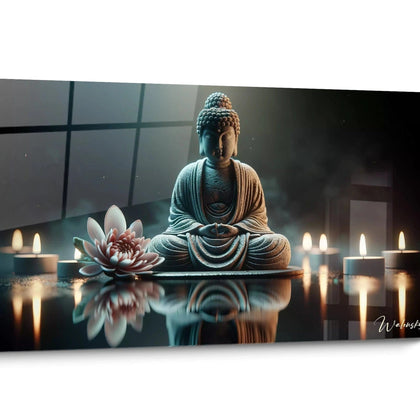 Zen Lotus Wall Art13
artworks
Zen Lotus Wall Art13
artworks
-
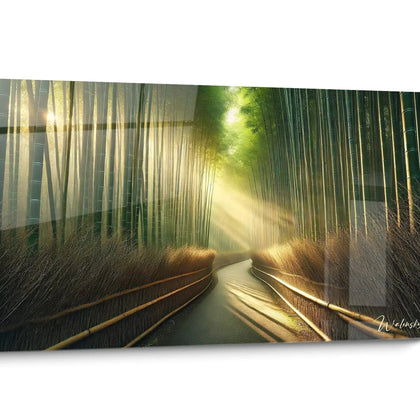 Zen Bamboo Wall Art5
artworks
Zen Bamboo Wall Art5
artworks
-
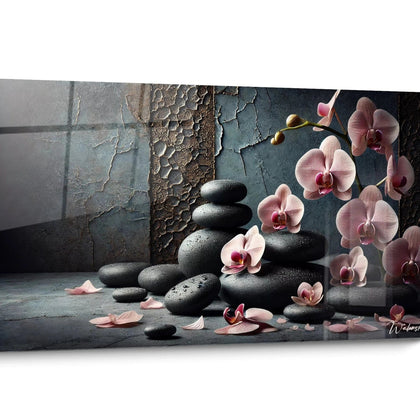 Zen Pebbles Wall Art6
artworks
Zen Pebbles Wall Art6
artworks
-
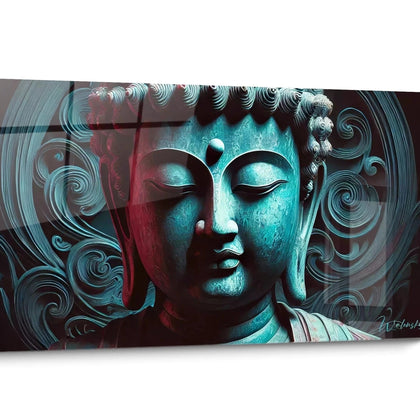 Turquoise Zen Wall Art9
artworks
Turquoise Zen Wall Art9
artworks
-
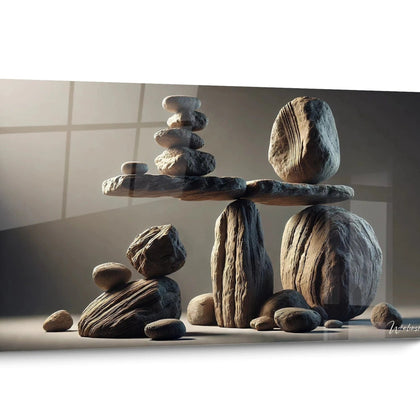 Minimalist Zen Wall Art13
artworks
Minimalist Zen Wall Art13
artworks
-
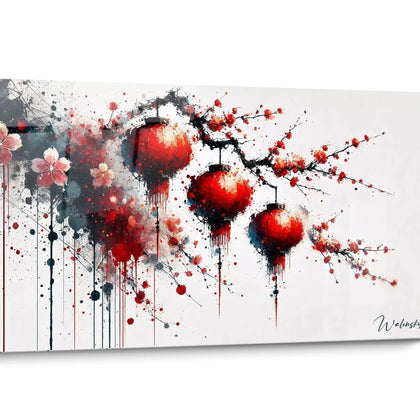 Zen Watercolor Canvas5
artworks
Zen Watercolor Canvas5
artworks
-
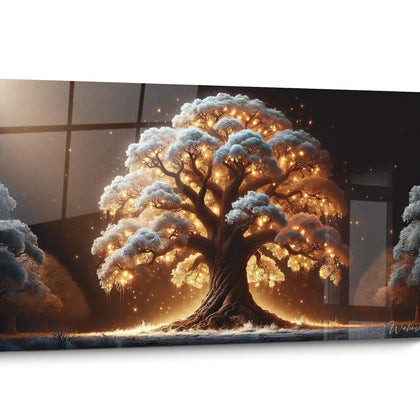 Golden Zen Tree of Life Wall Art4
artworks
Golden Zen Tree of Life Wall Art4
artworks
-
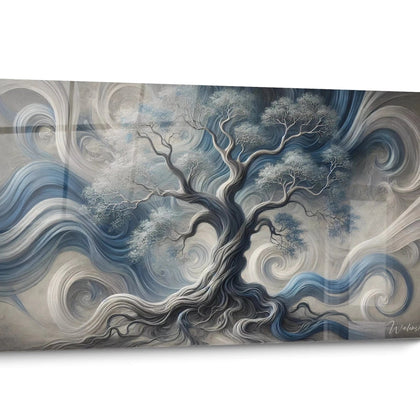 Zen Tree of Life Abstract Wall Art4
artworks
Zen Tree of Life Abstract Wall Art4
artworks
-
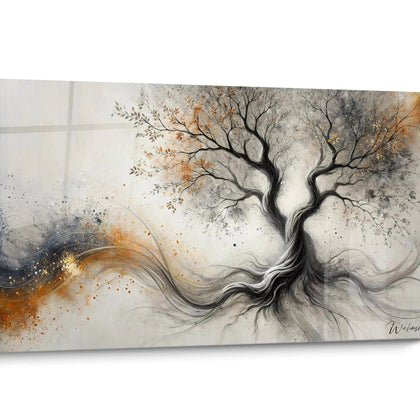 Minimalist Zen Tree of Life Wall Art4
artworks
Minimalist Zen Tree of Life Wall Art4
artworks
-
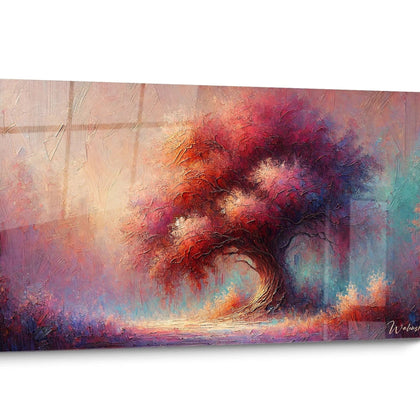 Modern Zen Tree of Life Wall Art6
artworks
Modern Zen Tree of Life Wall Art6
artworks
All about Zen Tree of Life Wall Art
- Presentation Zen Artwork Tree of Life
- Symbolism and Energy
- Harmonizing Spaces
- Benefits and Meditation
The zen tree of life artwork represents much more than a simple wall decoration. This millennial symbol, carrying beneficial energies and ancestral connections, finds its place in contemporary interiors seeking spiritual harmony. Its branches symbolizing the expansion of consciousness and its roots evoking earthly anchoring create a visual balance that promotes daily meditation. Generous formats of these wall creations allow establishing a true energy focal point in your living space, transforming an ordinary room into a sanctuary of serenity.
The Universal Symbolism of the Tree of Life in Zen Art
The zen artwork tree of life embodies the sacred connection between the earthly world and the spiritual realm. Its roots plunging into the earth symbolize anchoring and emotional stability, while its branches rising towards the sky represent the aspiration for enlightenment. This harmonious duality creates an energetic balance particularly sought after in contemporary meditative practices. Discover also our collection of golden zen artwork.
How does the tree of life enhance your daily meditative practice?
Regular observation of a zen tree of life artwork facilitates entry into a deep meditative state. The organic patterns of the branches naturally guide the gaze in a soothing circular movement, gradually slowing the flow of thoughts. This visual representation of perpetual growth encourages contemplation on cycles of personal transformation. Wellness spaces and yoga rooms frequently integrate these compositions to amplify the spiritual intention of practitioners.
Chromatic variations and their energetic influences
A golden zen tree of life artwork amplifies vibrations of prosperity and spiritual abundance, particularly effective in spaces dedicated to positive affirmations. Interpretations in shades of turquoise zen artwork promote authentic communication and creative expression, ideal for personal development workshops. Versions exploring the contrast of a black and white zen artwork reinforce mental clarity and facilitate conscious decision-making.
The tree of life as a catalyst for family connection
Beyond its purely aesthetic dimension, this symbol strengthens intergenerational bonds in shared living spaces. Its multiple branches evoke the different family lineages converging towards a common trunk, recalling the importance of the transmitted heritage and shared values. Installing a large format in family gathering rooms creates a visual reference point that encourages authentic exchanges and collective gratitude.
Strategic Integration of the Tree of Life Artwork into Your Spaces of Consciousness
Where to position a zen tree of life artwork to maximize its radiance?
The optimal placement of a zen tree of life artwork responds to specific energetic considerations. Facing your meditation cushion, it becomes a visual concentration point that facilitates anchoring during prolonged sessions. In holistic therapy offices, its positioning behind the practitioner creates a reassuring vibrational field for clients. Transition spaces such as hallways particularly benefit from its presence, transforming daily movements into micro-moments of spiritual reconnection.
Decorative associations amplifying energy
Creating a harmonious environment around your zen artwork involves deliberate choices. Pairing it with natural elements like pebbles arranged in a mandala reinforces the organic dimension of the tree of life. Feng shui practitioners recommend complementing this presence with representations of zen bamboo artwork to amplify spiritual growth in the East of your home. Adding indirect lighting that projects subtle shadows on the branches creates a visual dynamic that evolves throughout the day.
Monumental dimensions and psychological impact
The generous formats of a zen tree of life artwork radically transform spatial perception. An imposing work establishes a calming presence that positively dominates the space, instantly creating an atmosphere conducive to contemplation. This monumental scale allows for total visual immersion during guided visualization practices, where the observer can mentally traverse each branch and symbolically explore their own personal tree.
In group meditation studios, a large central artwork serves as an energy synchronizer for the group. Participants naturally align their breathing with the organic curves of the work, facilitating the harmonization of individual energies. This function of collective cohesion explains the growing popularity of these representations in spiritual retreats and intentional communities.
The Therapeutic Virtues of the Zen Tree of Life Artwork
Stress reduction through structured contemplation
Daily observation of a zen tree of life artwork activates specific neurological mechanisms for emotional regulation. The natural fractal patterns of the branches correspond to structures that our brain instinctively processes as calming, reducing cortisol production. This regular contemplation integrates into protocols for managing chronic anxiety, offering a visual refuge during moments of mental overload.
Therapists specializing in somatic approaches use these representations as centering tools. During sessions, the patient is invited to visualize their concerns as leaves on the branches, then to imagine their progressive release. This technique of symbolic projection transforms the artwork into an active therapeutic support, far beyond its initial decorative function.
What is the influence of a tree of life artwork on sleep quality?
Installed in the bedroom, a zen tree of life artwork in soft tones mentally prepares for sleep. Unlike complex visual stimuli that maintain brain activity, its organic forms encourage progressive relaxation of the nervous system. Versions incorporating shades inspired by the zen lotus artwork combine complementary symbolism to strengthen the nocturnal spiritual dimension, particularly appreciated by lucid dreaming practitioners.
Development of inner ecological awareness
The permanent presence of this vegetal archetype in your daily environment subtly nourishes your connection to nature. This visual impregnation gradually influences your lifestyle choices towards greater environmental respect and voluntary simplicity. Studies in environmental psychology confirm that regular exposure to natural representations, even stylized as in zen artworks, strengthens pro-ecological behaviors and sensitivity to seasonal cycles.
Strengthening personal resilience through symbolism
The tree that traverses the seasons while maintaining its essence constitutes a powerful metaphor for perseverance. Contemplating this representation daily during periods of difficult transition visually reminds us that transformation is an integral part of growth. Personal development coaches frequently recommend installing this symbol in personal workspaces, particularly during phases of career change or identity reconstruction.
Is a zen tree of life painting suitable for energetic practice spaces like reiki?
Absolutely, this universal symbol naturally amplifies the circulation of subtle energies. Reiki practitioners particularly appreciate its ability to ground while elevating vibrations, creating the double energetic movement essential to holistic care. Association with complementary representations like the zen buddha painting reinforces the spiritual dimension of the therapeutic space.
Can multiple zen painting styles be combined with a tree of life?
Symbolic layering considerably enriches the energetic environment. A tree of life painting combined with works inspired by zen watercolor creates a harmony between structure and fluidity, between anchoring and movement. Compositions including elements of zen stone paintings reinforce the mineral terrestrial dimension that perfectly complements the ascending vegetal aspect of the tree.
How to choose between a minimalist or detailed tree of life version?
Purified interpretations inspired by minimalist zen are suitable for spaces that are already visually busy, offering a soothing visual breath. Richly detailed versions with complex ramifications better serve in-depth meditative practices, offering more points of focus for progressive concentration techniques. The intended use takes precedence over purely aesthetic considerations when making this conscious selection.


