


Zen Lotus Wall Art
Our Painting Zen Lotus collection celebrates the timeless beauty of this sacred flower, a symbol of awakening and purity. Each lotus painting meditation captures the essence of oriental tranquility to transform your interior into a sanctuary of peace. These spiritual zen lotus art embody the perfect harmony between contemporary aesthetics and ancestral philosophy. Perfect for meditation, yoga or relaxation spaces, they invite contemplation and daily soothing.
 Marbled Peace Wall Art - Zen Edition273,90 €
 Lotus Painting Pure Grace - lotus flower edition228,90 €
 Lotus Inner Peace Wall Art - lotus flower edition228,90 €
 Lotus Flower Floating Soul Painting - Lotus Flower Edition228,90 €
 Lotus Flower Eternal Grace Painting - Lotus Flower Edition273,90 €
 Lotus Painting Awakening of the Waters - Lotus Flower Edition273,90 €
 Sacred Purity Wall Art - Zen Lotus Flower Edition273,90 €
 Serenity in Bloom Wall Art - Zen Buddha Edition273,90 €
 Spiritual Harmony Artwork - Zen Buddha Edition273,90 €
 Peaceful Meditation Painting - Zen Edition273,90 €
 Starry Night Wall Art - Zen Edition273,90 €
 Sacred Lotus Wall Art - Zen Edition273,90 €
 Flower of Light Canvas - Zen Edition273,90 €
Explore further
In Zen Lotus Wall Art
-
 Zen Wall Art2161
artworks
Zen Wall Art2161
artworks
-
 Black and White Zen Wall Art4
artworks
Black and White Zen Wall Art4
artworks
-
 Golden Zen Wall Art15
artworks
Golden Zen Wall Art15
artworks
-
 Buddha Zen Wall Art24
artworks
Buddha Zen Wall Art24
artworks
-
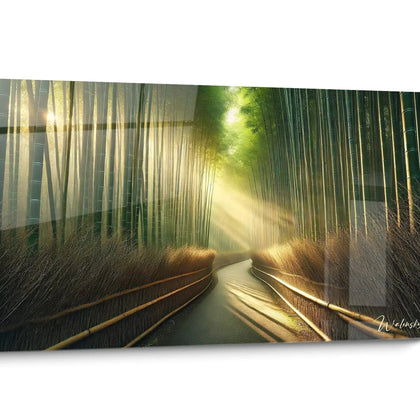 Zen Bamboo Wall Art5
artworks
Zen Bamboo Wall Art5
artworks
-
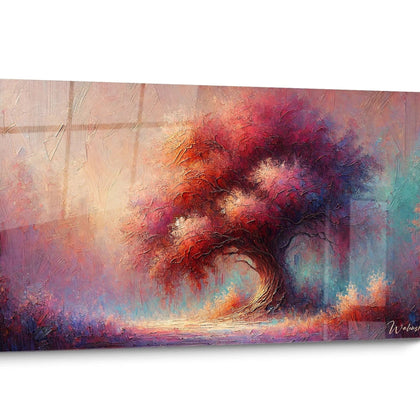 Zen Tree of Life Wall Art13
artworks
Zen Tree of Life Wall Art13
artworks
-
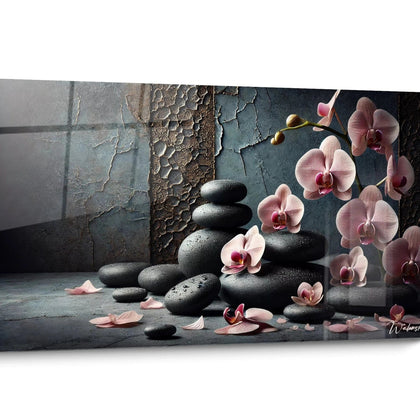 Zen Pebbles Wall Art6
artworks
Zen Pebbles Wall Art6
artworks
-
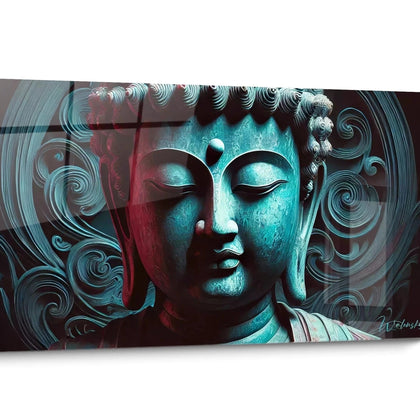 Turquoise Zen Wall Art9
artworks
Turquoise Zen Wall Art9
artworks
-
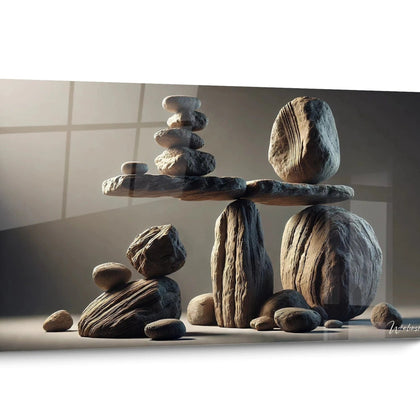 Minimalist Zen Wall Art13
artworks
Minimalist Zen Wall Art13
artworks
-
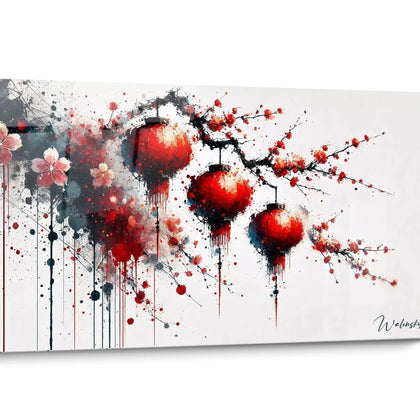 Zen Watercolor Canvas5
artworks
Zen Watercolor Canvas5
artworks
-
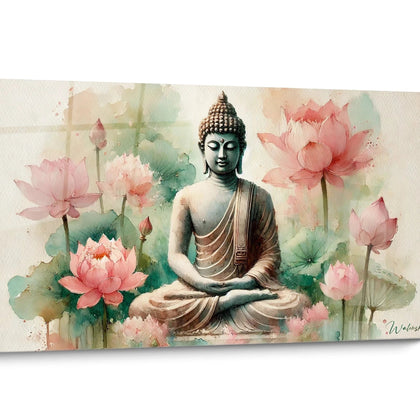 Zen Lotus Watercolor Wall Art4
artworks
Zen Lotus Watercolor Wall Art4
artworks
-
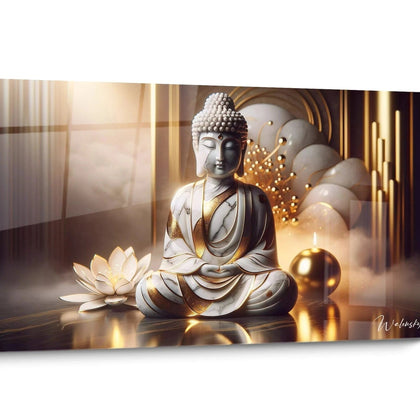 Golden Zen Lotus Wall Art5
artworks
Golden Zen Lotus Wall Art5
artworks
-
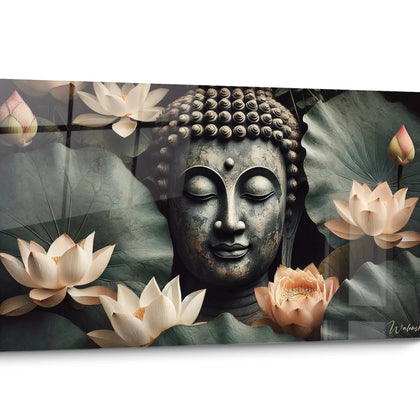 Zen Buddha Lotus Wall Art5
artworks
Zen Buddha Lotus Wall Art5
artworks
-
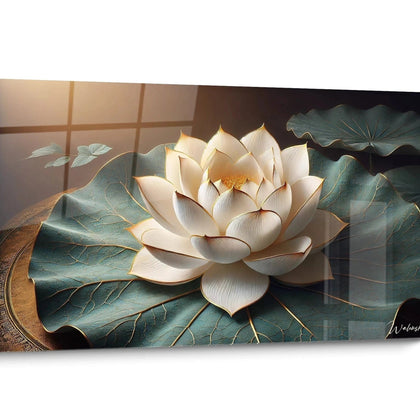 White Zen Lotus Wall Art6
artworks
White Zen Lotus Wall Art6
artworks
All about Zen Lotus Wall Art
- Zen Lotus Wall Art Presentation
- Symbolism and Energy
- Meditative Integration
- Selection and Placement
The zen lotus wall art embodies spiritual purity and inner awakening in your living space. This sacred floral representation instantly transforms the atmosphere of your rooms by creating a visual sanctuary dedicated to contemplation and harmony. Each large-format model captures natural light to reveal the delicate nuances of petals and the perfect balance of this mystical flower that emerges from murky water to flourish in all its splendor. Discover how this ancestral iconography enriches your daily meditation practice and brings lasting serenity to your environment.
The Symbolic Power of the Lotus in Contemplative Art
The zen lotus wall art conveys ancient symbolism drawn from Buddhist and Hindu traditions. This aquatic flower represents spiritual transformation, the passage from darkness to light, a universal process of inner purification that each person experiences in their personal journey.
How does the lotus influence the energy of your meditative space?
Floral representations of the lotus act as an energetic catalyst in spaces dedicated to deep relaxation. Unlike compositions featuring Buddha, the lotus alone concentrates attention on the daily process of rebirth. Its petals arranged in natural mandala form create an ideal focal point for creative visualization sessions.
The hues used in these wall creations determine the energetic orientation of your practice. A white lotus evokes spiritual perfection and mental clarity, particularly suited to morning yoga spaces. Pink lotus embodies compassion and heart opening, recommended for therapy areas or helping professions.
Association with other sacred natural elements
The large-format zen lotus wall art takes on additional dimension when it dialogues with other contemplative symbols. Association with a wall art depicting the tree of life creates a complete visual narrative of the existence-awakening-rebirth cycle. This complementarity considerably enriches the meditative impact of your personal sanctuary.
Monumental formats allow you to distinguish each anatomical detail of the flower: delicate veins, velvet texture of petals, contrast between the submerged stem and the fully bloomed corolla. This visual precision facilitates focused concentration exercises, where the gaze methodically follows each curve to calm the restless mind.
Chromatic variations and their therapeutic applications
A blue lotus wall art particularly activates the zone of authentic communication, ideal for consultation spaces or creative expression. This rare tint in nature imparts an almost mystical dimension to the artwork. For environments requiring grounding and vitality, opt for red lotus representations, stimulating vital energy without visual aggression.
Compositions presenting the lotus in its complete aquatic environment, with reflections and ripples, add the soothing dimension of the water element. These narrative versions function remarkably in body care spaces or transition zones between activity and rest.
Optimize Your Meditation Practice with a Lotus Wall Art
The integration of a zen lotus wall art into your contemplative routine radically transforms the quality of your sessions. Unlike ephemeral supports, this permanent visual presence progressively conditions your mind to enter a state of mindfulness quickly as soon as your gaze falls upon this iconography.
What is the best position for meditating in front of a lotus wall art?
Position your meditation cushion at a distance equal to 1.5 times the height of the artwork to benefit from global vision without eye strain. This optimal distance allows the brain to perceive the entire composition while allowing exploration of details during directed concentration phases. Large-format models create an immersive visual field that facilitates the dissolution of parasitic thoughts.
The soft gaze technique, where eyes remain half-closed in the direction of the lotus center, constitutes an ancestral method of mental pacification. The central point of the flower, where all petals converge, serves as a visual anchor comparable to the focal point used in certain tantric practices.
Using the lotus as support for guided visualization
Advanced practitioners use the lotus wall art as a three-dimensional mental map. Each petal represents a quality to cultivate: patience, compassion, equanimity, empathetic joy. During meditation, attention travels mentally from petal to petal, infusing each quality into consciousness. This structured method is particularly suited to people needing precise frameworks for their inner practice.
Combine your zen lotus wall art with specific sound elements to create a complete multisensory experience. The sound of Tibetan bowls or water chimes amplifies the symbolic resonance of this flower born from water. Some practitioners report deeper meditative states when visual and auditory stimulation converge toward the same natural symbolism.
How does the lotus facilitate the transition to deep meditation?
The lotus representation acts as a conditioned signal for your nervous system. After several weeks of regular practice in front of this imagery, your body learns to automatically initiate the relaxation response upon visual perception of the flower. This positive conditioning considerably reduces the time needed to achieve desired meditative states.
For multifunctional spaces, the lotus wall art psychologically delimits the sacred zone without requiring physical separation. Its mere presence signals to your unconscious the contemplative intention of this space, even in a studio or bedroom serving other purposes. This subtle but effective demarcation maintains the energetic purity of your meditation corner.
Compositions combining lotus and mineral elements like representations of stacked stones create a dialogue between earthly stability and floral grace. This visual duality enriches meditations on balance between grounding and spiritual elevation.
Select and Install Your Lotus Wall Art for Maximum Impact
Choosing a zen lotus wall art requires careful attention to several determining criteria for its meditative effectiveness. Monumental size offers considerable advantage: it allows total visual immersion that naturally isolates peripheral distractions during your contemplative practices.
Which visual criteria should you prioritize for daily meditative use?
Favor representations offering balance between botanical realism and artistic stylization. A lotus that is too photographic may lack symbolic depth, while excessive abstraction risks failing to activate deep archetypal associations. Versions presenting multiple stages of blooming—bud, semi-open flower, fully deployed lotus—enrich meditation on personal transformation cycles.
The lotus orientation in the composition subtly influences your experience. A flower viewed frontally, symmetrical, favors stability and centering. A lateral or slightly tilted perspective introduces movement dynamics, appropriate for meditations on change and impermanence. For particularly imposing formats, ensure the flower's center is positioned approximately at your natural eye level when sitting.
Optimal placement according to your space configuration
In a dedicated practice space, install the artwork on the north or east wall according to Eastern spatial harmonization principles. This orientation captures morning energies conducive to meditation while avoiding direct afternoon sun exposure that could create disturbing reflections. Large compositions work magnificently as a unique focal point in collective yoga rooms or wellness studios.
For bedrooms also serving as meditation space, position the lotus wall art facing the bed but slightly offset so it doesn't dominate your field of vision upon waking. This subtlety allows gentle integration of the symbolism without excessive nighttime energy investment. Association with soft tones such as those of a turquoise-hued artwork reinforces the atmosphere of restorative freshness.
Decorative associations that amplify the lotus resonance
Create a visual altar by arranging complementary natural elements: a bowl of clear water, translucent crystals, or a lamp diffusing soft golden light. These three-dimensional physical elements dialogue with the two-dimensional representation to create a complete meditative installation. However, avoid decorative overload that would dilute the lotus's own impact.
Minimalist spaces particularly benefit from adding a large-format lotus wall art. In an environment inspired by principles of contemplative simplicity, this single floral presence suffices to transform the atmosphere. The contrast between architectural emptiness and symbolic richness of the lotus generates creative tension conducive to deep introspection.
For therapists and practitioners receiving clients, the lotus wall art instantly communicates the space's intention. This non-verbal communication psychologically prepares people for the openness and vulnerability necessary for therapeutic work. Some practitioners report that their clients spontaneously enter heightened receptivity states in the presence of this imagery.
Frequently asked questions about zen lotus wall art
Is zen lotus wall art suitable for sleep spaces?
Absolutely, the lotus brings pure energy and renewal particularly beneficial in bedrooms. Choose soft tones such as white or pale pink to promote nighttime relaxation. Unlike overly dynamic compositions, the lotus possesses a naturally soothing quality compatible with restorative rest.
Can you combine lotus wall art with other zen decorative styles?
The lotus integrates harmoniously with many contemplative aesthetics. It dialogues particularly well with bamboo representations symbolizing flexibility, or with watercolor creations that share the same organic fluidity. For maximum sophistication, combine it with golden accents evoking spiritual illumination. All these elements can be part of a coherent collection of zen wall art dedicated to meditation.
What is the difference between color lotus wall art and black and white?
Colored versions activate specific emotional and energetic resonances depending on the dominant hue. Black and white interpretations offer a more contemplative and timeless approach, reducing sensory stimulation to favor internalization. This chromatic sobriety is particularly suited to silent meditation practices where attention focuses on pure forms rather than the emotional qualities of colors.
Further reading


