


Turquoise Zen Wall Art
Our Painting Zen Turquoise collection embodies absolute serenity in your interior. These soothing works capture the essence of zen turquoise decoration with a harmonious palette of deep blues and aquatic greens. Perfect for creating a meditative atmosphere, these artistic creations transform your space into a haven of peace.Zen art in turquoise tones integrates ideally into living rooms, bedrooms or relaxation spaces, inviting contemplation and daily well-being.
 Lotus Inner Peace Wall Art - lotus flower edition228,90 €
 Lotus Painting Awakening of the Waters - Lotus Flower Edition273,90 €
 Divine Tranquility Wall Art - Buddha Zen Edition273,90 €
 Ephemeral Harmony Wall Art - Zen Tree of Life Edition273,90 €
 Indigo Wisdom Wall Art - Zen Edition273,90 €
 Deep Peace Wall Art - Zen Edition273,90 €
 Floral Softness Artwork - Zen Edition273,90 €
 Balance Wall Art - Zen Edition273,90 €
 Calm Turquoise Wall Art - Zen Edition273,90 €
Explore further
In Turquoise Zen Wall Art
-
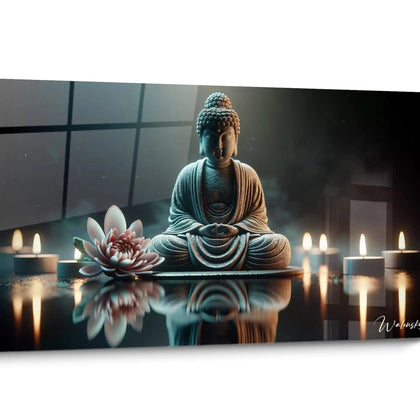 Zen Wall Art2161
artworks
Zen Wall Art2161
artworks
-
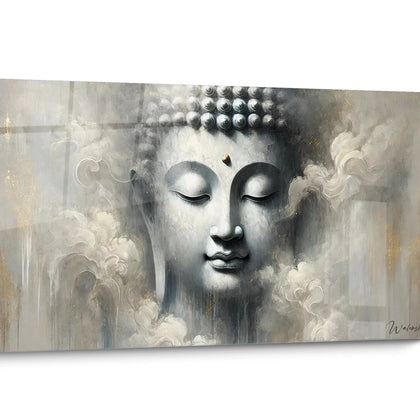 Black and White Zen Wall Art4
artworks
Black and White Zen Wall Art4
artworks
-
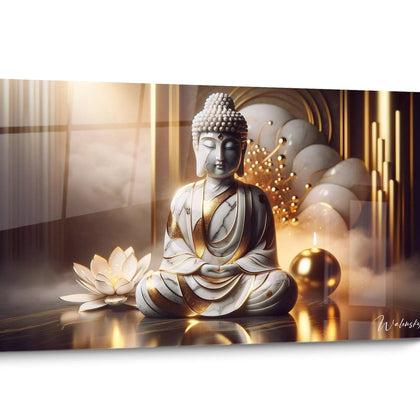 Golden Zen Wall Art15
artworks
Golden Zen Wall Art15
artworks
-
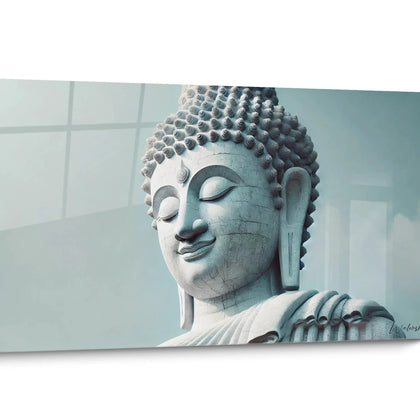 Buddha Zen Wall Art24
artworks
Buddha Zen Wall Art24
artworks
-
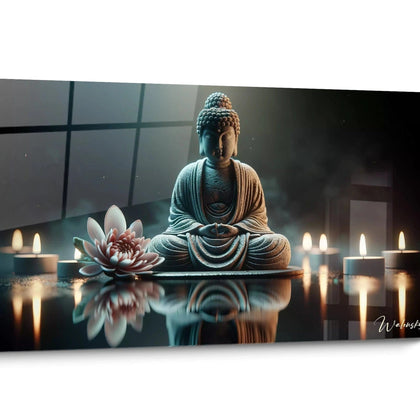 Zen Lotus Wall Art13
artworks
Zen Lotus Wall Art13
artworks
-
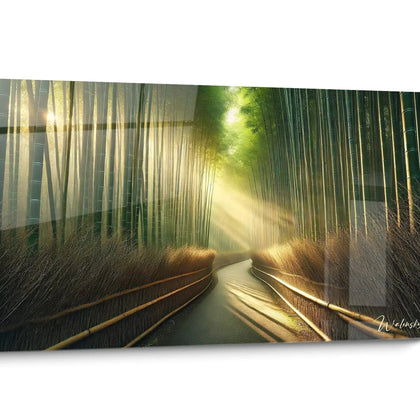 Zen Bamboo Wall Art5
artworks
Zen Bamboo Wall Art5
artworks
-
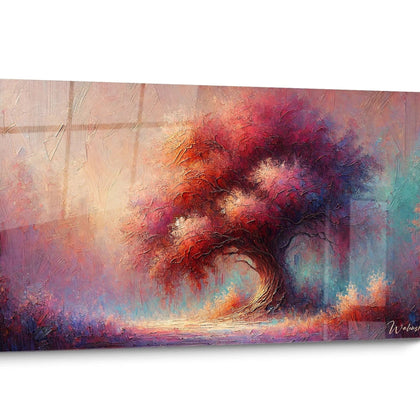 Zen Tree of Life Wall Art13
artworks
Zen Tree of Life Wall Art13
artworks
-
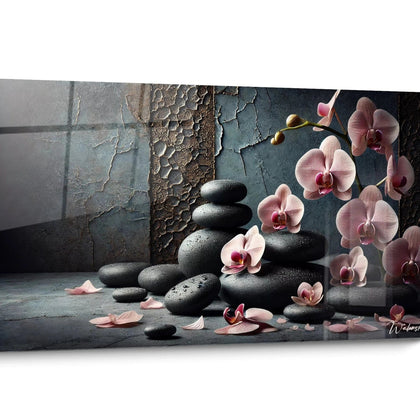 Zen Pebbles Wall Art6
artworks
Zen Pebbles Wall Art6
artworks
-
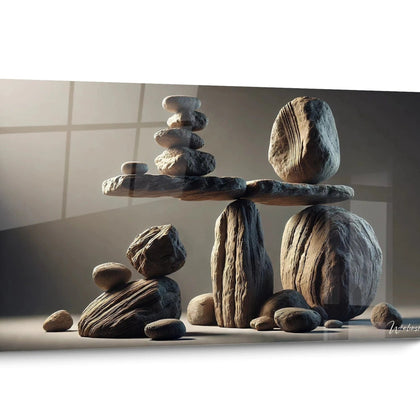 Minimalist Zen Wall Art13
artworks
Minimalist Zen Wall Art13
artworks
-
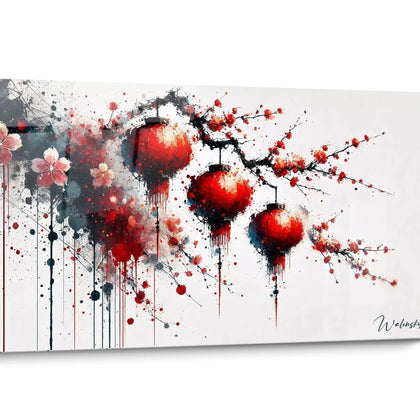 Zen Watercolor Canvas5
artworks
Zen Watercolor Canvas5
artworks
-
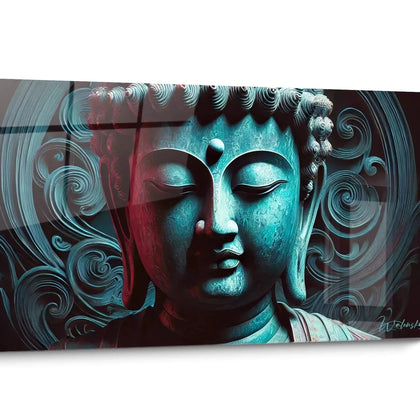 Turquoise Zen Buddha Wall Art4
artworks
Turquoise Zen Buddha Wall Art4
artworks
-
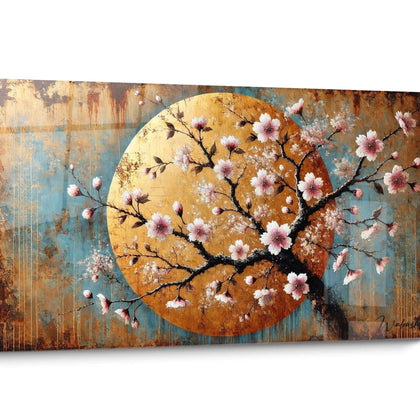 Turquoise Gold Zen Wall Art3
artworks
Turquoise Gold Zen Wall Art3
artworks
All about Turquoise Zen Wall Art
- Turquoise Zen Canvas Presentation
- Symbolism and Energy of Turquoise
- Harmonizing Aquatic Spaces
- Zen Color Association
The turquoise zen canvas embodies the very essence of contemporary serenity by combining the soothing depth of blue-green hues with zen philosophy. This aquatic tone simultaneously evokes the transparency of tropical lagoons and the purity of semi-precious stones, creating an atmosphere of profound meditation in modern living spaces. The monumental formats available transform walls into true contemplative portals, allowing total immersion in the regenerative energy of this therapeutic color.
The Spiritual and Therapeutic Dimension of Zen Turquoise
Turquoise color holds a unique position in chromotherapy and Eastern spiritual traditions. In the world of the turquoise zen canvas, this hue acts as an energetic bridge between the heart chakra and the throat chakra, facilitating authentic emotional expression while maintaining inner calm. Large-scale turquoise zen compositions amplify this particular vibration, transforming the surrounding space into a sanctuary of conscious communication.
Why does turquoise promote mental clarity in meditative practices?
The turquoise color spectrum simultaneously stimulates brain regions associated with creativity and logic. A turquoise zen canvas installed in a meditation or yoga space creates an environment conducive to resolving inner conflicts and making enlightened decisions. This particular color reduces hyperactive prefrontal cortex activity, allowing obsessive thoughts to dissolve naturally. Monumental compositions intensify this effect by occupying the peripheral visual field, creating a protective bubble against external stimulation.
The influence of turquoise on circadian cycles and restorative sleep
Unlike deep blues that can sometimes create an overly cold atmosphere, turquoise integrates enough green to maintain balanced color temperature. In bedrooms oriented toward deep relaxation, a panoramic format turquoise zen canvas naturally regulates melatonin production at day's end. This unique hue does not completely suppress visual stimulation like a black and white zen canvas would, but transforms it into a gentle soothing pulsation that accompanies the transition to nighttime rest.
Vibrational resonance with natural aquatic elements
Turquoise establishes an instinctive connection with the element of water in its purest and most revitalizing form. Whether evoking Japanese hot springs, desert oases, or coral reefs, this color carries within it the collective memory of regenerative aquatic spaces. A monumental turquoise zen canvas can simultaneously evoke the mystical depth of stones polished by sacred rivers and the ethereal luminosity of auroras reflected on ice. Abstract compositions exploiting turquoise gradients create meditative landscapes that transcend figurative representation, inviting contemplation without narrative anchor.
Integration of Turquoise in Contemporary Wellness Spaces
Creating therapeutic and wellness spaces requires particular attention to chromatic vibrations that directly influence the physiological state of occupants. The turquoise zen canvas stands out as a central element in sophrology offices, Pilates studios, and massage rooms, where its visual presence amplifies relaxation protocols. Monumental formats create focal points that naturally guide the gaze toward a state of ocular rest, reducing visual fatigue accumulated by screen exposure.
How does turquoise interact with modern biophilic architecture?
Spaces integrating biophilic principles seek to reconnect occupants with natural rhythms through organic materials and color palettes inspired by nature. A monumental turquoise zen canvas amplifies this intention by simultaneously evoking morning sky and coastal waters. In spaces furnished with living walls or raw materials such as natural stone, this hue establishes a visual dialogue that reinforces overall sensory coherence. Association with elements inspired by zen bamboo creates a chromatic layering that evokes bamboo forests bordering Asian rivers.
Acoustic optimization and spatial perception through turquoise
Research in environmental psychology demonstrates that cool colors like turquoise modify spatial perception by creating an impression of volumetric expansion. In meditation spaces or therapeutic consultation rooms often constrained in size, a large-scale turquoise zen canvas creates a visual opening that compensates for physical limitation. This color also possesses the perceptual property of absorbing ambient noise on a psychological level, even without real acoustic modification, creating a sensation of amplified silence. Minimalist compositions exploiting this hue become sensory portals to imaginary aquatic environments.
Seasonality and perceived thermal regulation
Turquoise presents the unique advantage of maintaining chromatic relevance throughout seasonal cycles. During summer periods, it amplifies the sensation of coolness and lightness, creating a visual refuge against external heat. In winter, its green component brings enough vitality to counterbalance seasonal grayness without creating dissonance with the overall atmosphere. A panoramic format turquoise zen canvas thus becomes a permanent chromatic regulator, unlike overly seasonal compositions requiring rotation. This chromatic stability naturally harmonizes with more contemplative approaches such as those expressed in a minimalist zen canvas.
Chromatic Orchestration and Decorative Complementarity Zen
Successful integration of a turquoise zen canvas in an existing environment requires deep understanding of harmonic principles derived from color theory and Eastern philosophies. Turquoise occupies a strategic position on the color wheel, allowing bold associations with warm hues while maintaining coherence with cool palettes. Monumental compositions exploiting this color become visual conductors that unify otherwise disparate decorative elements.
Which chromatic associations amplify the meditative effect of turquoise?
The classic association of turquoise with natural neutrals such as beige, linen ecru, or greige creates a coastal serenity atmosphere particularly suited to rest spaces. However, bolder combinations with accents of oxidized copper, burnt Sienna, or even deep plum reveal unsuspected facets of the turquoise zen canvas. These warm-cold contrasts create dynamic visual tension that maintains conscious attention without generating mental agitation. The introduction of golden elements, such as those present in a golden zen canvas, brings a luminous dimension that elevates the aquatic nuances of turquoise.
Textural layering and visual depth of turquoise compositions
The most captivating zen turquoise compositions exploit multiple layering techniques to create contemplative depth. Diluted watercolor effects evoke the translucency of shallow waters, while denser applications suggest abyssal depths. A monumental turquoise zen canvas can thus contain multiple "layers" visually that reveal themselves progressively according to observation angle and ambient light quality. This perceptual complexity transforms the work into a renewed meditation subject, where each contemplation reveals previously unnoticed nuances. Approaches inspired by zen watercolor particularly amplify this quality of progressive revelation.
Dialogue with Eastern spiritual symbolism
In Buddhist and Taoist traditions, turquoise symbolizes spiritual protection, emotional healing, and communication with subtle dimensions. A monumental turquoise zen canvas can thus serve as a specific meditative support for therapeutic visualization or inner journey practices. The absence of figurative representation allows personal projection that respects each practitioner's individuality. Compositions integrating sacred symbols such as the blooming lotus or cosmic tree of life create contemporary mandalas that actualize these ancestral teachings in modern visual language. This fusion between tradition and modernity characterizes the very essence of zen canvases dedicated to meditation.
Perceptual evolution and spatial transformation according to light cycles
Turquoise's particularity lies in its chromatic metamorphosis according to natural and artificial lighting conditions. At dawn, it captures the first rosy rays to create almost opalescent nuances. At midday, it reveals all its aquatic vitality and energizing quality. At dusk, it deepens into more mystical and introspective tones. A large-scale turquoise zen canvas thus becomes a poetic indicator of time's passage, a chromatic sundial that anchors occupants in the present moment. This chameleon quality joins the contemplative tradition of the meditating Buddha who observes transformations without attachment.
Is a turquoise zen canvas suitable for demanding professional spaces?
Absolutely. Zen turquoise promotes clear concentration and transparent communication, essential qualities in professional environments focused on strategic creativity or helping relationships. A monumental format in a meeting room or consultation office creates an atmosphere conducive to constructive exchanges without the coldness sometimes associated with traditional corporate environments.
How do you maintain the chromatic vibrancy of a turquoise zen canvas over time?
The stability of modern turquoise pigments guarantees remarkable resistance to fading even under prolonged light exposure. Regular dusting with a slightly damp microfiber cloth is sufficient to preserve original luster. Avoiding direct intense UV rays at midday indefinitely extends chromatic saturation, allowing the work to traverse decades without perceptible alteration.
Does a turquoise zen canvas fit into an ecological and sustainable approach?
Contemporary turquoise zen compositions increasingly favor pigments of natural mineral origin or non-toxic synthetic alternatives, fitting into an environmentally respectful approach. Monumental formats, far from being wasteful, represent a lasting investment that transcends ephemeral decorative trends, thus reducing the overconsumption of decorative objects with rapid rotation typical of fast-decoration.
Further reading


