


Zen Bamboo Wall Art
The Painting Zen Bamboo embodies the serenity and harmony of Eastern philosophy. This collection celebrates the minimalist beauty of bamboo, a symbol of strength and flexibility in Asian culture. Each work evokes zen decoration Japanese and invites meditation through purified and soothing compositions. Perfect for creating a bamboo relaxing atmosphere, these paintings transform your space into a sanctuary of tranquility. Ideal for the living room, bedroom or a yoga space, they bring a natural and spiritual touch to your interior.
 Nature Lines Wall Art - Zen Bamboo Edition273,90 €
 Organic Fortress Wall Art - Zen Bamboo Edition273,90 €
 Light Through Bamboo Canvas - Diverse Zen Edition273,90 €
 The Golden Path Wall Art - Divers Zen Edition273,90 €
 Zen Alley Wall Art - Zen Edition273,90 €
Explore further
In Zen Bamboo Wall Art
-
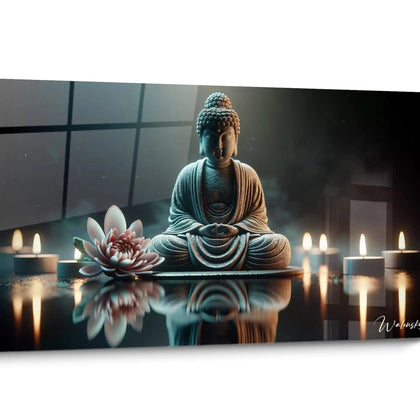 Zen Wall Art2161
artworks
Zen Wall Art2161
artworks
-
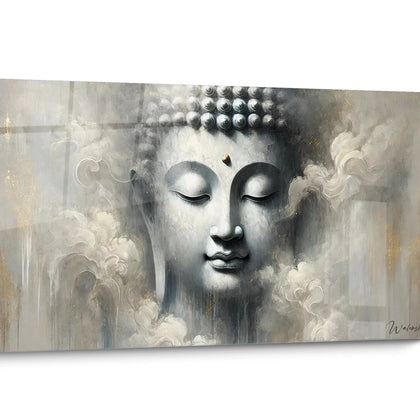 Black and White Zen Wall Art4
artworks
Black and White Zen Wall Art4
artworks
-
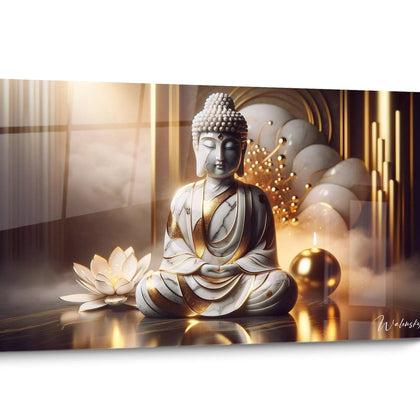 Golden Zen Wall Art15
artworks
Golden Zen Wall Art15
artworks
-
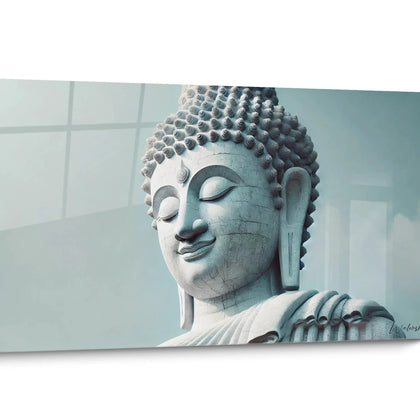 Buddha Zen Wall Art24
artworks
Buddha Zen Wall Art24
artworks
-
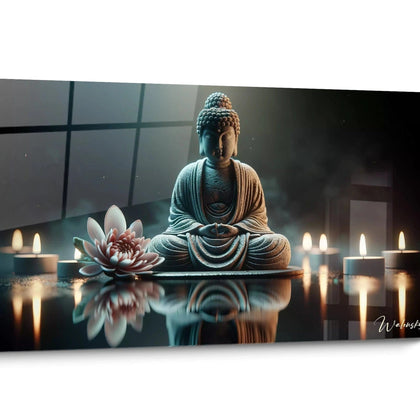 Zen Lotus Wall Art13
artworks
Zen Lotus Wall Art13
artworks
-
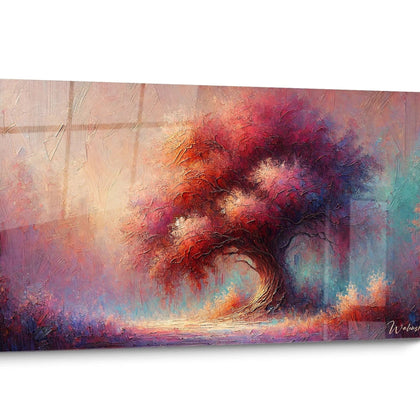 Zen Tree of Life Wall Art13
artworks
Zen Tree of Life Wall Art13
artworks
-
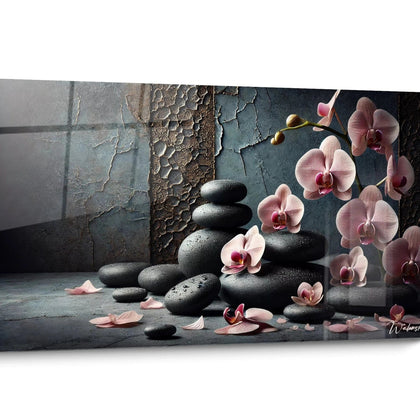 Zen Pebbles Wall Art6
artworks
Zen Pebbles Wall Art6
artworks
-
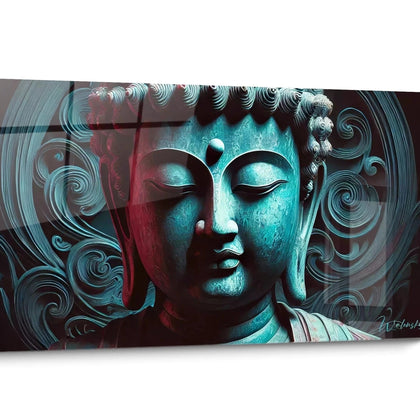 Turquoise Zen Wall Art9
artworks
Turquoise Zen Wall Art9
artworks
-
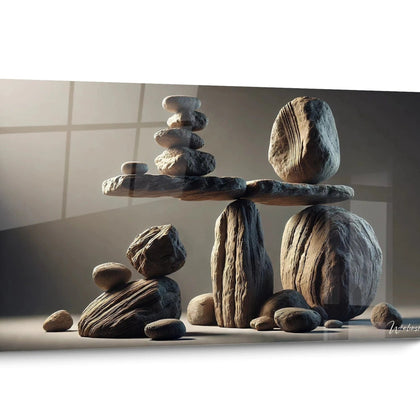 Minimalist Zen Wall Art13
artworks
Minimalist Zen Wall Art13
artworks
-
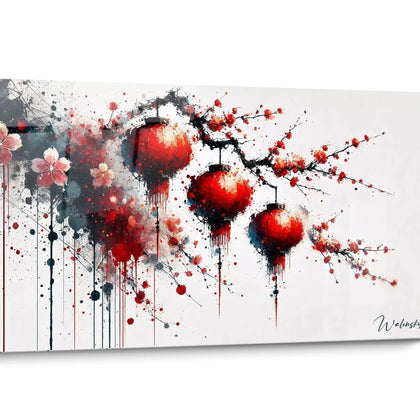 Zen Watercolor Canvas5
artworks
Zen Watercolor Canvas5
artworks
-
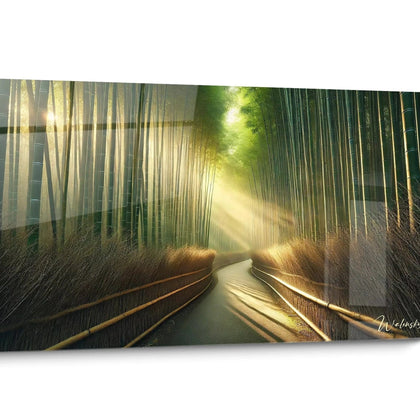 Golden Zen Bamboo Wall Art3
artworks
Golden Zen Bamboo Wall Art3
artworks
All about Zen Bamboo Wall Art
- Presentation Bamboo Artwork
- Natural Calm and Serenity
- Symbolism and Plant Energy
- Atmosphere and Harmonization
The bamboo artwork embodies the quintessence of natural decoration inspired by Eastern philosophies. Representing this plant, a symbol of resilience and flexibility, these wall compositions instantly transform living spaces into havens of peace. Unlike ephemeral floral decorations or lotus representations, bamboo offers a slender verticality that visually structures the space while evoking permanent growth and adaptability. Our large-format creations capture the graphic essence of segmented stalks, delicate foliage, and the play of shadows typical of Asian bamboo forests, creating a remarkable visual depth for contemporary interiors seeking authenticity and energetic balance.
The Soothing Power of Bamboo in Meditative Decoration
Integrating a bamboo artwork into a space dedicated to relaxation immediately creates an atmosphere conducive to mental disconnection. The vertical lines characteristic of this giant grass naturally guide the gaze upwards, promoting deeper breathing and a more upright posture during meditation or yoga practices. This upward dynamic contrasts advantageously with the horizontal compositions of artwork depicting pebbles, offering a different visual stimulation.
How does bamboo influence the atmosphere of a meditation room?
In spaces dedicated to contemplative practices, bamboo conveys an energy of silent perseverance. Its rapid growth and ability to bend without breaking resonate symbolically with the principles of resilience taught in Buddhist and Taoist traditions. A large-scale zen bamboo artwork placed facing the practitioner becomes an ideal focal point for visual concentration exercises, the chlorophyll green nuances soothing the nervous system while maintaining a liveliness that prevents drowsiness.
The association of bamboo with wellness spaces
Practitioners of holistic medicine and wellness care frequently prefer this plant iconography for their offices. Bamboo instantly evokes Asian purification rituals and natural care protocols. Unlike direct representations of Buddha which may seem too explicitly spiritual for some clients, bamboo remains a universally soothing botanical reference that transcends religious affiliations while maintaining a strong zen connotation.
Specific color nuances in bamboo compositions
Visual variations of a zen artwork with bamboo explore a palette ranging from deep jade to celadon tones, sometimes punctuated with touches of ochre evoking dried stalks. This chromatic plant richness allows the artwork to harmonize with various wood essences, natural textiles such as linen or hemp, and mineral elements present in contemporary spaces. Monochrome versions reminiscent of traditional Chinese ink join the aesthetics of black and white zen artworks while retaining the recognizable botanical specificity.
Energetic Symbolism and Philosophy of Ornamental Bamboo
Why is bamboo central to residential Feng Shui?
In the millennial art of Feng Shui, the bamboo zen artwork represents much more than a simple decorative element. This plant symbolizes growing prosperity, humility despite strength, and flexibility in the face of life's adversities. Positioned in the East sector of a home according to the energy compass, it particularly activates the domain of family health and vitality. Its segmented structure also evokes gradual progression and the necessary steps for any authentic development, fundamental concepts for professional spaces seeking stable growth.
The protective virtues attributed to bamboo in Eastern traditions
Ancestral Asian cultures attribute spiritual protective properties to bamboo. A large zen bamboo artwork placed strategically in a hallway or entrance creates a symbolic barrier filtering external influences before they penetrate intimate spaces. This function differs substantially from that of representations of the tree of life which centralize energy, while bamboo channels and directs it along a purified vertical trajectory.
Adaptability as a contemporary philosophical message
In modern professional environments subject to constant changes, bamboo embodies a powerful visual metaphor. Its legendary ability to survive typhoons by bending rather than resisting rigidly inspires spaces dedicated to personal development and coaching. Compositions showing stems slightly inclined under an invisible breeze subtly communicate this philosophy of graceful adaptation, a particularly relevant message for creative meeting rooms or innovative coworking spaces.
The temporal dimension of bamboo in zen imagery
Unlike the static representations of minerals present in minimalist zen artworks, bamboo captured on a canvas always suggests potential movement, imminent growth. This suspended temporality creates a stimulating visual tension that keeps the space alive without agitating it. The characteristic nodes of the stems also recall natural cycles and consolidation phases necessary between each growth spurt, a concept that resonates deeply with personal transformation journeys.
Spatial Harmonization and Ambiance Creation through Bamboo
Which rooms particularly benefit from a bamboo zen artwork ?
Transition spaces such as vestibules, stairwells, or hallways immediately gain character thanks to a zen bamboo artwork of imposing size. These often-neglected areas become visual experiences preparing mentally for the transition from a functional space to an intimate space. Bedrooms oriented towards recovery and restorative sleep also find in this plant iconography a valuable ally, the soothing verticals of bamboo creating a sensation of natural order without excessive geometric coldness.
The interaction of bamboo with contemporary materials
In interiors combining raw concrete, brushed steel, and glass, the introduction of a painting representing this Asian grass brings the indispensable organic warmth to the sensory balance. This juxtaposition between mineral rigor and vegetal flexibility creates sophisticated visual dialogues, particularly sought after in high-end interior architecture. Versions with golden tones of bamboo, where the stems capture a grazing light, blend beautifully into interiors combining natural elements and luxurious touches.
Multi-panel compositions for immersive effects
Triptych or polyptych installations depicting an expansive bamboo grove create a remarkable depth of field, literally transforming a wall into a virtual window onto a zen landscape. This panoramic approach is particularly suitable for large, open spaces where a single standard artwork might appear disproportionate. The staggering of planes - close, sharp bamboos, intermediate stems, and a blurred background - generates this atmospheric perspective dear to traditional Asian painting, visually amplifying architectural volumes.
Complementary decorative associations with bamboo
To amplify the aesthetic coherence of a zen interior, the bamboo painting naturally harmonizes with aquatic elements, whether suggested by aquarelle technique paintings with fluid transparencies or by the installation of decorative fountains. Natural fiber textiles, rice paper luminaires, and refined ikebana-style floral arrangements ideally complement this theme. Touches of color can be introduced via cushions or vases in turquoise tones reminiscent of tropical waters where certain bamboo varieties thrive, creating a coherent and restorative palette.
Is a zen bamboo painting suitable for professional spaces?
Absolutely, particularly in sectors related to well-being, natural health, sustainable development, or liberal professions seeking a soothing atmosphere for their clients. Bamboo conveys professionalism and serenity simultaneously, reassuring visitors while asserting a distinctive visual identity. Acupuncture clinics, naturopathy centers, and studios of gentle bodywork practices widely adopt it for this reason.
How to maintain the visual impact of a painting depicting bamboo?
These compositions retain their evocative power when they remain the main focal point of their welcome wall. Avoid peripheral decorative clutter that would dilute their purified message. Regular dusting preserves the sharpness of botanical details, particularly important for large-format representations where each stem segment contributes to the overall effect. Occasional rotation with other works from the zen paintings collection allows for renewed visual stimulation without compromising overall stylistic consistency.
Does a zen bamboo painting integrate into a non-Asian decoration?
Its stylistic versatility is surprisingly pleasant: bamboo transcends strict decorative categorizations thanks to its purified graphic design and universal formal qualities. In a Scandinavian interior, it brings the connection with nature dear to this aesthetic. In an industrial context, it softens without fading. Even contemporary Mediterranean atmospheres welcome it favorably, bamboo evoking the lightness of coastal grasses and the verticality of cypresses, thus demonstrating its extraordinary decorative adaptability.
Further reading


