


Blue Buddha Zen Wall Art
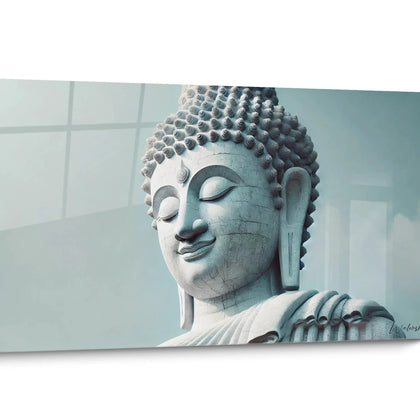
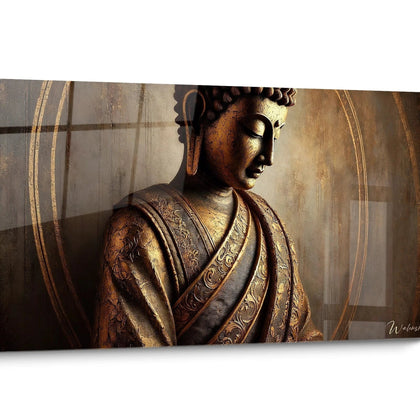
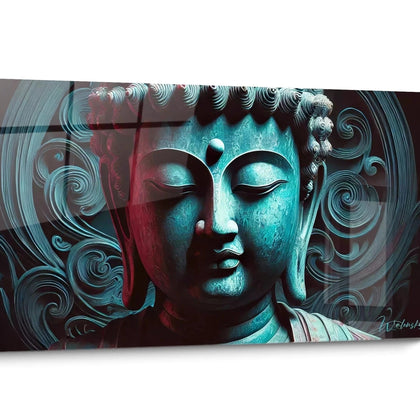
The Zen Buddha Painting Blue embodies serenity and spiritual elevation in your living space. This collection celebrates Buddhist philosophy through soothing tones that invite meditation and introspection. Perfect for creating a zen buddha decoration harmoniously, it transforms each room into a haven of peace. The deep blue nuances evoke wisdom and tranquility, ideal for your living room, bedroom or meditation space. Adopt a spiritual art buddha that inspires calm.
 Buddha Painting Interior Reflections - Buddha Edition273,90 €
 Buddha Undulating Dream Wall Art - Buddha Edition273,90 €
 Buddha Wall Art Porcelain Dreams - Buddha Edition228,90 €
 Buddha Painting Celestial Meditation - Buddha Edition228,90 €
 Divine Tranquility Wall Art - Buddha Zen Edition273,90 €
 Fluid Peace Painting - Zen Edition273,90 €
 Peaceful Meditation Painting - Zen Edition273,90 €
Explore further
In Blue Buddha Zen Wall Art
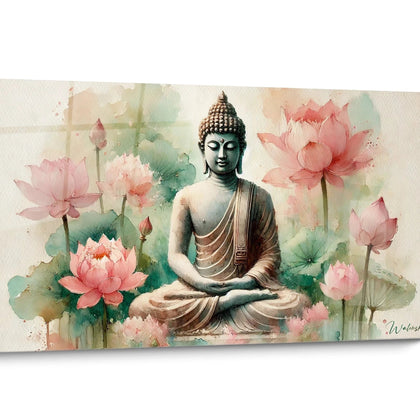
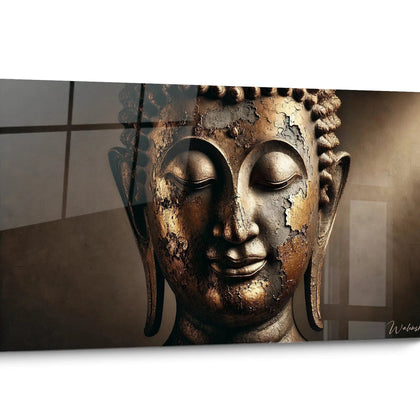
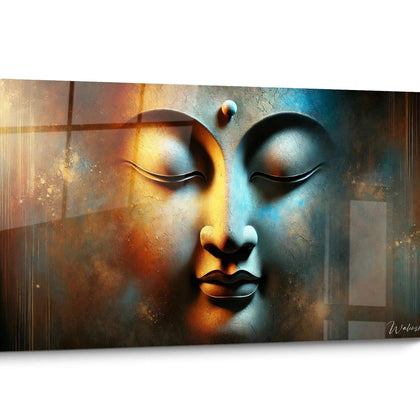
All about Blue Buddha Zen Wall Art
- Zen Buddha Blue Wall Art Presentation
- Symbolism and Energy of Blue
- Harmonizing Meditative Spaces
- Visual Impact and Serenity
The zen Buddha blue wall art represents far more than simple wall decoration. This artistic representation combines ancestral Buddhist symbolism with the chromatic depth of blue, creating a meditative work that instantly transforms the atmosphere of your living spaces. Designed in large format to maximize its visual impact, this type of representation perfectly embodies a modern contemplative design approach where each decorative element participates in the energetic balance of your home.
The Chromatic Dimension of Blue in Buddhist Iconography
The choice of blue for a zen Buddha wall art is never arbitrary in the contemplative tradition. This hue evokes the Medicine Buddha, Bhaisajyaguru, whose emblematic color symbolizes spiritual healing and the transformation of suffering. When a zen Buddha blue wall art adorns your space, it visually activates the upper chakras, particularly Vishuddha located at the throat, promoting authentic expression and serene communication.
How does blue influence your daily meditative state?
Contemplative neuroscience demonstrates that regular exposure to deep blue tones naturally slows heart rate and decreases cortisol production. A large-format zen Buddha blue wall art acts as a visual anchor during your mindfulness practices. The azure hues create a depth of field that invites the gaze to penetrate the work rather than simply contemplate it superficially, generating a hypnotic effect conducive to concentration.
The alliance of celestial pigments and sculpted serenity
In our zen Buddha wall art collection, blue representations distinguish themselves through their ability to evoke simultaneously the infinite sky and oceanic depths. This symbolic duality transforms your wall into a meditative portal. Imposing formats amplify this effect by creating complete visual immersion, particularly sought after in yoga studios, holistic therapy rooms, or spaces dedicated to zazen practice.
Chromatic variations and their specific meanings
A zen Buddha blue wall art can decline several registers: ultramarine blue evokes transcendent wisdom, turquoise symbolizes spiritual protection, while midnight blue represents meditative emptiness. Each shade influences your space's energy differently according to the principles of Vastu Shastra and Buddhist Feng Shui. Monochromatic compositions in blue tones create soothing visual coherence, ideal for environments requiring a reduction of sensory stimuli.
Integration into Personal Meditation Sanctuaries
Installing a zen Buddha blue wall art requires subtle understanding of spiritual geomancy. Unlike golden or red representations associated with material prosperity, blue effigies orient primarily toward the east or northeast, directions linked to spiritual awakening in Buddhist cosmology. This orientation optimizes the reception of morning light which, filtering through blue tones, creates a natural meditative luminescence particularly conducive to dawn practices.
Which spaces benefit most from a blue representation?
Pranayama rooms, contemplative reading alcoves, and bedrooms dedicated to restorative rest constitute privileged locations. A large-format zen Buddha blue wall art functions as a visual thermal regulator: its chromatic coolness tempers overheated or south-facing spaces, creating an impression of psychological freshness even without actual temperature modification. This property proves particularly appreciated in Mediterranean regions or urban apartments subject to heat islands.
Association with contemplative natural materials
The environment of a zen Buddha blue wall art gains coherence when it dialogues with organic elements: bamboo arranged in asymmetrical compositions, river pebbles in zen arrangements, indoor fountains whose murmur amplifies the soothing effect. The large dimensions of the wall art allow you to create genuine contemplative scenography where each object participates in a global sensory narrative. Avoid decorative overload, however, which would contradict the visual simplicity principle inherent to zen aesthetics.
Indirect lighting and nocturnal enhancement
Unlike multicolored representations requiring neutral lighting, the zen Buddha blue wall art reveals its full depth under warm indirect light. LED lights with 2700K color temperature placed in accent lighting create a fascinating thermal contrast between luminous warmth and chromatic coolness. This museographic technique transforms your space into a contemporary sanctuary where the work seems to float in a luminous aura, particularly striking during evening meditative sessions.
Environmental Psychology and Emotional Resonance
The acquisition of a zen Buddha blue wall art often responds to an unconscious need for emotional stabilization. Studies in environmental chromotherapy reveal that large blue surfaces reduce mental agitation by an average of 34% after only fifteen days of daily exposure. This particular effectiveness of blue, combined with the soothing archetype of the meditating Buddha, creates a unique psycho-visual synergy, particularly sought after by professions subject to high cognitive load.
Why choose blue rather than traditional golden tones?
While golden representations evoke glorious illumination, the zen Buddha blue wall art embodies introverted, contemplative, and deeply introspective spirituality. This difference addresses distinct meditative profiles: where gold stimulates aspiration toward awakening, blue accompanies the process of deconstructing egocentric illusions. Generous dimensions amplify this effect by creating a visual field vast enough to encompass peripheral vision, naturally inducing an expanded state of consciousness conducive to letting go.
Reducing visual stress in hyperconnected environments
In our interiors saturated with screens emitting aggressive artificial blue light, a zen Buddha blue wall art paradoxically acts as a chromatic antidote. High-quality natural or printed pigments diffuse reflected blue light, not emissive, which soothes the nervous system instead of stimulating it. This optical property makes the large format a true visual refuge where eyes tired by digital solicitations find immediate sensory recovery space.
Frequently asked questions
Is zen Buddha blue wall art suitable for professional spaces?
Absolutely, particularly in psychotherapy offices, wellness centers, medical waiting rooms, and offices requiring calming environments. Its presence implicitly signals a space where performance yields to restoration, creating an atmosphere conducive to authentic exchanges and healing processes.
How do I maintain the chromatic intensity of zen Buddha blue wall art?
Protect it from prolonged direct UV exposure which progressively alters blue pigments, particularly sensitive to photodegradation. Perpendicular positioning to windows or the use of invisible UV films on glazing preserves the intensity of the hue long-term. Monthly dusting with antistatic microfiber suffices to maintain visual clarity.
Can multiple Buddhist representations be combined in the same space?
Tradition recommends sobriety: a single large-format zen Buddha blue wall art generates more contemplative impact than a multiplication of representations. If you wish to complement the space, prioritize non-figurative elements: mantra calligraphy, abstract compositions evoking natural elements, or authentic ritual objects arranged sparingly according to zen asymmetry principles.


