


Minimalist Zen Wall Art
Our Painting Zen Minimalist collection embodies the essence of serenity and simplicity in contemporary art. Each creation celebrates zen minimalist decor through harmonious and soothing compositions. These works embody the philosophy of less is more, offering spaces for contemplation for your interior. Perfect for creating a meditative atmosphere, these creations prioritize balance and simplicity. Ideal for lovers of soothing minimalist art, they transform each room into a haven of peace.
 Lotus Painting Pure Grace - lotus flower edition228,90 €
 Lotus Flower Eternal Grace Painting - Lotus Flower Edition273,90 €
 Sakura Soul of Time Painting - zen edition228,90 €
 Sacred Purity Wall Art - Zen Lotus Flower Edition273,90 €
 Ephemeral Stability Wall Art - Zen Feng Shui Edition273,90 €
 The Legacy of Souls Wall Art - Zen Tree of Life Edition273,90 €
 Natural Harmony Canvas - Diverse Zen Edition273,90 €
 Meditative Journey Artwork - Various Zen Edition273,90 €
 Vertiginous Quietude Wall Art - Zen Edition273,90 €
 Balance Pastel Wall Art - Zen Edition273,90 €
 Minimalist Harmony Wall Art - Zen Edition273,90 €
 Blue Poetry Wall Art - Zen Edition273,90 €
 Calm Abstract Painting - Zen Edition273,90 €
Explore further
In Minimalist Zen Wall Art
-
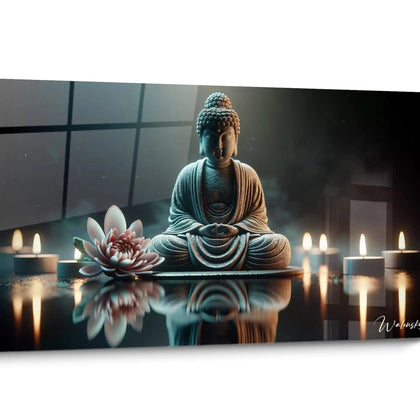 Zen Wall Art2161
artworks
Zen Wall Art2161
artworks
-
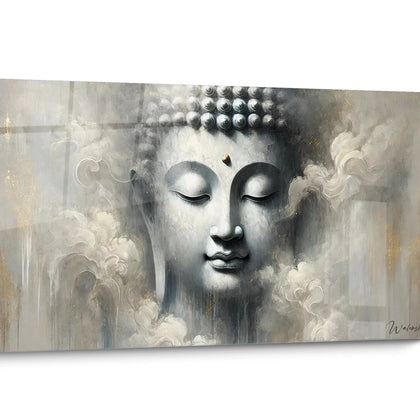 Black and White Zen Wall Art4
artworks
Black and White Zen Wall Art4
artworks
-
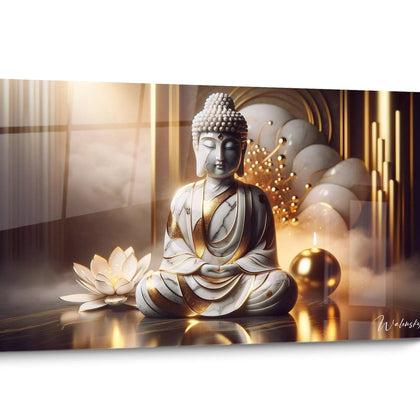 Golden Zen Wall Art15
artworks
Golden Zen Wall Art15
artworks
-
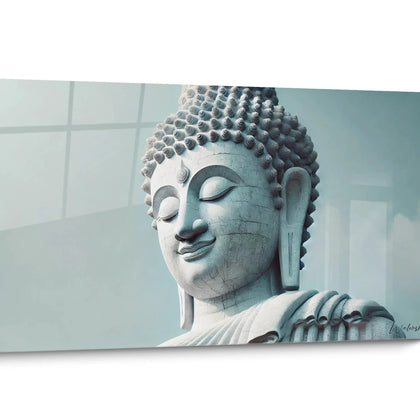 Buddha Zen Wall Art24
artworks
Buddha Zen Wall Art24
artworks
-
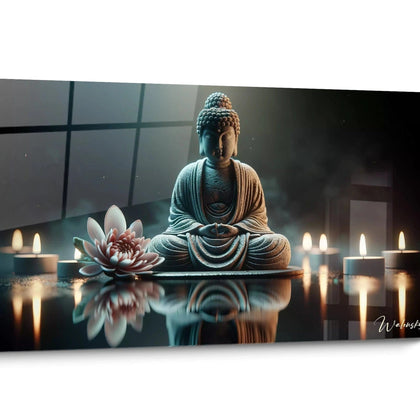 Zen Lotus Wall Art13
artworks
Zen Lotus Wall Art13
artworks
-
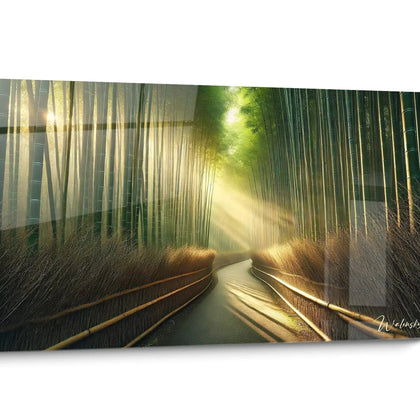 Zen Bamboo Wall Art5
artworks
Zen Bamboo Wall Art5
artworks
-
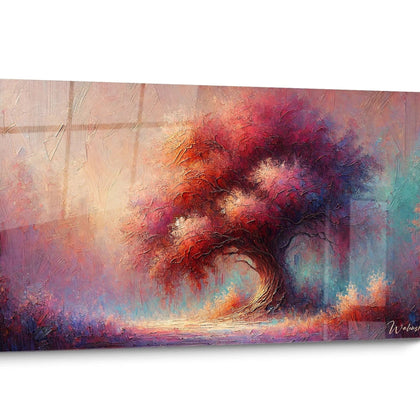 Zen Tree of Life Wall Art13
artworks
Zen Tree of Life Wall Art13
artworks
-
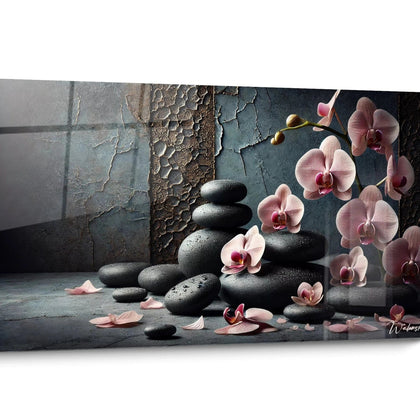 Zen Pebbles Wall Art6
artworks
Zen Pebbles Wall Art6
artworks
-
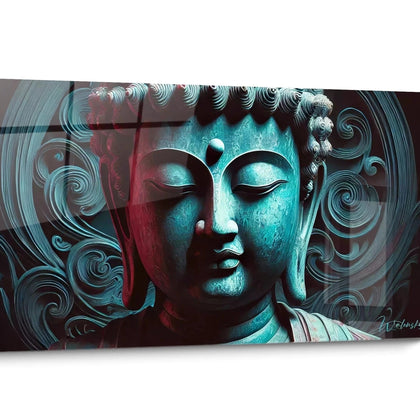 Turquoise Zen Wall Art9
artworks
Turquoise Zen Wall Art9
artworks
-
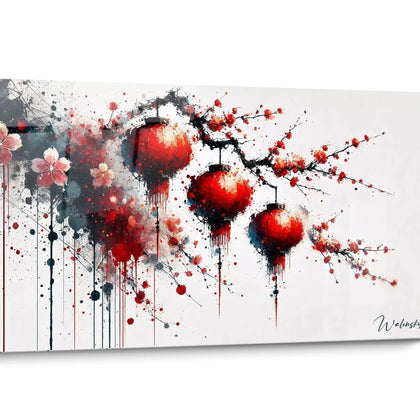 Zen Watercolor Canvas5
artworks
Zen Watercolor Canvas5
artworks
-
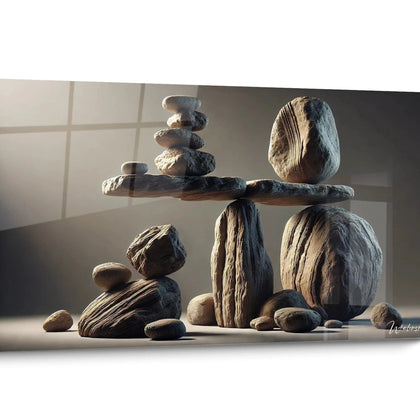 Minimalist Zen Stone Stacking Wall Art3
artworks
Minimalist Zen Stone Stacking Wall Art3
artworks
-
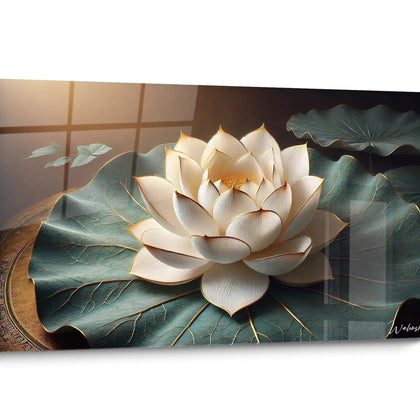 Minimalist Zen Lotus Wall Art3
artworks
Minimalist Zen Lotus Wall Art3
artworks
-
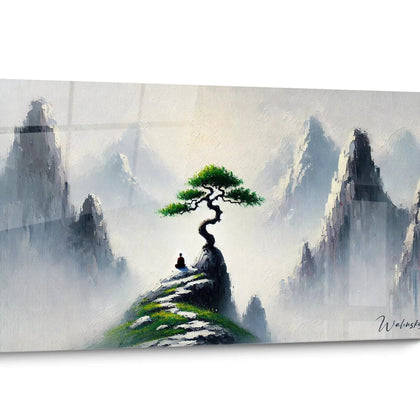 Minimalist Zen Mountain Wall Art3
artworks
Minimalist Zen Mountain Wall Art3
artworks
-
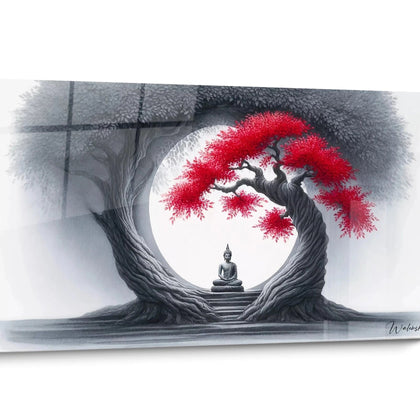 Minimalist Zen Tree Wall Art5
artworks
Minimalist Zen Tree Wall Art5
artworks
-
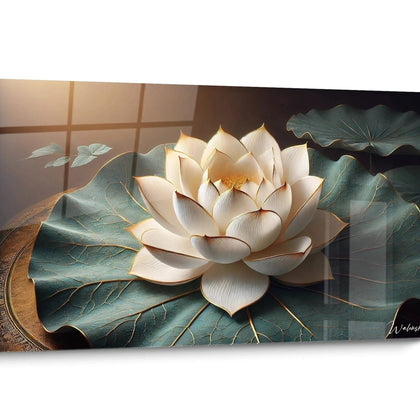 Minimalist White Zen Wall Art6
artworks
Minimalist White Zen Wall Art6
artworks
All about Minimalist Zen Wall Art
- Minimalist Zen Wall Art Presentation
- Refined Aesthetics
- Spatial Integration
- Practical Guide
A minimalist zen wall art embodies the very essence of visual simplicity and spatial serenity. Designed to transform your environment into a sanctuary of calm, this type of wall decoration prioritizes form purification, chromatic sobriety, and the balance of empty spaces. Unlike overloaded compositions, these large-scale wall creations celebrate the Japanese principle of "Ma" – the meaningful interval – where each element breathes in its own space. The minimalist approach applied to zen art creates a perfect synergy between visual meditation and contemporary design, offering refuge from the visual saturation of daily life. Whether you seek a soothing ambiance for your meditation space, bedroom, or office, a large minimalist zen wall art becomes the visual anchor that radically transforms your interior's perception.
The Art of Visual Reduction in Minimalist Zen Wall Art
The minimalist zen wall art rests on a fundamental principle: say more with less. This visual philosophy eliminates all superfluity to retain only the essential, thus creating compositions of remarkable meditative power. Large formats amplify this effect by transforming vast wall surfaces into contemplation spaces.
How does chromatic sobriety strengthen the meditative impact?
The restricted palette constitutes the signature of zen minimalism. By deliberately limiting the chromatic spectrum to two or three hues maximum – often variations of gray, beige, black, or off-white – these works create visual harmony that instantly soothes the eye. This color restriction is not a limitation but a deliberate strategy to eliminate visual distractions. Subtle nuances then become paramount, revealing unsuspected depths in what might seem monochromatic at first glance. This approach perfectly aligns with the continuity of black and white zen wall art that also explore this chromatic dichotomy.
Purified geometry in service of meditation
Simplified geometric forms – perfect circles, horizontal lines, clean rectangles – structure the visual space of minimalist zen wall art with almost architectural precision. These geometric elements are never arbitrary: each line guides the eye toward a focal point, each form creates dynamic balance. The deliberate absence of narrative complexity allows the observer to project their own reflections without being directed by an imposed story. Asymmetrical compositions respect the zen principle of balanced imbalance, where calculated imperfection generates more harmony than perfect symmetry.
Emptiness as an active compositional element
In a large minimalist zen wall art, empty spaces are not absences but active presences. These zones of visual breathing – often in solid neutral tones – allow the eye to rest and the mind to wander freely. On an imposing format, these expanses of emptiness become meditative fields in themselves, creating a sensation of limitless space even in compact interiors. This strategic use of emptiness radically opposes saturated compositions, offering a visual experience that slows the heart rate rather than stimulating it.
Transform Your Space with a Large Minimalist Zen Wall Art
Integrating a minimalist zen wall art of generous format into your environment goes beyond filling an empty wall: it completely redefines the atmosphere and spatial perception of the room. Large dimensions amplify the soothing effect while creating a magnetic focal point.
Which spaces benefit most from this refined aesthetic?
Environments devoted to contemplation – bedrooms, yoga spaces, meditation rooms, home offices – find in minimalist zen wall art their ideal complement. In a bedroom, an imposing format above the bed creates a transition zone toward sleep, where the eye naturally rests before closing. For minimalist professional spaces, this refined visual presence reduces stress without creating distraction, fostering concentration and creativity. The approach works particularly well in modern interiors with clean lines, where it reinforces stylistic coherence while adding a spiritual dimension absent from purely functional designs.
Create dialogue with minimalist architecture
A large minimalist zen wall art naturally dialogues with contemporary architectural elements: white walls, large bay windows, polished concrete floors, Scandinavian furniture. This work does not fight the space but completes it, its purified lines echoing the simple volumes of modern architecture. In lofts with high ceilings, a vertical format emphasizes height impression while creating meditative verticality. For open spaces, it establishes a distinct energy zone without requiring physical separation, subtly defining different spatial functions through visual presence alone.
Association with other zen elements for total coherence
The power of minimalist zen wall art multiplies when integrated into a coherent decorative ecosystem. Association with zen pebble wall art creates a visual narrative on natural simplicity, while the presence of zen bamboo wall art introduces complementary organic verticality. Natural elements – raw stone, driftwood, succulent plants – reinforce this aesthetic without overloading it. Indirect lighting, avoiding direct reflections on the surface, preserves the contemplative integrity of the work. Natural textiles with simple textures – linen, cotton, wool – extend this philosophy of authentic, untransformed material.
Amplify the effect through reduction of visual distractions
The impact of minimalist zen wall art reaches its maximum in an equally refined environment. Removing superfluous decorative elements, organizing daily objects out of sight, favoring clear surfaces: these preparatory actions transform your wall into a genuine visual sanctuary. With large formats, even a single distracting element in the peripheral visual field can dilute the meditative effect. The objective is not sterility but intentional selectivity, where each visible object has a reason for being and contributes to the calm atmosphere.
Select and Integrate Your Ideal Minimalist Zen Wall Art
Choosing a minimalist zen wall art adapted to your needs requires understanding the subtleties that differentiate minimalist approaches. Large dimensions offer unique possibilities but require thoughtful consideration to maximize their impact.
Identify your primary visual intention
Before acquisition, clarify your objective: are you primarily seeking relaxation, concentration, inspiration, or spatial transformation? A minimalist zen wall art dominated by horizontal elements promotes relaxation and rest, ideal for bedrooms. Compositions with vertical elements suggest spiritual elevation and growth, relevant for meditation spaces. Circles and organic forms evoke completeness and harmony, excellent for communal living areas. This intention will guide your chromatic and compositional choices, each aesthetic decision reinforcing your spatial objective.
How do tonal variations influence ambiance?
Even within minimalist restriction, chromatic nuances generate radically different atmospheres. Cool tones – steel gray, bluish white, silver – create contemplative distance and meditative freshness, particularly effective in spaces receiving abundant natural light. Warm tones – sand beige, taupe gray, cream white – bring comfort and envelopment, ideal for intimate spaces or north-facing rooms. The subtle introduction of a turquoise or gold accent as minimal emphasis can create a meditative focal point without compromising overall sobriety. These accents function as chromatic breaths in an otherwise neutral composition.
Minimalist symbols and their contemplative meanings
Certain minimalist zen wall art pieces integrate symbols reduced to their essential form. A stylized lotus reduced to a few essential lines retains its symbolic power of spiritual purity. The simplified tree of life reduced to its fundamental branching structure evokes universal connection without superfluous details. A buddha silhouette in negative – suggested by absence rather than presence – perfectly embodies the zen paradox of fullness through emptiness. These minimalist symbols function as visual koans, offering meditation supports without imposing rigid interpretation. Their abstraction allows personal appropriation of meaning.
Techniques to preserve minimalist integrity over time
Maintaining a large minimalist zen wall art aims to preserve its visual purity. Gentle monthly dusting with a dry microfiber cloth maintains the clarity of solid surfaces. Avoiding direct sun exposure prevents subtle alteration of nuances that could compromise carefully calibrated chromatic balance. Placement should minimize risks of splashing or projections, as any mark becomes immediately visible on these refined compositions. Seasonal rotation with other minimalist pieces – for example, zen watercolor wall art with subtle washes – can renew the contemplative experience without abandoning the refined aesthetic. This practice reflects zen impermanence while maintaining visual coherence.
Why do large formats amplify the minimalist experience?
A large minimalist zen wall art transforms passive contemplation into immersive experience. The extended visual field partially envelops the gaze, creating a meditative absorption effect impossible with modest formats. Vast areas of uniform color generate perceptual phenomena – afterimages, illusory depth – that enrich the contemplative experience. This visual immersion promotes meditative state by occupying enough of the perceptual field to dismiss mental distractions, while remaining simple enough not to stimulate cognitive analysis. The imposing physical presence of a large format also creates a spatial anchor that structures the entire room around its soothing energy.
Does minimalist zen wall art suit all interior styles?
Minimalist zen wall art naturally integrates into contemporary, Scandinavian, and modern interiors, but can also create a fascinating contrast in more traditional environments. In a classical interior, it introduces a modern visual breath that lightens the atmosphere without creating major discord. The essential element lies in intentional coherence: either create complete stylistic continuity, or fully assume the contrast as a deliberate aesthetic choice. Eclectic spaces particularly benefit from this soothing presence that visually unifies disparate elements through its magnetic simplicity.
What is the difference between zen minimalism and Western minimalism in wall art?
Zen minimalism integrates a spiritual and philosophical dimension absent from purely formal Western minimalism. While Western minimalism focuses on geometric reduction and material purity, minimalist zen wall art conveys concepts of active emptiness, impermanence, and dynamic balance derived from Buddhism and Taoism. This distinction manifests in the acceptance of natural irregularities, valorization of harmonious asymmetry, and underlying meditative intention. An authentically minimalist zen wall art seeks not only visual refinement but the mental tranquility of the observer, making the work a contemplative tool rather than mere decorative object.
How does minimalist zen wall art concretely influence daily well-being?
The daily presence of minimalist zen wall art creates a soothing visual reference point that unconsciously regulates emotional state. Each time the eye rests on this refined composition, the nervous system receives a signal of simplicity and order that contrasts with the stressful complexity of modern urban environment. This repeated exposure progressively trains the brain to seek and appreciate simplicity, positively influencing life choices beyond decoration. Large formats maximize this effect by creating a presence sufficiently imposing to be perceived peripherally even without direct attention, thus continuously diffusing their soothing influence throughout the living space.
Further reading


