


Modern Zen Buddha Wall Art
Our Buddha Zen Painting Modern collection celebrates the perfect union of Eastern spirituality and contemporary aesthetics. Each artwork captures the meditative essence of Buddhism through refined and elegant compositions. These creations transform your interior into a sanctuary of peace, combining zen decor contemporary and timeless serenity. Ideal for creating an atmosphere conducive to meditation and relaxation, these artistic pieces bring balance and harmony to your living space. Explore a unique spiritual art minimalist .
 Buddha Painting Interior Reflections - Buddha Edition273,90 €
 Buddha Undulating Dream Wall Art - Buddha Edition273,90 €
 Buddha Wall Art Porcelain Dreams - Buddha Edition228,90 €
 Buddha Painting Celestial Meditation - Buddha Edition228,90 €
 The Buddha's Dream Wall Art - Zen Buddha Edition273,90 €
 Indigo Wisdom Wall Art - Zen Edition273,90 €
 Fluid Peace Painting - Zen Edition273,90 €
 Calm Turquoise Wall Art - Zen Edition273,90 €
 Inner Light Wall Art - Zen Buddha Edition273,90 €
Explore further
In Modern Zen Buddha Wall Art
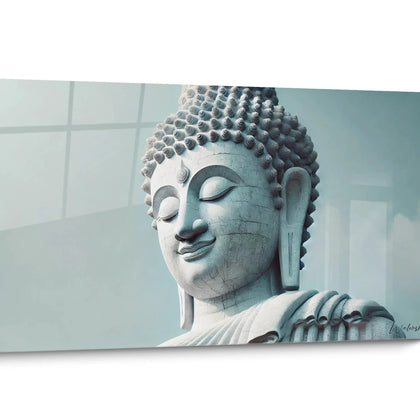
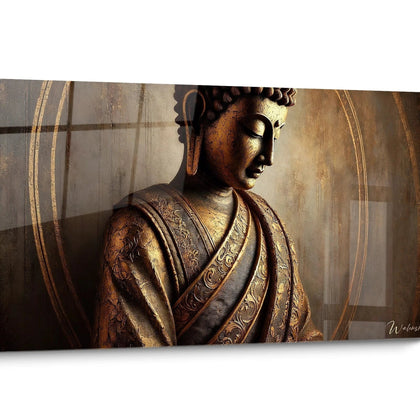
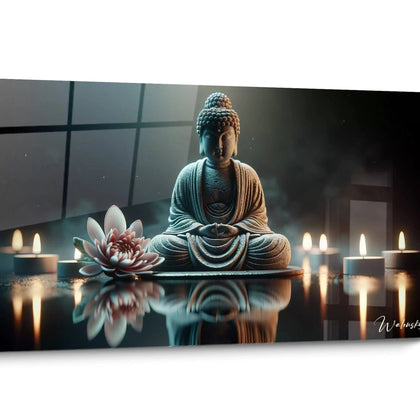
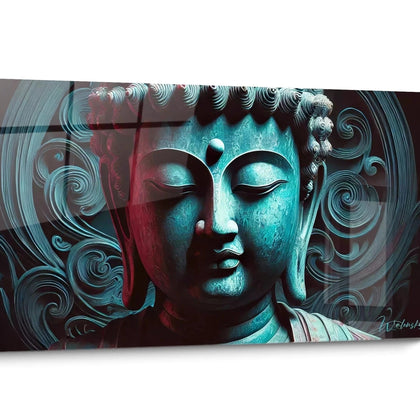
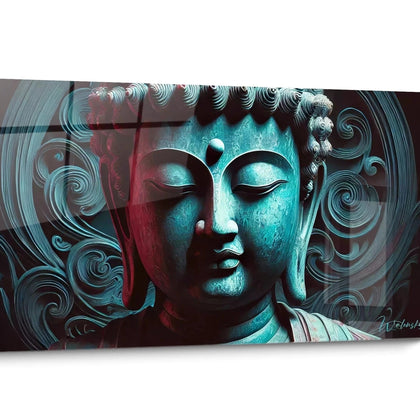
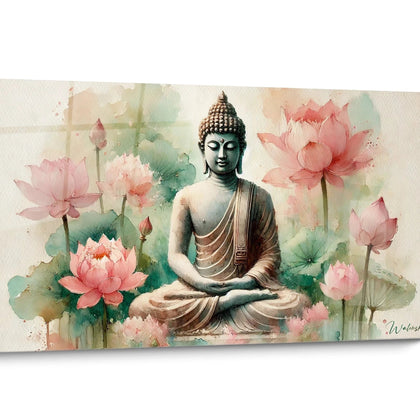
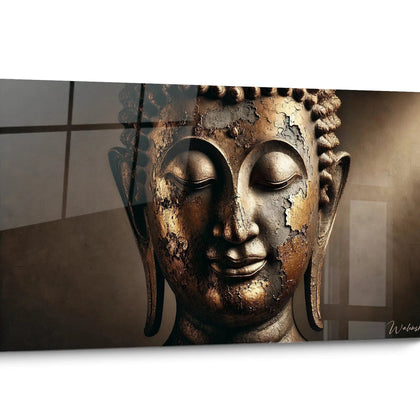
All about Modern Zen Buddha Wall Art
- Modern Buddha Zen Wall Art Presentation
- Contemporary Aesthetics
- Meditative Atmosphere
- Interior Integration
The modern Buddha zen wall art reinvents traditional spiritual iconography by adapting it to contemporary aesthetic codes. This harmonious fusion between ancestral wisdom and minimalist design transforms your space into a sanctuary of serenity, where contemplation meets urban elegance. Our large-format creations capture the essence of Buddhism through refined compositions, sophisticated color palettes, and innovative visual treatments that naturally dialogue with modern architecture. Each representation of the historical or philosophical Buddha is part of a resolutely contemporary artistic approach, privileging pure lines and controlled contrasts to convey accessible spiritual depth.
The Contemporary Expression of Buddhist Spirituality
The modern Buddha zen wall art stands out through its innovative visual approach that transcends conventional representations. Contemporary artists exploit bold graphic techniques - geometric abstraction of forms, partial abstraction, architectural shadow play - to create works that resonate with current aesthetic sensitivity. This modernization never sacrifices the meditative dimension: it magnifies it through balanced compositions where each visual element contributes to establishing a contemplative atmosphere.
What are the distinctive visual characteristics of a modern Buddha?
Modern representations privilege remarkable economy of graphic means. Refined silhouettes of the meditating Buddha unfold against sophisticated monochrome backgrounds - anthracite gray, sand beige, deep night blue - creating visual depth through contrast rather than decorative accumulation. Artists frequently integrate minimalist typographic elements, subtle digital textures, or atmospheric gradient effects that give the whole a quasi-cinematic dimension.
The harmony between iconographic tradition and contemporary codes
This respectful reinterpretation maintains essential symbolic mudras - hand gestures expressing teaching, protection, or meditation - while inscribing them in asymmetrical compositions inspired by contemporary Scandinavian or Japanese design. Our collection of modern Buddha zen wall art perfectly illustrates this synergy between spiritual heritage and aesthetic innovation, offering large-format creations that instantly transform a space's energy.
The color palettes of modern meditation
Color schemes adopt refined sobriety: traditional gilding gives way to matte metallic tones, vermillion reds fade into nuanced terracotta, while emerald greens transform into soothing sages. This chromatic moderation facilitates integration into contemporary interiors while preserving the work's ability to capture attention and promote meditative grounding. Sharp contrasts between figure and background create strong visual presence without aggression, ideal for spaces dedicated to rejuvenation.
Creating a Mental Sanctuary in Contemporary Space
A modern Buddha zen wall art acts as a visual anchor point for daily meditative practice. Its presence in the domestic or professional environment instantly establishes a zone of psychological calm, visually delimiting a territory dedicated to mental disconnection. The generous dimensions of our creations - often exceeding 120 centimeters - amplify this sanctifying effect by creating a monumental presence that naturally commands respect and introspection.
How does a modern Buddha influence a room's atmosphere?
The psycho-sensory impact far exceeds simple decoration. The representation of the meditating Buddha activates deeply anchored mental associations: stability, quietude, imperturbable wisdom. In a living room open to contemporary refined architecture, this iconography becomes a soothing counterpoint to external urban dynamics. For a yoga space or meditation practice room, it functions as an intentional catalyst, facilitating mental transition toward a state of concentrated presence.
Symbolic resonance adapted to current lifestyles
Wellness professionals systematically integrate these representations into their therapeutic spaces: psychology offices, massage centers, guided meditation studios. The modern Buddha zen wall art instantly communicates the values of kindness, acceptance, and personal transformation that underlie these practices. For individuals, it materializes a personal commitment to mindfulness and inner balance, transforming an ordinary wall into a daily visual reminder of their spiritual aspirations.
Energy balance according to contemporary feng shui principles
According to modern feng shui practitioners, positioning a Buddhist representation in the northeast sector (zone of wisdom and knowledge) or at the center (energetic heart of the habitat) optimizes the circulation of soothing energies. Minimalist compositions particularly favor this harmonization: fewer visual elements means fewer obstacles to energy flow. The neutral tones and refined lines characteristic of modern style amplify this balancing effect without creating sensory overload.
Integrating Buddhist Serenity into Contemporary Architecture
Installing a modern Buddha zen wall art in a current interior requires reflection on overall aesthetic coherence. These large-format works function magnificently in open spaces characterized by generous volumes, raw materials - polished concrete, natural stone, light wood - and a neutral palette. The contrast between the contemplative silhouette of the Buddha and the straightness of contemporary architectural lines creates productive visual tension, where spirituality and modernity respond to each other harmoniously.
Which domestic spaces benefit most from a modern Buddhist representation?
Master bedrooms constitute the privileged location: the meditative dimension promotes transition to sleep and establishes an atmosphere conducive to restorative rest. Positioned opposite the bed in the morning field of vision, the work establishes a contemplative intention from the moment of waking. Library spaces or reading corners also gain in atmospheric depth, with the Buddhist presence strengthening the intellectual and introspective dimension of these zones. Finally, spacious entryways benefit from this soothing visual welcome that immediately establishes the serene character of the home.
Decorative associations that magnify the Buddhist presence
The surrounding environment amplifies or diminishes your artwork's impact. Privilege minimalist complements: a few architectural plants like monstera or Lyrata ficus, light fixtures with organic lines, natural textiles in linen or hemp. Avoid decorative overload that would fragment attention and dilute the meditative effect. A meditation bench positioned opposite, discrete zafu cushions, or a solid wood coffee table are sufficient to create a coherent ensemble without visual competition.
Perceptual evolution throughout seasons and natural light
Strategic placement considers daily and seasonal light variations. Works with marked contrasts reveal different subtleties depending on light intensity and angle: details in textures, shadow depth, tonal variations imperceptible under artificial lighting. This progressive transformation maintains visual interest and enriches the contemplative relationship with the work, with each moment of the day offering a slightly different perceptual experience that nourishes meditative practice.
Why choose a modern Buddha zen wall art rather than a traditional sculpture?
The large-format two-dimensional format offers monumental presence without the spatial encumbrance of volumetric sculptures. It naturally integrates into contemporary flat and vertical architecture, valorizes the large bare walls characteristic of lofts and modern apartments, and allows immediate visual reading that promotes instantaneous meditative grounding.
Is a modern Buddha zen wall art suitable for professional spaces?
Absolutely, particularly in environments where stress management constitutes an issue: medical offices, high-end coworking spaces, strategic meeting rooms. The symbolism of wisdom and balance communicates appreciated professional values - thoughtful reflection, long-term vision, benevolent leadership - while creating an atmosphere conducive to concentration and constructive exchanges.
How to maintain the meditative dimension of a modern Buddha zen wall art over time?
Preserve the surrounding area from progressive accumulation of decorative objects. Regularly renew your perspective by subtly modifying accent lighting or slightly adjusting the viewing angle through furniture. Integrate the work into a daily contemplative routine - even brief - to maintain its active spiritual function rather than allowing it to become a simple familiar decorative element.
Further reading


