


Black and White Zen Wall Art
Our Painting Zen Noir et Blanc collection embodies the essence of serenity and minimalism. These streamlined monochrome works celebrate the perfect balance between light and shadow, creating a contemplative atmosphere in your interior. Inspired by oriental philosophy, these décoration murale zen minimaliste creations bring calm and harmony to your living spaces. Each art noir et blanc apaisant composition promotes meditation and relaxation.
 Tree Watcher of the Mountains Wall Art - Tree of Life Edition273,90 €
 Sakura Soul of Time Painting - zen edition228,90 €
 The Buddha's Dream Wall Art - Zen Buddha Edition273,90 €
 The Legacy of Souls Wall Art - Zen Tree of Life Edition273,90 €
Explore further
In Black and White Zen Wall Art
-
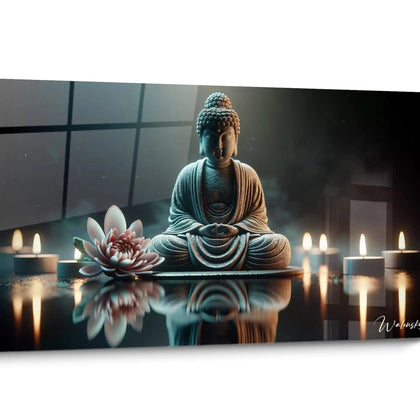 Zen Wall Art2161
artworks
Zen Wall Art2161
artworks
-
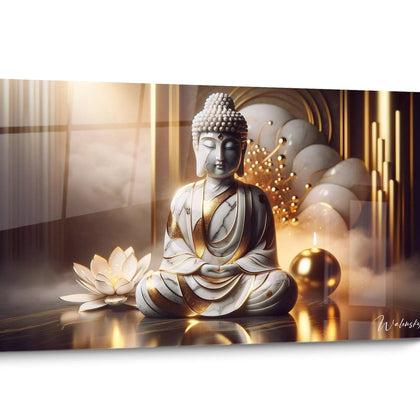 Golden Zen Wall Art15
artworks
Golden Zen Wall Art15
artworks
-
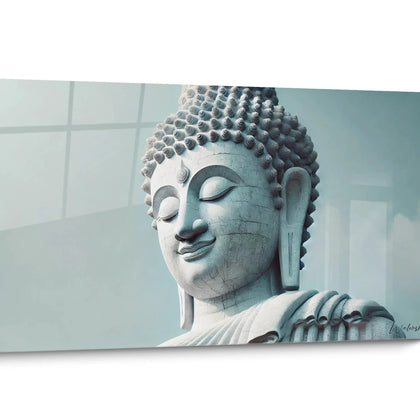 Buddha Zen Wall Art24
artworks
Buddha Zen Wall Art24
artworks
-
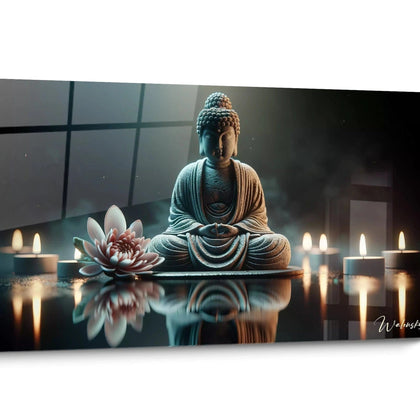 Zen Lotus Wall Art13
artworks
Zen Lotus Wall Art13
artworks
-
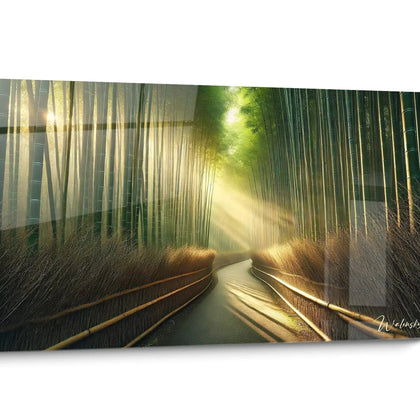 Zen Bamboo Wall Art5
artworks
Zen Bamboo Wall Art5
artworks
-
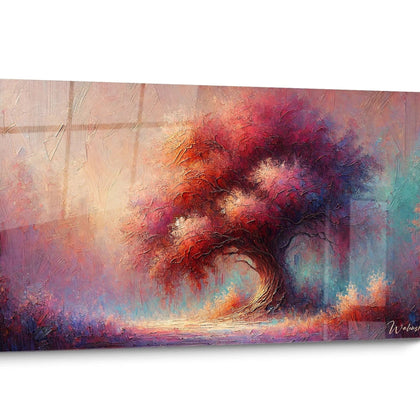 Zen Tree of Life Wall Art13
artworks
Zen Tree of Life Wall Art13
artworks
-
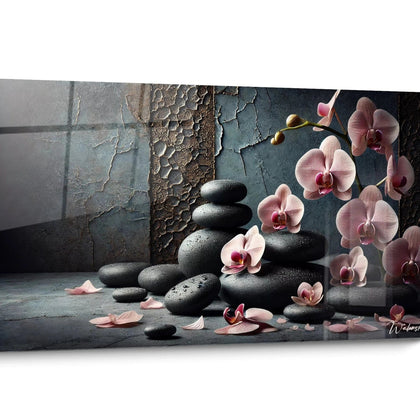 Zen Pebbles Wall Art6
artworks
Zen Pebbles Wall Art6
artworks
-
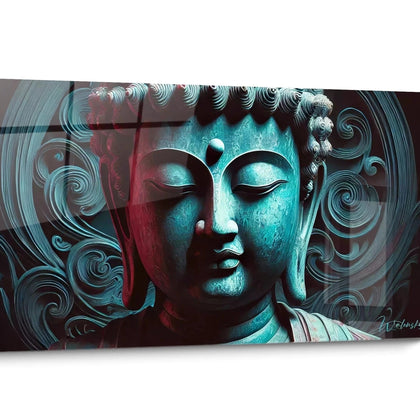 Turquoise Zen Wall Art9
artworks
Turquoise Zen Wall Art9
artworks
-
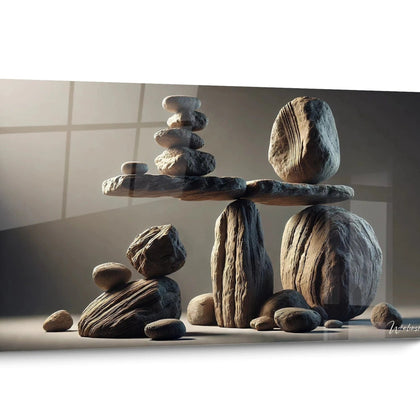 Minimalist Zen Wall Art13
artworks
Minimalist Zen Wall Art13
artworks
-
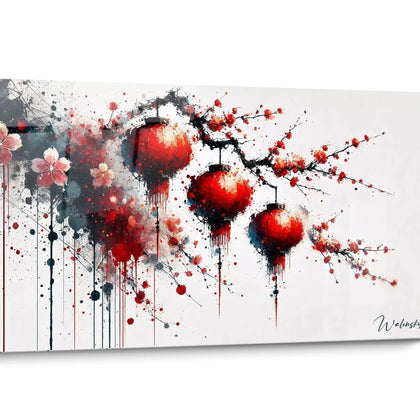 Zen Watercolor Canvas5
artworks
Zen Watercolor Canvas5
artworks
-
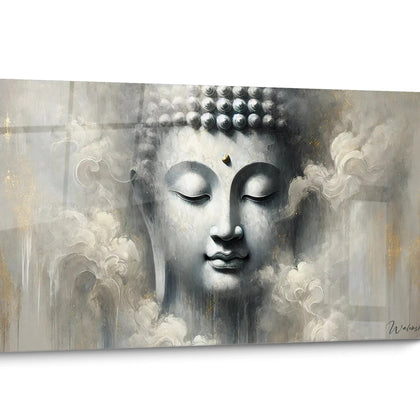 Minimalist Black and White Zen Wall Art4
artworks
Minimalist Black and White Zen Wall Art4
artworks
-
 Spiritual Black and White Zen Wall Art3
artworks
Spiritual Black and White Zen Wall Art3
artworks
All about Black and White Zen Wall Art
- Black and White Zen Wall Art Presentation
- The Essence of Monochrome Contrast
- Zen Symbolism and Philosophy
- Space Integration and Contemplative Ambiance
A black and white zen wall art piece embodies the quintessence of minimalist aesthetics and oriental philosophy. This form of mural art privileges fundamental duality, symbolizing universal balance between yin and yang, light and darkness, fullness and emptiness. The absence of color is by no means a limitation, but rather an invitation to contemplate the very essence of forms and contrasts. These large-scale artworks radically transform the atmosphere of a meditation space, contemporary living room, or bedroom seeking serenity. Choosing a monochrome zen painting reflects a conscious approach toward simplicity, authenticity, and inner peace, while creating a visually powerful focal point without overwhelming the space.
The Power of Monochrome Contrast in Zen Art
The black and white zen wall art masterfully exploits the visual tension between extreme tonalities to create remarkable emotional depth. Unlike colorful compositions, the monochrome palette eliminates all chromatic distraction and concentrates attention on the balance of masses, the subtlety of gray nuances, and the purity of lines. This visual refinement directly aligns with zen Buddhism principles that value detachment from superfluities.
How does black and white amplify visual meditation?
Black and white zen paintings function as particularly effective visual meditation supports. The eye naturally traverses gray gradients, following smooth transitions between shadow and light without excessive stimulation. This contemplative navigation fosters an appeased mental state, similar to that sought during meditative practices. Large black and white mural compositions create a zone of essential visual rest in our often color-saturated interiors.
The dynamics of opposites in contemporary decoration
Using the monochrome range in a large-scale zen painting creates a timeless visual signature. While gold zen wall art brings warmth and luminosity, and turquoise zen wall art infuses freshness and vitality, black and white transcends decorative trends. This chromatic neutrality allows exceptional flexibility: your decoration can evolve around this stable visual anchor without requiring any changes.
Tonal variations in service of artistic expression
A sophisticated black and white zen painting explores the infinity of gray nuances, creating radically different atmospheres depending on the chosen dominance. Compositions with black dominance evoke depth, mystery, and introspection, while those favoring white suggest purity, expansion, and mental clarity. Monumental formats amplify these psychological effects, literally enveloping the observer in the artwork's energy. This approach perfectly fits the tradition of Japanese sumi-e ink paintings, where each stroke carries spiritual intention.
Philosophical and Spiritual Symbolism of Zen Monochrome
Choosing a black and white zen wall art piece far surpasses simple aesthetic preference to anchor itself in a deep understanding of oriental philosophical principles. Black traditionally symbolizes the fertile void (ku in Japanese), this infinite potentiality from which all forms emerge. White represents manifestation, the light of consciousness, spiritual awakening. Their visual dialogue materializes the fundamental concept of interdependence.
What does chromatic dualism truly represent in zen thinking?
In zen philosophy, opposites do not exclude each other but complement and mutually define each other. A large black and white wall painting thus becomes a visual meditation on non-duality: black cannot exist without white, just as mountains require valleys. This artistic representation invites transcending ordinary binary thinking to access a more unified perception of reality. Frequently depicted motifs—zen stones, ensō circles, stylized bamboo—gain symbolic intensity when treated in monochrome.
The absence of color as a path toward the essential
While zen watercolor wall art celebrates subtle chromatic nuances, black and white zen painting practices a beneficial form of visual fasting. This voluntary austerity corresponds to the Japanese concept of ma (negative space), where emptiness actively participates in composition. In our living spaces, this minimalist approach effectively counterbalances daily information overload. A large monochrome format creates visual breathing room, a space of silence in ambient visual noise.
Traditional motifs reinterpreted in monochrome
Classic zen iconographies acquire renewed power in black and white. The lotus zen wall art in color evokes delicacy and purity, but its monochrome version accentuates sacred geometry and formal perfection of this symbolic flower. Similarly, stone representations in black and white emphasize textures and balance rather than mineral varieties. This chromatic transposition performs a form of abstraction that brings the work closer to its pure conceptual essence, facilitating the deep meditative contemplation sought in authentic zen meditation wall art.
Spatial Integration and Creation of Contemplative Ambiance
Installing a large black and white zen wall art fundamentally transforms a space's energy, instantly creating a pole of tranquility and sophistication. Chromatic neutrality offers exceptional versatility: this artwork harmonizes with virtually all decorative palettes, from refined Scandinavian interiors to urban industrial ambiances, including eclectic bohemian decors.
In which spaces does black and white zen wall art fully express its potential?
Spiritual practice spaces constitute the naturally ideal environment for these contemplative works. A yoga studio, meditation corner, or massage room immensely benefits from the soothing presence of a large monochrome format. Beyond these obvious uses, the bedroom represents a privileged location: black and white zen painting promotes the mental slowdown necessary for restorative sleep, unlike color stimulation. In the living room, it establishes an atmosphere of discrete refinement, inviting recollection without imposing a particular mood.
Visual balance with other zen decorative elements
Composing an authentic zen environment requires thoughtful orchestration of different elements. A large black and white painting can serve as visual anchor around which other motifs organize themselves. Zen bamboo wall art brings complementary vegetal verticality, while Buddha representations reinforce spiritual dimension. The tree of life symbolizing interconnection and growth dialogues beautifully with monochrome duality. What matters lies in moderation: the zen principle of "less is more" advocates for a few strong pieces rather than accumulation.
Maximizing the impact of a monumental monochrome format
Large-scale black and white zen paintings require sufficient breathing space to deploy their visual power. A clear wall, ideally in a light neutral tone, allows the artwork's contrast to express itself fully. The immediate environment should remain refined: a few natural elements like stone, raw wood, or green plant suffice. Minimalist zen wall art shares this philosophy of elegant simplicity. Indirect lighting, avoiding direct reflections, valorizes tonal subtleties and creates an atmosphere conducive to contemplation, transforming your space into a true daily sanctuary of serenity.
Does black and white zen wall art suit small spaces?
Contrary to common assumptions, a large monochrome painting can visually enlarge a restricted space. Black and white creates depth without fragmenting the room visually as multiple colors would. The essential point is maintaining a refined environment around the artwork to preserve this sense of spaciousness.
How to combine black and white zen wall art with colorful furniture?
The chromatic neutrality of black and white zen painting constitutes precisely its major asset: it absorbs and harmonizes surrounding tonalities without visual conflict. Whether your furniture is red, blue, or green, the monochrome establishes an appeasing balance, functioning as stabilizing element in the overall space composition.
Why choose black and white zen wall art rather than a colorful work for meditation?
Colors stimulate specific emotional and physiological responses that can interfere with the neutrality sought in meditation. Black and white offers a non-directive visual support, allowing consciousness to pacify itself without being influenced by color's psychological associations. This neutrality fosters detached observation, the mental state central to zen contemplative practices.
Further reading


