


Golden Zen Wall Art
Our "Golden Zen" collection embodies the perfect balance between Eastern spirituality and contemporary elegance. Each creation enhances your space with warm golden tones and minimalist compositions inspired by Zen philosophy. These works bring harmony and brightness to your decor, transforming your walls into true havens of peace. Ideal for creating a luxurious Zen decoration, they blend perfectly into modern and refined interiors. Explore a unique golden meditative atmosphere.
 Night Tree Wall Art - Zen Life Tree Edition273,90 €
 Ancient Tree Wall Art - Life Tree Zen Edition273,90 €
 Marbled Peace Wall Art - Zen Edition273,90 €
 Inner Journey Painting - Feng Shui Zen Edition273,90 €
 Balanced Wisdom Painting - Yin Yang Zen Edition273,90 €
 Golden Silence Wall Art - Zen Buddha Edition273,90 €
 The Grace of Silence - Zen Buddha Edition273,90 €
 Radiance of Wisdom Wall Art - Zen Buddha Edition273,90 €
 Heart of Dharma Wall Art - Buddha Zen Edition273,90 €
 Eternal Tree of Life Wall Art - Zen Tree of Life Edition273,90 €
 Sacred Sanctuary Wall Art - Zen Edition273,90 €
 Peaceful Meditation Painting - Zen Edition273,90 €
 Sacred Lotus Wall Art - Zen Edition273,90 €
 Inner Awakening Wall Art - Zen Edition273,90 €
 Balance Wall Art - Zen Edition273,90 €
Explore further
In Golden Zen Wall Art
-
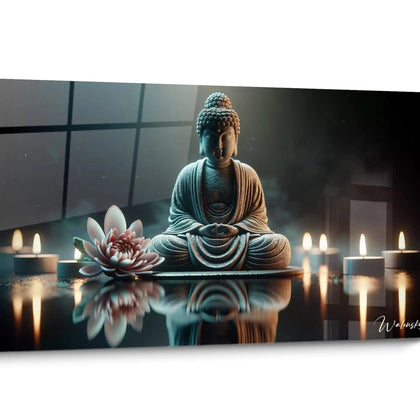 Zen Wall Art2161
artworks
Zen Wall Art2161
artworks
-
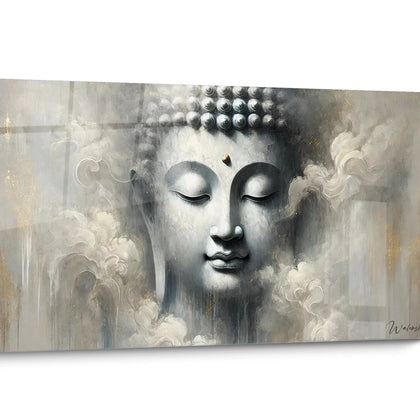 Black and White Zen Wall Art4
artworks
Black and White Zen Wall Art4
artworks
-
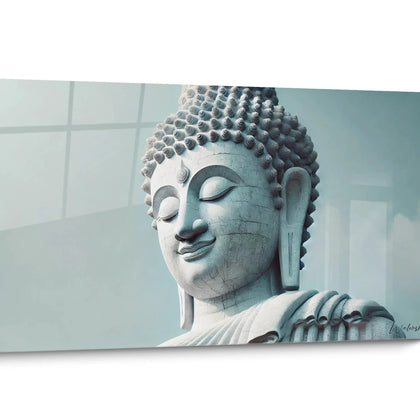 Buddha Zen Wall Art24
artworks
Buddha Zen Wall Art24
artworks
-
 Zen Lotus Wall Art13
artworks
Zen Lotus Wall Art13
artworks
-
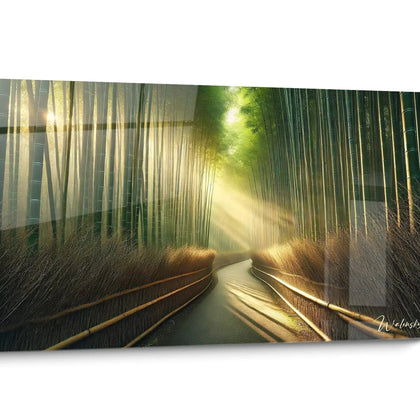 Zen Bamboo Wall Art5
artworks
Zen Bamboo Wall Art5
artworks
-
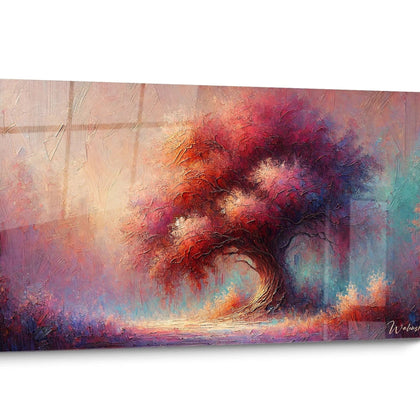 Zen Tree of Life Wall Art13
artworks
Zen Tree of Life Wall Art13
artworks
-
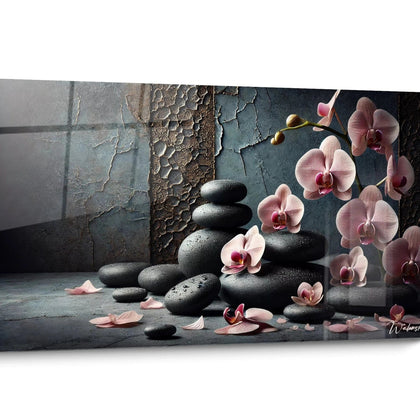 Zen Pebbles Wall Art6
artworks
Zen Pebbles Wall Art6
artworks
-
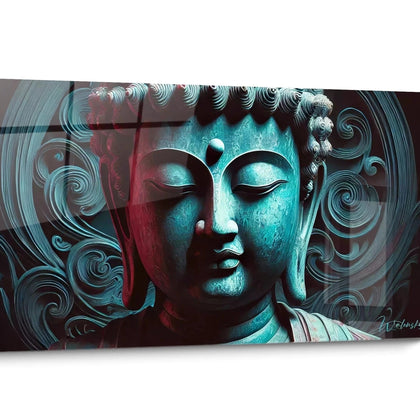 Turquoise Zen Wall Art9
artworks
Turquoise Zen Wall Art9
artworks
-
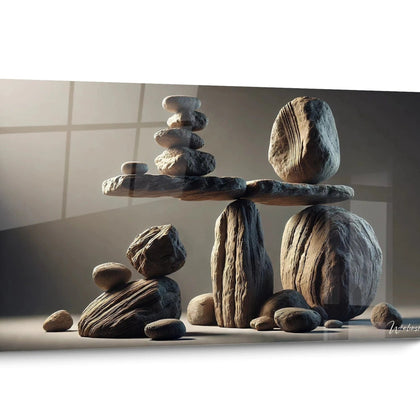 Minimalist Zen Wall Art13
artworks
Minimalist Zen Wall Art13
artworks
-
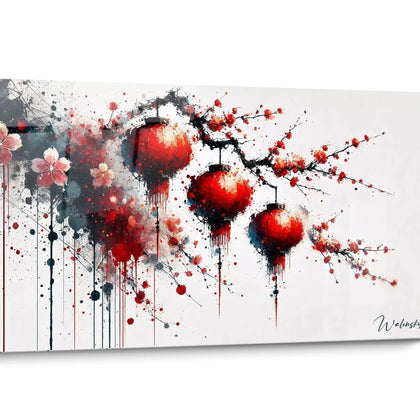 Zen Watercolor Canvas5
artworks
Zen Watercolor Canvas5
artworks
-
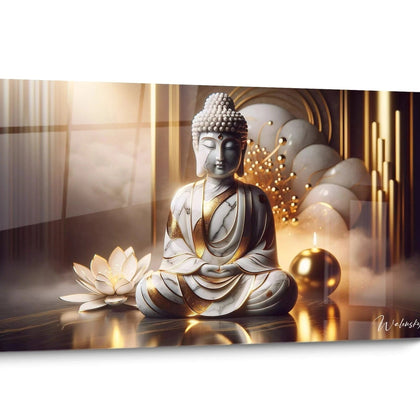 Golden Zen Buddha Wall Art7
artworks
Golden Zen Buddha Wall Art7
artworks
-
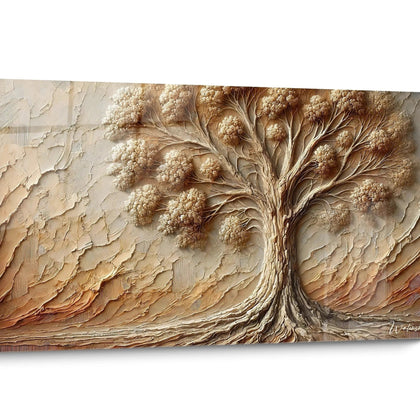 Golden Zen Tree of Life Wall Art3
artworks
Golden Zen Tree of Life Wall Art3
artworks
-
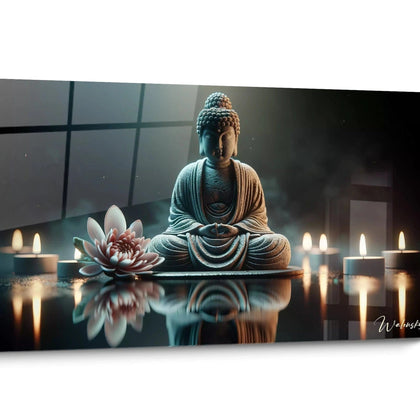 Golden Zen Lotus Wall Art3
artworks
Golden Zen Lotus Wall Art3
artworks
All about Golden Zen Wall Art
- Presentation Golden Zen Artwork
- The Radiance of Gold in Decoration
- Soothing Golden Compositions
- Luminosity and Golden Energy
A golden zen artwork enhances your interior space by combining oriental serenity and the nobility of golden tones. This unique combination transforms each room into a visual sanctuary where tranquility meets refinement. The golden reflections capture natural light to create a warm and meditative atmosphere, particularly sought after in contemporary living spaces. These large-format works embody the perfect balance between spirituality and decorative elegance, offering a majestic visual presence without ever saturating the environment. Golden zen decoration responds to a quest for luxurious harmony, where every golden nuance brings depth and character to the whole.
The Alliance of Gold and Meditation in Contemporary Decoration
The golden zen artwork embodies a major decorative trend that reconciles the search for serenity with the expression of a sophisticated visual refinement. This artistic category is distinguished by its ability to integrate golden pigments, metallic foils, or luminous touches that radically transform the visual impact of a traditional zen representation.
Why choose golden tones for a meditative atmosphere?
Contrary to popular belief, gold does not oppose the zen philosophy. In Japanese tradition, golden screens and paintings adorned temples to symbolize spiritual enlightenment. A zen artwork with golden accents extends this ancestral symbolism by creating luminous focal points that naturally guide the eye towards the essential. The changing reflections depending on the viewing angle and light intensity generate a dynamic contemplative experience, renewed every moment of the day.
These works fit perfectly into modern interiors with neutral palettes – pearl gray, sand beige, off-white – where the golden touch acts as a revealer of elegance. The golden zen art artwork brings this precious dimension without falling into ostentation, maintaining the balance between discretion and presence. To vary the atmospheres, some collectors associate these golden representations with a turquoise zen artwork which offers a soothing and complementary chromatic contrast.
Zen motifs sublimated by golden radiance
Traditional zen iconography takes on a new dimension when enhanced with gold. Enso circles traced in golden ink symbolize perfection in imperfection, while representations of bamboo with golden leaves evoke luminous resilience. Abstract golden zen compositions play on metallic textures and subtle gradients to create unsuspected depths. This aesthetic approach finds a particular echo in Buddha zen artworks where golden touches emphasize the spiritual dimension of the meditative figure.
The representation of zen pebbles with golden reflections suggests the light of the setting sun on stones polished by water, creating a visual meditation on time and permanence. Large-format works multiply this contemplative effect, transforming an entire wall into a luxurious meditative surface. For those seeking a refined approach, the minimalist zen artwork with a few strategic golden accents offers a refined sobriety.
Integration of the golden zen artwork into different spaces
In a contemporary living room, a large-format gold zen painting naturally becomes the focal point of the room, structuring the entire layout around its luminous presence. Positioned above a sofa with neutral tones, it attracts the eye without creating a visual break, maintaining the spatial fluidity essential to the zen atmosphere. Bedrooms particularly benefit from this golden aesthetic which diffuses a soft and warm light, conducive to relaxation before sleep.
Meditation or yoga practice spaces find in these representations an ideal visual support for concentration. The golden glow naturally captures attention during focus phases, facilitating mental anchoring. This contemplative function is enriched when different aesthetics are combined, such as the integration of a zen lotus painting whose symbolism of purity dialogues harmoniously with the golden tones.
Visual and Symbolic Compositions of Golden Zen Works
How do artists integrate gold into the zen aesthetic?
The creation of a golden zen painting relies on specific technical mastery that distinguishes these works from simple gold prints. Contemporary artists use various methods to integrate gold: application of real metal leaf, gold pigments mixed with mediums, resins enriched with reflective particles, or mixed techniques combining several approaches. This technical diversity generates a rich palette of visual effects, from subtle shimmer to frank glares.
Abstract golden zen compositions particularly exploit contrasts between matte and shiny areas to create illusory depths. Golden brushstrokes on a dark background evoke light piercing the darkness, a visual metaphor for spiritual awakening. This approach finds a particular resonance when combined with black and white zen paintings where the measured addition of gold breaks the chromatic duality to introduce a transcendent dimension.
The symbolism of gold in zen philosophy
In zen thought, gold represents much more than a simple material value. It embodies the inner light, the progressive enlightenment of consciousness, and the imperishable value of acquired wisdom. A golden zen painting thus becomes a support for contemplation on these philosophical concepts, particularly when it depicts natural elements gilded by celestial light.
Representations of trees of life with golden foliage symbolize spiritual growth crowned with wisdom. This iconography finds a specific development in zen tree of life paintings where the golden ramifications suggest the multiple paths to awakening. The association of golden tones with aquatic elements creates a visual dialogue between permanence and fluidity, particularly explored in watercolor zen paintings where the golden washes seem to float on the paper.
Artistic styles and aesthetic variations
The golden zen decoration painting is available in several distinct stylistic currents. The traditional Japanese style favors the application of gold leaf on a lacquered background, creating uniformly precious surfaces. The contemporary Western approach favors more targeted golden touches on minimalist compositions, generating dynamic contrasts between voids and solids.
Large-format works allow for ambitious compositions where gold structures the pictorial space by creating guidelines or zones of visual concentration. Horizontal panoramic formats particularly exploit golden gradients evoking luminous horizons or aquatic reflections. This natural dimension is fully expressed in zen bamboo paintings where the golden stalks rise with elegance.
What is the difference between a gilded zen artwork and a classic gilded artwork?
The fundamental distinction lies in the aesthetic intention and visual balance. While a classic gilded artwork may saturate the space with brilliance, a gilded zen artwork maintains a characteristic restraint, using gold as an accent rather than a dominant feature. This sobriety allows the artwork to retain its meditative function while benefiting from the nobility of precious tones.
Light and Energy Impact of Gilded Zen Artworks in the Home
Managing natural light with gilded surfaces
A gilded zen artwork interacts uniquely with the light sources in your interior. Unlike matte surfaces that absorb light uniformly, gilded areas reflect it selectively, creating a subtle visual animation over the hours. This characteristic transforms the artwork into a living decorative element whose appearance constantly evolves without human intervention.
In south or west-facing spaces, direct sunlight fully activates the golden pigments, generating moments of intense brilliance particularly spectacular in the late afternoon. North-facing rooms benefit differently: the softer indirect light reveals the subtle nuances of the golden gradients without creating glare. This light adaptability makes the gilded zen wall artwork a relevant decorative solution regardless of your space's orientation.
The psychological influence of golden tones in zen decoration
Chromotherapy recognizes golden tones as having stimulating properties for morale and optimism, while maintaining a feeling of comforting warmth. In the context of zen decoration seeking emotional balance, these precious nuances bring an energizing dimension that perfectly complements the serenity of purified compositions.
Professional environments, particularly therapy practices, medical waiting rooms, or reception areas, strategically use gilded zen artworks to create an atmosphere that is both soothing and enhancing. Gold subconsciously suggests quality and care, reinforcing the positive perception of the space. This dimension is particularly expressed in gilded zen pebble artworks with golden reflections that evoke precious stability.
Decorative associations and ambient complements
The successful integration of a gilded zen artwork into your decoration relies on thoughtful color associations. Neutral palettes – ivory, taupe, anthracite gray – constitute ideal backgrounds that allow golden accents to fully express themselves without visual competition. Natural textiles such as raw linen or wild silk create complementary textures that enrich the overall sensory experience.
Accent lighting plays a decisive role in the nocturnal enhancement of these artworks. Adjustable LED spotlights with a warm color temperature (2700-3000K) delicately activate the golden areas without creating aggressive reflections. Candles placed at a respectful distance generate a dancing light that subtly animates the metallic surfaces, creating a meditative atmosphere particularly conducive to evening relaxation.
Is a gilded zen artwork suitable for all interior styles?
While particularly harmonious in contemporary, Scandinavian, or Asian interiors, the golden zen artwork demonstrates a remarkable stylistic adaptability. In a classic environment, it introduces measured modernity without a brutal break. Industrial interiors benefit from the contrast between raw surfaces and golden refinement. Only hyper-colored or maximalist styles may conflict with the characteristic restraint of the golden zen aesthetic. To deepen decorative consistency, exploring the complete collection of zen artworks allows you to identify the most relevant associations.
Maintenance and preservation of visual qualities
Golden surfaces require minimal but specific maintenance to preserve their original luster. Regular dusting with a dry microfiber cloth is generally sufficient to maintain the shine. Absolutely avoid harsh or alcohol-based cleaning products that could alter the pigments or metallic leaf. Prolonged direct exposure to UV rays can gradually diminish some organic golds, sometimes justifying the use of UV-blocking glazing in particularly bright spaces.
How to maximize the visual impact of a large-format golden zen artwork?
The monumental dimension of a golden zen artwork requires sufficient breathing space to allow the eye to grasp it globally. Favor a clear wall without competing decorative clutter. The optimal visual rule suggests that the artwork occupies approximately 60-75% of the width of the furniture to which it visually relates. This proportion creates a harmonious balance without spatial crushing or a feeling of emptiness.
Do golden zen artworks lose their luster over time?
The durability of the golden luster depends essentially on the quality of the materials used. Genuine gold leaf retains its shine indefinitely, while some inexpensive synthetic golden pigments may oxidize slightly. Professional-quality artworks generally benefit from UV protective varnishes that durably preserve the tones. Positioning that avoids direct exposure to sunlight for several hours a day guarantees optimal preservation of visual qualities for several decades.


