


Wall Art for Yoga Studio Lotus
Our Painting for Yoga Room Lotus collection enhances your meditation space with creations inspired by the sacred lotus flower. Each artwork evokes spiritual awakening and the purity of the lotus, a universal symbol of transformation. These decorative paintings for yoga studios create a soothing atmosphere conducive to concentration and elevation. Perfect for zen yoga practice spaces, they accompany your sessions with elegance and promote a deep connection with your inner self.
 Marbled Peace Wall Art - Zen Edition273,90 €
 Painting Inspired by Claude Monet's Water Lilies No. 2 – Tribute to a Renowned Artist273,90 €
 Sacred Purity Wall Art - Zen Lotus Flower Edition273,90 €
 Under the Leaves Canvas, a Poetry - Zen Koi Edition273,90 €
 Serenity in Bloom Wall Art - Zen Buddha Edition273,90 €
 Spiritual Harmony Artwork - Zen Buddha Edition273,90 €
 Garden of Reflections Wall Art - Divers Zen Edition273,90 €
 Lotus Dance Painting - Chinese Art Asia Edition273,90 €
 Petals on Water Canvas - Abstract Flower Edition273,90 €
 Peaceful Meditation Painting - Zen Edition273,90 €
 Starry Night Wall Art - Zen Edition273,90 €
 Sacred Lotus Wall Art - Zen Edition273,90 €
 Flower of Light Canvas - Zen Edition273,90 €
 Whisper of the Lotus Wall Art - Abstract Flower Edition273,90 €
Explore further
In Wall Art for Yoga Studio Lotus
-
 Wall Art for Yoga Studio213
artworks
Wall Art for Yoga Studio213
artworks
-
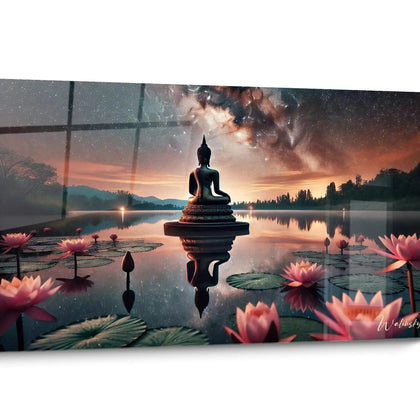 Buddha Yoga Room Wall Art20
artworks
Buddha Yoga Room Wall Art20
artworks
-
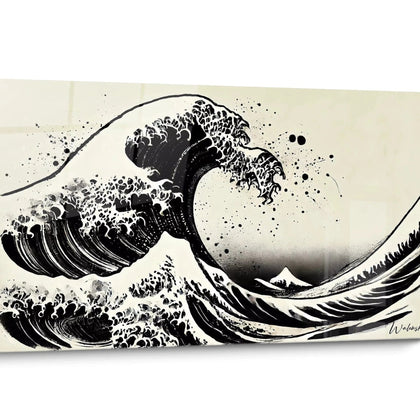 Wall Art for Yoga Studio Black and White9
artworks
Wall Art for Yoga Studio Black and White9
artworks
-
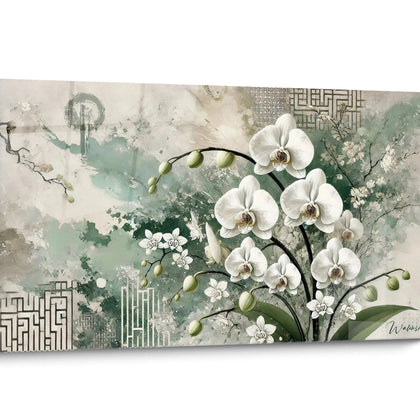 Minimalist Yoga Room Wall Art24
artworks
Minimalist Yoga Room Wall Art24
artworks
-
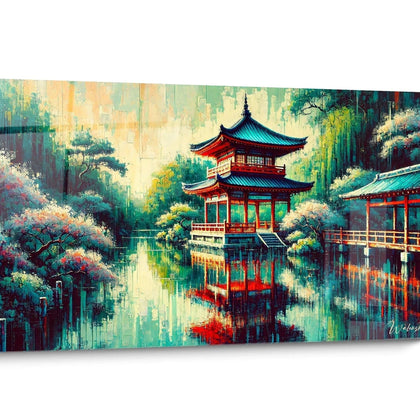 Japanese Yoga Room Wall Art24
artworks
Japanese Yoga Room Wall Art24
artworks
-
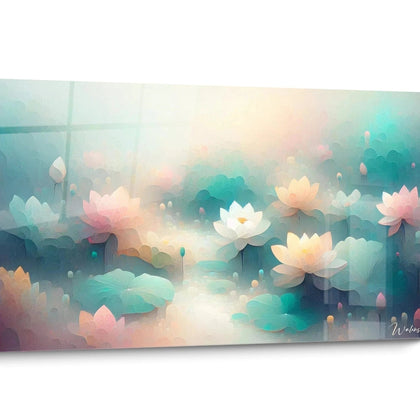 Abstract Wall Art for Yoga Studio24
artworks
Abstract Wall Art for Yoga Studio24
artworks
-
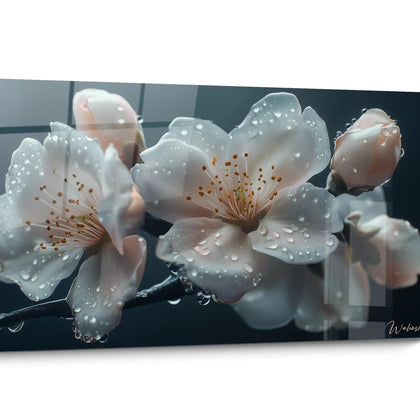 Flower Wall Art for Yoga Studio24
artworks
Flower Wall Art for Yoga Studio24
artworks
-
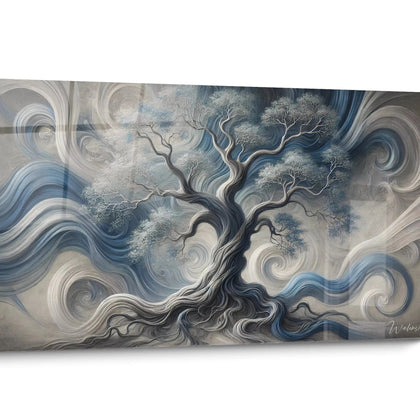 Wall Art for Yoga Studio Tree19
artworks
Wall Art for Yoga Studio Tree19
artworks
-
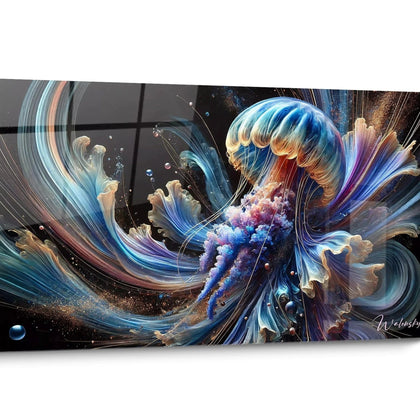 Golden Yoga Room Wall Art24
artworks
Golden Yoga Room Wall Art24
artworks
-
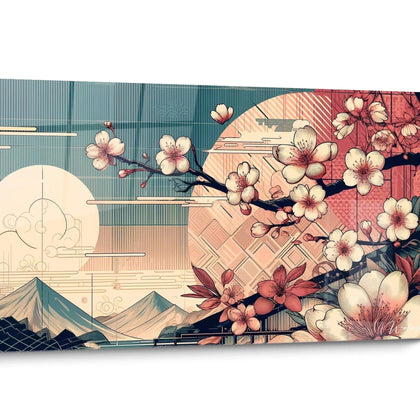 Turquoise Yoga Room Wall Art12
artworks
Turquoise Yoga Room Wall Art12
artworks
-
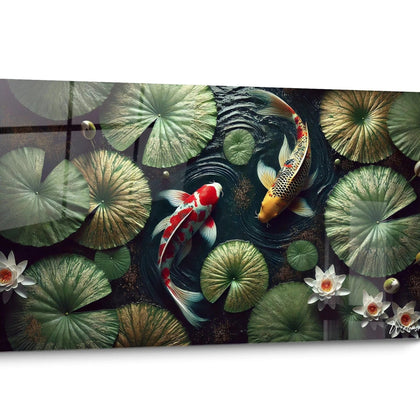 Green Yoga Room Wall Art10
artworks
Green Yoga Room Wall Art10
artworks
-
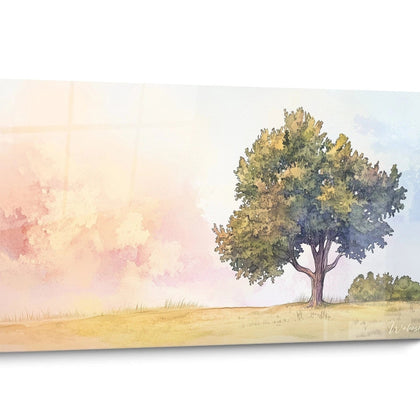 Yoga Studio Watercolor Wall Art6
artworks
Yoga Studio Watercolor Wall Art6
artworks
-
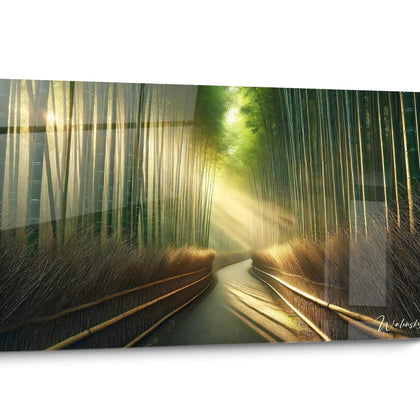 Bamboo Yoga Room Wall Art7
artworks
Bamboo Yoga Room Wall Art7
artworks

All about Wall Art for Yoga Studio Lotus
- Yoga Room Lotus Wall Art Presentation
- Symbolism and Spirituality
- Practice Space Design
- Meditation and Focus
A lotus wall art for yoga studio instantly transforms your practice space into a sanctuary of inner peace. This sacred representation of the lotus, a universal symbol of awakening and spiritual purity, accompanies every asana by creating a profound visual connection with the ancestral traditions of yoga. The monumental formats available allow you to anchor yoga philosophy visually at the heart of your studio, offering practitioners a point of contemplation during balance postures and guided meditations. Whether you direct a Hatha, Vinyasa or Kundalini yoga center, the iconography of the lotus resonates with all traditions by reminding us of the mind's capacity to flourish despite obstacles, like this immaculate flower emerging from murky waters.
The Symbolism of the Lotus in Yoga Practice Spaces
Integrating a lotus wall art for yoga studio is not merely decorative but constitutes a powerful pedagogical choice for transmitting yoga teachings. In Vedic tradition, the lotus represents the seven main chakras, each petal corresponding to a stage of the spiritual journey. Positioning this sacred imagery in your studio creates a constant visual reference during energy alignment sessions and pranayama.
How does the lotus amplify collective yoga intention?
In studios welcoming multiple practitioners simultaneously, the lotus symbol functions as a collective anchor for intention. During morning sun salutations or twilight yin yoga sessions, this shared focal point harmonizes group energies. Large-scale paintings allow all participants, regardless of their position in the studio, to maintain this visual connection with the symbolism of personal transformation. The lotus imagery also facilitates entry into meditative states during final shavasanas, naturally guiding inner vision toward spiritual flourishing.
Aesthetic variations of the lotus according to traditions
The spiritual lotus yoga studio wall art comes in different Oriental artistic styles. The Tibetan representation favors vibrant colors and geometric mandalas incorporating the eight-petaled lotus, perfect for tantric yoga practices. The Japanese aesthetic offers a minimalist approach with ink washes sublimating the simplicity of the open lotus, ideal for Zen spaces and contemplative practices. For studios dedicated to abstract yoga wall art, certain contemporary interpretations merge sacred geometry with traditional lotus iconography, creating bridges between ancient and modern.
The psychological impact of lotus colors
Each chromatic shade of the lotus carries a specific vibrational frequency in coherence with yoga teachings. The pink lotus evokes universal compassion and love, particularly suited to Bhakti yoga practices and heart-opening classes. The white lotus symbolizes mental purity and spiritual perfection, resonating with Raja yoga approaches centered on mind mastery. The blue lotus, rare and mystical, corresponds to advanced deep meditation practices and consciousness expansion, while the golden lotus refers to complete illumination sought in all yogic paths.
Optimizing Yoga Space with Lotus Iconography
Where to strategically position your wall art in the studio?
The placement of the lotus wall art for yoga studio directly influences the energetic dynamics of the space. The wall facing practitioners is the optimal location, allowing natural contemplation during seated postures and drishti concentration exercises. For studios offering courses with diverse orientations, the north wall according to Vastu Shastra principles favors mental stability and spiritual anchoring. Monumental formats create an immersive presence without ever dominating the space, respecting yoga's fundamental balance between strength and gentleness.
In multi-functional studios alternating dynamic yoga and restorative practices, positioning the lotus on the main wall unifies intention despite the diversity of approaches. This visual continuity reminds that all forms of yoga converge toward inner flourishing symbolized by the lotus flower. Yoga nidra practitioners particularly appreciate this soothing presence during consciousness rotations, with the lotus serving as a return point when the mind wanders.
Association with other sacred decorative elements
The lotus decorative yoga studio wall art gains power when integrated into a coherent visual ecosystem. Association with Tibetan singing bowls, Buddha statues in lotus position or Sanskrit quotes about personal transformation creates complete sensory synergy. Avoid visual overload that would contradict yoga's aparigraha principle (non-accumulation). Three to five meaningful elements suffice to establish a conducive atmosphere without excessive distraction.
Which dimensions to prioritize based on your studio configuration?
For studios welcoming 10 to 15 practitioners, an impressive format between 120 and 180 centimeters wide allows optimal visibility from all mats. This monumental scale anchors lotus symbolism visually as an architectural element rather than simple decoration. In intimate spaces dedicated to private sessions or therapeutic yoga classes, generous dimensions nevertheless maintain this enveloping presence essential to meditative immersion. The fundamental rule is ensuring the lotus remains visible in peripheral vision during balance postures, acting as a subtle visual stabilizer.
Aerial yoga studios or spaces with high ceilings particularly benefit from vertical paintings representing the lotus emerging from water toward sky, a perfect metaphor for the spiritual elevation sought in inversions and advanced postures. This vertical orientation naturally guides vision upward during extensions and heart openings.
The Lotus as a Meditation and Teaching Tool
Visual concentration techniques with the lotus symbol
The lotus wall art for yoga studio becomes a pedagogical instrument during Dharana (concentration) practices. Inviting students to gaze at the lotus center for three to five minutes develops their capacity for mental presence. This adapted Trataka technique effectively prepares for deeper meditations by training the mind to resist distractions. Teachers report that the presence of the lotus significantly facilitates entry into meditative states even for beginners typically scattered.
During advanced pranayamas like Nadi Shodhana or Bhastrika, maintaining a soft gaze on the lotus helps regulate breathing rhythm and visualize prana circulation in the nadis. The symbol acts as an external visual support that, progressively internalized, allows powerful mental visualizations even with eyes closed. Advanced practitioners use the lotus image to activate Ajna chakra, the third eye, by mentally superimposing the flower on this energetic space.
Integration into thematic course sequences
Structuring sessions around the theme of personal flourishing finds natural resonance with a large lotus yoga wall art as visual reference. Heart-opening sequences gain emotional depth when the teacher invites students to imagine themselves as a lotus flourishing petal by petal. Classes focused on hip openers can begin with contemplation of the lotus in Padmasana (lotus pose), creating coherence between visual symbolism and physical practice.
Can you use the lotus painting for philosophical workshops?
Beyond postural practice, the lotus constitutes an exceptional pedagogical support for teaching Yamas and Niyamas, yoga's ethical principles. The metaphor of the lotus rooted in mud yet blooming immaculate perfectly illustrates Saucha (purity) and Santosha (contentment). Workshops on Patanjali's Yoga Sutras find in this imagery a visual translation of abstract concepts of Samadhi and Kaivalya, the states of union and ultimate liberation.
Yoga teacher trainings frequently incorporate in-depth study of lotus symbolism, and having this monumental representation significantly enriches philosophical discussions. Future teachers thus develop their ability to use visual supports for making accessible the depth of traditional teachings to Western practitioners.
The influence of the lotus on overall energetic atmosphere
Practitioners sensitive to subtle energies testify to a palpable transformation of ambiance when a lotus meditation yoga studio wall art is installed. This constant visual presence of the transcendence symbol gradually elevates the vibrational frequency of the entire space. Combined with regular energetic maintenance (sage smudging, chanted mantras, set intentions), the lotus amplifies the sacred dimension of the studio, transforming it into a true temple of inner practice.
Which lotus type works best for a Hot Yoga studio?
For heated studios, favor refined lotus representations in cool tones (blues, aquatic greens) that visually counterbalance the thermal intensity of practice. Formats resistant to humidity are essential in these specific environments.
How to integrate lotus wall art in a multi-disciplinary studio?
The lotus transcends boundaries between yoga, meditation, Pilates and mindfulness practices. Its universal message of personal transformation resonates with all audiences seeking balance and flourishing, making this wall art a strategic choice for versatile spaces.
Is lotus wall art suitable for children's yoga classes?
Absolutely, the lotus provides powerful pedagogical support for teaching young practitioners patience, personal growth and beauty emerging from challenges. Colorful and joyful lotus versions naturally capture children's attention while transmitting profound values accessibly.


