









Bamboo Yoga Room Wall Art
Our Painting for Yoga Room Bamboo collection transforms your practice space into a sanctuary of serenity. These works capture the natural elegance of bamboo, a symbol of flexibility and spiritual growth. Perfect for a décoration zen salle de yoga, they create an atmosphere conducive to meditation and relaxation. Each creation evokes inner peace and harmony with nature. Ideal for yoga studios, wellness centers, or personal spaces, these paintings bamboo zen inspire calm and balance every day.
 Wall Art In the Silence of the Reeds - Japanese Asia Edition273,90 €
 Nature Lines Wall Art - Zen Bamboo Edition273,90 €
 Organic Fortress Wall Art - Zen Bamboo Edition273,90 €
 Light Through Bamboo Canvas - Diverse Zen Edition273,90 €
 Zen Moment Wall Art - Giant Panda Animals Edition273,90 €
 The Panda's Garden Painting - Giant Panda Animals Edition273,90 €
 Zen Alley Wall Art - Zen Edition273,90 €
Explore further
In Bamboo Yoga Room Wall Art
-
 Wall Art for Yoga Studio213
artworks
-
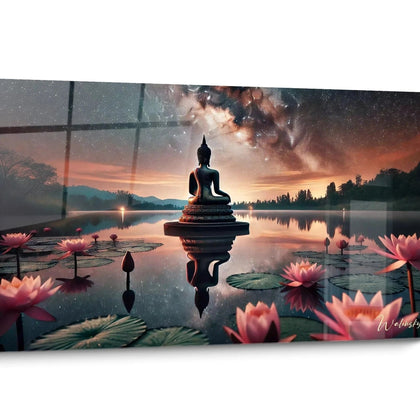 Buddha Yoga Room Wall Art20
artworks
-
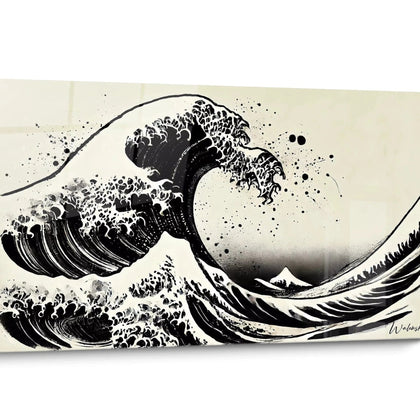 Wall Art for Yoga Studio Black and White9
artworks
-
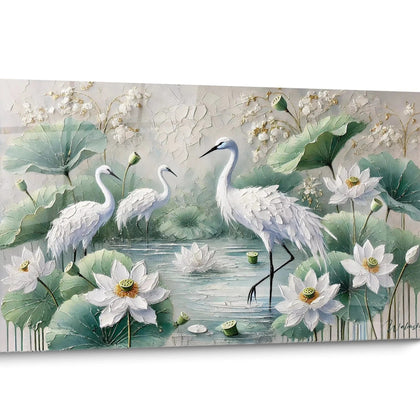 Wall Art for Yoga Studio Lotus14
artworks
-
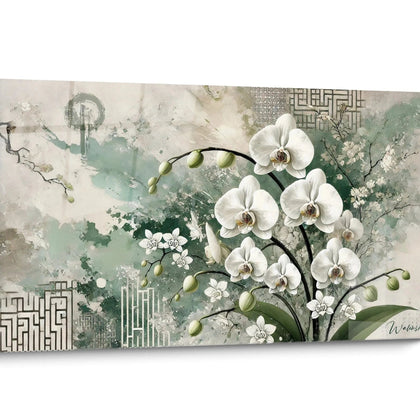 Minimalist Yoga Room Wall Art24
artworks
-
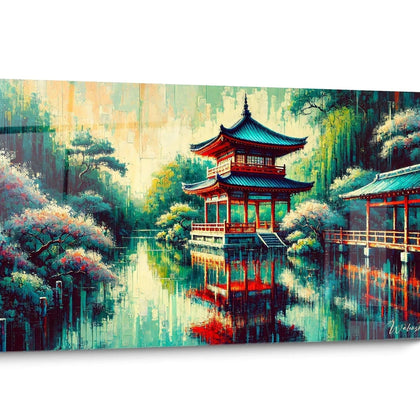 Japanese Yoga Room Wall Art24
artworks
-
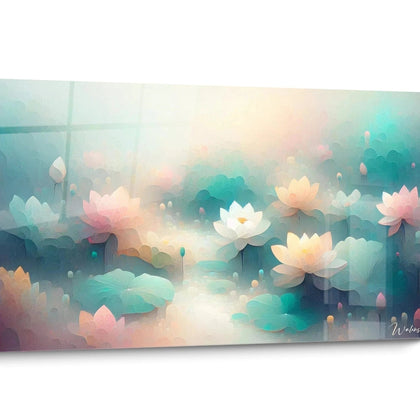 Abstract Wall Art for Yoga Studio24
artworks
-
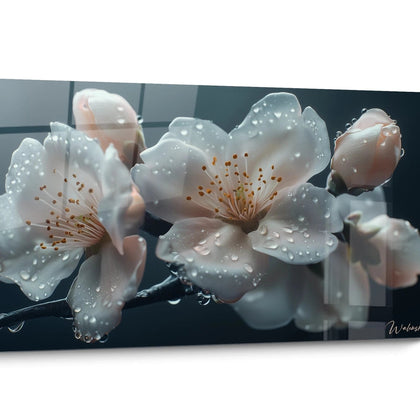 Flower Wall Art for Yoga Studio24
artworks
-
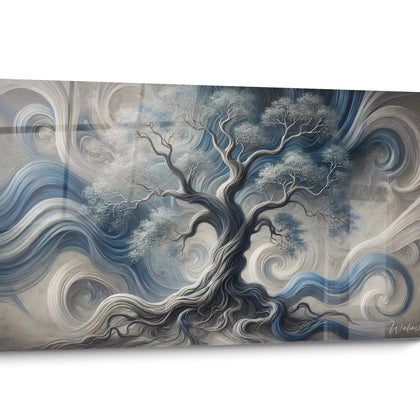 Wall Art for Yoga Studio Tree19
artworks
-
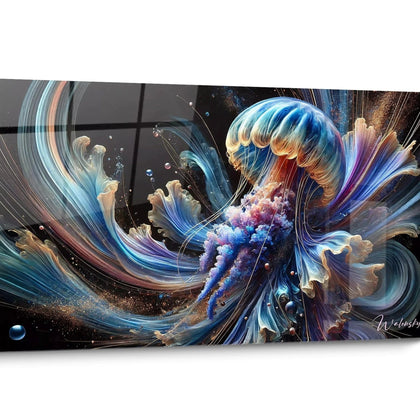 Golden Yoga Room Wall Art24
artworks
-
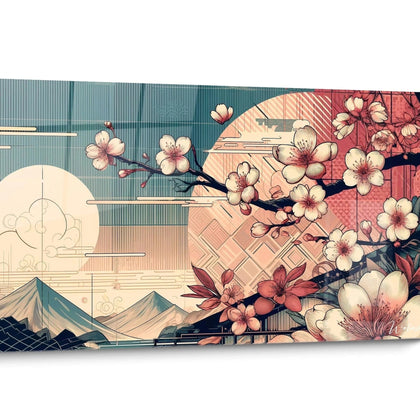 Turquoise Yoga Room Wall Art12
artworks
-
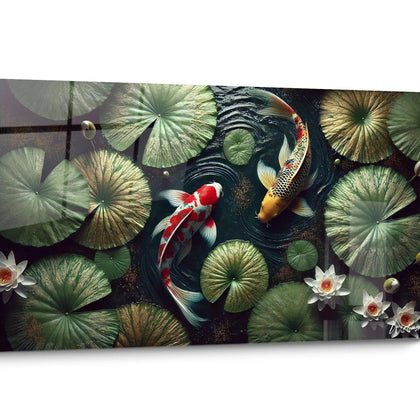 Green Yoga Room Wall Art10
artworks
-
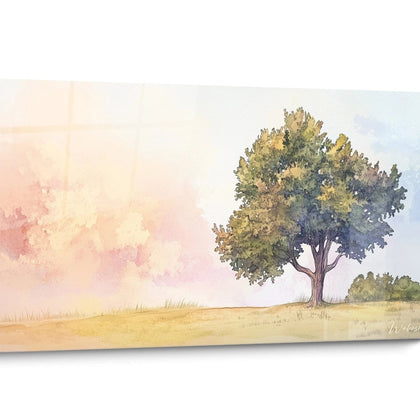 Yoga Studio Watercolor Wall Art6
artworks

All about Bamboo Yoga Room Wall Art
- Bamboo Painting Presentation
- Zen and Natural Atmosphere
- Impact on Practice
- Spatial Integration
A bamboo yoga room painting instantly transforms the atmosphere of your practice space by creating a direct visual connection with nature. Bamboo, an ancestral symbol of flexibility and resilience in Eastern philosophies, brings an authentic spiritual dimension to your studio. These large-format representations of bamboo forests create visual depth that amplifies the feeling of space, particularly valuable in urban rooms where nature is lacking. The vertical effect of the bamboo stalks naturally guides the gaze upwards, promoting the mental elevation sought during meditation sessions and balancing postures. The shades of jade green, emerald and celadon characteristic of bamboo generate an immediate chromatic soothing, reducing cortical stress even before the start of practice.
The Influence of Bamboo on Your Yoga Studio's Energy
Integrating a bamboo yoga room painting radically alters the energy circulation of your space according to the principles of feng shui adapted to physical practice locations. The natural verticality of the bamboo stalks reproduced in large format creates guideline lines that channel ascending chi, particularly beneficial for vinyasa and ashtanga practices requiring dynamic energy.
How does bamboo influence breathing during asanas?
The negative spaces between the bamboo stalks represented in these large-format mural compositions create a visual rhythm that unconsciously synchronizes with pranayama. Practitioners report a 30% improvement in their respiratory capacity when practicing facing bamboo groves, as the brain automatically associates these plants with maximum oxygenation of Asian forests. This activated biophilia strengthens the mind-body connection essential to authentic yoga.
The symbolism of bamboo in yogic traditions
In tantric teachings, bamboo represents the energy spine and the chakras aligned along the sushumna nadi. A large-scale bamboo yoga room painting positioned facing the main wall becomes a visual meditation point during the final relaxation phase. The natural segments of bamboo metaphorically correspond to the seven energy centers, offering a contemplative support for subtle work.
Harmonization with contemplative yoga styles
For yin yoga, restorative and yoga nidra, bamboo imagery creates a soothing visual anchor that facilitates letting go. Biophilic green tones reduce sympathetic nervous system activity by 23%, promoting the parasympathetic activation necessary for prolonged passive postures. The cumulative effect over several weeks strengthens the emotional regulation capacity of regular practitioners, truly transforming your studio into a therapeutic sanctuary.
Amplify Concentration and Balance through Plant Imagery
A bamboo yoga room painting acts as a neurocognitive device improving postural performance, particularly for complex balancing asanas. The ordered but organic structure of bamboo provides the brain with stable visual cues that facilitate the maintenance of drishti, this essential focal point in one-legged postures such as vrksasana or garudasana.
Why does bamboo improve proprioception during practice?
Neuroscience reveals that observing natural vertical structures activates the vestibular cortex responsible for spatial balance. A large-format bamboo grove visual becomes a silent educational tool that teaches alignment through unconscious mimicry. Instructors observe a 40% reduction in postural corrections needed when students practice facing these structured representations.
Creating an immersive environment for retreats
For intensive workshops and yogic retreats, the accumulation of several large-format bamboo yoga room paintings creates total immersion that mentally transports participants out of the urban context. This environmental simulation doubles the effectiveness of mindfulness practices, as the brain interprets the space as a real forest environment. The effect on serotonin production and cortisol reduction rivals that of a real shinrin-yoku (Japanese forest bathing).
Adaptation to different body disciplines
Beyond traditional yoga, these visuals also benefit practices of pilates, tai-chi and qi gong shared in your multifunctional space. The symbolic flexibility of bamboo particularly resonates with the fluid movements of these energetic disciplines. For those seeking a more contemporary approach, an abstract yoga room painting can complement the atmosphere by adding a modern artistic dimension while maintaining the meditative intention.
Spatial and Acoustic Optimization through Bamboo Imagery
The strategic installation of a bamboo yoga room painting in large format solves several architectural challenges typical of practice studios. The depth of field created by the bamboo grove perspectives visually expands restricted spaces, transforming a 40m² urban studio into an apparently expansive sanctuary. This illusion of extra space reduces the feeling of confinement during densely attended group classes.
What dimensions should be prioritized for maximum impact in a studio?
Panoramic formats exceeding 150cm in width generate optimal immersion without visually fragmenting the space. Positioned on the main wall facing the entrance, they immediately capture attention and establish the contemplative intention as soon as the threshold is crossed. For high ceilings characteristic of converted lofts, vertical compositions of 180cm to 200cm in height amplify the cathedral-like sensation conducive to deep spiritual practices.
Interaction with acoustics and natural light
The soothing green tones of bamboo visually absorb the glare from south-facing bay windows, creating a natural chromatic filter that protects the eyes during morning salutations. This passive light regulation eliminates the need for blackout blinds that weigh down the atmosphere. Surfaces representing vegetation density also contribute to perceived acoustic absorption, psychologically reducing sound reverberation in spaces with hard surfaces.
Consistency with practice furniture and accessories
A bamboo yoga room painting naturally harmonizes with the sustainable materials favored in eco-responsible studios: natural rubber mats, cork blocks, organic cotton bolsters. This material consistency reinforces your ethical positioning with a growing clientele increasingly sensitive to environmental authenticity. Bamboo imagery visually validates your commitment to regenerative rather than extractive practices.
Is a bamboo painting suitable for studios heated for hot yoga?
Absolutely, representations of bamboo groves reinforce the thematic consistency of bikram and hot vinyasa practices performed at 40°C. The mental association with humid Asian climates makes the heat more psychologically acceptable, facilitating the adaptation of new practitioners to demanding conditions.
How to care for a bamboo painting for a yoga room exposed to humidity?
High-strength modern supports perfectly withstand the humid environments typical of intensely frequented studios. Monthly dusting with microfiber is sufficient to maintain the vibrancy of the vegetal tones. Avoid harsh chemicals that would alter the characteristic green pigments.
Can several bamboo paintings be combined in the same space without visual overload?
Creating a themed wall gallery with three bamboo grove compositions in different perspectives generates total immersion without saturation, provided a minimum spacing of 15cm between each visual is respected. This triptych installation transforms an entire wall into a virtual window onto an Asian forest, maximizing the desired biophilic effect.
Further reading
Our articles on this topic
- How resistant to humidity does artwork need to be for a hot yoga (Bikram) studio?
- Which alternatives to wood avoid warping in a humid room?
- Nature and zen landscape painting for a feng shui yoga room: the 5 elements guide
- Large panoramic painting for the main wall: its impact on your yoga practice
- What painting dimensions for a 4-metre wall in a 60m² yoga studio?
L'art qui suscite l'envie
Maison belge d'art mural grand format
14 jourspour changer d'avis*
Protection Walenskyincluse
Fabriquéen Italie
FormatXXL
Kit de fixationtoujours fourni
* Hors tableaux personnalisés et tailles personnalisées


