









Golden Yoga Room Wall Art
Our Golden Yoga Room Painting collection combines serenity and elegance to transform your practice space. These wall creations bring a touch of golden light, promoting concentration and inner harmony. Perfect for creating a luxurious zen atmosphere, these works illuminate your studio with refinement. Each piece evokes peace and balance, ideal for a yoga decoration spiritual. Explore this unique collection that enhances your daily practice.
 Night Tree Wall Art - Zen Life Tree Edition273,90 €
 Ancient Tree Wall Art - Life Tree Zen Edition273,90 €
 Japanese Painting No.1 - Japan Edition Around the World273,90 €
 Japanese Cherry Blossom Wall Art No. 1 - Japan Around the World Edition273,90 €
 Japanese Painting No.5 - Japan Around the World Edition273,90 €
 Organic Fortress Wall Art - Zen Bamboo Edition273,90 €
 Radiance of Wisdom Wall Art - Zen Buddha Edition273,90 €
 Heart of Dharma Wall Art - Buddha Zen Edition273,90 €
 Eternal Tree of Life Wall Art - Zen Tree of Life Edition273,90 €
 Light Guardian Wall Art - Space Sun Edition273,90 €
 The Dance of the Sea Wall Art - Japanese Asia Edition273,90 €
 Royal Seahorse Canvas - Seahorse Animals Edition273,90 €
 The elegance of the predator - Tiger Animals Edition wall art273,90 €
 Painting The Gold of Nature - Land Tortoise Animals Edition273,90 €
 Earthly Brilliance Painting - Terrestrial Turtle Animals Edition273,90 €
 Midnight Blue Painting - Abstract Flower Edition273,90 €
 Golden Leaf Wall Art - Nature Edition273,90 €
 Graceful Jellyfish Wall Art - Wild Essence Edition273,90 €
 Zen Alley Wall Art - Zen Edition273,90 €
 Flower of Light Canvas - Zen Edition273,90 €
 Floral Softness Artwork - Zen Edition273,90 €
 Moon Flower Painting - Zen Edition273,90 €
 Balance Wall Art - Zen Edition273,90 €
 Calm Turquoise Wall Art - Zen Edition273,90 €
Explore further
In Golden Yoga Room Wall Art
-
 Wall Art for Yoga Studio213
artworks
Wall Art for Yoga Studio213
artworks
-
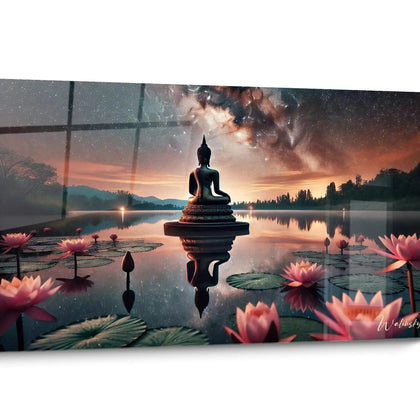 Buddha Yoga Room Wall Art20
artworks
Buddha Yoga Room Wall Art20
artworks
-
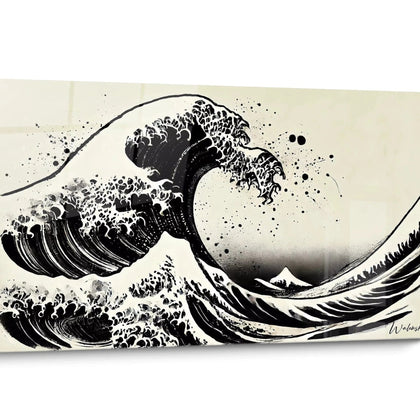 Wall Art for Yoga Studio Black and White9
artworks
Wall Art for Yoga Studio Black and White9
artworks
-
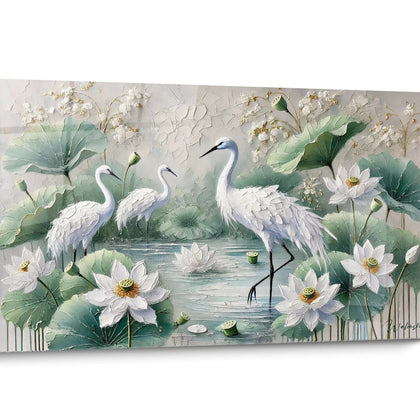 Wall Art for Yoga Studio Lotus14
artworks
Wall Art for Yoga Studio Lotus14
artworks
-
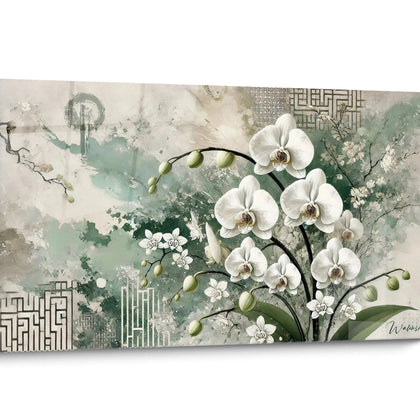 Minimalist Yoga Room Wall Art24
artworks
Minimalist Yoga Room Wall Art24
artworks
-
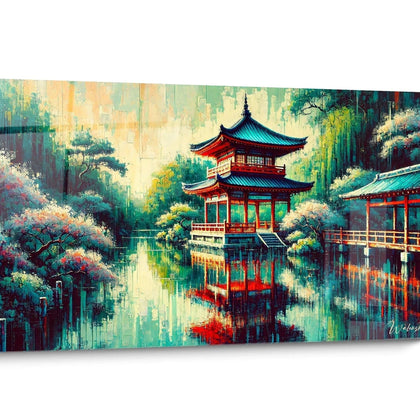 Japanese Yoga Room Wall Art24
artworks
Japanese Yoga Room Wall Art24
artworks
-
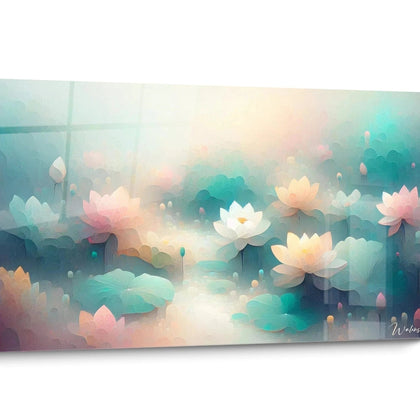 Abstract Wall Art for Yoga Studio24
artworks
Abstract Wall Art for Yoga Studio24
artworks
-
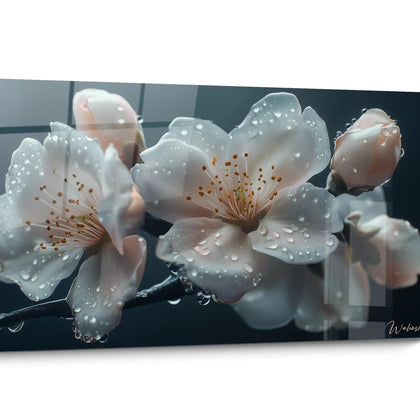 Flower Wall Art for Yoga Studio24
artworks
Flower Wall Art for Yoga Studio24
artworks
-
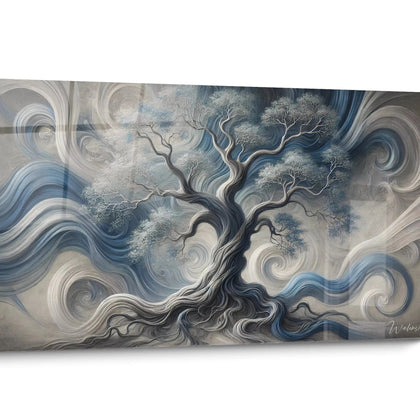 Wall Art for Yoga Studio Tree19
artworks
Wall Art for Yoga Studio Tree19
artworks
-
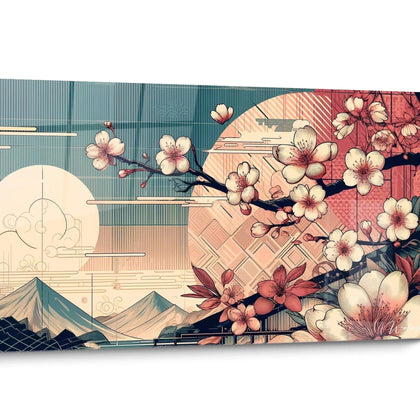 Turquoise Yoga Room Wall Art12
artworks
Turquoise Yoga Room Wall Art12
artworks
-
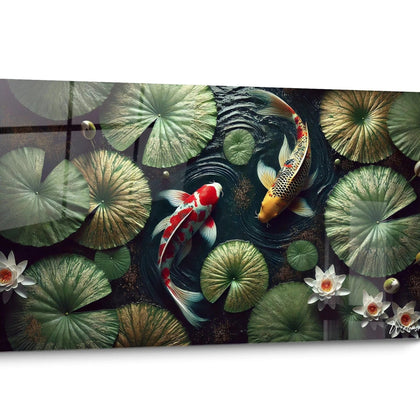 Green Yoga Room Wall Art10
artworks
Green Yoga Room Wall Art10
artworks
-
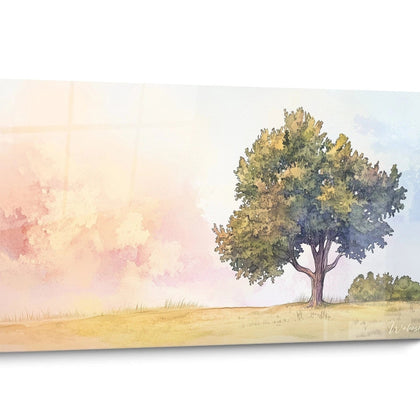 Yoga Studio Watercolor Wall Art6
artworks
Yoga Studio Watercolor Wall Art6
artworks
-
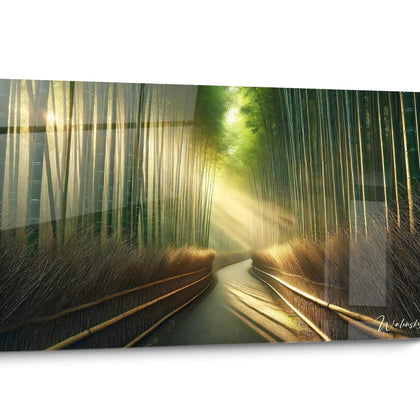 Bamboo Yoga Room Wall Art7
artworks
Bamboo Yoga Room Wall Art7
artworks

All about Golden Yoga Room Wall Art
- Presentation Painting Gilded Yoga Room
- Golden energetic influence
- Spiritual symbolism of gold
- Chromatic harmonization
The gilded painting for a yoga room stands as a strategic decorative element in spaces dedicated to meditative and bodily practices. The golden reflections create an atmosphere conducive to spiritual elevation and deep concentration, qualities sought by regular practitioners as well as professional instructors. This particular metallic hue diffuses a warm luminosity that naturally accompanies the inner journey during sessions, creating a soothing visual anchor without becoming a distraction. The integration of wall art in golden tones into a yoga studio responds to a specific intention: to facilitate entry into a meditative state while enhancing the aesthetics of the premises. The large dimensions of these wall creations effectively dress the often vast walls of collective practice rooms, while maintaining a discreet presence that respects the necessary sobriety of these environments.
The Energetic Impact of Golden Tones in the Practice Space
The painting for a yoga room gilded acts as a vibrational amplifier in spaces dedicated to contemplative bodily disciplines. Metallic golden nuances possess a unique ability to reflect and diffuse natural light progressively throughout the day, creating subtle variations in luminosity that accompany the different phases of practice. This reflective property becomes particularly relevant during morning sun salutation sessions, where the first rays create evolving light effects on the golden surface.
How do golden reflections influence meditative concentration?
Surfaces with golden finishes generate a gentle luminous reverberation that avoids abrupt contrasts harmful to concentration. Unlike matte colors that absorb light, gold maintains a visual energy circulation in the room. This characteristic is valuable during pranayama or seated meditation practices, where the gaze can naturally rest on these reflections without creating eye strain. Instructors of yin yoga and yoga nidra particularly prefer these golden atmospheres for their soothing properties during prolonged relaxation.
Amplification of intentions in ritual practices
The painting for a yoga room gilded effectively accompanies spiritual practices integrating specific rituals. The symbolism of gold resonates with Vedic and Buddhist traditions where this color represents enlightenment and higher consciousness. For studios offering kundalini yoga or sessions incorporating mantras, the presence of golden elements reinforces the symbolic anchoring of the practices. The recommended large dimensions for these collective spaces allow for the establishment of a sufficiently imposing focal point to serve as a visual support during guided meditations, without imposing a too literal representation that would constrain the imagination of practitioners.
Adaptation to daily energy cycles
The interaction between a large-format golden painting and natural luminosity variations creates a temporal dynamic in the yoga space. During morning classes, golden tones capture the ascending solar energy, while in the evening, they diffuse a more subdued light favoring introspection. This natural adaptability dispenses with constant adjustments of artificial lighting and maintains atmospheric consistency regardless of the time of practice. Practitioners sensitive to Ayurvedic principles particularly appreciate this connection with natural circadian rhythms.
Spiritual Dimension and Symbolism of Gold in Yoga
Integrating a gold wall art piece for a yoga room is part of a profound symbolic approach linked to Eastern traditions. Gold universally evokes transcendence, spiritual awakening, and connection to the divine, concepts central to yogic philosophy. For studios wishing to create an authentic sacred ambiance, choosing this noble metallic hue constitutes an immediate visual signal of the place’s spiritual intention. This symbolic dimension goes beyond simple decoration to become an element actively participating in the atmosphere conducive to contemplative practices.
Color correspondences with the higher chakras
In yogic energetic mapping, gold corresponds to the higher chakras, particularly the crown chakra (Sahasrara) and the third eye (Ajna). A wall art piece with golden hues strategically placed within the visual field of practitioners during inversions or seated meditations subtly stimulates these energy centers. Integral yoga and transcendental meditation instructors frequently use this color correspondence to deepen the spiritual experience of participants. The constant visual presence of these golden tones creates a positive conditioning associating the physical space with the sought-after elevation of consciousness.
What does gold bring to guided visualization practices?
The gold wall art piece for a yoga room offers an ideal visual support for visualization techniques integrated into many yogic traditions. During yoga nidra or guided meditation sessions, the presence of golden elements in the environment facilitates mental projection of inner light, a frequent exercise in these practices. Therapists using yoga as a therapeutic tool notice that environments integrating touches of gold favor deeper states of relaxation and richer meditative experiences. To complement this symbolic approach, some studios combine abstract yoga room wall art with golden hues to avoid any literal representation while maintaining chromatic richness.
Creation of a contemporary sanctuary
The use of gold in modern yoga spaces represents an updating of traditional temples and sanctuaries where this color adorned sacred statues and frescoes. Practitioners seeking an authentic yet contemporary yoga experience appreciate this symbolic continuity. The large-format gold wall art becomes a bridge between ancestral tradition and current aesthetics, allowing to maintain the sacred dimension without resorting to explicit religious iconography that may not suit all audiences. This inclusive approach preserves spiritual depth while respecting the diversity of beliefs of practitioners.
Color Harmonization and Environmental Coherence
The gold wall art piece for a yoga room requires thoughtful integration into the overall chromatic environment of the practice space. Golden hues interact specifically with the naturally present materials in yoga studios: bamboo floors, cork bricks, natural carpets, and ecological textiles. This metallic hue brings a touch of refinement without breaking with the authenticity sought in these spaces dedicated to holistic well-being. Chromatic balance becomes a determining factor in creating an atmosphere conducive to practices requiring concentration and letting go simultaneously.
What color combinations optimize the effect of gold?
Gold harmonizes particularly well with earthy palettes found in most yoga rooms: ochres, sienna earths, sage greens, and off-whites. These combinations create a soothing visual continuity while allowing the gold artwork to retain its distinctive presence. Wellness space specialists recommend balancing the metallic intensity of gold with surrounding matte surfaces to avoid excessive visual stimulation. In studios with light walls, a large gold artwork creates a warm focal point without visually weighing down the space, a quality essential for maintaining the sense of openness needed for dynamic practices like vinyasa flow.
Light and Reflection Management
The placement of a gold yoga room artwork should take into account natural and artificial light sources. When placed facing windows, it will capture and redistribute daylight, creating an evolving luminous atmosphere. Positioned perpendicularly to light sources, it will offer more subtle reflections preserving a subdued atmosphere. This consideration becomes crucial in rooms hosting different types of yoga: restorative practices benefit from soft reflections, while energizing sessions can accommodate a more dynamic luminosity. Gold's ability to naturally modulate the ambient light depending on its placement offers appreciable flexibility for multifunctional spaces.
Proportional Sizing to the Space
For collective yoga rooms accommodating 15 to 30 practitioners, generous formats are essential to maintain a visually consistent presence without being overwhelming. An undersized artwork in a large space loses its symbolic and energetic impact, while a work with adapted proportions becomes a structuring element of the interior architecture. Professional studios prefer dimensions that allow the artwork to occupy about one-third of the main wall surface, creating a balance between an affirmed presence and respect for spatial purity. This proportion ensures that the gold artwork accompanies the practice without monopolizing attention during phases requiring internal concentration.
Is a gold yoga room artwork suitable for silent meditative practices?
Absolutely. Golden tones promote deep meditative states thanks to their warm and soothing luminosity. Their stable visual presence offers an optional anchor point for eye concentration techniques (trataka) while remaining neutral enough not to disrupt closed-eye meditations.
How to maintain the luminosity of a gold yoga room artwork in a humid environment?
Yoga rooms often generate high humidity during intensive practices. Opt for wall creations with protective finishes adapted to humid environments, and ensure adequate ventilation of the space. Regular dusting with a dry microfiber cloth preserves the shine of gold surfaces without damaging delicate finishes.
Does the gold yoga room artwork fit into an ecological approach?
Many creators now offer wall artworks with gold finishes using natural pigments and eco-responsible supports. Look for productions certified environmentally friendly, consistent with the sustainable development values supported by the contemporary yogic community and studios committed to a holistic approach to well-being.
Further reading
Our articles on this topic
- Are gold artworks or those with metallic elements too ostentatious for yoga?
- What's the right budget for a statement artwork that becomes the visual identity of your studio?
- Should You Prioritize a Local Yoga-Practicing Artist for Authenticity?
- How to negotiate a return window if the painting disrupts your practitioners?
- Why Do Some Studios Change Their Wall Art Seasonally?
- How to choose a Shiva painting according to your interior decor style
L'art qui suscite l'envie
Maison belge d'art mural grand format
14 jourspour changer d'avis*
Protection Walenskyincluse
Fabriquéen Italie
FormatXXL
Kit de fixationtoujours fourni
* Hors tableaux personnalisés et tailles personnalisées


