


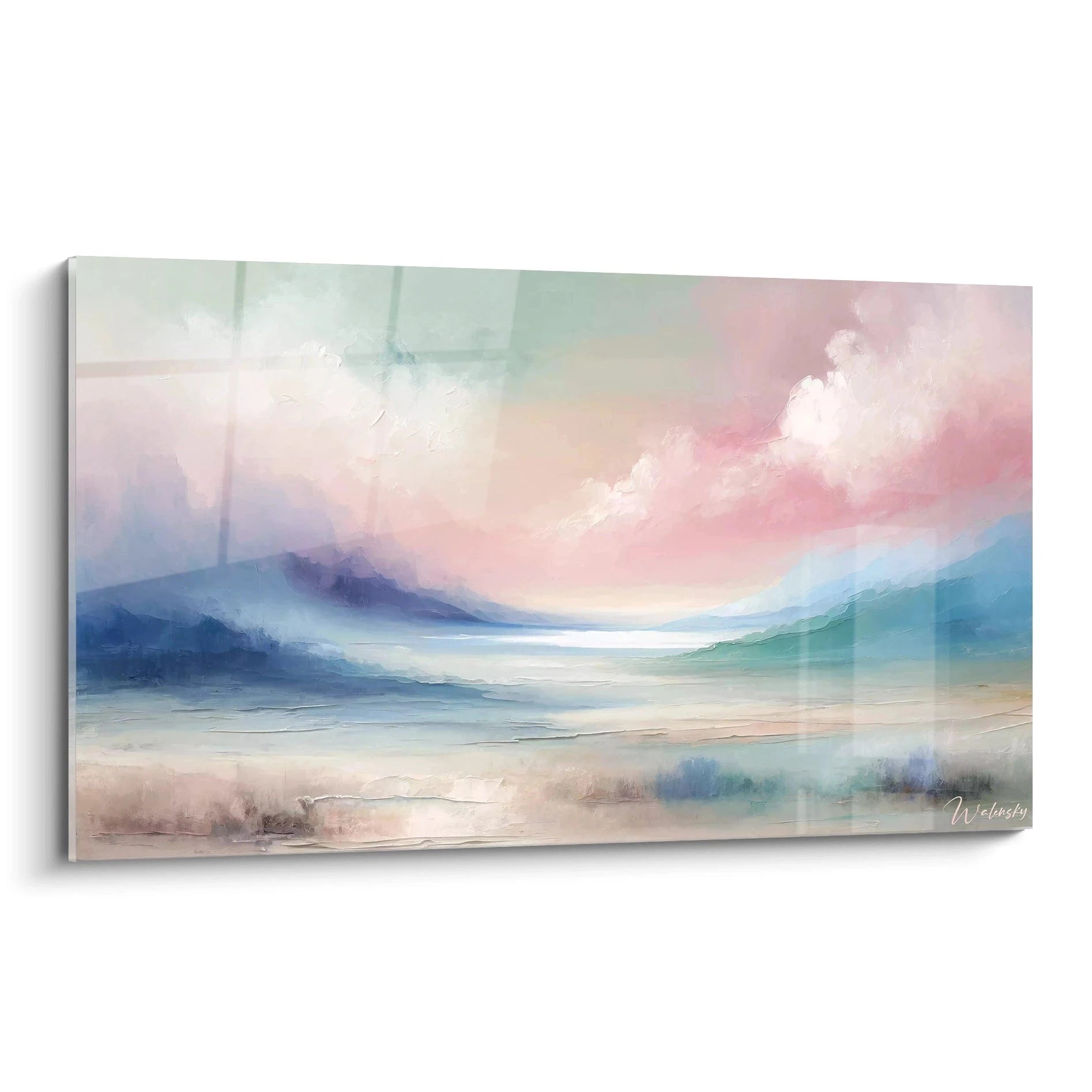


Wall Art for Yoga Studio Black and White
Our Black and White Yoga Room Artwork collection offers minimalist artistic works designed to harmonize your practice space. These monochrome creations bring a minimalist zen wall decor that promotes concentration and serenity. Each clean visual celebrates balance and fulfillment, creating an atmosphere conducive to meditation. With soothing graphic compositions, these black and white yoga artworks enhance your studio while respecting the contemplative spirit of your practice.
 Rooster Wall Art No. 2 - Animals Edition273,90 €
 Japanese Wave Painting No. 4 - Japan Around the World Edition273,90 €
 Black Sentinel Canvas - Penguin Animals Edition273,90 €
 The Engraving of Destiny Wall Art - Eagle Animals Edition273,90 €
 The Koala Embrace Canvas - Koala Animals Edition273,90 €
 Simplicity Striped Canvas - Zebra Animals Edition273,90 €
 Nocturnal King Artwork - Cat Animals Edition273,90 €
 The Feline Stretch Wall Art - Cat Animals Edition273,90 €
 Serenity Walk Painting - Black & White Edition273,90 €
Explore further
In Wall Art for Yoga Studio Black and White
-
 Wall Art for Yoga Studio213
artworks
Wall Art for Yoga Studio213
artworks
-
 Buddha Yoga Room Wall Art20
artworks
Buddha Yoga Room Wall Art20
artworks
-
 Wall Art for Yoga Studio Lotus14
artworks
Wall Art for Yoga Studio Lotus14
artworks
-
 Minimalist Yoga Room Wall Art24
artworks
Minimalist Yoga Room Wall Art24
artworks
-
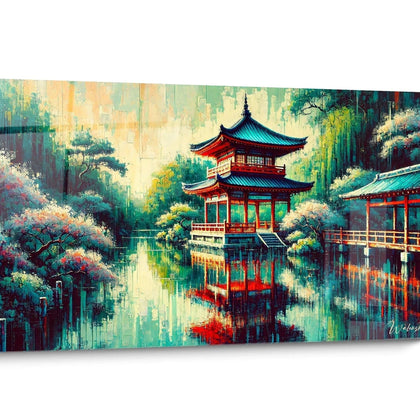 Japanese Yoga Room Wall Art24
artworks
Japanese Yoga Room Wall Art24
artworks
-
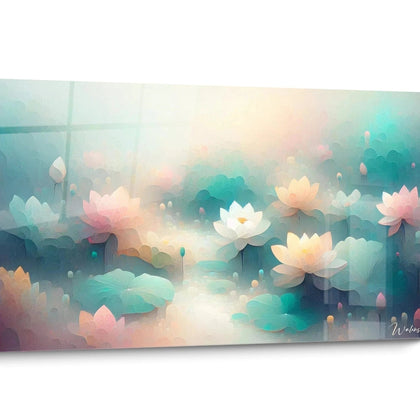 Abstract Wall Art for Yoga Studio24
artworks
Abstract Wall Art for Yoga Studio24
artworks
-
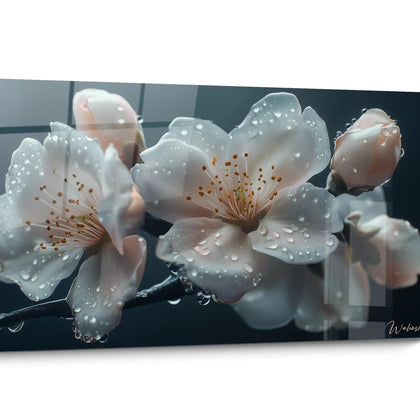 Flower Wall Art for Yoga Studio24
artworks
Flower Wall Art for Yoga Studio24
artworks
-
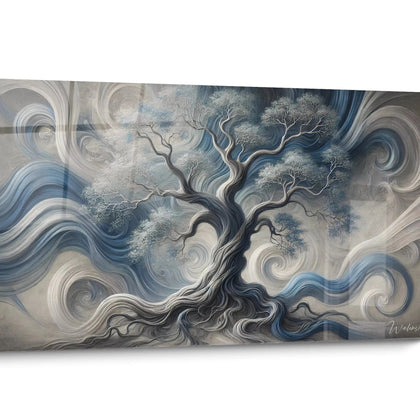 Wall Art for Yoga Studio Tree19
artworks
Wall Art for Yoga Studio Tree19
artworks
-
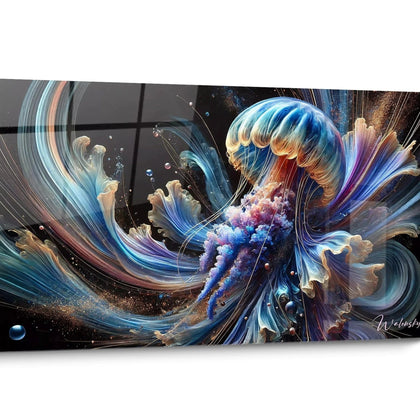 Golden Yoga Room Wall Art24
artworks
Golden Yoga Room Wall Art24
artworks
-
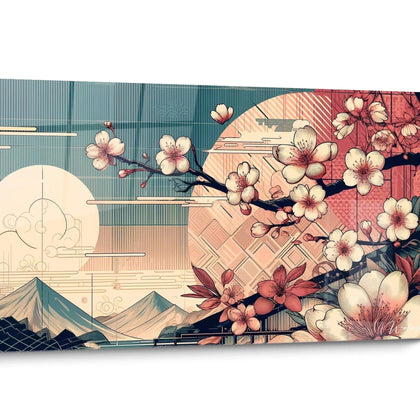 Turquoise Yoga Room Wall Art12
artworks
Turquoise Yoga Room Wall Art12
artworks
-
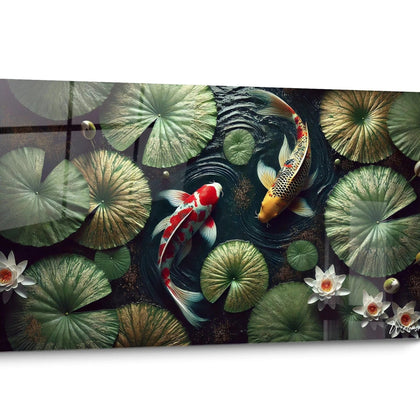 Green Yoga Room Wall Art10
artworks
Green Yoga Room Wall Art10
artworks
-
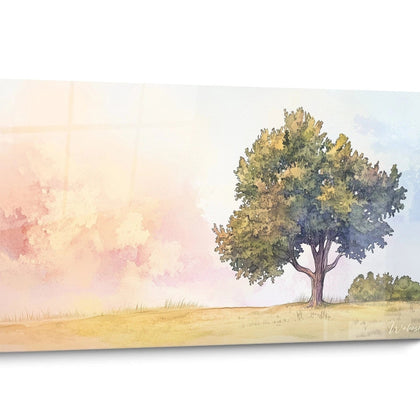 Yoga Studio Watercolor Wall Art6
artworks
Yoga Studio Watercolor Wall Art6
artworks
-
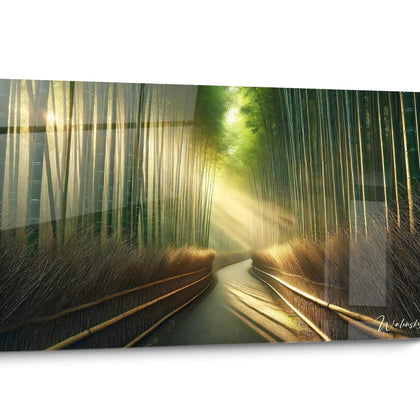 Bamboo Yoga Room Wall Art7
artworks
Bamboo Yoga Room Wall Art7
artworks

All about Wall Art for Yoga Studio Black and White
- Black and White Yoga Wall Art Presentation
- Monochrome Zen Atmosphere
- Yin Yang Duality Symbolism
- Visual Impact in Studio
A black and white yoga studio wall art creates an environment conducive to concentration and deep meditation. This refined palette promotes mental refocusing for practitioners by eliminating unnecessary visual distractions. Monochrome nuances amplify the collective practice space while preserving the individual intimacy required for introspective postures. These large-scale wall compositions transform studio energy into a visual sanctuary where each breath finds its graphical echo. Chromatic sobriety naturally dialogues with altered states of consciousness during advanced pranayama sessions.
Creating a Bubble of Visual Tranquility in Practice Studio
The installation of a black and white yoga studio wall art responds to an often-overlooked acoustic requirement: the absorption of parasitic visual energies during guided relaxation phases. Monochrome contrasts generate a depth effect that perceptually enlarges the practice space, particularly crucial in urban studios with reduced surfaces. This visual amplification allows more participants without creating a sense of congestion during dynamic flows.
How does bichromy influence the group's energetic thermoregulation?
Large-scale monochrome wall compositions stabilize the collective emotional temperature by neutralizing stimulating chromatic stimuli. During intense vinyasas, this neutrality allows the nervous system to remain in parasympathetic mode despite physical effort. Yoga therapists favor these works to accompany post-traumatic stress management practices, where sensory overstimulation must be avoided. A black and white yoga studio wall art thus becomes a complementary therapeutic tool to breathing techniques.
Optimizing energy circulation in studio architecture
The strategic positioning of a large-scale monochrome wall art facing the studio entrance creates a focal point that immediately channels attention inward. This geometric layout follows vastu shastra principles adapted to Western spaces, where gaze direction conditions practice depth. Black graphic lines on white background unconsciously guide postural alignment during standing sequences, particularly during balance poses requiring sustained concentration. For those seeking a more abstract dimension, a black and white yoga studio abstract wall art offers organic compositions that enrich this spatial dynamic.
Which formats to prioritize for multi-discipline studios?
Studios offering aerial yoga, yin and power yoga simultaneously require panoramic dimensions exceeding 150 cm width. These formats encompass the peripheral visual field of practitioners lying in shavasana, maintaining their meditative grounding even during transitions between participants. The verticality of black and white compositions particularly suits spaces dedicated to chair yoga or practices adapted for seniors, where gaze remains horizontal.
Symbolism of Polar Balance in Yoga Decoration
A black and white yoga studio wall art materializes the central philosophical concept of hatha yoga: the union of complementary opposites. This permanent visual representation reinforces practitioners' physical understanding of the yin-yang principle without resorting to traditional Oriental iconography sometimes perceived as culturally inappropriate in Western contexts. Studios seeking universal aesthetics adopt these monochrome compositions as neutral visual language transcending cultural affiliations.
The neurological impact of high contrasts during seated meditation
Research in contemplative neuroscience demonstrates that black-white contrasts specifically activate brain areas linked to fine sensory discrimination. This gentle stimulation maintains attentional alertness during long vipassana meditation sessions, countering drowsiness without creating mental agitation. Kundalini yoga teachers use these visual supports to anchor gaze during trataka practices, where prolonged ocular fixation requires a geometrically stable focal point.
Which visual composition favors student retention in studio?
Studio owners report a 30% increase in member retention when the visual environment promotes sensory coherence. A large-scale monochrome wall art creates a memorable visual signature differentiating the studio from local competition. This refined graphic identity also facilitates social media communication, with practitioners spontaneously sharing their sessions in front of aesthetically coherent decor. Panoramic horizontal formats integrate harmoniously into promotional video backgrounds without creating competitive distraction.
How to combine multiple monochrome works without visual overload?
The rule of thirds applies to multiple installations: space black and white wall arts at distances equaling one-third of their total width. This visual breathing preserves the mental clarity needed for asana transitions while structurally organizing different functional zones of the studio. Spaces dedicated to accessories, lockers and tea areas each benefit from an autonomous composition creating distinct sensory micro-environments.
Amplifying Pedagogical Presence through Monochrome Design
The integration of a black and white yoga studio wall art behind the teaching position transforms instructor-student dynamics. The marked contrast visually isolates the teacher's silhouette, improving readability of postural demonstrations by 40% according to pedagogical feedback. This visual clarity proves particularly critical during subtle hip or shoulder adjustments, where each degree of inclination matters for joint safety.
Adaptation to intensive teacher training requirements
Yoga Alliance certification centers favor monochrome environments to minimize cognitive fatigue during 8-hour consecutive theoretical modules. The chromatic neutrality of a black and white yoga wall art reduces overall sensory load, allowing trainees to maintain attention on complex anatomical explanations. XXL formats exceeding 180 cm create natural framing for videoconference sessions, standardizing backgrounds during international hybrid training.
Which finishes to prioritize for high-traffic studios?
Studios welcoming over 50 practitioners daily require surfaces resistant to ambient humidity generated by hot yoga practices. Monochrome compositions on anti-condensation treated supports preserve their contrast intensity despite extreme hygrometric variations. The absence of pigmented colors eliminates any risk of discoloration under intense natural lighting from south-facing bay windows, a recurring issue with eco-designed studios.
How does a monochrome wall art influence studio pricing perception?
Black and white refined aesthetics instantly convey premium quality codes associated with contemporary minimalist design. This perception justifies subscription rates 15-20% higher compared to studios with eclectic decor. Affluent urban clienteles seeking coherent wellness experiences prioritize visually controlled environments, where each decorative element appears to result from deliberate curatorial intention.
FAQ - Black and White Wall Art for Yoga Studio
Is a black and white yoga studio wall art suitable for yoga nidra practices?
Absolutely, monochrome sobriety facilitates the visual letting-go necessary for yoga nidra's hypnagogic states. Abstract compositions avoid narrative mental associations that would sustain cognitive activity during guided deep relaxation.
What is the optimal distance between monochrome wall art and the main practice area?
Maintain a minimum distance of 2.5 meters for comfortable peripheral vision of the black and white yoga wall art without requiring active eye movements during static postures. This distance preserves subliminal contrast integration without conscious focus.
Do black and white wall arts interfere with color visualization practices?
Conversely, the chromatic neutrality of a black and white yoga wall art serves as a blank mental screen facilitating projection of guided visualizations by chakras. The absence of predominant physical hues leaves free rein to interior colors generated during advanced energetic meditations.


