


Wall Art for Yoga Studio Tree
Our Painting for Yoga Room Tree collection embodies serenity and grounding. These works celebrate the tree as a symbol of life, balance, and connection to nature. Perfect for creating a zen atmosphere in a yoga room, they invite contemplation and promote meditative practice. Each creation evokes the quiet strength and natural harmony of the tree, transforming your space into a soothing sanctuary. Ideal for yoga studios, meditation rooms, or wellness spaces.
 Breath of Earth Wall Art - Tree of Life Zen Edition273,90 €
 Tree of Life Zen Dance of Seasons Wall Art273,90 €
 Night Tree Wall Art - Zen Life Tree Edition273,90 €
 Ancient Tree Wall Art - Life Tree Zen Edition273,90 €
 Eternal Tranquility Wall Art - Tree Nature Edition273,90 €
 Weeping Willow Painting No. 1 - Nature Edition273,90 €
 Fir Tree Painting No. 1 - Nature Edition273,90 €
 Inner Journey Painting - Feng Shui Zen Edition273,90 €
 Eternal Roots Wall Art - Zen Tree of Life Edition273,90 €
 The Legacy of Souls Wall Art - Zen Tree of Life Edition273,90 €
 The Spirit of Nature Wall Art - Zen Tree of Life Edition273,90 €
 Ephemeral Harmony Wall Art - Zen Tree of Life Edition273,90 €
 Tree and Wind Fusion Wall Art - Tree of Life Zen Edition273,90 €
 Eternal Tree of Life Wall Art - Zen Tree of Life Edition273,90 €
 Meditative Journey Artwork - Various Zen Edition273,90 €
 Serenity in the Forest Wall Art - Zen Edition273,90 €
 Snowy Silhouette Painting - Minimalist Abstract Edition273,90 €
 Spring Breath Wall Art - Abstract Edition273,90 €
 Breath of Greenery Canvas - Minimalist Abstract Edition273,90 €
Explore further
In Wall Art for Yoga Studio Tree
-
 Wall Art for Yoga Studio213
artworks
Wall Art for Yoga Studio213
artworks
-
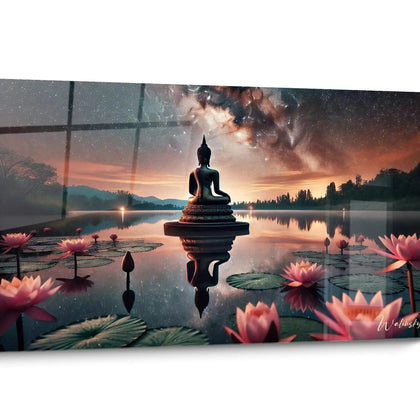 Buddha Yoga Room Wall Art20
artworks
Buddha Yoga Room Wall Art20
artworks
-
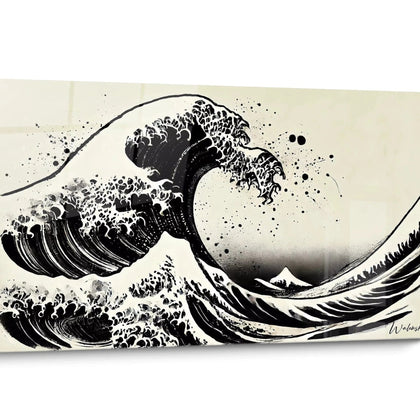 Wall Art for Yoga Studio Black and White9
artworks
Wall Art for Yoga Studio Black and White9
artworks
-
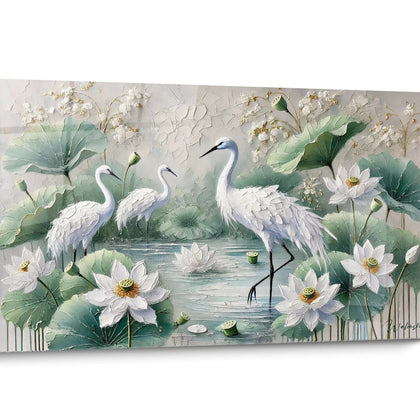 Wall Art for Yoga Studio Lotus14
artworks
Wall Art for Yoga Studio Lotus14
artworks
-
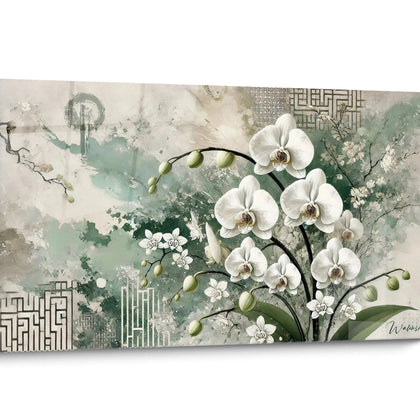 Minimalist Yoga Room Wall Art24
artworks
Minimalist Yoga Room Wall Art24
artworks
-
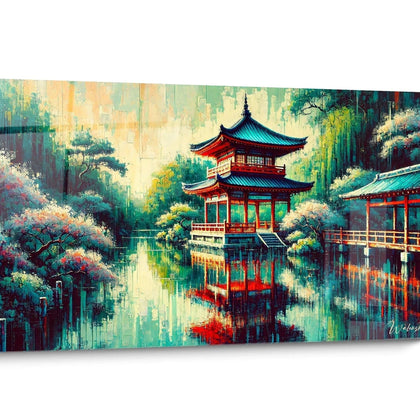 Japanese Yoga Room Wall Art24
artworks
Japanese Yoga Room Wall Art24
artworks
-
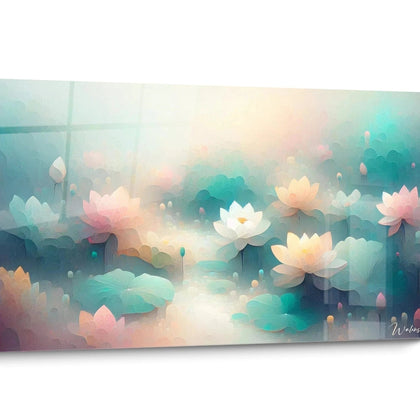 Abstract Wall Art for Yoga Studio24
artworks
Abstract Wall Art for Yoga Studio24
artworks
-
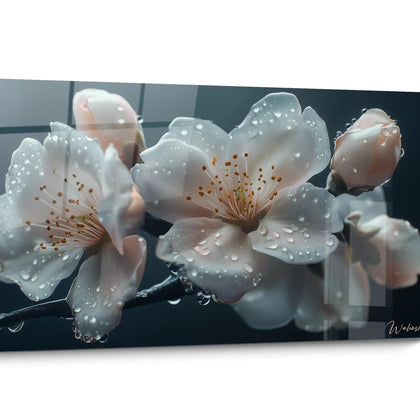 Flower Wall Art for Yoga Studio24
artworks
Flower Wall Art for Yoga Studio24
artworks
-
 Golden Yoga Room Wall Art24
artworks
Golden Yoga Room Wall Art24
artworks
-
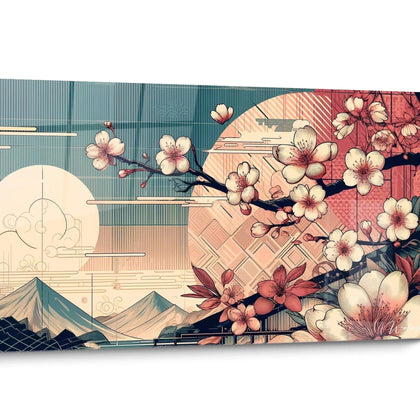 Turquoise Yoga Room Wall Art12
artworks
Turquoise Yoga Room Wall Art12
artworks
-
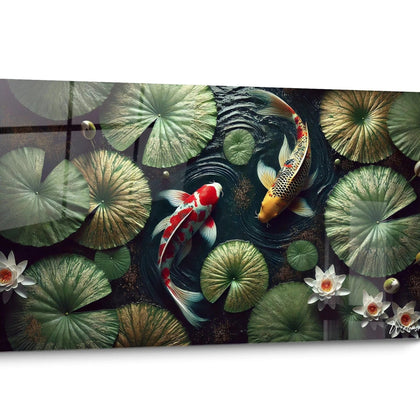 Green Yoga Room Wall Art10
artworks
Green Yoga Room Wall Art10
artworks
-
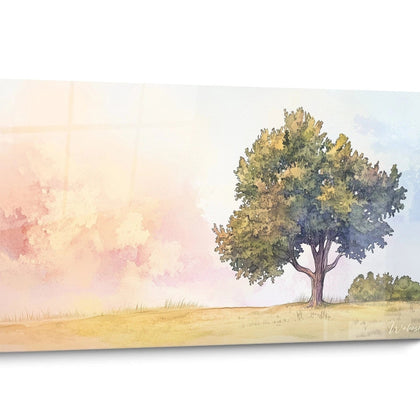 Yoga Studio Watercolor Wall Art6
artworks
Yoga Studio Watercolor Wall Art6
artworks
-
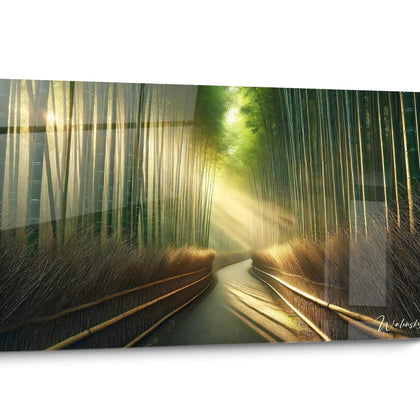 Bamboo Yoga Room Wall Art7
artworks
Bamboo Yoga Room Wall Art7
artworks

All about Wall Art for Yoga Studio Tree
- Presentation Painting Tree Yoga
- Natural Ambiance
- Symbolism and Energy
- Studio Integration
A painting for a yoga room tree radically transforms the atmosphere of your practice space by creating an immediate visual connection with nature. These large-format representations of majestic trees establish a soothing vegetal presence that accompanies each session, from sunrise salutations to final meditation. Unlike abstract or geometric wall decorations, these wooded visuals establish a deep symbolic anchor, echoing the roots of yogic philosophy and the iconic tree posture (Vrksasana). Yoga studios favor these compositions for their ability to naturally slow the heart rate of practitioners as soon as they enter the room, preparing the mind for introspection. The silent presence of a tree on the main wall creates a natural focal point during concentration exercises, offering a stable visual support to anchor attention without distracting. These imposing formats immediately capture the eye, transforming a simple white wall into a portal to an inner forest, particularly effective in urban spaces lacking visible outdoor vegetation.
The Visual Grounding by the Vegetal Painting in a Practice Room
The installation of a painting for a yoga room tree responds to a search for biophilic authenticity in contemporary practice spaces. Instructors observe a measurable reduction in the time it takes to bring students into a meditative state when a monumental tree adorns the background wall. This arboreal presence instantly evokes traditional forest retreats where the original teachings of yoga took place, creating an emotional bridge with this ancestral lineage.
How does the tree change the spatial perception of the studio?
Large formats representing trees with expansive branches create an illusion of vertical enlargement particularly beneficial in rooms with standard ceilings. The gaze naturally follows the ascending branches, inviting stretching and chest opening even before the start of practice. This upward visual dynamic effectively opposes daily mental compression, offering psychological breathing upon entering the room.
The chronobiology of the represented essences
Studio owners meticulously select the tree species according to the energetic orientation of their classes. A centuries-old oak with visible roots is suitable for hatha yoga practices focused on stability and fundamental strength. A slender birch with light branches harmonizes better with vinyasa flow sessions where the lightness of movement is paramount. Stylized life trees find their place in spaces dedicated to kundalini yoga, evoking the chakras and vertical energy circulation.
The interaction between wall vegetation and regular practitioners
Regulars develop a contemplative relationship with the wall tree which becomes a familiar landmark and silent companion of their evolution. Unlike abstract paintings for yoga rooms whose interpretation remains open, the tree offers a reassuring symbolic constancy. Some practitioners report visualizing their progress as the growth of this tree, establishing a metaphor for personal development deeply rooted in the physical space of the studio.
The Symbolic Power of the Tree in the Yogic Space
Choosing a painting of a tree for a yoga room transcends simple decoration to become a permanent visual lesson. In yogic tradition, the Ashvattha tree (sacred fig) represents the inverted universe, its roots plunging into the divine, while its branches extend into the material world. This millennial symbolism activates daily for practitioners exposed to its large-format representation, creating a silent pedagogy more effective than verbal explanations.
Why does the tree resonate with the philosophy of pranayama?
The tree constitutes the perfect natural model of the respiratory exchange that yoga seeks to optimize. Its ability to absorb carbon dioxide and release oxygen visually illustrates the pranayama purification process. During breathing exercises, students naturally focus on the represented branches, establishing a metaphorical connection between their own respiratory system and this monumental vegetal lung. Studios specializing in pranayama favor representations of trees with detailed foliage to strengthen this association.
Seasonal trees and practice cycles
Some avant-garde spaces adopt changing seasonal representations, alternating between the budding tree of spring for renewal sessions, lush summer foliage for solar energy, autumnal hues for introspection, and bare winter branches for stripped-down meditation. This rotation maintains visual freshness while subtly synchronizing practice with natural rhythms, particularly relevant for studios following Ayurvedic teachings.
The tree as witness to collective transformation
In established yoga communities, the monumental tree painting becomes a repository of the group's collective memory. Practitioners unconsciously associate certain branches with moments of personal breakthrough experienced in this place, creating a unique emotional mapping. This affective charge gradually transforms the image into a living mandala, personalized by the shared experience of dozens of people who have meditated in front of it.
Is a tree painting for a yoga room suitable for dynamic practices?
Absolutely. Trees with fluid shapes and branches in motion naturally accompany the energetic flows of vinyasa and ashtanga. Their rooted stability recalls the necessary grounding even in rapid transitions, while the dancing branches evoke the freedom of conscious movement.
How to integrate the tree into a multi-purpose room?
Monumental formats positioned on the focal wall allow for a sufficiently strong presence to structure the yoga space while remaining neutral enough to coexist with other activities. The universal nature of the tree crosses disciplinary boundaries, also serving as a contemplative support for tai-chi or guided meditation.
What dimension should be prioritized for a studio hosting 15 practitioners?
For a group of this size, a minimum format of 150x100 cm guarantees visibility from all mats. Larger dimensions (180x120 cm or more) create the sought-after forest immersion, truly transforming the wall into a virtual window onto nature rather than a simple decorative element.
Spatial and Energetic Optimization of the Tree Painting
The architectural integration of a wall painting of a tree for a yoga room requires strategic consideration of energy flows and lines of sight. Professional studios consistently position these representations on the wall facing which practitioners naturally settle, creating a spontaneous orientation. This arrangement avoids distraction from lateral movements while offering a stable visual horizon during balance postures and standing sequences.
The dialogue between a wall tree and living vegetation
Spaces combining living potted plants and monumental tree representation create an amplified biophilic resonance. The large-format wall painting establishes the dominant plant presence that real plants then punctuate, rather than the inverse which would create a visual competition. This hierarchy allows real plants to remain at human scale (plants on shelves, light suspensions) while the represented tree reaches the archetypal dimension necessary for symbolic anchoring.
What technical criteria for a humid environment?
Hot or bikram yoga rooms expose wall decorations to extreme humidity and significant temperature fluctuations. Formats designed for these conditions integrate specific protections against warping and accelerated discoloration. The representation of tropical trees (banians, palms) also creates a natural thematic coherence with these practices inspired by warm climates, reinforcing total sensory immersion.
Instructors tactically exploit the tree painting during teaching, inviting students to "extend their roots like the tree in front of you" or "raise your arms to the sky like these branches". These verbal references transform the image into an active pedagogical assistant rather than a passive decoration. This linguistic integration reinforces the kinesthetic memorization of correct alignments, particularly effective with beginners needing concrete visual references.
Complementarity with relaxation areas
In studios with a post-session relaxation area, subtly extending the arboreal theme with related elements (decorative branches, cushions with leafy patterns) creates a continuous experiential coherence. This thematic consistency facilitates maintaining a meditative state beyond formal practice, transforming the entire space into a unified natural sanctuary. The monumental painting remains the dominant element of the practice room, with other plant touches serving as visual echoes rather than repetitions.
Further reading
Our articles on this topic
- Do paintings of rooted trees evoke grounding in yoga?
- What maximum weight for a painting hung above a yoga practice area?
- Art gift idea for a passionate yoga practitioner: by seniority and ritual
- Yoga teacher gift: which tree painting to choose based on the message to convey
- Why Beige-Toned Wall Art Dominates Contemporary Yoga Studios?
- How to Choose Paintings That Don't Distract During Transitions Between Poses?
L'art qui suscite l'envie
Maison belge d'art mural grand format
14 jourspour changer d'avis*
Protection Walenskyincluse
Fabriquéen Italie
FormatXXL
Kit de fixationtoujours fourni
* Hors tableaux personnalisés et tailles personnalisées


