


Flower Wall Art for Yoga Studio
The Painting for Yoga Room Flower transforms your practice space into a sanctuary of serenity. These artistic creations combine the delicacy of floral patterns with the soothing energy of yoga, creating an atmosphere conducive to meditation and well-being. Each work celebrates the harmony between nature and spirituality. Perfect for a flowered yoga wall decoration, this wall art enriches your studio with a zen vegetal touch. Ideal for a floral meditative atmosphere, it inspires calm and rejuvenation.
 Marbled Peace Wall Art - Zen Edition273,90 €
 Narcissus Wall Art No. 4 - Nature Edition273,90 €
 Iris Painting No.10 - Nature Edition273,90 €
 Iris Wall Art No. 9 - Nature Edition273,90 €
 Iris Wall Art N°1 - Nature Edition273,90 €
 Poppy Wall Art No. 2 - Nature Edition273,90 €
 Lily Wall Art N°2 - Nature Edition273,90 €
 Wisteria Painting No. 2 - Nature Edition273,90 €
 Wisteria Wall Art No. 1 - Nature Edition273,90 €
 Cherry Blossom Wall Art No. 2 - Nature Edition273,90 €
 Arum Painting N°2 - Nature Edition273,90 €
 Arum Painting N°1 - Nature Edition273,90 €
 Zen Orchid Wall Art - Orchid Nature Edition273,90 €
 Midnight Blue Painting - Abstract Flower Edition273,90 €
 Petals on Water Canvas - Abstract Flower Edition273,90 €
 Silk Glow Wall Art - Abstract Flower Edition273,90 €
 Porcelain Garden Wall Art - Abstract Flower Edition273,90 €
 Brilliance of Purity Wall Art - Abstract Flower Edition273,90 €
 Flowers and Lanterns Canvas - Zen Edition273,90 €
 Flower of Light Canvas - Zen Edition273,90 €
 Floral Softness Artwork - Zen Edition273,90 €
 Moon Flower Painting - Zen Edition273,90 €
 Eternal Bloom Canvas - Asia Edition273,90 €
 Whisper of the Lotus Wall Art - Abstract Flower Edition273,90 €
Explore further
In Flower Wall Art for Yoga Studio
-
 Wall Art for Yoga Studio213
artworks
Wall Art for Yoga Studio213
artworks
-
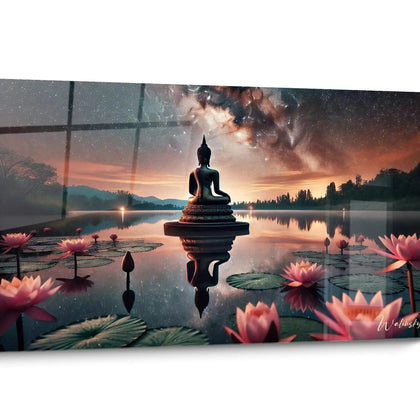 Buddha Yoga Room Wall Art20
artworks
Buddha Yoga Room Wall Art20
artworks
-
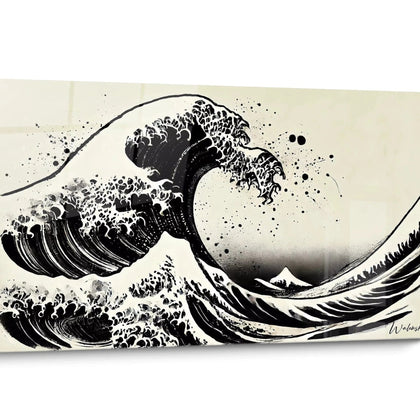 Wall Art for Yoga Studio Black and White9
artworks
Wall Art for Yoga Studio Black and White9
artworks
-
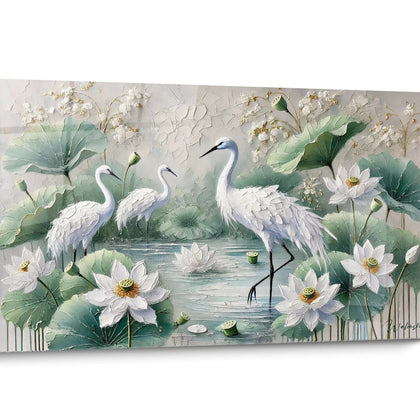 Wall Art for Yoga Studio Lotus14
artworks
Wall Art for Yoga Studio Lotus14
artworks
-
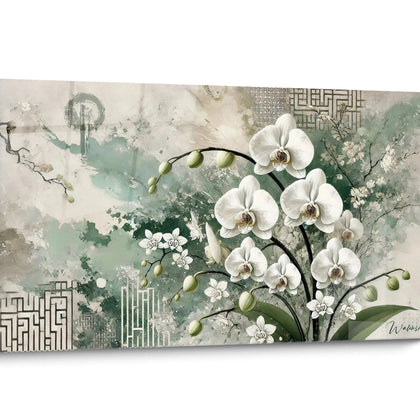 Minimalist Yoga Room Wall Art24
artworks
Minimalist Yoga Room Wall Art24
artworks
-
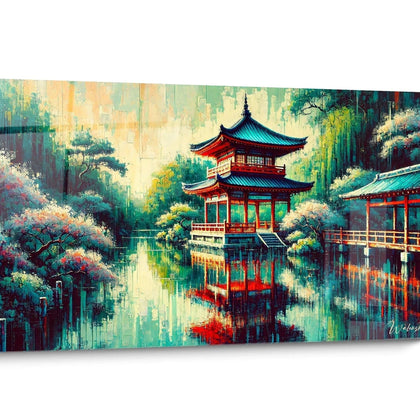 Japanese Yoga Room Wall Art24
artworks
Japanese Yoga Room Wall Art24
artworks
-
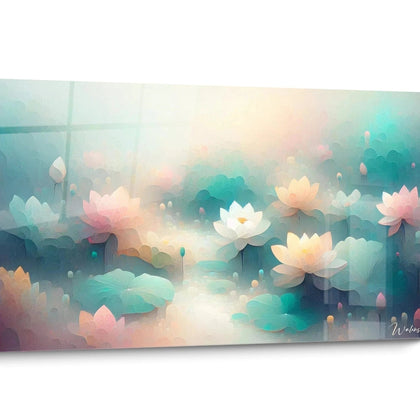 Abstract Wall Art for Yoga Studio24
artworks
Abstract Wall Art for Yoga Studio24
artworks
-
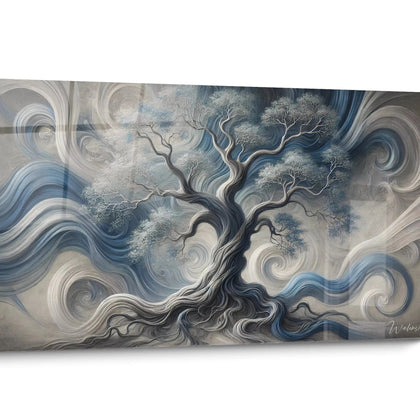 Wall Art for Yoga Studio Tree19
artworks
Wall Art for Yoga Studio Tree19
artworks
-
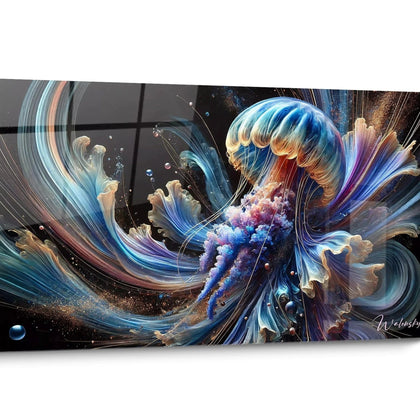 Golden Yoga Room Wall Art24
artworks
Golden Yoga Room Wall Art24
artworks
-
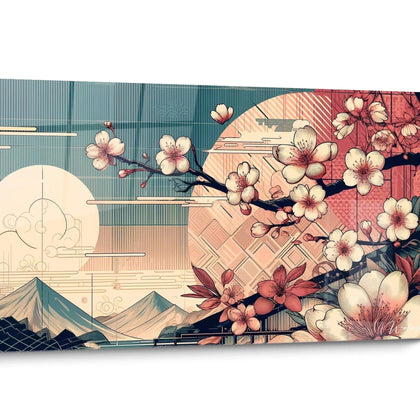 Turquoise Yoga Room Wall Art12
artworks
Turquoise Yoga Room Wall Art12
artworks
-
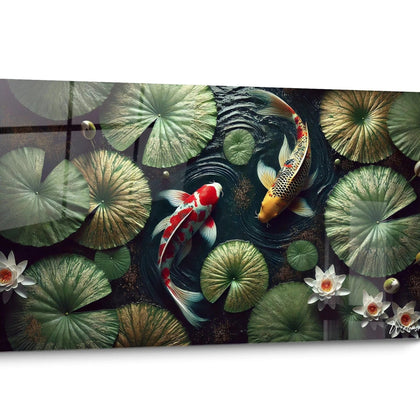 Green Yoga Room Wall Art10
artworks
Green Yoga Room Wall Art10
artworks
-
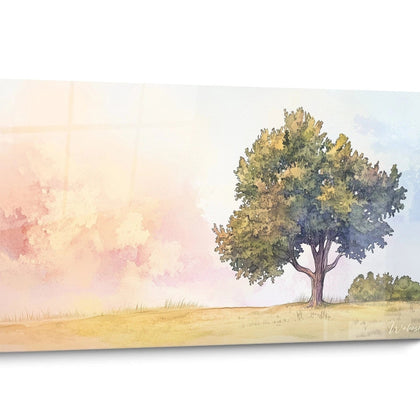 Yoga Studio Watercolor Wall Art6
artworks
Yoga Studio Watercolor Wall Art6
artworks
-
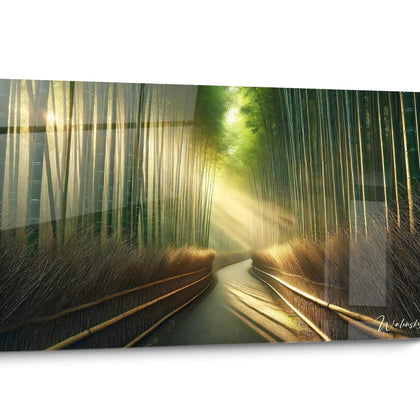 Bamboo Yoga Room Wall Art7
artworks
Bamboo Yoga Room Wall Art7
artworks

All about Flower Wall Art for Yoga Studio
- Yoga Floral Wall Art Presentation
- Floral Symbolism and Meditative Practice
- Sensory Atmosphere and Tranquility
- Floral Selection for Wellness Spaces
Transforming your yoga studio into a sanctuary of serenity involves integrating visual elements that promote grounding and inner connection. A yoga studio floral wall art instantly creates an atmosphere conducive to meditation, where each petal represents a visual reminder of impermanence and nature's cycle. Large-format floral representations amplify the immersion effect, transforming walls into contemplative windows to nature. Unlike geometric compositions, botanical motifs stimulate a form of gentle concentration, essential during balance poses or pranayama exercises. Floral iconography is rooted in a millennia-old tradition of spiritual symbolism, each plant variety carrying its own energetic vibrations and meditative meanings.
Botanical Symbolism and Energetic Alignment in Yoga Studios
Incorporating a yoga studio floral wall art transcends simple decoration to become a tool for vibrational harmonization. White lotus flowers evoke purification and spiritual awakening, reminding practitioners of the journey from mud to light, a central metaphor in Eastern philosophies. Peonies bring energy of prosperity and emotional transformation, particularly beneficial in yin yoga practices where deep tension release is the focus.
Which flowers should you choose to strengthen the intention of your yoga practice?
Orchids symbolize refined beauty and spiritual perfection, ideal for studios focused on precise alignment and the pursuit of perfect posture. Cherry blossoms embody the ephemeral and mindfulness of the present moment, a fundamental teaching of mindfulness integrated into modern yoga. A large-format visual of wild poppies stimulates a meditative reverie state, facilitating transition to altered consciousness during yoga nidra.
How do floral representations influence the chakras?
Red flowers like poppies or roses activate Muladhara, the root chakra, strengthening the sense of security necessary for grounding practices. Compositions in lavender and violet tones resonate with Sahasrara, the crown chakra, promoting consciousness expansion during deep meditations. A yoga studio floral wall art featuring vibrant yellow sunflowers energizes Manipura, the solar plexus, increasing self-confidence during demanding power yoga sequences.
Large-format botanical visuals create essential focal points during drishti exercises, that gazing concentration which stabilizes both mind and body simultaneously. Contemplative observation of a floral composition before practice mentally prepares for the session, acting as a transition ritual between the external world and the sacred space of your mat.
Creating Sensory Atmosphere Through Botanical Imagery
A large-format yoga studio floral wall art generates a calming presence that instantly modifies your studio's spatial perception. Macro botanical compositions, revealing infinite details of petals and pistils, invite meditative observation that naturally slows heart rate and deepens breathing. This pre-practice contemplation prepares the parasympathetic nervous system to activate, the optimal condition for entering restorative postures.
Which floral color effects for which type of session?
Pastel tones of magnolias or hydrangeas diffuse visual softness particularly suited for prenatal yoga sessions or restorative practices with props. Vivid contrasts between dark petals and light backgrounds create an energizing dynamic, beneficial for morning vinyasa flow classes where the goal is to awaken the body progressively. A monochrome palette of purified whites and creams amplifies the sense of space, essential in small studios where every square meter counts visually.
Floral imagery also establishes symbolic connection with seasonal cycles and the cyclical nature of our own vital energy. Incorporating cherry blossom representations evokes spring renewal, encouraging practitioners to approach their session as personal rebirth. Autumn compositions in amber and copper tones support introspective practices of the cold season, inviting the internal retreat necessary for regeneration.
How does botanical visual amplify imagined olfactory dimension?
Neuroscience shows that observing a familiar flower activates the same brain areas as its actual scent, a visuo-olfactory synesthesia phenomenon exploitable in yoga. A yoga studio floral wall art depicting lavender can literally trigger relaxation sensations similar to aromatherapy, without a diffuser or essential oil. This cross-sensory activation enriches the immersive experience, particularly during savasana when all senses converge toward complete interiority.
For those who also appreciate less figurative compositions, exploring an abstract yoga studio wall art can offer a complementary alternative, creating interesting visual dialogues between organic forms and refined geometries.
Strategic Floral Selection for Studios and Dedicated Spaces
Choosing a yoga studio floral wall art adapted to your needs requires fine understanding of the energy you wish to cultivate in your practice space. Representations of wild flowers in motion suggest freedom and spontaneity, central philosophy of vinyasa yoga where breath guides movement in fluid and organic fashion. Conversely, symmetrical compositions of floral mandalas reinforce the structured and meditative aspect, perfectly aligned with ashtanga or iyengar practices that value precision and repetition.
Which dimensions should you prioritize to maximize visual impact without saturating the space?
Extra-large panoramic formats work remarkably well on the main wall facing mats, creating a vegetative horizon line that visually widens the room. A monumental vertical representation of flowering bamboos or cherry branches naturally draws the eye upward, symbolically reminding of spiritual elevation sought in practice. For multi-purpose studios, a floral triptych allows visual modulation according to needs: mentally bring closer for intimate sessions, expand for group classes.
How can you combine multiple botanical elements without creating visual confusion?
The rule of single focal point remains essential: an imposing yoga studio floral wall art constitutes the visual anchor, while secondary elements (living plants, accessories) complement without competing. Minimalist compositions depicting a single magnified flower stem create a zen maximalist effect, that apparent contradiction characterizing Japanese aesthetics applied to contemporary wellness spaces.
Integration of stylized rather than ultra-realistic photographic floral patterns favors the mental abstraction necessary for deep meditation, avoiding the analytical distraction that excessive detail sometimes creates. Watercolor interpretations with their blurred contours and chromatic transparencies visually imitate the mental blur sought during letting-go practices, subliminally reinforcing session intention.
For teachers organizing retreats or thematic workshops, adapting floral visuals according to seasons or specific intentions enriches pedagogical experience. A spring composition of tulips naturally accompanies a cycle on renewal and personal growth, while lotus in full bloom thematically supports a workshop on spiritual awakening and transcendence of conditioning.
Does floral art suit all yoga styles?
Absolutely, though certain botanical varieties resonate better with specific approaches. Dynamic practices like rocket yoga harmonize with energetic floral compositions in vivid colors, while restorative yoga favors soft tones and calming rounded shapes.
What orientation for yoga studio floral wall art optimizes concentration?
Position it facing mats during standing poses to serve as natural drishti, or on the side wall for floor practices where peripheral vision takes priority over frontal focus. Avoid placement behind the teaching area to prevent visual competition with the instructor.
How do you maintain visual freshness of fixed floral decoration?
Unlike fresh flowers that wilt, permanent visual becomes a stable practice companion, temporal marker witnessing your own evolution. Its very constancy becomes meditative, illustrating the paradoxical impermanence of what remains visually identical while we transform internally.


